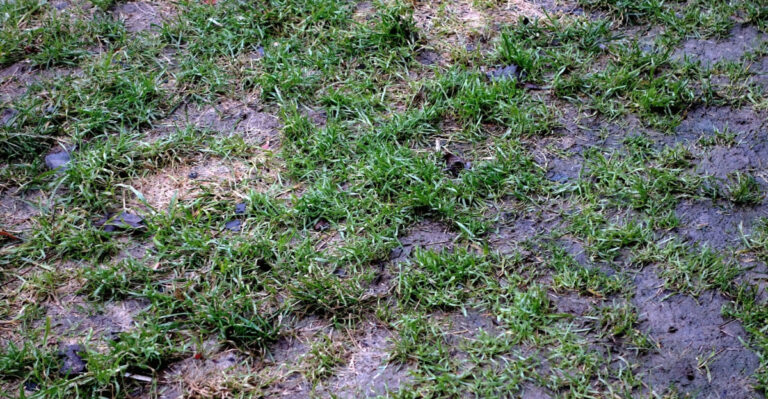
The Yard Mistakes Making Tick Problems Worse In Ohio This Spring
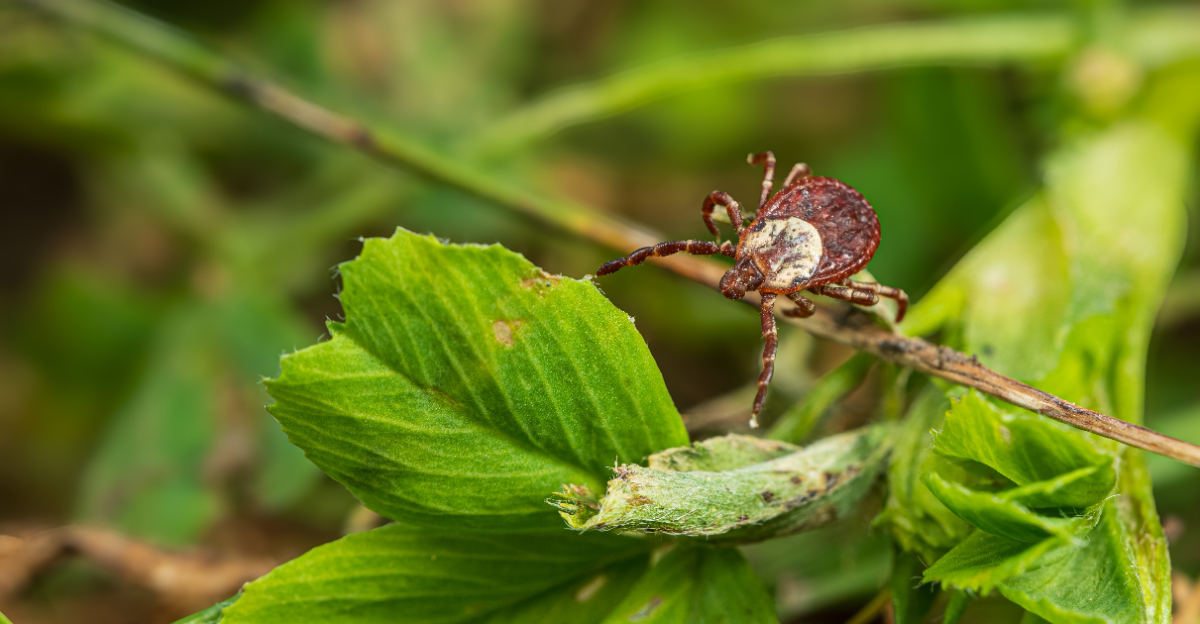
Tick populations in Ohio have been expanding for years and spring is peak activity season. Most homeowners focus on protecting themselves with repellent and checking after hikes, which is smart.
But the yard itself often gets ignored, and that is where the real problem lives. Certain habits that seem completely harmless are actively making your property more attractive to ticks every single week.
Leaf litter left along fence lines. Grass that creeps a little too long between cuts.
Brush piles that seemed fine to leave until fall. Shady moist edges that never fully dry out after rain.
Ticks do not need wilderness to thrive in Ohio anymore. They are comfortable in suburban yards, garden beds, and the strip of overgrown grass between your lawn and the neighbor’s fence.
So what is your yard actually doing wrong? Probably a few things, and most of them are simpler to fix than you think.
1. Letting Grass Grow Tall Gives Ohio Ticks The Perfect Launchpad

Tall grass is not just an eyesore. It is one of the most well-documented tick habitats in residential yards across this state.
Ohio State University Extension notes that ticks, particularly blacklegged ticks, are commonly found in tall grass, brush, and leaf litter. There, they wait on vegetation for a passing host.
That behavior is called questing, and it happens most often in shaded, humid spots close to the ground.
Mowing regularly is one of the simplest ways to break that cycle. Keeping grass at a reasonable height reduces the shade and moisture that ticks depend on.
Do not just focus on the center of the lawn. Fence lines, the edges of garden beds, the strip along your driveway, and the border between your lawn and any wooded area deserve the same attention.
Play zones and pet areas especially need consistent mowing throughout spring and summer. A forgotten corner near a swing set or a shaggy patch along the back fence can become a questing zone fast.
State University Extension recommends removing tall weeds and maintaining mowed turf as part of a tick-reduction strategy. Set a mowing schedule and stick to it, even when the week feels busy.
2. Leaving Leaf Litter Behind Turns Your Yard Into Tick Cover
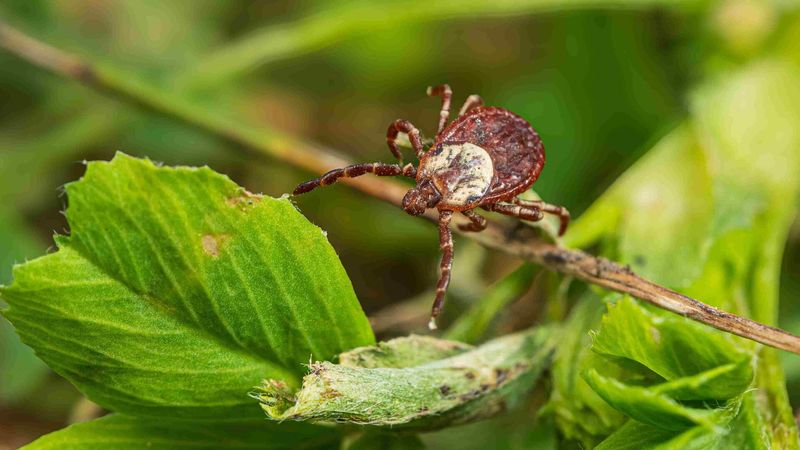
Not every pile of leaves is a problem, but unmanaged leaf litter in the wrong places absolutely is. State University Extension identifies leaf litter as a key component of tick habitat, particularly for blacklegged ticks.
Leaves hold moisture, block sunlight, and create the kind of cool, damp microenvironment where ticks can survive and stay active longer.
The trouble spots in most yards are easy to overlook. Think about the leaves that collect along your fence, pile up under shrubs, drift into garden beds, or sit forgotten near the edge of your patio.
Those are the zones that matter most, especially in areas where kids play or pets roam.
Raking and clearing leaf buildup from high-use areas is a practical, low-cost step that can meaningfully reduce tick presence near your home. You do not have to strip every inch of your property.
Your Ohio Garden Changes Every Week. Your Plan Should Too.
Gardening in Ohio changes quickly throughout the season. Every Friday you’ll receive a simple weekly plan showing exactly what to plant, prune, fertilize, harvest, and protect so you never miss the right timing.
Focus on the spaces closest to where people and pets spend time. Paths, patios, play areas, and wooded borders are the priority.
Clear those zones in early spring before tick activity peaks, and revisit them after windstorms or heavy leaf fall later in the season. Staying ahead of buildup is much easier than dealing with a thick, matted layer all at once.
3. Ignoring Brush Piles Invites Rodents That Carry Ticks Closer
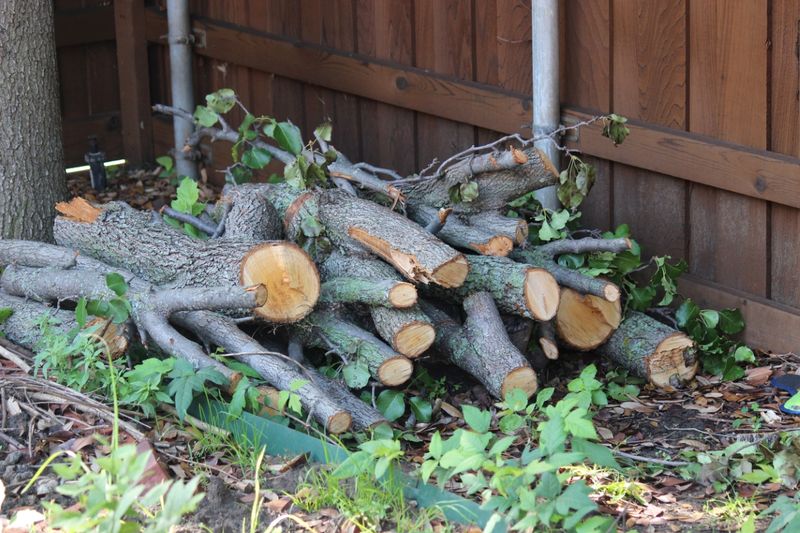
That pile of branches from last fall’s trimming might seem harmless sitting in the corner of your yard. But brush piles, stacked debris, and cluttered edges do more than look messy.
They create shelter for rodents and small mammals, which are key hosts for tick larvae and nymphs. State University Extension points out that reducing habitat for rodents and small mammals is part of an effective tick management approach.
White-footed mice are especially significant in the tick life cycle. They are common across this state and are highly efficient at transmitting the pathogen that causes Lyme disease to feeding tick larvae.
When rodents nest close to your home, they bring ticks with them, and those ticks can eventually find their way to you, your kids, or your pets.
Clearing brush piles promptly makes a real difference. If you have a pile that has been sitting since winter, move it well away from the house and break it down rather than letting it linger.
Keep woodpiles stacked neatly and stored away from the home’s foundation. Tidy up brushy corners along fences and property edges.
Do not let cleanup debris sit for weeks waiting for a yard waste pickup. The sooner you clear it, the less time it has to become a rodent residence.
4. Skipping Spring Cleanup Keeps Tick Habitat Right Where You Live

Spring cleanup feels like a chore most people delay, but in a yard with tick pressure, putting it off has real consequences. Winter debris, matted leaves, withered plant stalks, weedy patches, and brushy overgrowth give ticks exactly the type of cover they need.
This happens right when they are becoming active again. State University Extension and Ohio Department of Health both emphasize that habitat reduction is one of the most effective tools homeowners have.
Think of spring cleanup as tick prevention, not just yard beautification. A focused weekend of work can remove the cover that ticks depend on before the season fully kicks in.
Your checklist does not need to be complicated. Mow the lawn, rake leaf litter from beds and borders, clear brush and old plant debris, trim overgrown shrubs, and tidy up around sheds and play equipment.
Pay special attention to shady spots. The north side of your house, areas under dense trees, and low spots where moisture collects are all places ticks can linger longer into the season.
Inspect those zones and clean them out early. Getting ahead of spring growth means you are not playing catch-up all summer.
Make cleanup a two-step process: a thorough early-spring pass, then a follow-up once new growth fills in.
5. Letting Weeds Take Over Creates Shady Tick Waiting Zones
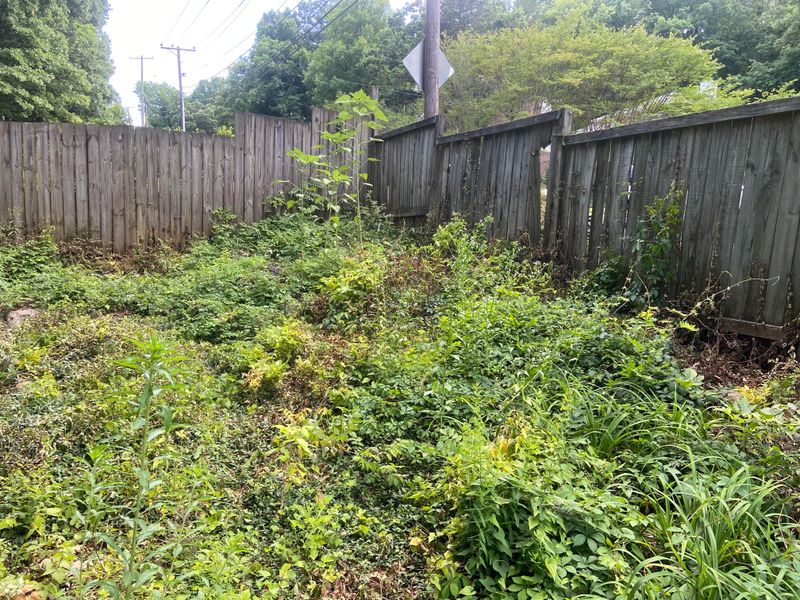
Weeds are not just a cosmetic problem. Overgrown patches of low vegetation create exactly the shaded, humid conditions that ticks prefer for questing.
State University Extension associates tick activity with tall grass, brush, and leaf litter, and unmowed weed patches fit that description perfectly.
The corners most people ignore, around sheds, along raised bed edges, under fences, and near wood lines, are often the shadiest and least disturbed spots in the yard.
What makes this different from the tall grass issue is the type of vegetation involved. Weeds tend to grow in irregular, dense clumps that are harder to mow around.
They also tend to appear in neglected zones where people rarely walk, which means ticks questing there face less disturbance and more opportunity.
Pet areas deserve specific attention here. Dogs and cats often sniff and explore weedy borders out of habit, which puts them right in the zones where ticks are most likely to be waiting.
Keep the perimeter around pet enclosures, dog runs, and pet doors trimmed and clear. Pull weeds around raised beds and along fences before they get established.
A few minutes of weeding each week is far easier than managing a dense overgrown strip that has been ignored since April. Stay consistent, especially in shaded areas.
6. Forgetting Pet Protection Lets Ticks Hitchhike Indoors
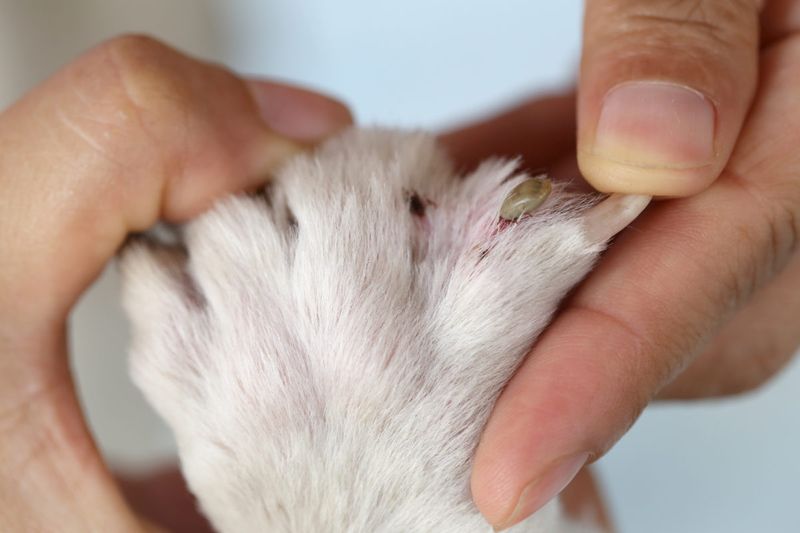
Pets are enthusiastic explorers, and they do not check themselves for ticks before coming back inside. Dogs in particular will push through tall grass, sniff along weedy fence lines, and nose into brushy corners without a second thought.
That makes them one of the most common ways ticks travel from your yard into your home. The Ohio Department of Health recommends checking pets after they have been outdoors, especially in grassy or wooded areas.
Ticks found on pets can drop off indoors and seek another host, which might be a person in your household. They can also attach to pet bedding, furniture, or rugs before being noticed.
Cats that go outdoors face similar risks, even if they seem less likely to romp through tall grass.
Talk to your veterinarian about tick prevention products that are appropriate for your pet’s size, age, and health. That conversation is worth having before tick season hits full stride.
Beyond products, build a habit of checking your pet’s ears, neck, between the toes, and around the tail after every outdoor session. Keep the areas where pets spend the most time mowed and clear of brush.
Limit your dog’s access to wooded borders and tall weedy strips during peak tick activity in spring and early summer.
7. Allowing Wildlife Access Brings Tick Hosts Straight To The Yard

Deer are beautiful to watch, but they are also efficient tick transporters. White-tailed deer are one of the primary hosts for adult blacklegged ticks.
They can carry dozens of ticks at a time through neighborhoods, parks, and residential yards. Ohio Department of Natural Resources data confirms that white-tailed deer are widespread across this state.
That includes suburban and semi-rural areas where many homeowners live.
Deer are not the only concern. Rodents, raccoons, opossums, and other small mammals can all carry ticks and move them through your yard.
What draws these animals in? Messy brush piles, accessible trash cans, fallen fruit from trees, bird feeder spillage on the ground, and dense overgrown edges all act as attractants.
Reducing those invitations is a practical way to lower wildlife traffic near your home.
Secure trash cans with tight-fitting lids. Clean up fallen fruit regularly.
Rake up seed spilled under bird feeders, or move feeders away from the house. Close gaps under decks, porches, and sheds where small animals might shelter.
Fencing can help limit deer access in some yards. None of this means eliminating wildlife from your life.
It means making your yard less appealing as a through-route or resting spot for animals that may be carrying ticks.
8. Treating Tick Control Like A One-Time Chore Lets Problems Rebound
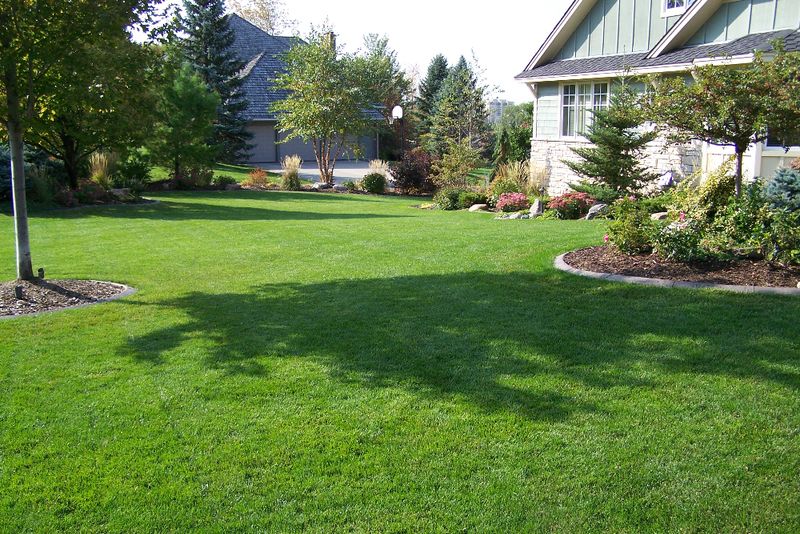
One good weekend of yard work in April will not carry you through the entire season. Grass keeps growing.
Weeds come back. Leaves collect after windstorms.
Brush piles rebuild when you trim in May and forget to clear them. Ticks do not take a break just because you cleaned up once, and neither should your yard care habits.
State University Extension and Ohio Department of Health guidance consistently points to habitat management as an ongoing practice, not a single event.
Tick activity in this state typically runs from early spring through late fall, with blacklegged tick nymphs being especially active in late spring and early summer.
That is a long window that requires a repeatable routine.
Build a simple schedule you can actually follow. Mow consistently throughout spring and summer.
Clear leaf litter after windstorms and in shaded zones. Trim weedy edges every few weeks.
Check pets after outdoor time. Inspect yourself and family members after time in grassy or brushy areas.
Reduce rodent shelter around the yard. Monitor the spaces where you and your family spend the most time.
Tick-aware yard care works best as a season-long habit. Make it part of how you maintain your outdoor space, not just something you think about when you spot a tick.