The Yard Mistakes Making Tomato Blight Worse In Ohio After Heavy Rain
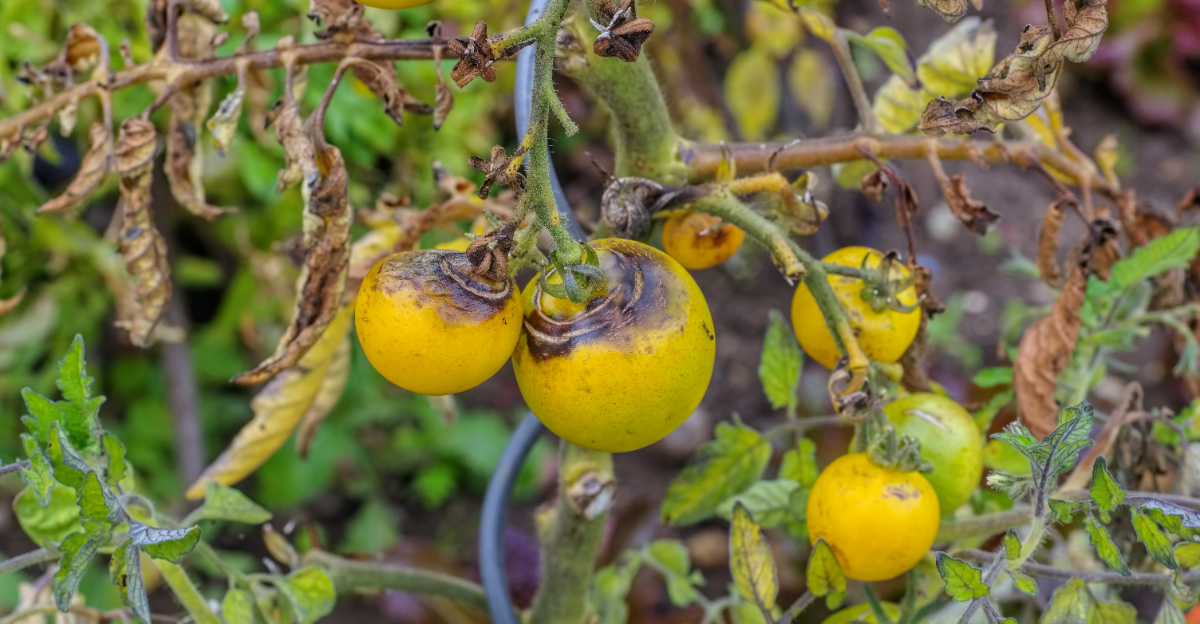
Heavy rain and Ohio tomatoes have a complicated relationship. The plants need moisture.
July delivers it, sometimes all at once. The aftermath of a good soaking creates conditions that certain yard mistakes turn into a blight problem fast.
Blight spores travel in water. They splash up from soil, move through wet foliage, and find every opportunity a poorly managed garden hands them.
Rain opens the door. Certain yard habits leave it wide open.
The mistakes that make blight worse after heavy rain are not dramatic. Several look like reasonable garden management.
None of them feel like an invitation to disease in the moment they happen. Ohio tomato growers who keep losing plants to blight after summer storms are almost always making at least one of them.
The rain is not the problem. What the yard does with it is.
1. Leaving Bare Soil Under Tomato Plants
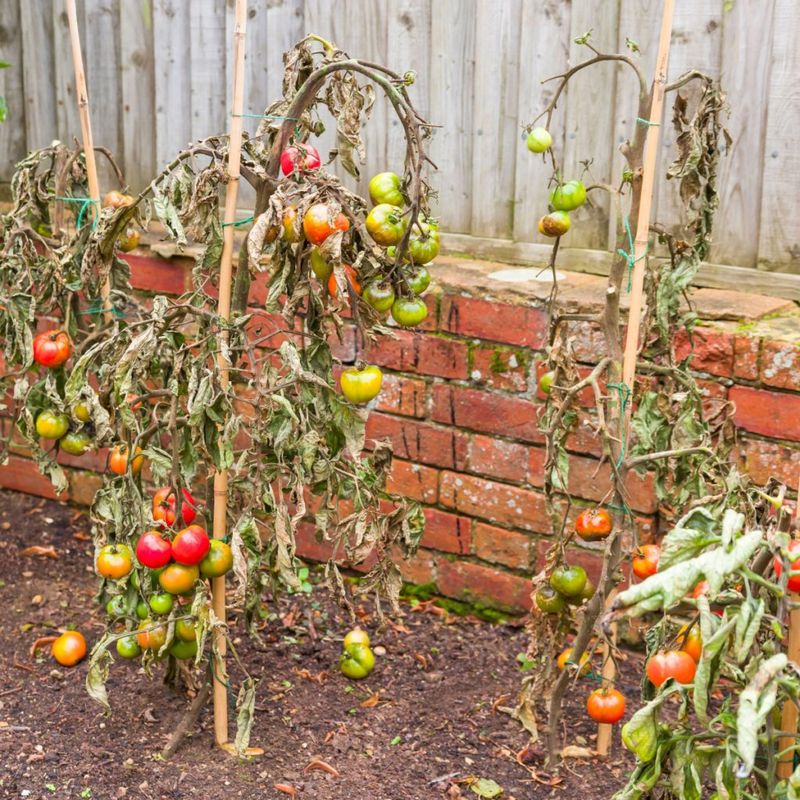
Picture a raindrop hitting bare soil at full force. That tiny impact sends a spray of fine particles flying upward, and anything living in that soil, including fungal spores and bacteria, can travel right along with it.
OSU Extension vegetable disease guidance explains that soil splash helps spread early blight and Septoria leaf spot. These diseases can move to lower tomato leaves during wet weather.
Leaving the ground bare under your tomato plants is one of the most common mistakes gardeners make. It costs nothing extra at planting time, but it can make disease pressure climb fast after a heavy rain.
A layer of mulch acts as a physical barrier between the soil and your plant’s foliage.
Straw, shredded leaves, grass clippings, or compost are all reasonable mulch options for tomato beds. University extension resources suggest applying mulch after the soil has warmed in late spring.
Keep it a few inches away from the main stem so it does not trap excess moisture. Plastic mulch can also work well in some Ohio gardens.
Mulch will not prevent every tomato disease. Pathogens can arrive on wind, tools, transplants, and neighboring plants.
But reducing soil splash is a practical, low-cost step that can help lower the risk of disease organisms reaching your plants during rainy stretches.
2. Letting Lower Leaves Touch Wet Ground
A wet cage after a summer storm is a familiar sight in Ohio gardens. But look closer at the base of your tomato plants.
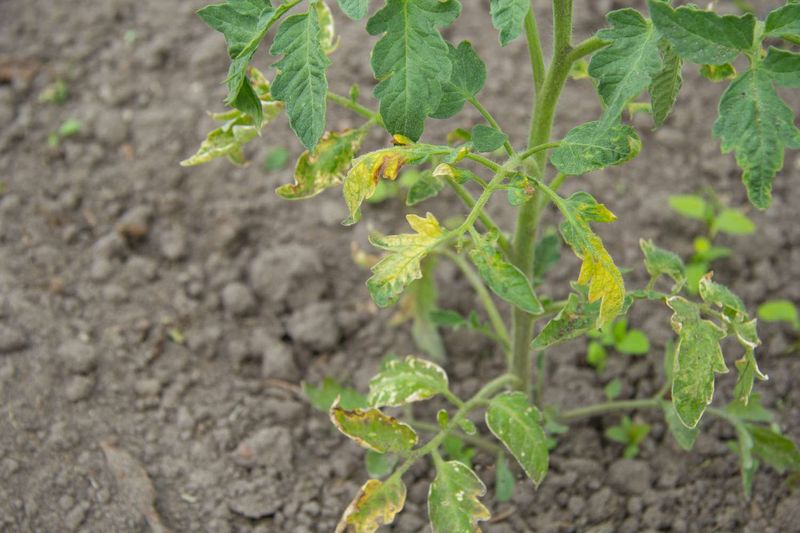
If lower leaves are resting on or near the soil, they are sitting in a zone of high humidity, moisture, and potential splash exposure all at once. That combination raises disease pressure significantly.
OSU vegetable disease resources note that lower, older foliage often shows early blight and Septoria leaf spot first. Those leaves sit closest to the soil and face more splash exposure.
Removing a few of the lowest leaves can help, but stripping the plant too aggressively causes its own problems.
For indeterminate tomato varieties, pruning lower leaves gradually and carefully as the season progresses can improve airflow near the base. Determinate varieties need more of their foliage intact to support fruit development, so be more conservative with those.
Your Ohio Garden Changes Every Week. Your Plan Should Too.
Gardening in Ohio changes quickly throughout the season. Every Friday you’ll receive a simple weekly plan showing exactly what to plant, prune, fertilize, harvest, and protect so you never miss the right timing.
Never remove more than one-third of the plant’s foliage at once.
Tying or caging vines gently so stems stay upright also helps. When foliage is lifted off the ground, it dries faster after rain and stays out of the splash zone.
Supporting your plants well costs very little and pays off in a cleaner, healthier base throughout the growing season.
3. Watering Overhead After Rain Already Soaked Leaves
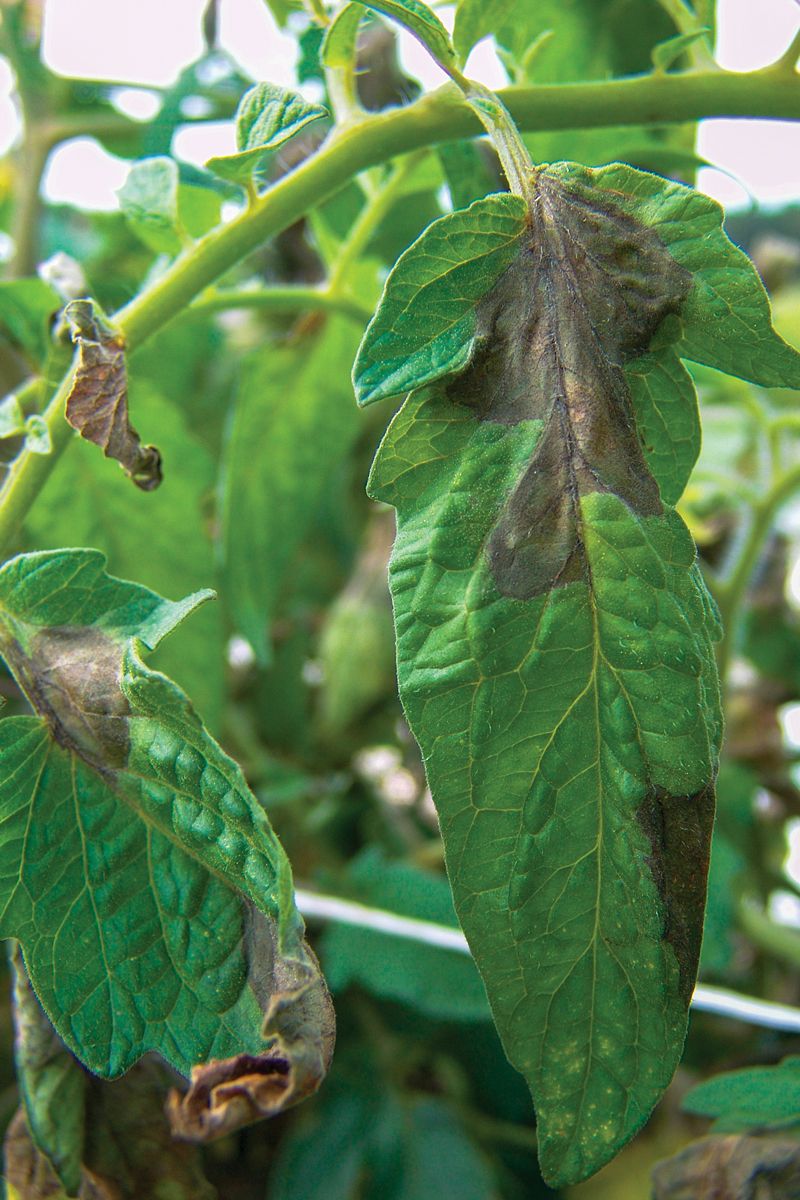
Wet foliage is a known factor in tomato disease development. Many fungal and bacterial pathogens need moisture on leaf surfaces to infect plant tissue, and the longer leaves stay wet, the higher that risk becomes.
Heavy rain already does a thorough job of soaking your plants, so adding more overhead water on top of that extends the window of vulnerability.
OSU Extension guidance on vegetable irrigation consistently points to drip irrigation and soaker hoses as better options for tomatoes. These methods deliver water directly to the root zone without wetting the foliage at all.
If you cannot switch to ground-level watering right away, watering early in the morning gives leaves the best chance to dry before nightfall.
After a significant rain event, check your soil moisture before reaching for the hose. Ohio summers can bring rain followed quickly by heat, but the soil often holds more water than it appears to.
Sticking a finger two inches into the soil near the plant base gives a quick read on whether more water is actually needed.
Avoiding unnecessary overhead watering will not eliminate disease pressure on its own, but it can shorten the leaf wetness periods that allow pathogens to take hold.
Pairing smarter irrigation with mulch and good plant spacing creates a more complete defense for your garden after a rainy stretch.
4. Crowding Plants So Foliage Stays Damp
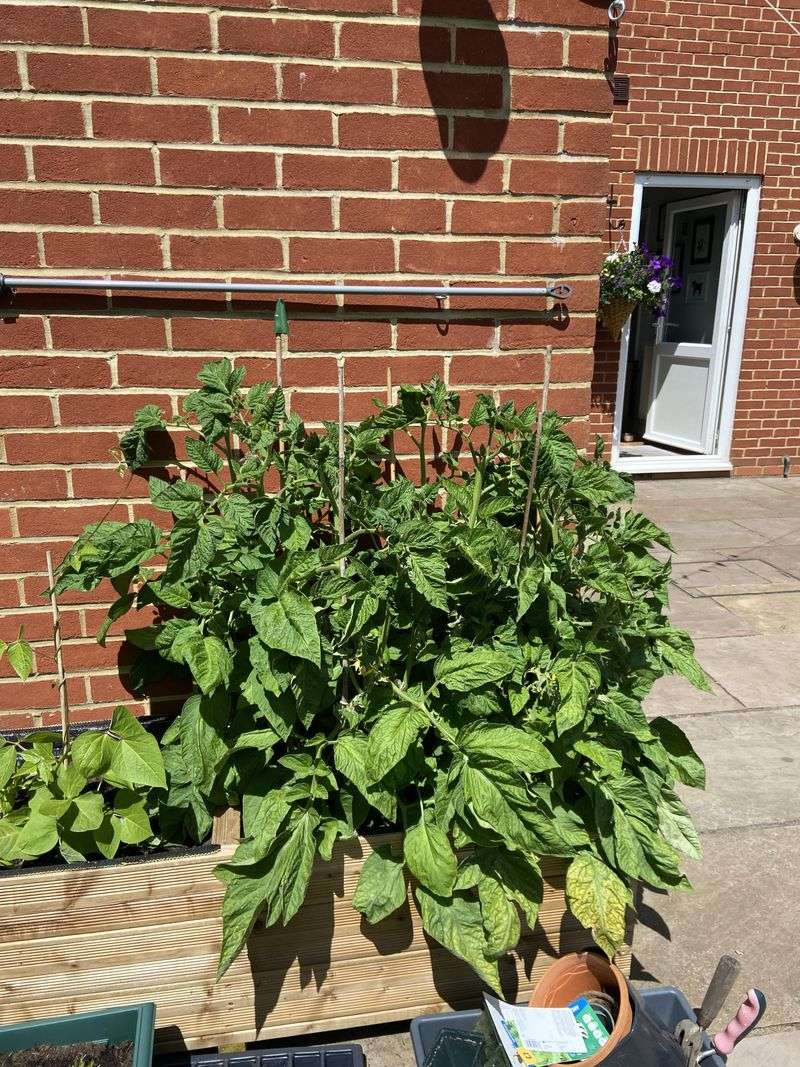
Walk down a row of tomatoes planted too close together after a summer rain, and you can feel the difference. The air barely moves between the vines, and the leaves stay damp long after the storm has passed.
Slow-drying foliage is a real problem because many common tomato pathogens need that extended moisture to establish and spread.
Spacing recommendations from seed packets and extension sources exist for a reason. Most tomato varieties do best with at least 24 to 36 inches between plants, depending on the type.
Giving plants room allows air to circulate, which helps foliage dry faster after rain. OSU Extension vegetable production guides reinforce that proper spacing is a basic but important part of disease management.
Staking, caging, or trellising plants also helps open up the canopy. When vines sprawl or lean into each other, the center of the plant stays shaded and humid.
Light pruning can remove a few crowded interior branches and improve airflow. Do it without exposing fruit to sunscald, which can happen when fruit loses too much leaf cover.
Airflow alone will not make plants disease-free. If pathogens are already present in the soil or on plant material, they will find a way.
But reducing the time leaves stay wet after rain is a practical way to lower the conditions that favor infection. Good spacing is a decision made at planting that pays dividends all season long.
5. Ignoring Spotted Leaves At The Bottom First
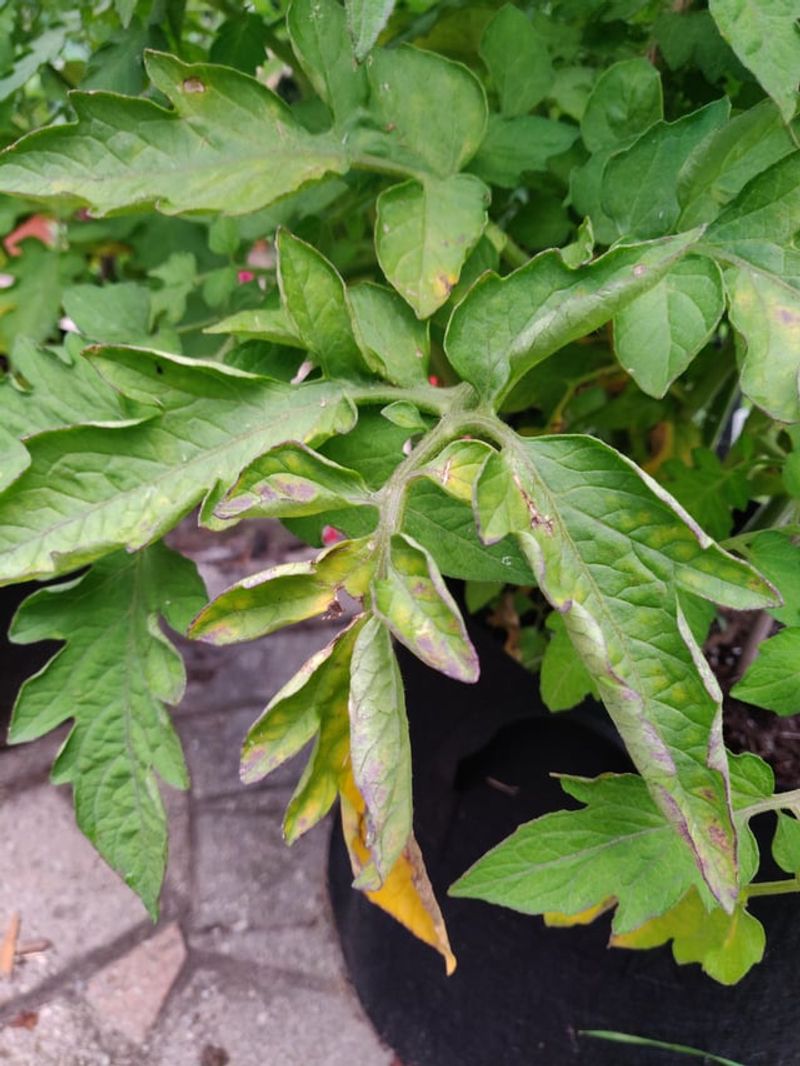
Spotted leaves near the base of a tomato plant are easy to overlook when the upper canopy still looks lush and green. But those bottom leaves are often the first place that early blight, Septoria leaf spot, and other common tomato diseases show up.
Catching symptoms early gives you more options before problems move upward.
Plant pathology resources explain that Septoria leaf spot typically appears first on lower leaves as small, circular spots with dark borders and lighter centers. Early blight shows up as larger brown spots with a target-ring pattern, often on older foliage.
These two diseases look different from each other and different from late blight, which tends to spread more aggressively and may show up on stems and fruit as well.
After a rainy stretch, walk through your garden and check the lower third of each plant. Photograph any spots you see.
Tracking whether spots are spreading upward over a few days helps you gauge how serious the situation is.
Removing badly affected lower leaves can reduce the amount of infected material near the soil, but do not remove healthy foliage just because it is low on the plant.
A single spot is not a diagnosis. Yellowing, browning, and dark lesions all have multiple possible causes, including nutrient issues and physical damage.
If symptoms are widespread or spreading fast, compare them against OSU Extension disease photos before taking action.
6. Composting Diseased Tomato Foliage
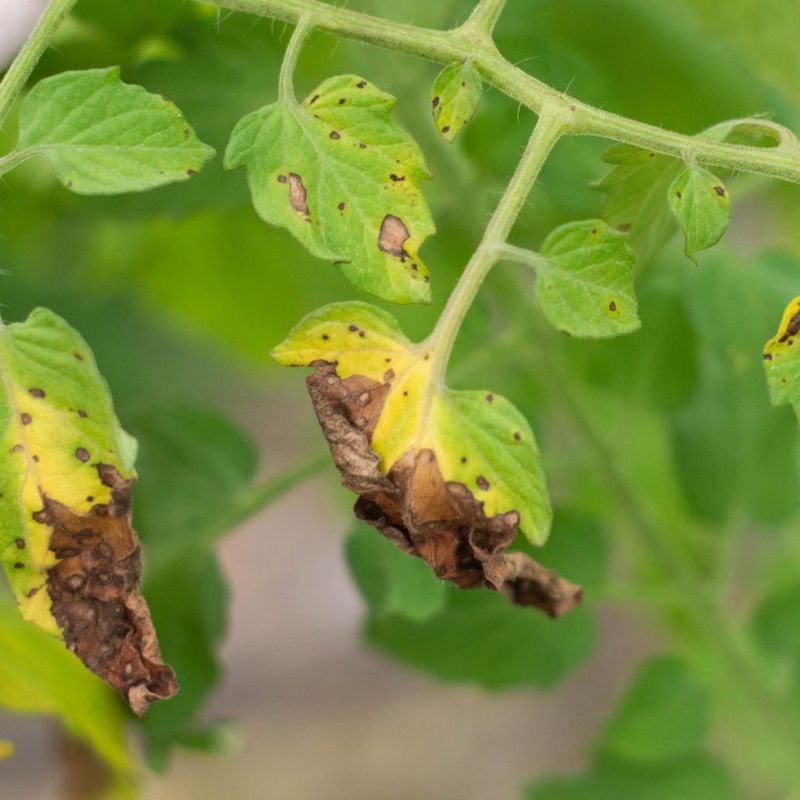
Pulling off a diseased tomato leaf feels productive. Tossing it into the compost bin feels responsible.
But that second step may actually be spreading the problem rather than solving it. Home compost piles do not always get hot enough to destroy plant pathogens.
Adding diseased material to compost that later goes on garden beds can reintroduce the same organisms.
OSU Extension plant disease guidance cautions that many home compost systems run cool. They may not reliably destroy fungal spores or bacterial pathogens from diseased plant material.
Hot composting can break down many pathogens when internal pile temperatures stay at 130 to 150 degrees Fahrenheit. Maintaining those temperatures takes careful management of pile size, moisture, and turning frequency.
For most Ohio home gardeners, the safer approach is to bag diseased tomato leaves and stems in a sealed bag. Dispose of them with household waste rather than composting them.
This keeps suspect material out of future garden beds and reduces the chance of spreading disease organisms through the soil.
Healthy tomato trimmings and non-diseased plant material can still go into a well-managed compost pile. The key is being selective.
Not every tomato leaf is a disease risk. But when you are dealing with spotted foliage after a wet season, keeping diseased debris out of compost is a simple precaution.
7. Pruning Wet Plants With Dirty Tools
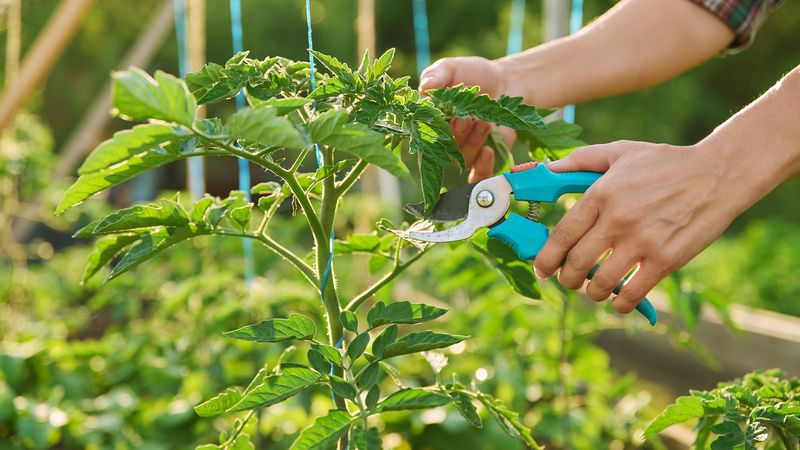
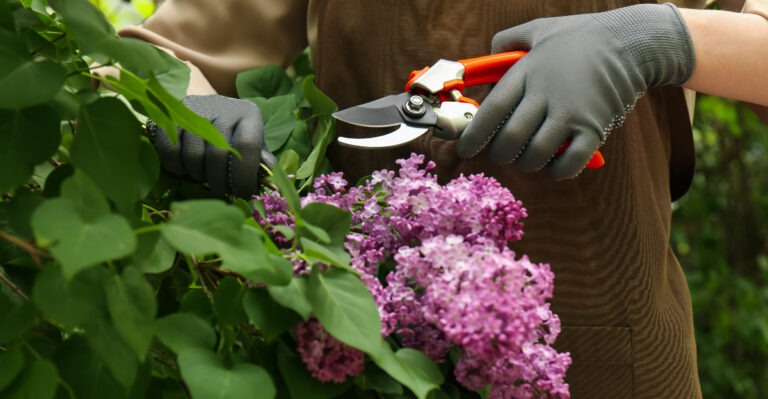
Reaching for the pruners right after a rain feels efficient. The plants are accessible, you can see which leaves look rough, and it seems like a good time to clean things up.
But working on wet plants with tools that have not been cleaned is one of the quieter ways disease can move through a garden row.
University extension plant pathology guidance notes that tools used on infected plant material can carry pathogens from one plant to the next. Wet conditions make it easier for bacteria and fungal material to transfer on blades.
This is especially relevant with bacterial spot and other diseases that spread through contact and moisture.
Waiting until foliage has dried before pruning is the simplest fix. If you need to prune during a wet period, clean your tools between plants.
OSU Extension and university plant disease resources recommend diluted bleach or isopropyl alcohol for tool disinfection. Always follow current extension guidance and product safety instructions for the right method and concentration.
Sharp pruners also matter. Clean cuts heal faster and create smaller wound surfaces than torn or crushed cuts made with dull blades.
Avoid making unnecessary cuts on healthy plant tissue, especially during periods of high disease pressure. Every wound is a potential entry point for pathogens, so pruning with a clear purpose and clean tools is worth the extra minute it takes.
8. Calling Every Blight Spot Late Blight
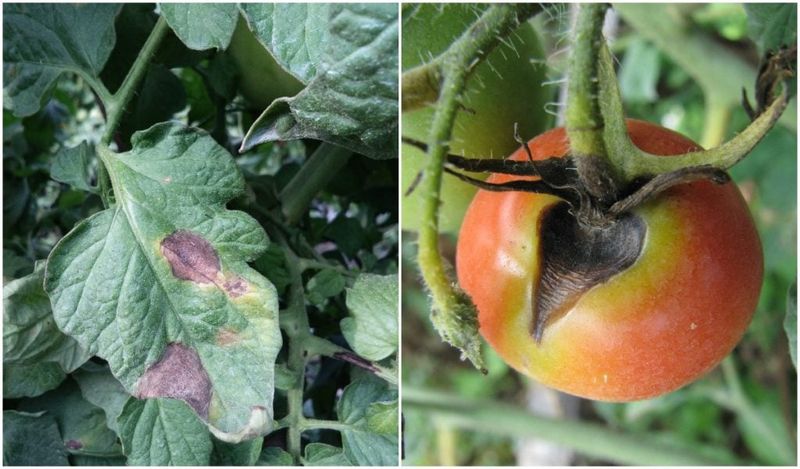
Brown spots on tomato leaves after a heavy rain can send gardeners straight to worst-case thinking. Late blight gets mentioned often, and its reputation is serious.
But late blight is a specific disease caused by Phytophthora infestans, and it is not the same as early blight, Septoria leaf spot, or bacterial spot. Treating them as identical leads to wrong responses and unnecessary sprays.
OSU Extension plant disease resources describe late blight as producing large, greasy-looking, water-soaked lesions. In humid conditions, white mold may appear on the underside of leaves.
It can spread rapidly and affect stems and fruit. Early blight and Septoria leaf spot, by contrast, tend to start on lower leaves with more defined spots and progress more slowly under typical conditions.
If you see brown spots, compare them carefully against OSU Extension disease identification photos before assuming the worst.
Check local disease alerts through OSU Extension, which tracks late blight activity across Ohio and nearby regions when it is circulating.
If symptoms spread fast, cover large areas, or affect stems and green fruit, contact the OSU Plant and Pest Diagnostic Clinic or your local extension office for help.
Correct diagnosis protects your plants and your budget. Spraying for late blight when you actually have Septoria leaf spot means you may be using the wrong product at the wrong time.
After heavy rain, the best defense is cleaner soil cover, drier leaves, better airflow, and a calm, accurate look at what is actually happening in your garden.
9. Skipping End-Of-Season Sanitation In Tomato Beds
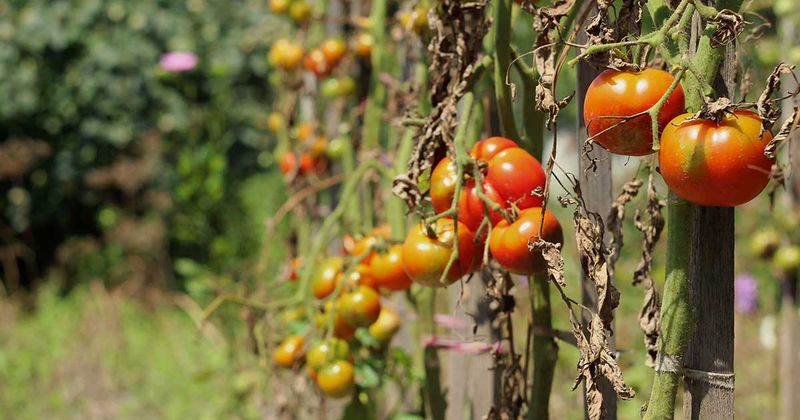
Most tomato disease conversations focus on what happens during the growing season, but what gets left behind in the fall matters just as much.
Old vines, fallen leaves, and plant debris left in the bed over winter can harbor fungal spores and bacterial material that survive until the following spring.
When rain arrives early in the next season, those organisms are ready to go.
OSU Extension vegetable disease guidance consistently emphasizes end-of-season garden cleanup as part of an overall disease management strategy.
Removing and disposing of tomato plant material after the final harvest reduces the amount of overwintering inoculum in the bed.
This is especially worth doing in beds where disease pressure was noticeable during the season.
Rotating tomato crops to a different section of the garden each year is another recommended practice from university extension sources. Growing tomatoes in the same spot year after year allows soil-borne pathogens to build up over time.
Rotating to a different bed location, even just a few feet away, can lower that buildup.
Cleaning up does not need to be complicated. Pull spent vines, rake up fallen leaves, and dispose of any material that showed signs of disease during the season.
Healthy, non-diseased plant debris can go into compost. Suspect material should be bagged and discarded.
A clean bed going into winter gives next year’s plants a better starting point before the first rain of the season even falls.