The 7 Native Ohio Plants That Outperform Traditional Veggies In Hot Sun
Summer does not mess around when it comes to garden stress.
Weeks of intense sun, unpredictable rainfall, and soil conditions that seem to change their mind every other week can leave even the most enthusiastic vegetable gardener feeling a little worn out by midsummer.
The plants often feel the same way. But here is something worth considering: Ohio is home to a collection of native edible plants that have been quietly adapting to exactly these conditions for centuries, and they are genuinely impressive.
These are not replacements for your tomatoes or peppers, and nobody is suggesting you give those up.
What native edible plants offer is something different: a productive, lower-maintenance approach to edible gardening that works with Ohio’s climate instead of fighting it.
Beautiful, functional, and surprisingly generous with the harvest. What is not to love about that combination.
1. Eastern Prickly Pear Handles Hot, Sunny Sites
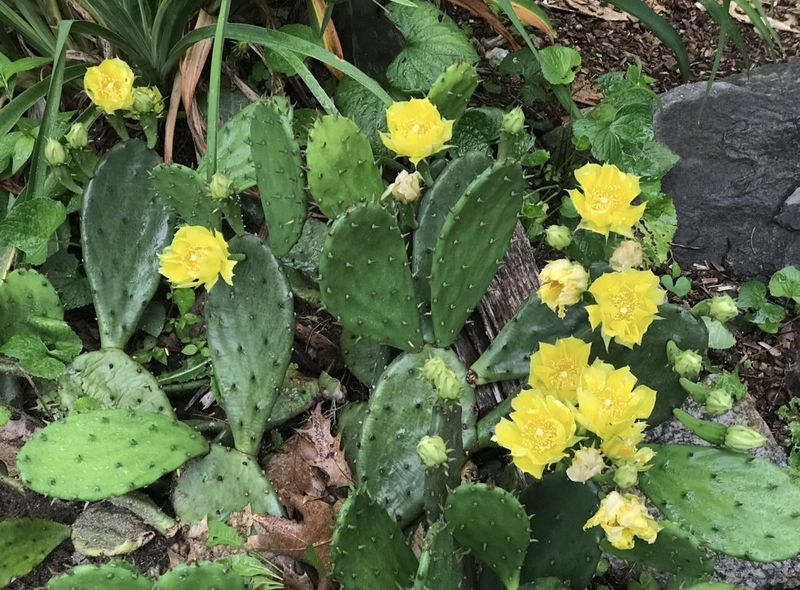
Few plants look as surprising in an Ohio garden as a cactus, yet Eastern prickly pear is genuinely native to the state and well suited to hot, dry, well-drained locations where many other plants struggle.
It grows low to the ground, spreading slowly through flat, paddle-shaped pads that store water and tolerate extended dry periods without much trouble.
Placing it in a rocky slope, a gravel bed, or a sunny border with sandy or well-drained soil gives it the conditions it needs to thrive.
Both the pads and the fruit of Eastern prickly pear may be edible when properly prepared, but careful handling is essential.
Beyond the obvious large spines, the pads and fruit also carry tiny bristle-like structures called glochids that can embed in skin and are difficult to remove.
Thorough cleaning and preparation are necessary before using any part of this plant as food.
The yellow flowers that appear in early summer are striking and attract native pollinators. In a landscape context, Eastern prickly pear works well as a low-water groundcover or accent plant in a xeriscape-style planting.
It does not need rich soil and may actually perform better in lean, gritty conditions than in heavily amended beds.
Gardeners in Ohio who have a dry, sunny spot that drains quickly after rain will find this native cactus to be a surprisingly tough and interesting addition to an edible landscape.
Growth is generally slow and manageable in most home garden settings.
2. American Hazelnut Offers Edible Nuts And Native Value
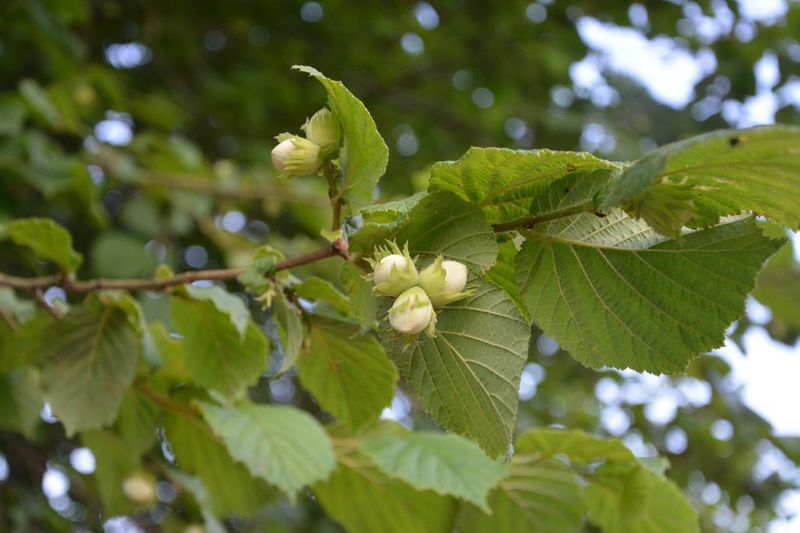
Shrubby and full of seasonal interest, American hazelnut is a native Ohio plant that brings edible nuts, wildlife habitat, and multi-season appeal to a home landscape.
It typically grows as a multi-stemmed shrub reaching anywhere from six to twelve feet tall, so giving it enough room from the start makes a real difference.
A sunny to partially shaded location suits it well, and it adapts to a range of soil types found across Ohio, from loamy garden beds to slightly drier upland areas.
The edible nuts mature in late summer and early fall, enclosed in leafy husks that make them easy to spot once you know what to look for.
Your Ohio Garden Changes Every Week. Your Plan Should Too.
Gardening in Ohio changes quickly throughout the season. Every Friday you’ll receive a simple weekly plan showing exactly what to plant, prune, fertilize, harvest, and protect so you never miss the right timing.
Squirrels and other wildlife tend to find them quickly, so harvesting early when the nuts begin to loosen from their husks gives homeowners a better chance at a meaningful yield.
The nuts have a mild, pleasant flavor and can be eaten raw or used in cooking.
Planting more than one shrub improves pollination and can lead to better nut production, since American hazelnut benefits from cross-pollination between nearby plants.
In a landscape setting, it works well as a shrub border, a naturalized hedge, or a background planting in a native edible garden.
The catkins that appear in late winter or early spring add quiet visual interest before most other plants wake up.
For homeowners looking to add a productive native shrub that supports pollinators and wildlife while also offering a harvestable crop, American hazelnut is a thoughtful choice worth considering.
3. Sunchoke Produces Edible Tubers In Sunny Beds
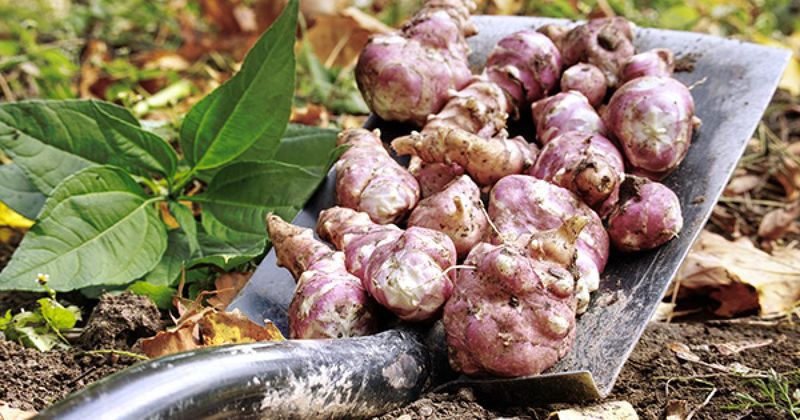
Despite the name Jerusalem artichoke, sunchoke has no connection to Jerusalem and is not a true artichoke. It is actually a native North American perennial in the sunflower family, and it grows vigorously in sunny garden spaces across Ohio.
The plants can reach six to ten feet tall by late summer, topped with cheerful yellow flowers that attract pollinators and add a bold vertical element to any sunny bed or naturalized area.
The edible portion is the underground tuber, which can be dug in fall after the foliage begins to fade or in early spring before new growth resumes.
Tubers have a slightly sweet, nutty flavor and a crisp texture when eaten raw, though they can also be roasted or cooked in various ways.
Some people find that eating large amounts causes digestive discomfort, so starting with a small portion is a reasonable approach for anyone trying sunchoke for the first time.
One important consideration with sunchoke is its tendency to spread. Even small tuber fragments left in the soil after harvest can sprout new plants the following season, and the planting can expand more than expected over time.
Containing it in a raised bed, placing it along a fence line, or dedicating a specific corner of the yard to it helps prevent it from moving into nearby planting areas.
For Ohio gardeners who have a sunny spot and want a productive perennial food plant that largely takes care of itself once established, sunchoke can be a rewarding and low-fuss option worth trying.
4. American Groundnut Adds Edible Tubers To Moist Areas
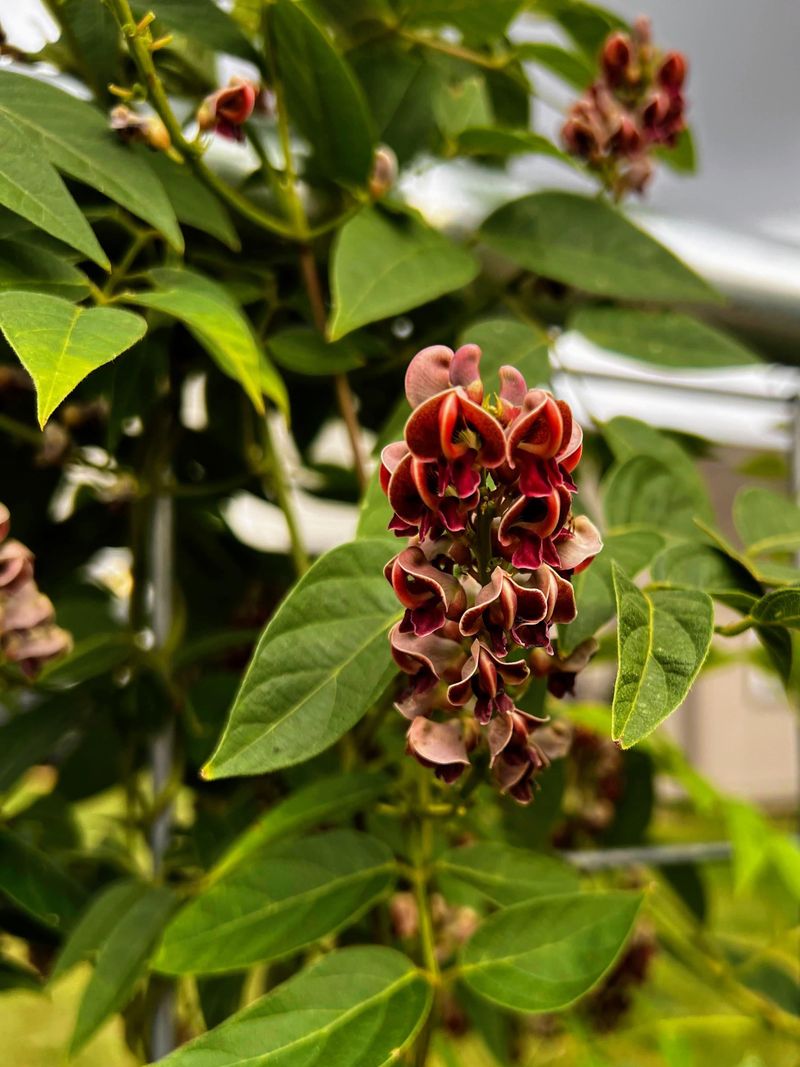
Not many edible native vines grow across Ohio, but American groundnut is one worth knowing about. This perennial climbing plant produces edible underground tubers that have been used as a food source for centuries.
The tubers should be cooked before eating, and they have a starchy texture somewhat similar to a potato, though the flavor carries its own distinct character that sets it apart from common root vegetables.
American groundnut naturally occurs in moist, low-lying areas and along stream banks across Ohio, which gives a clear signal about what it needs in a garden setting.
It can grow in a sunny location, but it generally performs best when the soil stays reasonably moist throughout the growing season.
Placing it in a dry, exposed bed without reliable moisture is likely to limit its performance. A sunny spot near a rain garden, a low area of the yard, or a bed that receives regular watering tends to suit it better.
The climbing stems need support, whether that is a trellis, a fence, or nearby shrubs, and they can reach several feet in length during the growing season.
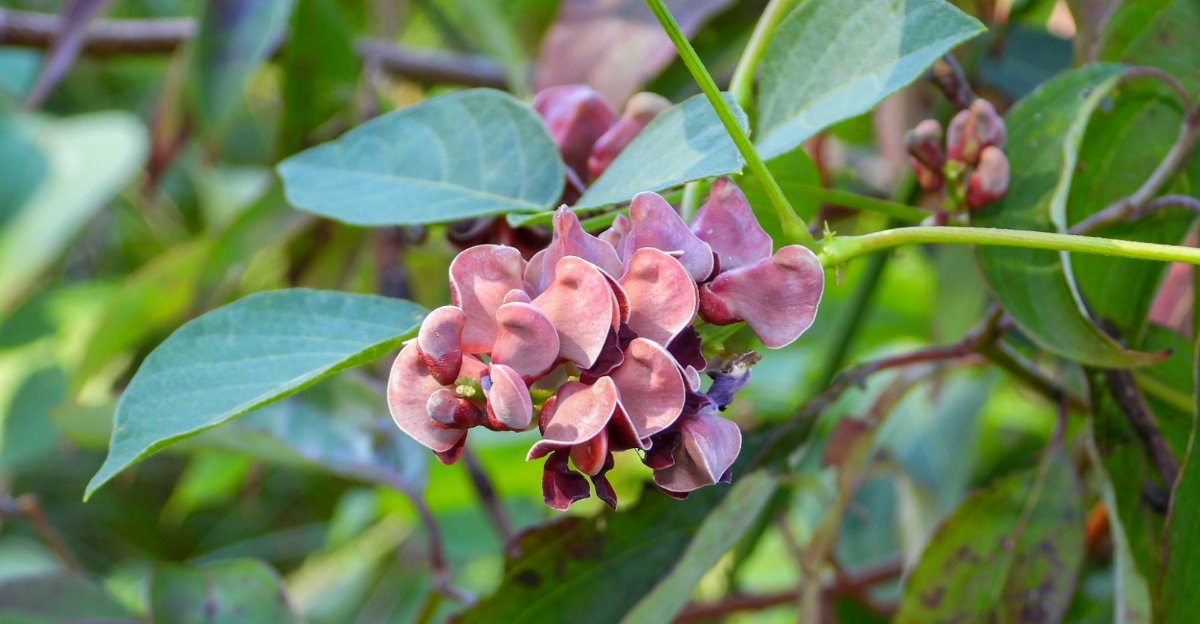
Small clusters of reddish-brown to purple flowers appear in summer and have an interesting, somewhat sweet fragrance.
Tuber production builds over multiple years, so patience is helpful when growing this plant from scratch. American groundnut works well in a naturalized planting, a moist native border, or alongside other moisture-tolerant perennials.
It is a genuinely interesting native food plant that rewards gardeners who can provide the right growing conditions.
5. American Elderberry Brings Fruit And Wildlife Support
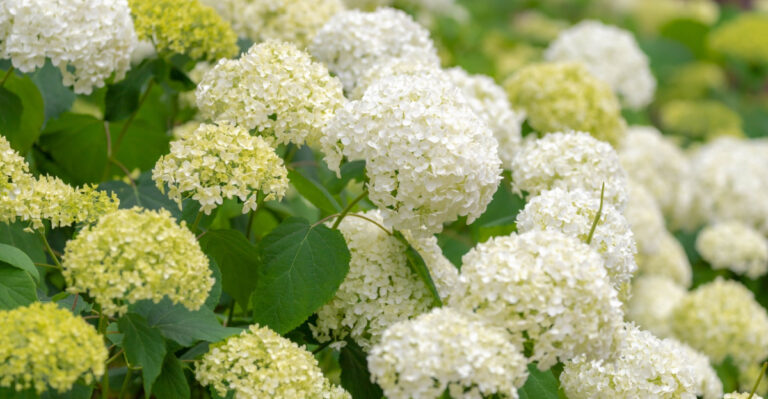
Walk past an elderberry shrub in full bloom during an Ohio summer and the wide, flat-topped clusters of small white flowers are hard to miss.
American elderberry is a fast-growing native shrub that can reach eight to twelve feet tall and wide, making it better suited to larger yards, naturalized areas, or shrub borders where it has room to spread out without crowding other plants.
It grows well in sunny locations when adequate soil moisture is available, and it naturally occurs along roadsides, stream banks, and woodland edges across Ohio.
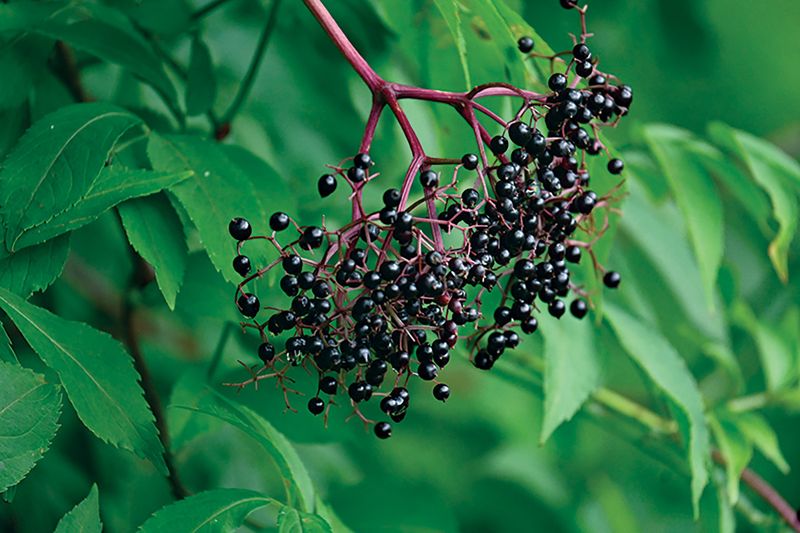
The dark purple-black fruit clusters ripen in late summer and are commonly used to make elderberry syrup, jelly, juice, and other cooked or processed preparations.
It is worth noting that the raw berries, as well as other parts of the plant including the stems, leaves, and roots, should not be treated as ordinary edible ingredients.
Following established preparation guidance for elderberry fruit is a sensible approach before using it in any recipe.
American elderberry is a strong supporter of native wildlife. The flowers attract pollinators, and the fruit is eaten by a wide range of birds, making it a valuable addition to any yard focused on supporting local ecosystems.
Planting more than one shrub can improve fruit production and create a more effective wildlife corridor.
For homeowners who want a productive native shrub that combines edible fruit with meaningful ecological value in a sunny, reasonably moist location, American elderberry is a practical and rewarding landscape choice.
6. Serviceberry Offers Edible Fruit And Spring Flowers
Spring arrives quietly on an Ohio serviceberry, and then suddenly the whole plant erupts in small white flowers before most other trees have even leafed out.
Amelanchier arborea, commonly called downy serviceberry, is a species verified as native and a fitting choice for homeowners who want a multi-season native plant that also produces edible fruit.
It can grow as a large shrub or small tree, typically reaching fifteen to twenty-five feet tall, and it fits naturally into a shrub border, a woodland edge planting, or a residential yard as a specimen tree.
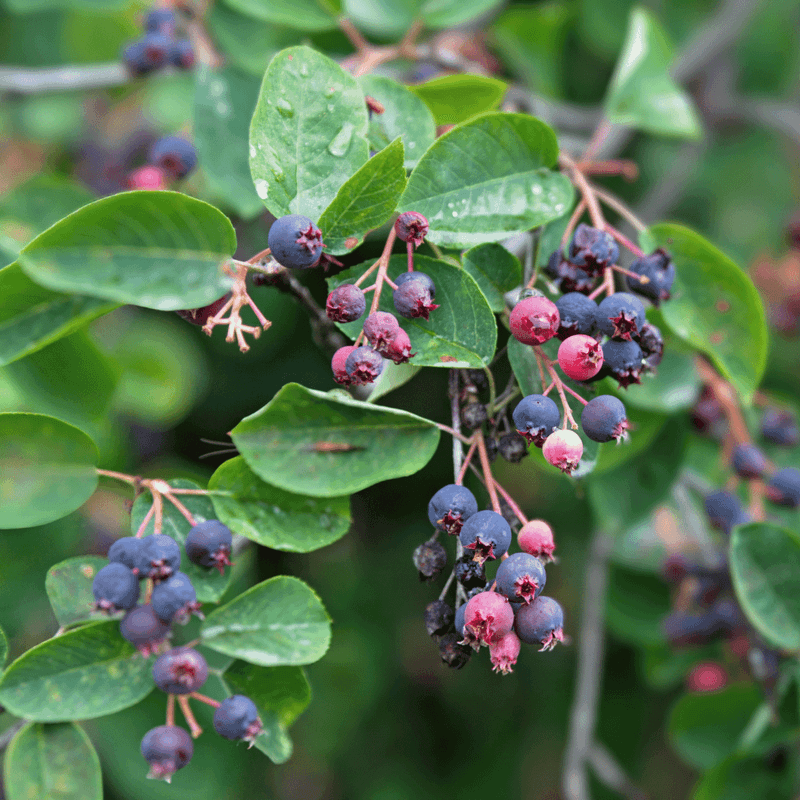
The fruit ripens in early to midsummer and looks somewhat like a small blueberry, ranging from reddish to dark purple when fully ripe. The flavor is mild and slightly sweet, with a hint of almond-like character that comes from the small seeds.
Birds tend to find the fruit quickly once it begins to color, so watching the plant closely and harvesting as soon as the berries ripen gives homeowners the best chance of getting a meaningful share of the crop.
Serviceberry grows in full sun to partial shade and generally benefits from reasonable soil moisture, particularly during dry stretches in an Ohio summer.
It is not considered a drought-tolerant plant in the way Eastern prickly pear is, and a site with well-drained but consistently moist soil tends to support healthy growth.
The fall foliage adds another layer of seasonal interest with warm orange and red tones. For gardeners who want spring beauty, summer fruit, and wildlife value all in one native plant, serviceberry is a well-rounded option.
7. Pawpaw Produces Native Fruit In Sunny Landscapes
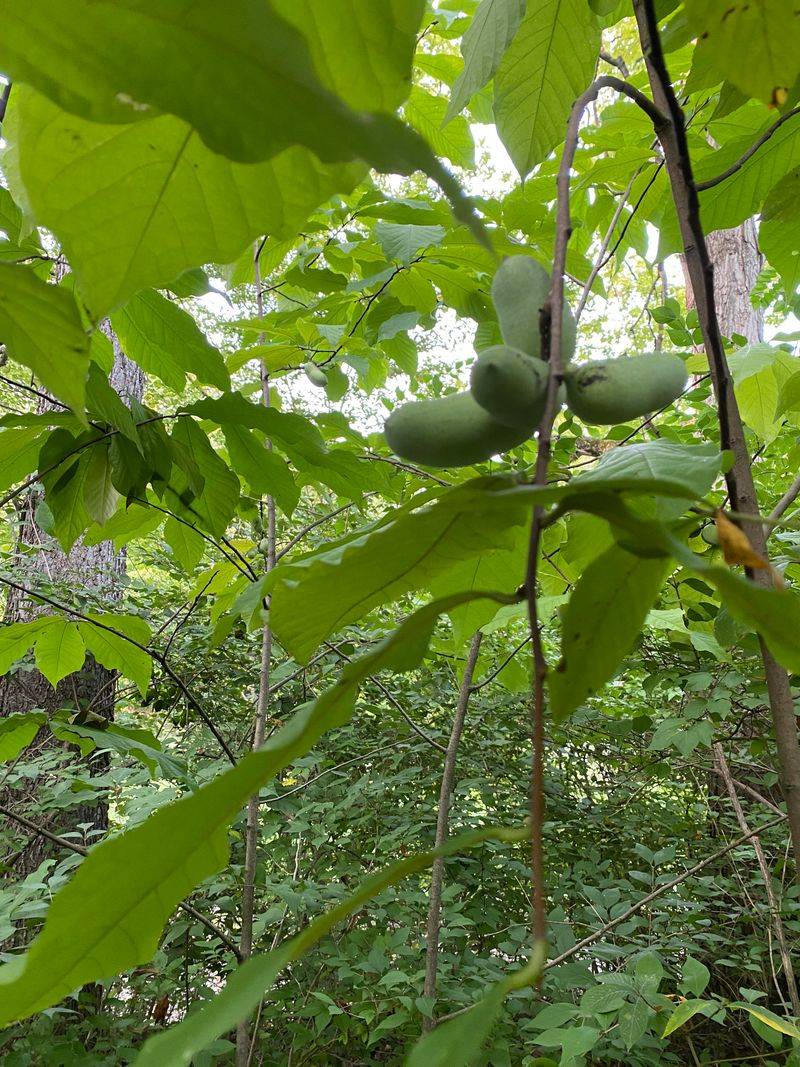
Ohio has its own native tropical-looking fruit tree, and most people drive right past it without realizing it. Pawpaw grows naturally in moist, wooded settings across the state, often forming small thickets along stream banks and in bottomland forests.
The large, oblong fruit has a soft, custard-like texture and a sweet flavor often compared to a mix of banana, mango, and vanilla. For anyone who has never tasted a fresh pawpaw, the experience tends to be genuinely surprising.
Established pawpaw trees can produce fruit in sunnier cultivated locations, but they generally need adequate soil moisture to perform well in an open, exposed site.
Young trees may benefit from some protection from intense direct sunlight during the first year or two of establishment, even though mature trees can handle full sun when moisture is sufficient.
Rich, well-drained soil with consistent moisture tends to support the best growth and fruit production in a home garden or small orchard setting.
One practical point worth knowing is that pawpaw fruit production typically requires cross-pollination between at least two genetically different trees.
Planting a single tree may result in little or no fruit, so most recommendations suggest planting two or more trees from different sources.
The maroon flowers that appear in early spring before the leaves emerge have an unusual appearance and are pollinated by flies and beetles rather than bees.
Pawpaw can take several years to begin fruiting from a young tree, but the reward of harvesting Ohio-grown native fruit from your own yard makes the wait worthwhile for patient gardeners.