The Yard Work Habit That Can Spark A Fire On Windy California Days
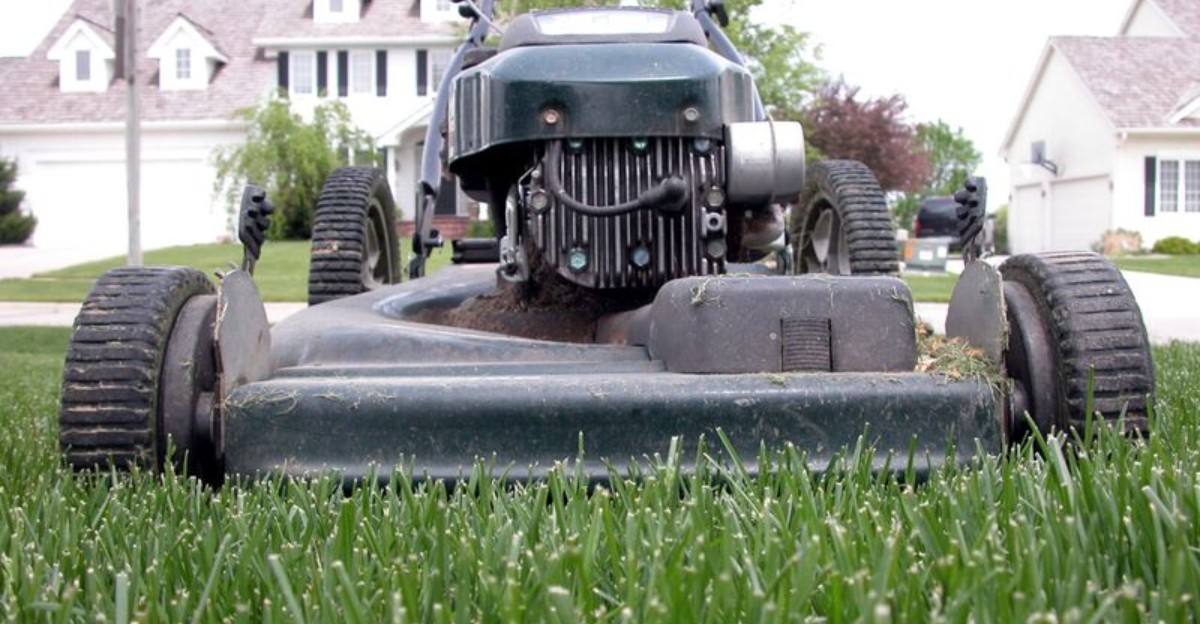
Some of the riskiest moments in a California yard look completely ordinary. No open flame, no fireworks, no campfire smoke drifting over the fence.
Just a routine chore, done at an ordinary hour, with familiar equipment that has run without trouble for years.
Late summer and fall change the math in ways that are easy to miss. Grass turns gold, afternoons turn breezy, and small details suddenly carry far more weight.
The solution has nothing to do with abandoning yard work or letting the weeds win.
It comes down to timing, a few quick checks, and some simple swaps.
A tidy yard and a safe one can absolutely be the same yard, with a little planning behind it.
Mowing Dry Grass Can Ignite A Blaze
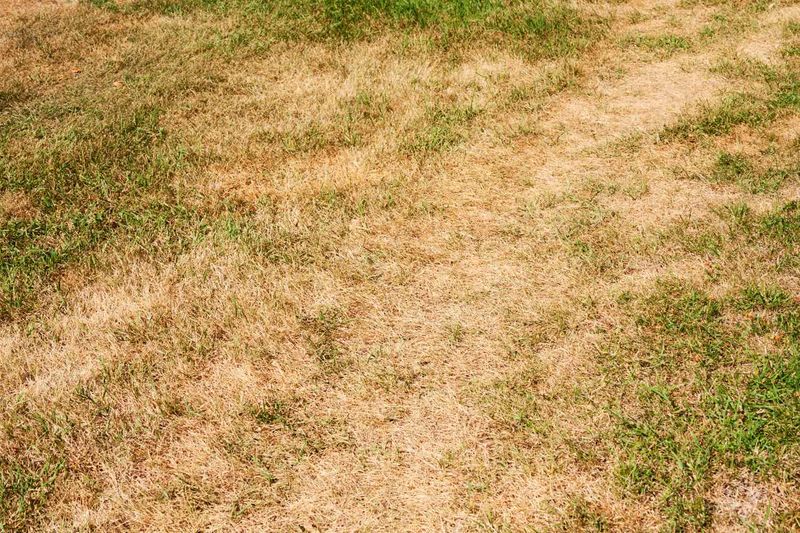
By late summer, much of California’s grass has turned from green to gold, and it snaps underfoot. Grass in that state behaves a lot like kindling.
Mowing dry grass ranks among the most common ways people accidentally start wildfires. CAL FIRE points out that lawn mowers are designed for lawns, not for tall, brittle weeds or crispy fields.
When a mower chews through dry vegetation, sparks or heat from the machine can light the grass around it.
Dry grass catches quickly because so little moisture remains inside each blade. Low humidity dries it even further through the afternoon.
A tiny spark can become a smoldering spot within seconds, and a breeze can push flames forward faster than anyone can run for help.
Many people assume wildfires start mainly from campfires or fireworks. In reality, everyday tools account for a large share of them.
CAL FIRE lists weed trimmers, chain saws, grinders, welders, tractors, and mowers among the equipment that can spark a wildland fire.
Planning ahead offers the best protection. Weeds cut in spring, while still green, carry far less risk than the same weeds cut in September.
Once grass has dried, the time of day, the weather, and the tool in hand all deserve careful thought. Those small choices make a big difference.
A neat yard remains entirely possible. The goal is simply to keep clearing work from turning into a flare-up that spreads beyond the property line.
Metal Blades Spark On Rocks And Dirt
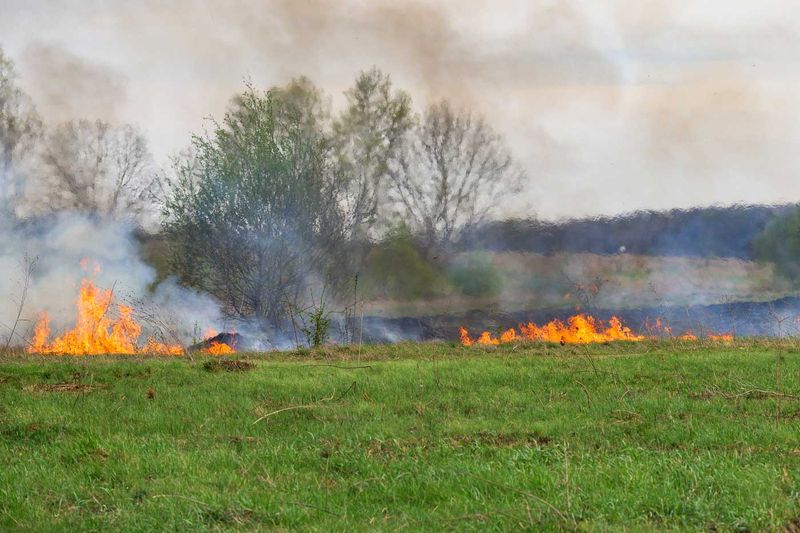
A quick clink often goes unnoticed in the middle of mowing. That little sound means steel just struck stone, and steel against stone can throw sparks.
Mower blades spin at high speed. On impact with a rock, they can chip off tiny bits of hot metal, and those glowing specks may land in dry grass. CAL FIRE warns that this is a real cause of wildfires in California.
The sparks can be hard to see in bright daylight, so a fire may start unnoticed behind the mower.
Rocks hide easily in tall, dry fields, and so do old pipes, chunks of concrete, and fence post bases.
A slow walk through the area before mowing helps, with loose stones picked up and anything immovable clearly marked.
Your California Garden Changes Every Week. Your Plan Should Too.
Gardening in California changes quickly throughout the season. Every Friday you’ll receive a simple weekly plan showing exactly what to plant, prune, fertilize, harvest, and protect so you never miss the right timing.
Soil type matters too. Rocky or sandy ground often hides small pebbles, and raising the mower deck a notch keeps the blade farther from them.
Tool choice plays a role as well. String trimmers with nylon line carry far less spark risk from rock strikes than metal blades, which makes them a smarter pick for rough, rocky patches.
Even safer tools generate heat, though. Motors and exhaust can still warm dry grass, and metal trimmer heads or blade attachments bring the rock-strike risk right back.
The right tool helps, yet it works best alongside the timing and weather habits that follow. Tool, time, and conditions together determine how risky a job really is.
Mow Early Before The Heat Builds
An earlier start makes one of the biggest differences in fire season. CAL FIRE’s advice is simple: mow before 10 a.m., and skip it entirely when conditions turn windy or excessively dry.
The clock matters because early morning air runs cooler. Grass and plants hold a bit more moisture from the night, sometimes even a light coat of dew, and that moisture makes it harder for a spark to catch.
As the day goes on, the sun bakes everything. Temperatures climb and humidity drops, and by early afternoon grass can feel as dry as paper.
Winds also tend to pick up later in the day, helping any small flame grow. Even a mild morning can turn gusty by noon in fire country.
Morning mowing brings other perks. The gardener avoids the hottest sun and stays cooler, the engine runs cooler, and the chore wraps up before the rest of the day fills in.
Neighbors still deserve consideration. Many cities set noise rules for power equipment, so a quick check of local hours prevents a pre-dawn engine from causing friction.
Many local ordinances allow yard work starting around 7 or 8 a.m., which still leaves a couple of solid hours before the cutoff.
Turning it into a routine helps. Weekend mornings during the dry months make a natural slot, and gear prepared the night before allows a quick start.
An early start ranks among the easiest fire safety habits to build, costing nothing but a little sleep.
Never Mow On Windy Or Red Flag Days
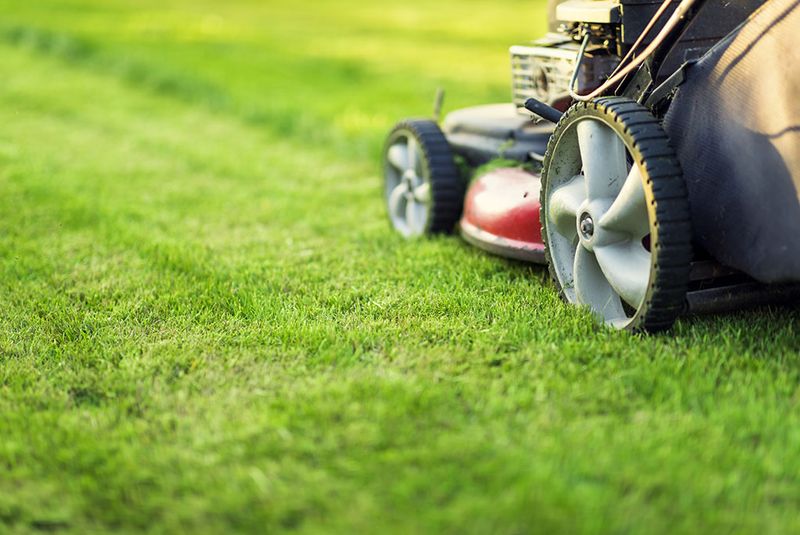
Swaying trees, swirling dust, and hot, crackly air all send the same message. Some chores can wait.
CAL FIRE advises against mowing on hot, dry, or windy days. Wind poses the biggest danger, carrying sparks farther and pushing small flames into a running fire.
Gusts can also carry embers from a small ignition into unmowed grass nearby. A spot that might fizzle out on a calm day can race across a hillside within minutes.
Red Flag Warnings raise the stakes even higher. The National Weather Service issues them when strong winds, low humidity, and warm temperatures combine, creating ideal conditions for fast-moving wildfires.
Mowers and other spark-producing equipment are best left off entirely during those warnings. The same goes for chain saws, trimmers, and grinders.
California knows these wind events well. Santa Ana winds in Southern California and Diablo winds in Northern California often blow in fall, and many major fires have spread under their push.
Staying informed takes little effort. A glance at the local forecast before any yard project helps, and county or fire agency alerts arrive straight to a phone.
Many weather apps also display Red Flag Warnings right on the main screen.
A handy rule of thumb applies. Any wind strong enough to tug at a hat is too strong for mowing.
Those days suit indoor tasks, garden planning, or blade sharpening in the garage. The grass will still be there tomorrow, and the neighborhood will be better off for the wait.
Check The Mower And Spark Arrester First
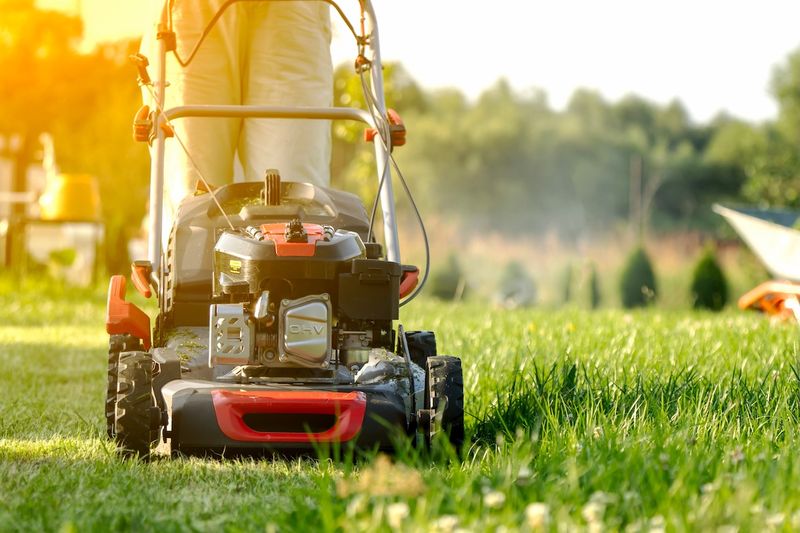
A neglected mower is a fire risk on wheels, so a careful checkup before and during the dry season pays off.
The exhaust system deserves the first look. Mufflers get very hot while the engine runs, and a cracked or loose one can let sparks and hot gases escape. Rust holes, missing bolts, and visible damage all signal trouble.
The spark arrester comes next. This small screen or device in the exhaust catches glowing bits of carbon before they shoot out into dry grass.
California law requires spark arresters on many gasoline-powered engines used on or near forest, brush, or grass-covered land, which covers plenty of chain saws, trimmers, and leaf blowers.
Carbon buildup can clog a spark arrester over time. The owner’s manual explains removal and cleaning, and a torn or worn screen calls for replacement, since a damaged one fails at its job.
A general check rounds things out. Grass clippings, leaves, and oil around the engine can ignite from engine heat, so a quick cleaning helps.
Fuel leaks deserve attention, the gas cap should seal tightly, and sharp blades cut cleanly instead of dragging.
Refueling is safest after the engine cools, on bare ground or pavement. Spilled gas on hot metal invites a flare-up.
Fuel stored in an approved container, away from the work area, adds another layer of safety. A few minutes of maintenance keeps the mower running smoothly and keeps its sparks contained.
Keep A Hose Or Extinguisher Handy
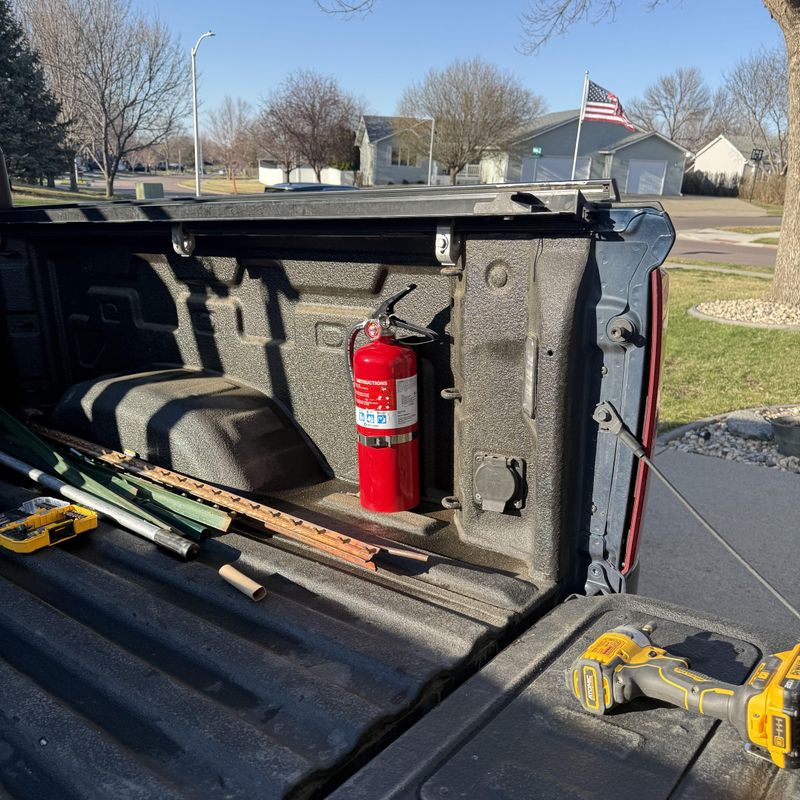
The first few seconds after a wisp of smoke appears in the grass matter more than anything else. A small flame is easy to stop with fast action, while a minute of delay can let it grow beyond control.
CAL FIRE recommends keeping a fire extinguisher or water on hand whenever using equipment that can spark, along with a phone for calling 911.
A garden hose works well when the work area sits close to a spigot. Stretching it out and turning on the water before starting means it’s ready the moment it’s needed.
Larger properties call for a filled bucket, a backpack sprayer, or a pressurized water can nearby. A shovel also helps, since dirt tossed onto small flames can knock them down.
Fire extinguishers suit portable jobs, and a multipurpose ABC extinguisher is a common choice for homes. Learning to use one ahead of time pays off.
Most follow the PASS method: pull the pin, aim at the base of the fire, squeeze the handle, and sweep side to side.
A monthly glance at the extinguisher’s gauge confirms it’s still charged, and storage within easy reach beats a spot buried behind boxes.
Lingering after the work ends matters too. A slow walk through the area helps catch smoke or hot spots, since fires can smolder quietly before flaring up.
When a fire starts and grows, a 911 call comes right away, without waiting to see what happens.