
There Are 8 Reasons Your Thanksgiving Cactus Might Look Limp and Wrinkled
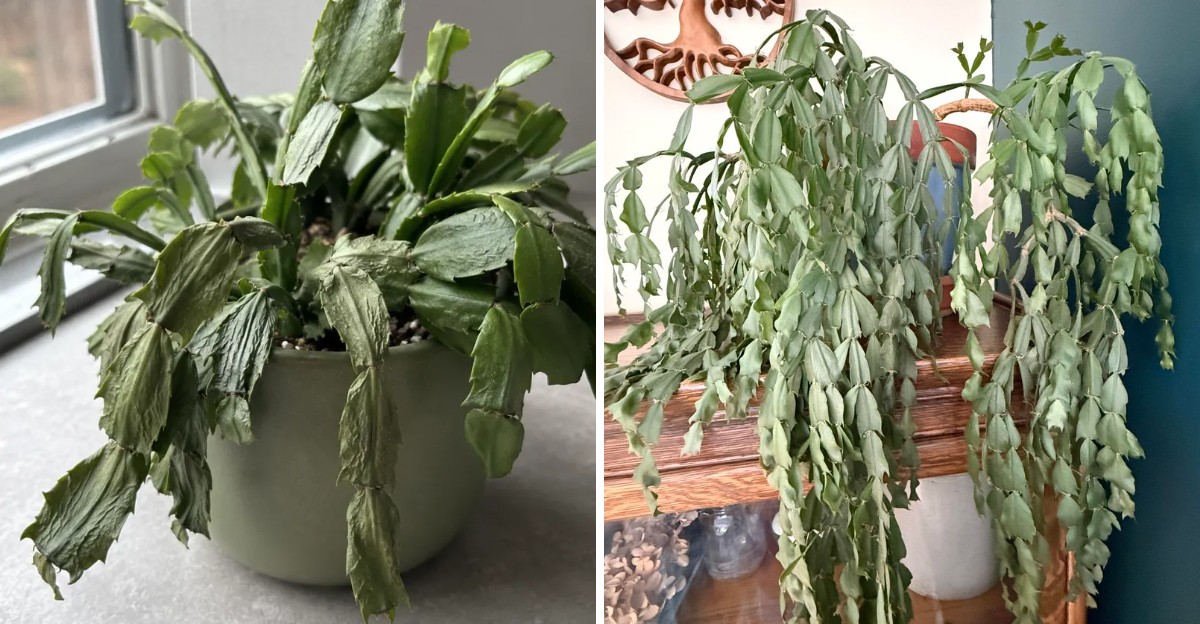
My favorite windowsill plant has wild relatives that cling to mossy tree branches in the coastal mountains of Brazil. It has no sharp spines, and its flat green stems soak up rain and mist rather than desert heat.
So when those plump segments turn soft and puckered, the plant is sending you a clear message about trouble. The tricky part is that the same wrinkles can point toward several very different problems hiding in plain sight.
I learned the hard way that grabbing the watering can first is not a reliable fix for droopy stems. My own plant got softer after every drink, and I felt pretty silly once I finally checked its roots.
Truth is, most of these sad-looking plants can bounce back once you figure out what really went wrong. So which sneaky culprit is quietly wrinkling the pretty green segments on your sunny windowsill right now?
1. Bone Dry Potting Mix Leaves Thanksgiving Cactus Stems Shriveled
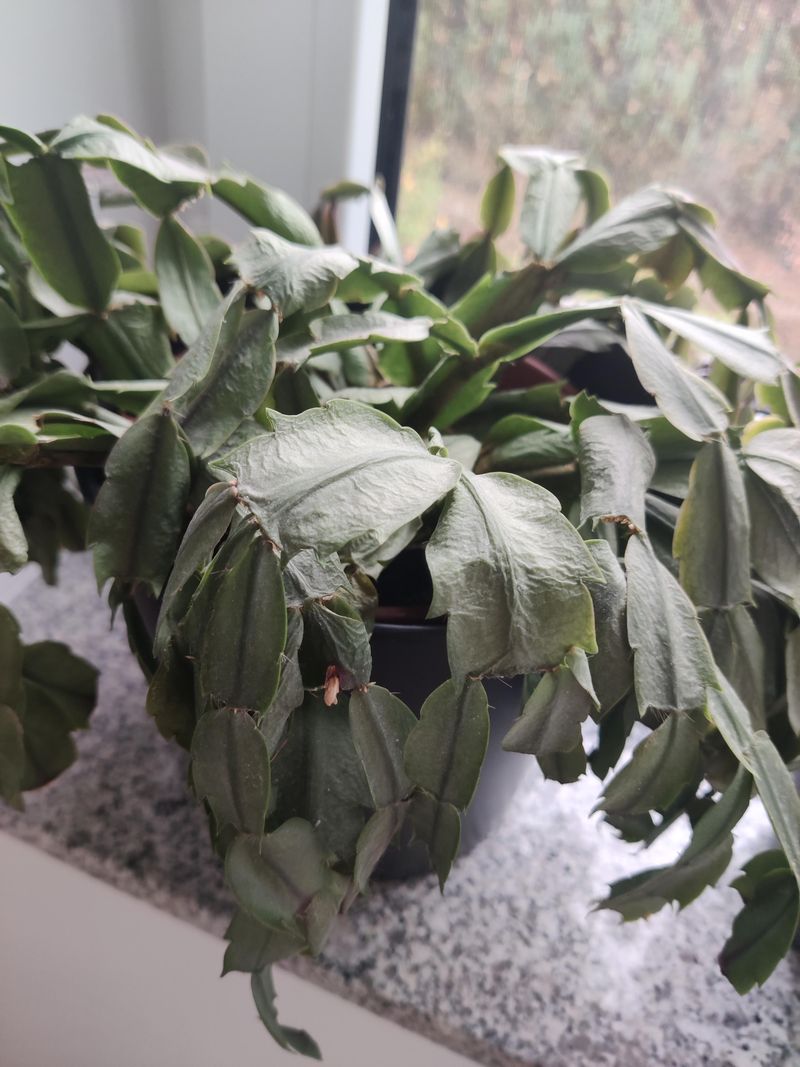
A thirsty Thanksgiving cactus looks a lot like a balloon three days after the party ends. The flat segments go thin and floppy, and they feel oddly soft when you pinch them between two fingers.
Wild plants in the Brazilian forest get frequent rain, so they are not built for long dry stretches. Your plant pulls stored water from its own segments when the pot runs empty, which causes that puckered look.
Push a finger into the soil before doing anything else, since guessing leads plenty of us astray. If the mix feels dusty and dry an inch or two down, thirst is a likely culprit.
Lift the pot too, because a dry container feels surprisingly light compared to one holding plenty of moisture. I keep a mental note of that weight after watering, and it helps me spot trouble fast.
Water slowly and deeply until moisture flows from the drainage holes at the bottom of the pot. Let the extra drain away for several minutes, then empty the saucer so roots do not sit in puddles.
Very dry mixes sometimes shed water instead of soaking it up, so the liquid races down the pot sides. Setting the pot in a shallow tray of water for about twenty minutes helps the soil rehydrate evenly.
After that, water again whenever the top inch of soil feels dry, which might be weekly indoors. Segments usually plump back up within several days, and watching them recover feels like a small gardening victory.
2. Harsh Afternoon Sun Can Scorch Thanksgiving Cactus Segments
Out in the wild, these plants perch on tree branches beneath a leafy canopy that filters bright tropical sunlight. So a hot south window in late summer can feel like a sunburn waiting to happen for them.
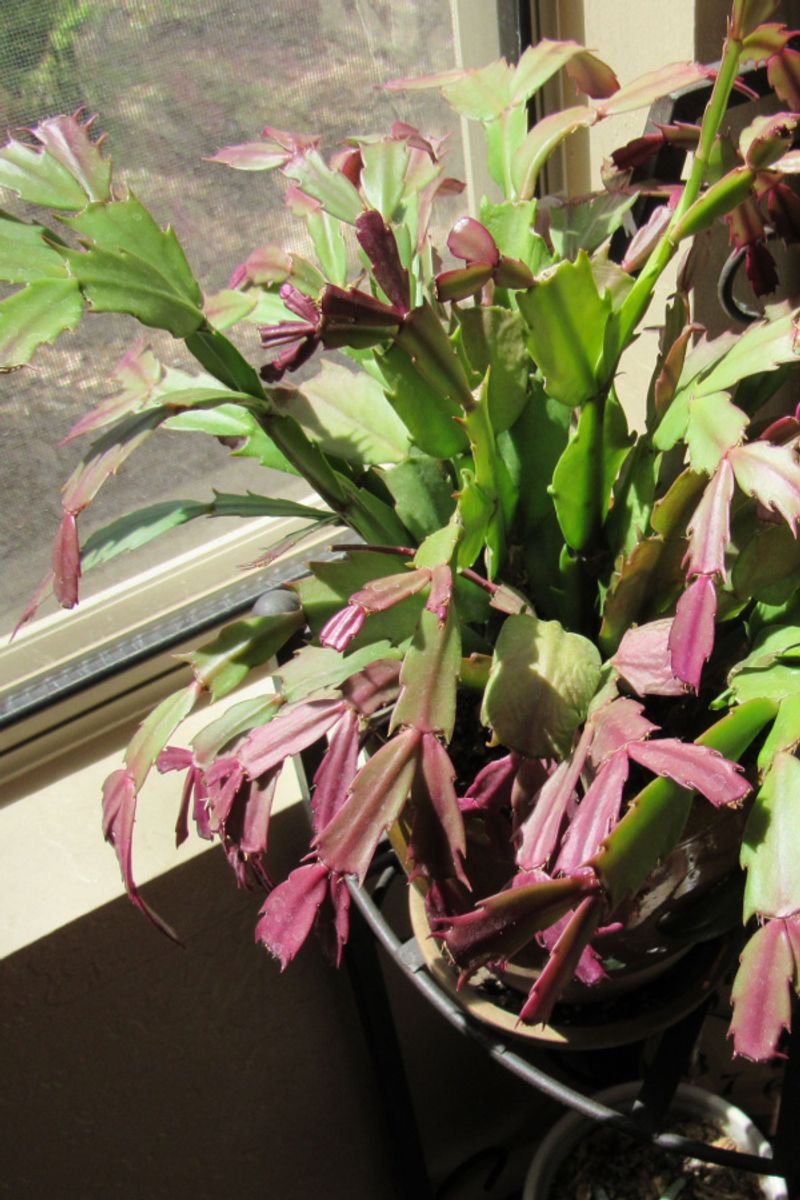
Too much direct light often turns green segments reddish or purplish, a stress response many growers notice first. Bleached patches or thin, shriveled pads may follow if the plant stays in that intense spot for long.
I once moved mine to a patio in full sun, thinking it would enjoy a summer vacation outdoors. Within a week, the stems looked flushed and tired, and I hurried it back into dappled shade.
Bright, indirect light suits this plant best, and an east-facing window with gentle morning sun works beautifully. A bright north window can also keep it content, though growth may slow a little in dim winter months.
If a south or west window is your only choice, hang a sheer curtain to soften harsh afternoon rays. Pulling the plant a few feet back from the glass also cuts the intensity without plunging it into gloom.
Keep in mind that a slight reddish tint can also come from chilly temperatures or other forms of stress. Check the light first, though, because it remains one of the easiest things to adjust right away.
Once flower buds appear in fall, try not to shuffle the pot around to new rooms or windows. Sudden changes in light can prompt buds to drop, and nobody wants to lose those holiday blooms early.
3. Dry Winter Air From The Furnace Wrinkles Thanksgiving Cactus Leaves
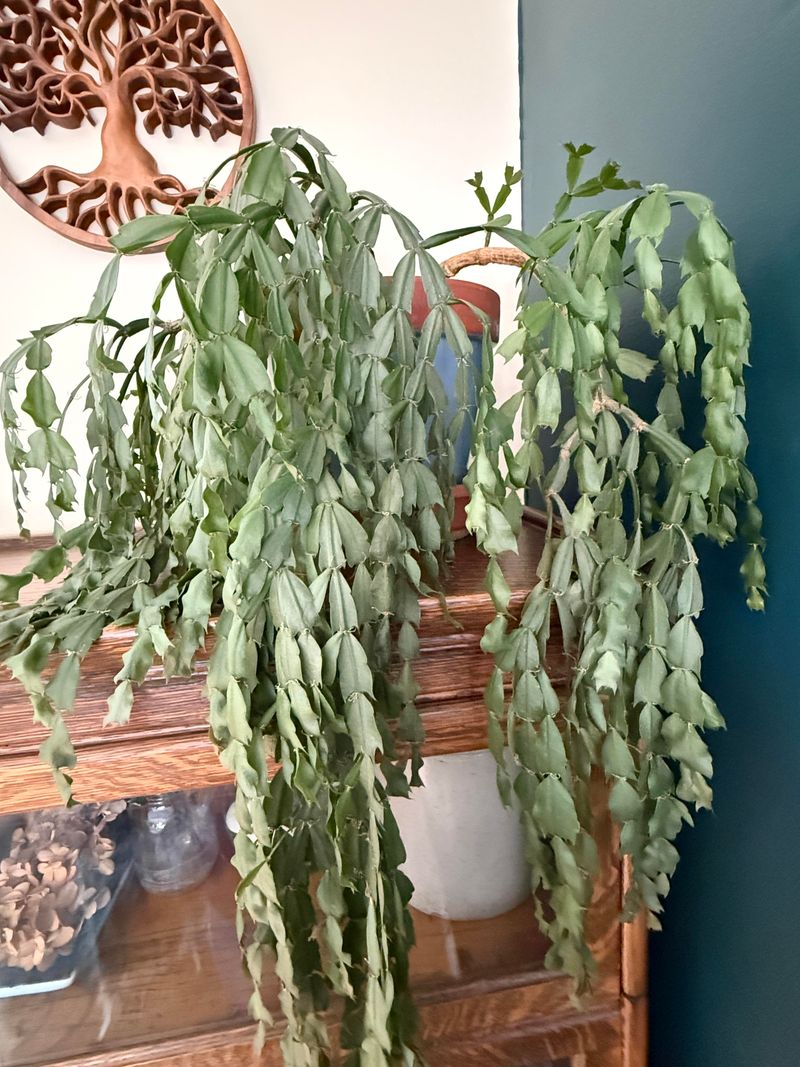
Many folks expect a cactus to love dry air, but this one evolved in humid, misty mountain forests. Mine sulked every winter beside the furnace register until I finally connected the wrinkles to the bone-dry room.
Indoor heating often drops humidity well below the comfortable range for tropical plants during colder months. Moisture escapes from the flat segments faster than roots can replace it, so they lose their plump shape.
Low humidity can also lead to bud drop, which hurts when you have waited all season for flowers. Leaf tips may brown slightly as well, especially on segments closest to warm, moving air from vents.
A pebble tray offers a simple fix, and it costs almost nothing to set up at home. Fill a shallow saucer with gravel and water, then rest the pot on top without touching the water.
Grouping houseplants together helps too, since leaves release moisture that lingers in the air around neighbors. I cluster my holiday cactus with a few ferns, and the little jungle corner looks cheerful all winter.
A small room humidifier works even better if your home feels especially dry when the heat runs constantly. Many growers aim for around fifty percent humidity, though the plant tolerates somewhat lower levels without much fuss.
Misting feels helpful, yet the effect fades within minutes and does little for lasting moisture around the plant. Put your energy into steady humidity instead, and those segments should look fuller over the next few weeks.
4. Chilly Drafts And Hot Radiators Stress Thanksgiving Cactus Plants
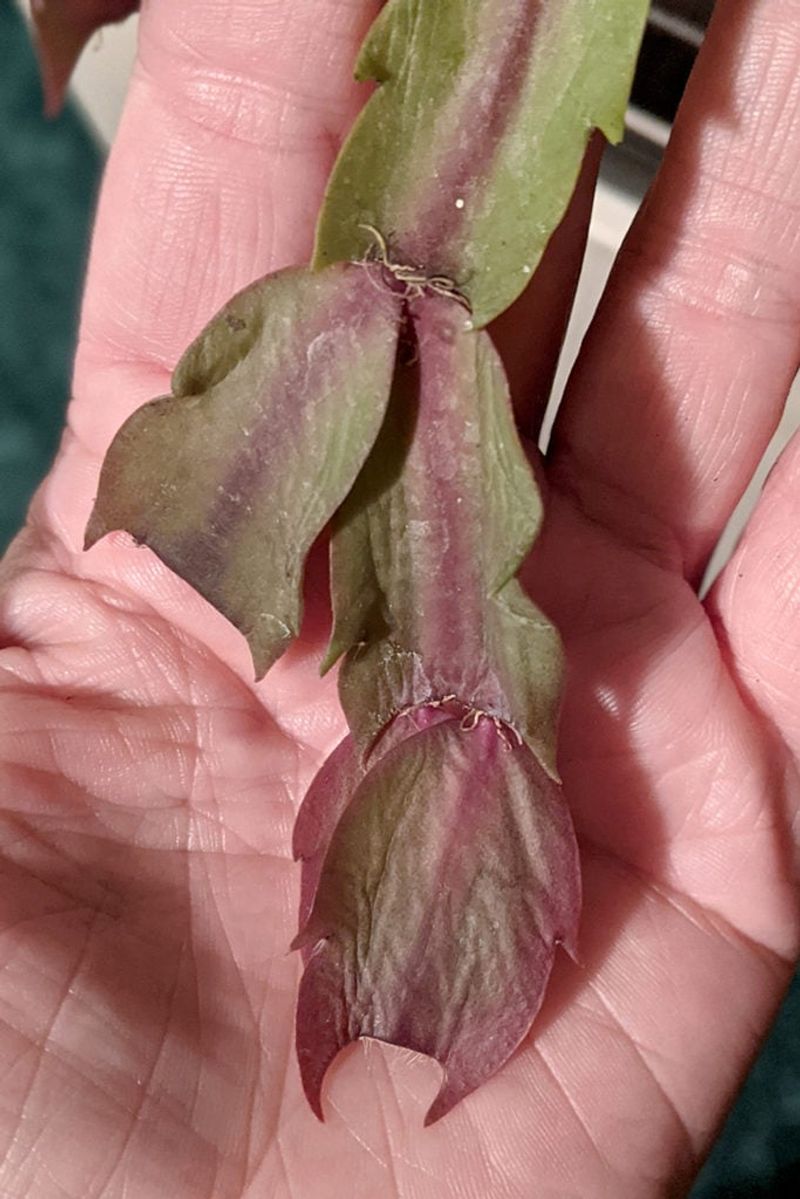
Your Thanksgiving cactus may be the pickiest guest in the house when it comes to room temperature. It prefers steady comfort, and quick swings from cold to hot leave its segments looking limp and tired.
Daytime temperatures around sixty to seventy degrees Fahrenheit keep most plants growing happily indoors through the year. In fall, slightly cooler nights in the fifties to low sixties actually help trigger flower bud formation.
Trouble starts when a pot sits beside a drafty door that blasts frigid air every time someone walks through. Cold shock can leave stems soft and droopy, sometimes tinged with purple after a freezing evening outdoors.
Heat brings its own problems, since vents and radiators blow hot, dry air directly across delicate segments. I learned this after parking my plant on a sunny radiator shelf, and the stems puckered within days.
Many people move holiday cacti outdoors for summer, which works fine when nights stay comfortably above fifty degrees. Bring them back inside well before frost arrives, because these tropical plants handle freezing temperatures poorly.
Rapid temperature changes can also cause bud drop, which ranks high on the list of holiday plant heartbreaks. Keep the pot away from heating vents and drafty exterior doors that swing open during busy holiday gatherings.
A cheap indoor thermometer near the plant tells you more than guessing ever could on chilly nights. Stable conditions usually bring firmer segments back within a couple of weeks, along with a lovely flower show.
5. Soggy Soil And Root Rot Make Holiday Cactus Segments Go Limp
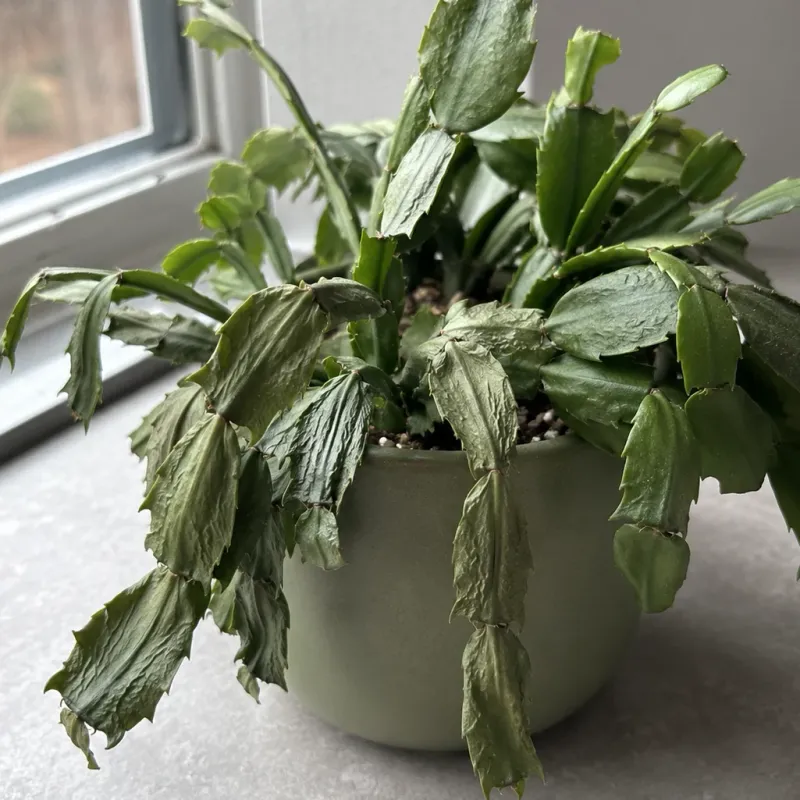
Strangely enough, a Thanksgiving cactus sitting in wet soil can look just as wrinkled as a parched one. Guilty as charged here, because I once watered a droopy plant three times in a week and made everything worse.
Constantly soggy mix pushes air out of the soil, and roots need oxygen to function properly. Without it, they turn brown and mushy, and damaged roots cannot move water up into the stems.
So the plant shrivels from thirst while standing in a puddle, which feels unfair to everyone involved. Overwatering ranks among the most common problems with holiday cacti.
Warning signs include soil that stays damp for days and a sour, musty smell drifting up from the pot. Segments near the soil line may also turn soft and translucent, sometimes dropping off with a gentle touch.
Slide the plant out and look closely, since healthy roots are firm and pale while rotting ones look dark. Trim away soft brown roots with clean scissors, wiping the blades with a disinfectant between cuts.
Repot into fresh, fast-draining mix, such as regular potting soil blended with perlite or orchid bark. Choose a container with drainage holes, because decorative pots without them trap water at the bottom.
If most roots are gone, healthy stem pieces with two or three segments root easily in barely damp mix. Moving forward, let the top inch dry out before watering, and your rescued plant should stay much happier.
6. Hungry Thanksgiving Cactus Plants Show Pale And Weak Growth
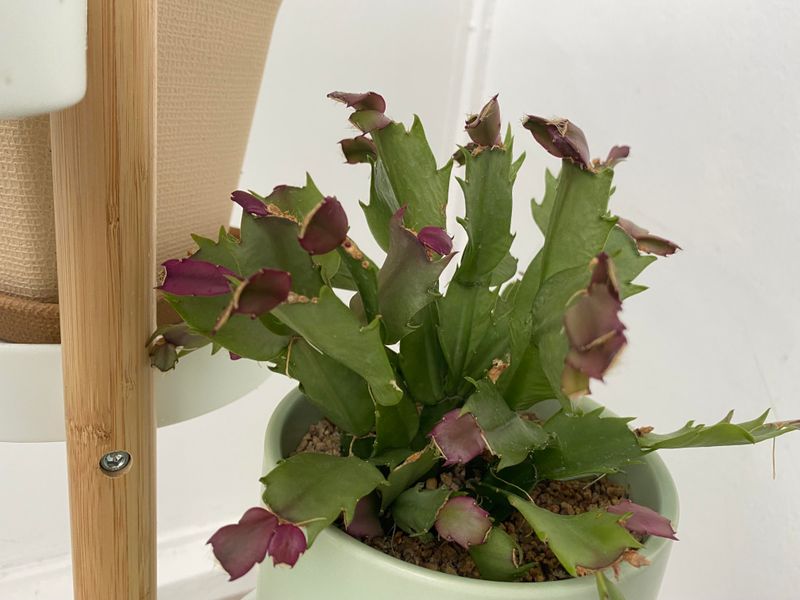
Potting mix runs out of nutrients eventually, much like a pantry that nobody has restocked in months. A hungry Thanksgiving cactus may look pale and sluggish, a bit floppy rather than plump and glossy green.
Nutrient shortages are less common than watering mistakes, so rule those out before reaching for fertilizer. Still, a plant sitting in the same old soil for years can lose vigor and grow weak segments.
Overall yellowing or pale new growth may point to a nutrient shortage, sometimes involving nitrogen or magnesium. Some growers note that holiday cacti seem to need a bit more magnesium than many other houseplants.
During spring and summer, feed every two to four weeks with a balanced houseplant fertilizer mixed at half strength. Too much fertilizer can burn roots and cause its own problems, so a lighter hand works better here.
Some gardeners add Epsom salt once a month, using about one teaspoon per gallon of water during the growing season. Skip that on the same day you fertilize, and stop if the plant shows no real improvement over time.
I ease off feeding in late summer, because that rest helps encourage the plant to set flower buds. Resume fertilizing in spring after blooming ends and fresh green segments begin forming at the stem tips.
Fresh potting mix every few years also replaces worn-out soil and gives roots a richer place to grow. Patience pays here, since better nutrition shows up gradually in new growth rather than overnight in old segments.
7. Mealybugs And Spider Mites Drain Sap From Thanksgiving Cactus Stems
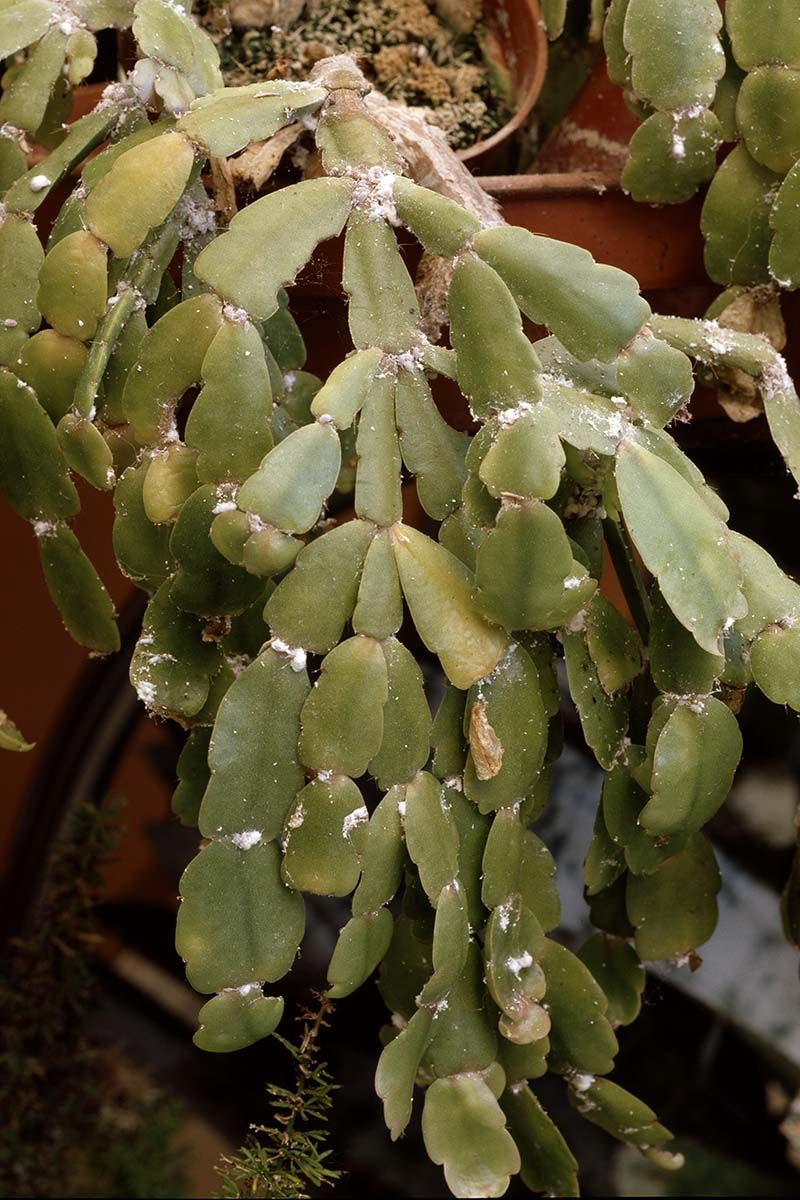
Fuzzy white blobs tucked between segments might look like lint, but they often turn out to be mealybugs. These sap-sucking insects quietly drain moisture from stems, and heavy feeding leaves the plant looking weak and wrinkled.
Mealybugs love hiding in the joints where segments meet, so check those tight spots with a flashlight. They also leave sticky honeydew behind, which sometimes grows a dark sooty mold on the segments.
Spider mites are harder to see, though fine webbing and tiny pale speckles give them away quickly. Dry indoor air in winter makes conditions ideal for them, so humidity helps with pest control too.
Scale insects show up as small brown bumps that look like part of the stem until you scrape one. Fungus gnats may buzz around soggy pots as well, and their larvae can feed on tender roots below.
I check my plants every time I water, flipping segments over to peek at undersides and stem joints. Catching a few bugs early takes minutes, while a full infestation can stretch into weeks of frustrating cleanup.
Isolate the affected plant first, because these pests travel easily to neighboring houseplants on the same shelf. Wipe off mealybugs with a damp cotton swab, then rinse the plant gently under lukewarm water in the sink.
Insecticidal soap or neem oil sprays can control remaining pests when applied according to the label directions. Repeat treatments every week or so, since eggs hatch later and a single spray rarely solves everything.
8. Crowded Roots In A Tiny Pot Leave Thanksgiving Cactus Thirsty
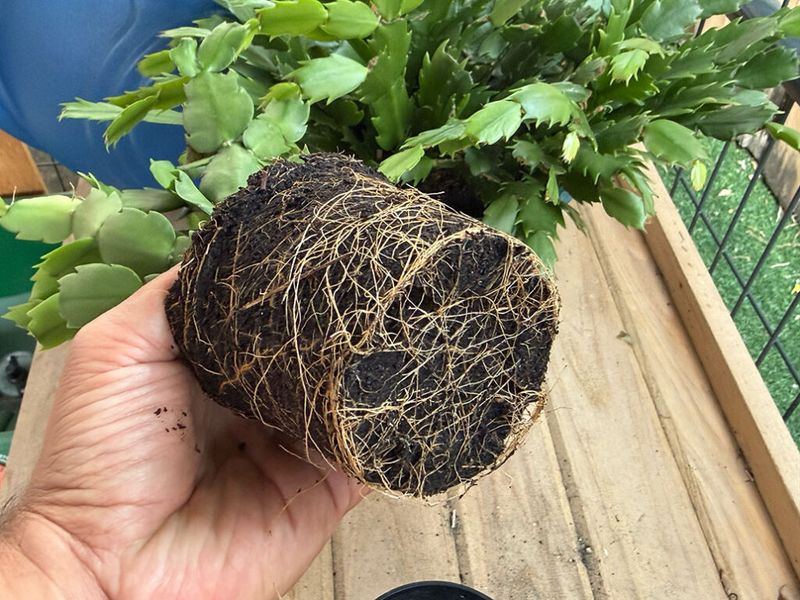
Holiday cacti actually enjoy feeling a little snug, and many bloom better when their roots fill the pot. Snug is one thing, but a pot packed solid with roots can leave segments limp and wrinkled anyway.
When roots crowd out the soil, little room remains to hold water between your regular watering sessions. The pot dries out within a day or two, and the plant struggles to stay plump and hydrated.
Look for roots poking out of drainage holes or circling across the soil surface like tangled yarn. Water that rushes straight through the pot and out the bottom is another clue worth paying attention to.
To check, tip the plant sideways and ease it gently from the container while supporting the base. A dense mat of roots with almost no visible soil tells you it is time for more space.
Plan to repot every two to three years, choosing a container just one or two inches wider than before. Jumping to a huge pot leaves extra soil that stays wet too long, which invites root rot problems.
Late winter or spring, after flowering wraps up, makes the best time for this job in most homes. Avoid repotting in fall, because disturbing roots while buds form can cause them to drop before opening.
Use a light, well-draining mix and loosen circling roots gently with your fingers before settling the plant in. I water lightly afterward, then wait for new growth, which tells me my plant feels right at home.


