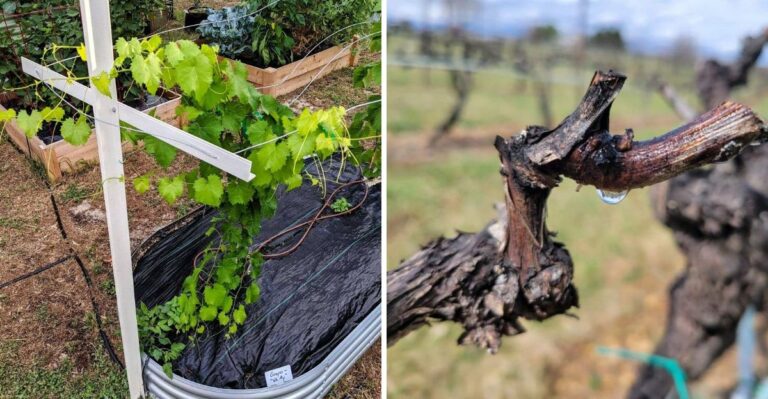
These Are The 8 Georgia Plants That Help Fireflies Complete Their Life Cycle
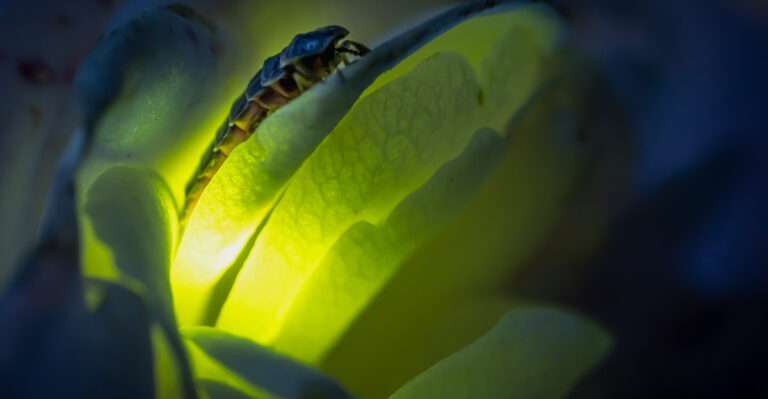
Fireflies can make a Georgia yard look enchanted for a few June evenings, but the real work happens long before the first flash.
Most of their lives unfold close to the ground.
Larvae spend months in damp soil, rotten wood, and leaf litter, where they hunt slugs, snails, and other prey.
Adults need dark enough nights to find mates, while eggs and young stages depend on moisture and shelter.
Georgia wildlife experts recommend scattered trees and shrubs, taller grass in areas, leaf litter, less nighttime light, and careful pesticide use for exactly those reasons.
So which plants help most?
Not one magic flower.
The strongest yard uses layers. Native oaks create shade and leaves. Shrubs protect low ground. Grasses and sedges reduce disturbance. Damp-site plants turn damp corners into habitat instead of lawn problems.
The eight plants below do not serve as exclusive firefly hosts. They do something more useful together.
They build the cool, loose, sheltered ground conditions that let a firefly life cycle continue from egg to glow.
1. Plant Native Oaks For Leaf Litter
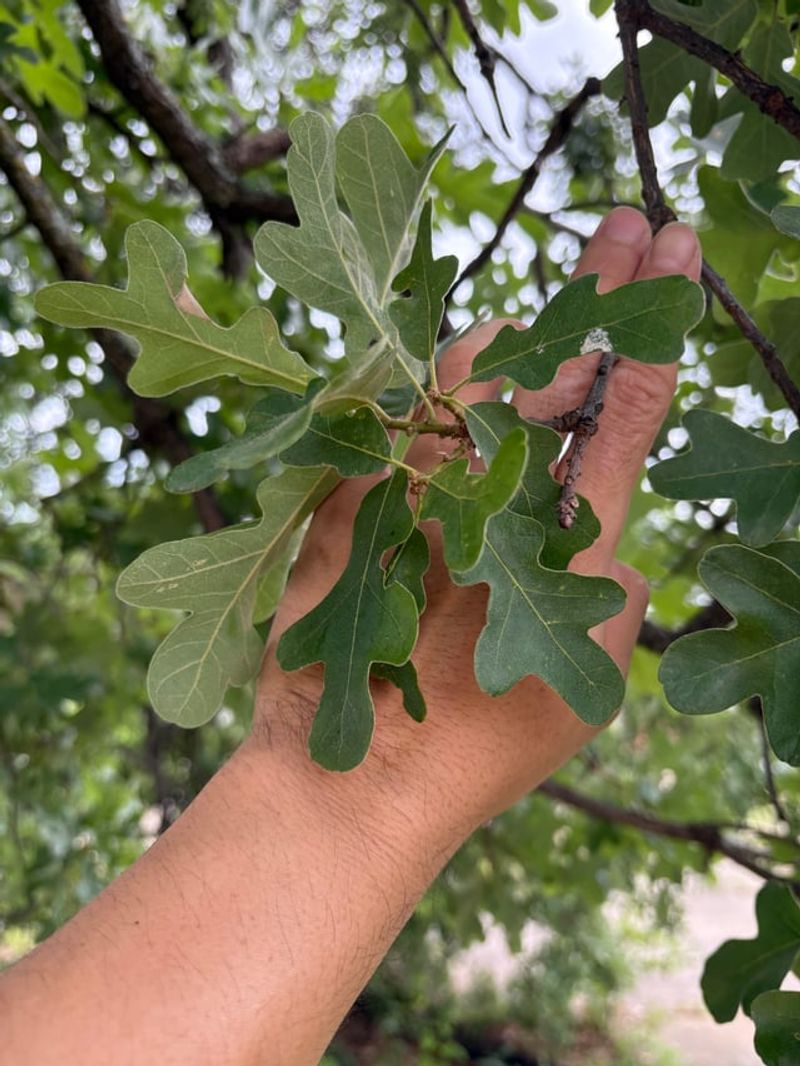
A mature oak does far more for fireflies than hold a pretty canopy over the yard.
Its biggest contribution lands on the ground.
Georgia DNR notes that firefly larvae often occupy leaf litter and rotten wood, while UGA Extension describes undisturbed oak litter as habitat that helps fireflies complete their life cycle.
Oak leaves also help the soil hold moisture and moderate temperature.
That makes native oaks useful habitat builders rather than direct firefly food plants.
White oak, water oak, willow oak, and other Georgia-native species can create shade above and a loose organic layer below.
The canopy slows the sun’s pull on soil moisture, while fallen leaves protect the surface from rapid dry-down.
Give one low-traffic section beneath the tree permission to stay imperfect.
Rake leaves away from walks and turf where needed, then move some beneath the canopy rather than bag every last one.
Keep the layer loose and do not grind it into tiny pieces. Georgia wildlife guidance specifically recommends leaf litter beneath trees and shrubs because larvae use that protected ground.
Do not bury the trunk flare under a giant leaf mound.
Spread the litter across the root zone and let decomposition handle the rest.
The oak does not flash, chirp, or perform any obvious trick.
It simply drops the nursery floor every autumn, then provides the roof.
For a firefly, that is excellent property management.
2. Add Sweetgum For Shaded Ground
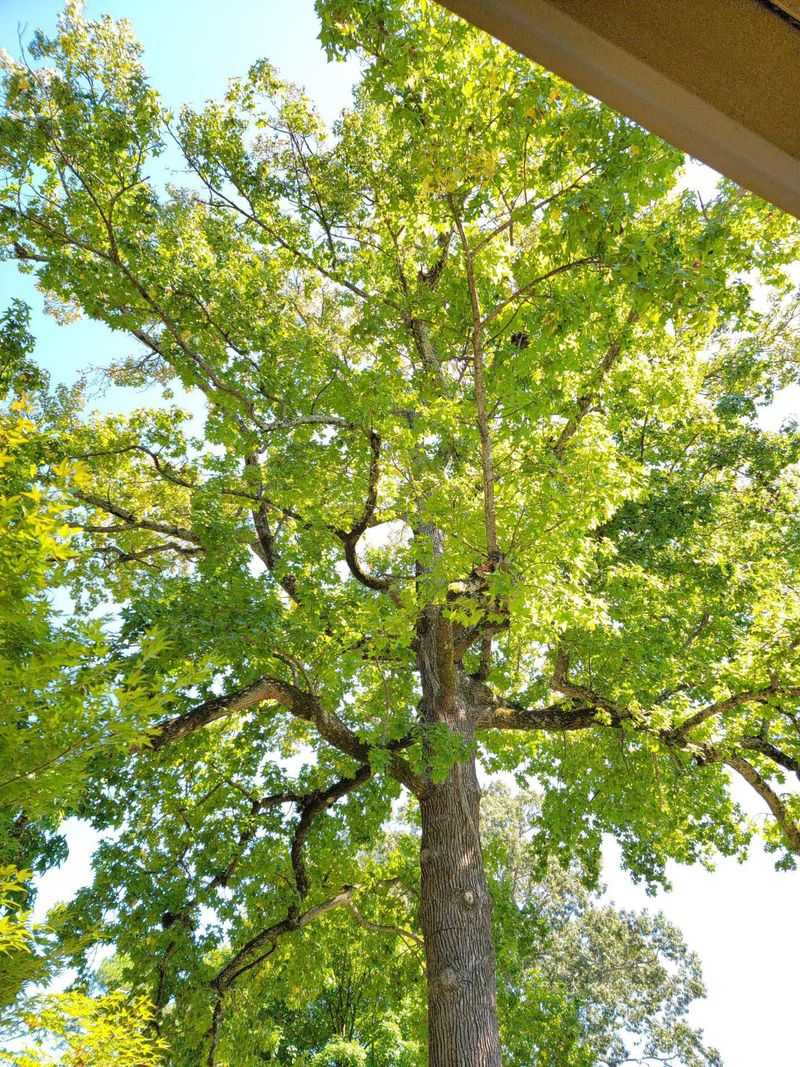
Sweetgum earns its place on this list through shade, fallen leaves, and the damp pockets that can form beneath a mature canopy.
The tree is native across much of the Southeast and occurs naturally on many moist sites. USDA Forest Service records show sweetgum across a wide range of soils, with strong growth on favorable sites that offer adequate moisture.
For fireflies, the value sits at ground level.
Georgia DNR recommends scattered trees and shrubs plus undisturbed vegetative litter because larvae often occupy leaf litter and rotten wood.
Your Georgia Garden Changes Every Week. Your Plan Should Too.
Gardening in Georgia changes quickly throughout the season. Every Friday you’ll receive a simple weekly plan showing exactly what to plant, prune, fertilize, harvest, and protect so you never miss the right timing.
A sweetgum can help create both the overhead cover and the yearly supply of leaves that support that structure.
Give the tree enough room.
Sweetgum can become a large landscape tree, so keep it away from tight foundation beds, narrow strips, and places where its famous seed balls would turn a barefoot route into an obstacle course.
Use a tree already there before you rush to add another.
Let some leaves remain beneath the canopy. Add a rotten hardwood log in an out-of-the-way section. Keep mower passes away from that small habitat zone and avoid broad insecticide use nearby.
That combination matters more than one tree name.
Firefly larvae need shelter, moisture, and prey, not a sweetgum membership card.
The spiky seed balls may still test your patience.
Underneath them, though, a quiet layer of leaves can turn an ordinary patch of Georgia soil into far better beetle real estate.
3. Grow Wax Myrtle For Shrubby Cover
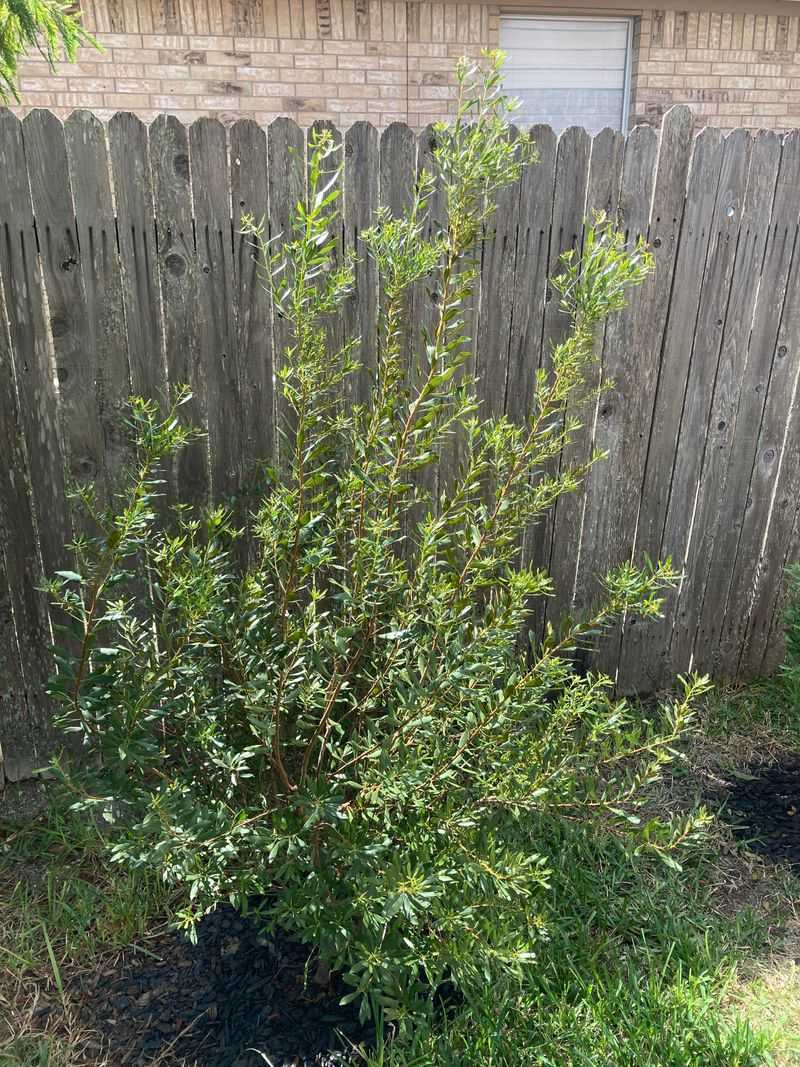
A firefly-friendly yard needs something between tall trees and ankle-high ground cover.
Wax myrtle fills that middle layer well.
UGA Extension includes Southern wax myrtle among Georgia native shrubs and notes its value in wildlife-oriented landscapes.
Its evergreen to semi-evergreen foliage can create dense cover across much of the state that can soften heat and light near the soil.
That low shelter matters because fireflies spend much of their lives below the flashy adult stage.
Georgia DNR recommends scattered shrubs, taller grass in selected zones, leaf litter, and less disturbance as useful backyard habitat. Females of many common fireflies also remain low in vegetation while they answer male flashes.
Give wax myrtle room to keep a natural outline.
Constant cuts into a tight cube remove the loose lower branches that make a shrub useful as cover. Place it along a property edge, behind a border, or near a woodland transition where a broad form fits the space.
Now protect the floor beneath it.
Leave some fallen leaves in place, skip an aggressive rake, and keep the soil free from routine broad-spectrum insecticide treatments.
You do not need a dark jungle beside the patio.
You simply add one middle story to a layered yard.
Trees provide the roof. Leaf litter covers the floor. Wax myrtle fills the space between them.
For fireflies, good habitat works a lot like a well-built house.
One empty level makes the whole place less useful.
4. Use Switchgrass For Taller Shelter
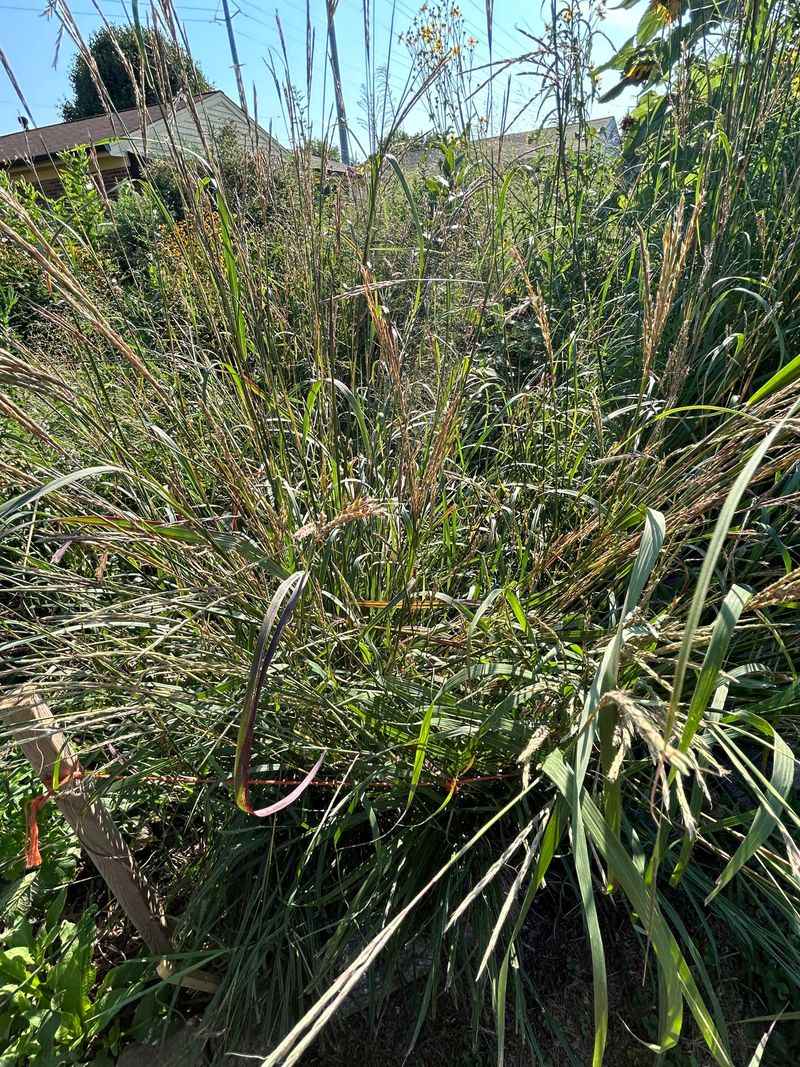
A patch of tall native grass can do something a perfect lawn rarely does: stay quiet.
Switchgrass gives a Georgia yard height, cover, and a place where mower blades do not pass every week.
UGA identifies switchgrass as a native warm-season bunchgrass. It produces tall summer growth and can persist with relatively modest inputs once established.
That structure lines up well with firefly habitat advice.
Georgia DNR recommends taller grass in selected parts of the yard because adult fireflies can rest in vegetation through daylight hours. Fewer mower passes also leave the soil surface and leaf layer with fewer disruptions.
Give switchgrass a defined zone rather than scatter it everywhere.
A back fence, broad border, or transition between lawn and woods works well. Let the clumps keep their height through much of the season, then cut them back at the appropriate time for your landscape rather than chase a weekly lawn height.
Keep the base free from a thick synthetic weed-barrier layer.
You want soil, fallen plant debris, and small invertebrates to remain part of the system. A light natural litter layer fits that goal much better.
Switchgrass does not feed firefly larvae directly.
Its job is architectural.
It creates vertical cover, reduces the urge to mow every square foot, and helps turn one sterile strip of turf into a quieter patch.
Your lawn mower may lose a little territory.
The fireflies will not file a complaint.
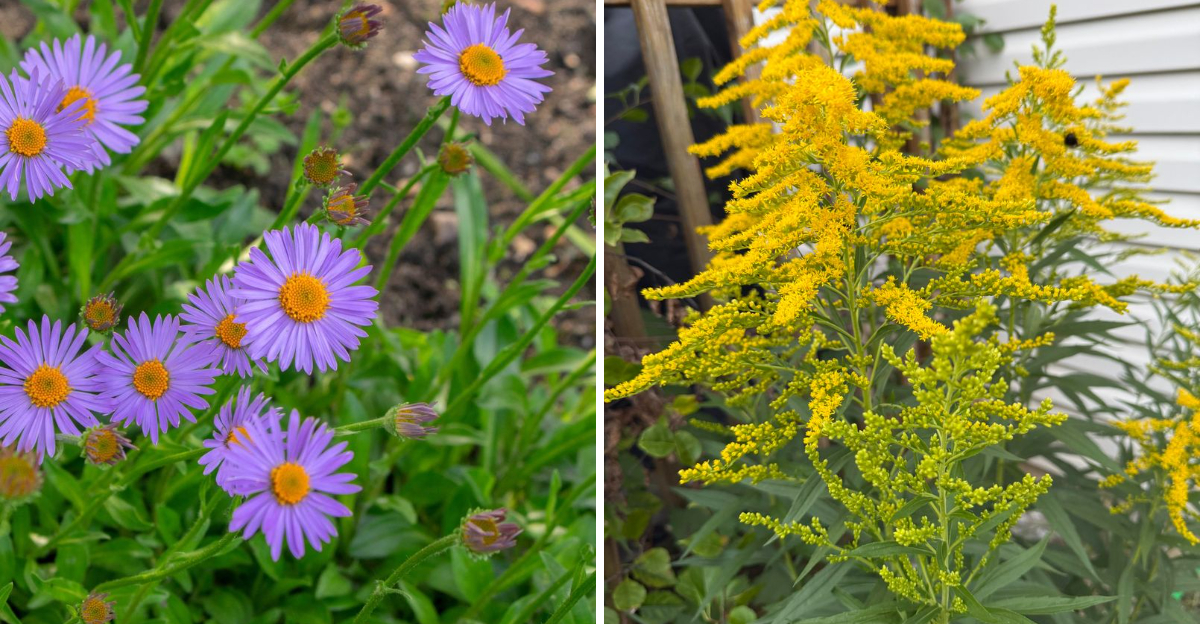
5. Plant Native Asters For Late Flowers
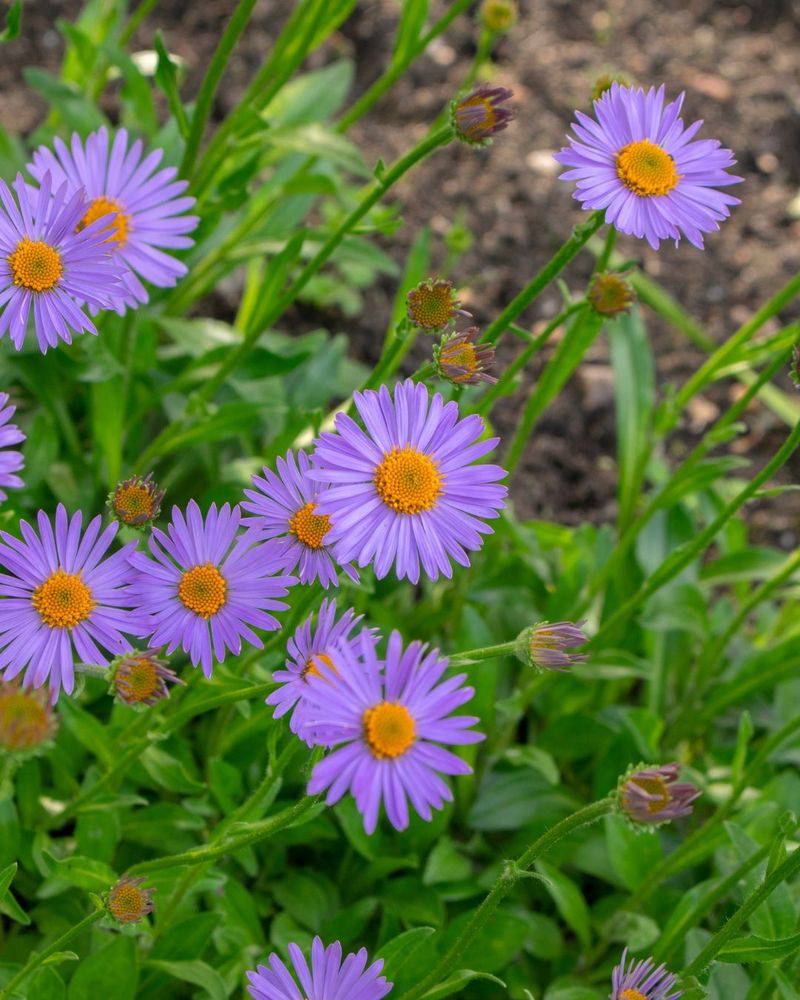
Native asters help most when they join a larger habitat patch rather than stand alone as a firefly solution.
UGA Extension recommends regionally native asters for Georgia pollinator gardens and notes their late-season value to bees, butterflies, and other insects.
That does not mean adult fireflies depend on aster nectar.
Firefly diets vary by species, and the stronger connection here is habitat complexity. A diverse native bed supports more insect life, creates low cover, and gives you a reason to keep part of the yard free from routine pesticide treatments.
Use asters beside leaf litter, shrubs, sedges, or tall grass.
Give the clump enough room to form a broad base, then let the soil around the clump stay covered with natural debris rather than bare and baked. UGA also recommends native plant diversity and leaf litter as part of a yard that supports beneficial insects.
Leave some stems through winter.
That choice helps other beneficial insects use the bed, while the undisturbed soil below remains part of the firefly habitat network. The entire patch becomes more useful than a single flower ever could.
Choose a Georgia-appropriate species for your region and site.
The plant should match your sun, soil moisture, and available space, not just the prettiest nursery tag.
Asters bring plenty of late color.
For fireflies, their bigger talent is social.
They help turn an isolated lawn edge into a busier, less chemically dependent neighborhood.
6. Let Goldenrod Carry Fall Blooms
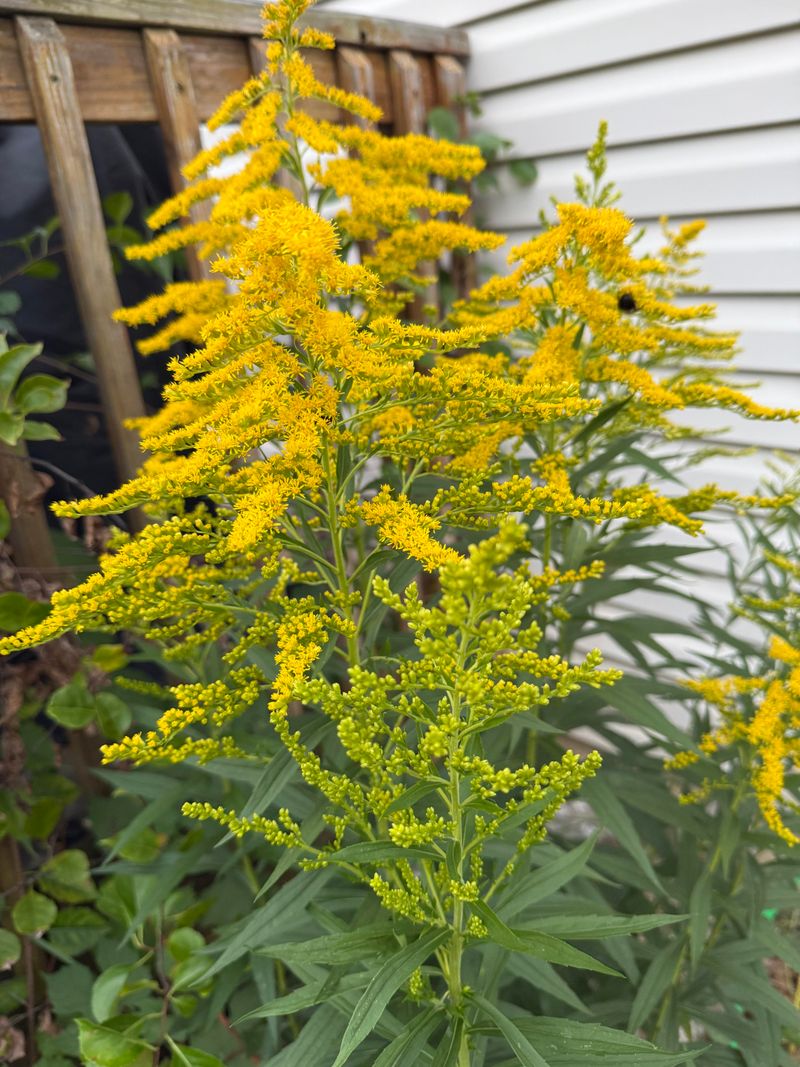
Goldenrod belongs in this habitat plan for the same reason a good neighborhood needs more than one type of house.
It adds plant diversity, dense stems, late flowers, and another place where routine lawn care can stop.
UGA Extension lists goldenrods among important fall bloomers for Georgia pollinators. Native species supply late-season nectar to many bees and butterflies, which keeps the broader insect community active well into autumn.
Keep the firefly connection accurate.
Goldenrod is not a required firefly host plant, and one clump does not guarantee a summer light show. Its value comes from the larger habitat around it: less turf, more cover, more native plant diversity, and fewer reasons to use broad insecticides.
Give the patch a defined edge so it looks intentional.
A back border, meadow strip, or sunny transition near shrubs works better than one stem stranded in the middle of clipped grass. Let fallen leaves and old plant debris collect around the base after the season ends.
Skip the urge to make the bed spotless in November.
Georgia DNR recommends leaf litter and other vegetative debris because firefly larvae can live in that protected ground layer.
Goldenrod already gets blamed for plenty of things it did not do.
Do not give it magical firefly powers too.
Give it a more realistic job: help build a diverse, low-disturbance patch where the soil stays covered and the insect community has more room to function.
7. Add Buttonbush Near Damp Ground
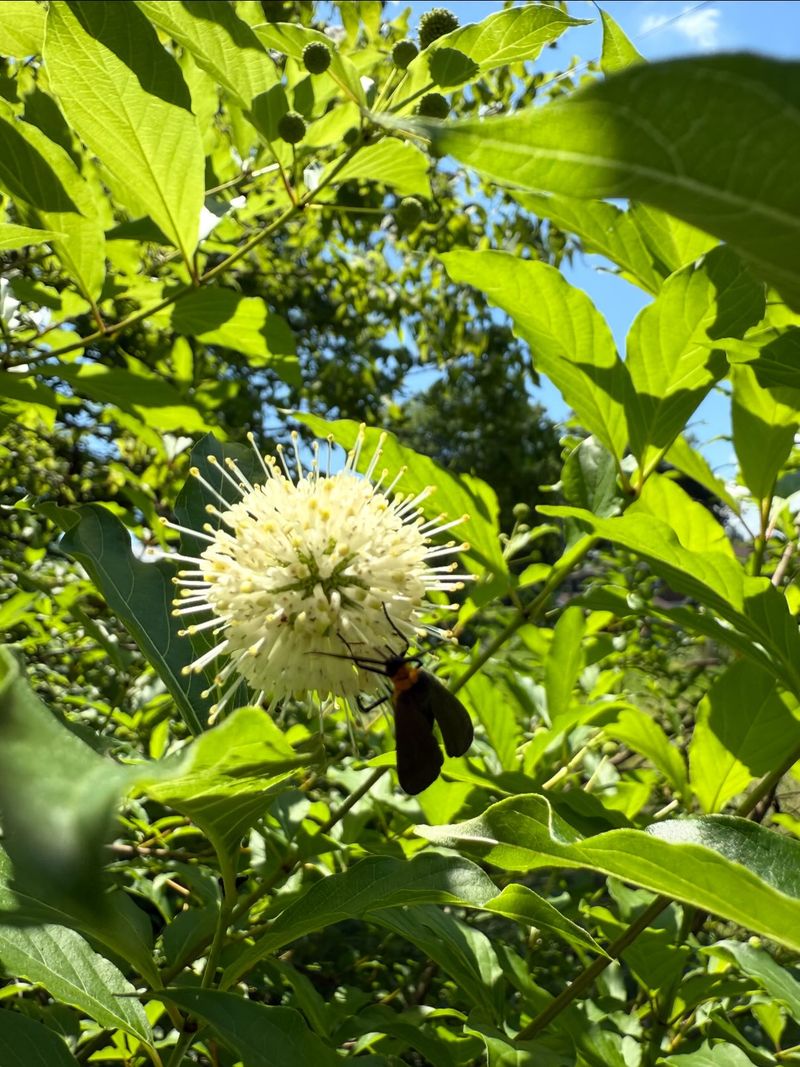
A damp corner that frustrates turf can become one of the most useful places in the yard.
Buttonbush fits that role naturally.
UGA Extension lists buttonbush among Georgia native shrubs for landscape use and describes it as a plant for wet ground suited to sites such as pond and lake edges. Its summer flowers also attract bees and butterflies.
For fireflies, the wet-soil connection matters more than the flower.
UGA notes that firefly larvae depend on soil moisture, while Georgia DNR recommends moist habitat, scattered shrubs, litter, and reduced pesticide use.
Use the soggy spot. Do not treat it as a problem.
Place buttonbush where rain already lingers, near a rain-garden edge, pond margin, or low section that stays moist and sits safely away from paths. Let the shrub cast cover over the soil and leave some natural debris beneath it.
Do not turn that patch into a chemical catch basin.
Runoff from herbicides or insecticides works against the habitat you want to build. Keep treatments targeted and far from unnecessary use around the wet zone.
Give the shrub enough room for its mature size.
A buttonbush pressed against a walkway quickly turns into a constant cutback project, and constant cuts defeat the relaxed habitat structure.
The wet corner may have spent years as the yard’s problem child.
Buttonbush gives it a promotion.
For a firefly larva, damp ground with cover is not a flaw.
It is prime real estate.
8. Keep Native Sedges Around Moist Edges
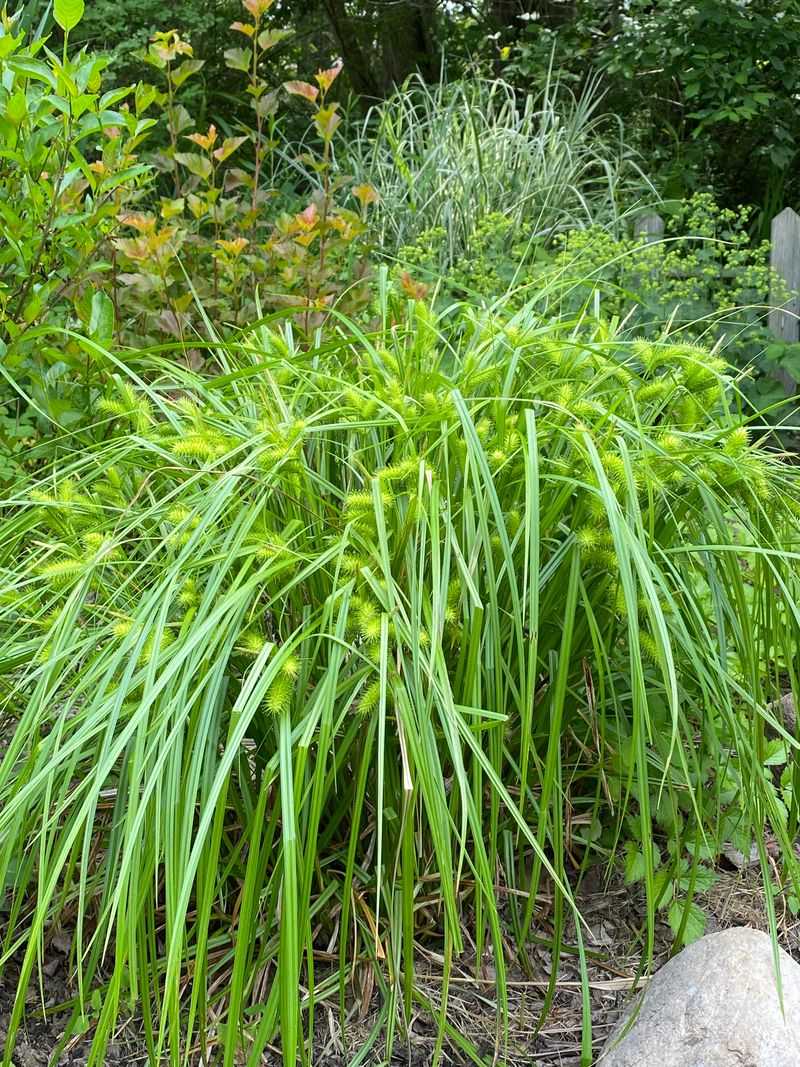
A sedge patch can cover moist ground and keeps that space out of weekly lawn duty.
That alone makes it useful for fireflies.
UGA Extension lists native sedges such as Cherokee sedge and Pennsylvania sedge as alternatives to invasive groundcovers, with Cherokee sedge suited to part shade.
Another UGA landscape resource includes native sedges among useful Georgia grass-like plants.
Match the species to the site.
A damp, partly shaded edge beneath shrubs may suit one sedge, while a drier patch may need another. Use local nursery advice or county Extension help for the exact choice rather than force one species across every Georgia soil type.
Then protect the ground around the clumps.
Firefly larvae spend much of their lives in leaf litter, rotten wood, or soil, and Georgia DNR recommends undisturbed litter plus fewer mower passes in selected yard areas.
Let sedges replace turf where constant mower work adds little value.
Leave small leaves between the clumps. Keep soil compaction low. Skip routine insecticide treatment across the patch and allow the surface to stay cool under its low cover.
This is not the glamorous part of a firefly yard.
There is no giant flower spike and no instant dusk spectacle.
Sedges work closer to the floor.
They reduce disturbance, protect soil, and connect taller plants to the leaf-litter layer below.
That quiet job matters.
Fireflies spend far more time near the ground than they ever spend above it with the lights on.