Why You’re Seeing Eastern Lubber Grasshoppers Across Georgia Right Now
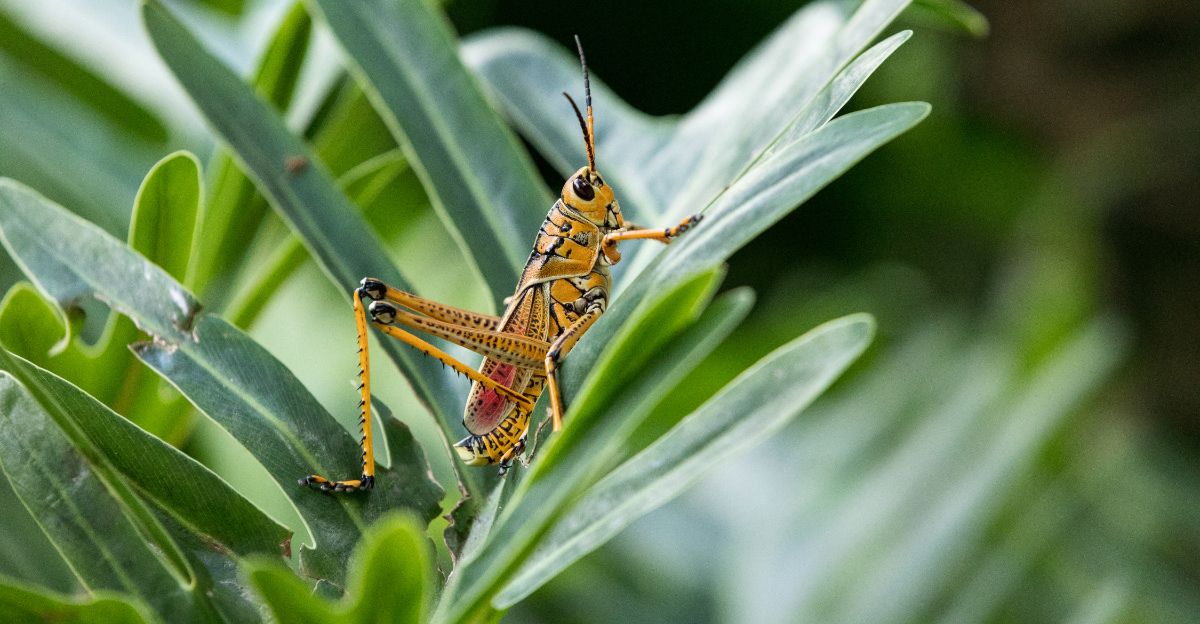
Large colorful grasshoppers are suddenly appearing in more Georgia yards and gardens. Their size makes them almost impossible to ignore.
Many people notice them for the first time in late summer. That timing is no coincidence.
Eastern lubber grasshoppers reach their most noticeable stage during this part of the season. Warm weather keeps them active as they feed and move through nearby vegetation.
Their slow movements make them easier to spot than many other insects. Bright colors also help them stand out among garden plants.
Seeing one can be surprising, especially if you have never noticed this species before.
Understanding why they appear now helps explain their seasonal behavior. It also makes those unexpected backyard sightings much easier to recognize the next time one crosses your path.
1. Adults Reach Their Most Visible Stage During Summer
By midsummer, Eastern lubber grasshoppers have fully matured, and that is exactly when most people notice them. Nymphs hatch in spring and spend weeks feeding and growing.
Once they reach adulthood, their size and bold coloring make them nearly impossible to overlook.
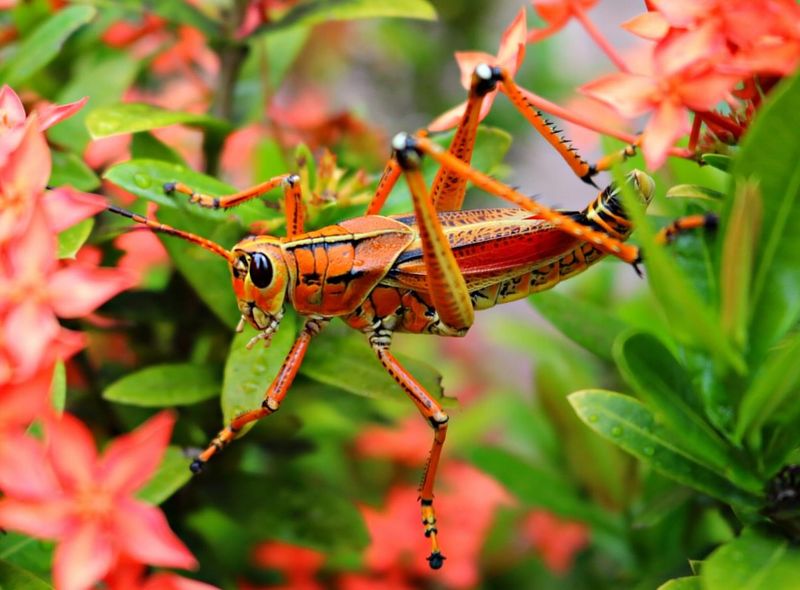
Adult lubbers can grow up to three inches long. That size alone sets them apart from most other grasshoppers you might see in a backyard.
Their chunky bodies and slow, awkward movement make them look almost out of place compared to smaller, faster species.
Unlike many insects that stay hidden, adult lubbers tend to rest openly on plant stems, fence posts, and garden beds. They do not fly well, so they rely on their warning colors rather than speed to avoid threats.
Spotting one on your tomato plant or rose bush is common during peak summer weeks.
Summer heat actually encourages their activity. Warmer temperatures speed up feeding and movement.
Adults also need to find mates during this window, which spreads them across wider areas and increases how often people encounter them.
Populations tend to peak between July and September across much of the Southeast. If you are seeing more of them now than earlier in the season, that timing lines up exactly with their natural adult stage.
2. Hot Weather Makes Sightings More Common
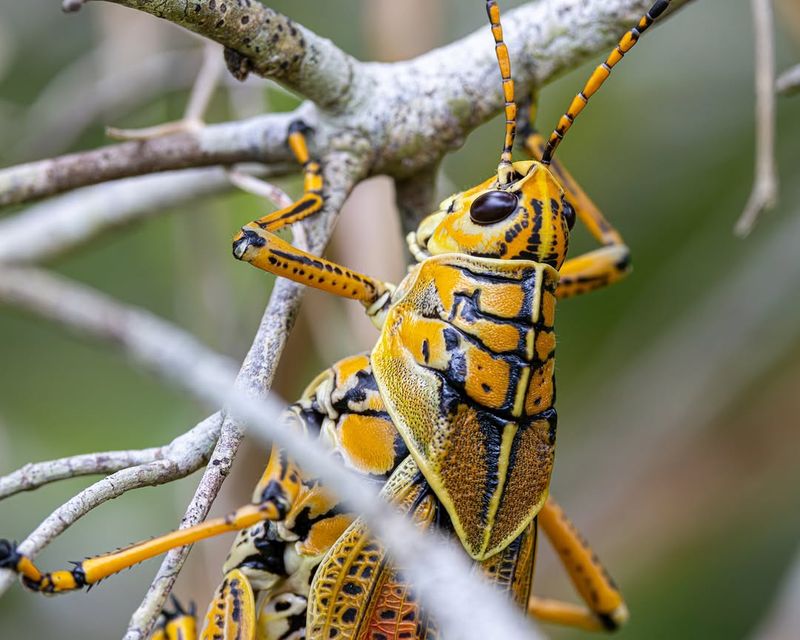
Heat wakes these insects up fast. Eastern lubbers are cold-blooded, so their body temperature rises and falls with the air around them.
On hot summer days, they become more active, feed more aggressively, and move around more than on cooler mornings.
Georgia summers regularly push temperatures into the upper 80s and 90s. That kind of sustained heat keeps lubbers moving and feeding throughout most of the day.
You are far more likely to spot one crossing a sidewalk or munching on a garden plant during a hot afternoon than on a mild spring day.
Warm soil also helps eggs hatch earlier and more successfully. A season with consistent warmth from spring onward tends to produce stronger nymph survival rates.
More surviving nymphs means more adults showing up later in summer.
Drought conditions can also push lubbers into irrigated yards and gardens. When wild vegetation dries out, well-watered plants become more attractive feeding spots.
Your Georgia Garden Changes Every Week. Your Plan Should Too.
Gardening in Georgia changes quickly throughout the season. Every Friday you’ll receive a simple weekly plan showing exactly what to plant, prune, fertilize, harvest, and protect so you never miss the right timing.
Homeowners with lush, green gardens may notice more lubber activity simply because their plants stand out against drier surroundings.
Hot nights matter too. Temperatures that stay warm after sunset allow lubbers to stay active longer.
Cooler nights slow them down significantly.
3. Broadleaf Plants Provide Their Favorite Food
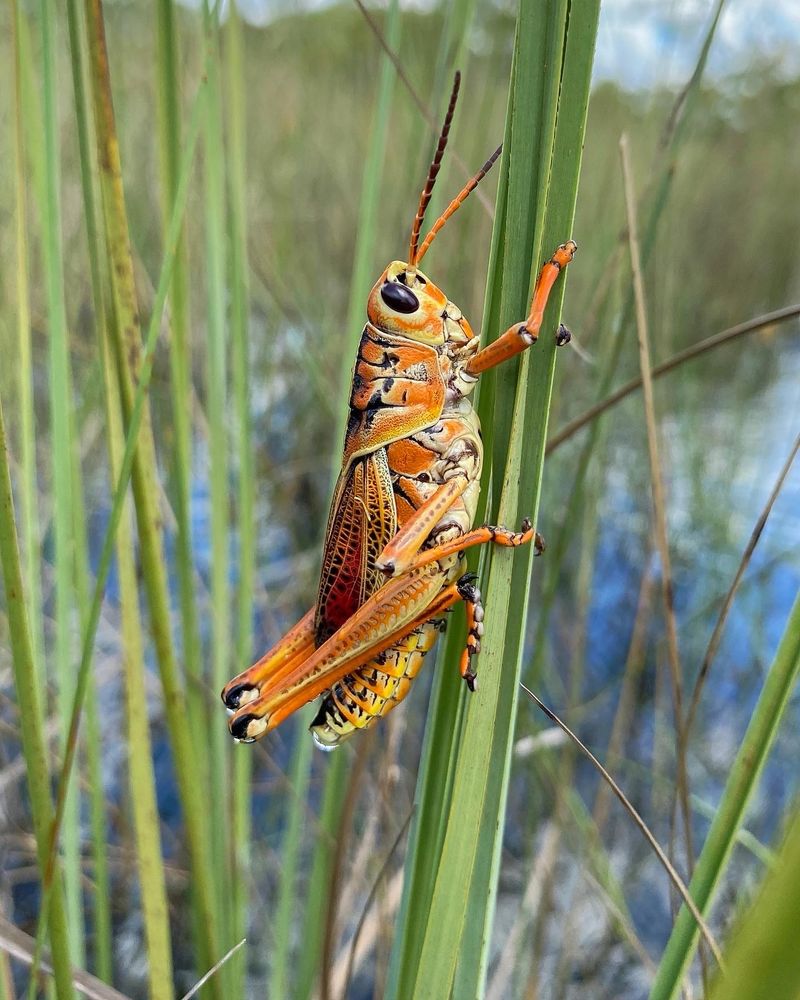
Lubbers are not picky eaters, but they do have strong preferences. Broadleaf plants top their list, and that includes a wide range of vegetables, ornamentals, and native plants.
Amaryllis, canna lilies, and citrus are among the plants they target most heavily in home landscapes.
Vegetable gardens attract them too. Beans, squash, and leafy greens often show feeding damage when lubbers are active nearby.
The damage usually appears as ragged holes or stripped sections along leaf edges. Younger, softer leaves tend to take the worst of it.
Wild broadleaf plants along roadsides, drainage areas, and forest edges serve as their primary habitat. When those areas dry out or get mowed, lubbers shift toward nearby gardens.
That movement often explains sudden increases in garden sightings during late summer.
Lubbers feed during the day, especially in the morning and early afternoon. Catching them on plants during those hours is fairly straightforward.
They move slowly and rarely scatter quickly when approached, which makes observation easy.
Some plants hold up better than others. Thick-leaved succulents and plants with strong aromatic oils tend to get less attention from lubbers.
Soft, leafy ornamentals and vegetables are far more vulnerable.
4. Bright Warning Colors Discourage Most Predators
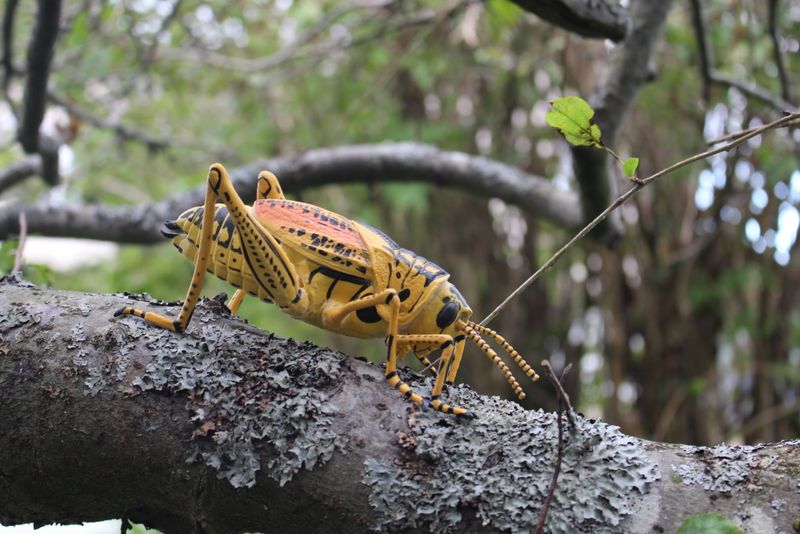
Few insects advertise themselves as boldly as the Eastern lubber. Its yellow, black, and red coloring is not for decoration.
Those colors serve as a direct warning to predators that the insect is unpleasant to eat. This type of coloring is called aposematism, and it works surprisingly well in the wild.
Lubbers produce toxic compounds from the plants they eat and store those compounds in their own bodies. Birds and small mammals that attempt to eat one often experience enough discomfort to avoid them in the future.
Most experienced predators in the Southeast learn to leave lubbers alone.
Because they rely on color rather than speed, lubbers have no reason to hide or run. That bold, slow behavior is part of the strategy.
Standing still and being visible is actually a survival tactic for them, not a weakness.
Young lubbers look different from adults. Nymphs are mostly black with yellow or red stripes, making them equally visible.
The warning system is active from the moment they hatch. Both stages benefit from the same predator-avoidance strategy throughout their development.
Interestingly, a few predators have adapted to tolerate lubbers. Loggerhead shrikes, for example, are known to eat them by impaling the insects and leaving them exposed before consuming them.
5. Tender New Growth Faces The Heaviest Feeding Damage
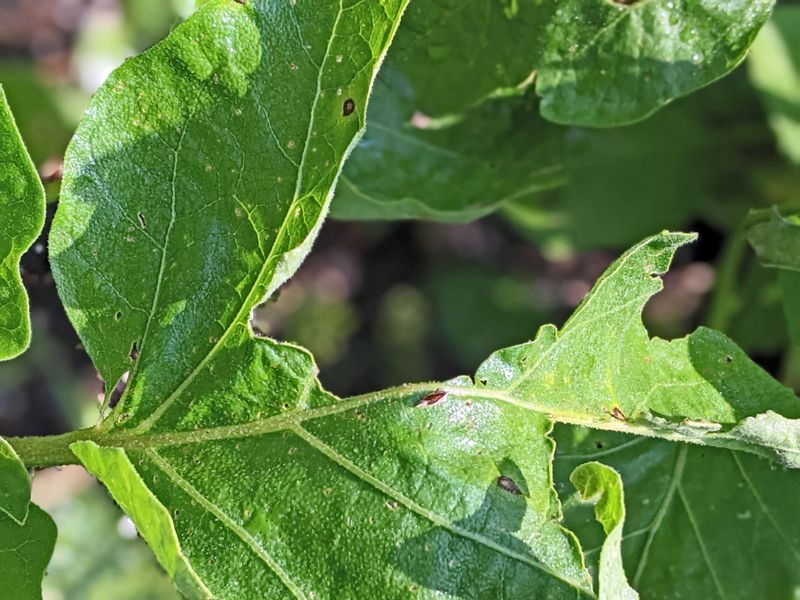
New growth does not stand much of a chance when lubbers are around. Fresh shoots, young leaves, and soft stems are far easier to chew than older, tougher plant tissue.
Lubbers consistently target the newest growth on whatever plant they land on first.
Gardeners often notice the damage before they spot the insect. Ragged leaf edges, missing sections, or entirely stripped stems are common signs.
Seedlings and recently transplanted plants are especially vulnerable because nearly everything on them qualifies as tender growth.
Established plants can usually recover from moderate feeding. A mature shrub or large perennial has enough stored energy to push out new growth after an attack.
Younger plants, however, may struggle to bounce back if lubbers feed repeatedly over several days.
Container plants face extra risk because they have limited root systems and less reserve energy. A potted canna lily or hibiscus sitting on a patio can take serious damage from just a few lubbers feeding over a short period.
Moving containers temporarily to a covered area can help during peak activity weeks.
Timing matters when protecting plants. Lubbers feed most actively in morning hours when temperatures are rising.
Checking plants early in the day lets you catch feeding before significant damage accumulates.
6. Hand Removal Offers The Best Results In Home Gardens
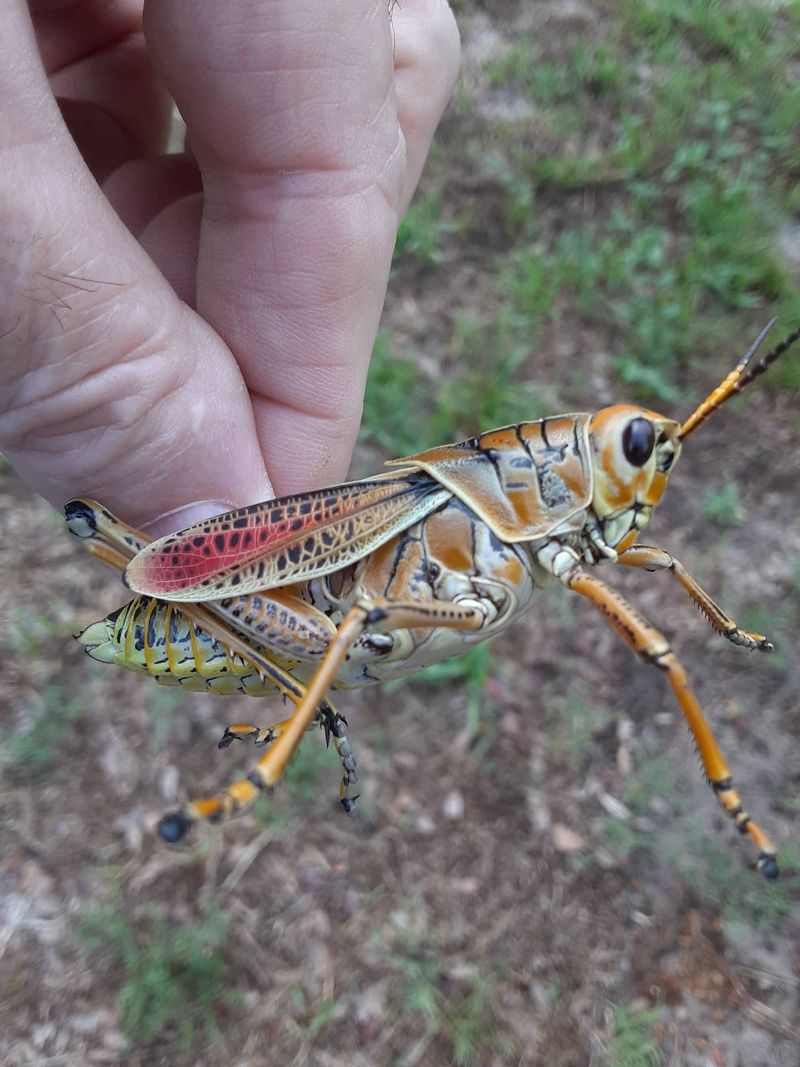
Forget complicated sprays for a moment. Hand removal is genuinely one of the most effective ways to manage lubbers in a home garden, and it requires nothing more than gloves and a bucket.
Because lubbers move slowly and stay visible on plants, picking them off by hand is far more practical than it sounds.
Drop collected lubbers into a bucket of soapy water. They cannot escape quickly, and this method avoids introducing chemicals near edible plants or beneficial insects.
For small gardens with moderate lubber pressure, a few minutes of hand removal each morning can make a real difference within days.
Consistency matters more than a single big effort. Checking plants daily during peak season prevents populations from building up on your most valued beds.
Missing a few days allows feeding damage to accumulate faster than most people expect.
Nymphs are easier to manage than adults. In spring, when young lubbers first appear in clusters, removing groups of small nymphs takes less effort than tracking down scattered adults later in summer.
Catching them early in their development cycle reduces overall pressure on your garden.
Insecticide options do exist for severe infestations, but label directions must be followed carefully, especially near vegetables. Hand removal sidesteps those concerns entirely.
7. Cold Weather Brings Their Life Cycle To An End
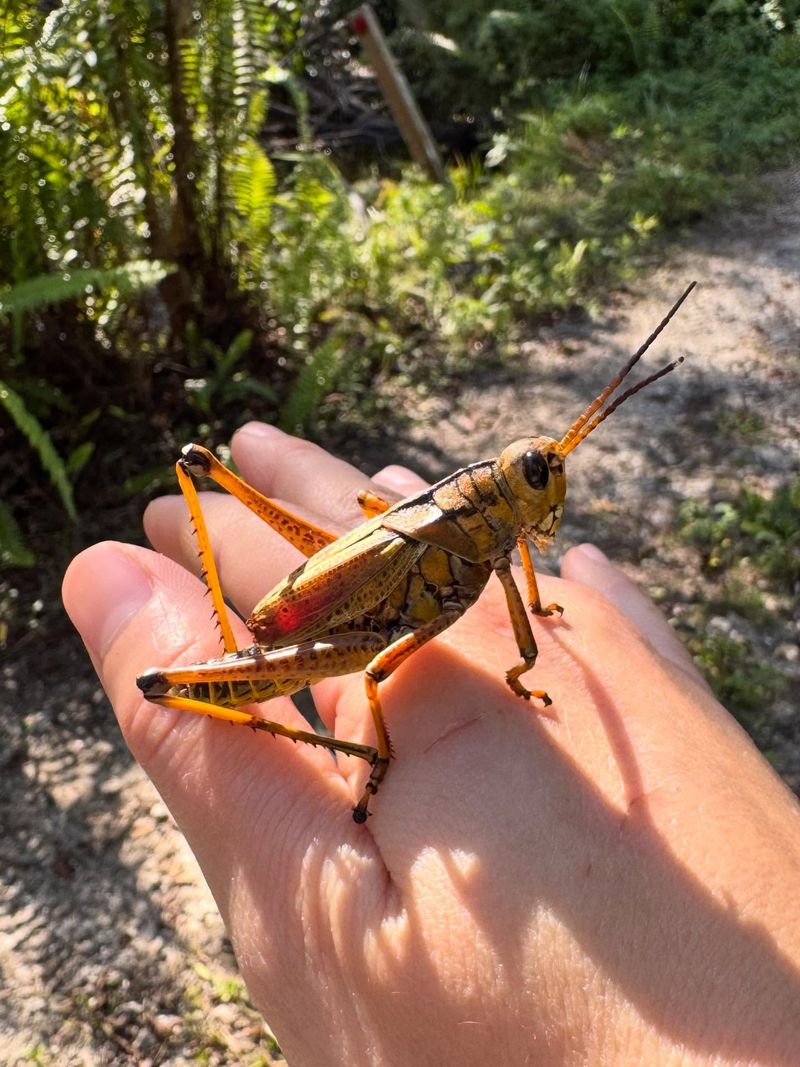
Cooler temperatures in fall signal the end of the adult lubber season. As nights drop and daytime highs fade, lubber activity slows noticeably.
Feeding becomes less frequent, movement decreases, and adults gradually stop appearing in gardens and landscapes.
Eastern lubbers do not survive frost as adults. Once temperatures drop consistently below certain thresholds, adult populations fade out for the year.
Eggs laid in the soil earlier in the season are what carry the population forward into the following spring.
Females lay eggs in late summer and early fall, depositing them a few inches underground in loose or sandy soil. Those eggs overwinter and hatch when soil temperatures warm again the following spring.
The cycle repeats without the adult insects needing to survive winter.
Knowing this helps set realistic expectations. A heavy lubber season does not necessarily mean the next year will be just as bad.
Egg survival depends on soil moisture, temperature, and other seasonal factors that vary year to year. Some years produce far fewer nymphs than others.
Gardeners in northern Georgia may see lubber populations fade earlier in fall compared to those in the southern part of the state, where warmth lingers longer. That regional difference can shift the end of the active season by several weeks.