8 Pretty Michigan Mailbox Flower Combos For Instant Curb Appeal
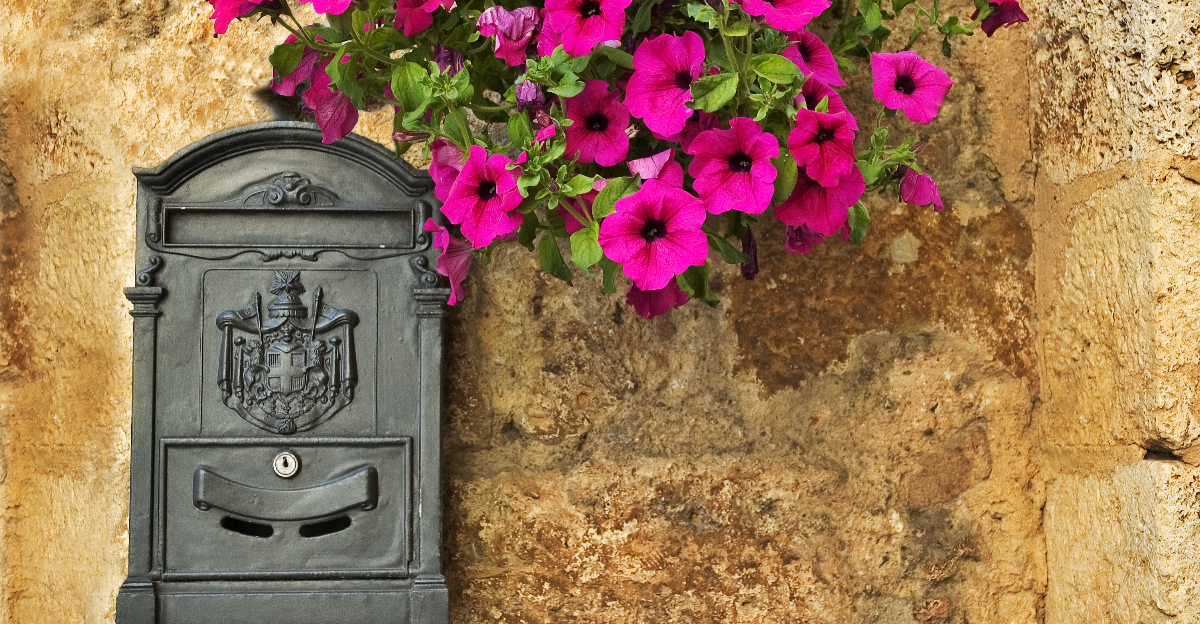
Nobody warns you that a mailbox can have a personality crisis. One day, it’s just a metal box on a stick.
Next, you can’t stop wondering why it looks so sad and abandoned compared to the neighbor’s down the street.
The difference between a forgettable mailbox and one that makes people slow down has nothing to do with the mailbox itself.
It’s that small patch of ground around it. The one most people treat like an afterthought, throw a few random annuals into, and forget about until everything fries by August.
Michigan makes that patch of ground tricky. Road salt, reflected heat, brutal winters, and summer dry spells all gang up on whatever you plant there.
Random choices do not survive that combination for long. But the right flower combos do more than survive. They come back stronger and turn that forgotten little strip into the most talked-about corner of your yard.
The combinations that actually work might surprise you.
1. Petunias And Portulaca
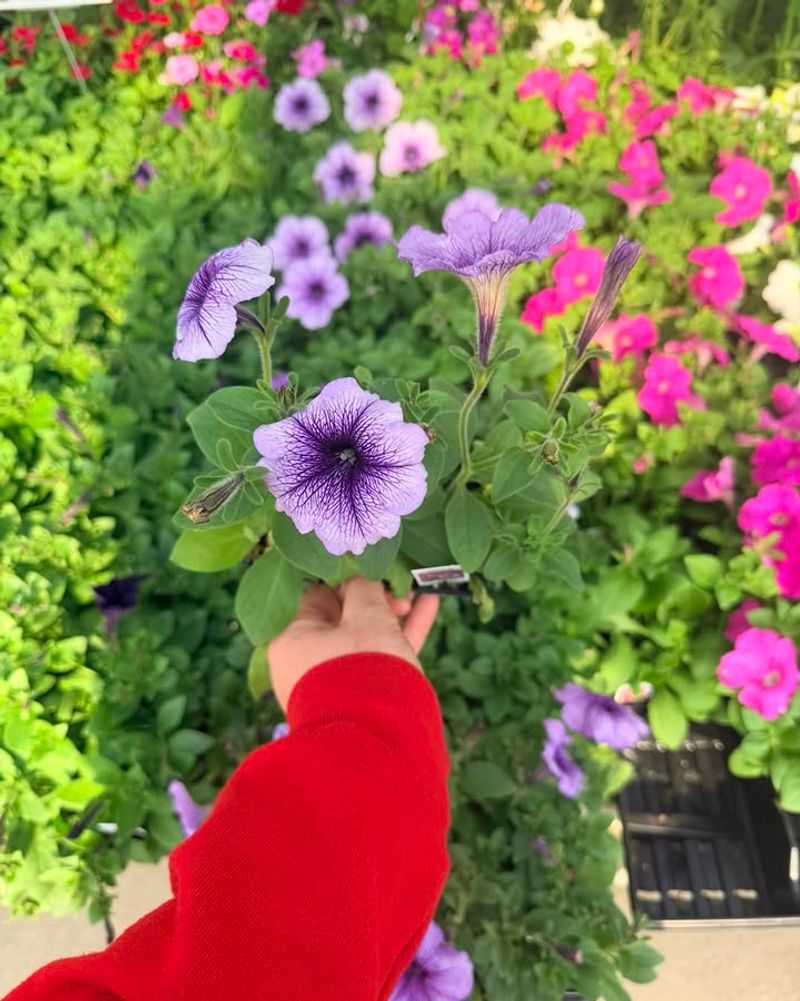
Some plant combos just get it. This one shows up, handles the heat, and still looks incredible by August.
Petunias and portulaca are the ultimate sun-baked duo for Michigan mailboxes. Hot pavement and reflected heat? These two do not flinch.
Petunias bring the bold, trumpet-shaped blooms in pink, purple, red, and white. They are showy, reliable, and bloom all through the season with a little attention.
Portulaca plays a different game. Low to the ground, jewel-toned, and almost succulent in nature, it practically glows in the heat. Where other plants sulk, portulaca thrives.
Near roadside spots, portulaca earns its keep fast. It handles dry, sandy, or poor soil better than most annuals, which makes it a natural fit where road heat bakes the ground all day.
Petunias do appreciate consistent moisture, so a slow-release fertilizer and a good layer of mulch help them stay vibrant through the driest stretches.
Plant petunias toward the back or sides for height. Let portulaca spill along the front edge like a colorful, low carpet.
Trim petunias weekly and the blooms keep coming strong. Portulaca basically takes care of itself once established.
Both plants show up at Michigan garden centers in late May. Together, they create a roadside display that stops people mid-walk. Neighbors will slow down. Some will probably stop entirely.
2. Coneflowers And Black-Eyed Susans
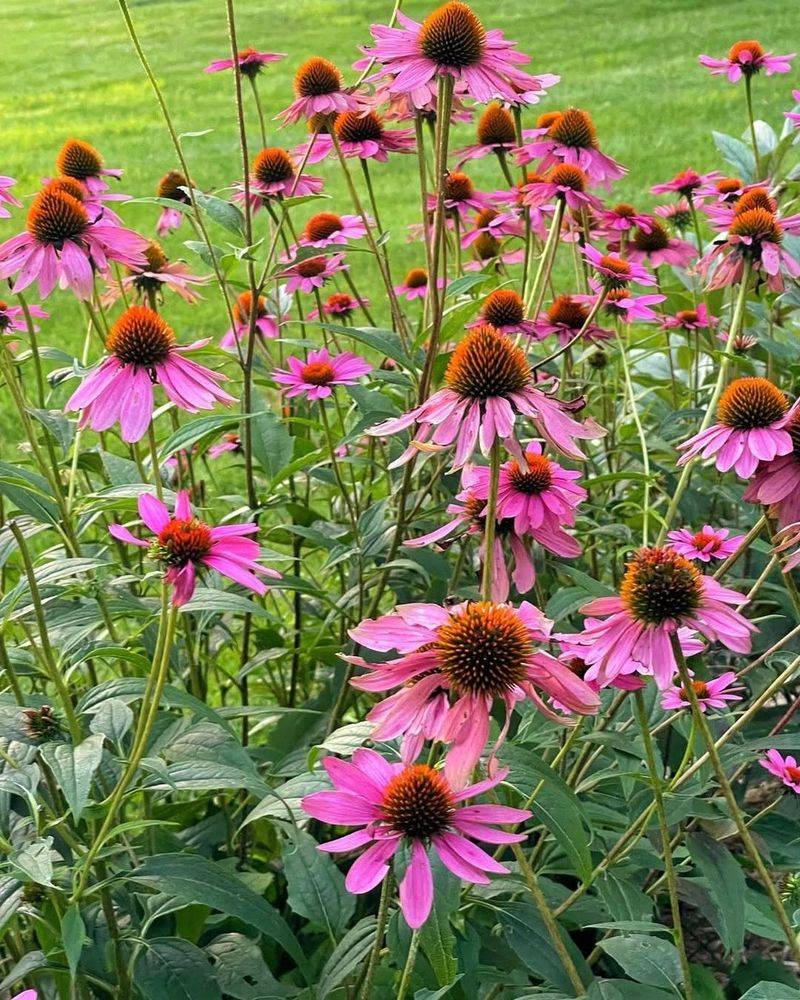
There is a certain kind of garden that looks like it was always supposed to be there. Coneflowers and black-eyed Susans next to a Michigan mailbox is exactly that.
This combo does not look planted. It looks like it grew up from the soil on its own terms, which is part of what makes it so charming.
Both plants are native or near-native to the Midwest. They know Michigan weather intimately.
Coneflowers, or Echinacea, produce sturdy blooms in purple, pink, and white. Bees love them. Butterflies love them. Goldfinches show up late in the season for the seed heads.
Black-eyed Susans bring that classic yellow and dark center combination that pops against green foliage in a way that feels cheerful without trying too hard.
Your Michigan Garden Changes Every Week. Your Plan Should Too.
Gardening in Michigan changes quickly throughout the season. Every Friday you’ll receive a simple weekly plan showing exactly what to plant, prune, fertilize, harvest, and protect so you never miss the right timing.
Both handle heat and moderate drought once established, which is exactly what you need in a roadside bed where dragging a hose out regularly is not always realistic.
Space them about eighteen inches apart for good airflow. Leave the seed heads standing through fall and winter, and birds will thank you for it.
These are perennials, so they return year after year without asking anything of you. Low maintenance, high reward, and genuinely beautiful from midsummer through frost.
3. Zinnias And Sweet Alyssum
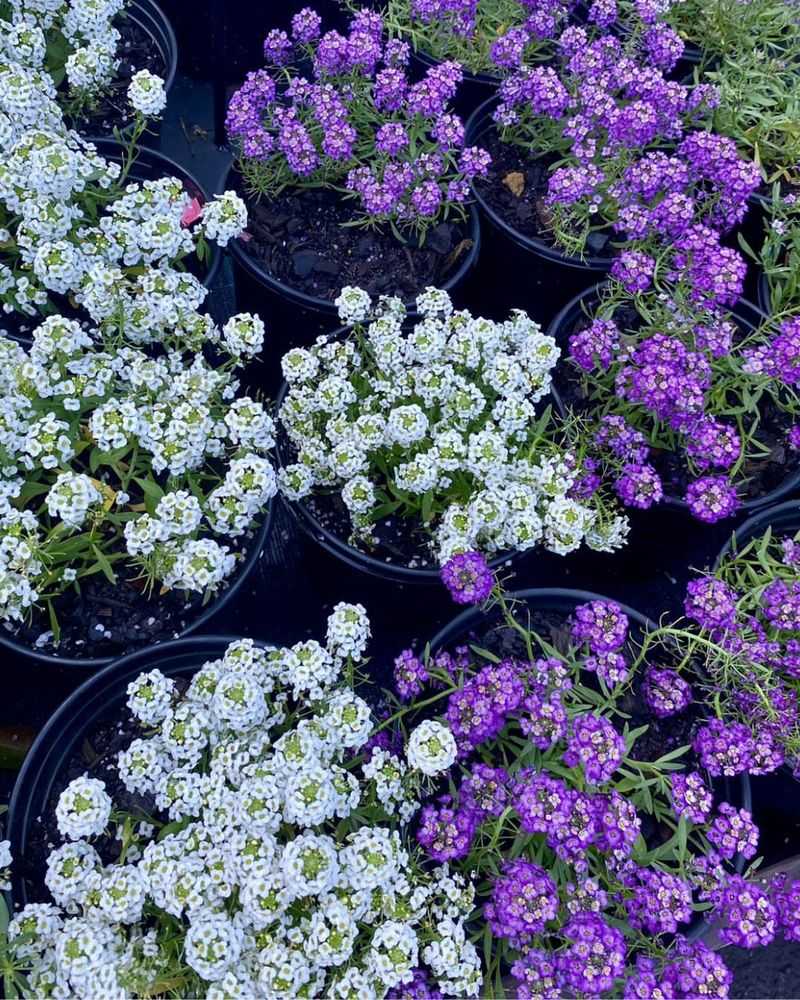
Bold up top. Soft and fragrant along the edges. This combo dresses a mailbox bed like it has somewhere to be.
Zinnias are one of those plants that make gardening feel easy. They grow fast, bloom in almost every color imaginable, and keep producing right up until frost as long as you stay on top of trimming.
Fiery red, burnt orange, soft coral, creamy white. The range is genuinely impressive for a single plant.
Sweet alyssum is the understated genius of this pairing. It stays low, only a few inches tall, but spreads into a honey-scented, frothy carpet that softens every hard edge of the bed.
It also pulls in beneficial insects quietly and reliably through the season. Beauty and function in one compact plant.
Zinnias grow quickly from seed. Direct sow them after your last frost date, typically mid-May across much of the Lower Peninsula.
Sweet alyssum transplants easily from six-packs at local nurseries. No complicated setup required.
Plant zinnias toward the back for height and let alyssum tumble freely along the front edge. Water both at the base to reduce powdery mildew on the zinnia leaves.
The result is a mailbox planting that smells good, looks great, and earns unsolicited compliments from people just walking past.
4. Begonias And Coleus
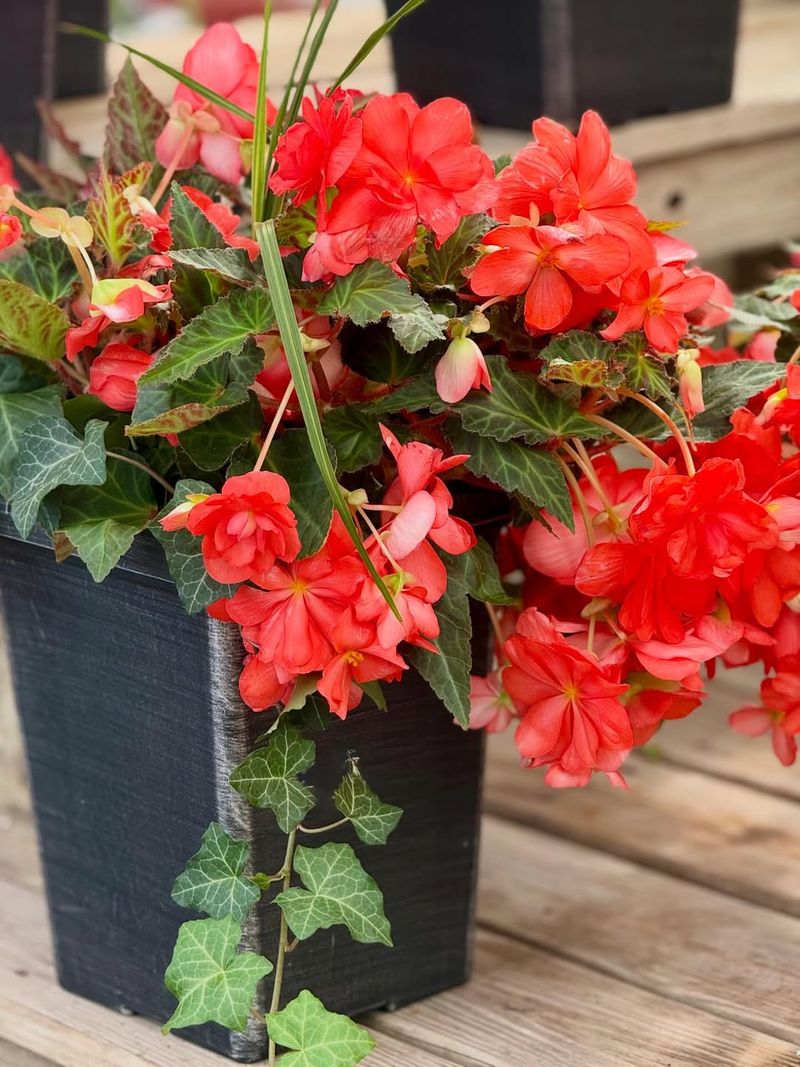
Shade is not a problem. It is just a different creative brief, and this combo is ready to work with what you have got.
Not every mailbox gets all-day sun. Trees, fences, and neighbouring structures cast shadows that make some spots genuinely tricky to plant well. Begonias and coleus walk into that situation like they own the place.
Wax begonias are reliable in a way that feels almost unfair to other shade plants. Cheerful red, pink, or white blooms.
Waxy foliage in green or bronze. Tidy through the season with almost no intervention required from you.
Coleus brings pure drama. Bold leaf patterns in red, purple, chartreuse, and copper turn your shaded corner into something that genuinely stops people mid-step.
Think of coleus as the showstopper and begonias as the grounded, steady partner that keeps everything looking polished around it.
Taller coleus varieties can reach eighteen to twenty-four inches, which gives your bed real vertical interest without needing any structure or support.
Plant begonias around the coleus base for a full, layered look. Pinch coleus flower spikes as they appear to keep the foliage at its bold, leafy best.
Both plants arrive at Michigan nurseries in late spring. Both thrive in part shade and appreciate the consistent moisture that shadier spots tend to hold naturally.
Your shady mailbox corner is not a design limitation. In the right hands, it turns into the most interesting spot on the block.
5. Blanket Flower And Yarrow
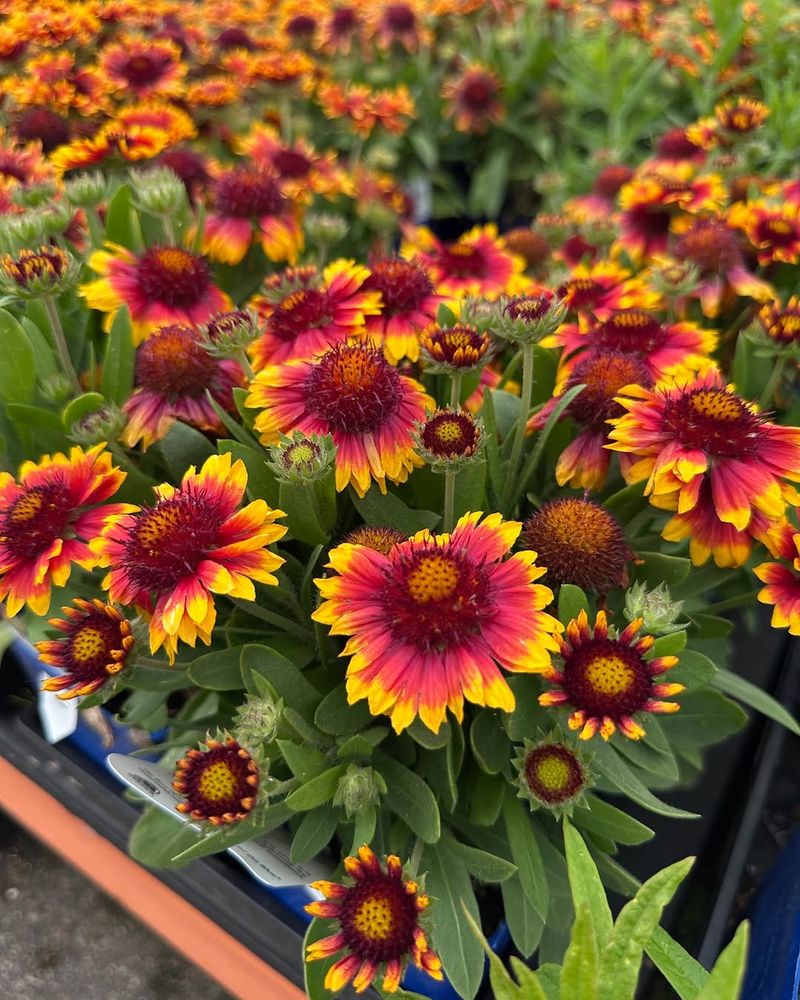
Some mailbox spots are genuinely brutal. Those dry spells that stretch for weeks? Many plants don’t last long there, and you already know it.
Blanket flower and yarrow were practically designed for exactly that situation. These two are not just tough. They are the kind of tough that still looks beautiful in July when everything around them has given up.
Blanket flower, or Gaillardia, produces bold daisy-like blooms in fiery combinations of red, orange, and yellow. They look like tiny sunsets arranged across the top of the plant, and they will keep your mailbox glowing all summer.
Yarrow adds a completely different texture. Feathery, flat-topped flower clusters in yellow, white, or soft pink sit above fine, ferny foliage that moves beautifully in a breeze.
Together, the contrast is striking. Bold and round next to soft and flat. It looks intentional without requiring much planning from you.
Blanket flower blooms from early summer through fall with regular deadheading. Yarrow blooms earlier, then can be cut back after the first flush to push a second round of flowers later in the season.
Both pull in bees and butterflies consistently, so your bed stays lively through the season.
Plant in full sun with good drainage. Skip the heavy watering, because both plants prefer leaner conditions and actually perform better without too much pampering.
This combo is a serious go-to for roadside beds that need color without pulling you outside every single week.
6. Liatris And Bee Balm
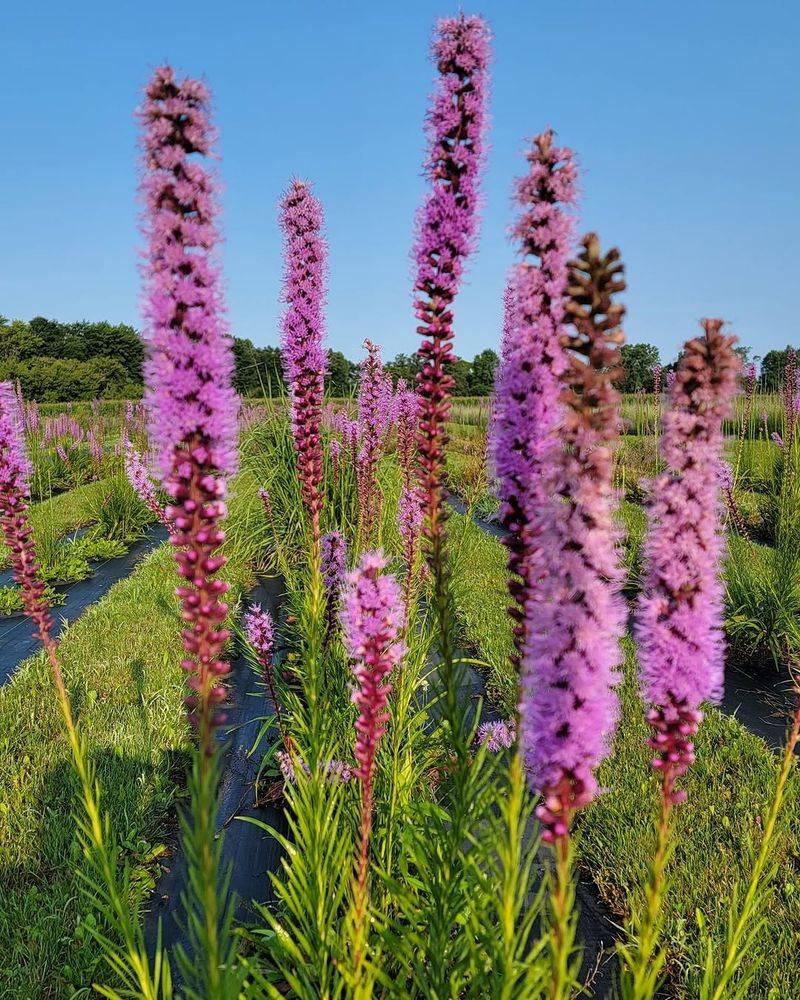
Liatris, or blazing star, does something almost no other plant quite replicates. It sends up tall, dramatic flower spikes in deep purple or lavender and blooms from the top down.
Unusual, elegant, and genuinely eye-catching from a distance.
Bee balm, or Monarda, produces shaggy round blooms in red, pink, or purple that hummingbirds and native bees find completely irresistible. Once you get it established, the activity around it is almost constant on a warm summer afternoon.
Both are native to or well-adapted to Michigan. They understand the climate here and settle in without much coaxing from you.
Liatris adds vertical structure and drama without needing any staking or support. Bee balm spreads gradually over time, filling gaps and softening the overall look of your bed.
Plant liatris corms about four inches deep in spring. Space bee balm eighteen to twenty-four inches apart to encourage airflow and reduce powdery mildew on the leaves.
Cut spent bee balm blooms to push a second flush of color late in the season. Both usually return each year, which means you do this once and enjoy it for years.
This is a mailbox planting that genuinely earns its curb appeal.
7. Salvia And Marigolds
Some combos whisper. This one announces itself from halfway down the block, and your mailbox will never look forgettable again.
Salvia and marigolds are not subtle, and near a mailbox, that is exactly the point. Roadside visibility is the whole game, and this pairing plays it better than almost anything else you can plant.
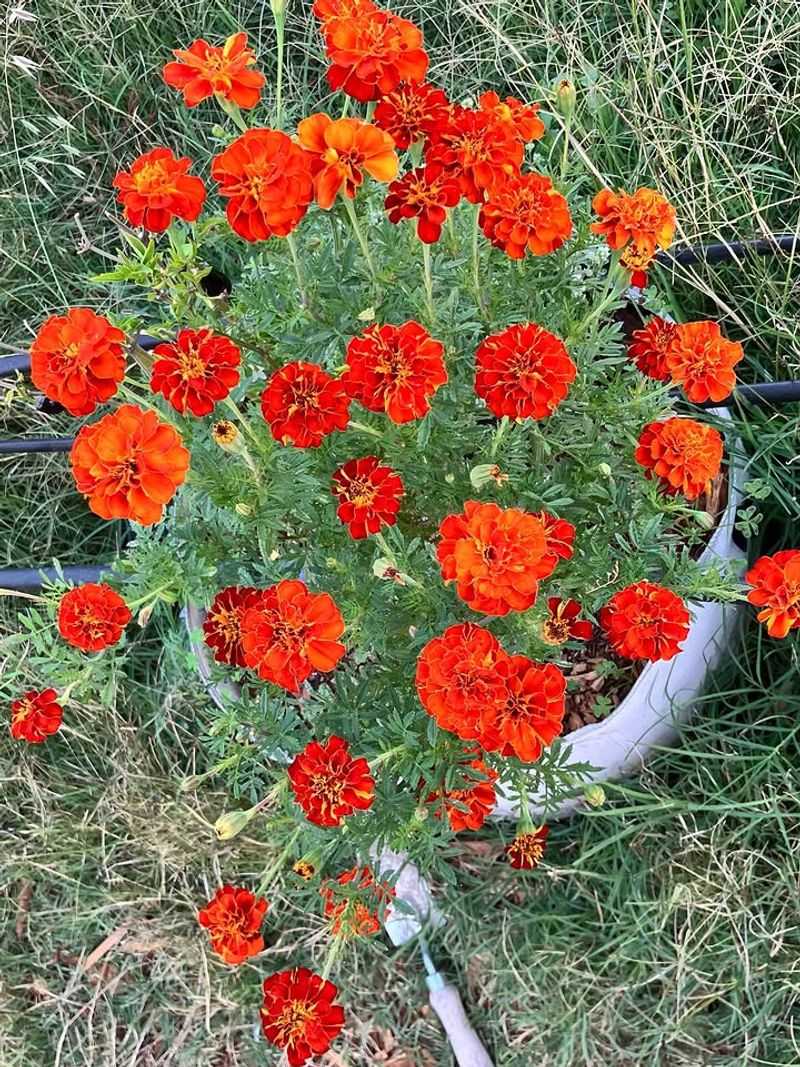
Annual salvia produces upright flower spikes in bold red, blue, or purple that stand straight and tall above the bed. Marigolds fill in around the base with round, fluffy blooms in orange, gold, and yellow.
The contrast between the two is sharp and cheerful in a way that reads immediately from a moving car.
Marigolds are heat-tolerant, reliable, and bloom through the season in Michigan summers with full sun and decent drainage. Salvia shares those preferences and blooms continuously with almost no trimming required from you.
Marigolds also bring a practical bonus. Their scent tends to deter certain pests naturally. This makes them a friendly neighbor to everything else you have growing nearby.
Plant salvia toward the center or back for an upright structure. Tuck marigolds around the base and along the edges for a full, rounded look.
Both prefer well-drained soil. A quick mix of compost into your bed before planting goes a long way in spots that tend to stay wet after rain.
A fast weekly cleanup keeps this combo sharp and intentional all the way through the first frost.
8. Daylilies And Catmint
Some plant combinations earn their reputation quietly. Season after season, without ever needing to show off.
Plant daylilies and catmint together, and you will immediately understand why gardeners keep coming back to this pairing.
This is the combo that looks polished without trying. The kind of planting that makes your guests assume you know exactly what you are doing out there.
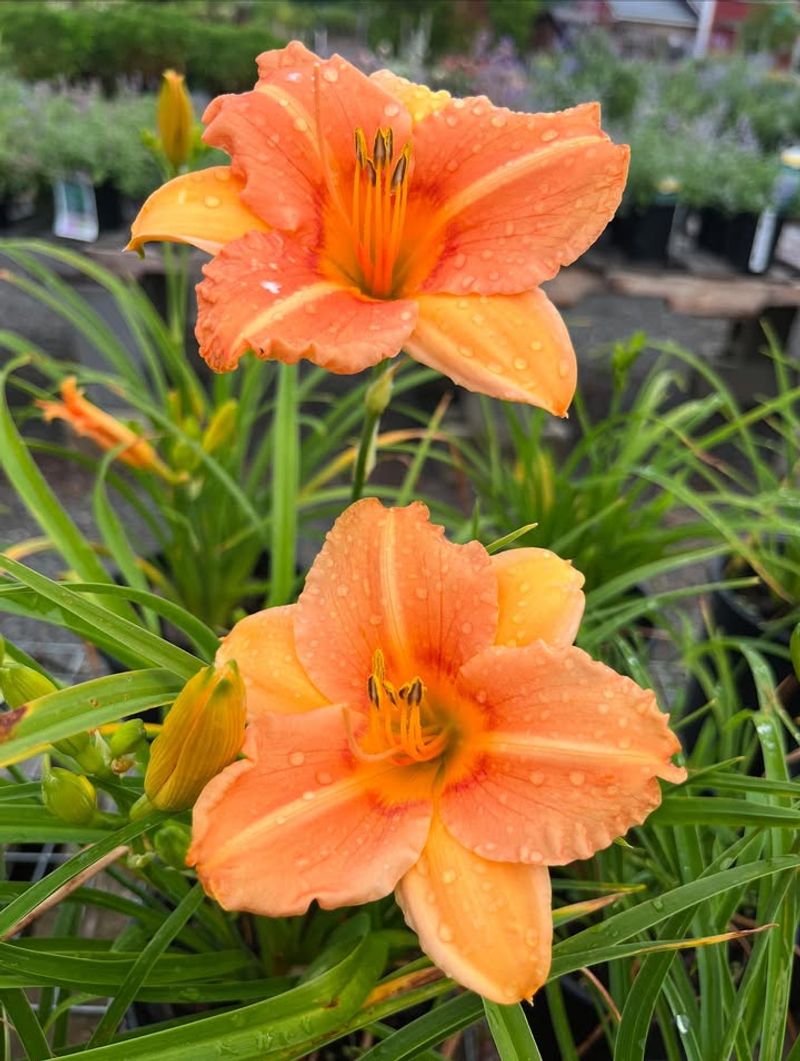
Daylilies are practically synonymous with Midwest summers. Hundreds of varieties suit Michigan climates, blooming in various colors from early to midsummer.
Catmint, or Nepeta, adds soft lavender-blue flower spikes above fragrant gray-green foliage. Bees treat it like a destination.
The scent is subtle but lovely up close, and you will notice it every time you check the mail.
Catmint is genuinely tough once established. It handles the lean, dry soil near roadsides surprisingly well, which is not something many pretty plants can claim.
Plant daylilies behind or alongside catmint so the blooms rise naturally above the lower mounds. The layered look comes together almost automatically, and you get a bed that looks considered without hours of planning.
Catmint typically blooms in late spring and early summer. Cut it back by about a third after that first flush, and it pushes another round of blooms right in time to overlap with your daylilies.
Both plants spread slowly over the years, filling gaps and crowding out weeds without any help from you.
Divide daylily clumps every three to four years to keep the blooming strong and the planting tidy. Low effort, high return, and reliably beautiful every single season.