These Are The Arizona Vegetables To Start Indoors Right Now For A Monsoon Season Planting
Early June in Arizona is the kind of heat that makes you question your life choices every time you open the front door. Triple digits, blazing soil, and a sun that feels genuinely personal.
Most people are not out there thinking about gardening right now, and honestly, that’s fair. But here’s what experienced Arizona gardeners know that everyone else doesn’t: early June is actually the perfect time to start planning your monsoon garden.
Yes, really.
Those summer rains that roll in later create surprisingly good growing conditions for warm-season vegetables.
Getting a head start indoors right now means your seedlings will be strong, rooted, and ready to hit the ground running when the monsoon moisture arrives.
Your future garden is basically begging you to start seeds while everyone else is hiding inside with the AC.
1. Tomatoes Start Strong For Monsoon Planting
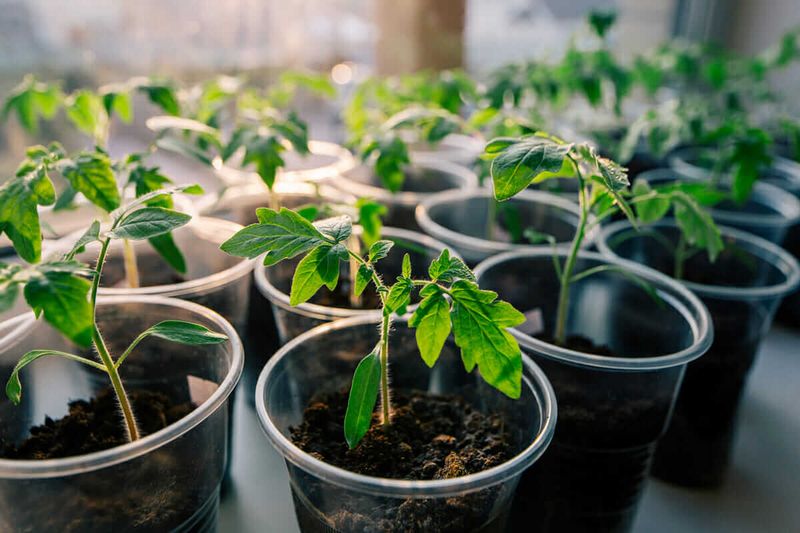
Few vegetables get gardeners as excited as tomatoes, and timing your indoor start carefully in early June can make a real difference when monsoon season arrives.
Low-desert summers are tough on young tomato plants, which is why starting seeds indoors gives them a sheltered place to sprout and grow before facing outdoor conditions.
By starting in early June, you give seedlings roughly six to eight weeks to develop before transplanting into the garden as monsoon rains begin to moderate temperatures.
That head start can be especially useful in Arizona gardens, where direct outdoor sowing in early summer may expose tiny seedlings to intense sun, fast-drying soil, and heat before they are ready.
Indoors, tomato seeds germinate well in warm conditions, which Arizona homes in early June naturally provide. Use a quality seed-starting mix and keep the soil consistently moist but not waterlogged.
Placing seedling trays near a bright window or under a grow light helps young plants build strong stems and healthy foliage during those first critical weeks.
Once seedlings develop their second set of true leaves, you can begin light fertilizing with a balanced, diluted fertilizer to encourage steady growth. Hardening off your tomato transplants before moving them outside is an important step.
Spend about a week gradually introducing them to outdoor light and heat so they can adjust without too much stress.
In Arizona, monsoon-season tomatoes benefit from afternoon shade, good mulching, and consistent watering between rain events. Raised beds and containers both work well in low-desert settings.
Choosing heat-tolerant varieties suited to Arizona conditions can also improve your chances of a productive harvest through late summer and into fall.
2. Tomatillos Grow Well For Summer Salsa Harvests
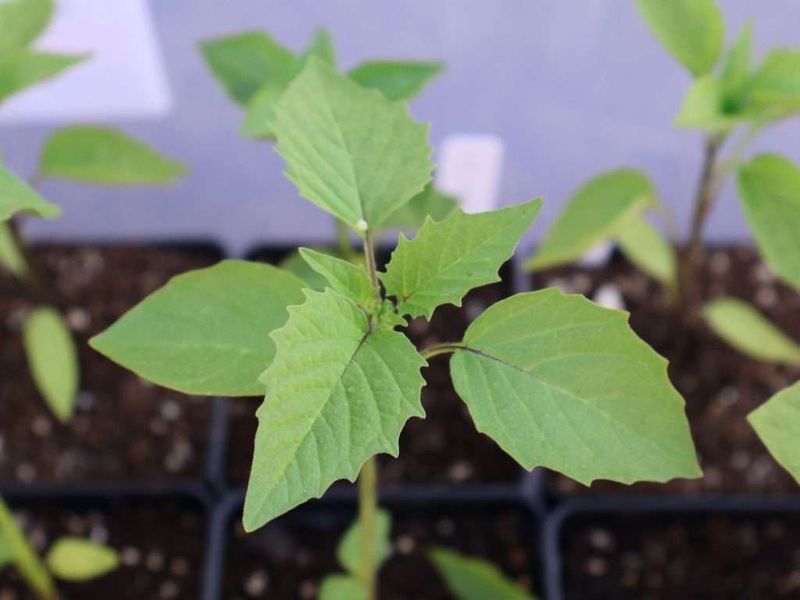
Walk through almost any traditional Southwestern kitchen garden and you will likely spot tomatillos growing with confidence in the summer heat.
These close relatives of the tomato thrive in warm conditions, which makes them a natural fit for Arizona monsoon-season planting.
Starting tomatillo seeds indoors in early June gives you a head start so that transplants are ready to go into the ground right as summer rains begin to bring some relief from the extreme early-summer heat.
Your Arizona Garden Changes Every Week. Your Plan Should Too.
Gardening in Arizona changes quickly throughout the season. Every Friday you’ll receive a simple weekly plan showing exactly what to plant, prune, fertilize, harvest, and protect so you never miss the right timing.
Tomatillos are vigorous growers once they get going, but young seedlings benefit from the controlled environment of an indoor start. Use a well-draining seed-starting mix and keep the growing medium evenly moist.
Germination typically happens within seven to fourteen days in warm indoor temperatures, which Arizona homes in early June tend to provide naturally without much effort.
One thing worth knowing is that tomatillos need at least two plants to produce fruit reliably, since they require cross-pollination.
This small planning step matters in Arizona gardens because a single tomatillo plant may grow well and flower, but fruit set can be limited without a nearby partner plant.
Plan to start several seeds so you have enough transplants. Once seedlings are a few inches tall with sturdy stems and several sets of leaves, they are getting close to transplant-ready size.
In low-desert gardens, tomatillos do well in raised beds and in-ground plots with good drainage. Mulching around the base of the plants after transplanting helps retain soil moisture between monsoon rain events.
With a little patience and consistent care, tomatillos can reward you with a generous harvest of husked fruits perfect for fresh salsa verde and other summer recipes.
3. Eggplant Handles Heat With The Right Start
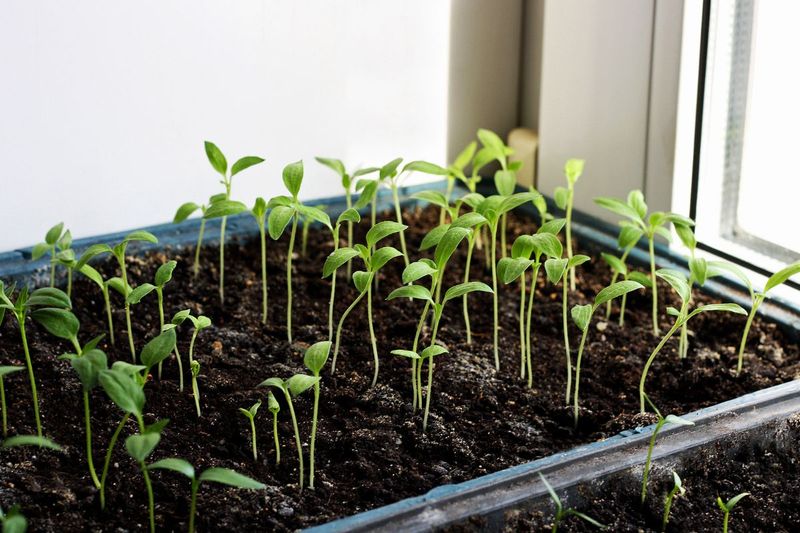
Among the warm-season vegetables that actually enjoy summer heat, eggplant stands out as one of the more heat-tolerant options available to low-desert gardeners.
Starting eggplant seeds indoors in early June gives the plants enough lead time to develop into robust transplants before the monsoon season brings its combination of humidity and afternoon rain.
Eggplant can be slower to germinate than some other vegetables, so getting seeds started now is a smart move for anyone planning a productive summer garden.
Eggplant seeds germinate most reliably in warm soil, ideally between 75 and 90 degrees Fahrenheit.
In early June, Arizona indoor temperatures can naturally support this range without needing a heat mat, though using one near a vent or on a cool surface can be helpful.
Keep the seed-starting mix consistently moist and place seedling trays where they receive bright light for most of the day.
Seedlings may take ten to fourteen days to sprout, so patience is part of the process. Once they emerge and develop their first true leaves, thin them to one seedling per cell and continue growing them under good light conditions.
A balanced liquid fertilizer applied at half strength every couple of weeks can support healthy, steady development.
When preparing to transplant eggplant into an Arizona garden during monsoon season, choose a spot that receives morning sun with some afternoon shade to reduce heat stress. Raised beds with amended soil and good drainage tend to work well.
Consistent watering between rain events will keep plants productive through late summer and into early fall.
4. Ground Cherries Bring Sweet Flavor To The Garden
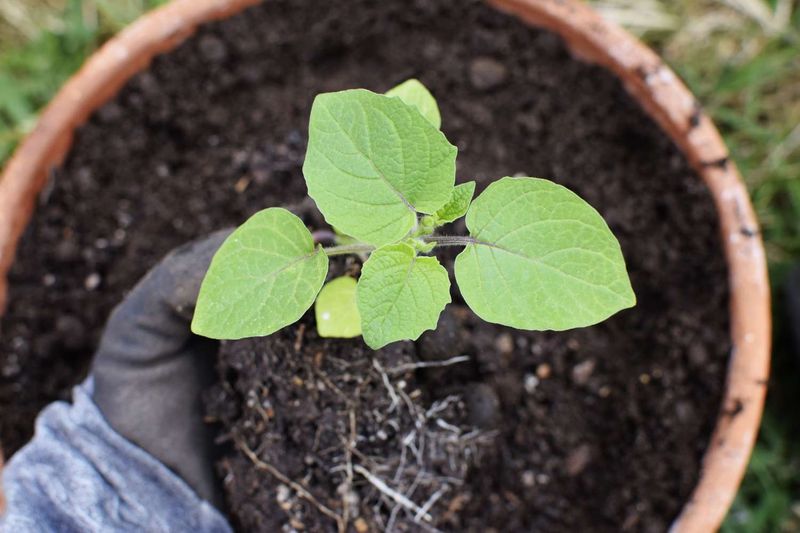
Not every gardener has tried ground cherries, but those who have tend to become enthusiastic fans of this underappreciated warm-season crop.
Related to tomatillos, ground cherries produce small, sweet fruits wrapped in papery husks that ripen through the summer and into fall.
Starting seeds indoors in early June gives ground cherry plants the protected beginning they need to develop before being transplanted into the garden as monsoon conditions settle in.
That indoor head start is especially helpful because ground cherries can grow slowly at first, and stronger young transplants are easier to manage when outdoor Arizona conditions are hot and bright.
Ground cherry seeds are relatively small, so handling them carefully during planting makes the process easier. Sow seeds about a quarter inch deep in a quality seed-starting mix and keep the medium lightly moist.
Germination usually occurs within ten to fourteen days in warm indoor conditions, and Arizona homes in early June are typically warm enough to support good germination without extra equipment.
Once seedlings are up and growing, they appreciate bright light and consistent moisture. If your indoor space does not get much natural light, a simple grow light set on a timer can keep seedlings from getting leggy.
Thin seedlings to one per cell once they have their first true leaves, and begin gentle fertilizing a few weeks after germination.
Ground cherries adapt well to raised beds, containers, and in-ground garden plots in low-desert Arizona. They tend to spread out as they grow, so giving each plant enough room to sprawl is helpful.
Harvesting is easy since ripe fruits often drop to the ground in their husks, signaling they are ready to enjoy fresh, dried, or made into preserves.
5. Peppers Offer Color, Flavor, And Summer Harvests
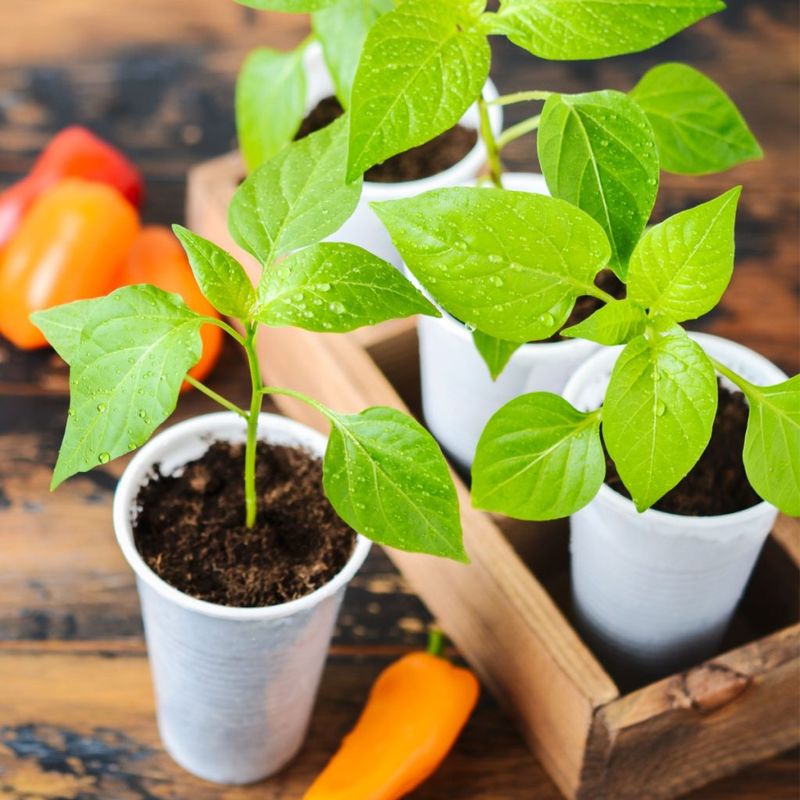
Peppers are one of those vegetables that seem tailor-made for Arizona summers, thriving in the heat and producing abundantly when conditions are right.
Starting pepper seeds indoors in early June sets you up well for monsoon-season transplanting, since peppers can be slow to germinate and benefit from a longer indoor growing period before heading outside.
Whether you prefer sweet bell peppers, mild poblanos, or spicy varieties, early June is a reasonable time to get seeds going in low-desert Arizona.
Pepper seeds germinate best in warm soil, and the indoor temperatures common in Arizona homes during early June tend to support this naturally. Sow seeds about a quarter inch deep in a seed-starting mix and keep the medium consistently moist.
Expect germination to take anywhere from ten to twenty-one days depending on the variety, so a little patience goes a long way with peppers.
Once seedlings emerge, bright light becomes their most important need. Peppers that do not get enough light indoors tend to grow tall and spindly rather than compact and sturdy.
A grow light placed close to seedling trays can help produce the kind of stocky, well-branched transplants that establish more smoothly after moving outside.
Transplanting peppers during monsoon season works well because the combination of warm temperatures and periodic rain supports healthy establishment. Afternoon shade, consistent soil moisture, and good mulching all help peppers settle in and begin producing.
With the right care, pepper plants started in early June can reward you with harvests that stretch well into fall across many Arizona growing zones.