These Are The Ground Covers Oregon Gardeners Are Using Instead Of Grass On Slopes
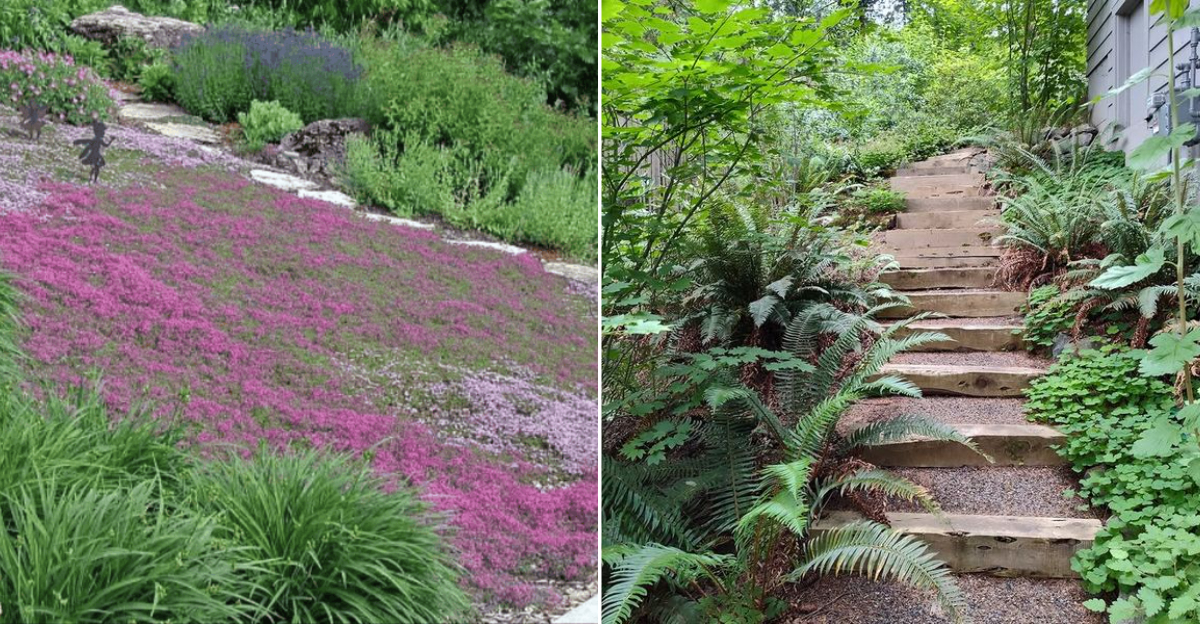
Sloped yards can be tricky. Grass often struggles there, and mowing a hill is nobody’s idea of a relaxing garden chore.
That is why many Oregon gardeners are turning to ground covers that hold soil, soften bare spots, and make steep areas look more finished.
The right plant can help slow runoff after rain and keep a slope from looking patchy by midsummer. Some choices spread gently. Others fill in faster when erosion is a real concern.
The trick is picking plants that suit the sun, soil, and amount of foot traffic the space gets. A shady bank needs a very different solution than a hot, dry hillside.
So what works best when grass keeps failing? A difficult slope does not have to stay patchy, slippery, or frustrating for long.
1. Creeping Phlox
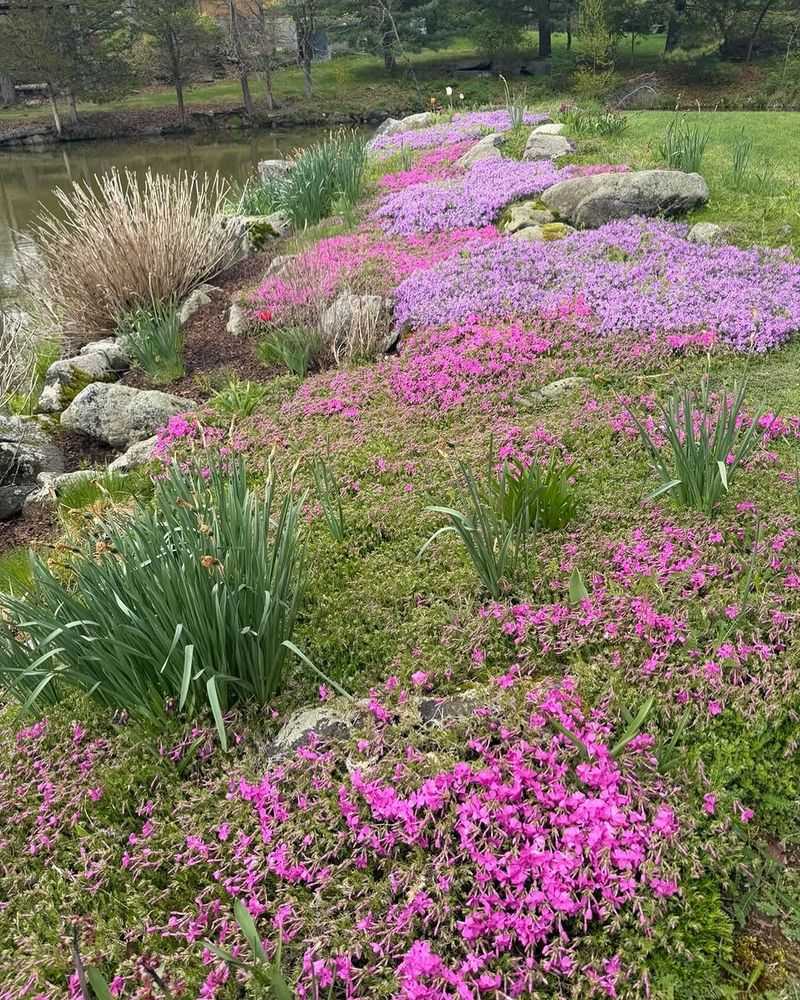
Few plants put on a spring show quite like creeping phlox. When this low-growing beauty blooms, it completely covers a slope in a thick carpet of pink, purple, white, or lavender flowers.
Gardeners love it because it looks almost too good to be true, yet it asks for very little in return.
Creeping phlox grows only about four to six inches tall, which makes it perfect for slopes where you want coverage without bulk. It spreads steadily over time, filling in gaps between rocks or along retaining walls with ease.
Once it gets established, it handles dry summers well and does not need much watering.
Plant it in a sunny spot with well-drained soil, and you will be rewarded every spring with a breathtaking display of color. After the blooms fade, the foliage stays green and dense, which means it keeps doing its job of holding the soil all year long.
It also works beautifully alongside rocks and boulders, giving your slope a natural, layered look.
Deer tend to leave it alone, which is a big bonus for gardeners in rural parts of the state. You can divide clumps every few years to spread it even further across your slope.
For sheer visual impact combined with real practicality, creeping phlox is hard to beat on any hillside garden.
2. Low Oregon Grape
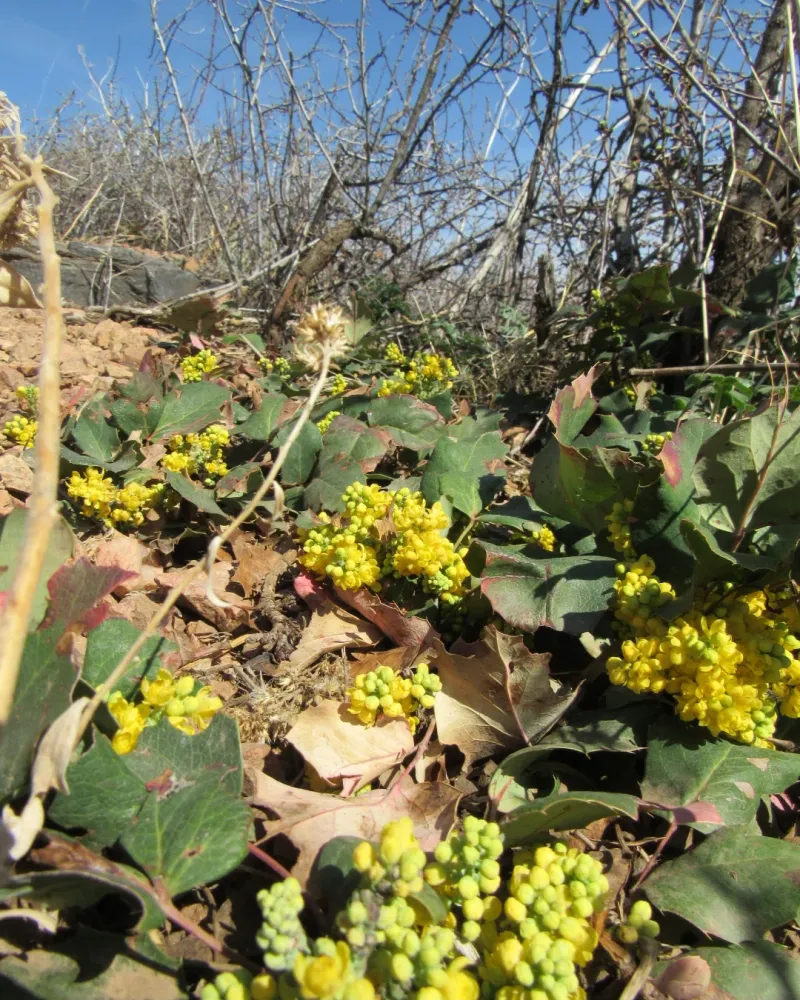
There is something deeply fitting about using a plant named after the state itself to cover Oregon slopes. Low Oregon grape is a native shrub that has been thriving in Pacific Northwest forests for thousands of years.
It knows exactly how to handle the region’s wet winters and dry summers without any fuss.
This plant grows about two to three feet tall and spreads into a dense, weed-suppressing mat over time. The leaves are glossy and dark green, similar to holly, and they stay on the plant all year long.
In early spring, clusters of bright yellow flowers appear and attract native bees. By summer, those flowers turn into dark blue berries that birds absolutely love.
Low Oregon grape handles shade beautifully, making it one of the best choices for slopes under trees where other ground covers struggle. It also tolerates poor, rocky soil, which is exactly what many hillside gardens have.
Your Oregon Garden Changes Every Week. Your Plan Should Too.
Gardening in Oregon changes quickly throughout the season. Every Friday you’ll receive a simple weekly plan showing exactly what to plant, prune, fertilize, harvest, and protect so you never miss the right timing.
Once established, it is incredibly tough and requires almost no maintenance.
Because it is a native plant, it supports local ecosystems in ways that non-native ground covers simply cannot match. It provides food and shelter for birds, bees, and other beneficial wildlife.
For gardeners across Oregon who want a ground cover that gives back to nature while holding slopes steady, low Oregon grape is an outstanding choice that delivers season after season.
3. Sword Fern
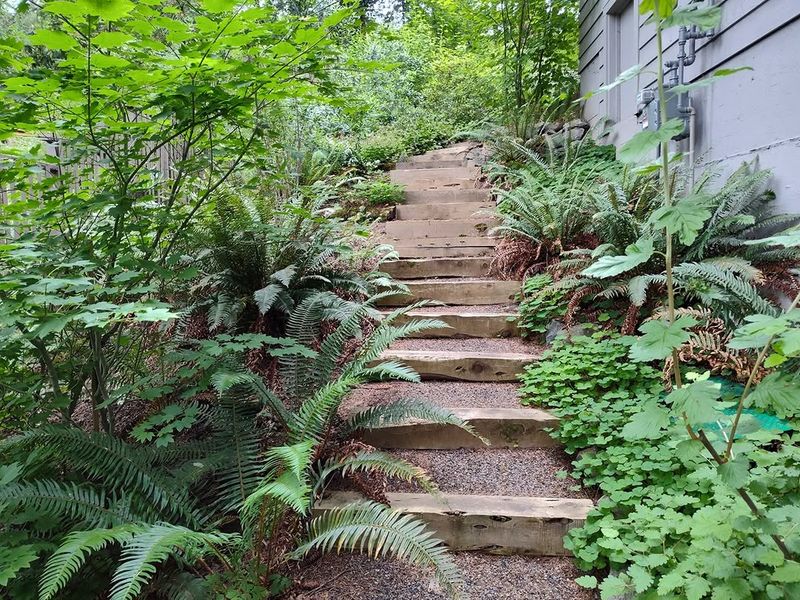
Walk through almost any shaded forest here and you will find sword ferns growing in thick, gorgeous clumps along every slope and hillside. That natural toughness is exactly why gardeners have started bringing this native fern into their own yards.
It already knows how to survive here, so you barely have to help it along.
Sword fern grows in a graceful, fountain-like shape with long, arching fronds that can reach up to four feet in length. It forms dense clumps that spread slowly over the years, eventually covering a slope in rich, layered greenery.
The dark green color stays vibrant even through coldest and rainiest winters.
Shady slopes that are too dark for flowering plants are where sword fern really shines. It thrives under trees, along north-facing hillsides, and in areas that get little direct sun.
Once it is established, it needs almost no supplemental watering because our natural rainfall is usually enough to keep it happy.
The root system of sword fern is surprisingly strong, making it excellent for preventing erosion on steep slopes. Birds and small mammals use the dense clumps for shelter, adding real wildlife value to your yard.
Maintenance is minimal since you only need to cut back old fronds in late winter before new growth emerges. For shady slopes, this native fern is practically unbeatable.
4. Deer Fern
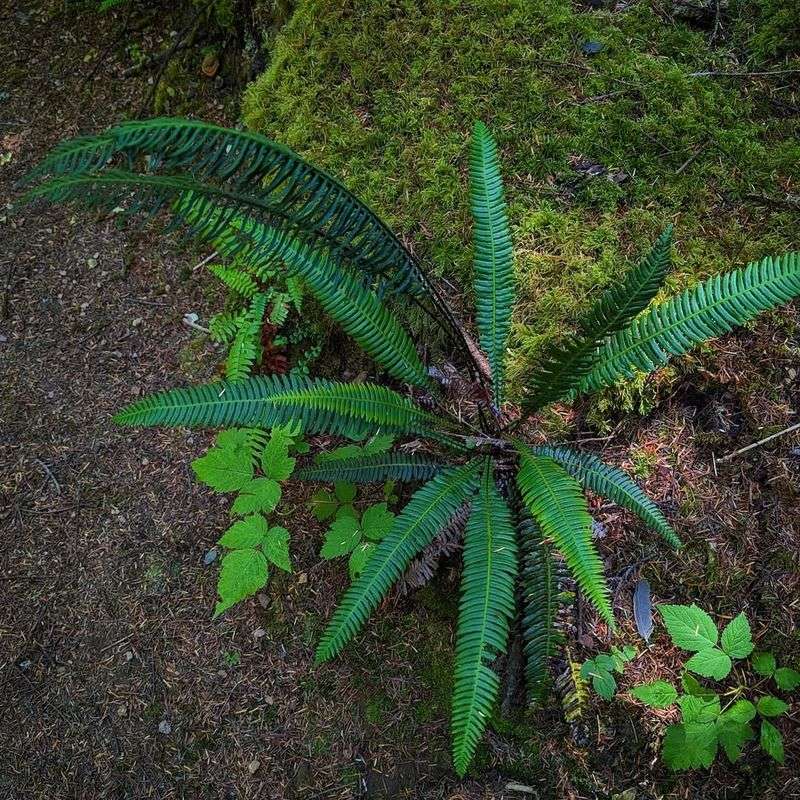
Most ferns look pretty much the same to the average gardener, but deer fern has a quirky feature that makes it stand out right away. It actually grows two completely different types of fronds on the same plant.
The outer fronds lie flat and spread outward in a star-like pattern, while the inner fronds grow upright and tall. It is a genuinely interesting plant to look at up close.
Deer fern thrives in moist, shaded spots, which makes it a natural fit for our wetter regions. It prefers rich, organic soil and does well under a canopy of trees where moisture stays in the ground longer.
On shaded slopes, it creates a lush, forest-floor look that feels both natural and intentional.
This fern is evergreen, so it holds its color and coverage through winter when many other plants go dormant. That year-round presence is especially valuable on slopes where bare soil can erode during heavy rain.
The dense mat of foliage slows down water runoff and keeps the soil anchored in place.
Planting deer fern alongside sword fern or low Oregon grape creates a layered native plant garden that looks stunning and requires very little upkeep. Because it is a native species, it supports the local food web and blends naturally into the landscape.
Water it regularly during the first season, and after that it largely takes care of itself through the rainy months.
5. Rockcress
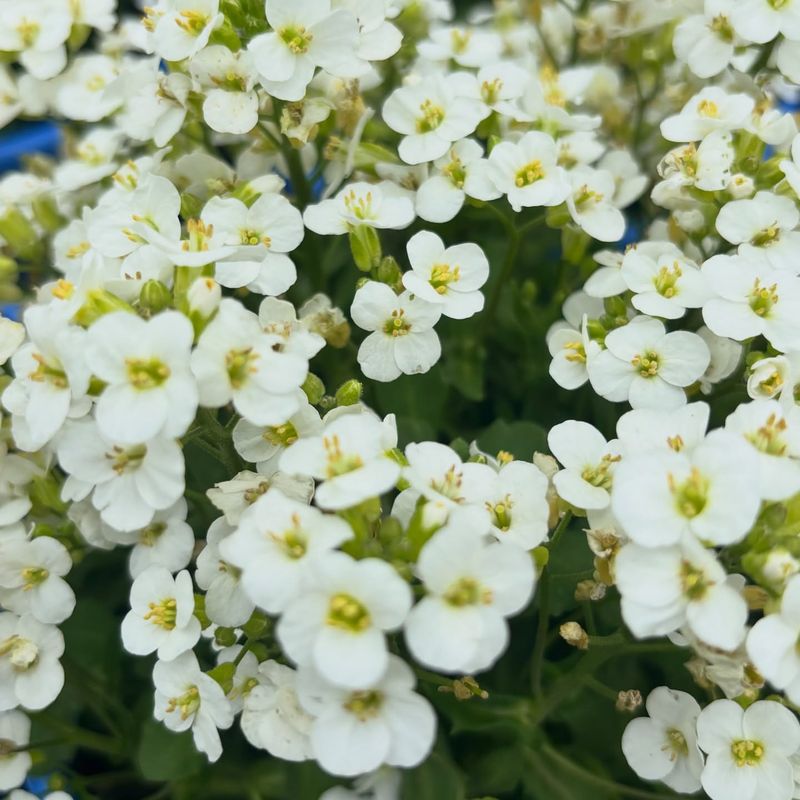
Rockcress earns its name honestly. This cheerful little plant genuinely loves growing over rocks, tucking itself into crevices and spilling down rocky slopes in a way that looks effortlessly natural.
Gardeners with rocky hillsides often struggle to find anything that will grow there at all, and rockcress steps in to solve that problem beautifully.
In early spring, rockcress bursts into bloom with clusters of tiny white or pink flowers that completely hide the foliage underneath. The effect is stunning, especially when planted along the edge of a rock wall or cascading down a stone-covered slope.
After blooming, the low mat of gray-green leaves stays in place and continues to suppress weeds all summer long.
Full sun and good drainage are the two things rockcress needs most. It handles dry conditions very well once established, which makes it a smart choice for south-facing slopes that bake in summer heat.
It grows only about six inches tall, so it never gets in the way or blocks views across the garden.
Pollinators, especially early-season bees and butterflies, are drawn to the flowers, giving your slope extra life and movement during spring. Rockcress also pairs beautifully with creeping phlox and sedum, creating a colorful, multi-season display on sunny hillsides.
Trim it back lightly after flowering to keep the plant tidy and encourage fresh, healthy growth through the rest of the year.
6. Roemer’s Fescue
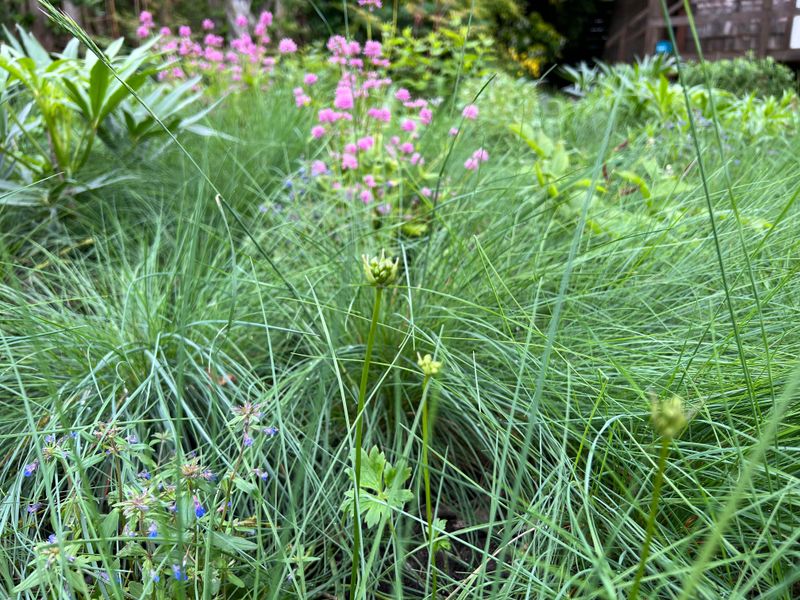
Not every slope needs a flowering ground cover. Sometimes what a hillside really needs is a tough, no-nonsense grass that holds the soil firmly without demanding constant attention.
Roemer’s fescue is exactly that kind of plant, and it happens to be native here and the broader Pacific Northwest region.
Unlike traditional lawn grasses, Roemer’s fescue grows in soft, arching clumps rather than a uniform flat turf. This bunch-grass habit gives slopes a natural, meadow-like texture that looks relaxed and intentional at the same time.
The foliage is a fine, deep green that stays attractive through most of the year.
Dry summers are no problem for this tough native. Once established, it survives on rainfall alone in most parts of the state, making it far more water-efficient than a traditional grass lawn.
It also tolerates poor soils and rocky ground, which are conditions commonly found on hillsides that have been exposed to erosion over time.
Because it is native, Roemer’s fescue provides habitat and food for native insects and small birds that depend on local plant species. It can be seeded directly onto bare slopes to establish coverage quickly.
Mow it once a year in late winter or simply leave it completely natural for a wilder, more organic look. For gardeners who want the feel of a lawn without the upkeep, this fescue is a genuine game-changer on slopes.
7. Sedum Or Stonecrop
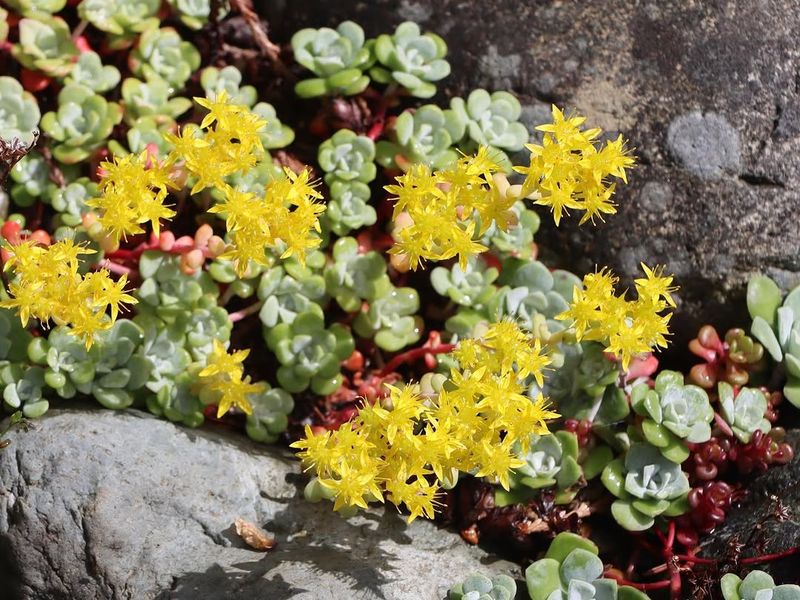
Succulents on a slope might sound unusual, but sedum, commonly called stonecrop, is one of the toughest and most versatile ground covers you can plant on a sunny hillside. These fleshy-leaved plants store water in their leaves, which means they can handle the driest summers without skipping a beat.
Gardeners who have struggled with drought on south-facing slopes often call sedum a lifesaver.
There are many varieties of sedum to choose from, ranging from low, creeping types that hug the ground to slightly taller varieties that produce showy clusters of yellow, pink, or red flowers in late summer and fall. The variety of colors and textures means you can mix and match different types across a slope for a really dynamic, eye-catching display.
Sedum thrives in poor, rocky soil with excellent drainage, which is exactly the kind of ground most slopes offer. It spreads steadily without becoming invasive, filling in bare patches over time while staying manageable and easy to control.
Maintenance is minimal since you rarely need to water, fertilize, or prune it.
Pollinators love sedum’s late-season flowers, which provide a critical food source when many other plants have already finished blooming. Right here where supporting native pollinators has become an important gardening goal, that timing matters a lot.
Simply plant sedum in full sun, give it a little water to get started, and then step back and watch it thrive all on its own.
8. Creeping Thyme
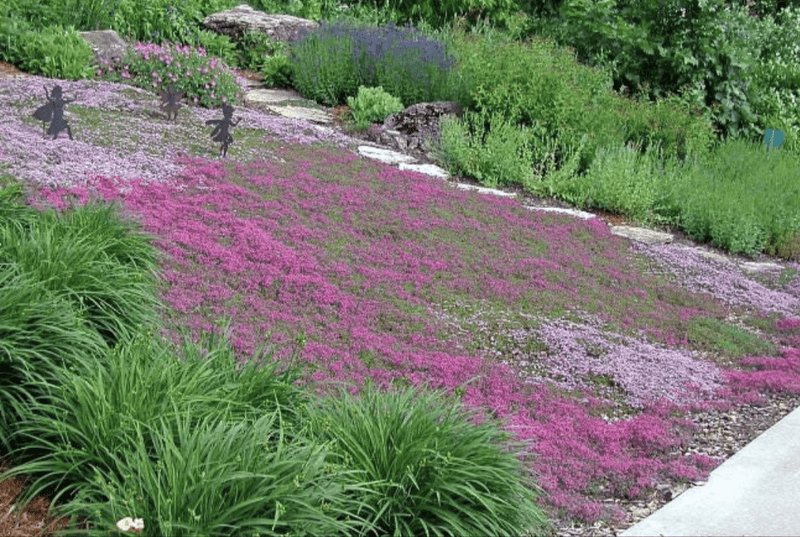
Creeping thyme is the kind of ground cover that makes you stop and take a second look. When it blooms in early summer, the entire plant disappears under a cloud of tiny pink or purple flowers that buzzing bees simply cannot resist.
The fragrance it releases when you brush against it is warm, herbal, and genuinely lovely, a bonus you do not get from ordinary grass.
On slopes, creeping thyme forms a tight, weed-suppressing mat that grows only one to three inches tall. That low profile means it never looks overgrown, and it handles foot traffic surprisingly well for such a delicate-looking plant.
Many gardeners use it between stepping stones as well as across broader hillside areas.
Full sun and well-drained soil are the keys to keeping creeping thyme healthy and vigorous. It is extremely drought-tolerant once established, which makes it a smart choice for sunny slopes that dry out quickly in summer.
In Oregon’s mild coastal areas, it stays semi-evergreen through winter, maintaining coverage even during the rainy season.
Because thyme is an herb, it also has practical uses beyond just looking good in the garden. You can harvest small amounts for cooking, which makes it one of the few ground covers that actually pulls double duty.
Pollinators flock to it during bloom time, turning your slope into a lively, buzzing habitat. For sunny hillsides that need beauty, function, and toughness all at once, creeping thyme delivers on every front.