How To Remove Spent Blooms From Georgia Petunias Before Summer Heat Hits
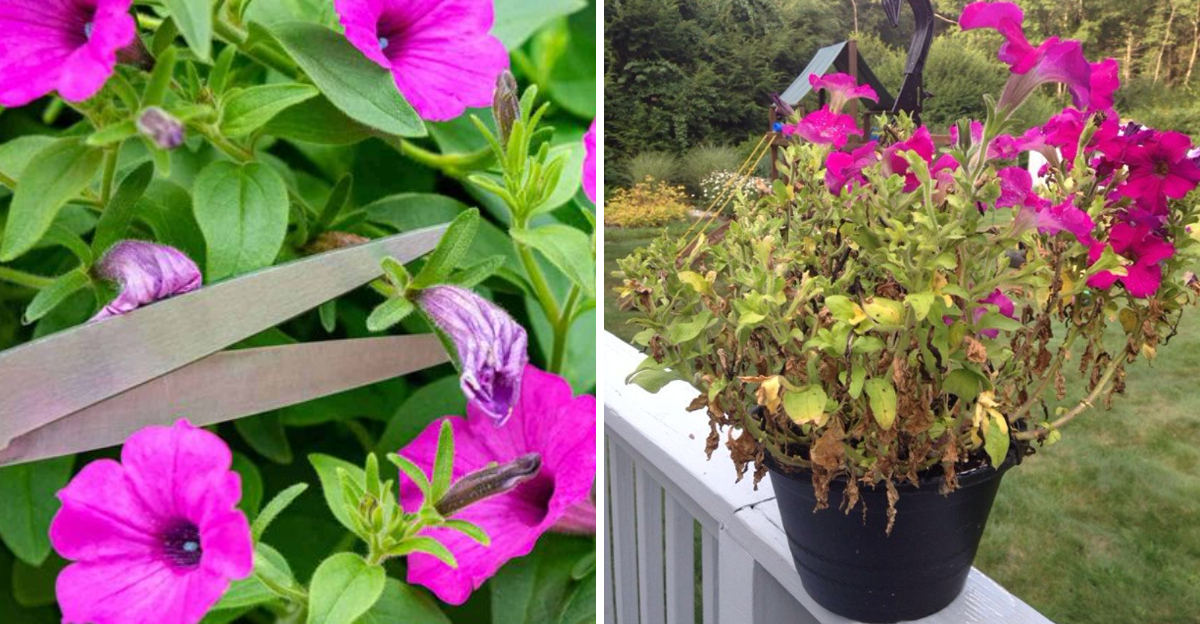
Georgia petunias can go from full and colorful to tired looking surprisingly fast once late spring heat starts building up.
A lot of people notice fewer blooms, sticky faded flowers, and long messy stems showing up around this time, especially in hanging baskets and porch containers that were thriving earlier in the season.
Most of the problem usually comes from old blooms being left on too long. Petunias keep trying to produce seeds from those faded flowers instead of pushing out fresh growth.
That is why some plants suddenly slow down right before summer even though they are still getting watered regularly.
Deadheading may seem small, but it changes how petunias perform once Georgia humidity and hotter temperatures settle in for good.
A quick cleanup now often keeps plants looking fuller, neater, and far more colorful heading into the toughest stretch of the season.
1. Trim Back Long Petunia Stems During Bloom Cleanup
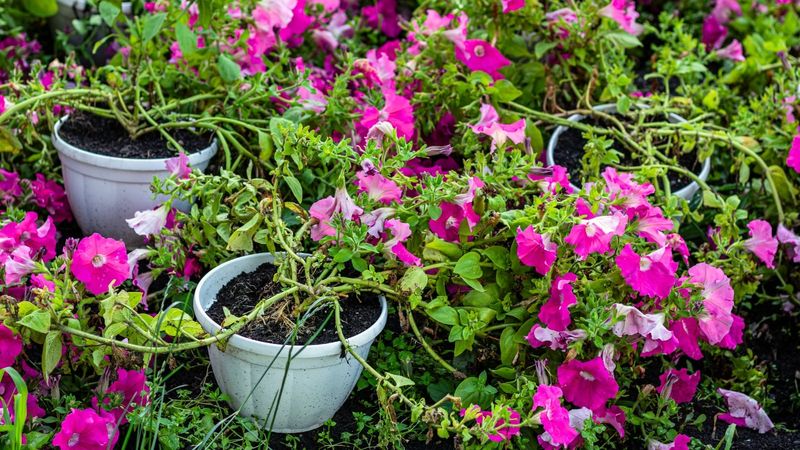
Leggy stems are a clear sign that your petunias are overdue for a cleanup. When stems stretch out long and thin with just a few flowers clinging to the tips, the plant is putting distance between its energy and where you actually want blooms to appear.
Trimming those stems back during deadheading sessions solves two problems at once.
Cutting back by about one-third of the stem length encourages the plant to branch out rather than continue reaching. New growth tends to emerge from the nodes below the cut, which means more stems, more buds, and a fuller plant overall.
In Georgia, where petunias can get lanky fast once heat and humidity settle in, this kind of trim can genuinely extend the life of your display.
Sharp scissors or small pruning shears work better than pinching alone when stems get long. A clean cut heals faster and reduces the chance of the stem rotting back, which becomes a bigger concern once summer humidity kicks in.
Wipe your blades with rubbing alcohol between plants if you are working through several containers or bed sections.
Aim to trim back long stems every two to three weeks rather than waiting until the plant looks completely exhausted. Doing a moderate cleanup regularly is easier on the plant than one dramatic cutback.
2. Pinch Off Spent Blooms Before Seed Pods Begin Swelling
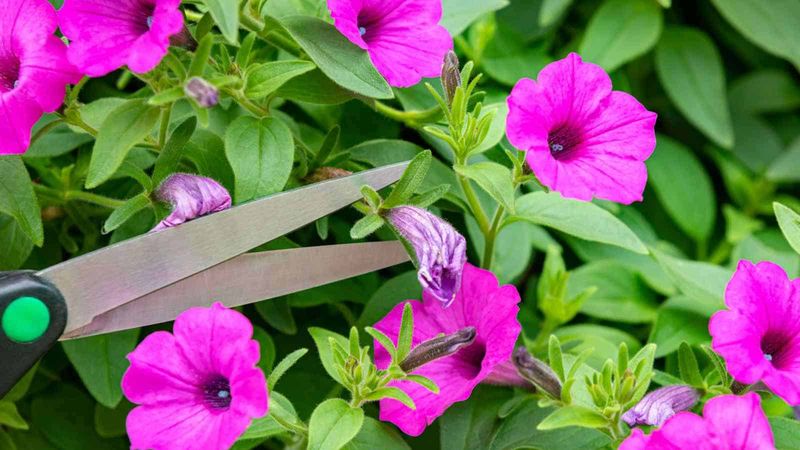
Catching spent blooms before seed pods swell is one of the most effective things you can do for your Georgia petunias. Once a flower fades, the plant shifts its energy toward making seeds instead of pushing out new blooms.
That trade-off works against you fast, especially heading into Georgia’s long, punishing summers.
Seed pod formation happens quickly. Within just a few days of a bloom dropping its color, a small green pod starts forming right at the base where the flower attached.
At that point, your plant is already redirecting resources away from flowering. Staying ahead of that process keeps production high and the plant looking its best.
Pinching is the easiest technique for this step. Use your thumb and index finger to squeeze off the faded bloom along with the swelling base beneath it.
Your Georgia Garden Changes Every Week. Your Plan Should Too.
Gardening in Georgia changes quickly throughout the season. Every Friday you’ll receive a simple weekly plan showing exactly what to plant, prune, fertilize, harvest, and protect so you never miss the right timing.
You do not need any tools for this, just a steady hand and a few minutes of attention every couple of days. Some gardeners do a quick check every morning while watering.
Petunias in Georgia can start setting seed pods as early as late April when conditions are warm enough. By May, the pace picks up noticeably.
Getting into the habit of checking your plants before morning temperatures rise above 75 degrees makes the task more comfortable and keeps you consistent.
3. Remove Brown Flowers Before Humidity Causes Moldy Growth
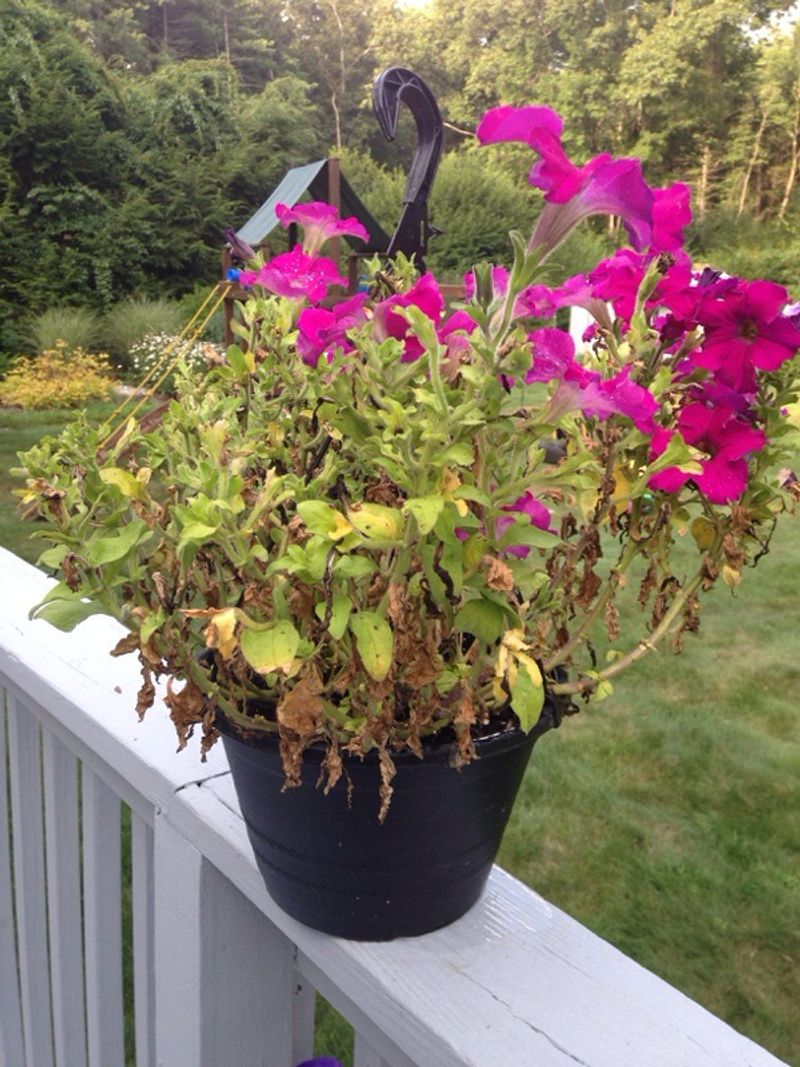
Brown, soggy petunia flowers sitting on the plant are basically an invitation for fungal problems.
Georgia’s humidity is no joke, and once temperatures climb alongside moisture levels, decaying plant material becomes a breeding ground for gray mold and other fungal issues that can spread fast through a container or flower bed.
Botrytis, which is a common gray mold, thrives in exactly the conditions Georgia summers deliver: warm days, humid nights, and poor air circulation around crowded plants.
Spent blooms that cling to the plant rather than dropping cleanly create pockets of trapped moisture.
Removing them promptly breaks that cycle before it gets started.
Check the underside of faded blooms as well as the top. Mold often begins forming where the flower connects to the stem, hidden from plain view.
If you spot any fuzzy gray growth, remove that bloom immediately and dispose of it away from the garden rather than dropping it on the soil nearby. Washing your hands before touching other plants is a smart move when mold is involved.
In areas of Georgia with heavy tree cover or low airflow, this step matters even more. Shaded gardens stay damp longer after rain or irrigation, which speeds up how fast old blooms break down.
Spacing plants properly and removing spent flowers every few days dramatically reduces humidity-related problems.
4. Check Hanging Baskets More Often As Temperatures Rise
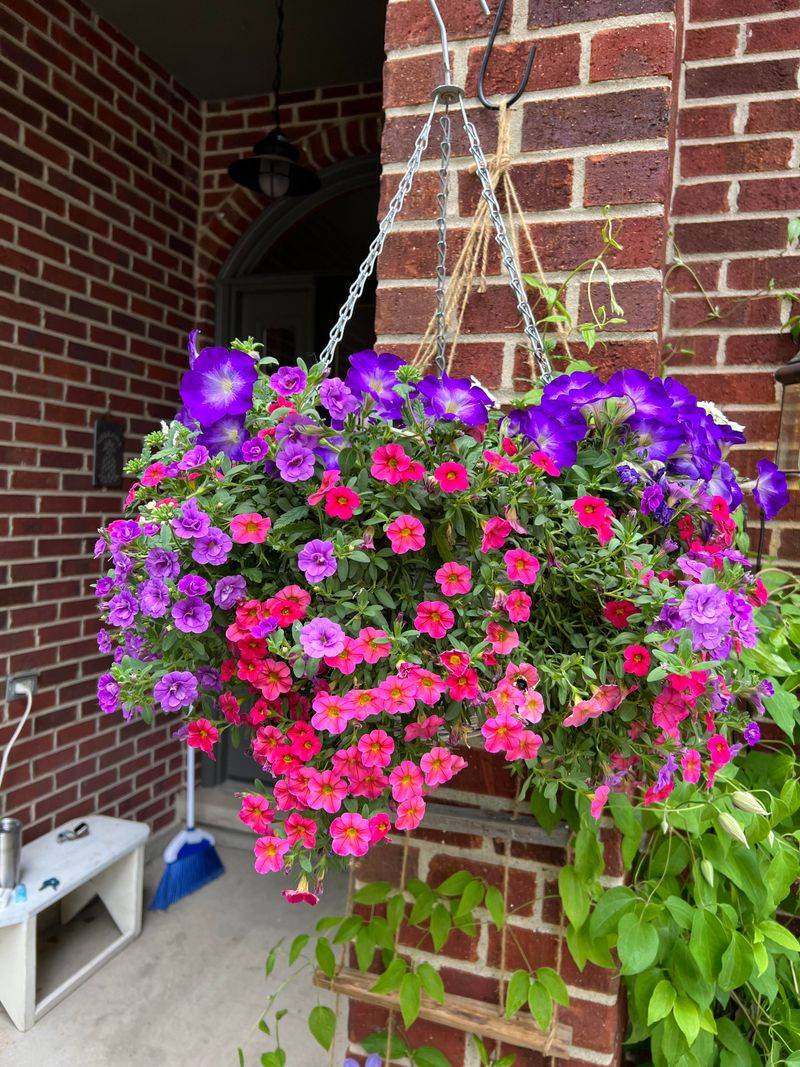
Hanging baskets dry out faster, heat up quicker, and need more attention than ground-level plantings. That fact catches a lot of Georgia gardeners off guard once May rolls around and temperatures start holding steady above 85 degrees.
A basket that looked fine yesterday can look stressed and overrun with spent blooms by the next afternoon.
Petunias in hanging baskets tend to trail and cascade, which makes it easy to miss faded blooms tucked underneath the main display. Flip the basket slightly or crouch down to look up into the plant.
Spent flowers hide in there and contribute to the same mold and energy-drain problems you see in ground plantings, just in a more concentrated space.
Because baskets lose water so quickly in Georgia heat, spent blooms also dry out and cling rather than dropping naturally. That means you may need to give them a gentle tug rather than a simple pinch.
If the stem feels tough or woody, use scissors to make a clean cut rather than pulling, which can tear the stem and leave an open wound vulnerable to disease.
Plan to check hanging baskets every two days during peak heat rather than once a week. Morning checks work best because the plant is hydrated and the blooms are easier to assess before the midday sun stresses everything out.
5. Use Small Snips On Sticky Or Crowded Flower Stems
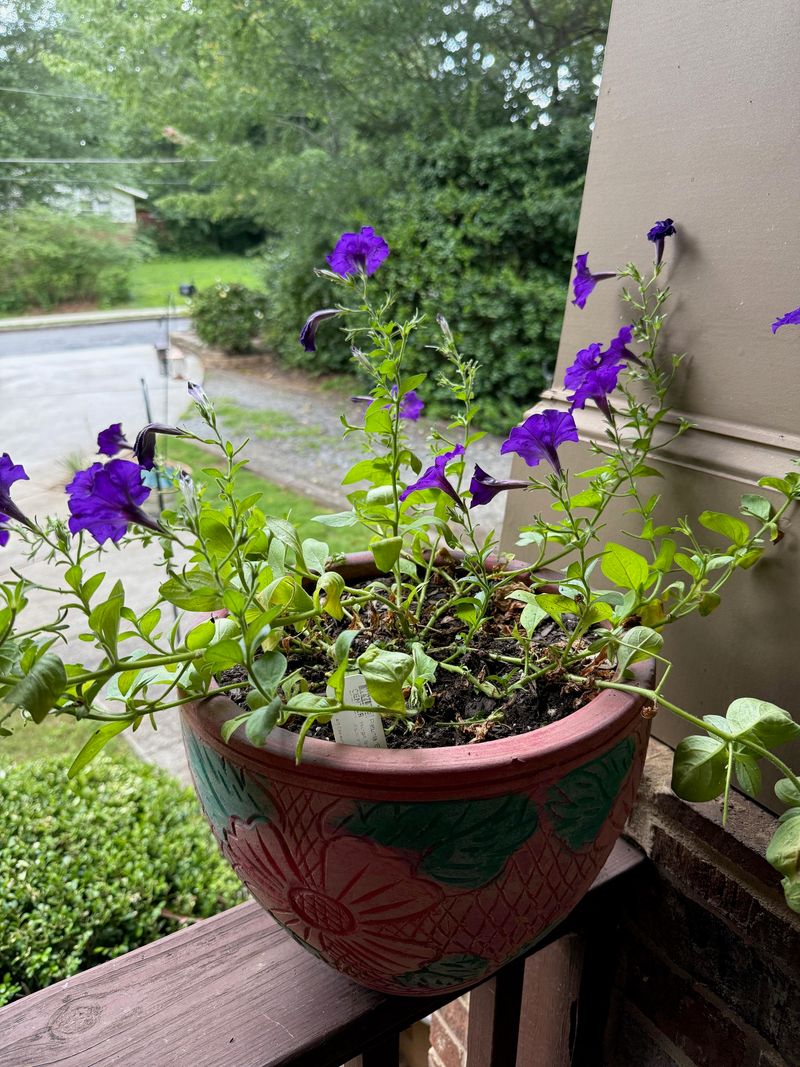
Anyone who has deadheaded petunias by hand knows the stickiness is real. Petunia stems produce a resin that coats your fingers quickly, making it harder to get a clean pinch and leaving residue that attracts dirt and debris.
When stems are crowded together in a container or dense bed planting, that stickiness makes hand-pinching even more awkward and slow.
Small snips, the kind sold for herb harvesting or bonsai trimming, are perfectly sized for working through tight petunia plantings. Their narrow blades fit between stems without disturbing neighboring buds or healthy flowers.
A quick, precise cut takes less time than wrestling with a sticky pinch, and the cleaner wound left behind heals faster in Georgia’s warm growing conditions.
Keep a dedicated pair near your watering can so they are always within reach during your morning garden walk. Wiping the blades with a damp cloth every few uses prevents resin buildup that can make the snips harder to open and close smoothly.
Some Georgia gardeners keep a small spray bottle of water nearby to rinse their hands and tools as they work through a large planting.
Crowded containers benefit the most from snips because you can maneuver precisely without accidentally knocking off nearby buds.
Petunias that are planted close together for a full, lush look, which is common in Georgia patio and porch containers, need this kind of careful approach.
Taking a few extra seconds per stem during deadheading protects the surrounding growth and keeps the overall display looking intentional and well-maintained through the hottest months.
6. Deadhead Every Few Days To Keep Petunias Blooming Longer
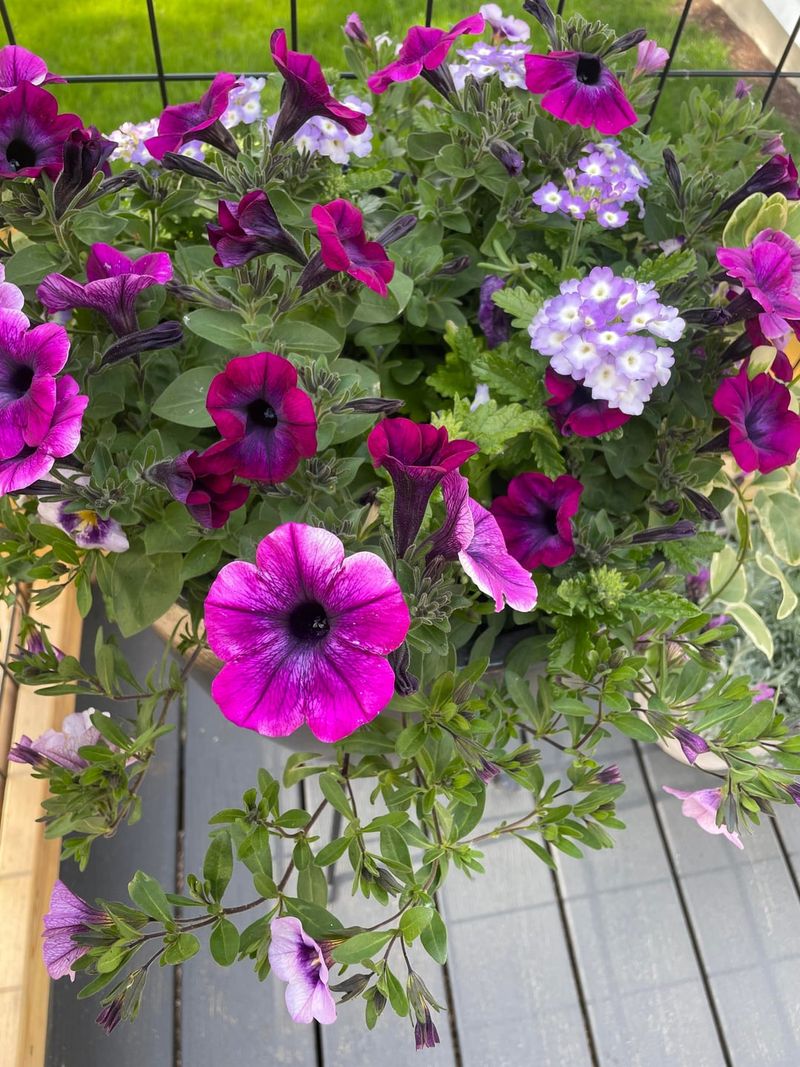
Consistency is what separates a petunia display that peaks in April from one that keeps going strong through August. Petunias are not low-maintenance plants during Georgia summers.
They respond directly to how often you remove spent blooms, and skipping even a week can cause a noticeable drop in flower production that takes extra time to reverse.
Every few days is the right rhythm for most Georgia gardeners once temperatures push into the upper 80s and 90s. At that pace, you catch blooms before they fade completely, before seed pods have a chance to form, and before humidity turns old flowers into a mold problem.
Short, frequent sessions beat one long monthly cleanup every single time when it comes to keeping petunia output high.
Setting a simple reminder on your phone or tying deadheading to another daily habit, like morning coffee on the porch or evening watering, makes it easier to stay consistent. Georgia summers can feel relentless, and skipping a day or two is understandable.
Getting back on track quickly matters more than being perfect about timing.
Petunias that are deadheaded regularly tend to stay compact, produce more side shoots, and hold their color longer into the season.
Varieties like Wave and Supertunia, which are popular throughout Georgia garden centers, respond especially well to frequent maintenance.