These Incredible Insects Play A Vital Role In Your Kansas Garden’s Health
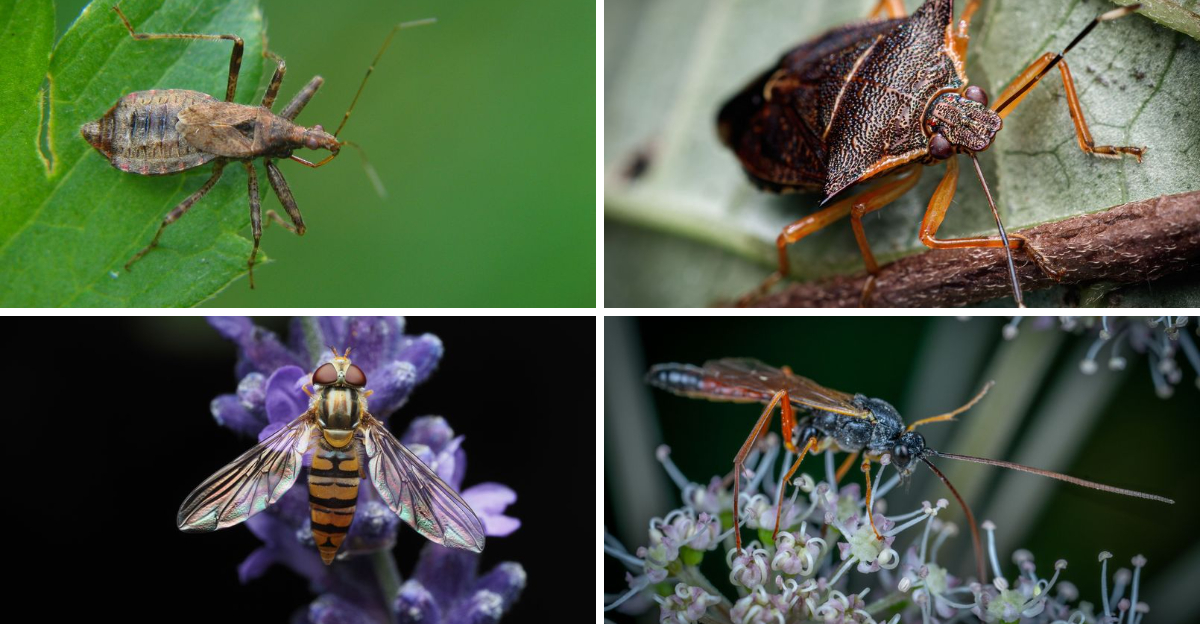
Walk out into a Kansas garden at dawn and you’re standing in the middle of a quiet workforce. Ladybugs patrol the underside of leaves, hunting aphids one by one. Paper wasps track down caterpillars with precision, keeping tomato hornworms from stripping your plants bare.
Underground, ground beetles hunt slug eggs and cutworms through the soil at night. Overhead, hoverflies mimic bees but work a different job, pollinating flowers while their larvae feast on pests nearby. Native bees move faster and carry more pollen per trip than honeybees ever could.
None of this shows up on a garden tour. It happens in silence, in soil, under leaves, in the two inches of space most gardeners never look at.
Learn these insects and their roles, and your garden stops being background scenery. It becomes something closer to a living system you’re finally paying attention to.
1. Ladybugs
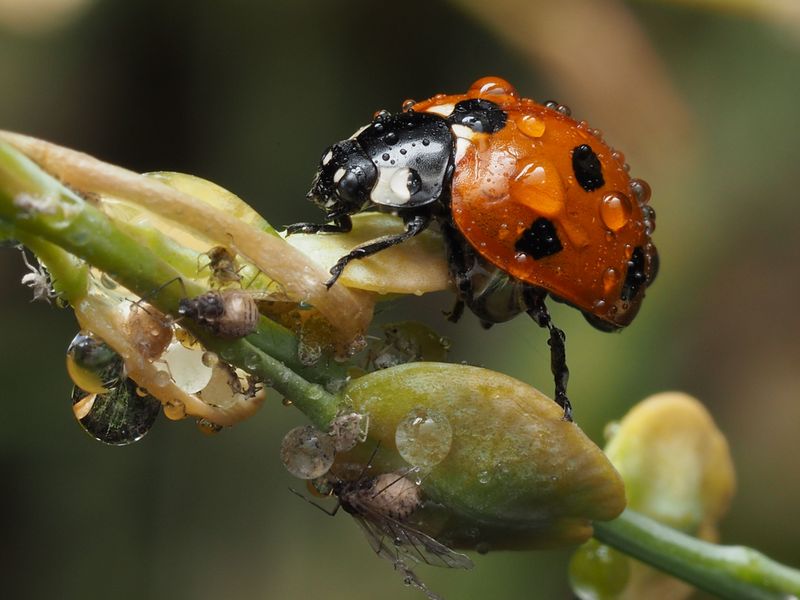
Spot a red-and-black beetle on your roses and smile. That tiny visitor is one of the hardest workers in your entire yard.
Ladybugs are famous for eating aphids, and they earn that reputation every single day. A single ladybug can devour up to 5,000 aphids in its lifetime.
Aphids are soft-bodied pests that drain the life from your plants. Ladybugs track them down with impressive speed and efficiency.
Both adult ladybugs and their larvae feed on these pests. The larvae look like tiny orange-and-black alligators crawling across your leaves.
Kansas is home to several native ladybug species alongside the introduced Asian lady beetle. Both types hunt aphids with equal enthusiasm, though the Asian variety tends to gather in larger clusters come fall.
You can attract more ladybugs by planting dill, fennel, and marigolds near your vegetable beds. These flowering plants provide nectar and pollen for adult ladybugs between meals.
Avoid using broad-spectrum pesticides, which wipe out beneficial insects along with harmful ones. Ladybugs are sensitive to chemical sprays and will abandon treated areas quickly.
If you want to buy ladybugs from a garden center, release them at dusk near infested plants. Misting the area first encourages them to stay and feed.
Few garden allies keep pest populations in check as reliably as these small predators. Welcoming ladybugs into your space is one of the smartest moves a Kansas gardener can make.
2. Green Lacewings
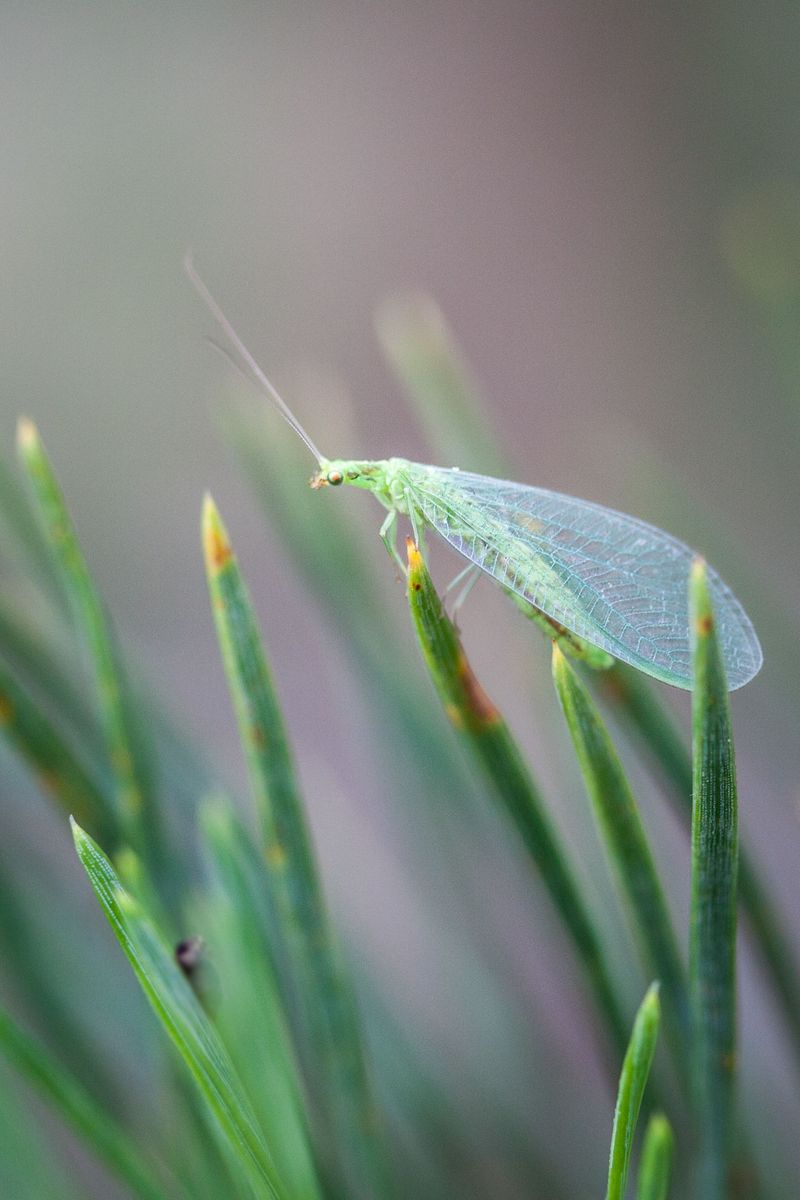
Green lacewings look like something out of a fairy tale. Their wings shimmer like stained glass in the afternoon sun.
Do not let the delicate appearance fool you. Lacewing larvae are ferocious predators with a serious appetite for garden pests.
Each larva can consume hundreds of aphids, thrips, and whiteflies before maturing. Kansas Gardeners sometimes call them “aphid lions” because of how aggressively they hunt.
Adult lacewings feed mainly on nectar and pollen. But their eggs hatch into eating machines that protect your plants around the clock.
You can find green lacewing eggs on tall, slender stalks attached to leaves. This unusual shape keeps the newly hatched larvae from eating each other right away.
Your Kansas Garden Changes Every Week. Your Plan Should Too.
Gardening in Kansas changes quickly throughout the season. Every Friday you’ll receive a simple weekly plan showing exactly what to plant, prune, fertilize, harvest, and protect so you never miss the right timing.
Planting coreopsis, sweet alyssum, and angelica near your Kansas garden beds will draw lacewings in naturally. They need flowering plants to fuel their adult stage.
Lacewings are especially helpful in vegetable gardens where soft-bodied pests tend to cluster. Tomatoes, peppers, and squash all benefit from having these hunters nearby.
You can also purchase lacewing eggs from garden suppliers and release them directly onto problem plants. Results often show up within just a few days of release.
Gardens plagued by repeated pest outbreaks owe a lot to these quiet hunters. Once lacewings move in, the balance in your garden shifts noticeably for the better.
3. Damsel Bugs
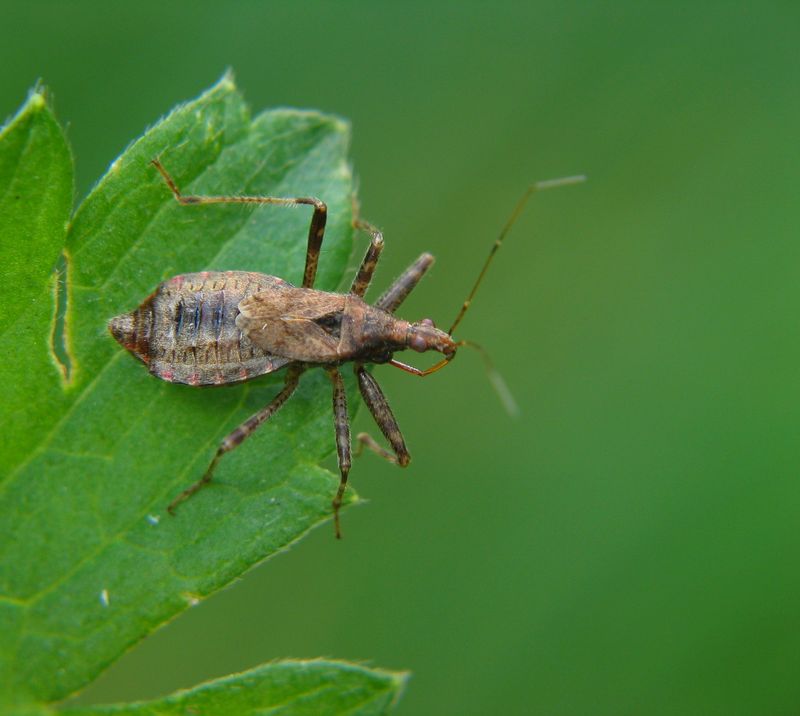
Most Kansas gardeners have never heard of damsel bugs. That is a shame, because these small predators punch well above their weight class.
Damsel bugs belong to the family Nabidae and are common across the Great Plains. They thrive in exactly the kind of mixed garden and prairie habitat found throughout the Midwest.
These slender brown insects move fast and strike faster. They use a piercing beak to inject venom into prey, breaking it down before feeding.
Their menu includes aphids, small caterpillars, leafhoppers, and thrips. Damsel bugs are generalist predators, meaning they eat a wide variety of harmful insects.
Unlike some beneficial bugs, damsel bugs reproduce quickly and maintain strong populations through the growing season. You rarely need to introduce them because they find gardens on their own.
Reducing tillage and leaving some weedy border areas around your beds gives damsel bugs places to shelter. They overwinter in leaf litter and grassy margins near garden edges.
Avoiding insecticide use is the single best thing you can do to support damsel bug populations. Even organic sprays can reduce their numbers if used carelessly.
Planting buckwheat and clover as cover crops also supports these hunters between pest outbreaks. Healthy ground cover keeps the whole predator community fed and active.
These incredible insects play a vital role that goes largely unnoticed by most home gardeners. Give them habitat and they will reward you with season-long pest control.
4. Spined Soldier Bug
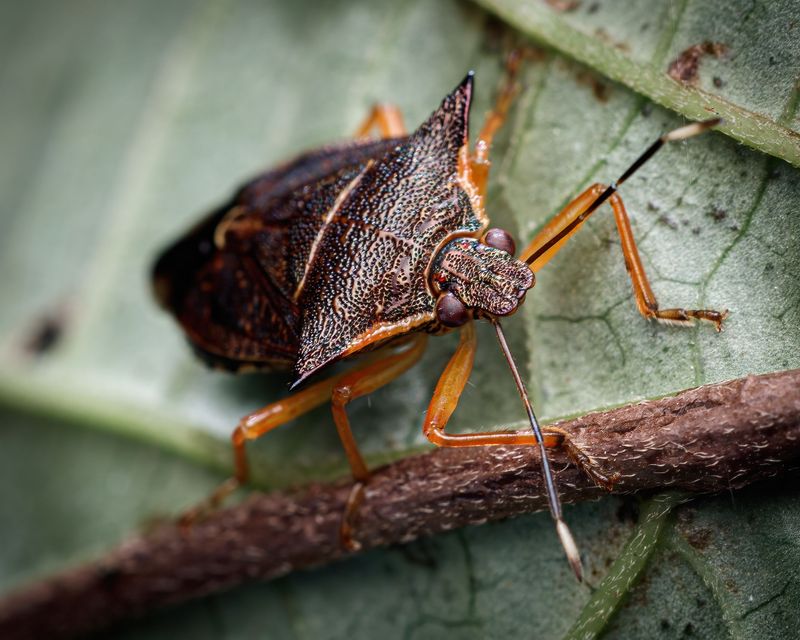
At first glance, the spined soldier bug looks like just another stink bug. Look closer at those sharp points on its shoulders and you will know the difference.
This native predator is one of the most effective pest controllers in a Midwest garden. It targets some of the toughest caterpillars and beetle larvae that other insects ignore.
Spined soldier bugs pierce their prey with a sharp beak and drain them dry. Mexican bean beetle larvae, fall armyworms, and Colorado potato beetle grubs are all on the menu.
Adults and nymphs both hunt actively throughout the growing season. They are most effective when pest populations are building but have not yet exploded.
The spined soldier bug is often confused with the brown marmorated stink bug, which is a pest. The key difference is those pronounced spines on the front corners of its shield-shaped back.
Learning to identify this insect correctly can save you from accidentally squishing a valuable ally. Take a photo and compare it to a field guide before reacting.
You can attract spined soldier bugs by planting perennial flowers and allowing some areas of your garden to grow a bit wild. They need shelter and alternative food sources between pest cycles.
Hard-to-manage caterpillar populations meet their match in this native predator. Keeping them around means fewer crop losses and less frustration during peak pest season.
5. Syrphid Flies
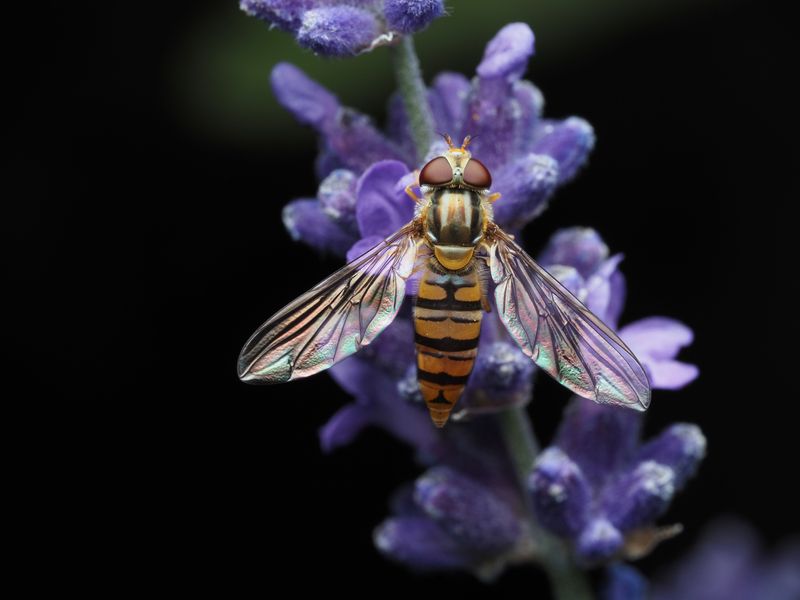
You have probably shooed one away thinking it was a bee. Syrphid flies wear yellow-and-black stripes as a clever disguise, but they have no stinger at all.
Also called hoverflies, these insects are double agents in your Kansas garden. Adults pollinate flowers while their larvae hunt aphids hidden deep in plant clusters.
A single syrphid larva can consume hundreds of aphids before it pupates. They work mostly out of sight, making them easy to overlook but impossible to replace.
Syrphid flies are especially valuable in early spring when other beneficial insects are still scarce. They emerge early and get to work before ladybugs and lacewings arrive in full force.
To draw more hoverflies in, plant flat-topped flowers like yarrow, dill, and Queen Anne’s lace. Their short mouthparts need open, accessible blooms to feed on nectar efficiently.
A diverse mix of flowering plants with staggered bloom times keeps hoverflies present all season. Continuous food sources encourage them to breed and stay in your yard.
Syrphid flies are also excellent indicators of garden health. A high hoverfly population usually means your garden has strong biodiversity and low pesticide exposure.
Watching them hover in place with perfect stillness is one of the more mesmerizing sights in any garden. Their precision flight rivals anything a drone engineer has ever built.
Few insects offer that kind of double value in a single growing season.
6. Ground Beetles
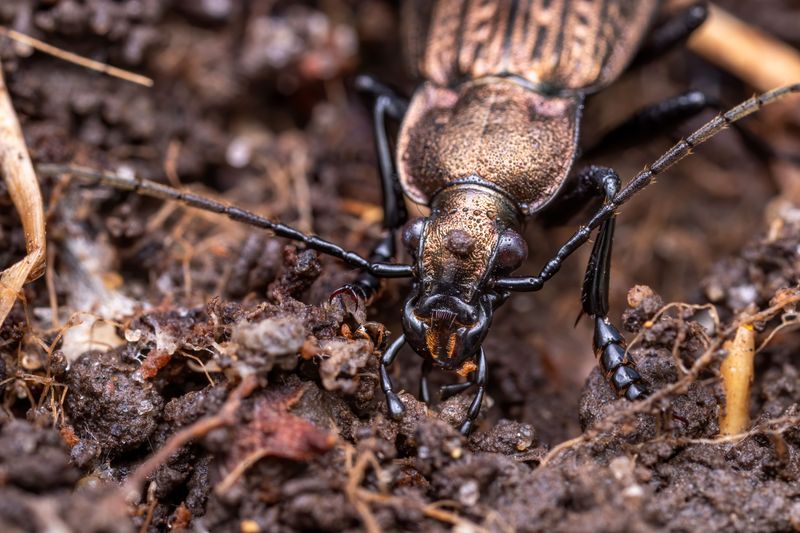
Flip over a stepping stone or a piece of bark and you might find one scrambling away. Ground beetles are fast, dark, and remarkably relentless in their pursuit of prey.
These beetles are nocturnal hunters that patrol your soil surface after sunset. They target slugs, cutworms, and soil-dwelling larvae that damage plant roots overnight.
Over 2,000 species of ground beetles live across North America. Many of them are specifically adapted to agricultural and garden habitats in the Midwest.
Their strong mandibles crush through the tough bodies of insects that other predators skip. Ground beetles are built for the kind of soil-level combat that keeps your plant roots safe.
During the day, ground beetles hide under mulch, rocks, and dense ground cover. Providing these hiding spots is the simplest way to keep them in your Kansas garden.
Thick layers of wood chip mulch around your beds create ideal ground beetle habitat. The mulch stays moist, stays cool, and gives beetles the cover they need to rest safely.
Reducing bare soil also helps, since exposed ground gets too hot and dry for ground beetle activity. A living mulch of low-growing plants works just as well as wood chips.
Below-ground threats don’t stand much of a chance with these beetles on patrol. The damage they prevent is invisible, but your thriving plants tell the whole story.
7. Parasitic Wasps
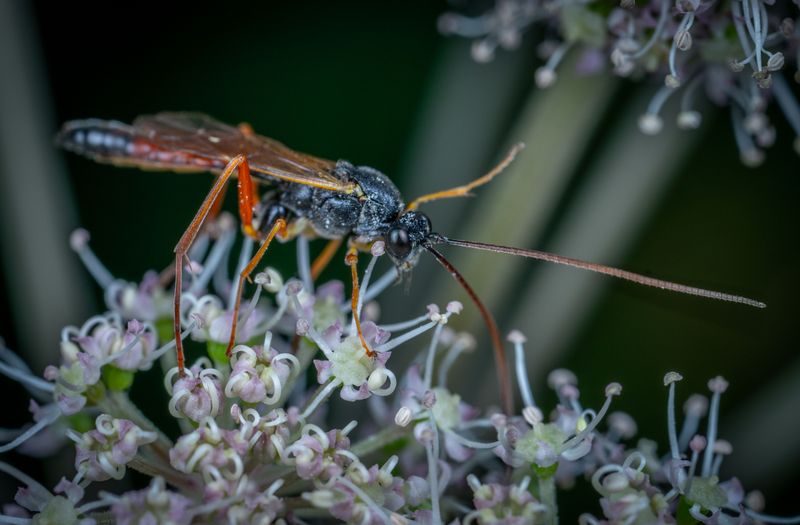
Parasitic wasps sound like something from a science fiction story. The reality is even more fascinating, and your garden depends on them more than you know.
These tiny wasps lay their eggs inside or on top of pest insects. When the eggs hatch, the larvae feed on the host from the inside out.
Common targets include tomato hornworms, cabbage loopers, aphids, and whitefly nymphs. A parasitized hornworm will stop feeding and gradually break down, saving your tomato plants.
Most parasitic wasps are so small they’re easy to miss without a magnifying glass. They do not sting humans and pose no threat to people or pets.
You can spot a parasitized hornworm by the small white cocoons attached to its back. Those cocoons are braconid wasp pupae completing their development cycle.
Leave parasitized caterpillars alone and let the wasps finish their work. Removing or squishing them destroys a whole generation of future pest controllers.
Planting small-flowered herbs like dill, cilantro, and parsley gives parasitic wasps the nectar they need. Their small mouthparts cannot access deep tubular flowers, so flat blooms matter.
Allowing herbs to bolt and flower at the end of the season feeds adult wasps through late summer. That timing lines up perfectly with the second wave of garden pests.
These incredible insects play a vital role that most gardeners never see coming. Tiny as they are, parasitic wasps may be the single most powerful pest control force in your yard.
8. Yellow Garden Spiders
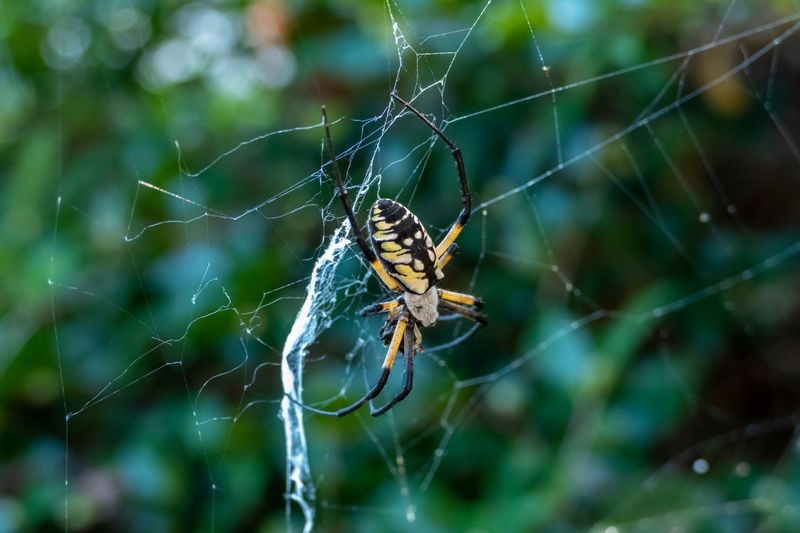
She builds a masterpiece every single night. The yellow garden spider, also called Argiope aurantia, is one of the most striking creatures in any Midwest yard.
Her web is not just beautiful. It is an engineering feat designed to catch flying insects that damage your plants and spread disease.
Yellow garden spiders target grasshoppers, beetles, wasps, and moths. Each caught insect is wrapped quickly and stored for later, keeping pest numbers in check all season.
The zigzag pattern in the center of her web is called a stabilimentum. Scientists still debate its exact purpose, but it may attract prey or strengthen the web structure.
These spiders pose little to no danger to humans. They are shy by nature and will only bite if directly handled and squeezed hard enough to feel threatened.
Finding one of these webs in your Kansas garden is a sign of ecological balance. Spiders are apex predators at the garden level, meaning the whole food web below them is working.
You can encourage yellow garden spiders by reducing pesticide use and planting tall, sturdy plants for web anchoring. Sunflowers, tall grasses, and trellised beans are perfect web supports.
Do not destroy webs you find near garden beds. Each web represents hours of energy and dozens of future pest captures waiting to happen.
This incredible garden ally plays a vital role as a silent sentinel of garden health. A yellow garden spider in your yard is not a problem to solve but a gift to protect.