These 8 Oregon Garden Weeds Are Easier To Control Before They Flower
Weeds are sneaky little overachievers. One minute they’re tiny green sprouts minding their business, and the next they’re flowering, flinging seeds around, and acting like they own the place.
In Oregon gardens, that can happen fast thanks to mild spring weather, damp soil, and plenty of cozy corners for unwanted plants to settle in.
The trick is catching them before they bloom and turn one annoying weed into next season’s full-blown invasion.
Pulling, digging, hoeing, or smothering young weeds is usually much easier than battling mature plants with deep roots, prickly stems, or seed heads ready to launch.
Plus, early control means your vegetables, flowers, and shrubs get more water, nutrients, sunlight, and breathing room.
Think of it as garden crowd control with a very satisfying payoff. Grab your gloves now, because these eight Oregon troublemakers are much easier to handle before they put on a flower show.
1. Hairy Bittercress
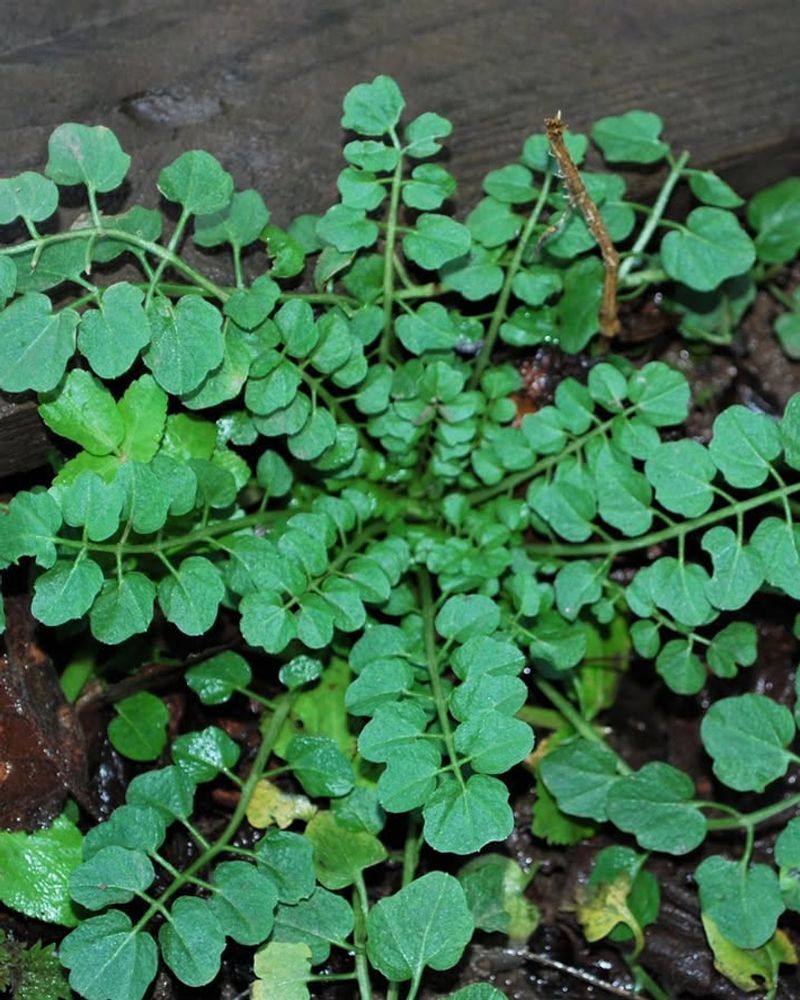
You might not think much of a tiny plant hugging the ground, but hairy bittercress is one of the sneakiest weeds in Oregon gardens. It looks harmless at first, forming a small rosette of rounded leaves close to the soil surface.
But do not let its size fool you.
Once this weed flowers, it produces seed pods that explode when touched, launching seeds several feet in every direction. A single plant can scatter hundreds of seeds across your garden beds before you even realize what happened.
That is why Oregon gardeners need to act fast.
Pull hairy bittercress while it is still in the rosette stage, before any white flowers appear. The roots are shallow and come out easily, especially after rain or watering.
Use a hand weeder or just your fingers to get the whole root out.
Check your garden beds in late winter and early spring, since this weed thrives in cool, moist Oregon weather. Mulching garden beds with two to three inches of organic material can prevent seeds from sprouting.
Stay consistent, and you can keep this weed from ever becoming a real problem in your yard.
2. Spotted Spurge
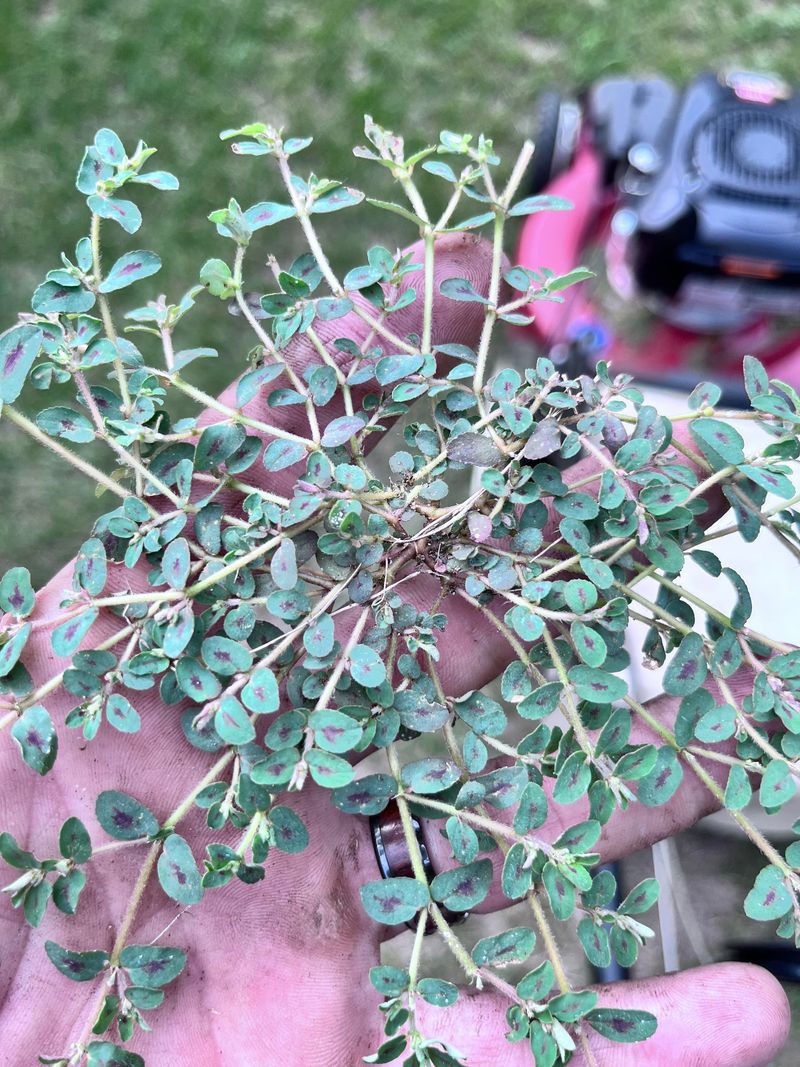
Spotted spurge is the kind of weed that seems to appear out of nowhere during the hottest weeks of summer. It spreads flat along the ground, forming dense mats that can smother small garden plants and block water from reaching your soil.
The leaves are small, oval-shaped, and often have a dark reddish spot in the center, which makes them easy to identify.
One sneaky feature of spotted spurge is the milky white sap it releases when broken. This sap can irritate skin, so wearing gloves when pulling it is a smart move.
Oregon gardeners in warmer regions like the Rogue Valley and Willamette Valley tend to see this weed more often during dry summer stretches.
Control is much simpler before this weed flowers and sets seed. Young plants pull out easily by hand or with a hoe.
Remove them roots and all, since broken stems can sometimes re-root in moist soil.
Keeping your garden soil covered with mulch or dense ground cover plants helps prevent spurge seeds from germinating. Watering deeply but less frequently also makes the soil surface less friendly for this heat-loving weed to get started.
Your Oregon Garden Changes Every Week. Your Plan Should Too.
Gardening in Oregon changes quickly throughout the season. Every Friday you’ll receive a simple weekly plan showing exactly what to plant, prune, fertilize, harvest, and protect so you never miss the right timing.
3. Bindweed
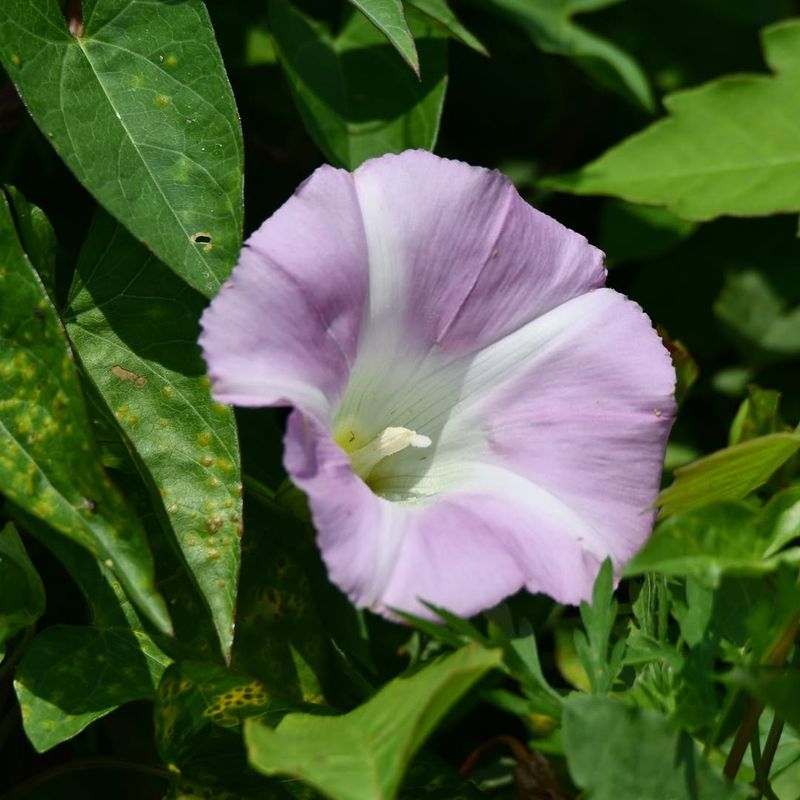
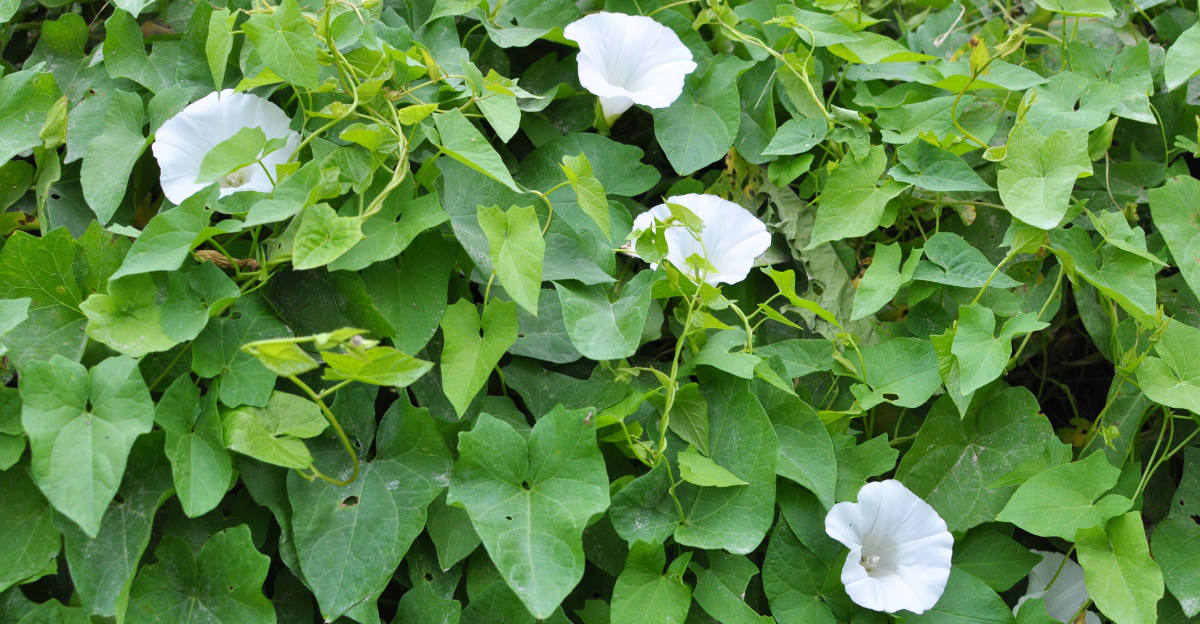
Few weeds frustrate Oregon gardeners quite like bindweed. It wraps itself around other plants, fences, and garden stakes with thin, twisting vines that are surprisingly strong.
Left unchecked, it can climb right over your favorite flowers and shrubs, blocking sunlight and stunting growth.
Bindweed is related to morning glory and produces similar trumpet-shaped white or pale pink flowers. Those flowers are actually quite pretty, which makes some gardeners hesitant to remove it at first.
But once it blooms and sets seed, you will be dealing with this weed for years to come since seeds can stay viable in Oregon soil for up to 30 years.
The root system is deep and extensive, which makes full removal challenging once the plant matures. Young seedlings, however, are much easier to deal with.
Pull them as soon as you spot them, making sure to get as much of the root as possible.
Consistent removal over several seasons weakens the root system over time. Covering bare soil with thick mulch or a weed barrier fabric slows new growth significantly.
In Oregon gardens with heavy clay soil, loosening the ground first makes root removal much more effective and thorough.
4. Thistle
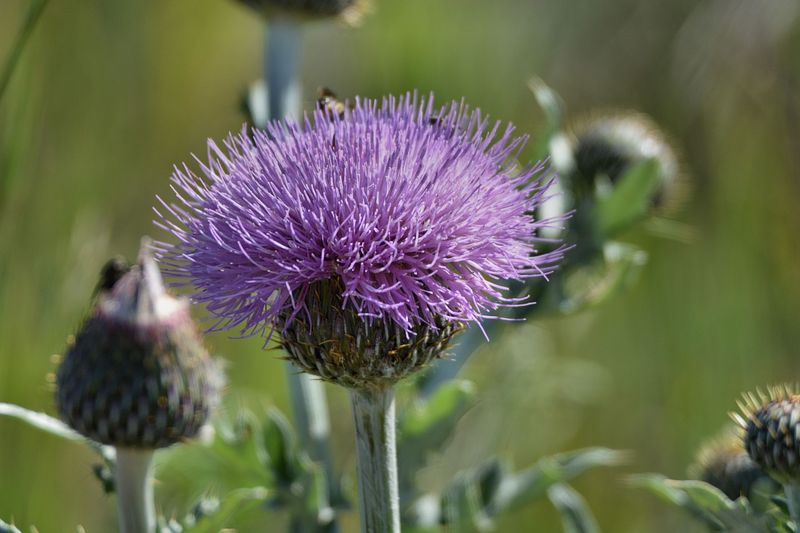
Walk barefoot near a thistle and you will remember it for a long time. These prickly plants are tough, aggressive growers that can reach several feet tall if left alone in an Oregon garden.
There are several thistle species found across Oregon, including bull thistle and Canada thistle, and both are serious competitors for garden space.
The purple flower heads are actually beautiful in a wild sort of way, but each one can produce hundreds of fluffy seeds that float on the wind for long distances. Once those seeds land in your garden beds, you will have a new batch of thistles to deal with the following season.
Early action is the only way to stay ahead of them.
Young thistle plants are easier to remove before the taproot grows deep. Use a long-handled weeder or a sturdy garden fork to loosen the soil and pull the entire root out.
Wearing thick gloves protects your hands from the sharp leaf spines.
Oregon gardeners in rural areas near fields and roadsides face extra pressure from thistle seeds blowing in from nearby land. Checking garden edges regularly throughout spring and early summer helps you catch new growth before it gets out of hand.
5. Oxalis
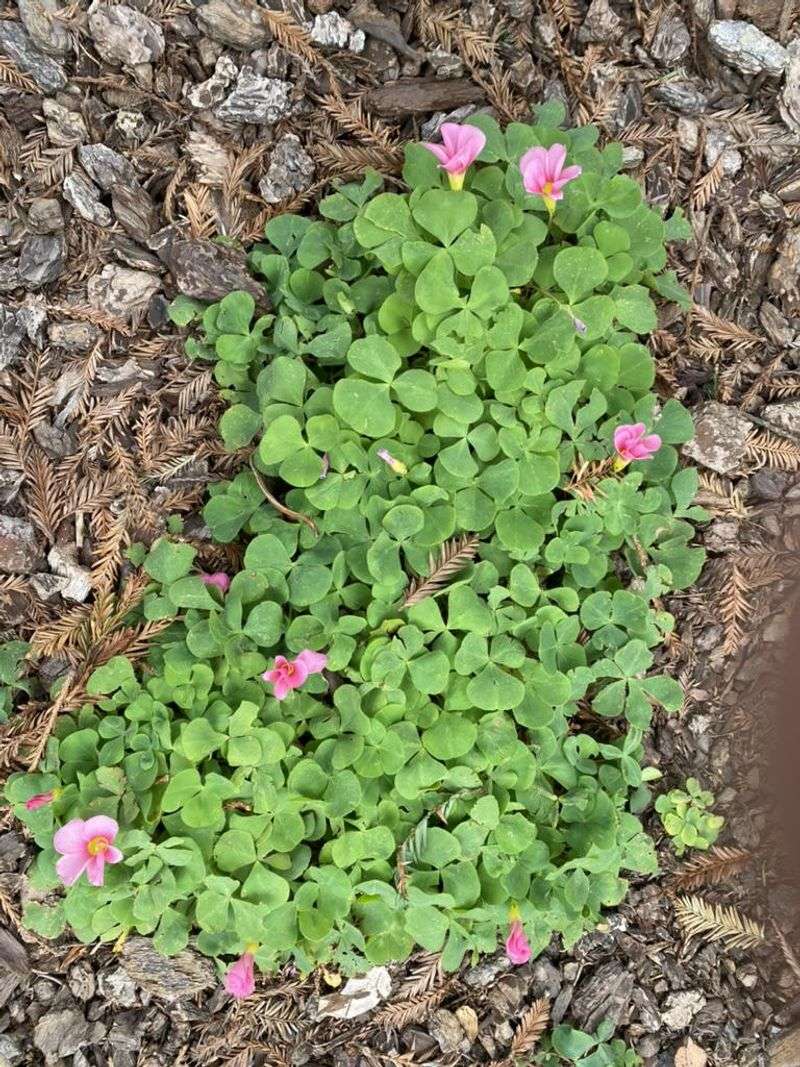
Oxalis looks charming at first glance, with its clover-like leaves and tiny yellow flowers. Many people even mistake it for a lucky clover and leave it alone.
But this cheerful-looking plant is one of the most persistent weeds in Oregon gardens, spreading quickly through underground bulblets and above-ground seed pods.
The bulblets are the real problem. They break off easily when you pull the plant, and each one can grow into a new plant.
This means careless removal can actually make the problem worse. Pulling oxalis slowly and carefully, trying to get the full root system, is the best approach for hand weeding.
Oregon’s mild, wet winters create ideal conditions for oxalis to establish itself in garden beds, lawns, and even container pots. You will often spot it popping up in shady, moist corners where other plants struggle to grow.
Getting it out before it flowers stops seed production and slows the spread significantly.
Smothering it with a thick layer of mulch can help reduce new growth. For heavy infestations, repeated removal over several seasons is usually necessary.
Staying patient and persistent is the key to bringing oxalis under control in your Oregon garden.
6. Creeping Buttercup
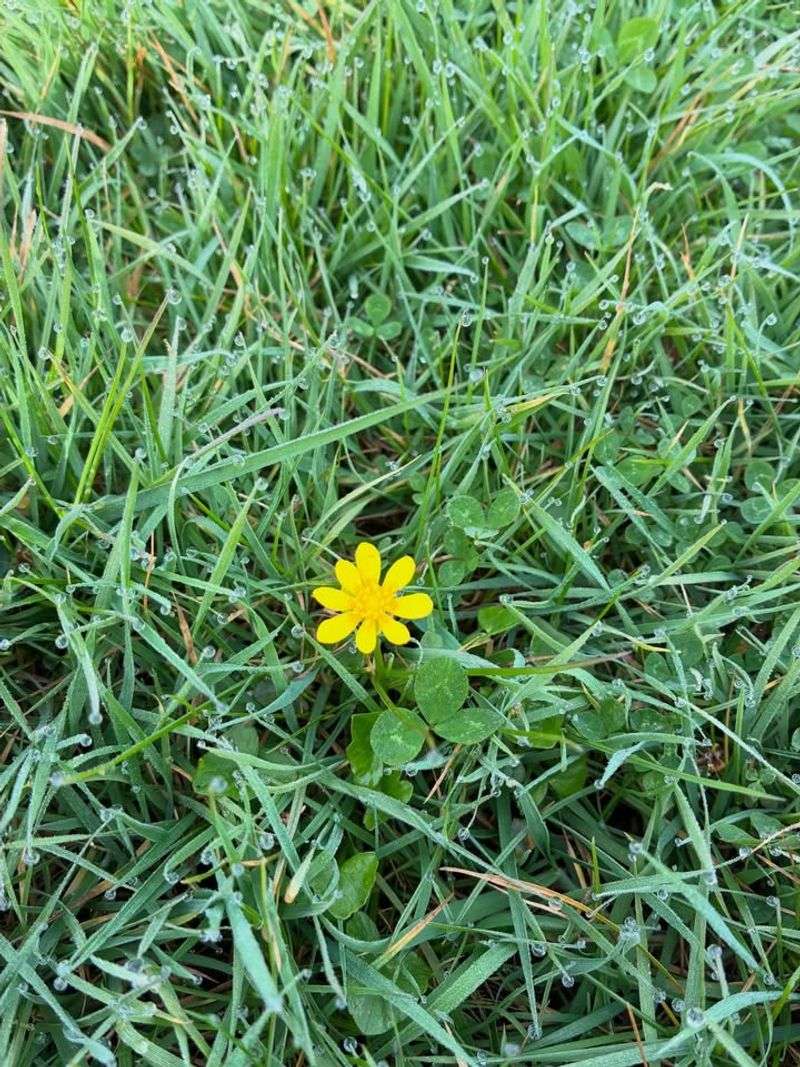
Oregon’s rainy climate is practically a welcome mat for creeping buttercup. This low-growing weed loves wet, compacted soil and spreads quickly through long runners called stolons that root wherever they touch the ground.
A single plant can cover a surprisingly large area in just one growing season.
The bright yellow flowers are cheery to look at, but they signal that seed production is underway. Each flower can produce a cluster of seeds that drop into the surrounding soil and sprout into new plants.
Getting rid of creeping buttercup before it blooms makes the whole process faster and less frustrating.
Improving soil drainage and reducing compaction are two of the best long-term strategies for keeping this weed in check. Aerating your lawn or garden beds allows water to move through the soil more efficiently, creating conditions that creeping buttercup does not enjoy as much.
Hand pulling works well for small patches, especially when the soil is moist after Oregon’s frequent rains. Make sure to remove the entire runner system, not just the above-ground leaves.
Leaving even a small section of stolon behind can lead to regrowth. Checking your garden regularly through spring helps you stay ahead of new patches before they spread further.
7. Crabgrass
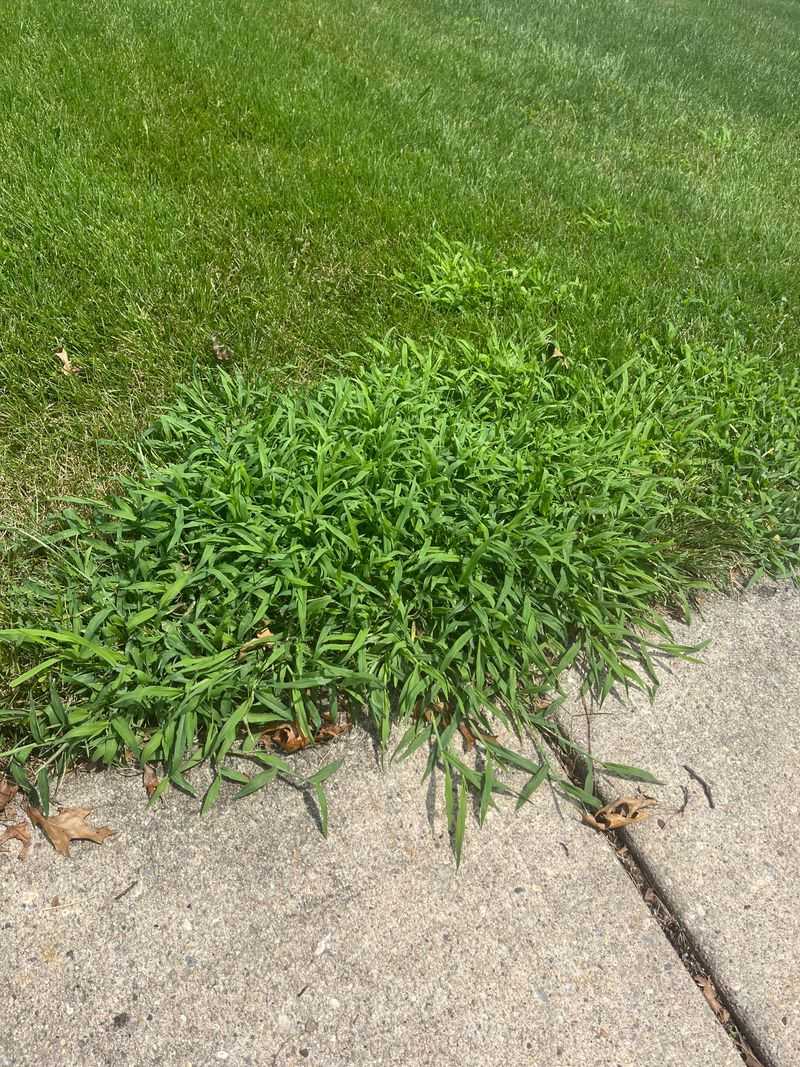
Crabgrass is a warm-season annual grass that thrives in the hottest, driest parts of the Oregon summer. It loves thin, patchy lawns and bare soil where it has room to spread its wide, flat blades outward like a star.
Once established, it can be incredibly stubborn to remove by hand.
Here is the good news: crabgrass only grows from seed each year, which means stopping it before it flowers is genuinely effective. A single crabgrass plant can produce up to 150,000 seeds, which stay in the soil and sprout the following season.
Removing plants before seeds form breaks this cycle completely.
In Oregon, crabgrass tends to appear from late spring through midsummer, especially in lawns that are mowed too short or watered too lightly. Raising your mower height and watering deeply but less often encourages thick turf that naturally crowds out crabgrass seedlings before they can get established.
Young plants pull out relatively easily when the soil is moist. Older plants develop a tough crown that anchors them firmly in the ground, making removal much harder.
Pre-emergent treatments applied in early spring can also help prevent seeds from sprouting in Oregon lawns and garden beds with recurring crabgrass problems.
8. Morning Glory
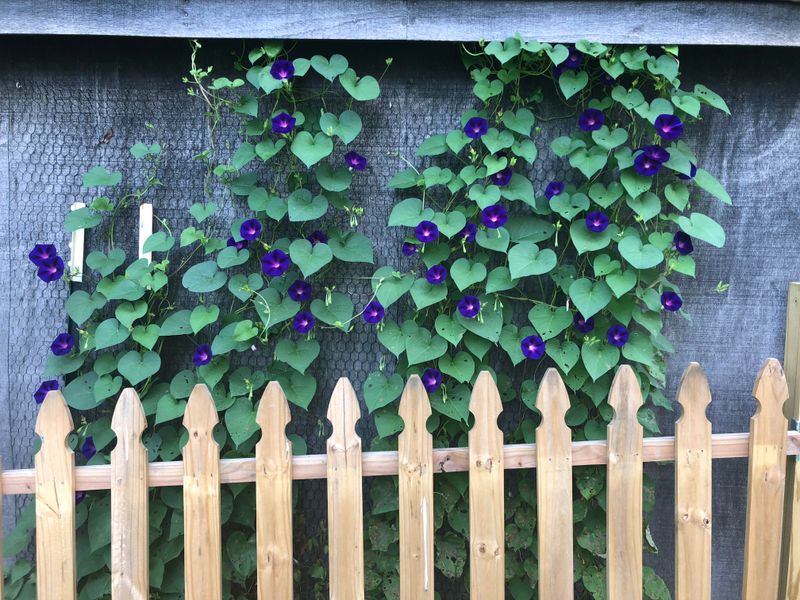
Morning glory is one of those weeds that makes you pause before pulling it out. The flowers are gorgeous, trumpet-shaped in shades of purple, pink, and white, and they open fresh every morning.
But in Oregon gardens, this vine is considered an invasive weed that can quickly take over fences, trellises, and neighboring plants.
It is closely related to bindweed and shares many of the same bad habits, including a deep taproot and seeds that remain viable in the soil for years. Once morning glory blooms, seed production kicks into high gear and the problem multiplies fast.
Catching it in the young vine stage, before any buds appear, is the smartest move.
Young plants are easy to pull by hand, especially in the loose, well-draining soils common in many Oregon garden beds. Try to remove as much of the root as possible each time, since regrowth from leftover roots is common with this plant.
Checking fences, garden borders, and compost areas regularly through late spring and early summer helps you spot new morning glory vines early. Covering bare soil with mulch reduces germination.
With a little consistency each season, Oregon gardeners can keep morning glory from turning a beautiful garden into a tangled mess.