Stink Bugs Are Hitting These Ohio Dogwood Shrubs Right Now
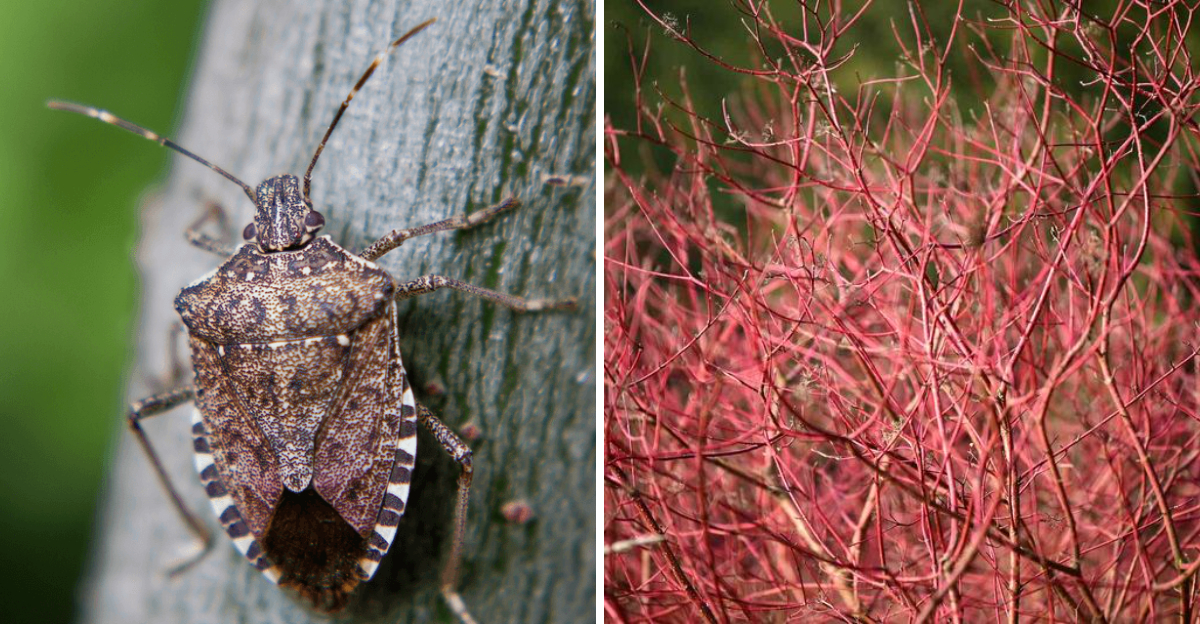
Your dogwood looks healthy this morning. Give it a week under a stink bug swarm and that story changes fast.
These insects show up quietly. No chewed holes, no obvious signs at first glance.
Instead they pierce stems and leaves with needle-like mouths and drain the plant from the inside out. The result: speckled, blotchy foliage that most homeowners blame on heat stress or poor soil, never on bugs they can barely see.
Late summer in Ohio hands stink bugs everything they want. Warm air, high humidity, and dogwoods packed with tender new growth create a perfect target.
Populations can multiply fast once they find a shrub this inviting. Your best defense isn’t a chemical spray.
It’s knowing what to check for before damage spreads past one branch. Grab a magnifying glass and inspect your dogwood today.
The signs are small, but they’re impossible to miss once you know where to look.
1. Gray Dogwood Fruit Can Draw Stink Bugs Into The Shrub
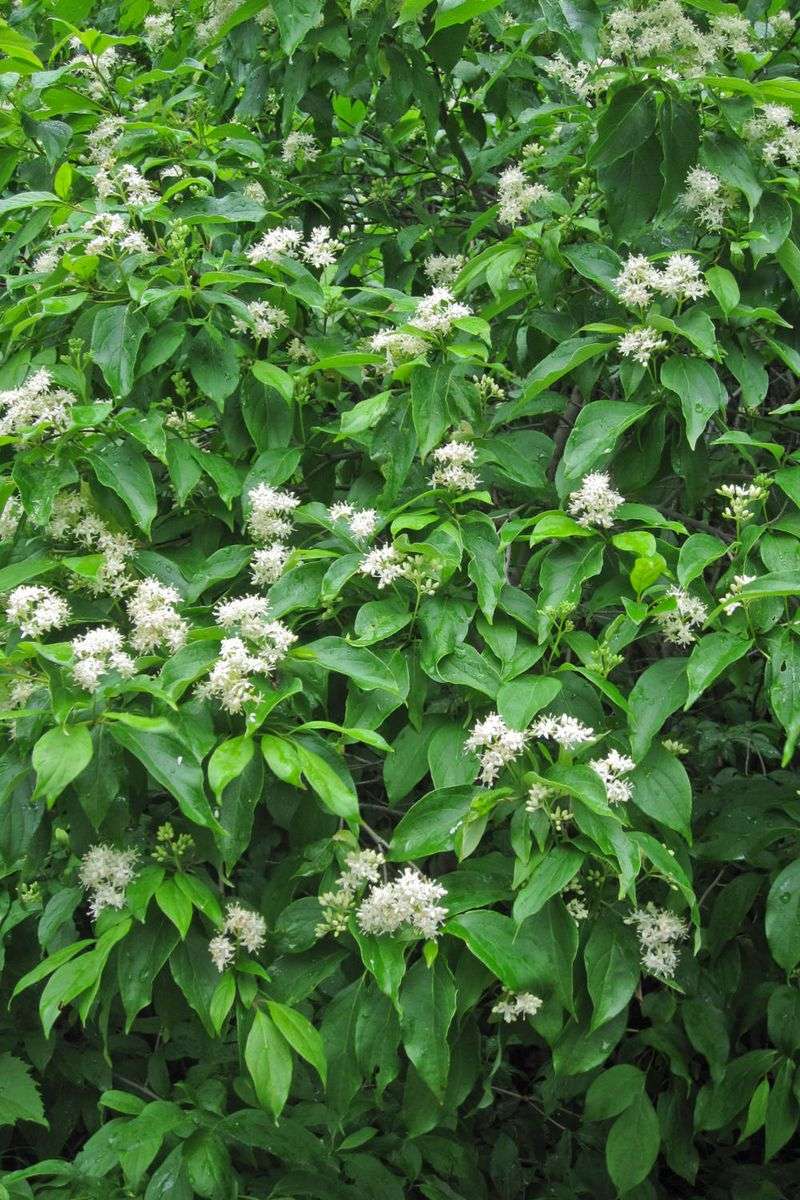
Native to much of the eastern United States, gray dogwood (Cornus racemosa) grows across Ohio woodlands, roadsides, and residential landscapes. It spreads by suckering and can form dense thickets over time.
The shrub typically reaches six to ten feet in height at maturity.
By late summer, gray dogwood carries small white fruit on distinctive reddish stems. That fruiting stage is worth noting because the national brown marmorated stink bug host database lists Cornus racemosa as a documented host.
Plants bearing reproductive structures such as fruit can offer feeding opportunities for this pest.
Adults or nymphs may use gray dogwood tissue during summer months. That does not mean every fruiting shrub will contain insects.
Host use varies between individual plants, properties, and seasons. Some shrubs may go unvisited entirely while others show signs of activity.
The presence of fruit does not guarantee pest presence, and the absence of visible insects does not rule out earlier activity. Late August is a reasonable time to inspect gray dogwood if you want to monitor for this species.
Walk slowly around the shrub, check both sides of leaves, and look along fruiting stems. Identification should come before any management decision.
Save the details on what the insect looks like for later sections of this article.
2. Red Osier Dogwood Is Another Documented Host
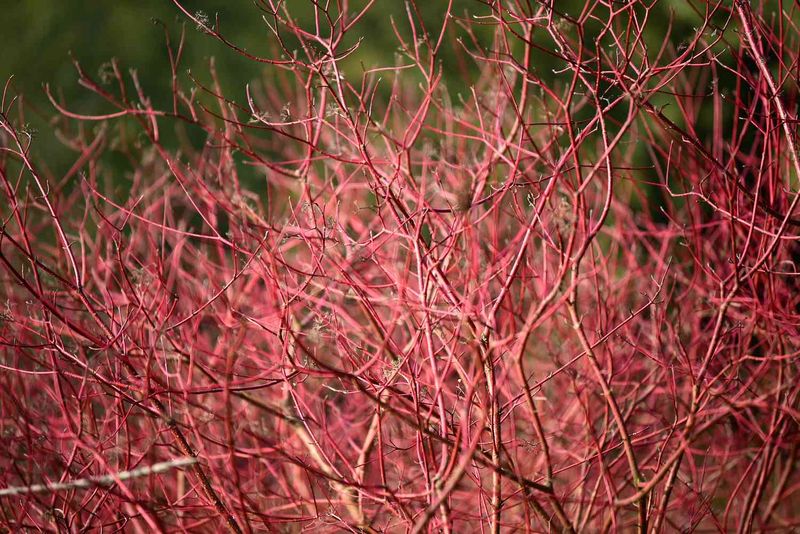
Brilliant red stems make red osier dogwood (Cornus sericea) one of the more recognizable native shrubs in the region during winter. In summer, those stems are hidden beneath full green foliage.
The shrub thrives in moist soils and is often found along stream banks, pond edges, and low-lying areas.
Red osier dogwood is also a documented host in the national brown marmorated stink bug host database. That record is species-specific.
It applies to Cornus sericea and should not be extended to every dogwood in the yard without checking which species you actually have.
Knowing which shrub you are looking at improves the accuracy of any pest observation. Red osier and gray dogwood share a genus but differ in habitat preference, stem color, and overall growth habit.
Your Ohio Garden Changes Every Week. Your Plan Should Too.
Gardening in Ohio changes quickly throughout the season. Every Friday you’ll receive a simple weekly plan showing exactly what to plant, prune, fertilize, harvest, and protect so you never miss the right timing.
Treating them as interchangeable can lead to misidentification of both the plant and the situation.
In the state’s wetter landscape zones, red osier dogwood is a common sight in both natural areas and managed gardens. Its white fruit clusters develop through summer and can be present when BMSB adults and nymphs are active.
A shrub growing near water or in a low spot deserves the same careful inspection as one in a drier yard. Confirm the plant identity first, then observe for insect activity.
3. Ripening Fruit Gives Them More Reason To Stop
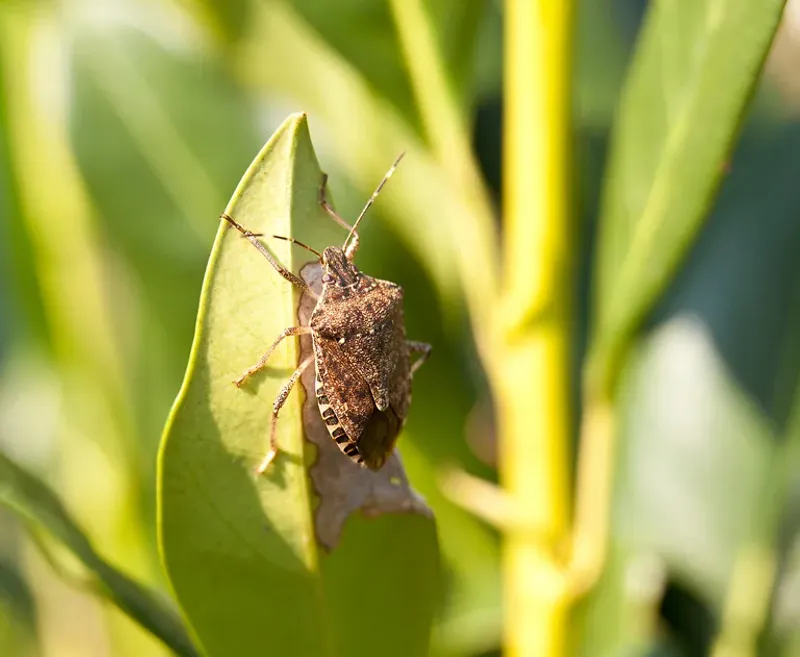
Plant stage plays a real role in where this pest shows up. The national BMSB host database notes that many host plants are used when reproductive structures are present.
Those structures can include fruit, buds, and seed pods. Dogwood shrubs carry developing fruit through much of the summer.
Brown marmorated stink bugs have piercing and sucking mouthparts. They insert a needle-like stylet into plant tissue and remove fluids from inside.
They do not chew leaves or bite chunks from fruit. The feeding method is more like a probe than a bite.
Soft or developing plant tissue can offer accessible feeding sites. A shrub in fruit may simply present more usable tissue at that moment.
That does not mean every fruiting shrub becomes a target, or that a heavy fruit crop automatically draws more insects.
Cautious wording matters here. The documented host relationship tells us these shrubs can be used.
It does not tell us that dogwood fruit is a preferred food above all other options. BMSB has an exceptionally broad host range covering many trees, shrubs, crops, and weeds.
A fruiting dogwood is one possible stop among many. Understanding that feeding removes plant fluids rather than chewing tissue helps explain why signs of activity can be subtle and easy to miss on ornamental plants.
4. Nymphs Can Be Feeding Before Adults Catch Your Eye
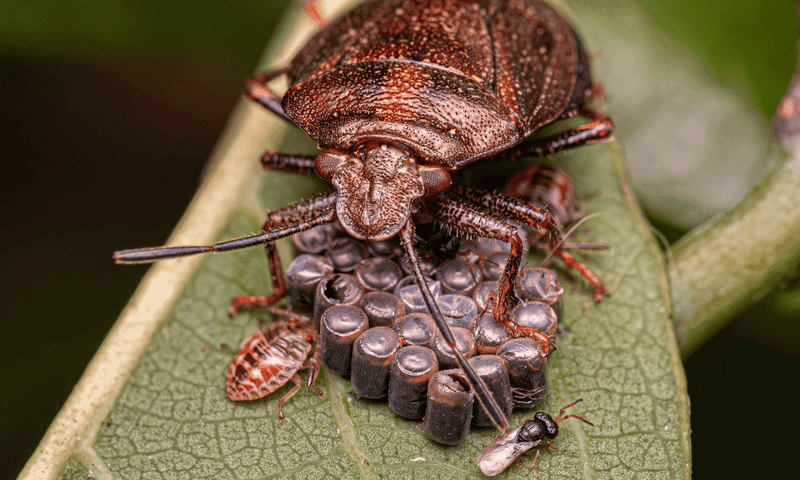
Many homeowners know what an adult brown marmorated stink bug looks like. The nymphs are a different matter.
Immature BMSB pass through five developmental stages, called instars, before reaching adulthood. Early instars are quite small and look nothing like the familiar mottled brown adult.
Nymphs lack fully developed wings. Their coloration and markings shift across instars, making casual identification harder.
Early-stage nymphs can show reddish and black tones. Later instars begin to resemble adults more closely but remain wingless.
Consulting an authoritative identification guide with photographs is the most reliable approach.
Nymphs can feed on host plant tissue just as adults do. A homeowner inspecting a shrub in late summer in this part of the Midwest, including across Ohio, may encounter both life stages at once.
Overlooking the nymphs means getting an incomplete picture of what is actually present.
Not every small insect found on dogwood leaves is a BMSB nymph. Many insects use these shrubs.
Some are beneficial. Egg masses found on leaf undersides should not be scraped away without identification, because beneficial insects also lay eggs on leaves.
If you find a cluster of small insects and cannot identify them, take a clear photo and compare it with verified extension resources before taking action. Accurate identification is the foundation of any sensible response.
5. Piercing Mouthparts Leave Damage That Is Easy To Miss
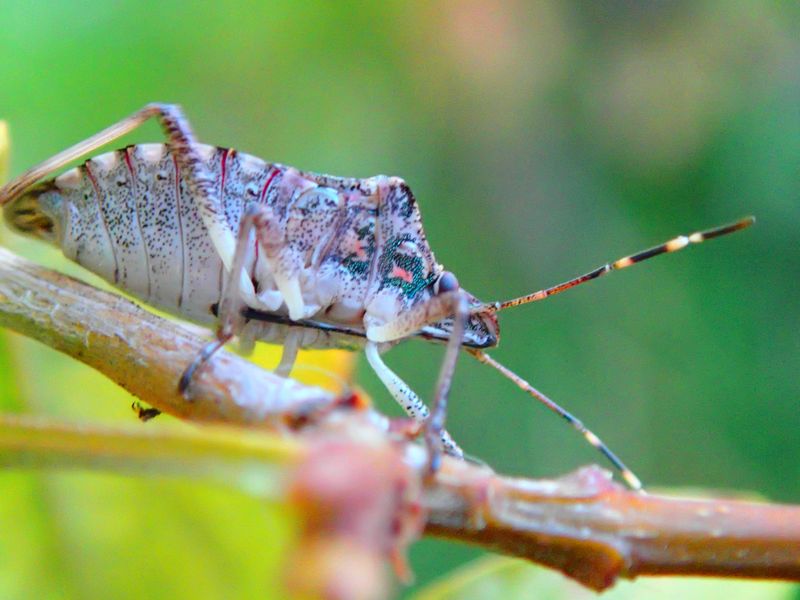
Crop research has documented clear injury patterns from BMSB on apples, peaches, peppers, and other agricultural plants. Ornamental shrubs are a different situation.
Detailed documentation of visible symptoms on gray dogwood or red osier dogwood specifically is limited. That gap matters when trying to interpret what you see in the yard.
Piercing and sucking feeding can injure plant tissue. The insect removes fluid from inside the plant without removing visible chunks of leaf or fruit.
That means there may be no obvious hole, no missing tissue, and no clean edge to point to. A subtle discoloration or a soft spot might be the only external sign, and many other causes can produce similar marks.
A leaf spot near where a bug was sitting is not proof that the insect caused it. Leaf spots can result from fungal disease, drought stress, or other insects entirely.
Blaming BMSB for a leaf problem without confirming the insect is present is a common misstep.
The strongest evidence of BMSB activity is the insect itself. Seeing an adult or nymph actively on the shrub carries far more weight than interpreting plant symptoms alone.
If you notice unusual spots or discoloration on a dogwood, consider all possible causes before drawing conclusions. Identifying the actual insect present is more useful than diagnosing injury from a distance.
6. One Stink Bug Does Not Mean The Shrub Is Infested
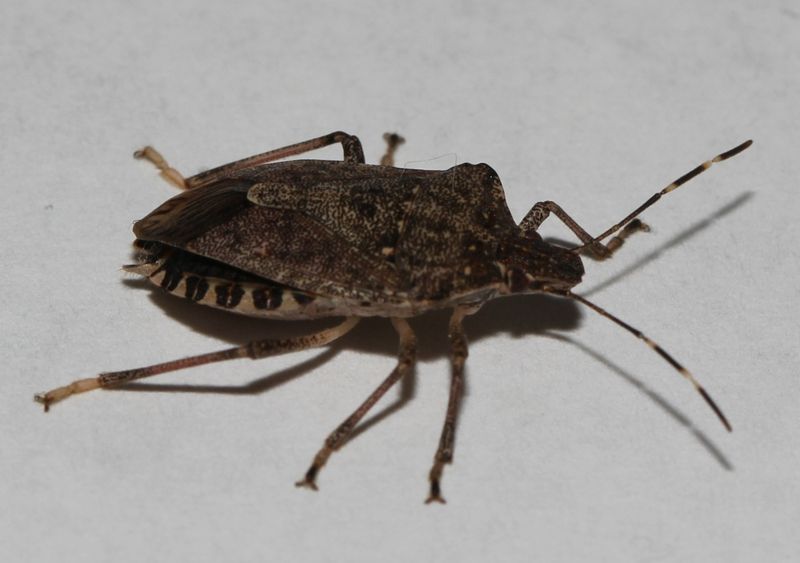
Finding one adult resting on an outer branch is not the same as finding an established population. Brown marmorated stink bugs move among many host plants throughout the season.
A single insect may have paused on your shrub while traveling between other resources entirely.
Host use shifts as the season progresses and different plants reach various stages. A bug present today may move on without causing measurable harm.
That mobility is part of why a single sighting should prompt observation rather than immediate action.
Across many local landscapes in this part of the region, including yards throughout Ohio, BMSB activity varies considerably from one property to the next. One yard may see repeated activity while a neighbor sees none.
County to county differences are real. Year to year variation is also well documented.
There is no validated treatment threshold for BMSB on ornamental dogwood shrubs. Crop thresholds developed for apple orchards or pepper fields do not apply to a backyard shrub.
Inventing a number, such as five bugs means spray, is not supported by evidence. Homeowners should watch for repeated sightings, multiple life stages appearing together, and signs of actual feeding activity.
Those observations together build a more honest picture than a single glance at one insect on one afternoon.
7. A Few Bugs Are Not A Reason To Spray Everything
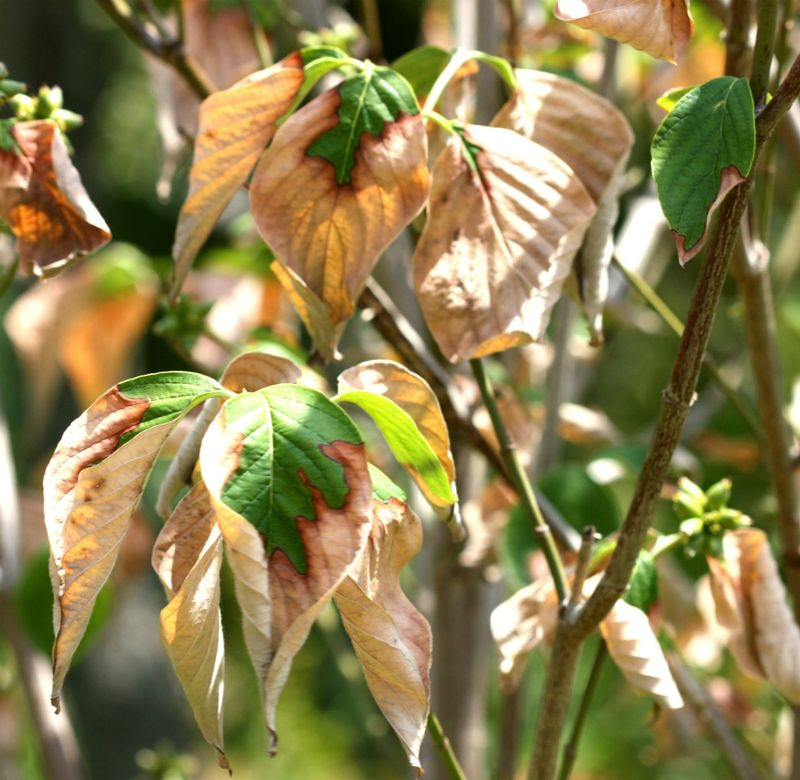
Reaching for a spray bottle after spotting two insects on a shrub is a common impulse, but it is rarely the right first move. Integrated pest management starts with identification, then monitoring, then an honest assessment of actual plant injury before any treatment is considered.
Broad-spectrum insecticides applied to ornamental shrubs can affect far more than the target pest. Dogwood shrubs can support pollinators, beneficial insects, and other wildlife.
Spraying while flowers or fruit are present carries real risk to non-target species. Any product used must be labeled for the target pest and the specific plant, and the label is legally controlling.
Extension programs recommend confirming pest identity and assessing actual damage before deciding whether treatment is warranted. A few insects on a healthy shrub in late summer may not justify any chemical response at all.
Monitoring over several days gives a clearer picture than a single inspection.
No specific pesticide rates or product recommendations belong in this article. If repeated monitoring confirms a meaningful level of pest activity and real plant injury, contacting a local cooperative extension office is the most reliable next step.
They can provide current, regionally appropriate guidance. Preventive spraying, or broad spraying simply because a pest exists in the region, is not a sound management approach for ornamental plants in residential landscapes.
8. Late Summer Feeding Soon Turns Into A Search For Shelter
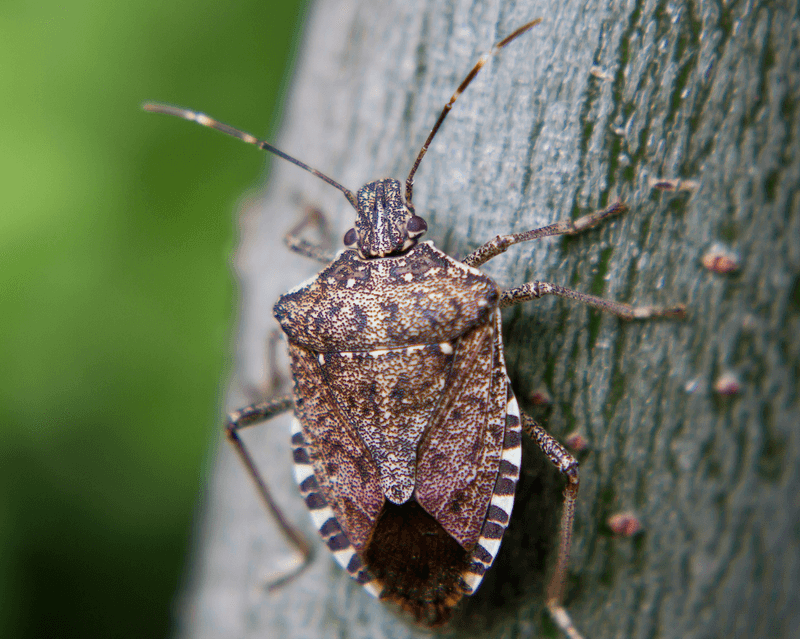
Feeding activity on host plants does not continue indefinitely through the year. As summer advances and environmental cues shift, adult brown marmorated stink bugs eventually begin moving away from host plants.
They seek protected locations to wait out the colder months. Attics, wall voids, and other sheltered spaces in buildings can become overwintering sites.
That seasonal shift does not happen on a fixed calendar date. Day length and temperature both play a role, and individual insects respond at different times.
Expecting every bug to leave the shrubs on a specific day in September is not realistic.
The bugs that turn up inside homes in fall are seeking shelter, not food. They are not reproducing inside walls or feeding on houseplants during winter.
A dogwood growing near a house is part of the landscape, but it is not the reason insects enter buildings. Entry depends heavily on available gaps, cracks, and openings in the structure.
Late summer monitoring on host plants connects naturally to that familiar fall behavior. Seeing adults on dogwood now, across yards throughout Ohio, is a sign that the season is progressing normally.
Sealing gaps around windows, doors, and utility penetrations is a reasonable general precaution as fall approaches. A stink bug on a dogwood in August is worth a careful look, and that calm observation is exactly the right response.