Is It Too Late to Plant Tulips in New York? What to Know Before the Ground Freezes
Some spring flowers refuse to bloom at all unless they spend months buried in cold soil first. Warm winters can actually confuse them, which is why gardeners in the South often chill them in the fridge.
I love that this bulb basically demands a long winter nap before it puts on a show. Here in New York, our cold months give it exactly what it craves. That means the calendar matters less than you probably fear.
You may have a forgotten paper bag of bulbs sitting in the garage right now. I have been there, staring at it in November with a guilty feeling. Personally, I think late planters deserve far more credit than they get.
The real deadline hides a few inches under your boots. So how late is too late, and what does the soil have to say about it?
Cold Soil Around Tulip Bulbs Tells You More Than the Calendar
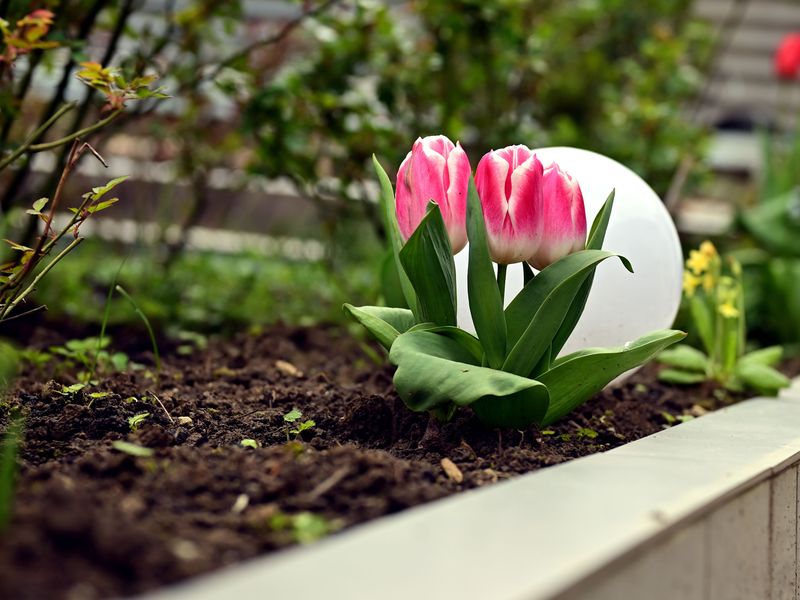
Soil temperature is the clue most gardeners overlook. Tulip bulbs start growing roots best when the soil a few inches down sits around 50 to 55 degrees.
Many bulb growers and extension experts suggest waiting until it stays below about 60 degrees.
Why does that matter so much? Warm soil can push bulbs to sprout leaves too early, and soggy warm ground invites rot.
Cooler soil sends a different message, telling the bulb to build roots and settle in for winter.
A cheap soil thermometer makes this easy to check. Push it about 6 inches into the ground in the morning, read it, and repeat over a few days.
If the numbers hold steady in the low 50s or below, you are in good shape.
In much of New York, that usually happens after a few hard frosts in fall. Nights get crisp, the maples turn, and the ground slowly loses its summer warmth.
That is your signal, not a date circled on a calendar.
I find this freeing, honestly. Instead of panicking about missing some magic weekend, you can simply watch the weather and trust the soil.
Bulbs have been following this cold cue for a very long time, and they are pretty good at it.
If Your Shovel Still Slides Into the Soil, Tulip Bulbs Can Go In
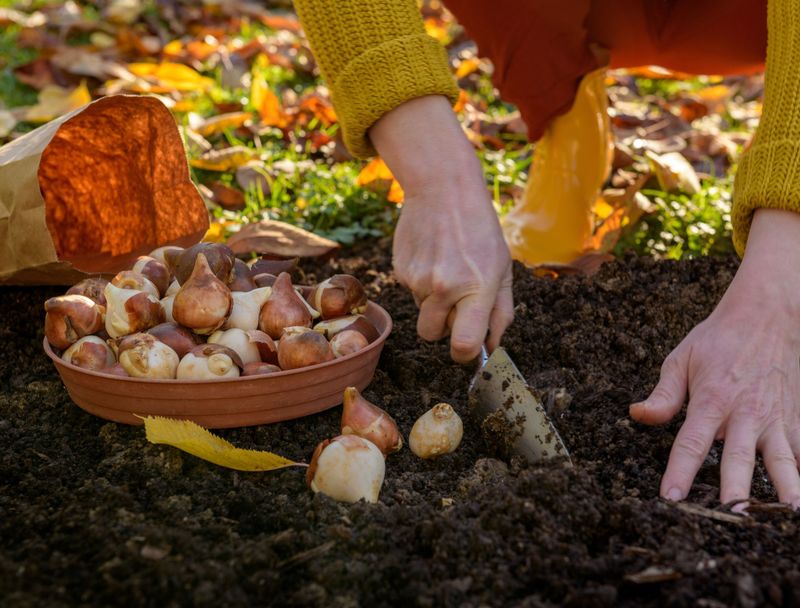
Here is the simple answer most people want. If you can still dig a hole, you can almost certainly still plant tulips.
Bulb companies and university gardening programs agree that late is far better than leaving bulbs in a bag all winter.
A frosty crust on top does not stop you. The ground a few inches down stays workable much longer than the surface, especially after a sunny day.
Roots can keep forming whenever the soil is above freezing, even in short bursts.
Late-planted tulips sometimes bloom a week or two after the early ones. Stems might be a bit shorter, too.
Still, most gardeners barely notice the difference once those cups of color open in spring.
Bulbs left unplanted are another story. They slowly dry out, turn soft, or mold in storage.
By spring, many of them will not have enough energy to grow well at all.
So grab the trowel on the next mild afternoon. Even an hour of work can tuck dozens of bulbs into place.
Think of it as a small gift to your future self, one who will be walking past bright blooms in April and feeling very clever.
Upstate Tulip Planters Run on a Different Clock Than Long Island
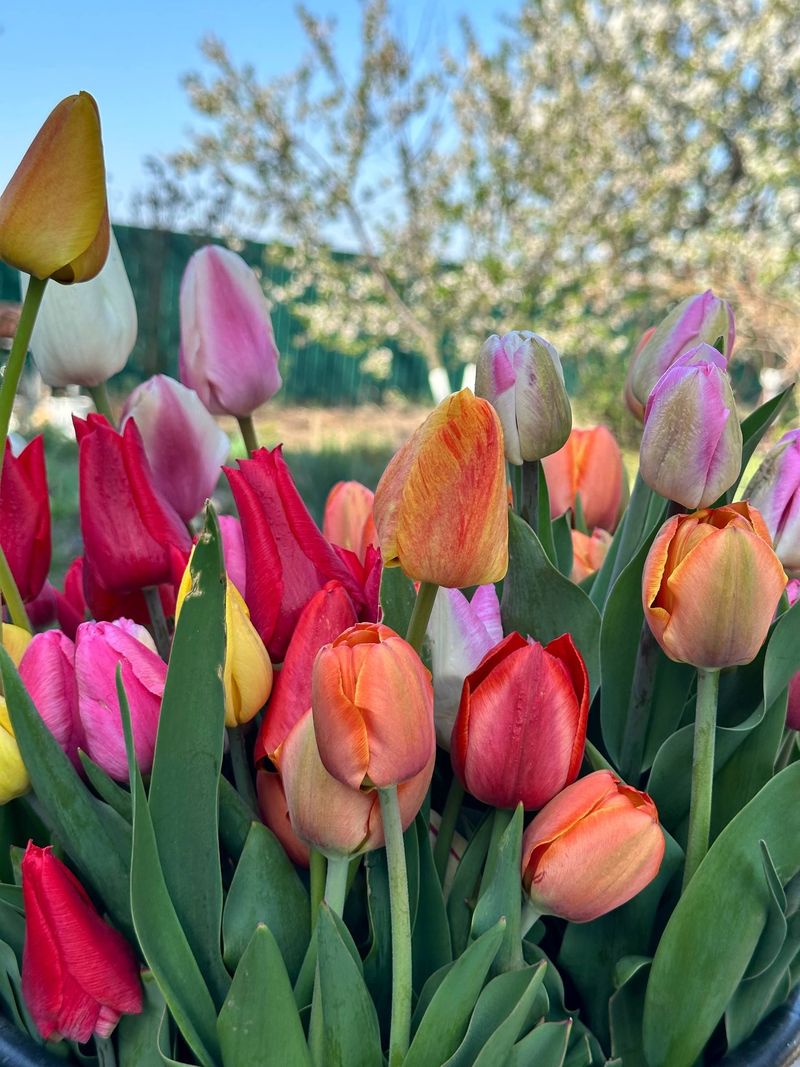
Few states pack as much weather variety as New York. USDA hardiness zones here run from about 3b in the coldest Adirondack pockets to 7b near the coast.
That spread changes your tulip timing quite a bit.
In the North Country and the Adirondacks, the ground can freeze by mid to late November. Gardeners there usually aim for late September through October.
Waiting too long upstate can leave you chipping at frozen earth.
Central and western areas, like Syracuse, Rochester, and Buffalo, often have a window through October and into early November. Lake effect snow can surprise you, though, so watching the forecast helps.
Down in the Hudson Valley, the window stretches a little longer. New York City and Long Island get the most breathing room.
The ocean and all that city pavement hold onto heat, so planting through November and sometimes into early December often works fine.
My advice is simple. Look up your zone on the USDA map, then notice when your own soil starts to firm up each year.
A quick note in a garden journal will help you plan even better next fall.
Tulip Bulbs Need Months of Winter Chill to Form Flowers
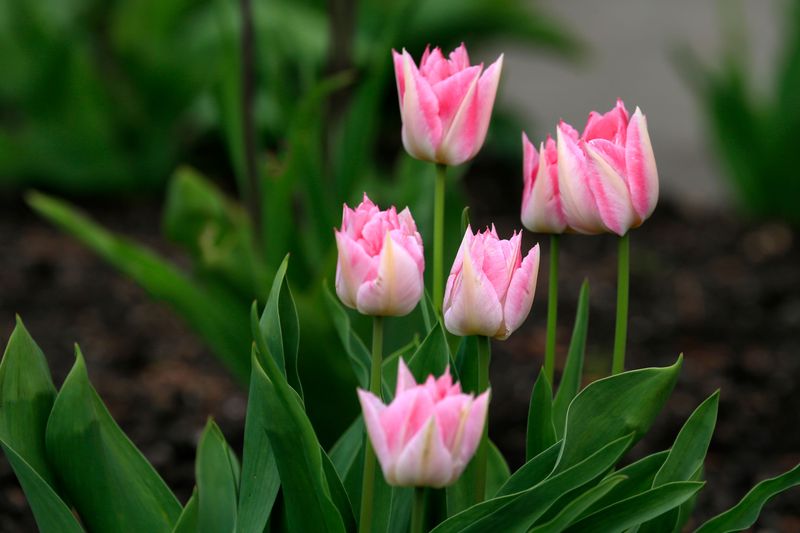
Tulips are a bit like bears. They need a long, cold rest before they wake up ready to perform.
Most varieties need roughly 12 to 16 weeks below about 45 degrees to develop healthy flower buds.
During that chilly stretch, changes happen inside the bulb. The plant converts stored starch into sugars and gets its flower stem ready to grow.
Without enough cold, you may get floppy leaves and few blooms, or none.
That is why gardeners in warm states pre-chill bulbs in the refrigerator. Nature handles this job for you.
Even bulbs planted in late November usually get plenty of cold time before spring.
Curious fact time. Tulips come from the mountains and steppes of Central Asia, where winters are harsh and summers are hot and dry.
Their need for cold is an old survival trick from those rugged places.
One caution if you store bulbs indoors. Keep them away from ripening apples and other fruit.
Fruit releases ethylene gas, which can harm the flower bud hiding inside. A paper bag in a cool, dry spot works better until planting day.
Plant Tulip Bulbs Deep With the Pointy End Up
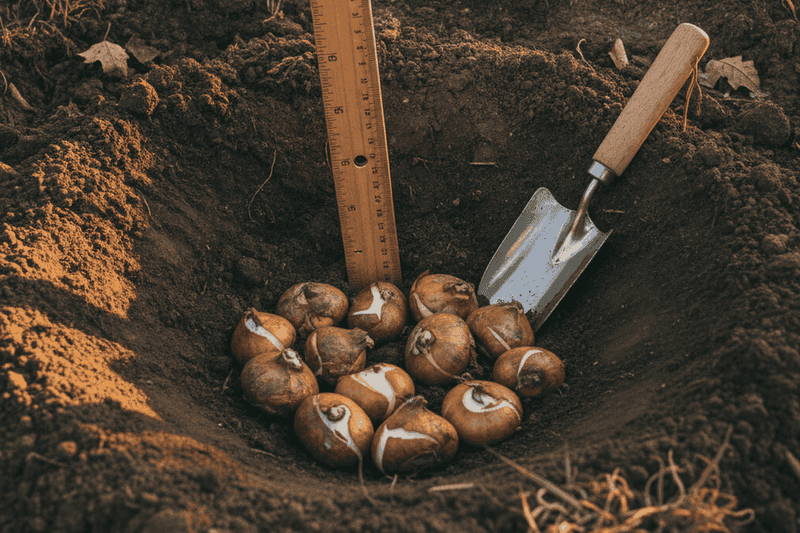
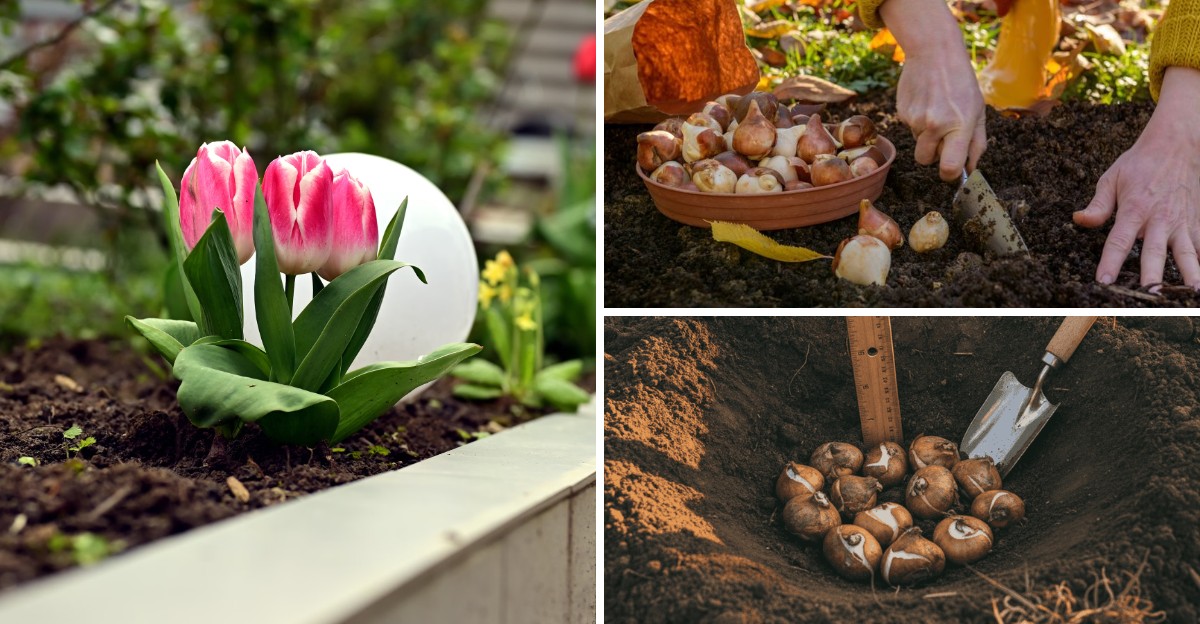
Depth is where many first-timers go wrong. A good rule is to plant tulip bulbs 6 to 8 inches deep, or about three times the bulb’s height.
Measure from the bottom of the bulb, not the top.
Deep planting does more than you might expect. It protects bulbs from wild winter temperature swings, keeps tall stems steady, and makes them harder for critters to find.
Some gardeners even report better return blooms from deeper bulbs.
Point the narrow tip upward and the flat root plate down. If you truly cannot tell which end is which, set the bulb on its side.
The stem will find its way to the light.
Spacing can be flexible. Around 4 to 6 inches apart gives a natural look, while 2 to 3 inches creates a thick, dramatic spring display.
Groups of ten or more look far better than single lines.
Pick a sunny spot with soil that drains well. Tulips hate sitting in soggy ground, so skip low spots where puddles form.
After planting, water once to settle the soil and wake up the roots. Then you can mostly leave them alone until spring.
Frozen Ground Still Leaves Room for Tulips in Pots
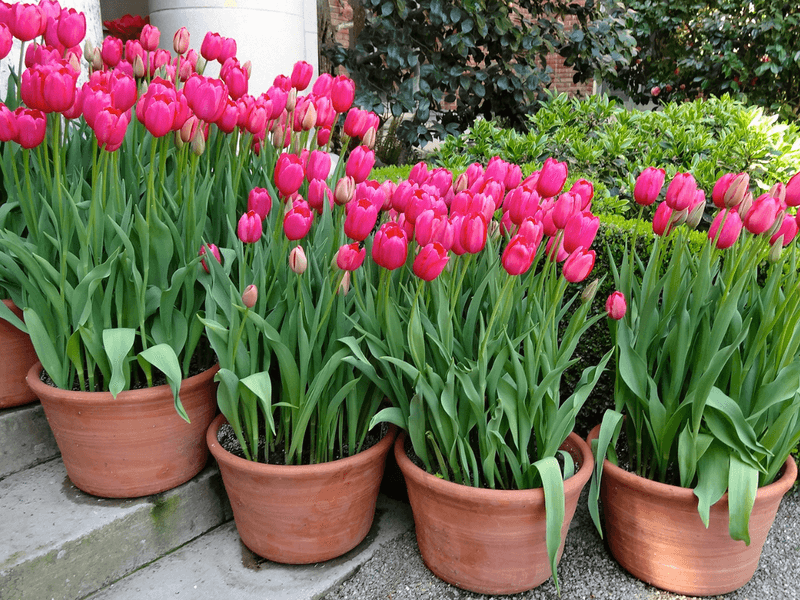
So the ground finally locked up before you got around to it. No need to toss those bulbs.
You still have a few smart options.
Containers are my favorite rescue plan. Fill a pot with potting mix, set the bulbs close together with tips up, and cover them with a few inches of soil.
Water lightly, then store the pot in an unheated garage or shed that stays cold but not deeply frozen.
Check the soil now and then over winter. It should be barely damp, never soggy.
When spring arrives, move the pots outside and watch the shoots appear.
Another trick comes from Cornell University research. In trials, tulips set right on the soil surface and covered with a few inches of mulch or compost still flowered in spring.
It is not the classic method, but it can work in a pinch.
You could also wait for a winter thaw. New York often gets a mild spell in December or January that softens the top few inches.
Grab that chance, plant quickly, and add mulch on top. Any of these beats leaving bulbs in a bag.
Squirrels Love Freshly Planted Tulip Bulbs as Much as You Do
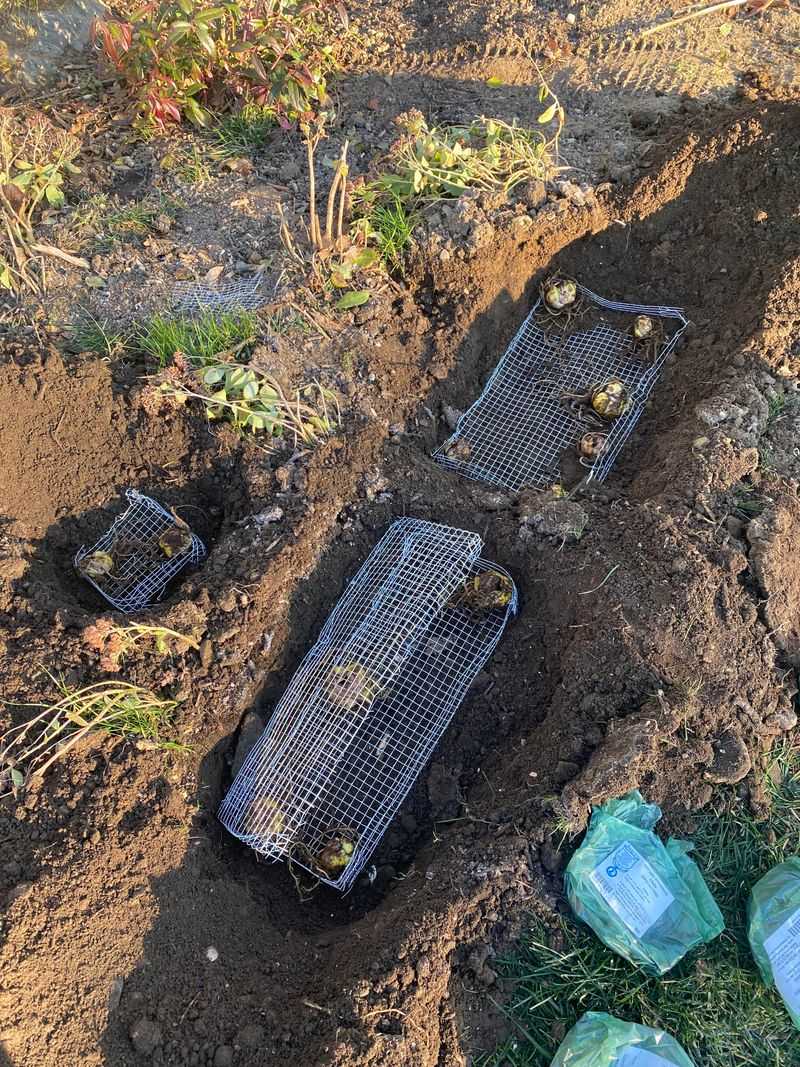
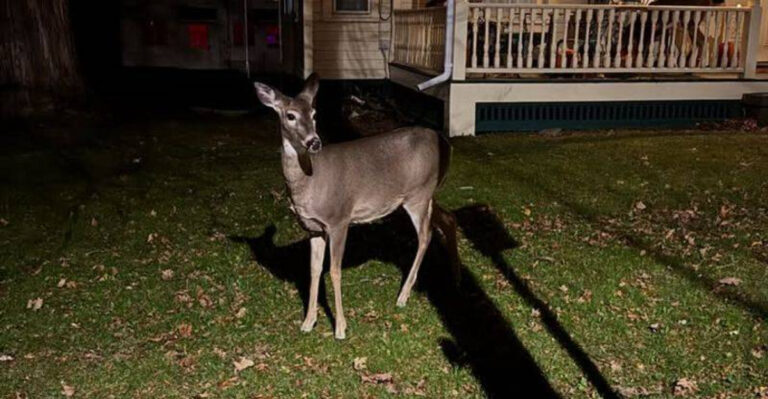
Ask any New York gardener about squirrels and watch their eye twitch. Gray squirrels and chipmunks can smell fresh digging and will happily snack on tulip bulbs.
Deer and voles join the party, too.
A few easy steps make a big difference. First, clean up bulb skins and debris after planting, since loose papery bits act like an advertisement.
Then firm the soil well so it does not look freshly turned.
Hardware cloth is a reliable fix. Lay a sheet of wire mesh over the bed just under the soil or on top of it, and pin it down.
Shoots grow right through the openings in spring.
Planting deeper, around 8 inches, also slows down digging critters. Some gardeners sprinkle crushed gravel in the hole or mix in a few daffodil bulbs nearby, since animals tend to avoid daffodils.
Deer are a spring problem rather than a fall one. They nibble tulip buds just before they open, which is truly heartbreaking.
Repellent sprays or a simple fence help, but in heavy deer areas, you may want to plant tulips closer to the house where deer rarely wander.
A Layer of Shredded Leaves Gives Tulip Beds a Winter Blanket
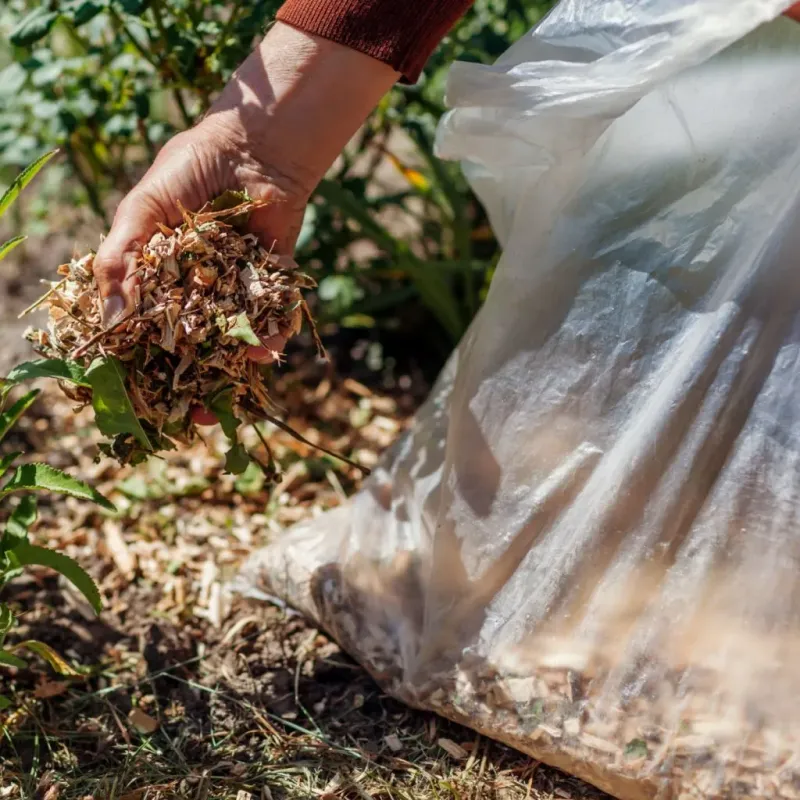
Your rake might be the best tulip tool you own. Shredded fall leaves make a free, easy mulch for newly planted bulb beds.
Straw or pine needles work nicely as well.
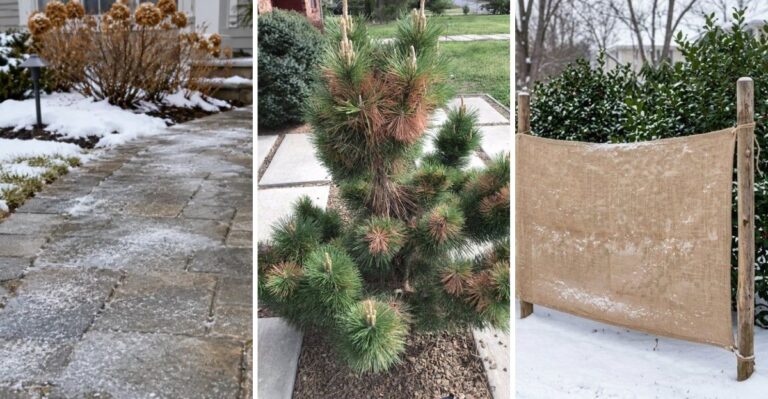
Spread about 2 to 3 inches over the bed after the ground gets cold. Mulch helps keep soil temperature steady through freeze and thaw cycles.
Those swings can heave late-planted bulbs upward before roots fully anchor them.
Moisture stays more even under mulch, too. Weeds have a harder time sneaking in early next spring.
When shoots poke up, simply pull back any thick clumps so they can reach the light.
Skip fertilizer in the fall rush. A balanced bulb food in early spring, when leaves first appear, does more good.
After blooming, snip off faded flowers but leave the leaves until they yellow, so the bulb can recharge.
Here is my takeaway for every late planter. Get the bulbs in the ground, tuck them under a cozy layer, and let winter do the rest.
Come April, you will forget you ever doubted yourself, and you might even buy a few extra bags next fall.