These Are The 8 Florida Plants That Help Fireflies Complete Their Life Cycle

Fireflies once turned warm Florida nights into a kind of magic. Many people still remember yards that lit up with soft flashes after sunset, yet those scenes feel rare now.
The truth sits right in the landscape. Fireflies depend on very specific plants and ground cover at each stage of life, from eggs to adults.
Lawns cut too short, heavy mulch, and bright outdoor lights break that cycle fast. The right mix of native plants, leaf litter, and shaded moisture can quietly bring them back.
Some plants offer shelter for larvae, others support the tiny prey they hunt, and a few create the calm, humid pockets adults need to signal and find mates.
With smart plant choices, a yard can shift from empty at dusk to alive with light again, all without extra effort or complex changes.
This simple shift can restore a piece of Florida nights thought lost forever.
1. Plant Live Oaks For Long Term Firefly Habitat

Walk beneath a mature live oak on a July afternoon in Florida, and you will notice something right away. The air feels cooler, the ground stays noticeably damp, and a thick carpet of leaf litter cushions every step.
That combination of shade, moisture, and organic matter is exactly what firefly larvae need to survive through the long months they spend underground.
Quercus virginiana, the Southern live oak, is one of Florida’s most iconic native trees and one of the best long-term investments you can make for backyard wildlife.
According to University of Florida IFAS Extension, wooded habitats with deep leaf litter layers consistently support higher firefly activity than open, manicured lawns.
The leaf litter holds moisture, shelters soil invertebrates like snails and worms, and gives larvae both food and cover.
Firefly larvae are active predators underground, hunting soft-bodied prey in the dark. A live oak’s canopy creates the kind of stable, shaded microhabitat where soil temperatures stay lower and moisture levels remain consistent.
Plant live oaks along property edges or near low areas where water naturally collects. Resist the urge to rake up fallen leaves beneath them.
That leaf layer is not yard waste; it is firefly real estate.
2. Add Native Milkweed To Support The Food Web
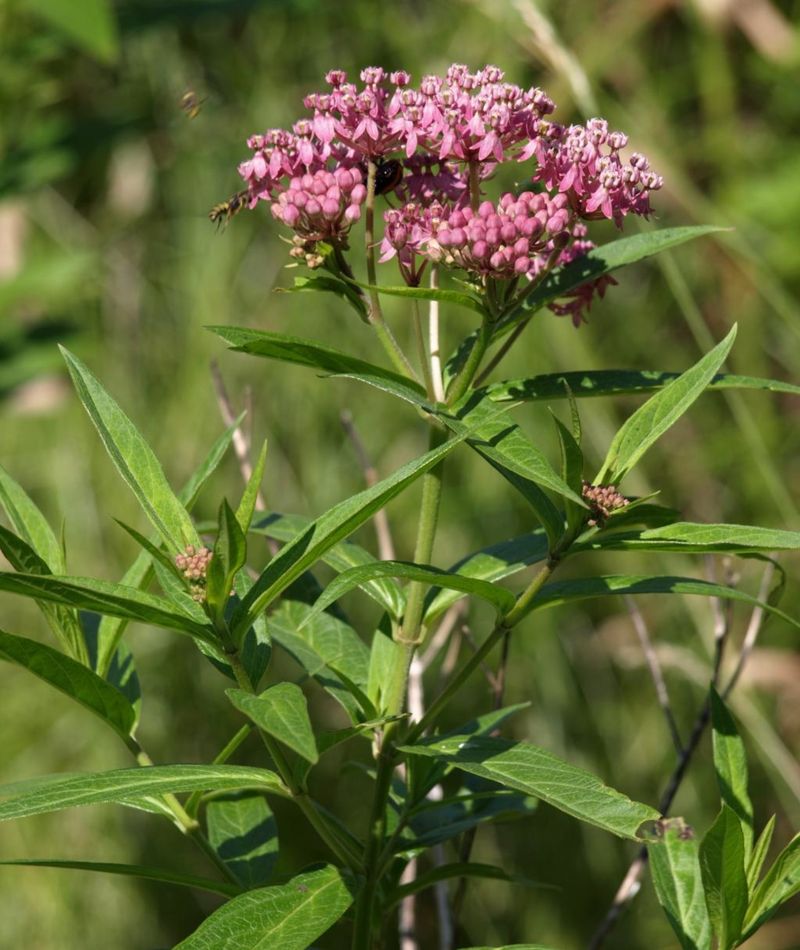
Most people think of milkweed as a monarch butterfly plant, and they are absolutely right. But the ecological story goes much deeper than that.
Florida-native milkweed species like Asclepias tuberosa, Asclepias incarnata, and Asclepias perennis support a remarkably wide range of insects, and that insect diversity is what firefly larvae depend on for food during their long underground development.
Firefly larvae are hunters. They feed on slugs, snails, earthworms, and other soft-bodied invertebrates that thrive in gardens rich with plant diversity.
When native milkweed attracts aphids, beetles, and other small insects, it sets off a chain reaction throughout the food web. More insects in your garden means more prey available at ground level for hungry larvae working through the soil.
Asclepias incarnata, or swamp milkweed, is especially valuable in Florida because it thrives in moist, low-lying areas where fireflies tend to concentrate. Plant it near rain gardens, pond edges, or any naturally damp corner of your yard.
IFAS recommends native milkweed over tropical milkweed because native species go dormant naturally, which supports healthier insect cycles overall.
A small cluster of three to five plants can meaningfully boost the insect activity in your garden and strengthen the food web that keeps firefly larvae fed.
3. Grow Goldenrod For Late Season Shelter And Prey
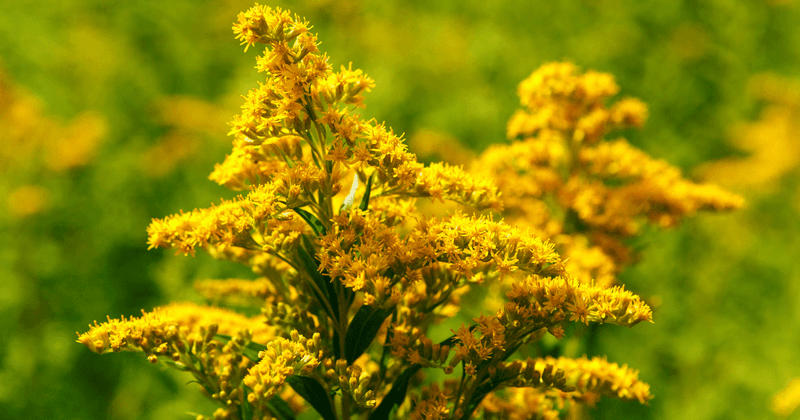
By the time September rolls around in Florida, most summer flowers have faded and garden activity slows down. Goldenrod does the opposite.
Native Solidago species burst into brilliant yellow bloom just as the season cools, drawing in an extraordinary variety of insects at exactly the moment when the garden needs them most.
For fireflies, this late-season insect surge is genuinely important. Larvae that hatched earlier in summer are still underground, feeding and growing before they eventually pupate.
The insects attracted to goldenrod blooms contribute to a thriving soil ecosystem beneath the plant, increasing the availability of the small invertebrates that larvae actively hunt. More prey in the soil during fall means better survival rates heading into the cooler months.
Florida has several native Solidago species worth planting, including Solidago odora and Solidago rugosa, both of which perform reliably in Florida landscapes according to University of Florida IFAS records.
Goldenrod spreads naturally over time, filling in open garden spaces and creating dense stands that shelter ground-level insects from foot traffic and harsh sun.
Plant it in full to partial sun in average to moist soil. It pairs beautifully with native grasses and provides structural interest well into winter, long after the blooms have finished feeding the garden’s insect community.
4. Use Native Grasses To Keep Soil Cool And Damp
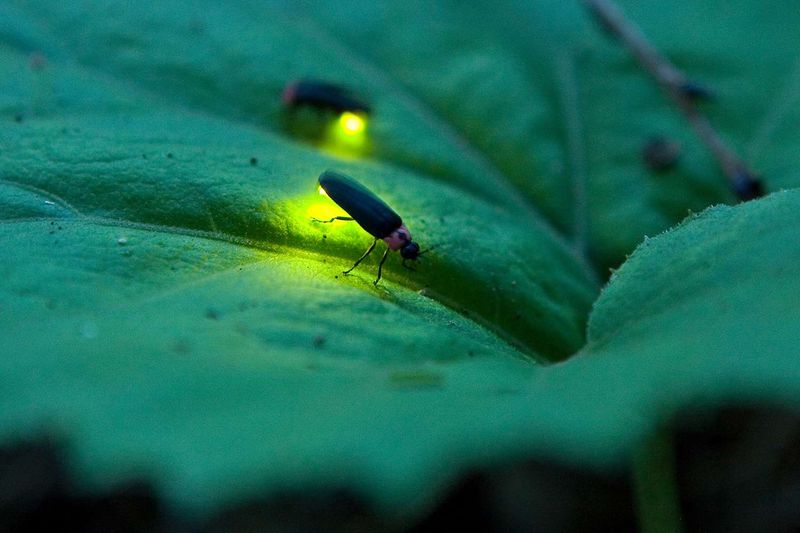
Spend any time studying firefly behavior and one pattern becomes very clear: they love edges. Specifically, they love the edge where a grassy area meets a wooded or shrubby zone, where the soil stays cool and slightly damp even during dry spells.
Native Florida grasses are one of the most practical tools for recreating those conditions in a home landscape.
Species like Muhlenbergia capillaris, commonly called muhly grass, and Aristida stricta, Florida’s native wiregrass, create dense root systems that slow water loss from soil and keep ground temperatures lower than bare or turf-covered areas.
University of Florida IFAS Extension consistently highlights the importance of soil moisture for firefly larvae, which can spend anywhere from several weeks to two full years underground depending on the species.
Dry, compacted soil dramatically reduces larval survival.
Beyond moisture retention, native grass clumps provide physical shelter at ground level. The tightly packed bases of muhly grass create protected zones where small invertebrates, including the slugs and worms that larvae feed on, can stay cool and active.
Replace sections of traditional lawn turf with native grass clusters, especially in low-lying or shaded areas. The transition requires minimal maintenance once established, and the payoff for local firefly populations is significant and lasting.
5. Plant Coral Honeysuckle For Layered Shelter
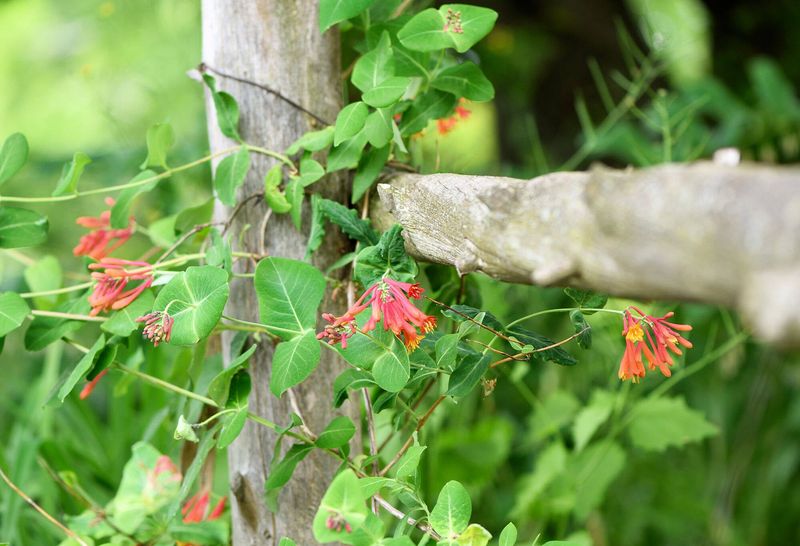
There is something deeply satisfying about a garden that has layers. Trees overhead, shrubs at eye level, vines climbing along fences, and groundcovers blanketing the soil below.
That kind of vertical diversity is not just aesthetically pleasing; it creates the structural complexity that wildlife, including fireflies, genuinely need to complete their life cycle successfully.
Lonicera sempervirens, Florida’s native coral honeysuckle, is one of the best vines for adding that middle layer of habitat structure.
Unlike the invasive Japanese honeysuckle that has spread aggressively across Florida, coral honeysuckle is well-behaved, native, and recognized by IFAS as a strong choice for Florida-friendly landscapes.
It climbs fences, trellises, and tree trunks, creating shaded zones at ground level beneath its canopy of dense foliage.
Those shaded zones matter enormously for firefly larvae. Soil beneath vine-covered structures stays cooler and moister than exposed ground, and the insects attracted to coral honeysuckle’s tubular flowers add to the overall prey availability in the area.
The vine blooms from late winter through summer, providing consistent insect activity across multiple seasons. Plant it on the north or east side of a fence or trellis to maximize shade coverage at soil level.
Pair it with native groundcovers beneath for a layered habitat that supports fireflies from egg to adult.
6. Add American Beautyberry For Dense Understory Cover
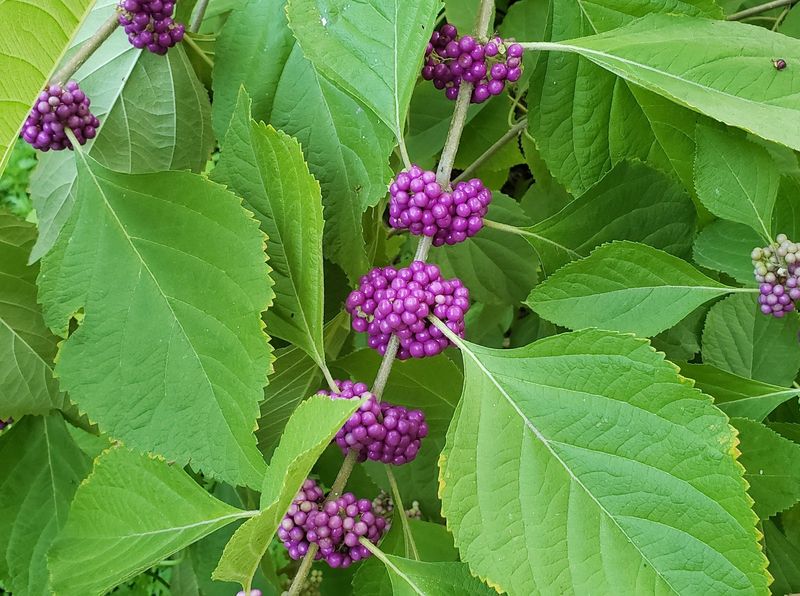
Anyone who has spotted American beautyberry in a Florida woodland knows the moment well. Those impossibly vivid clusters of magenta-purple berries practically glow against the green understory, catching your eye from twenty feet away.
But beyond its showstopping appearance, Callicarpa americana does something quietly important for the fireflies living in the soil beneath it.
As a native understory shrub, beautyberry grows naturally beneath tree canopies where light is limited and moisture tends to linger. Its arching branches spread wide, creating a shaded umbrella over the ground that keeps soil temperatures lower and evaporation rates slower.
For firefly larvae spending months or years underground, that stable microclimate beneath a beautyberry shrub can be the difference between thriving and struggling through Florida’s hot, dry summers.
University of Florida IFAS Extension recommends Callicarpa americana for naturalized garden areas, woodland edges, and rain garden borders throughout Florida. It grows in a wide range of soil types and handles both dry and moist conditions once established.
Plant beautyberry in groups of two or three shrubs along shaded fence lines or beneath existing trees to create connected zones of understory cover.
The berries also feed birds throughout fall and winter, adding another layer of ecological value to a plant that is already doing serious work for your garden’s firefly population.
7. Grow Native Ferns In Shady Moist Corners
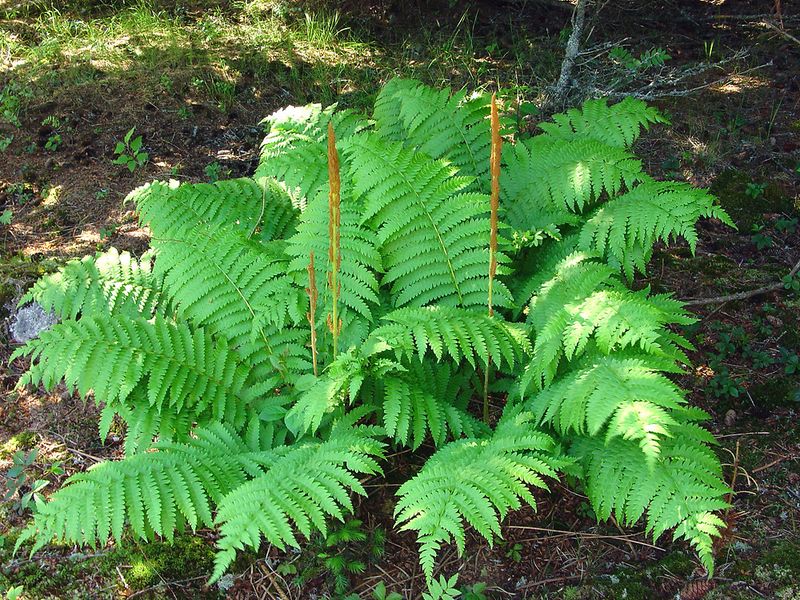
Every Florida yard has at least one corner that stays perpetually shady and a little damp, the kind of spot where traditional plants struggle and lawn grass refuses to cooperate. Most homeowners treat those spots as problems.
For fireflies, they are prime real estate.
Florida-native ferns are perfectly suited for exactly those conditions, and they create the kind of cool, moist, shaded microhabitat that firefly larvae need during their extended underground development.
Species like Osmundastrum cinnamomeum, the cinnamon fern, and Osmunda spectabilis, the royal fern, naturally colonize wet, shaded areas throughout Florida and are recognized by IFAS as excellent choices for rain garden edges, pond margins, and shaded landscape beds.
The dense frond coverage that ferns provide reduces soil temperature and slows moisture loss significantly compared to bare ground. Beneath a healthy fern colony, the soil stays consistently damp and is teeming with the kind of invertebrate activity that supports feeding larvae.
Earthworms, small beetles, and soil-dwelling insects concentrate in these moist zones, giving larvae reliable hunting grounds. Plant native ferns in groups rather than isolated specimens to maximize ground coverage.
Combine them with beautyberry or wax myrtle nearby to create a connected network of shaded, moist habitat that supports fireflies across multiple life stages throughout the year.
8. Use Wax Myrtle To Create A Cool Shaded Microclimate
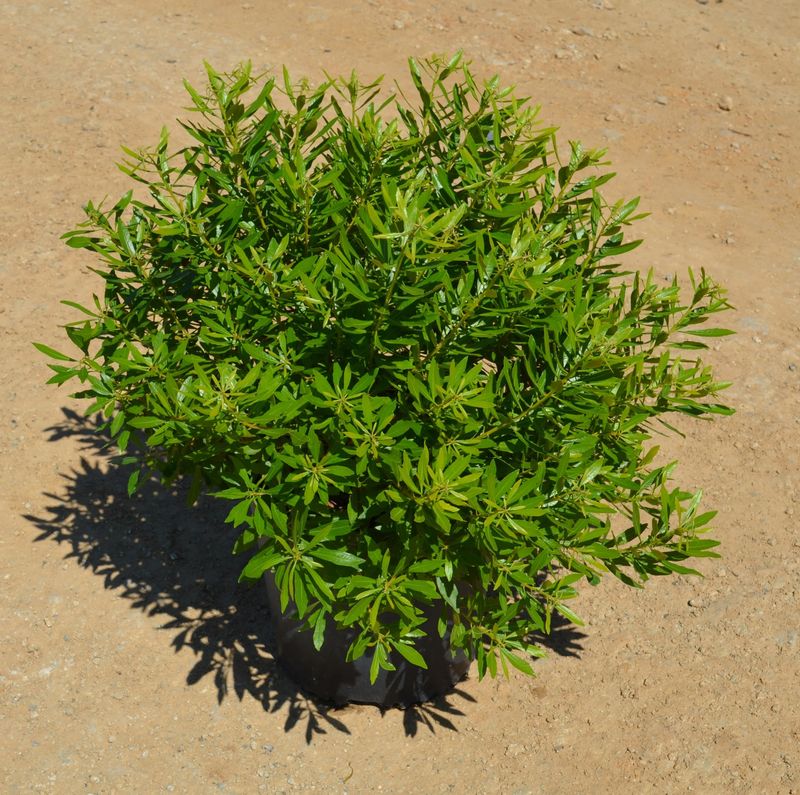
Few native Florida shrubs work as hard as wax myrtle.
It grows fast, stays evergreen year-round, tolerates everything from standing water to dry sandy soil, and creates the kind of dense, layered canopy that transforms an ordinary fence line into a functional wildlife corridor.
For fireflies specifically, wax myrtle’s ability to retain humidity and shade the ground beneath it makes it one of the most ecologically valuable plants you can add to a Florida landscape.
Morella cerifera, commonly called wax myrtle or southern bayberry, is widely recommended by University of Florida IFAS Extension as a multi-use native shrub for Florida yards.
When planted in a hedge or mass grouping, wax myrtle creates a stable microclimate at ground level where temperatures are noticeably lower and relative humidity stays higher than in open areas.
Those conditions directly support firefly larvae, which require moist, cool soil to develop properly over their extended underground phase.
Plant wax myrtle along the north or east side of your property to create shaded buffer zones that connect other habitat elements like ferns, native grasses, and leaf litter areas.
Spacing plants three to four feet apart encourages them to grow together into a continuous hedge that maximizes ground-level shade.
Left unpruned, wax myrtle also produces small waxy berries that attract birds, adding yet another layer of ecological activity to your backyard firefly habitat.