These Are The Fragrant Ohio Flowers That Scent The Whole Yard Without Any Effort In June
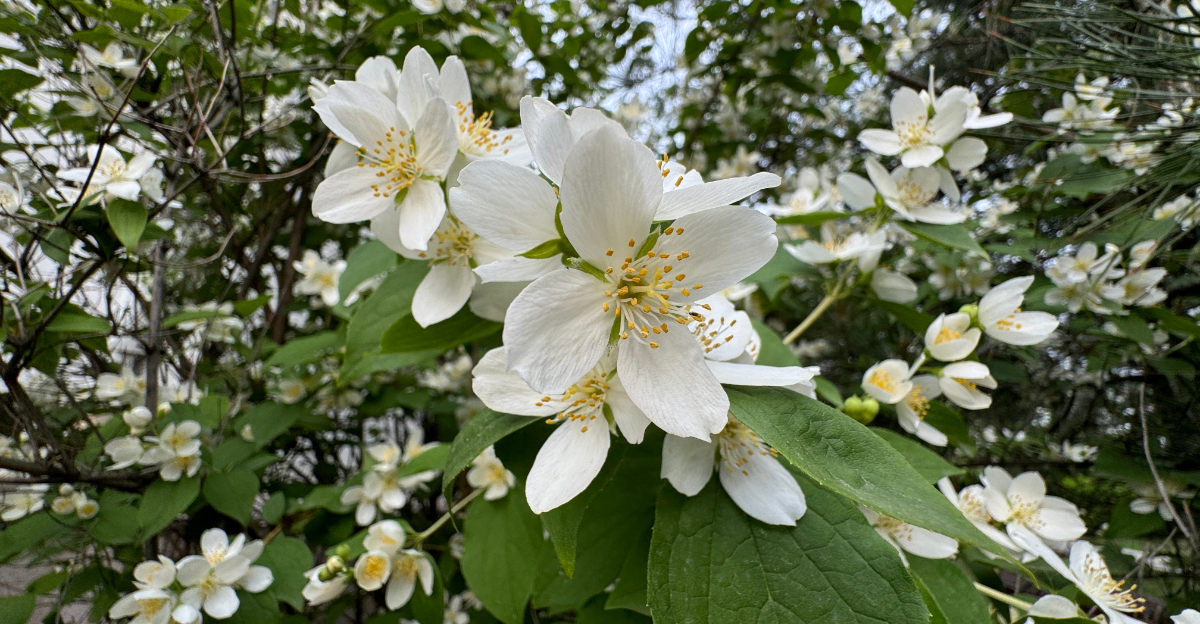
Some Ohio yards smell incredible in June and it has nothing to do with candles or sprays. It is just plants doing what they were built to do, releasing fragrance into the air on warm evenings, after a rain, during the hottest part of a summer afternoon.
That kind of scent is different from anything manufactured. It shifts with the breeze, hits you unexpectedly from across the yard, and makes the whole space feel more alive.
The plants responsible are not hard to grow and most of them ask for very little once they are established. June is peak season for fragrance in Ohio gardens and a handful of flowering plants are responsible for most of it.
Some are native, some are long-established garden favorites, all of them earn their spot without demanding attention. A yard that smells this good in June is not an accident.
It is just the right plants in the ground.
1. Sweetbay Magnolia Fills June Air With A Lemonlike Scent
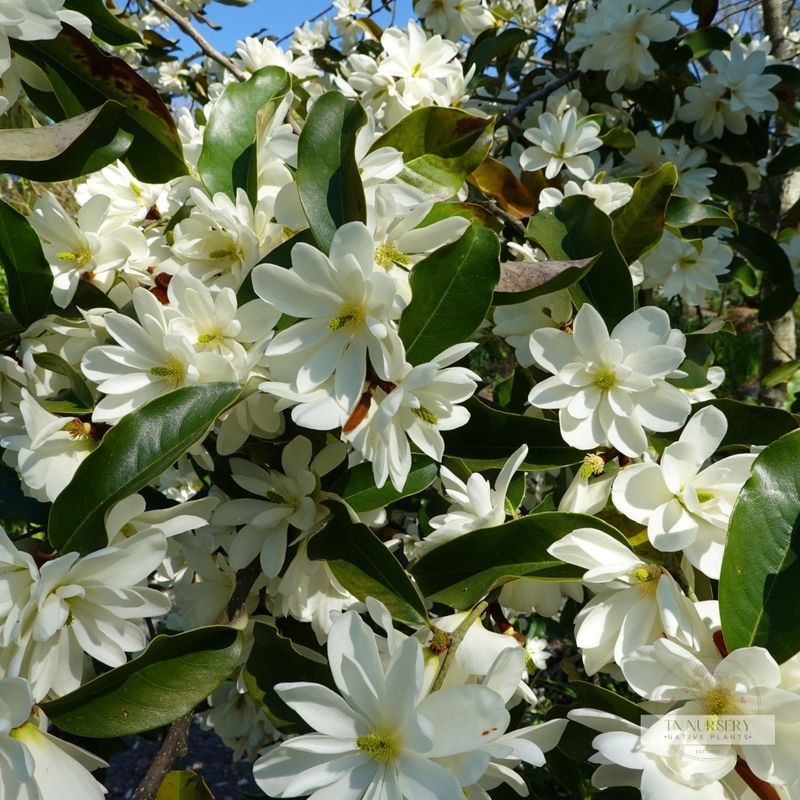
There is something almost dreamy about stepping outside on a warm June morning and catching a clean, lemony scent drifting from a tree you barely had to touch.
Sweetbay magnolia earns that moment with its creamy white, cup-shaped flowers that open in late spring through early summer.
The fragrance is soft and citrusy, not overwhelming, and it carries well on warm air.
This is a plant for larger yards. Sweetbay magnolia can grow into a sizeable tree or multi-stemmed large shrub, so tight spaces near foundations are not ideal.
It prefers moist but well-drained soil and does well in sun to part shade. Ohio State University Extension notes that magnolias generally appreciate good soil prep and consistent moisture while getting established.
In colder northern regions, a sheltered planting site helps protect flower buds from late frost damage. Southern and central parts of this state tend to give it a more reliable start.
Do not crowd it near structures. Give it space, plant it where you can see and smell it from a seating area, and let it mature at its own pace.
Once established, it rewards patience with very little demand.
2. Mock Orange Turns Early Summer Into A Fragrant Cloud
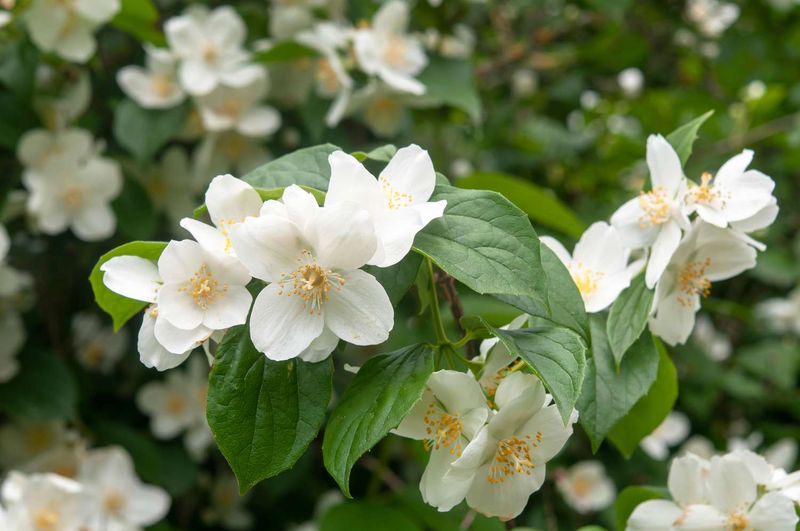
Old-fashioned gardens in this state have leaned on mock orange for generations, and for good reason. When a well-chosen cultivar is in full bloom, the scent can genuinely stop you at the garden gate.
The white flowers are simple and bright, and the fragrance carries a sweetness that many people compare to orange blossoms or jasmine. It blooms right at the turn from late spring to early summer, hitting its peak when June is fresh.
One thing worth knowing before you plant: fragrance strength varies a lot by cultivar. Some mock orange shrubs sold at garden centers have been bred for showier flowers but weaker scent.
Look for named fragrant cultivars and read descriptions carefully before buying. A shrub that does not smell is a missed opportunity in a spot that could be doing much more for your yard.
Your Ohio Garden Changes Every Week. Your Plan Should Too.
Gardening in Ohio changes quickly throughout the season. Every Friday you’ll receive a simple weekly plan showing exactly what to plant, prune, fertilize, harvest, and protect so you never miss the right timing.
Mock orange performs best in full sun to part sun with well-drained soil. It is not fussy about soil type as long as drainage is reasonable.
Pruning should happen right after flowering, not in fall or early spring, since it blooms on old wood. Cutting it at the wrong time means fewer flowers next year.
Shape lightly, not heavily, to keep it productive.
3. Peonies Perfume The Yard Before Their Bloom Show Fades
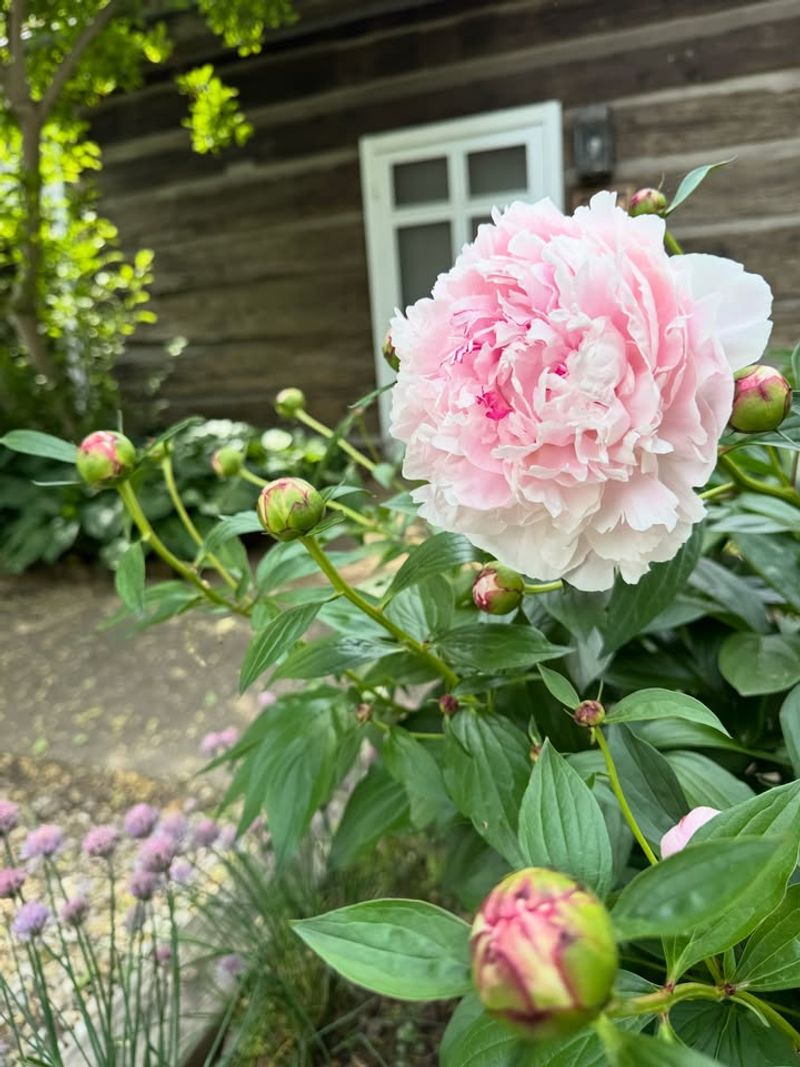
Few things in a June garden feel as generous as a peony in full bloom. The flowers are enormous, the colors range from white to deep rose, and on a still morning, the fragrance can drift across an entire garden bed.
Peonies are long-lived perennials that can bloom for decades when planted correctly, making them one of the best investments a Buckeye State gardener can make.
Fragrance does vary by cultivar, so it matters which one you choose. Many double-flowered varieties are strongly scented, but not every peony smells the same.
Full sun is a firm requirement for strong bloom. Good drainage is equally important since peonies struggle in wet, poorly drained soil.
Planting depth is critical too: the eyes, those reddish buds near the roots, should sit no more than one to two inches below the soil surface. Planting too deep is one of the most common reasons peonies refuse to bloom.
Support rings placed early in spring prevent the heavy flowers from flopping after rain. If you want a tidier look, remove spent blooms once they finish.
Avoid wetting the foliage when watering, since damp leaves in humid summer air can invite disease. Peonies bloom in late spring to early June depending on variety and location, so timing varies across the state.
4. Garden Phlox Adds Sweet Scent As Summer Starts Building
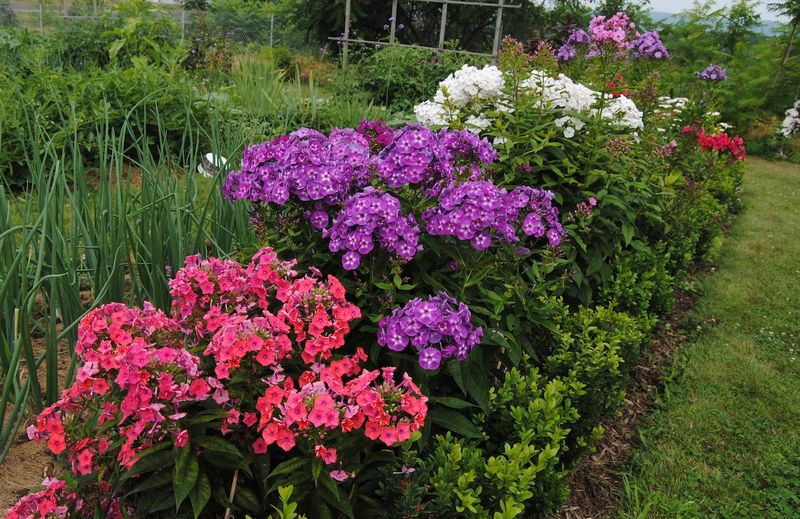
Garden phlox is one of those plants that pulls double duty in a summer border. The tall flower clusters come in shades of pink, white, lavender, and red.
Many varieties carry a sweet, slightly spicy fragrance that you notice most in the evening or on a warm, still afternoon. It starts blooming as early summer builds and can carry its scent into midsummer depending on the variety.
Pollinators love it. Butterflies in particular are drawn to the flat-topped flower clusters, making it a practical choice for anyone building a pollinator-friendly border.
Garden phlox does well in full sun to part sun with regular moisture and reasonably fertile soil. The biggest challenge in Ohio gardens is powdery mildew, a fungal issue that thrives in the humid conditions this state is known for during summer.
Spacing plants properly so air can move freely around them makes a real difference. Avoid crowding phlox against fences or other plants.
Watering at the base rather than overhead helps keep foliage drier and reduces mildew pressure. Choosing mildew-resistant cultivars when you shop is the smartest move.
Plant garden phlox near a patio or path so the evening fragrance is within easy reach when you are actually outside to enjoy it.
5. Wild Bergamot Brings Minty Fragrance To Sunny Borders
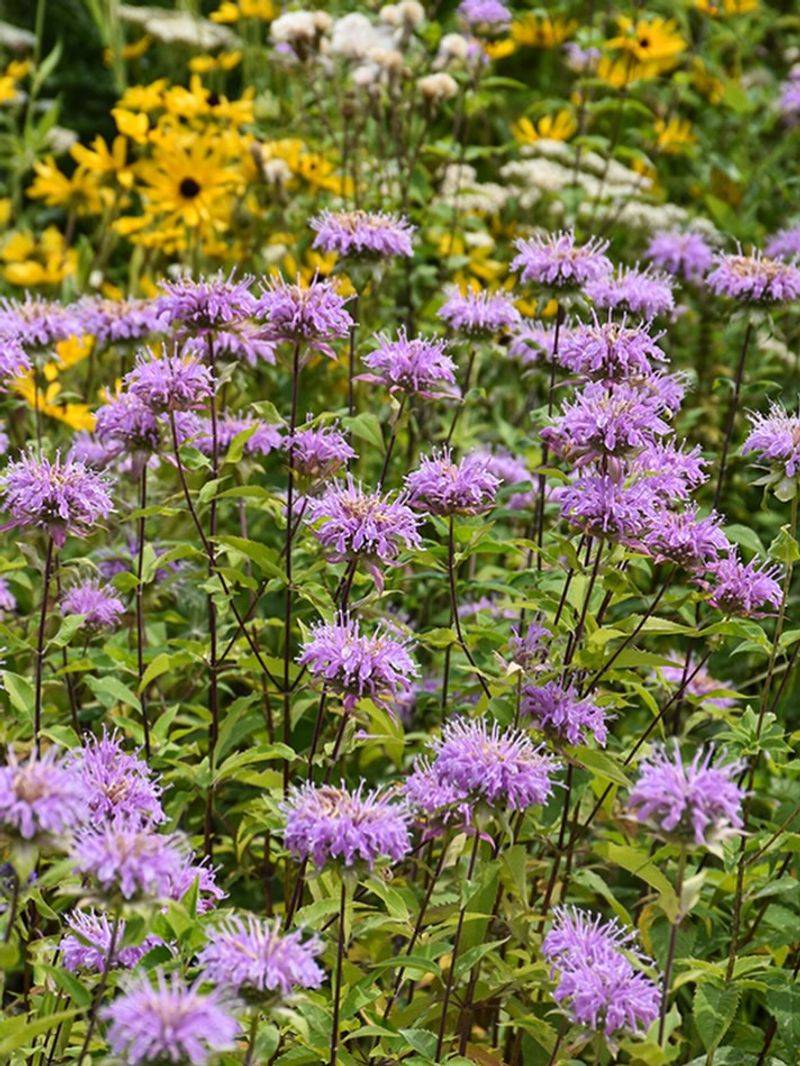
Wild bergamot is one of those native perennials that earns its place in a garden on multiple levels. The lavender-pink blooms are cheerful and informal, and the plant attracts a remarkable range of native bees and butterflies.
The foliage also carries a minty, herbal scent that gets especially noticeable when warmed by the sun or brushed by a passing arm or leg. It is native to Ohio and widely recommended by Ohio State University Extension for pollinator and meadow-style plantings.
The fragrance here is more personal than yard-wide. Do not expect it to scent the whole garden the way mock orange or peonies might.
The scent comes mostly from the foliage and flowers when you are near them, especially on warm days. Plant it along a path, at a border edge, or near a gate where you will brush against it regularly and actually get to enjoy that herbal quality.
Wild bergamot thrives in full sun and well-drained to average soil. Like garden phlox, it can be susceptible to powdery mildew in humid conditions, so good airflow around the plants matters.
Do not overwater it or plant it in heavy, wet clay. Once established, it is quite self-sufficient and spreads gradually to form a productive clump over time.
6. Lavender Scent Drifts Best From Hot, Sunny Spots
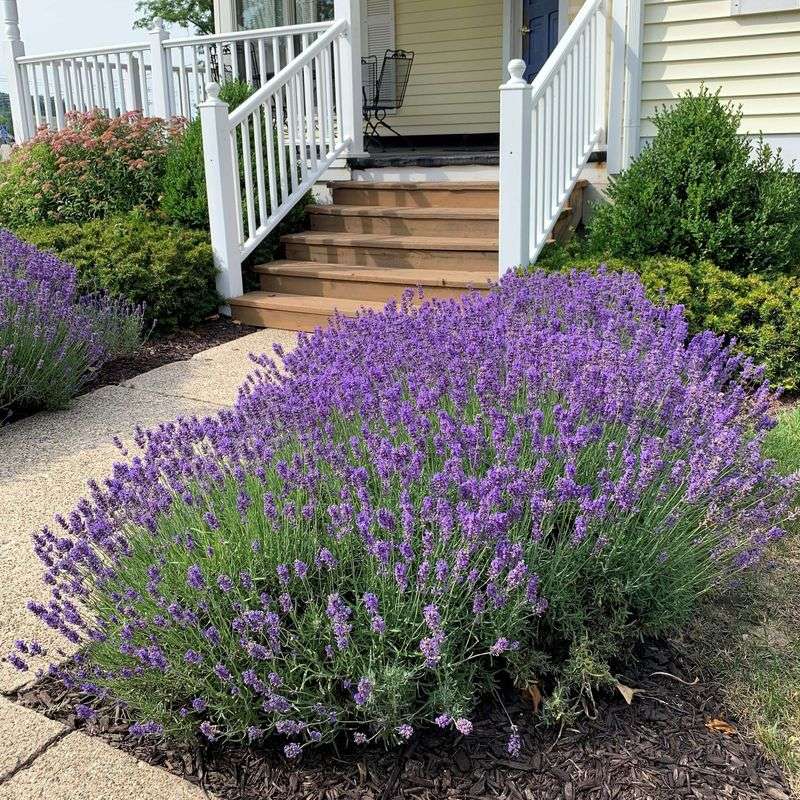
Lavender has a scent so recognizable that just seeing the plant can make you imagine it. The cool, herbal fragrance drifts best on hot afternoons when the sun has warmed the flower spikes and foliage.
For gardeners who get the conditions right, it can be one of the most rewarding low-maintenance plants in a June bed or border. Getting those conditions right is the real work.
Lavender is not native to this state and it is not naturally suited to the heavy clay soils or humid, wet winters that many locations deliver. It needs excellent drainage above everything else.
A raised bed, a gravelly slope, a container with fast-draining mix, or a sandy sunny spot near a south-facing wall gives it the best chance. Planting it in poorly drained clay or a low spot that holds moisture through winter is the fastest way to lose it.
Do not crowd lavender. Good airflow reduces humidity around the plants and helps them stay healthier through summer.
Avoid overwatering once it is established since lavender is naturally drought-tolerant and prefers to dry out between waterings. Place it near a walkway, patio edge, or seating area so the scent is where you actually spend time.
Harvesting stems before flowers fully open keeps the plant tidy and extends fragrance into the house.
7. Dianthus Packs Spicy Fragrance Into Small June Blooms
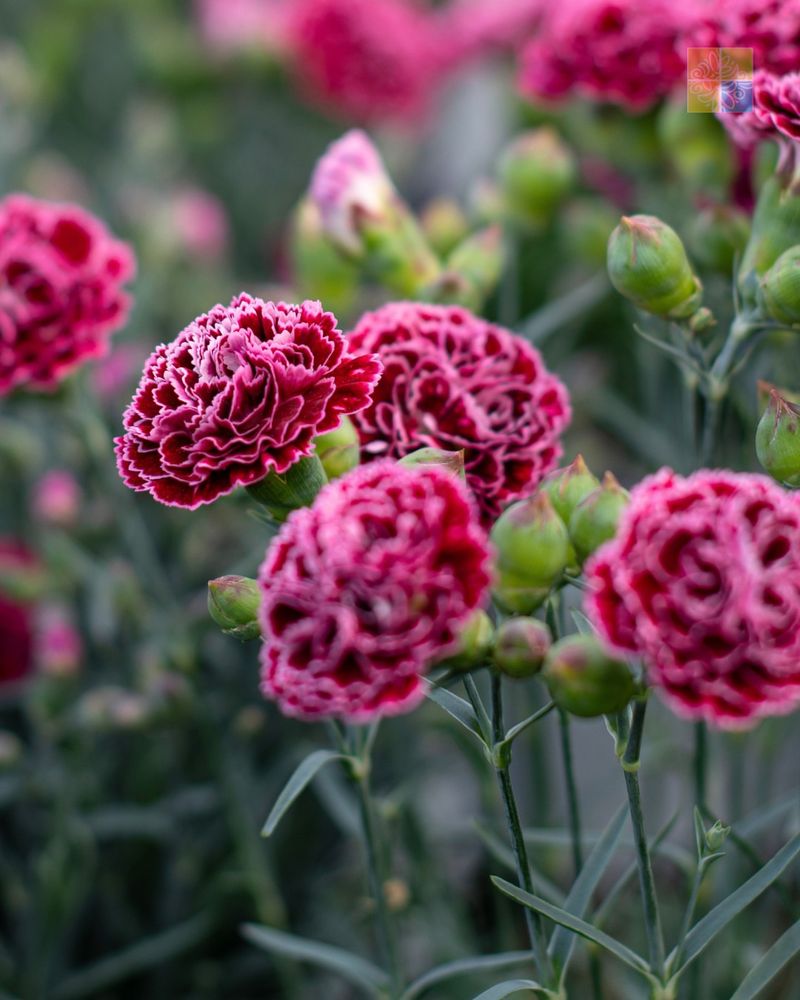
Dianthus might be small, but the fragrance it carries is punchy and distinctive. The clove-like, spicy scent is one of the most pleasant surprises for new gardeners who pick it up at a nursery without knowing much about it.
Planting it somewhere people actually walk near is the key to enjoying it fully since the scent is strongest up close rather than across the yard.
Walkway edges, patio containers, rock gardens, and sunny front-border strips are all excellent spots. The compact size makes it easy to tuck into gaps where taller plants would look awkward.
Dianthus prefers full sun and well-drained, slightly alkaline soil. It does not perform well in soggy ground or shaded spots, and humid summers can shorten its life if drainage is poor.
Fragrance varies by cultivar, so look for varieties specifically described as fragrant when shopping. Not every dianthus sold at garden centers smells strongly, and some modern hybrids have been selected more for color than scent.
Planting in groups rather than single plants gives you a better chance of noticing the fragrance as you walk by. After the main bloom flush, a light shearing can encourage a second round of flowers on some varieties later in summer.
8. Sweet William Makes Cottage Garden Beds Smell Richer
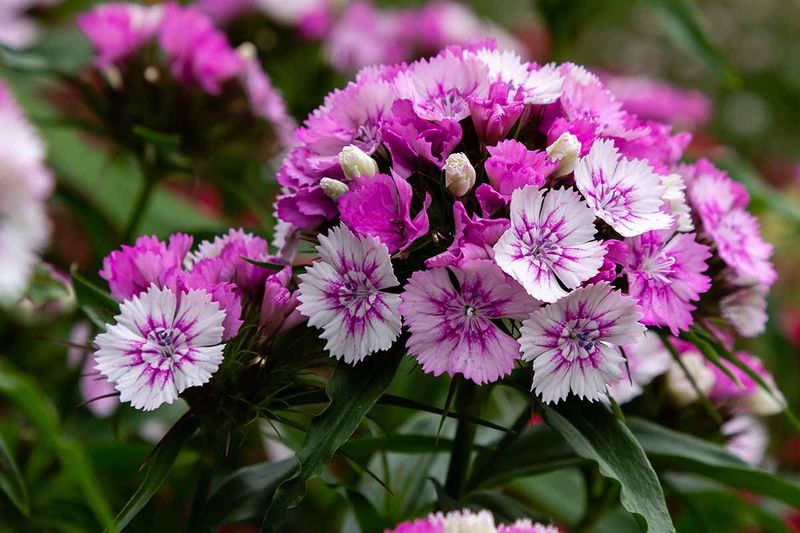
Sweet William has the kind of old-fashioned charm that feels right at home in a cottage garden, a front porch bed, or a border running along a garden path.
The clustered flowers come in rich reds, pinks, whites, and bicolors, and the scent is spicy and sweet in a way that feels genuinely nostalgic.
Planted in groups near a seating area or along a path edge, it adds a richness to a June garden that is hard to replicate with purely ornamental plants.
It is typically grown as a biennial or short-lived perennial. That means the first year often brings foliage, and the second year delivers the flowers.
In some gardens it reseeds reliably enough to maintain a presence year after year without replanting. This depends on site conditions and how much the seedbed is disturbed.
It is not native to this state, but it has a long history as a reliable cottage ornamental.
Full sun and good drainage are the main requirements. Avoid planting it where water pools or where clay holds moisture through cool spring weather.
Placing Sweet William near a path, gate, or seating area lets the spicy fragrance reach you naturally as you move through the garden. Let a few plants go to seed at the end of the season if you want it to return next year.