Native Tennessee Trees That Shade Your Yard Without Cracking Sidewalks
Your neighbor’s silver maple looked stunning for years. Then the sidewalk started lifting, the driveway cracked, and the repair bills followed.
Tree roots don’t ask permission. They follow water and nutrients wherever those lead, straight under your concrete if that’s what it takes. You don’t have to choose between shade and intact hardscape.
Tennessee’s native trees have spent thousands of years adapting to this exact climate. They know the soil, the rainfall patterns, and the brutal summer heat. Several of them come with root systems that stay where they belong.
Choosing the right tree from the start saves you from a headache that can take years to fully fix. Just a solid canopy overhead and a yard that actually works for you.
These seven natives deliver serious shade, support local wildlife, and leave your hardscape exactly where you put it.
1. Eastern Redbud
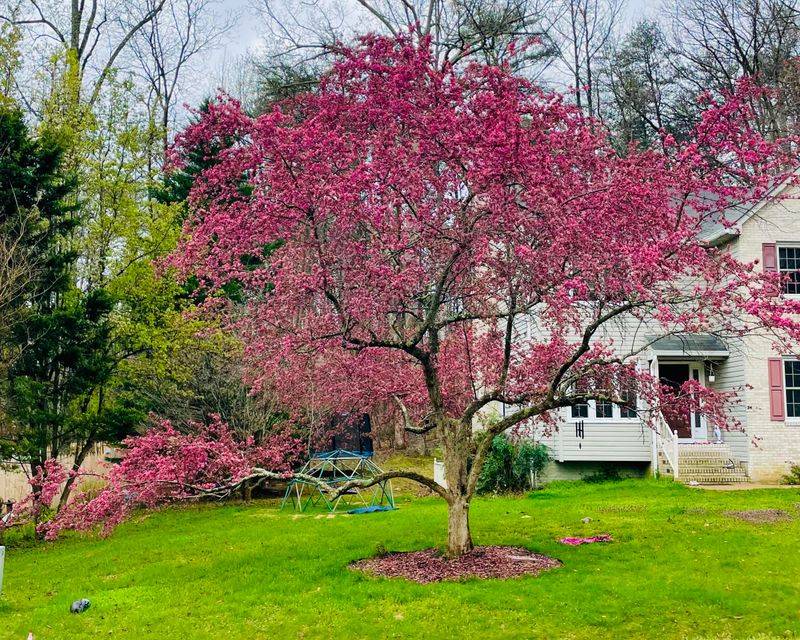
Spring has a way of showing off, and the Eastern Redbud leads the parade. Before its leaves even appear, the entire tree explodes in hot pink blooms.
This native Tennessee tree is one of the best choices for yards near sidewalks. Its root system stays relatively shallow and non-invasive, so your pavement stays intact.
Reaching about 20 to 30 feet tall, it offers a nice canopy without overwhelming a small yard. The heart-shaped leaves that follow the flowers add a soft, romantic look all summer long.
Eastern Redbuds also attract pollinators like crazy. Bees and butterflies flock to the blooms each spring, turning your yard into a buzzing, beautiful scene.
Fall brings its own quiet reward. The leaves shift to a warm yellow before dropping, giving you one last show before the tree goes bare for winter.
These trees thrive in partial shade or full sun and handle Tennessee clay soil surprisingly well. They are drought-tolerant once established, which saves you watering time during hot summers.
Planting one near a patio or walkway gives you dappled shade without root headaches. The tree grows in a graceful, rounded shape that frames any outdoor space beautifully.
One fun fact: the flowers are actually edible and slightly tangy. Some folks toss them into salads for a colorful, springtime twist.
If you want a native Tennessee tree that shades your yard without cracking sidewalks, the Eastern Redbud is a top pick. It rewards you with beauty from the very first warm week of the year.
2. American Hornbeam
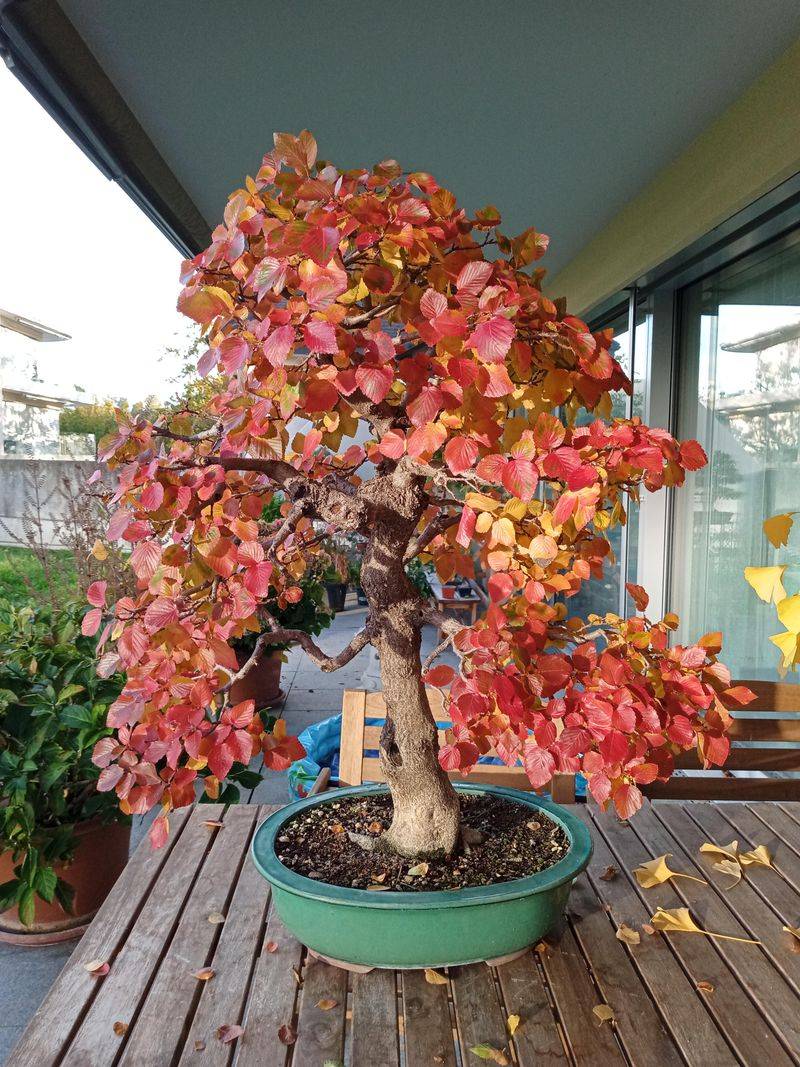
Nicknamed the musclewood tree, the American Hornbeam has bark that looks like flexed biceps. It is one of the most underrated native trees in the whole region.
This slow-growing understory tree reaches about 20 to 35 feet tall at maturity. That moderate size makes it perfect for smaller yards where a massive oak would feel overwhelming.
The root system is relatively compact and well-behaved, posing minimal threat to sidewalks or foundations. You can plant it close to pathways without losing sleep over future repairs.
American Hornbeam thrives in moist, shady spots that most other trees would struggle with. Got a low spot in your yard that stays damp? This tree will actually love it there.
Your Tennessee Garden Changes Every Week. Your Plan Should Too.
Gardening in Tennessee changes quickly throughout the season. Every Friday you’ll receive a simple weekly plan showing exactly what to plant, prune, fertilize, harvest, and protect so you never miss the right timing.
The foliage turns brilliant shades of orange and red each fall. Your neighbors will be stopping on the sidewalk to admire the show every October.
Birds are huge fans of this tree too. Finches, woodpeckers, and wild turkeys feast on its small nutlets throughout the colder months.
Even in winter, the American Hornbeam earns its place in the yard. That distinctive fluted bark becomes the main attraction once the leaves are gone, giving the landscape real structure through the coldest months.
The wood itself is incredibly hard and dense, hence the name musclewood. Native Americans historically used it for tool handles and small wooden implements.
For gardeners who want a native Tennessee tree that shades your yard without cracking sidewalks, this one checks every box. It is tough, wildlife-friendly, and genuinely beautiful through all four seasons.
Plant it where it gets morning sun and afternoon shade. Give it consistent moisture in the first year, and it will handle itself from there.
3. Serviceberry
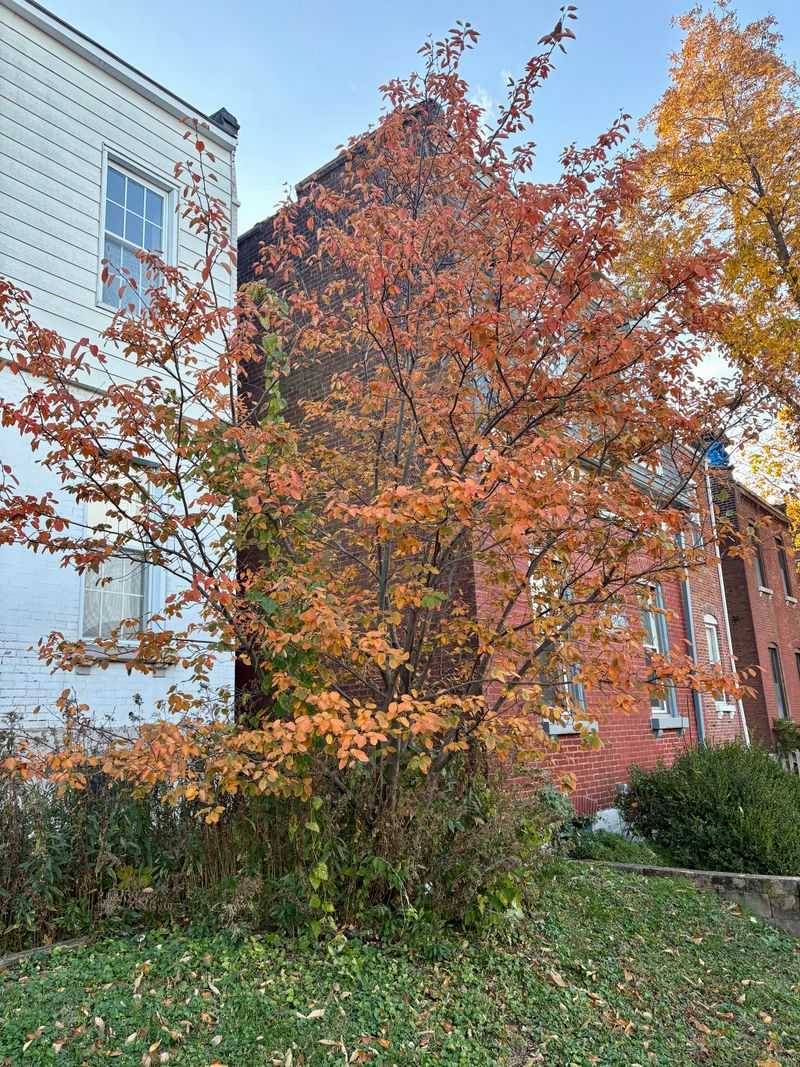
Serviceberry blooms before almost anything else in spring, and that early show is genuinely breathtaking. White flowers dust the branches like fresh snow while everything else is still waking up.
Also called Juneberry or Shadbush, this native tree grows 15 to 25 feet tall depending on the variety. That modest height keeps it manageable for most suburban yards.
The roots are fine and fibrous rather than thick and aggressive. That means sidewalks, driveways, and garden borders stay safe year after year.
By early summer, the tree produces small red to purple berries that taste like blueberries with a hint of almond. Birds go absolutely wild for them, but you can beat the birds to a handful if you are fast.
Serviceberry handles a wide range of soil types and moisture levels. Whether your yard runs wet or dry, this tree adapts without much fuss.
Fall color is another strong selling point. The leaves shift to warm shades of orange, gold, and red that rival even the showiest maples.
This tree works beautifully as a multi-stem specimen or as a single-trunk small tree near a patio. Either way, it adds four-season interest without taking over the space.
Serviceberry can support over 100 species of caterpillars, making it a powerhouse for local food webs. Planting one is genuinely one of the best things you can do for backyard wildlife.
For native Tennessee trees that shade your yard without cracking sidewalks, Serviceberry earns its spot on every list. It is productive, pretty, and completely pavement-friendly.
4. Sweetbay Magnolia
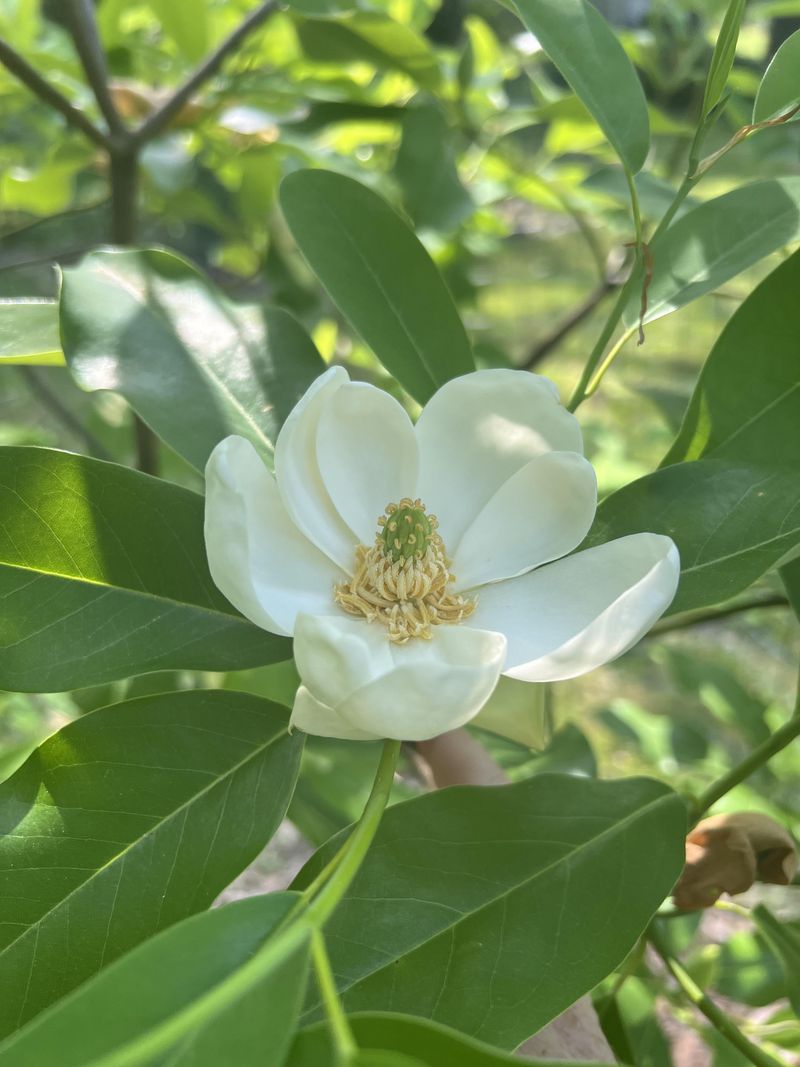
Creamy white flowers that smell like vanilla and lemon combined? Yes, that is exactly what Sweetbay Magnolia brings to your yard. It is the kind of tree that makes you stop and breathe deeply every single time you walk past.
Unlike its larger cousin the Southern Magnolia, Sweetbay stays compact. It typically tops out between 10 and 35 feet, depending on whether it grows as a shrub or a tree form.
The root system is fleshy but not destructive. Roots tend to grow downward rather than spreading aggressively outward, making it a sidewalk-safe choice.
Sweetbay Magnolia loves wet or moist soil conditions. If you have a low area in your yard that holds water after rain, this tree is practically made for that spot.
The blooms appear from late spring through summer, giving you months of fragrance rather than just a brief two-week window. That extended bloom time is rare and seriously appreciated.
Most shade trees give you one season worth talking about. Sweetbay gives you something to notice in every single month of the year, from the first buds in May to the red seed clusters that hang on well into autumn.
Semi-evergreen in Middle Tennessee, it holds its glossy leaves well into winter in milder years. The silvery undersides of the leaves shimmer when the breeze picks up, adding a subtle, almost magical movement to the yard.
Wildlife also benefit from this tree. Birds eat the bright red seeds that follow the flowers, and the dense branching provides excellent nesting cover.
If you want native Tennessee trees that shade your yard without cracking sidewalks, Sweetbay Magnolia is a fragrant, elegant solution. Plant it near a window or porch where you can enjoy that scent all season long.
5. Black Gum
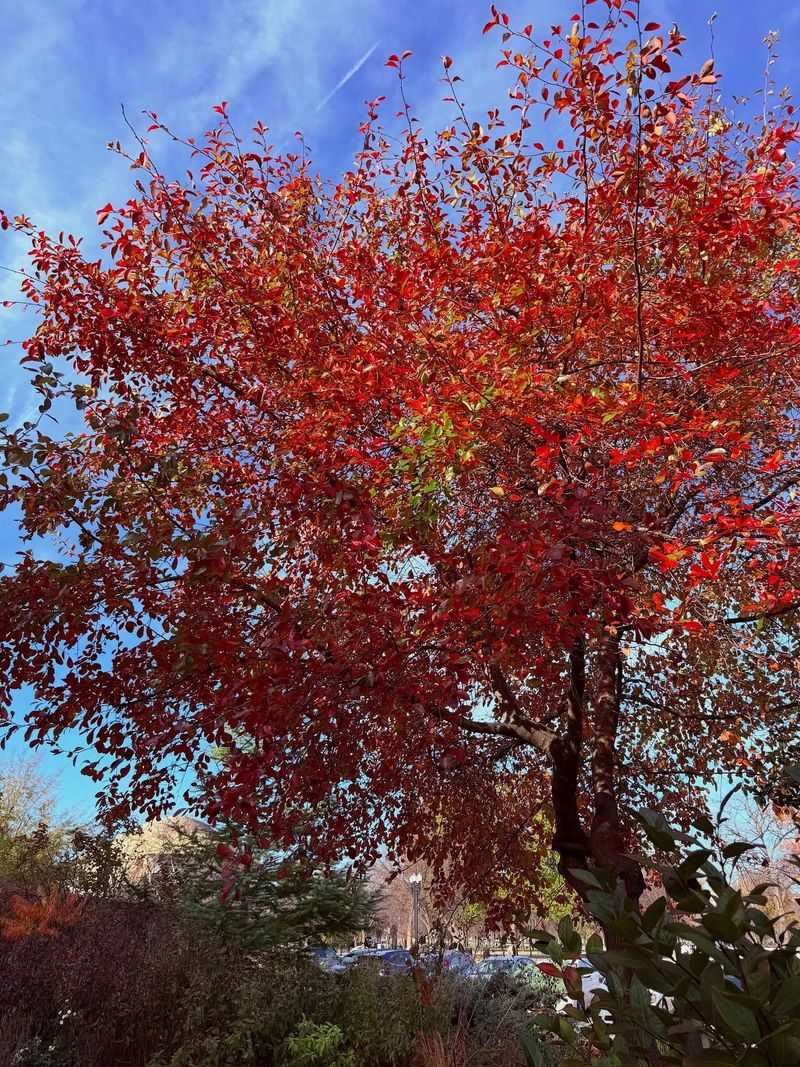
Want the most jaw-dropping fall color of any native tree? Black Gum wins that contest almost every year. The leaves shift from deep green to blazing scarlet earlier than nearly any other tree in the yard.
Also called Blackgum or Tupelo, this tree grows 30 to 50 feet tall with a straight, upright form. That columnar shape makes it ideal for narrower spaces along property lines or near driveways.
Its root system is deep and taproot-driven rather than surface-spreading. That growth pattern keeps roots well away from sidewalks, foundations, and buried pipes.
Black Gum is one of the longest-living native trees in eastern North America. Some specimens are believed to live well over 500 years, which puts your backyard planting in a pretty grand perspective.
The small blue-black fruits that appear in fall attract over 30 species of birds. Migrating birds regularly stop to feast on the fruits during their fall journey.
Summer is quieter, but no less worthwhile. The glossy dark green leaves create a dense, cooling canopy that earns its keep through the hottest months before the fall transformation begins.
This tree prefers moist, well-drained soil but tolerates periodic flooding. Wet spots in your yard that frustrate other plantings are exactly where Black Gum thrives.
Pollinators love the small spring flowers, even though they are not flashy. Bees visit heavily during bloom time, making this a productive tree from top to bottom.
Among native Tennessee trees that shade your yard without cracking sidewalks, Black Gum stands tall in every sense. Plant one where you can see it from a window, and fall will never look the same again.
6. American Fringe Tree
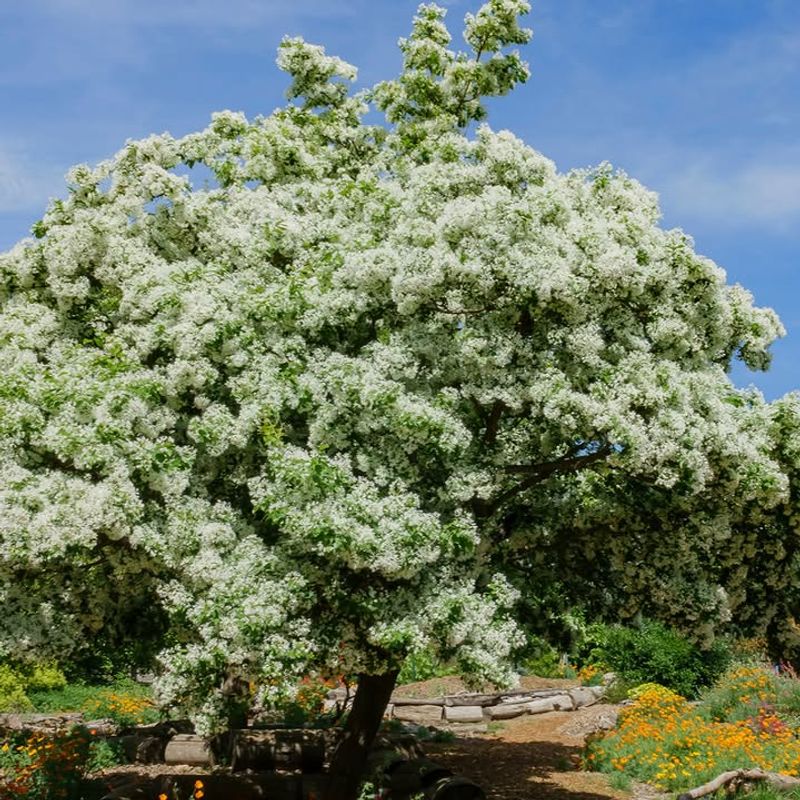
Few trees stop people in their tracks quite like the American Fringe Tree in full bloom. The clusters of wispy white flowers look like someone draped the whole tree in soft, snowy fringe.
Blooming in late spring after most other flowering trees have finished, it fills a gap in the garden calendar perfectly. You get showstopping beauty at a time when things can start to feel a little quiet.
This native small tree or large shrub grows 12 to 20 feet tall. That manageable size makes it an excellent choice for planting near patios, walkways, or even under power lines.
The root system is well-behaved and non-invasive. Sidewalks and garden paths stay smooth and safe even when the tree is planted just a few feet away.
American Fringe Tree is dioecious, meaning male and female flowers grow on separate plants. Female trees produce clusters of dark blue berries in late summer that birds devour enthusiastically.
It grows slowly but steadily, adding roughly 6 to 10 inches per year under good conditions. Slow growth also means fewer pruning headaches and a longer lifespan overall.
This tree handles a wide range of soils, from sandy to clay-heavy, as long as drainage is reasonable. It also tolerates air pollution well, making it a smart pick for suburban neighborhoods with heavy traffic nearby.
For anyone seeking native Tennessee trees that shade your yard without cracking sidewalks, the Fringe Tree is a stunning, low-drama option. Once it blooms, you will wonder why it took you so long to plant one.
7. Sourwood
Sourwood honey is widely regarded as one of the finest varietal honeys in North America, and it all starts in your backyard. This native tree produces long, drooping clusters of white flowers that bees find completely irresistible.
The blooms appear in midsummer, a time when most other flowering trees have long finished. That late-season nectar source makes Sourwood incredibly valuable to local bee populations.
Growing 20 to 30 feet tall with a narrow, pyramidal form, it fits well into most residential yards. The upright shape means it shades without spreading aggressively into neighboring spaces.
Root growth is well-contained and non-aggressive, posing minimal risk to sidewalks or driveways. You can plant it close to paved surfaces without worrying about future cracking or heaving.
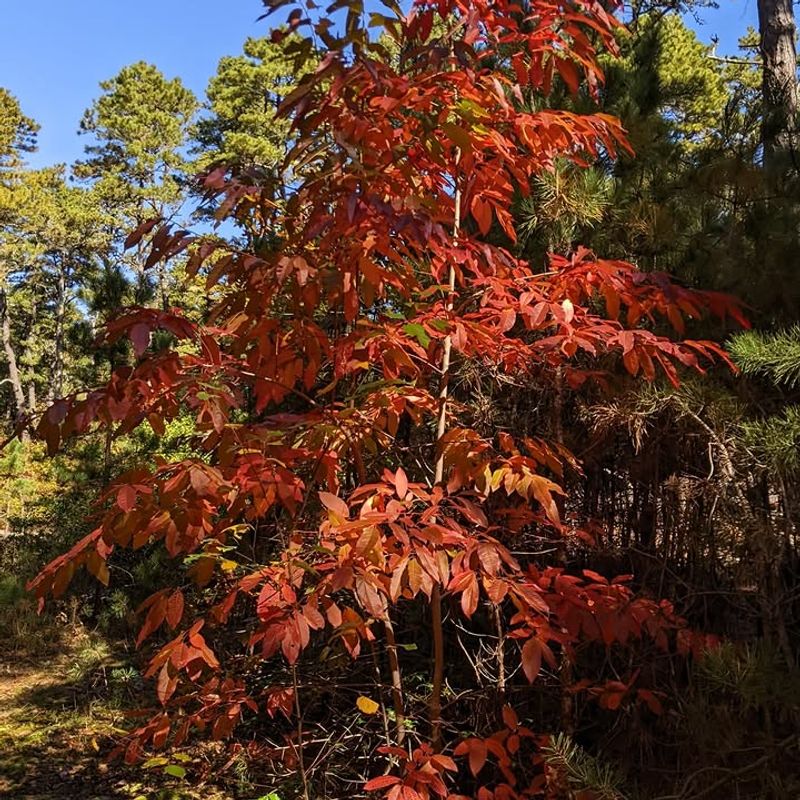
Fall color on Sourwood is nothing short of spectacular. The leaves turn deep crimson and burgundy, often while the seed capsules are still hanging on the branches in creamy white clusters.
That combination of red leaves and white seed pods creates a two-toned display unlike anything else in the fall landscape. It is genuinely one of the most striking sights in a Tennessee autumn garden.
Sourwood prefers acidic, well-drained soil, which is common across much of the region. Once established, it handles drought reasonably well and needs minimal care beyond occasional shaping.
Among native Tennessee trees that shade your yard without cracking sidewalks, Sourwood brings something extra special to the table. Plant it where pollinators can find it easily, and you will be helping the whole neighborhood ecosystem thrive.