These Are The Michigan Plants That Look Finished In Spring But Aren’t, Here’s How To Tell
Spring in Michigan moves fast, and it is easy to pull or replace something that looks finished before it has had a chance to show what it actually does.
Several popular garden plants emerge slowly, look rough after winter, or go through a dormant stretch at an unusual time that makes them easy to mistake for something that did not survive the cold.
Acting too quickly on those plants costs the garden something worth keeping, sometimes a perennial that took years to establish or a native plant that would have filled a difficult spot beautifully.
Knowing which Michigan plants naturally look rough or sparse in spring, and understanding the specific signs that separate a plant in distress from one simply waking up on its own schedule, prevents a frustrating and sometimes irreversible mistake.
Here is exactly what to look for before you reach for the shovel this season.
1. Peonies
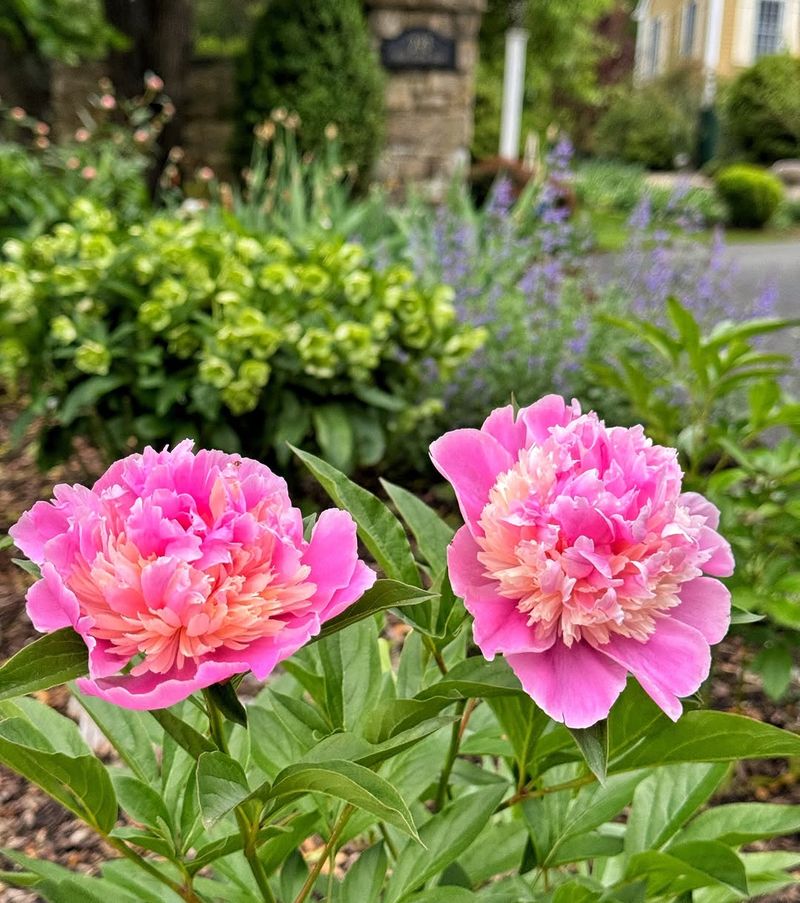
Few plants get as much attention during their bloom season as peonies, and then get ignored as quickly once those flowers fade.
Paeonia lactiflora puts on a jaw-dropping show in late spring, but once the petals drop, many Michigan gardeners assume the plant is finished for the year. That assumption can lead to some real mistakes.
After blooming, peony foliage stays green and active all the way through summer and into fall. The leaves are quietly photosynthesizing and sending energy down into the roots, building up the reserves that will fuel next year’s flowers.
Cutting the foliage back too early is one of the most common reasons peonies produce fewer blooms the following spring.
Healthy post-bloom peonies should have full, deep green leaves with no major spots or wilting. Some yellowing at the very end of fall is completely normal as the plant prepares for dormancy.
If you notice brown spots, unusual streaking, or leaves curling during summer, that could point to botrytis blight or a fungal issue worth addressing. The best thing you can do after bloom is leave the foliage alone.
Water regularly during dry spells, avoid piling mulch against the crown, and wait until the first hard frost before cutting stems back. Your patience now means a stunning bloom next May.
2. Daffodils
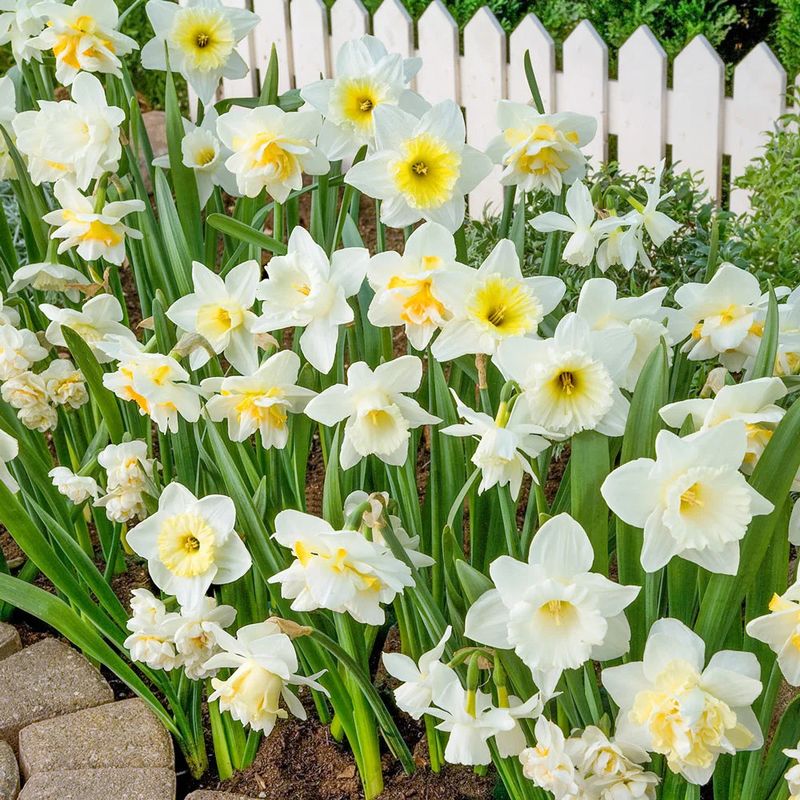
Daffodils are one of spring’s biggest crowd-pleasers, but once the flowers are gone, those long floppy leaves can look pretty rough. Narcissus spp. foliage turns yellow, flops over, and looks messy for several weeks after blooming.
It is tempting to tidy things up by cutting or braiding the leaves, but doing so can seriously weaken the bulb.
Here is what is actually happening: after blooming, the leaves are the bulb’s only way to absorb sunlight and convert it into stored energy. That energy feeds the bulb through summer dormancy and powers next spring’s bloom.
Removing or tying off foliage before it naturally yellows and browns on its own cuts that process short, often resulting in fewer flowers or smaller blooms the following year.
Normal daffodil decline looks like gradual yellowing that starts at the leaf tips and works its way down over four to six weeks. The leaves eventually turn papery and brown before falling away on their own.
Your Michigan Garden Changes Every Week. Your Plan Should Too.
Gardening in Michigan changes quickly throughout the season. Every Friday you’ll receive a simple weekly plan showing exactly what to plant, prune, fertilize, harvest, and protect so you never miss the right timing.
If you see dark streaking, mushy stems at the base, or a sour smell near the soil, that could indicate bulb rot or a narcissus fly problem worth investigating.
Planting daffodils near later-emerging perennials like hostas or daylilies is a smart strategy. Those plants fill in and hide the fading foliage naturally, keeping your garden looking tidy without harming the bulbs at all.
3. Virginia Bluebells
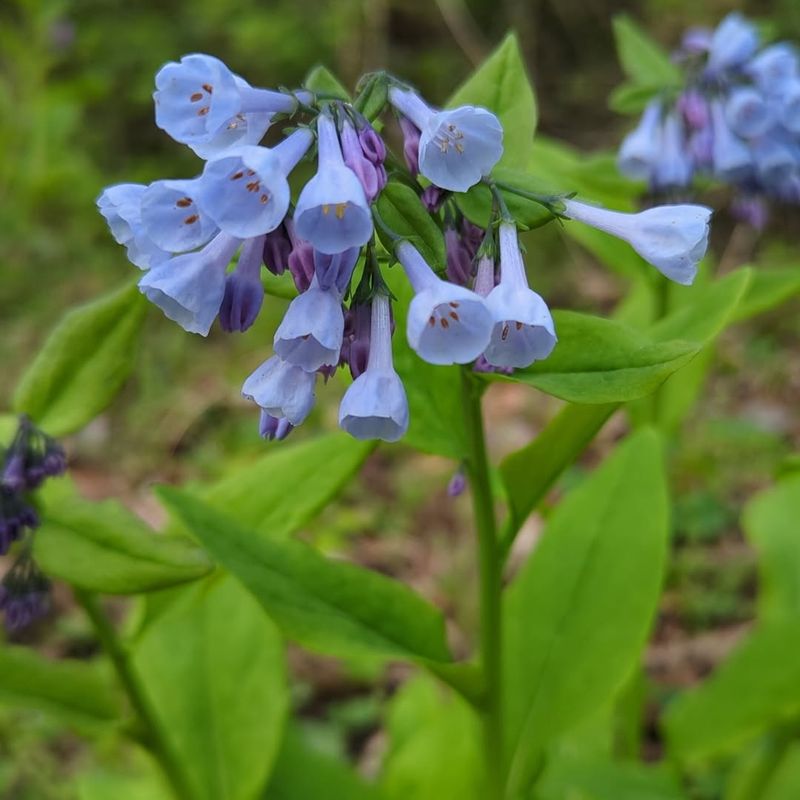
Virginia Bluebells have a bit of a magic trick up their sleeve. Mertensia virginica puts on a breathtaking display of soft blue-purple flowers in April and early May, and then, almost overnight, the entire plant vanishes.
No leaves, no stems, nothing. Just bare soil where a beautiful plant was blooming just weeks before. This is not a failure. It is actually a perfectly normal behavior called spring ephemeralism.
Virginia Bluebells complete their entire above-ground life cycle before the forest canopy closes in and shades them out. By the time summer arrives, the plant has already retreated underground into a dormant root system that will stay safely tucked away until next spring.
Gardeners who do not know this often panic and dig around looking for signs of life, which can accidentally damage or destroy the roots.
The best approach is to mark where your Virginia Bluebells are planted before they disappear, using a small stake or a nearby permanent plant as a reference point.
That way you avoid disturbing the area when planting summer annuals or doing fall cleanup. Healthy Virginia Bluebells simply vanish cleanly by early summer.
If you notice rotting stems, a foul smell at the soil line, or slimy foliage before the plant has had a chance to complete its cycle, that could indicate crown rot or slug damage. Otherwise, trust the process and let them do their thing.
4. Bleeding Heart
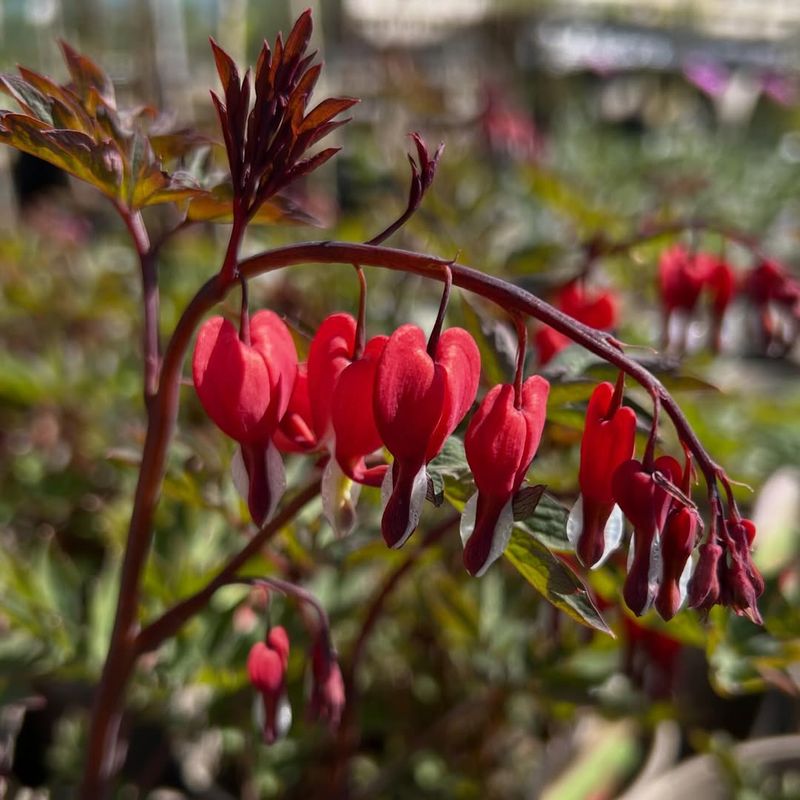
Old-fashioned Bleeding Heart is one of those plants that earns a lot of admirers in spring and then raises a lot of concern by midsummer.
Lamprocapnos spectabilis produces gorgeous arching stems of pink or white heart-shaped flowers in May, but as temperatures climb, the whole plant begins to look like it is giving up. Leaves turn yellow, stems go limp, and the plant often disappears entirely by late July.
This is actually very normal behavior, especially in sunnier Michigan garden spots. Bleeding Heart is a cool-season plant that naturally enters dormancy when summer heat arrives.
The foliage decline you see is the plant wrapping up its above-ground season, not a sign that something went wrong. Plants in shadier, cooler spots may hold their foliage longer into summer.
The tricky part is knowing the difference between natural dormancy and drought stress or disease. Natural decline happens gradually, starting with yellowing lower leaves that slowly work upward over several weeks.
Drought stress or fungal problems tend to cause more sudden wilting, brown crispy edges, or dark spotting on leaves that have not yet started their normal yellow progression.
Planting hostas, ferns, or astilbe nearby is a classic trick for filling the gap Bleeding Heart leaves behind.
These companions thrive in the same shady conditions and expand right into the space as summer progresses, keeping the garden looking full and lush without missing a beat.
5. Tulips
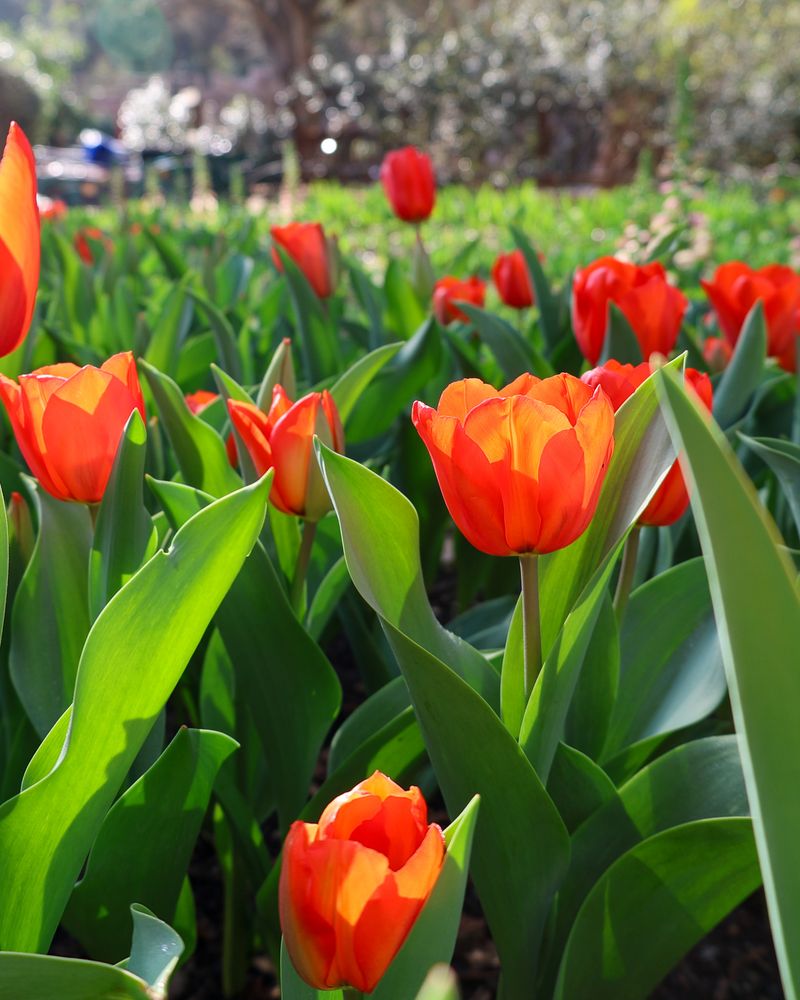
Tulips are the rock stars of the spring garden, and then they fade fast. Once Tulipa spp. finishes blooming, the foliage turns yellow and flops around in a way that looks pretty uninviting.
Michigan gardeners often want to clean things up right away, but cutting that foliage back too soon can seriously affect how well bulbs perform in future seasons.
Just like daffodils, tulip leaves are working hard after the flowers are gone. Photosynthesis continues in those fading leaves, sending carbohydrates down into the bulb to replenish what was spent on this year’s bloom.
Removing leaves before they naturally yellow and brown reduces the bulb’s stored energy, which often means smaller flowers or no flowers at all the following spring.
One thing Michigan gardeners should know is that tulips behave differently depending on variety. Species tulips and Darwin Hybrid varieties tend to come back reliably for several years.
Many large hybrid tulips, however, tend to perform best in their first or second season and gradually produce fewer blooms over time regardless of care. That is just their nature in our climate, not a gardening mistake.
To tell normal foliage decline from a real problem, watch the timing. Natural yellowing takes several weeks after bloom and progresses evenly.
Sudden collapse, mushy stems, or a foul smell near the soil line during or right after bloom season may indicate tulip fire fungus or basal rot, both worth addressing before they spread to neighboring bulbs.
6. Dutchman’s Breeches
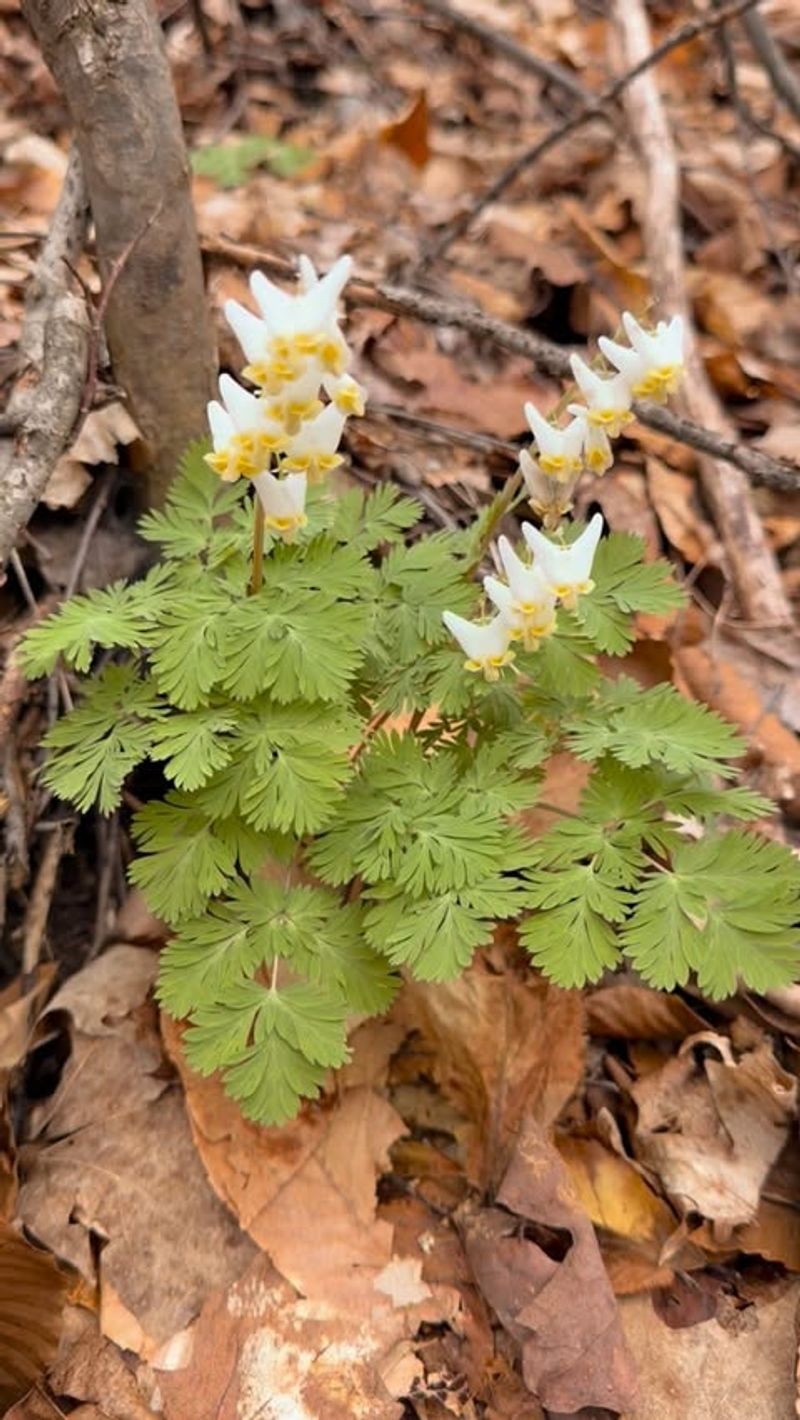
Dutchman’s Breeches is one of Michigan’s most charming native wildflowers, and also one of the easiest to accidentally lose.
Dicentra cucullaria blooms in April with the most whimsical little white flowers that look exactly like tiny upside-down pantaloons hanging on a line.
The feathery blue-green foliage is equally lovely. And then, just like that, the whole plant is gone by June.
This is a true spring ephemeral, meaning it evolved to complete its entire above-ground season before the forest canopy leafs out and sunlight becomes scarce on the woodland floor.
Once temperatures warm and shade increases, Dutchman’s Breeches retreats completely underground.
The small corm-like tubers sit dormant all summer, fall, and winter, waiting for the right conditions to emerge again the following spring.
The biggest risk for this plant is accidental disturbance during its dormant period. Gardeners who do not mark where it grows often dig into the area in summer, not realizing the tubers are right there beneath the soil surface.
Marking the spot with a small labeled stake in early spring, before the plant disappears, is the single most helpful thing you can do to protect it.
Healthy Dutchman’s Breeches disappears gradually and cleanly, with foliage yellowing and collapsing naturally over a few weeks.
If the plant collapses suddenly during blooming, or if stems look dark and water-soaked at the base, that could signal crown rot or excessive soil moisture problems worth correcting before next season.
7. Woodland Phlox
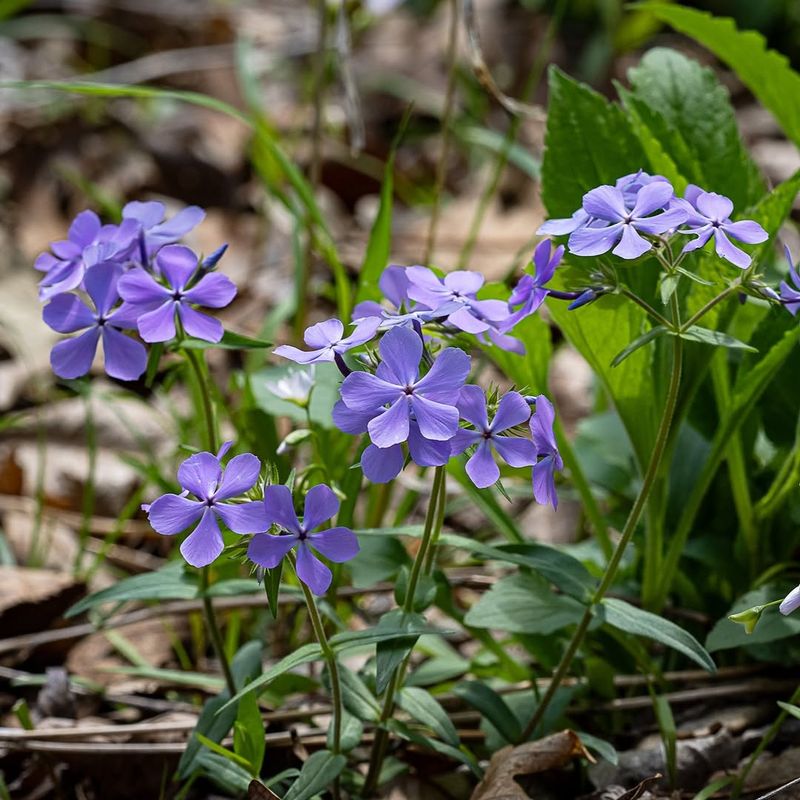
Woodland Phlox is a quiet workhorse in Michigan shade gardens.
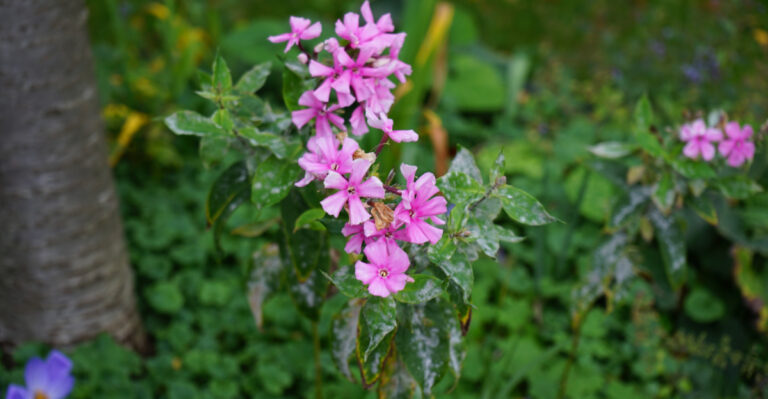
Phlox divaricata blooms in May with clouds of soft lavender-blue flowers that smell faintly sweet, and then the blooms fade and the plant settles into a low, spreading mat of green foliage for the rest of the season.
Many gardeners glance at it in June and wonder if something went wrong, but the plant is actually in great shape.
After flowering, Woodland Phlox shifts its energy from reproduction to root development and gradual spreading. The foliage remains semi-evergreen in mild Michigan winters, which means it is quietly working even longer than most people realize.
Cutting it back aggressively after bloom can slow the plant’s spreading habit and reduce next year’s flower production.
The main issue to watch for post-bloom is powdery mildew, which shows up as a white or grayish dusty coating on the leaves. Mildew tends to appear in spots with poor airflow or excessive moisture.
Thinning the mat slightly and avoiding overhead watering can help prevent it. Mildew rarely causes serious long-term harm but does make the plant look less appealing through summer.
Healthy post-bloom Woodland Phlox looks tidy and compact, with small, dark green leaves hugging the ground. New growth often appears at the edges of the mat as the plant slowly expands.
A light shearing after bloom to remove spent flower stems can tidy things up and sometimes encourages a modest second flush of flowers in late summer.
8. Wild Columbine
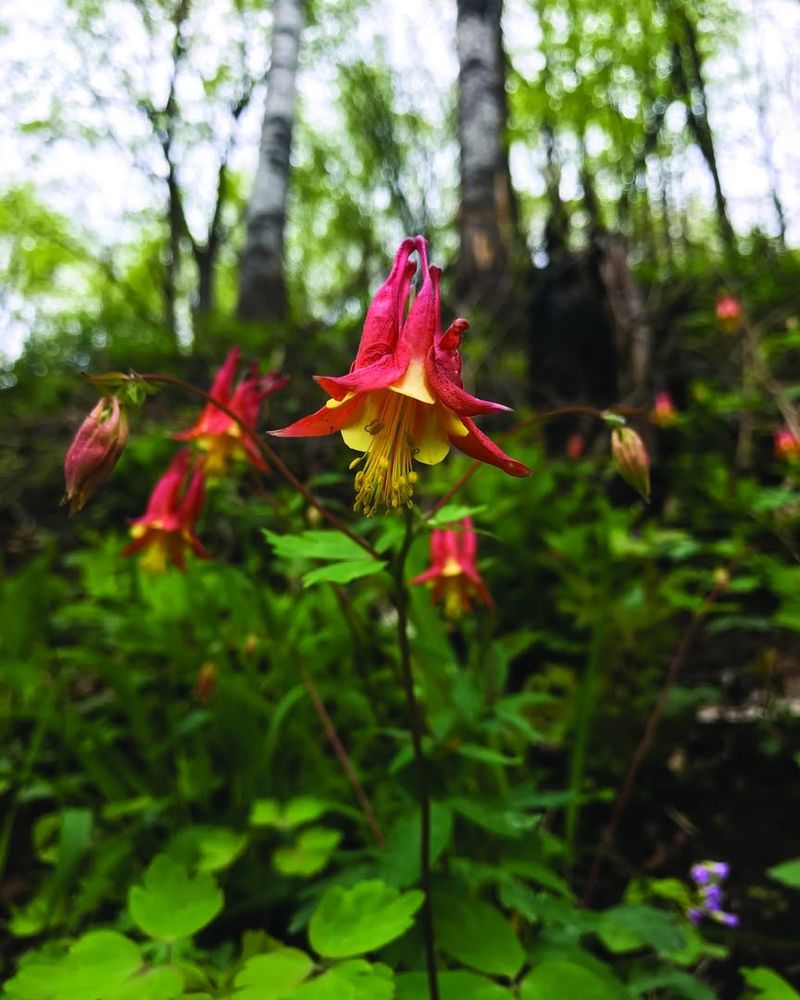
Wild Columbine brings a playful energy to Michigan woodland and cottage gardens every spring. Aquilegia canadensis produces those iconic red and yellow nodding flowers in May, beloved by hummingbirds and pollinators alike.
Once the flowers fade, the plant shifts focus entirely, and that shift looks different depending on where you are in the season.
After blooming, Wild Columbine develops seed pods along each stem. These pods turn papery and brown as they mature, eventually splitting open to release small black seeds that will self-sow nearby if you let them.
Many gardeners find this self-seeding habit one of the most rewarding things about growing this plant, since new seedlings pop up in unexpected but charming spots every year.
The foliage typically stays green and healthy through summer, though it can start looking a bit ragged by late July. Leaf miners, which are tiny insects that tunnel inside leaves and leave pale squiggly trails, are a common visitor to columbine foliage.
The damage looks alarming but rarely affects the plant’s overall health or next year’s blooming. Removing heavily affected leaves and disposing of them can help reduce the population over time.
Natural seasonal slowdown in Wild Columbine looks like gradually fading foliage that becomes less vibrant by midsummer.
If leaves suddenly wilt, look water-soaked at the base, or show dark rotting near the crown during active growth, that is worth investigating more closely. Otherwise, enjoy the seed pods and let the plant do its thing through the season.
9. Trilliums
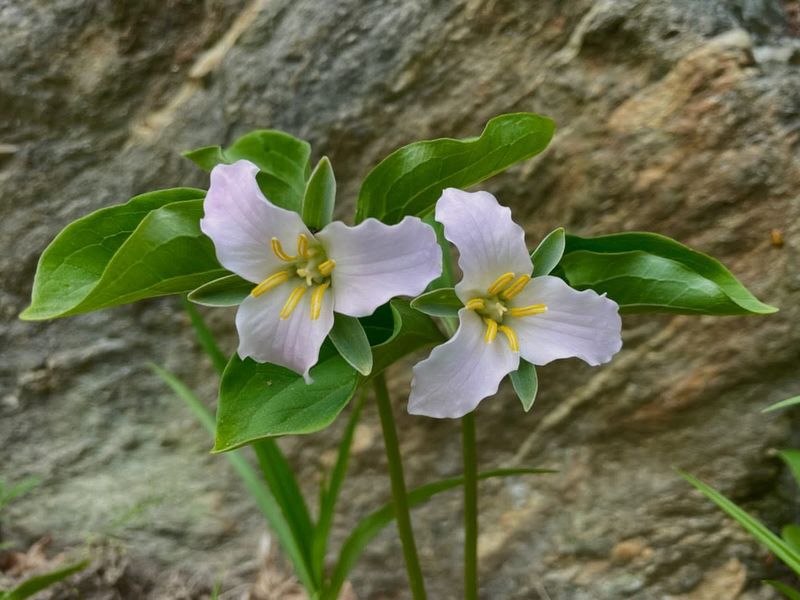
Trilliums are among Michigan’s most iconic native woodland plants, and they deserve far more patience than most gardeners give them.
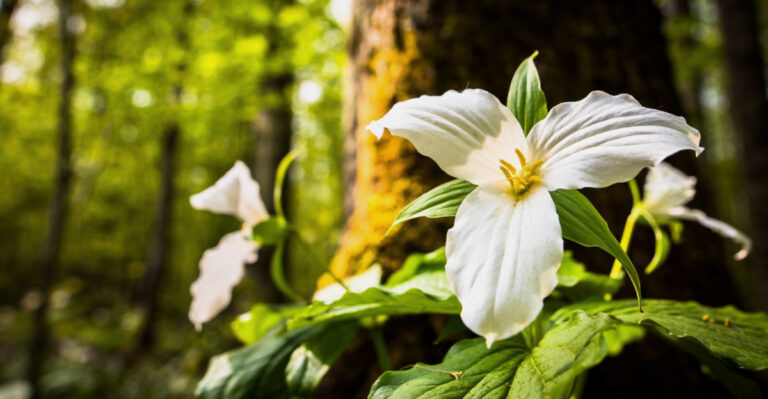
Trillium grandiflorum and Trillium erectum bloom in May with striking three-petaled flowers that make any woodland garden feel special.
After the blooms fade, however, the plants enter a slow, quiet phase that can look deceptively unimpressive.
What is actually happening underground during this time is remarkable. Trilliums build their energy reserves through their foliage very slowly, and they store that energy in a thick underground rhizome.
These plants are notoriously slow growers, sometimes taking five to seven years to reach blooming size from seed. Every leaf on every plant matters enormously to its long-term health and flowering potential.
Foliage naturally begins to yellow and decline by late summer as the plant prepares for dormancy. This process is gradual and even, starting with a general fading of the green color before stems soften and fall.
That is completely normal. What is not normal is sudden collapse during bloom season, blackened or mushy stems, or foliage that looks chewed or heavily damaged early in the season.
Never dig or divide trilliums casually. The rhizomes are slow to recover from disturbance, and plants can take years to rebloom after being moved.
Marking their location carefully and avoiding any soil disturbance in the area during summer and fall is the kindest and most effective thing a Michigan gardener can do for these beautiful native plants.
10. Lungwort
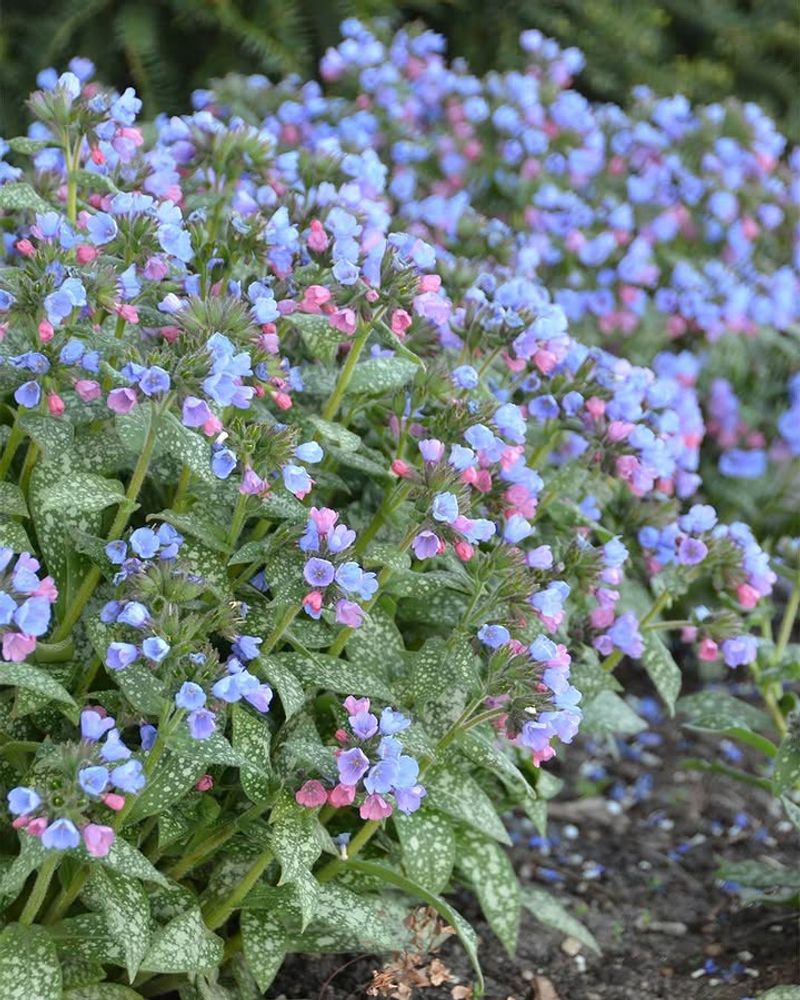
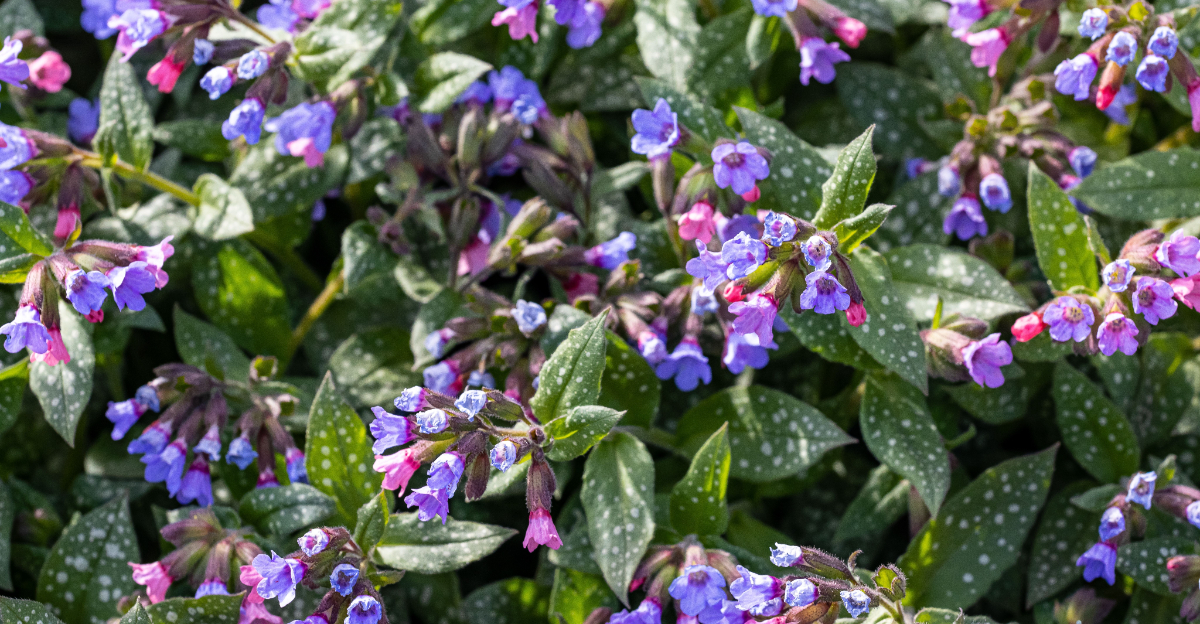
Lungwort earns its place in Michigan shade gardens twice over. Pulmonaria spp. blooms in early spring with pink and blue tubular flowers that bees absolutely love, often before most other perennials have even woken up.
But the real show, for many gardeners, is the foliage that sticks around all season long. Those bold, silver-spotted leaves are genuinely ornamental from spring through fall.
Once blooming wraps up, Lungwort should not be treated as a finished plant. The spotted foliage continues brightening shady spots for months, making it one of the most valuable ground-level plants in a woodland garden.
Cutting it back to the ground after bloom is a mistake many first-time growers make, and it leaves a bare, uninteresting patch right in the middle of the garden for the rest of summer.
The main challenge with Lungwort in summer is powdery mildew. Hot, humid Michigan summers with poor airflow around the plants can lead to that familiar white coating on the leaves.
Cutting back affected foliage in midsummer and allowing fresh new leaves to emerge is a perfectly effective strategy. New growth tends to come in clean and healthy if the plant has adequate moisture and some shade.
Healthy post-bloom Lungwort holds its spotted leaves upright and firm. Drooping or crispy leaf edges during summer usually signal drought stress rather than disease.
Regular watering during dry stretches and a layer of organic mulch around the base goes a long way toward keeping this plant looking great all the way through the first frost.
11. Wild Geranium
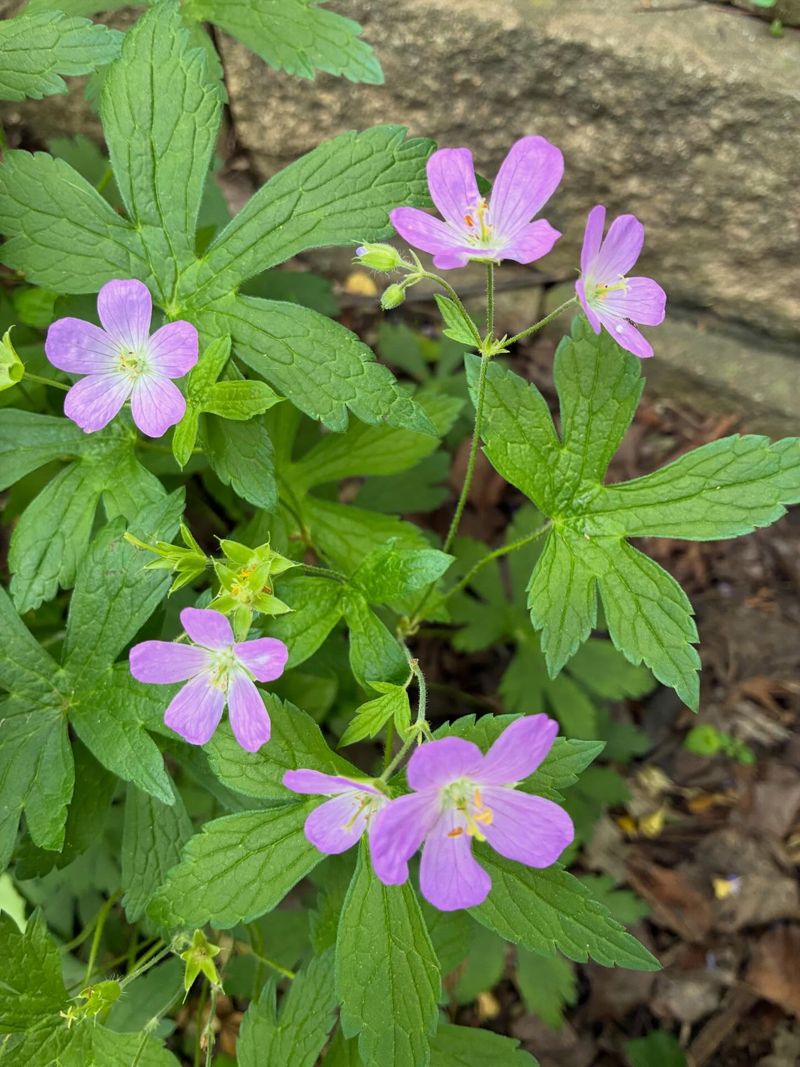
Wild Geranium is one of those reliable Michigan natives that quietly does everything right. Geranium maculatum blooms in May with pretty lavender-pink flowers that attract a wide range of native bees and early butterflies.
Once the flowers fade, the plant does not stop working. It simply shifts its energy in a different direction, and that shift is worth understanding.
After blooming, Wild Geranium develops distinctive seed pods that look like small crane beaks pointing upward from the stems. These pods mature through early summer and eventually spring open to fling seeds several feet from the parent plant.
It is one of nature’s more entertaining seed dispersal methods, and it means your Wild Geranium colony may gradually expand into neighboring spots over the years.
The foliage remains attractive well into summer, often developing reddish or bronze tones as temperatures rise. This color shift is completely normal and adds warm fall-like tones to the garden earlier than most plants deliver them.
By late summer the plant may look a bit tired, with some leaves browning at the edges, but the root system continues building strength for next spring.
Signs of real trouble include sudden wilting during cool, moist weather, which can indicate crown rot, or heavily stippled leaves that look pale and dull, which may point to spider mite activity during hot dry stretches. Healthy natural slowdown happens gradually and evenly.
Keeping the area weeded and avoiding excessive overhead watering are the two simplest ways to keep Wild Geranium thriving season after season.