These Are The 8 Raised Bed Tips For Florida Gardens In April
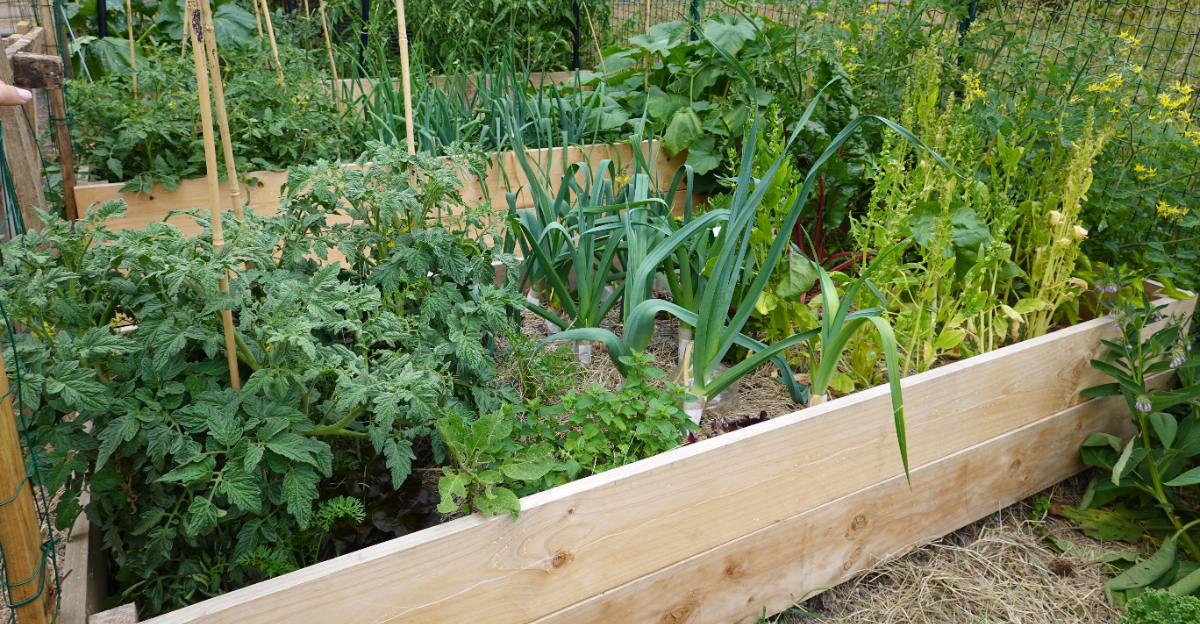
Ever walked out to your raised bed in April and thought everything looked fine… then a week later it feels like the garden has a mind of its own?
One day it’s neat and manageable, the next it’s weeds popping up, soil drying out on top and soggy underneath, and plants racing ahead faster than expected.
That’s Florida in April. Things don’t ease into the season, they hit the gas.
So what actually makes the difference between a smooth, productive stretch and a garden that keeps throwing curveballs? It usually comes down to a handful of small decisions made right now.
Soil prep, watering habits, spacing, even a quick pest check can tip the balance. Get a few key moves right and everything starts working with you instead of against you.
Ignore them, and you end up playing catch up right when the heat really starts to crank up.
1. Refresh Soil Before Warm Season Growth Takes Off
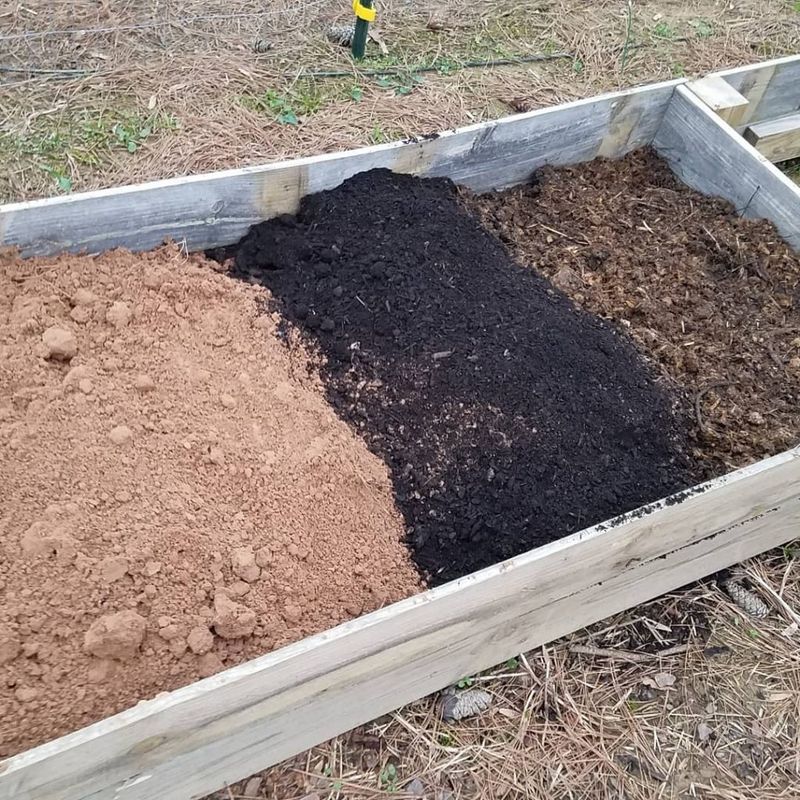
Before you set new plants into a raised bed, give the soil a proper reset. In Florida, April warmth pushes crops to grow fast, so beds need to start clean, loose, and ready to support strong roots.
UF/IFAS guidance consistently emphasizes removing leftover plant debris because old stems, dropped leaves, and spent roots can shelter insects and plant disease problems.
I like to pull out finished crops completely, then rake away mulch that has broken down too far or holds too much moisture against the surface.
After that, loosen the top several inches with a hand fork or shovel so compacted spots open up and fresh amendments can mix in evenly.
Raised beds drain better than in-ground gardens, but they still lose structure over time, especially after repeated watering and heavy rain.
This is also the right moment to check for weeds before they seed and spread through the bed. If the soil level has sunk, top it off with a vegetable garden blend suited to raised beds rather than using straight sand or cheap fill dirt.
Starting with a refreshed bed makes every later task easier, from planting and watering to pest checks and harvests, and it gives your April garden a much stronger foundation.
2. Add Compost To Boost Nutrients Naturally
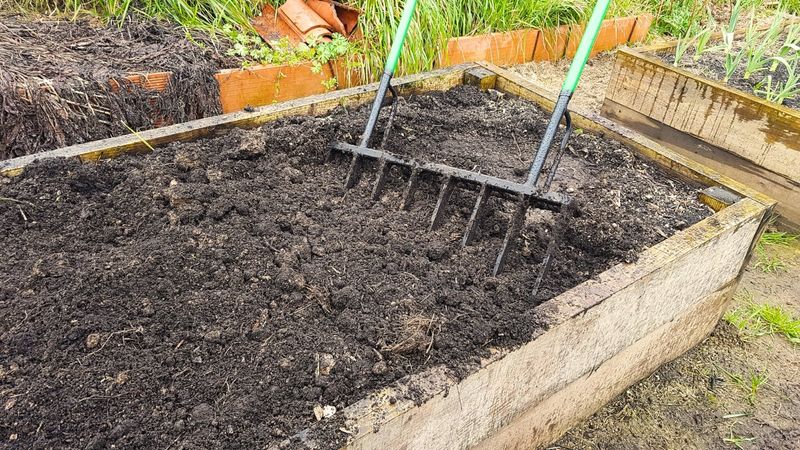
One of the easiest upgrades for a Florida raised bed in April is adding compost. Florida soils often lean sandy and low in organic matter, which means nutrients can move through quickly and water can drain away before roots fully benefit.
Compost helps balance both problems by improving soil structure, increasing moisture holding, and supporting gradual nutrient availability.
I usually spread one to two inches of finished compost across the bed and blend it into the upper layer before planting. That simple step creates a better root zone for vegetables like peppers, beans, and tomatoes, especially when daytime temperatures start climbing.
Compost also supports beneficial soil life, and healthier soil biology often leads to steadier growth and stronger plants through spring.
Your Florida Garden Changes Every Week. Your Plan Should Too.
Gardening in Florida changes quickly throughout the season. Every Friday you’ll receive a simple weekly plan showing exactly what to plant, prune, fertilize, harvest, and protect so you never miss the right timing.
The key is using finished, earthy-smelling compost rather than raw material that still looks chunky or unfinished. You can use homemade compost if it is fully broken down, or buy a quality bagged product labeled for edible gardens.
According to Florida gardening recommendations, compost is an important tool for building long-term soil quality in raised beds, and in April it gives your crops a timely boost without relying only on quick-release feeding.
3. Check Drainage Before Heavy Rains Arrive
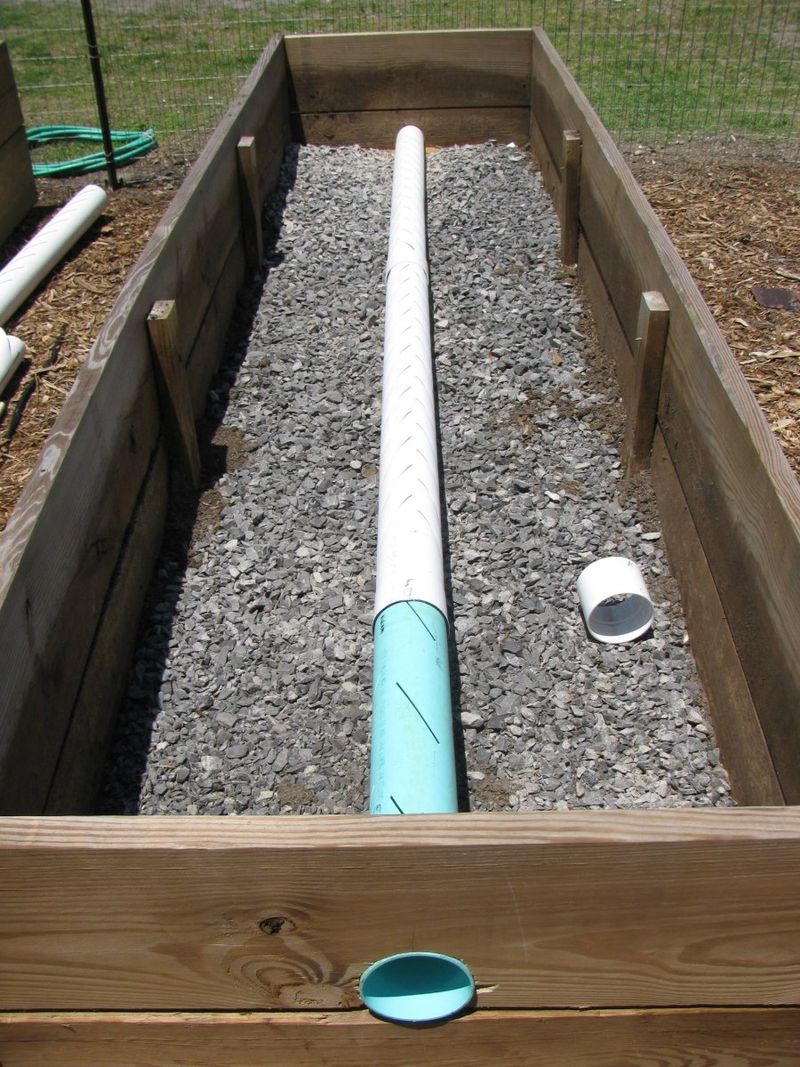
April is the perfect time to test how well your raised beds handle water before more frequent rain patterns begin to settle in.
A bed that looks fine during dry weather can suddenly stay soggy once repeated showers arrive, and roots struggle when air spaces in the soil stay filled with water too long.
Good drainage is one of the biggest raised bed advantages, but only if the bed is built and maintained correctly.
Start by checking whether water pools on the surface after irrigation or a storm. If it does, the soil may be compacted, the bed mix may contain too much fine material, or the bed may be sitting where runoff collects from nearby surfaces.
I like to loosen the top layer, add compost if the mix feels dense, and make sure the bed is high enough to shed excess moisture well.
It also helps to clear surrounding weeds, edging, or debris that block water movement away from the bed. In Florida, fast spring growth and sudden rains can turn minor drainage issues into root stress quickly, especially for tomatoes and peppers.
Taking a few minutes now to improve water flow can prevent yellowing leaves, slow growth, and frustrating setbacks later in the season.
4. Start Warm Season Crops At The Right Time
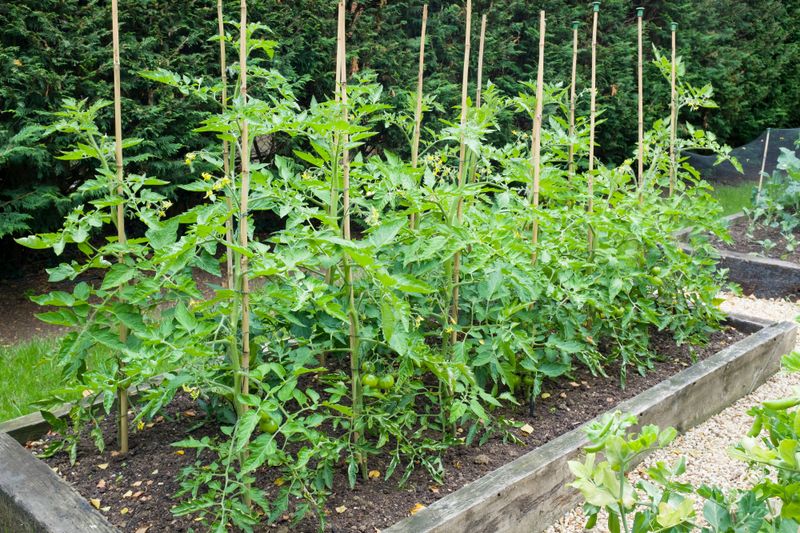
By April, much of Florida is ready for warm season vegetables, but timing still depends on your region, since planting windows differ across North, Central, and South Florida.
UF/IFAS planting guidance shows that crop windows vary across the state, so it helps to match your exact region with recommended planting dates rather than assuming one schedule fits everyone.
When you hit the right window, plants establish faster and handle rising temperatures much better.
Tomatoes and peppers can still work in many areas if transplants go in early enough and receive steady moisture, mulch, and support. Okra, southern peas, and beans often love the warming soil and can be direct-seeded once the bed is prepared.
I also watch daytime heat closely, because once late spring temperatures surge, cool-loving vegetables usually fade while warm season crops start taking off.
Choose varieties known to perform well in Florida, and give transplants a few days of close attention after planting. Healthy starts, warm soil, and consistent watering matter more now than trying to push too many crops into the bed at once.
If you plant with Florida’s April conditions in mind, you can keep harvests coming while avoiding the stress that happens when crops are forced outside their ideal season.
5. Use Mulch To Retain Moisture And Cool Soil
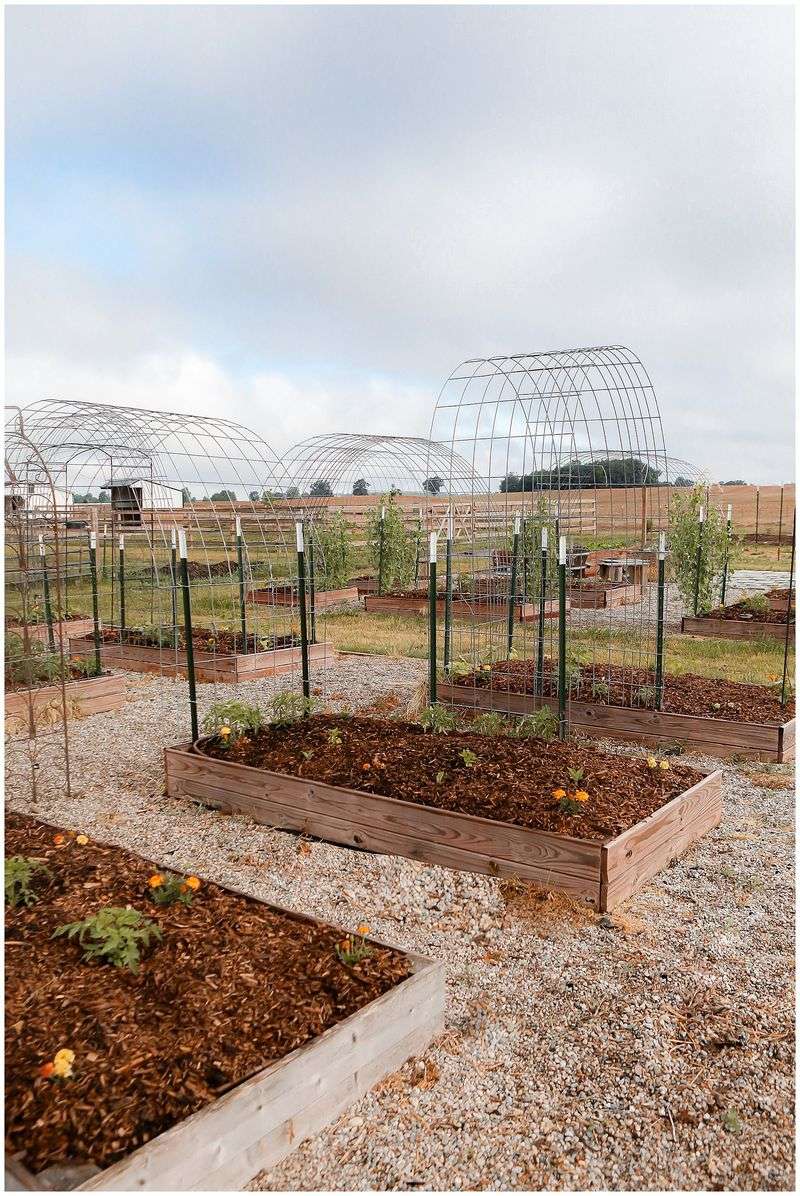
Once your raised bed is planted, mulch becomes one of the smartest ways to protect it through April and beyond. Florida sun warms soil quickly, and that can speed moisture loss even when mornings still feel pleasant.
A good mulch layer helps hold moisture, moderate soil temperature, and reduce weed pressure at the same time.
I often use clean straw, pine straw, or shredded leaves, depending on what is available and free of weed seeds. Spread mulch a few inches deep across the soil surface, but keep it pulled slightly back from stems so the base of each plant stays dry and airy.
That small gap matters in humid weather, when crowded, damp plant bases can invite fungal problems.
Mulch also softens the impact of heavy rain, which helps reduce soil splash onto leaves and limits erosion in raised beds. In Florida gardens, that is especially useful because sudden showers can compact exposed soil and wash away nutrients from the upper layer.
A simple mulch cover keeps the bed more stable, cuts down on watering swings, and makes your April garden easier to manage as temperatures rise and growth speeds up.
6. Inspect Beds For Pests And Early Problems
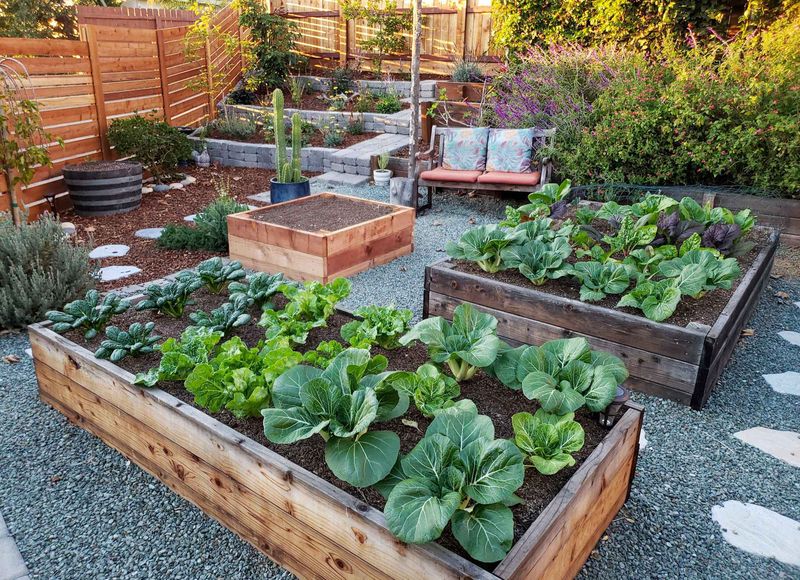
April is when small garden issues can take off fast in Florida, so regular inspection pays off. Warm weather, tender new growth, and increasing humidity create ideal conditions for pests and leaf problems to appear quickly.
If you catch them early, you usually have more options and less plant stress to manage.
Take a slow walk through your raised beds every few days and look under leaves, along stems, and around new growth.
Common Florida garden troublemakers can include aphids, whiteflies, caterpillars, mites, and early fungal spotting, especially when plants are crowded or moisture stays on leaves too long.
I also check for chewed edges, sticky residue, curled leaves, and sudden color changes, because those clues often show up before damage becomes severe.
Start with simple responses like removing heavily affected leaves, hand-picking larger pests, improving airflow, and keeping weeds down around the bed. UF/IFAS recommendations support integrated pest management, which means identifying the problem first and choosing the least disruptive control that actually fits it.
In practical terms, that saves time, protects helpful insects, and keeps your raised bed healthier during a month when growth, bugs, and weather all begin moving faster.
7. Adjust Watering As Temperatures Rise
As April moves along, watering needs can change from week to week in a Florida raised bed. Warmer days, stronger sun, wind, and bigger plants all increase water use, yet spring showers can suddenly add moisture you did not expect.
That is why a fixed schedule is less helpful than watering only when plants actually need it, based on soil moisture and recent weather patterns.
I prefer checking the soil by hand a couple of inches down before turning on irrigation. If the surface is dry but the root zone still feels moist, there is no need to water again yet.
Raised beds drain faster than in-ground plots, especially with light mixes and sandy ingredients, so deep, even watering usually works better than frequent shallow sprinkles.
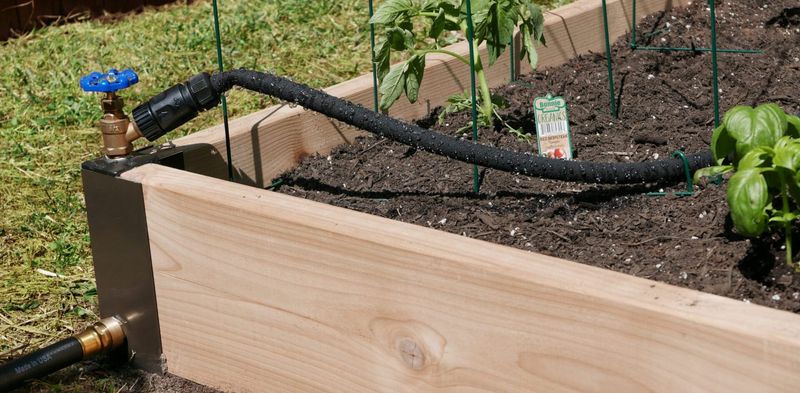
Morning irrigation is often the best fit because leaves dry faster and plants head into the heat with moisture already available at the roots. Drip irrigation or soaker lines can also help by directing water where it is needed instead of wetting every leaf and walkway.
In Florida’s shifting spring conditions, the goal is steady moisture without soggy soil, because both drought stress and overwatering can slow growth and make plants more vulnerable to other problems.
8. Plan Crop Spacing For Better Airflow
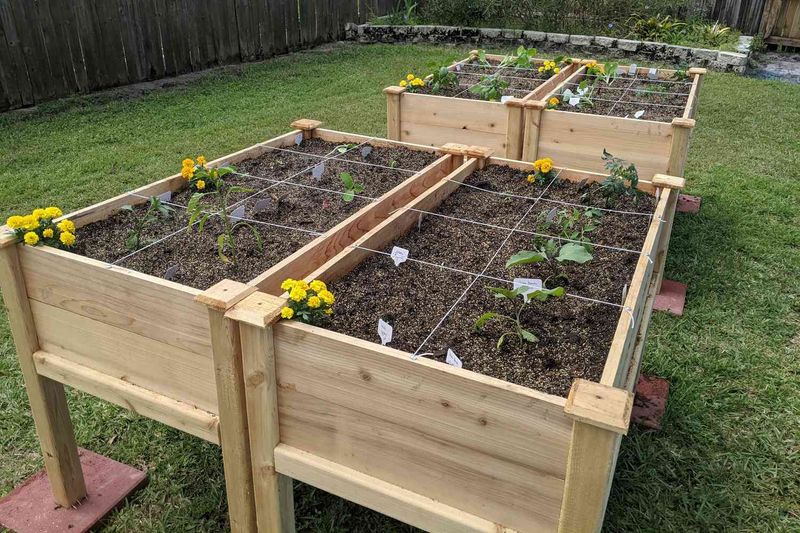
It is tempting to fill every inch of a raised bed, especially in April when fresh transplants and seeds make the garden feel full of possibility. Still, Florida humidity makes spacing one of the most important parts of bed planning.
When plants are packed too tightly, leaves stay wet longer, airflow drops, and disease pressure often rises.
I like to follow spacing guidance on seed packets or UF/IFAS recommendations, then adjust slightly based on how large that crop gets in Florida heat.
Tomatoes may need staking and room for pruning, peppers appreciate breathing space between branches, and beans or okra can quickly shade neighbors if planted too densely.
Giving each crop proper room also improves light exposure, root access to water, and your ability to inspect plants for pests or leaf issues.
Raised beds encourage intensive planting, but productive does not have to mean crowded.
A simple layout sketch before planting can help you avoid squeezing in extra starts that later compete for air and nutrients.
In practical terms, better spacing means healthier foliage, easier harvesting, and fewer preventable problems during the warm, humid stretch that follows April in most Florida gardens.