These Are The Tomato Varieties That Reliably Work In Coastal Oregon
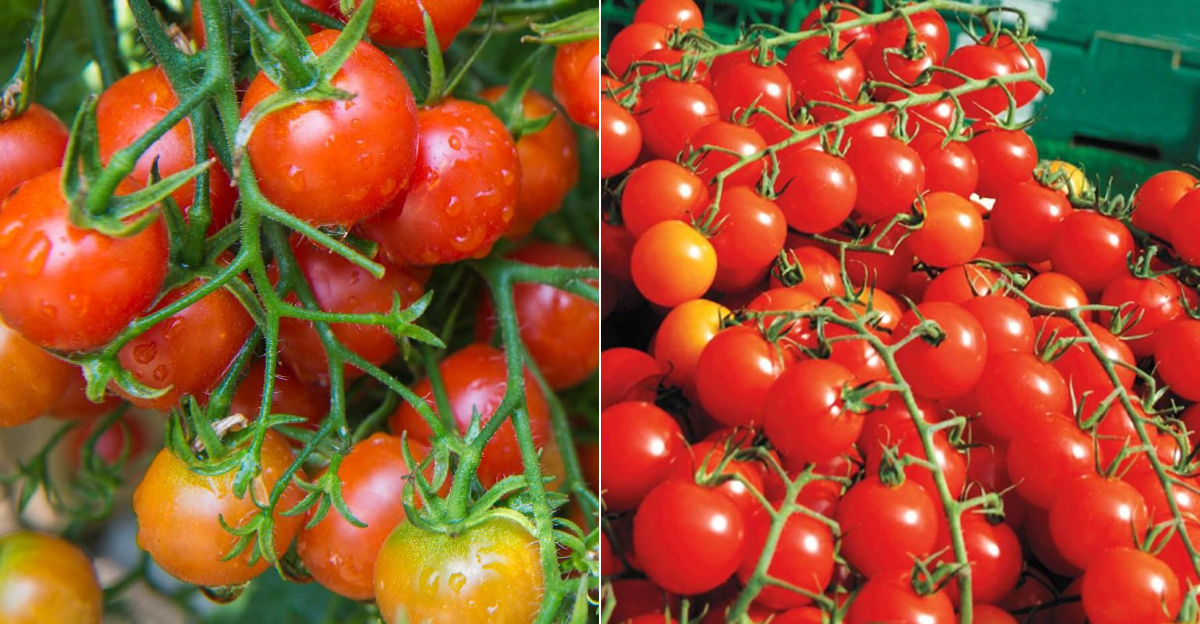
Coastal Oregon can make tomato growing feel like a guessing game. Cool nights, foggy mornings, and slower warmups can leave big tomato dreams hanging green on the vine.
That does not mean gardeners along the coast have to give up on homegrown flavor. It means variety choice matters more here than in warmer inland spots.
The best tomatoes for this climate are usually quick, steady, and willing to produce without perfect summer heat. Smaller fruit can be a smart advantage because it often ripens faster.
Protected spots, warm containers, and good timing can help too. Start with varieties that match the coast instead of fighting it, and your tomato patch has a much better chance of giving you fruit worth bragging about.
1. Siletz Handles Cool Oregon Seasons Better Than Big Beefsteaks
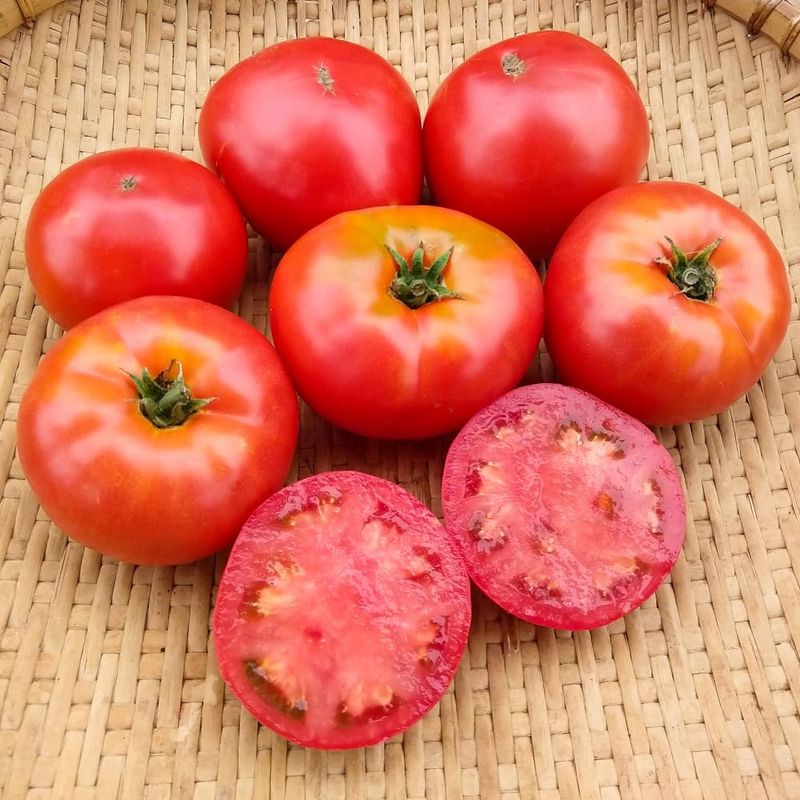
Few tomatoes can match the Siletz when it comes to performing in cool, cloudy conditions. Developed at Oregon State University specifically for short-season gardeners, this variety was literally designed with this state in mind.
That alone makes it worth trying in any coastal garden.
Siletz plants set fruit even when nighttime temperatures drop into the low 50s. Most big beefsteak types need warm nights to develop properly, but Siletz keeps going regardless.
It produces large, meaty slices that are perfect for sandwiches and burgers.
The fruit usually reaches 10 to 16 ounces, which is impressive for a cool-climate tomato. It ripens in about 70 days, which fits nicely into the shorter growing windows coastal gardeners deal with. You do not need a greenhouse or a heat tunnel to get good results.
Siletz also resists cracking, which matters a lot when coastal rain can come out of nowhere. Cracking ruins a lot of tomatoes in wet conditions, so this trait is a real bonus.
Plant it in your sunniest spot and give it a sturdy cage for support.
If you have always wanted a big, satisfying slicing tomato from your own garden, Siletz is your best shot in this region.
It delivers the size and flavor most people expect from a garden tomato without needing summer heat to get there.
2. Legend Gives Coastal Gardeners A Dependable Early Slicer
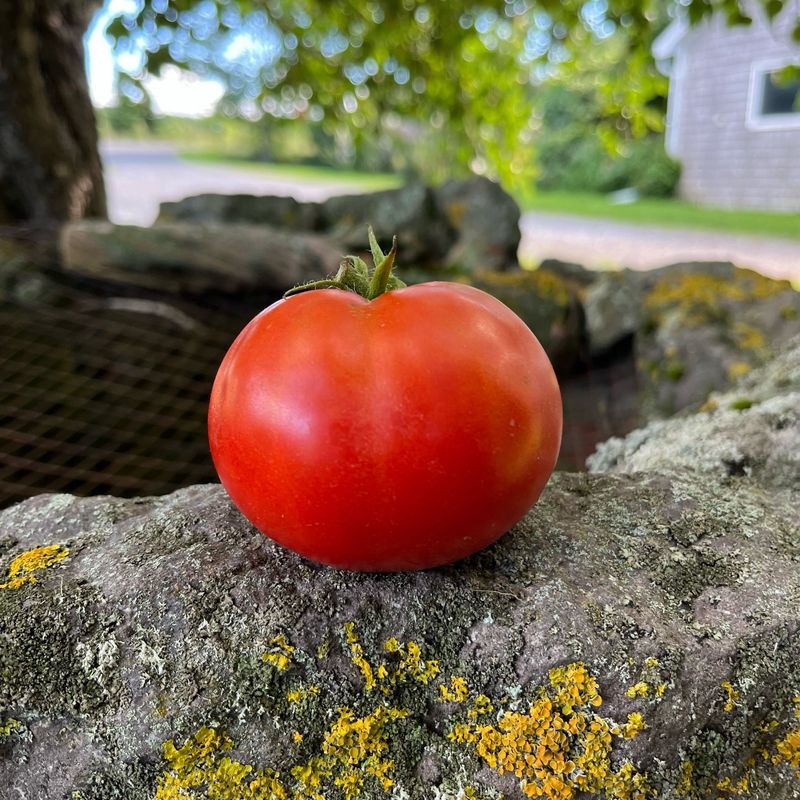
Legend is another tomato that came straight out of Oregon State University’s breeding program, and it shows. Researchers developed it to handle the specific challenges of growing in the Pacific Northwest.
That kind of targeted breeding makes a real difference when you are dealing with foggy summers.
One of the biggest advantages of Legend is its resistance to late blight. Late blight is a fungal disease that thrives in cool, wet conditions, exactly the kind of weather coastal gardeners face every year.
Losing a tomato crop to blight is heartbreaking, and Legend helps prevent that.
The tomatoes are round, red, and typically weigh around 9 to 12 ounces. They have a classic tomato flavor that holds up well in salads, sandwiches, and sauces.
Ripening in about 68 days, it fits well within the shorter coastal growing season.
Legend plants are also quite vigorous and tend to set a good amount of fruit per plant. Even in years when summer feels more like fall, you can count on getting a real harvest from this variety.
Your Oregon Garden Changes Every Week. Your Plan Should Too.
Gardening in Oregon changes quickly throughout the season. Every Friday you’ll receive a simple weekly plan showing exactly what to plant, prune, fertilize, harvest, and protect so you never miss the right timing.
That dependability is what keeps coastal gardeners coming back to it year after year.
Give Legend full sun and consistent moisture for the best results. Mulching around the base helps retain soil warmth, which is always helpful in cooler coastal areas.
Once established, it is a low-fuss plant that rewards you with steady, reliable production.
3. Oregon Spring Was Bred For Short Oregon Summers
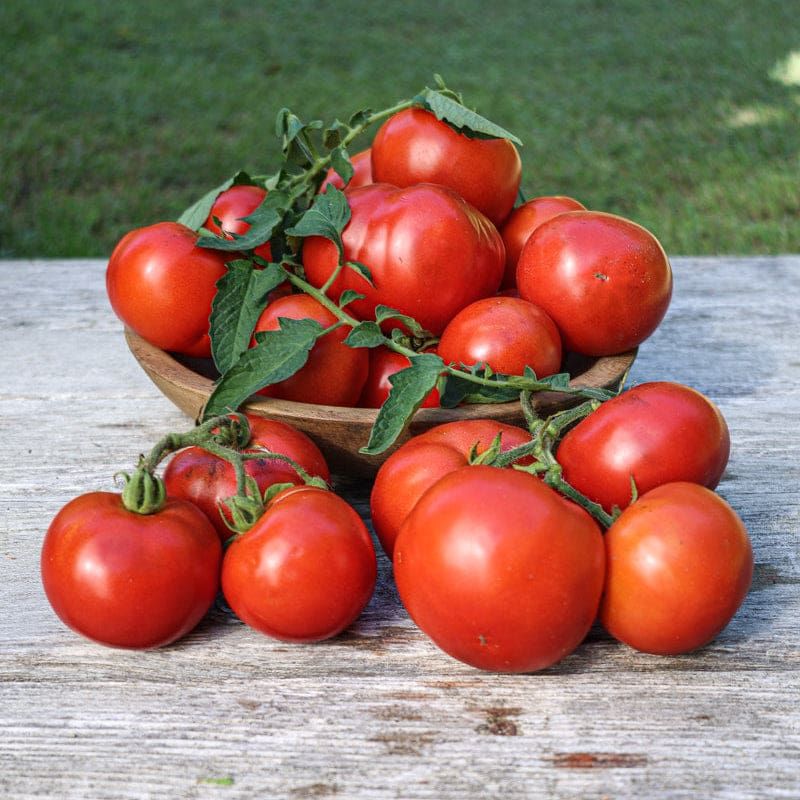
The name says it all. Oregon Spring was developed specifically for gardeners dealing with short, cool growing seasons, and it performs exactly as advertised.
It is one of the most popular choices for coastal gardeners because it starts producing fruit earlier than almost any other slicing tomato.
What makes Oregon Spring especially useful here is that it sets fruit without needing pollination.
Most tomatoes require warm temperatures and bee activity to set fruit, but this variety can do it on its own.
That means you get tomatoes even during cool, foggy stretches when bees are not as active.
The fruit is medium-sized, usually around 4 to 6 ounces, with a smooth texture and mild flavor.
Some gardeners say the flavor is not quite as rich as a summer-grown tomato, but for a cool-climate variety, it is genuinely good. And getting any fresh tomato from a coastal garden is a win.
Oregon Spring matures in about 58 days, which is remarkably fast. That early maturity means you can start harvesting while other varieties are still just setting flowers.
It also tends to produce a concentrated flush of fruit rather than a slow trickle.
For gardeners who want a reliable, early producer that does not demand perfect weather, this variety is hard to beat.
Plant it as soon as your last frost date passes and enjoy the harvest well before summer peaks.
4. Early Girl Ripens Before Coastal Weather Turns Against You
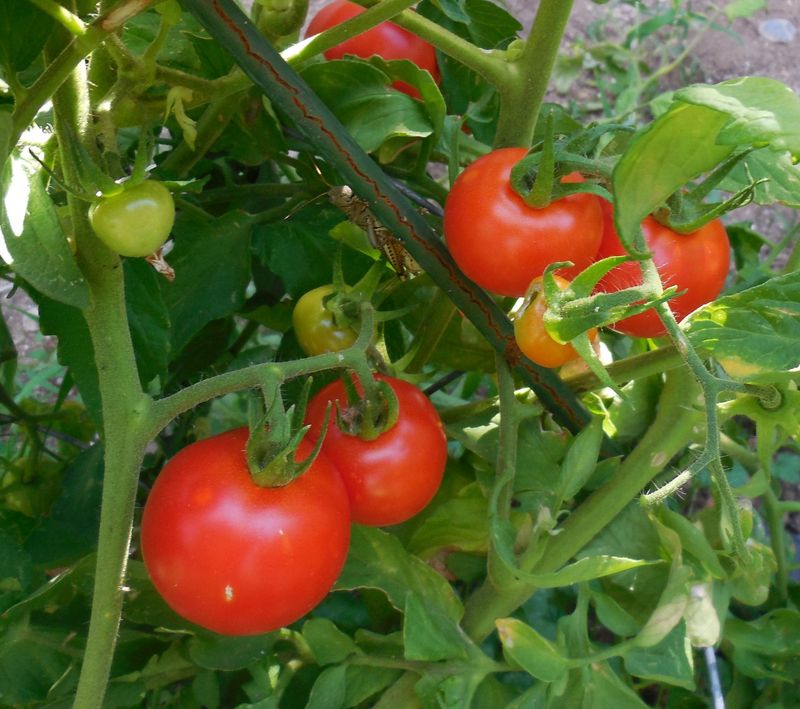
Early Girl has been a favorite among home gardeners across the country for decades, and for good reason.
It ripens quickly, produces consistently, and handles less-than-perfect conditions without too much fuss.
Along the coast, those qualities matter more than almost anywhere else.
Reaching maturity in about 52 to 62 days, Early Girl lives up to its name. By the time late summer fog rolls in and temperatures start dropping, this variety has usually already given you a solid harvest.
That early timing is a huge advantage in areas where summer can feel brief.
The fruit is medium-sized, typically around 4 to 6 ounces, with a nice balance of sweetness and acidity. It is a classic tomato flavor that works well fresh, in sauces, or roasted.
Many gardeners consider it the gold standard for everyday eating tomatoes.
Early Girl plants are indeterminate, meaning they keep growing and producing until cold weather shuts them down. In a good coastal year, you might get tomatoes all the way into October.
That extended production window makes every plant more valuable.
One tip for coastal growers is to use black plastic mulch around Early Girl plants. It helps warm the soil, which speeds up growth and fruit development in cooler areas.
Pairing it with a wall-o-water or row cover at the start of the season gives it an extra edge and can push your harvest even earlier.
5. Stupice Produces Early In Cool, Unpredictable Weather
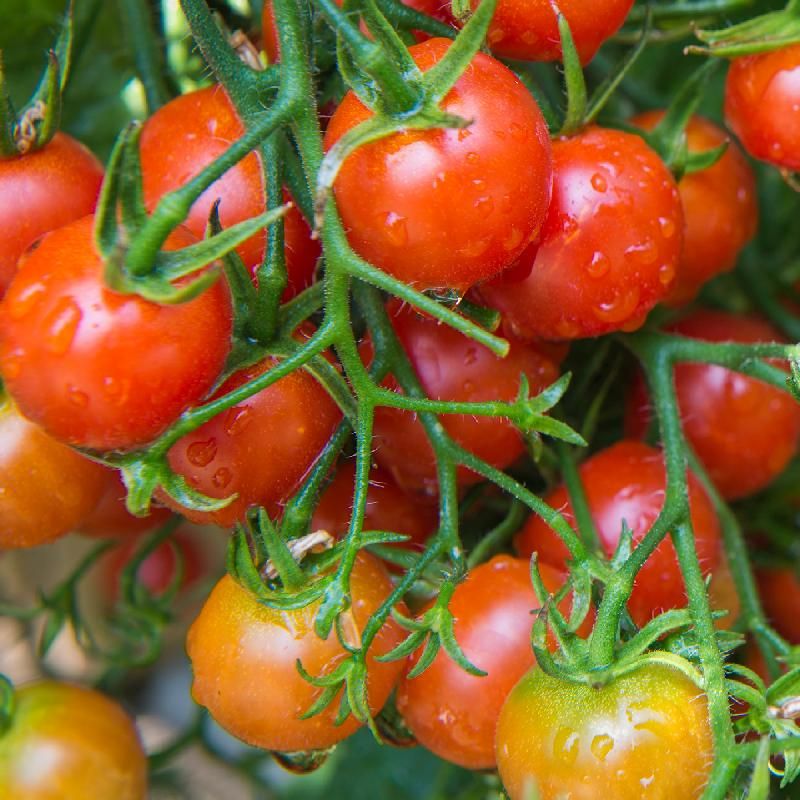
Stupice (pronounced stoo-PEACH-ka) comes from the Czech Republic, where cold summers and short growing seasons are totally normal.
That heritage makes it one of the most naturally suited varieties for cool coastal growing conditions. It was built for exactly this kind of weather.
This variety ripens in as little as 52 days, making it one of the earliest producers you can grow. Even in years when summer barely shows up, Stupice keeps setting and ripening fruit.
Coastal gardeners who have struggled with other varieties often call Stupice their most reliable tomato.
The tomatoes are small to medium, usually 2 to 3 ounces, with a deep red color and a rich, complex flavor.
The taste is often described as old-fashioned, which is a compliment in the tomato world. Many people say it tastes like what a tomato is supposed to taste like.
Plants are indeterminate and stay relatively compact compared to other indeterminate types. That makes them a bit easier to manage in smaller coastal garden spaces.
They still need staking or caging, but they are not as sprawling as some other varieties.
Because Stupice sets fruit in cool conditions that would stop other tomatoes cold, it is a smart choice for the most challenging coastal microclimates.
Even if your garden gets a lot of fog and limited direct sun, this variety gives you a real shot at a good harvest every single year.
6. Gold Nugget Gives Beginners Fast Cherry Tomatoes
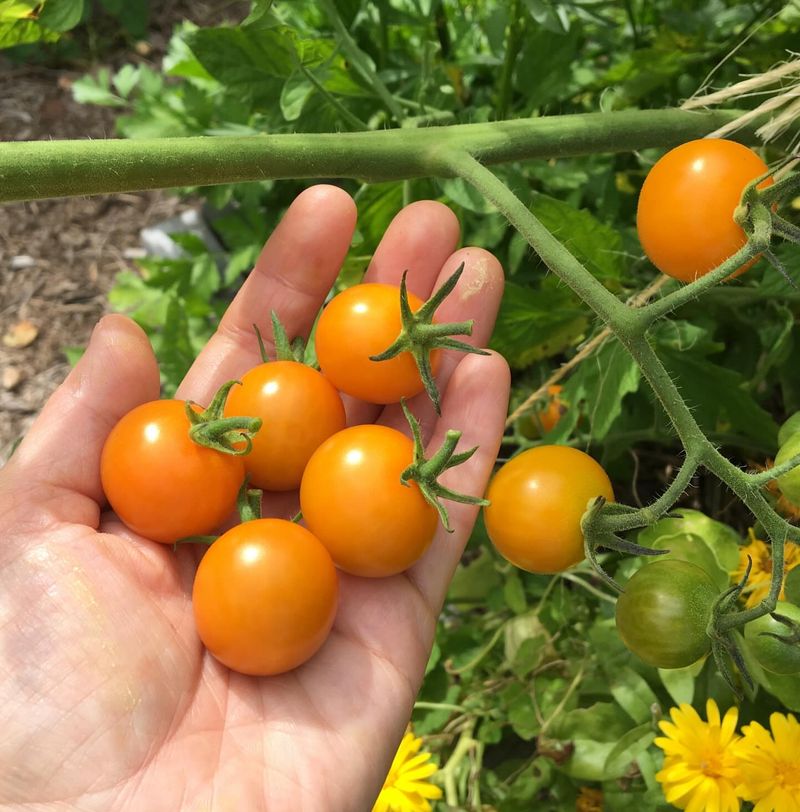
If you are new to coastal tomato growing, Gold Nugget is one of the friendliest places to start. It is a determinate cherry tomato, which means it stays compact and does not need much pruning or training.
That makes it easier to manage than big, sprawling indeterminate plants. Gold Nugget produces clusters of small, bright yellow tomatoes that ripen in about 56 days.
The compact size of both the plant and the fruit makes it ideal for containers, raised beds, or small garden spaces.
Even on a balcony or patio, you can grow a productive Gold Nugget plant.
The flavor is sweet and mild, with a little less acidity than red cherry tomatoes. Kids especially tend to love them, and they make a colorful addition to salads or snack plates.
Harvesting them is satisfying because the clusters ripen all at once.
Because it is determinate, Gold Nugget produces most of its fruit in a concentrated window rather than slowly over a long season. For coastal gardeners with short summers, this is actually an advantage.
You get your harvest before the weather has a chance to turn cold and wet.
Gold Nugget also handles temperature swings better than many cherry tomato varieties. It sets fruit reliably even when nights are chilly, which is a common situation along the coast.
For beginners wanting a guaranteed success, this cheerful little yellow tomato is a great confidence builder.
7. Sungold Ripens Sweet Fruit Even In Short Seasons
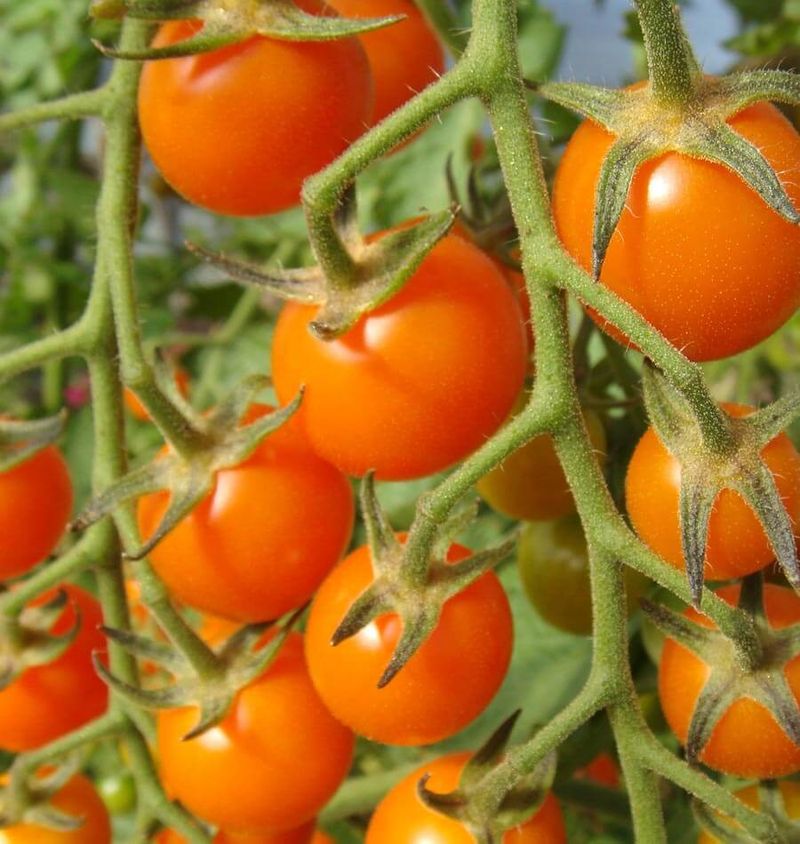
Ask any experienced coastal gardener which cherry tomato they would never give up, and there is a good chance they say Sungold.
This orange cherry tomato has earned a devoted following because of its incredibly sweet flavor and its ability to keep producing even when conditions are not ideal.
Sungold is an F1 hybrid, which means it has built-in vigor and consistency that open-pollinated varieties sometimes lack.
It ripens in about 57 days and produces fruit all season long on indeterminate vines. Once it starts producing, it rarely stops until frost shuts it down.
The flavor is genuinely special. Sungold tomatoes have a tropical sweetness that is unlike any other tomato, red or orange.
They are great straight off the vine, tossed in salads, or roasted with olive oil and garlic. Even people who claim not to like tomatoes often love Sungold.
One thing to know is that Sungold skin can crack if the plant gets inconsistent watering. Keeping moisture levels steady, especially during dry stretches, helps prevent this.
Mulching around the base of the plant is a simple way to keep soil moisture more consistent.
Coastal gardeners appreciate Sungold because it keeps setting fruit even during cool, cloudy stretches.
The plants are vigorous and productive, often needing heavy staking or a tall cage to support all the growth. For pure eating pleasure in a short season, it is hard to top.
8. Sweet Million Keeps Producing Small Tomatoes For Weeks
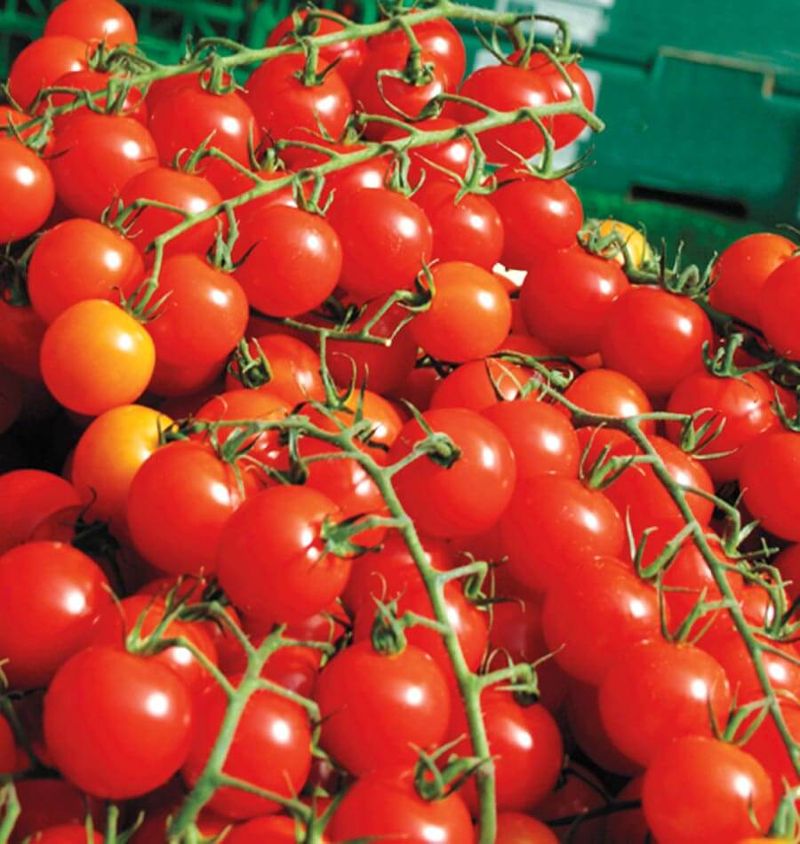
The name Sweet Million is not an exaggeration. This cherry tomato variety produces enormous quantities of small, sweet, red tomatoes on long, cascading clusters.
Once it gets going, it can feel like the harvest never ends, which is exactly what you want from a short coastal season.
Sweet Million is an indeterminate hybrid that ripens in about 60 to 65 days. It is a step up from the older Sweet 100 variety, with better disease resistance and fewer cracking problems.
Those improvements make a real difference in the cool, damp conditions coastal gardeners deal with regularly.
Each tomato is about the size of a large marble, bursting with sweet flavor and just enough acidity to taste balanced. They are perfect for snacking, adding to pasta dishes, or roasting into a concentrated sauce.
Because they ripen in clusters, you can harvest a big bowl at once without spending too long in the garden.
The vines grow tall and need strong support. A heavy-duty cage or a tall trellis works well for keeping Sweet Million organized and productive.
Without support, the sprawling vines can become difficult to manage, especially in windy coastal spots.
What really sets this variety apart for coastal growing is its long production window. Even when temperatures start dropping in late summer, Sweet Million keeps setting new clusters of fruit.
That persistence makes it one of the most rewarding tomatoes you can plant in a challenging coastal climate.
9. Sun Sugar Brings Reliable Cherry Tomato Flavor To Cool Gardens
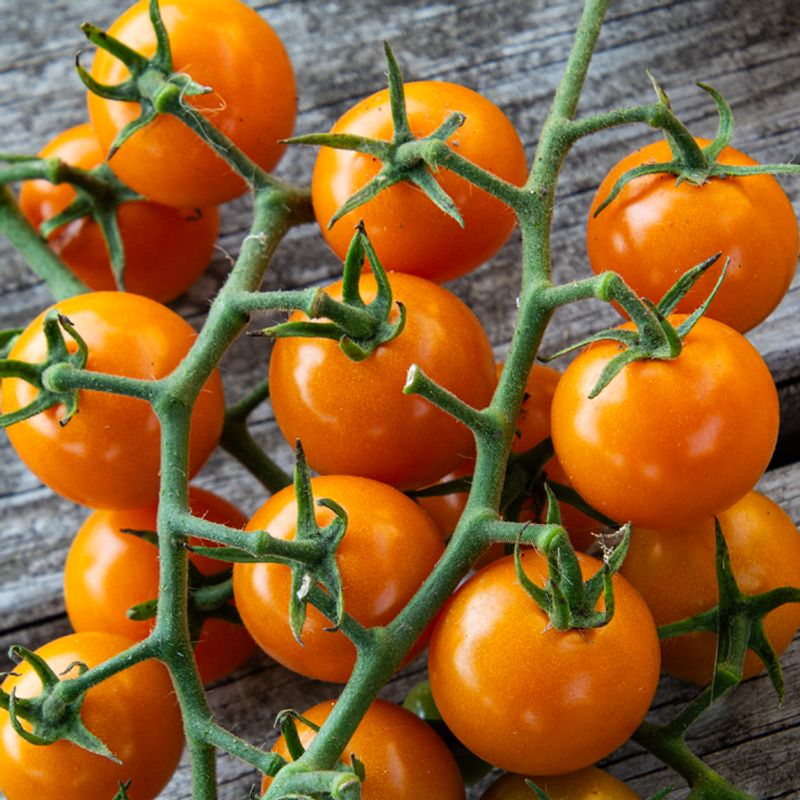
Sun Sugar is often compared to Sungold, and the two are similar in color and sweetness. But Sun Sugar has a reputation for slightly tougher skin, which means less cracking in wet or inconsistent weather.
Along the coast, where moisture levels can swing quickly, that sturdier skin is a genuine advantage.
Ripening in about 62 days, Sun Sugar produces clusters of small orange tomatoes with an almost candy-like sweetness. The flavor is bright, fruity, and incredibly satisfying right off the vine.
It is the kind of tomato that makes you want to eat a whole handful while standing in the garden.
Sun Sugar is an indeterminate variety, so the plants grow continuously and need solid support throughout the season.
Tall cages or stakes tied to a fence work well for keeping the vines upright and productive. Regular harvesting also encourages the plant to keep setting new fruit.
One thing coastal gardeners appreciate about Sun Sugar is how well it handles temperature fluctuations.
It continues to set fruit even when nights get chilly, which is a common pattern in this part of the country. Other cherry tomatoes might stall out, but Sun Sugar keeps going.
For gardeners who want the sweet cherry tomato experience without worrying too much about cracking or weather setbacks, Sun Sugar is a smart and satisfying choice.
It delivers season after season with very little drama, making it a trusted staple in many coastal gardens.
10. Glacier Is A Smart Pick For Cool Coastal Conditions
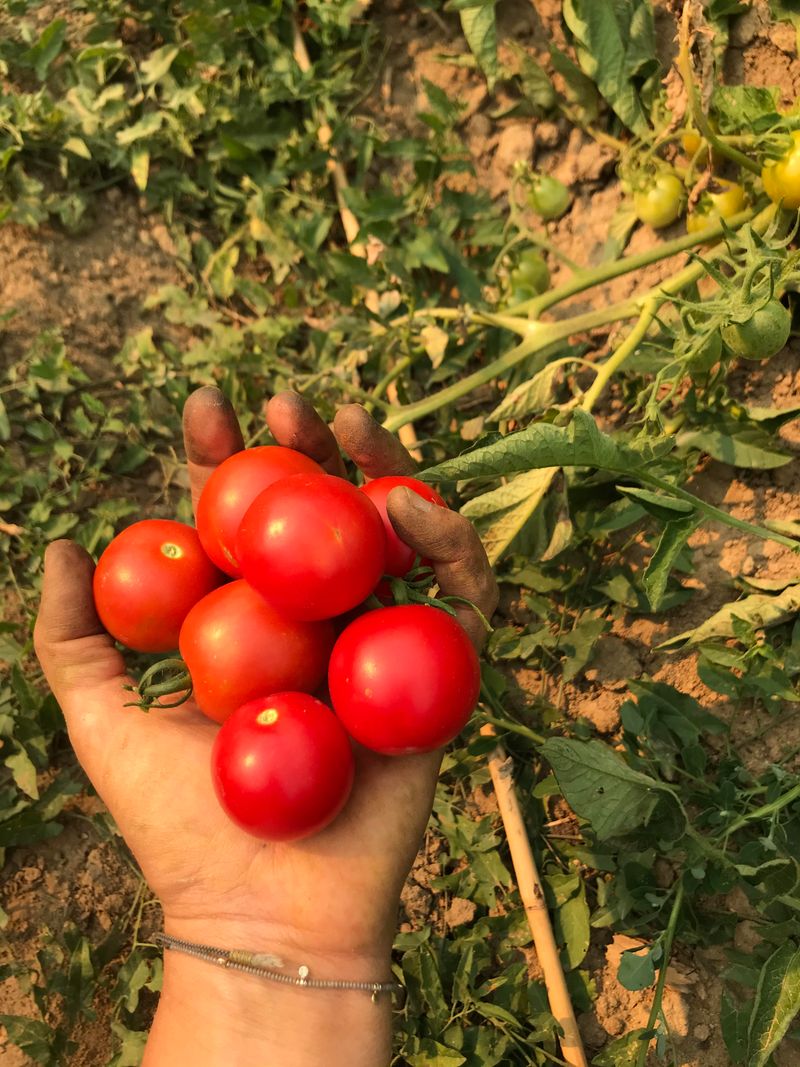
Glacier might not be the most famous tomato on this list, but coastal gardeners who know it tend to swear by it. This open-pollinated variety was bred specifically for cool, short seasons, and it delivers on that promise with impressive consistency.
It is the kind of tomato that quietly earns your loyalty year after year.
Ripening in just 55 days, Glacier is among the earliest slicing tomatoes available. The fruit is small to medium, usually around 2 to 3 ounces, with a smooth red skin and a pleasantly mild flavor.
It is not the most complex tomato you will ever eat, but it is fresh, homegrown, and deeply satisfying.
Plants stay relatively compact and tend to set fruit even when temperatures are too cool for most other varieties.
That makes Glacier especially valuable during late springs and early falls, when the weather along the coast can be unpredictable and cold. It simply does not need the warmth that other tomatoes demand.
Because it is open-pollinated, you can save seeds from your best fruits and replant them the following year. Over time, your saved seeds may even adapt better to your specific garden conditions.
That kind of seed-saving tradition adds a satisfying, old-school dimension to growing Glacier.
For gardeners in the coolest, foggiest coastal spots where even reliable varieties sometimes struggle, Glacier offers a dependable safety net.
Plant it alongside one or two other varieties on this list and you will almost certainly walk away with a worthwhile tomato harvest.