Oregon Rose Growers May Be Inviting Black Spot With These Planting Habits
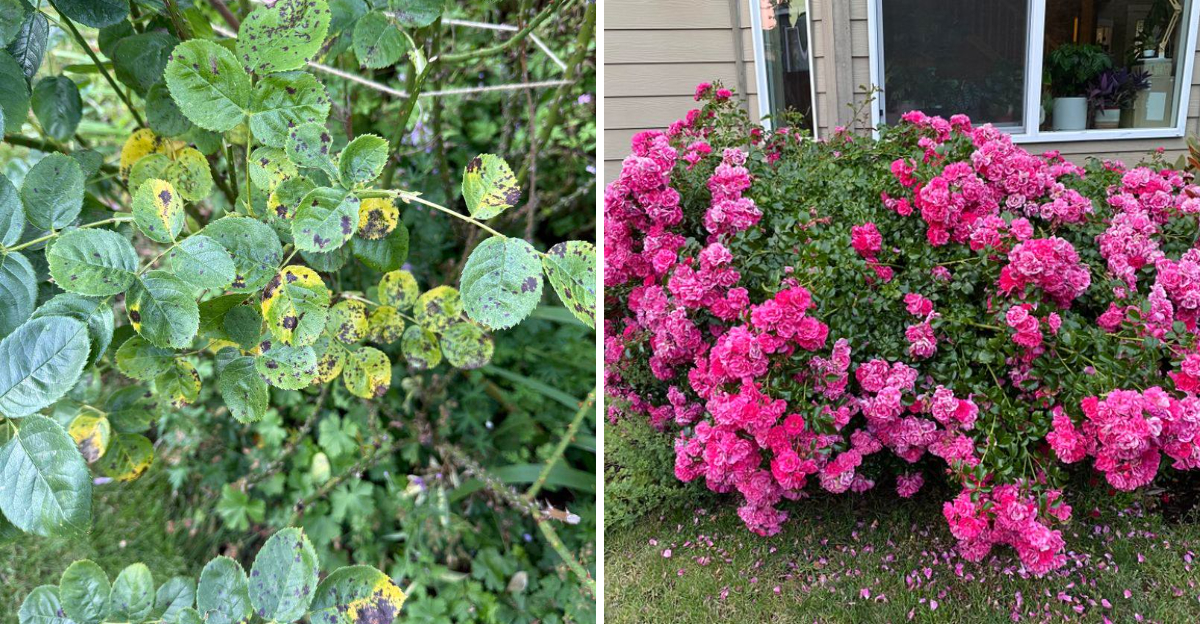
Almost every spring, Oregon gardeners head outside with pruners and high hopes, only to watch black spot creep back onto their rose leaves by June.
The frustration is real. You spray, you prune, you water carefully, and still those telltale dark circles show up like uninvited guests that never take a hint.
What many growers do not realize is that the problem often starts before the first bud even opens. Several common planting habits create exactly the wet, still, shaded conditions that black spot loves most.
Oregon’s cool, rainy springs make things even trickier, because moisture lingers on leaves far longer here than in drier climates.
The good news is that most of these habits are easy to fix once you know what to look for. Understanding what invites black spot in the first place is the first real step toward growing roses that actually stay clean and healthy all season long.
1. Tight Spacing Keeps Leaves Damp Longer
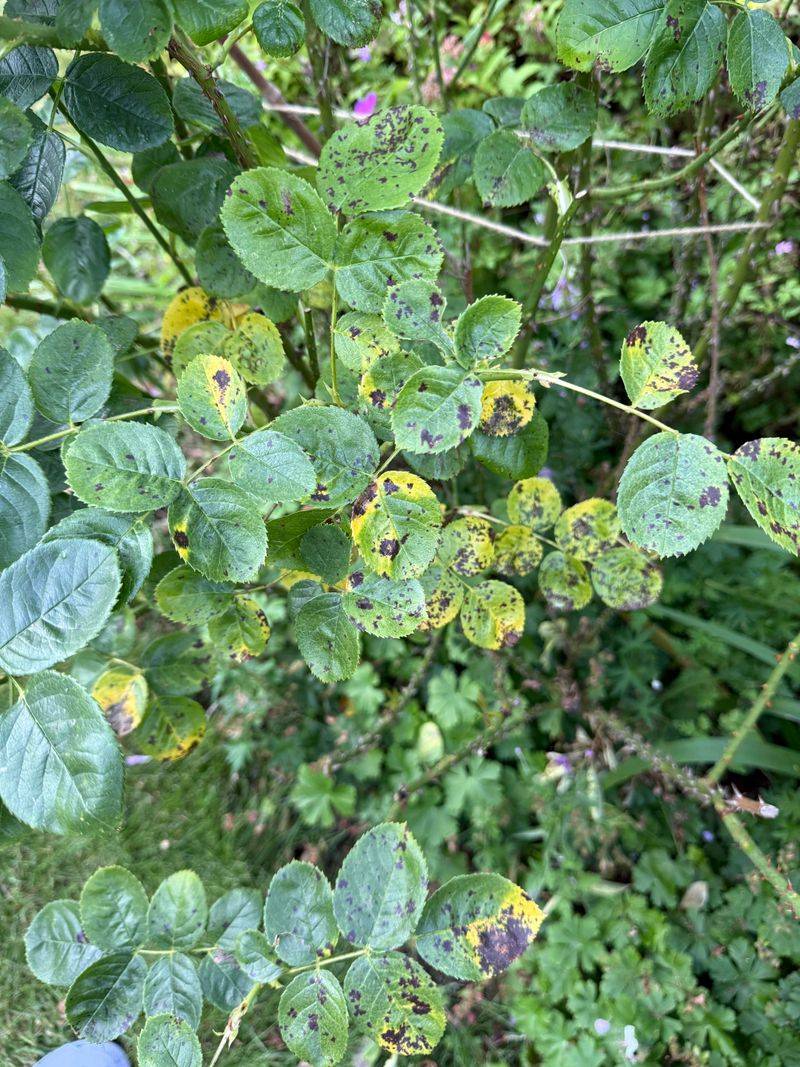
A row of rose bushes planted so close together that their canes touch and their leaves overlap like a tangled green curtain is a setup for trouble.
When roses grow too close, air cannot move through the canopy, and wet leaves stay wet for hours longer than they should.
Black spot, caused by the fungus Diplocarpon rosae, needs leaf wetness for at least seven hours to successfully infect a leaf.
Poor air circulation is one of the top factors that extends that wet window, according to research on Pacific Northwest rose disease management.
Tightly spaced plants create their own little humid microclimate, even on days when the rest of the garden dries out quickly after a morning rain.
Most hybrid tea and grandiflora roses need at least three feet between plants. Shrub roses often need even more room, sometimes four to six feet depending on their mature size.
Giving roses that breathing room lets morning dew and rain dry off faster, cutting down the hours that fungal spores have to work with each day.
If roses are already in the ground too close together, there are options. Transplanting one or two bushes in fall can open up spacing without starting over completely.
Removing crossing canes through smart pruning also thins out the interior without major disruption. Less crowding means faster drying, and faster drying means fewer infection windows for black spot to sneak through each season.
2. Shady Corners Slow Morning Drying
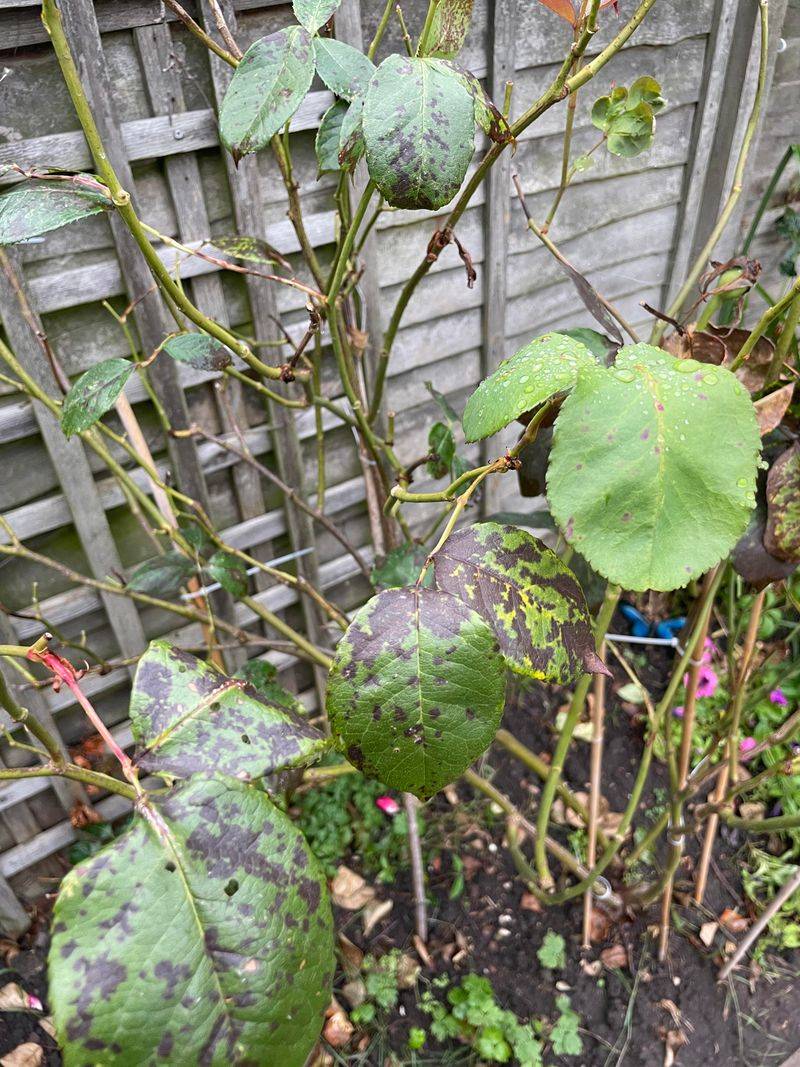
Walk through the garden early on a June morning and notice which roses still have wet leaves at nine or ten o’clock.
Chances are, the ones sitting in partial or full shade are still dripping while roses in sunnier spots have already dried off. That difference matters more than most growers ever connect to their black spot problem.
Sunlight is one of the most powerful tools a rose grower has against black spot, and it costs nothing. Roses planted in shady corners simply do not get the morning sun exposure needed to evaporate dew and rainfall quickly.
Your Oregon Garden Changes Every Week. Your Plan Should Too.
Gardening in Oregon changes quickly throughout the season. Every Friday you’ll receive a simple weekly plan showing exactly what to plant, prune, fertilize, harvest, and protect so you never miss the right timing.
Extended leaf wetness is the single most critical factor in black spot development, and shade extends that wetness significantly in Oregon’s already damp climate.
Roses should receive at least six hours of direct sunlight daily, with morning sun being especially valuable. Morning sun hits leaves early and starts the drying process before spore germination can get a foothold.
Afternoon shade is far less damaging than morning shade because most dew and overnight rain has already dried by then.
Before planting new roses, spend a few mornings watching how sunlight moves across the beds.
Note where shadows linger past eight or nine in the morning, because those shaded zones are risky spots for roses in Oregon’s wet climate.
If existing roses are stuck in shade because nearby trees have grown taller over the years, some strategic trimming can open the canopy and bring in that valuable morning light without removing the trees entirely.
3. Fence Lines Can Block Airflow
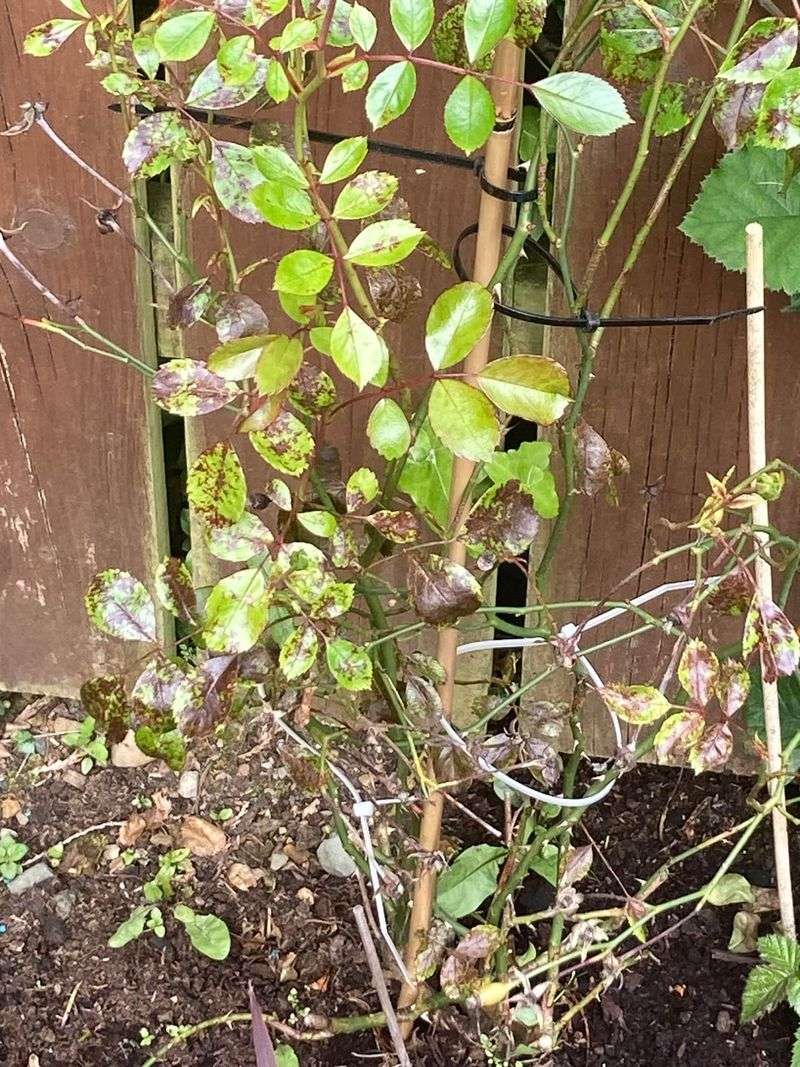
Solid fences look beautiful as a backdrop for rose beds, and many Oregon gardeners love that classic cottage garden look.
But planting roses right up against a solid fence or wall creates a problem that is easy to miss until the black spot has already arrived. The fence blocks prevailing winds and creates a still-air zone where moisture just sits and lingers.
Good airflow around roses works like a natural fan, moving wet air away from leaves and replacing it with drier air. When a solid barrier cuts that airflow off, leaves stay damp much longer after rain or morning dew.
Black spot spores are always present in Oregon gardens, carried by splashing water and wind. They need that wet surface time to germinate and push into leaf tissue.
Spacing roses at least eighteen to twenty-four inches away from solid fences or walls gives air a chance to move behind and around the plants.
Open-style fencing, like split rail or wire, causes far less airflow restriction than solid privacy panels. If the yard only has solid fencing, positioning rose beds on the windward side rather than the leeward side can help move air through more effectively.
Orienting rose beds so they run parallel to the prevailing wind direction in your area is another smart move during the planning stage.
Western Oregon tends to get winds from the southwest, so beds running northeast to southwest allow breezes to pass through more freely. A little thought about wind patterns upfront can save a lot of spraying later.
4. Wet Leaves Invite More Trouble
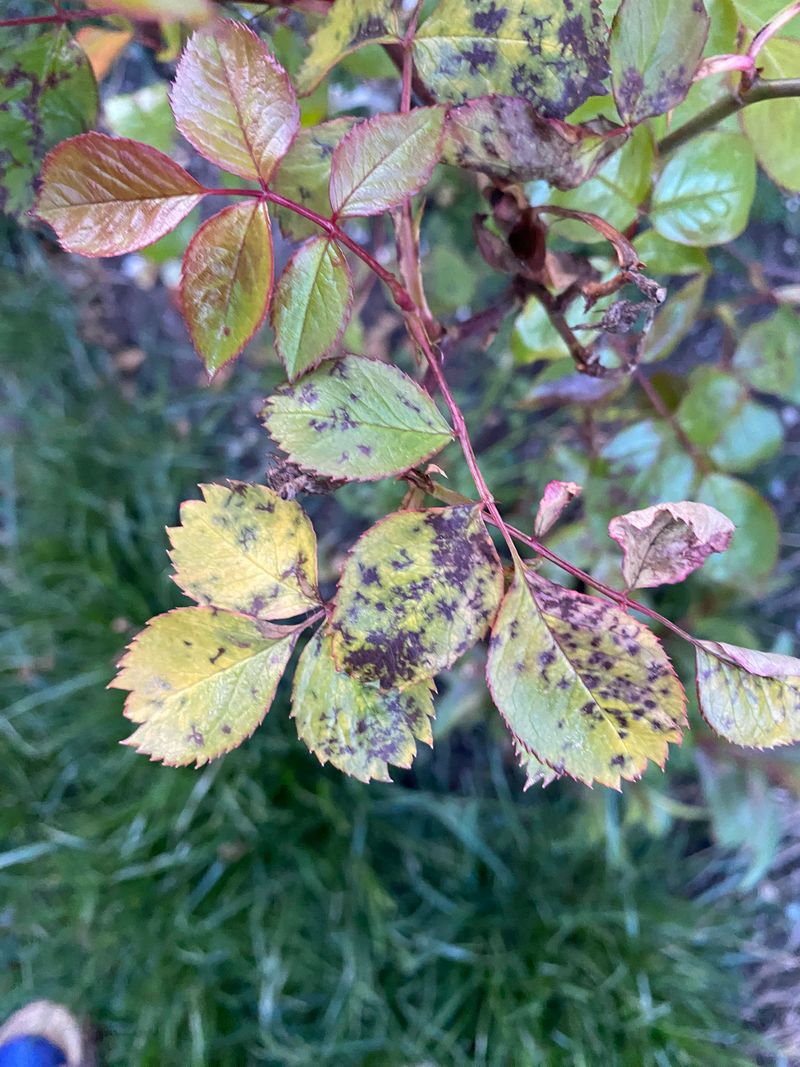
Overhead watering is one of the most common habits that keeps black spot cycling through a rose bed year after year.
Sprinklers feel convenient, especially with a large garden to cover. But every time water lands on rose leaves instead of on the soil, you are extending the leaf wetness period that black spot depends on to spread and establish.
Drip irrigation and soaker hoses are the gold standard for rose watering in Oregon. They deliver water directly to the root zone, keeping foliage completely dry throughout the entire watering cycle.
Switching to ground-level watering is consistently supported as one of the most effective cultural controls available for foliar rose diseases in wet Pacific Northwest climates.
If overhead watering is the only option, timing makes a significant difference. Watering in the early morning gives leaves the best chance to dry before evening.
Watering in the late afternoon or evening leaves foliage wet through the night, which is exactly the long wet window that black spot spores need to successfully infect tissue.
Even hand-watering with a hose can splash soil and water up onto lower leaves if the flow is too forceful. Aim the stream at the base of the plant and keep it gentle.
Mulching around the base of roses also helps by reducing splash-back from rain and irrigation.
A two-to-three-inch layer of wood chips or bark around the root zone keeps soil moisture in while keeping soil-borne spores from bouncing up onto leaves during heavy Oregon rainstorms, which arrive reliably and without much warning.
5. Spotted Leaves Keep Problems Nearby
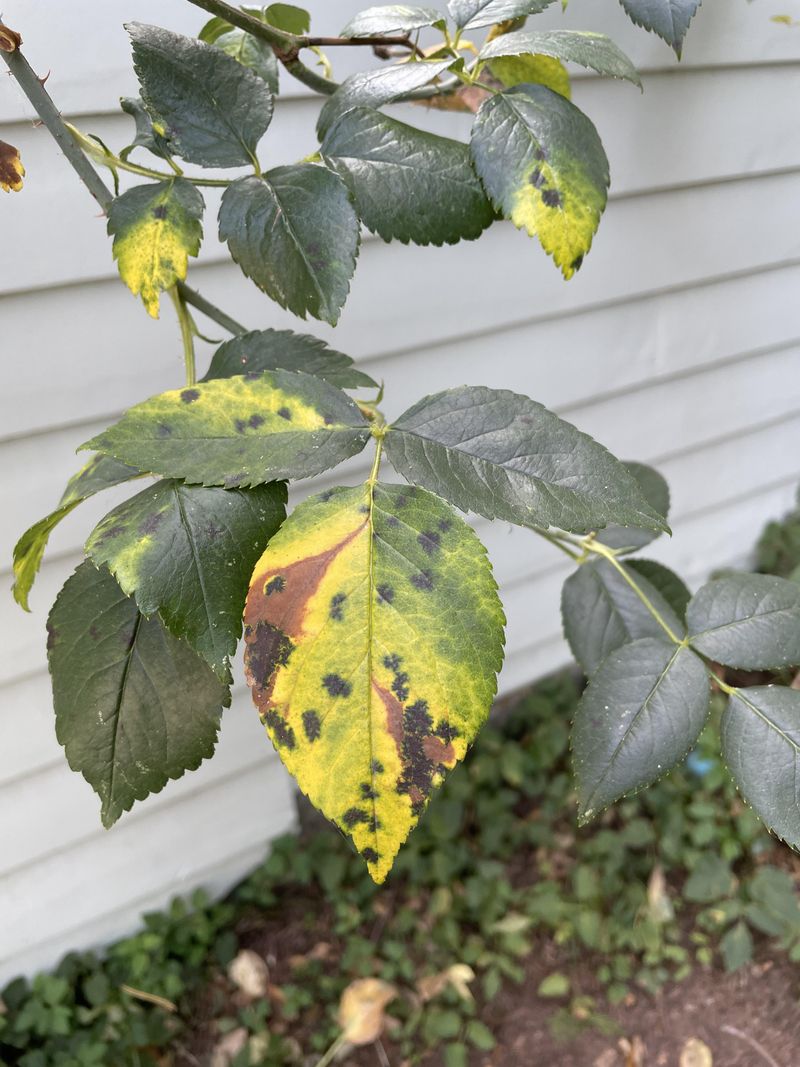
Spotted leaves left on the ground under rose bushes are not just an eyesore. They are a source of fresh spores ready to splash back up onto healthy foliage with the next rain.
Leaving infected leaf material in place is one of the easiest ways to keep black spot cycling through a bed season after season without ever fully understanding why the sprays are not working.
The fungus that causes black spot overwinters on infected canes and fallen leaves. In Oregon’s mild, wet winters, spores can remain viable in leaf litter for months.
Every time rain hits those leaves, it picks up spores and carries them up to new foliage just inches away. Removing fallen spotted leaves promptly breaks that cycle before it can build momentum into the following season.
Make a habit of checking under rose bushes every week or two during the growing season. Pick up any fallen leaves and bag them for the trash rather than composting them.
Home compost piles rarely get hot enough to destroy black spot spores reliably, so bagging is the safer and more effective choice. Also remove any spotted leaves still attached to the plant before they fall on their own schedule.
At the end of the season, a thorough cleanup is especially valuable. Strip remaining leaves from canes, rake up all fallen material, and dispose of it.
Applying fresh mulch after cleanup creates a physical barrier between any remaining spores in the soil and the new growth coming up in spring.
This one habit shift alone can noticeably reduce how much black spot shows up the following year.
6. Crowded Perennials Trap Humid Air
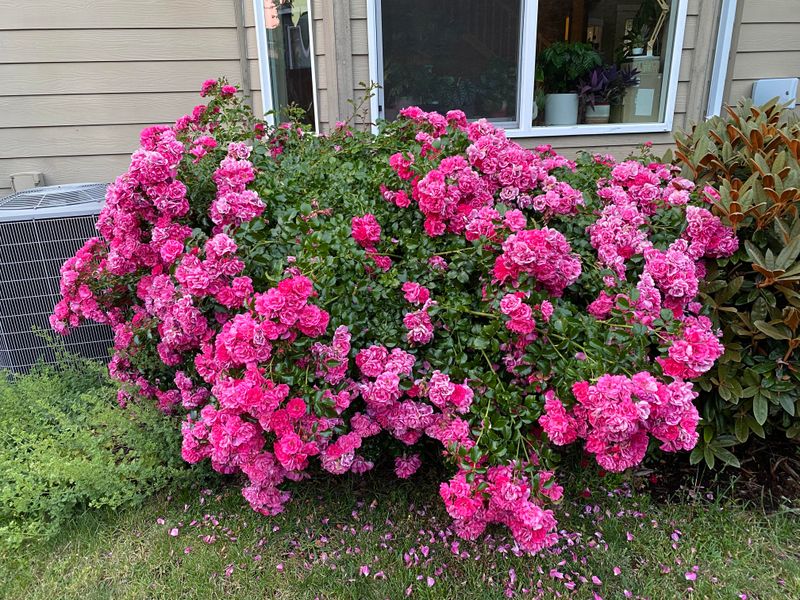
Companion planting around roses looks charming on paper, and the right combinations genuinely work well.
But planting tall, dense perennials right up against rose bushes can create a hidden humidity trap that most gardeners never connect to their black spot problem.
The foliage of neighboring plants holds moisture close to the rose’s lower canes and leaves right where infections tend to start.
Lavender, catmint, and low-growing ornamental grasses are popular rose companions, and they work fine when given enough space.
The trouble starts when perennials are planted so close that their leaves brush against rose foliage or their mass blocks airflow at the base of the plant.
That lower zone is often the first place black spot appears each season, and dense companions make conditions there considerably worse.
A good rule of thumb is to keep companion plantings at least twelve to eighteen inches away from rose canes.
This leaves a clear air channel around the base of the plant where air can move freely and moisture can escape rather than collect. Shorter, less dense companions cause fewer problems than tall, bushy ones planted too close to the main canes.
Groundcovers directly under roses deserve special consideration. While some help suppress weeds and reduce soil splash, dense mats of living groundcover right at the base can hold moisture against the crown of the plant.
Mulch is a better option for the area directly under the rose canopy. Save the companion perennials for the outer edges of the bed where they add beauty without creating a humid microclimate that the black spot fungus finds deeply hospitable.
7. Resistant Varieties Reduce The Pressure
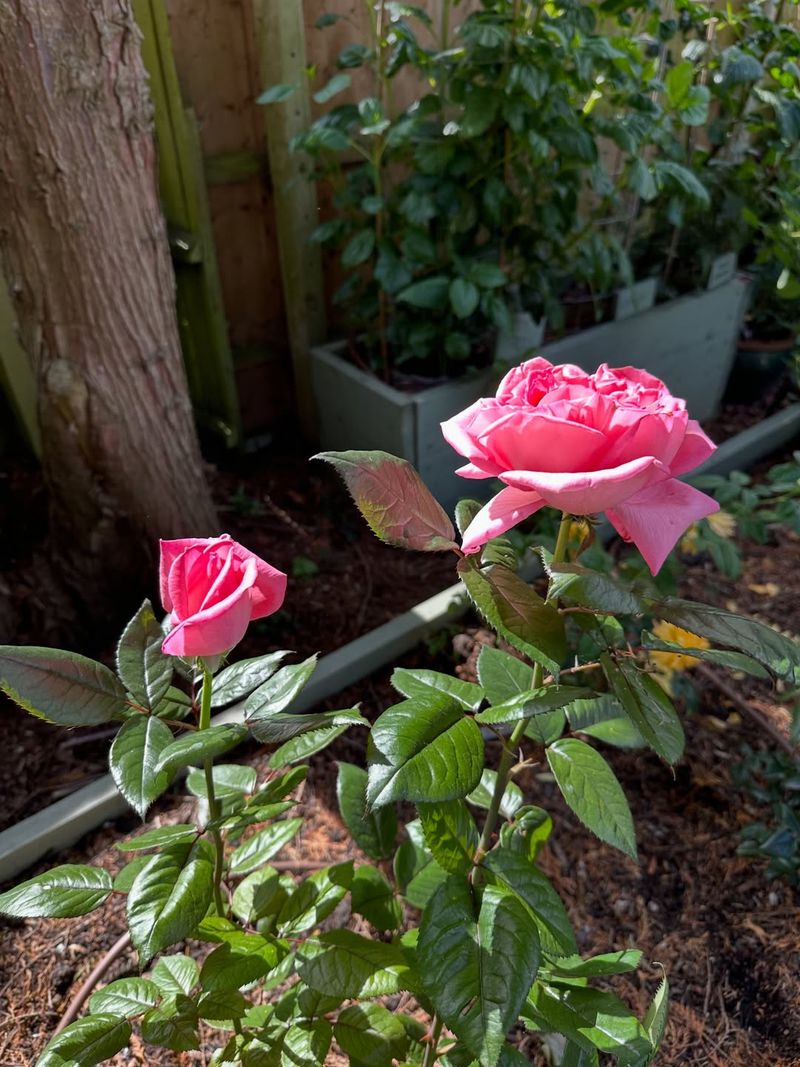
Some roses practically invite black spot, and others shrug it off with almost no help from the gardener.
Variety selection is one of the most powerful long-term tools in a rose grower’s toolkit, yet it is often an afterthought when someone falls for a pretty bloom color at the nursery.
Choosing a susceptible variety in a wet Oregon climate means committing to a long battle that cultural practices alone cannot fully win.
Disease-resistant varieties are consistently recommended as a primary strategy for reducing black spot pressure in the Pacific Northwest.
Knock Out roses, many of the David Austin shrub roses, and the Earth-Kind series have all shown strong black spot resistance in trials.
Varieties like Carefree Wonder, Bonica, and the Oso Easy series are also well-regarded for their cleaner foliage in damp climates where other roses struggle noticeably.
Resistance does not mean complete immunity. Even resistant varieties can show some spotting in a severe wet year, especially in Oregon’s Willamette Valley.
But the difference between a resistant variety and a susceptible one in identical conditions can be dramatic, often meaning the difference between a few spots and complete defoliation by August.
When shopping for roses, look for disease ratings on plant tags or ask nursery staff specifically about black spot resistance.
Many modern shrub roses bred in the last twenty years carry significantly improved disease resistance compared to older hybrid teas.
Mixing resistant varieties into the garden does not mean giving up beautiful blooms. It means spending less time fighting and considerably more time actually enjoying the roses you worked so hard to plant.