No Sun, No Problem: These Flowering Bushes Can Brighten Florida Shade
Some parts of a Florida yard seem determined to test your patience. A fence line that never gets enough light, a corner under the trees that feels flat no matter what you plant, a shady bed that always ends up looking more dull than dreamy.
It is easy to assume flowers are off the table there. They are not.
Shade does change the game, but it does not have to drain the life out of your landscape. In fact, some flowering bushes look even more striking when they light up those softer, darker spots instead of competing with the blazing sun.
That contrast is what makes them so satisfying. Suddenly, a forgotten patch of yard starts feeling lush, layered, and full of personality.
That is the real charm of choosing the right shrubs for Florida shade. They can soften heavy greenery, add color where it feels least expected, and make low-light spaces look far more intentional than neglected.
1. Oakleaf Hydrangea Makes Shade Feel A Lot Less Boring
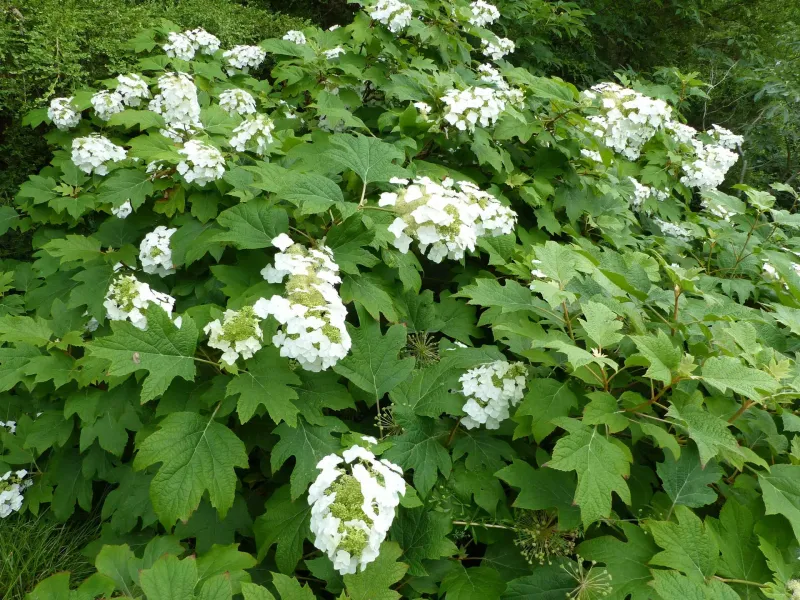
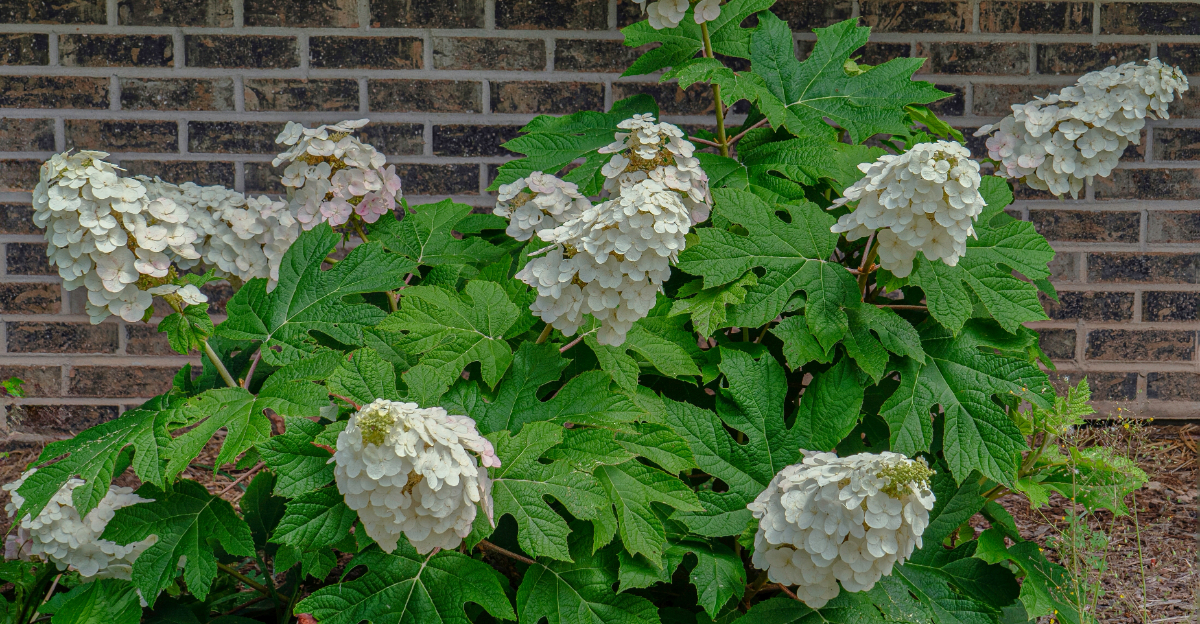
Some shrubs earn their place in a yard by doing one thing well. Oakleaf Hydrangea does about five things well, which is why it stands out even among the best shade-garden performers Florida has to offer.
Named for its large, distinctly lobed leaves that closely resemble the shape of an oak leaf, this shrub brings serious texture to spots where most plants just blend into the background.
The flower clusters are genuinely impressive. They emerge in late spring and early summer as large, cone-shaped panicles of creamy white blooms that can stretch eight inches or more in length.
As the season progresses, those flowers shift toward soft pink and eventually take on a papery, antique quality that looks intentional rather than faded.
Many gardeners leave the dried blooms on the plant through fall and winter because they add structure and visual interest long after the peak bloom period ends.
Fall color is another unexpected bonus. The foliage turns rich shades of bronze, burgundy, and deep red as temperatures cool, which is a rare treat in a Florida landscape where fall color is often limited.
The peeling, cinnamon-toned bark on older stems adds winter interest even after the leaves drop.
Oakleaf Hydrangea grows best in partial to full shade with well-drained, acidic soil. It handles Florida heat better than many other hydrangea species, which tend to struggle in the South.
North and Central Florida are the sweet spots for this shrub. It grows six to eight feet tall with a similar spread, so give it room.
Consistent moisture during establishment is key, and a layer of mulch around the base helps retain soil moisture and keeps roots cool during summer heat.
2. Crepe Jasmine Looks Polished Even Without Full Sun
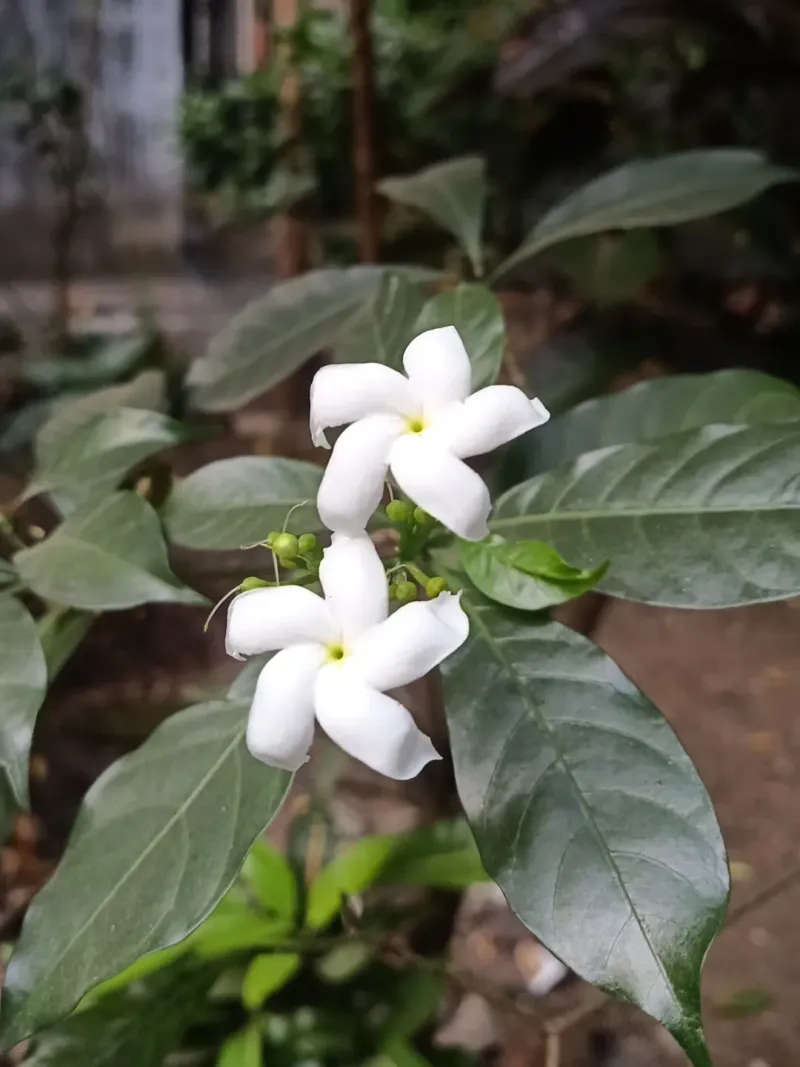
There is something quietly sophisticated about a shrub that manages to look manicured without much fuss. Crepe Jasmine, known botanically as Tabernaemontana divaricata, brings exactly that kind of refined presence to shaded spots in Florida landscapes.
Its glossy, deep green leaves stay on the plant year-round, giving it a polished, evergreen look even when it is not actively blooming.
Your Florida Garden Changes Every Week. Your Plan Should Too.
Gardening in Florida changes quickly throughout the season. Every Friday you’ll receive a simple weekly plan showing exactly what to plant, prune, fertilize, harvest, and protect so you never miss the right timing.
The flowers are where the real charm shows up. Each bloom is a bright white, pinwheel-shaped flower with slightly crinkled petals, which is where the crepe part of the name comes from.
They appear in clusters throughout the warmer months and carry a light, sweet fragrance that makes the shrub even more enjoyable up close.
Unlike some flowering shrubs that put on one dramatic show and then go quiet, Crepe Jasmine tends to produce blooms on and off across a long season, keeping the plant looking fresh and active.
In Florida, Crepe Jasmine performs well in filtered or bright shade. It does not need direct sun to bloom reliably, which makes it genuinely useful for spots under tree canopies or along shaded fences and walls.
Full, dense shade will slow its blooming, but a few hours of morning light or a spot with good ambient brightness keeps it performing well.
This shrub grows six to ten feet tall in South and Central Florida, where it is reliably frost-tolerant. In North Florida, it may need some cold protection during hard freezes.
Well-drained soil and regular watering during dry spells keep it looking its best. Because it holds a naturally tidy shape, it rarely needs heavy pruning, which makes it a low-effort choice for gardeners who want results without constant maintenance.
3. Firespike Brings A Bright Shot Of Color To Shadier Spots
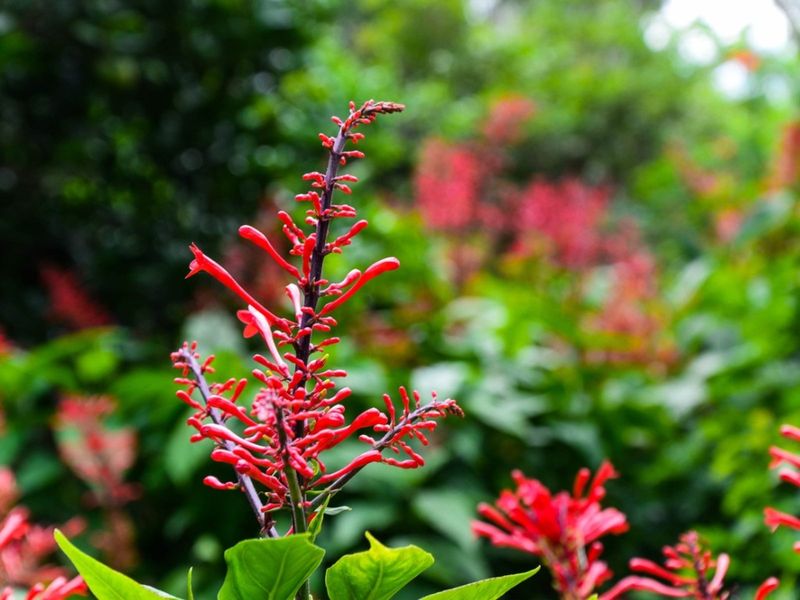
Picture a plant that acts like it belongs in a tropical painting, with tall spikes of blazing red flowers rising above lush, broad leaves. That is Firespike in full swing, and it earns every bit of the attention it gets.
Botanically known as Odontonema strictum, this Florida-friendly shrub is a favorite for gardeners who want bold color in spots that do not get full sun all day long.
The flowers are the main event. Long, tubular blooms in a vivid scarlet-red line the upper stems in dense spikes, typically peaking from late summer through fall and sometimes into early winter.
Hummingbirds are absolutely drawn to them, and butterflies visit regularly as well. For a shady corner that tends to feel flat and green-heavy, a few established Firespike plants can completely change the mood of the space.
It is worth being clear about what kind of shade works best for Firespike. Filtered light and bright shade, especially where some morning sun reaches the plant, bring out the best bloom performance.
Deep, dense shade will limit flowering noticeably. A spot under an open tree canopy or along the east side of a building where light is filtered but present is a much better fit than a truly dark corner.
Firespike grows four to six feet tall and spreads generously, so it works well as a background plant or a loose screen. It is a tropical perennial in South Florida and handles winters in Central Florida with minimal damage.
In North Florida, it may freeze back but often returns from the roots when spring arrives. Regular watering during dry periods and a good layer of mulch keep it vigorous and ready to perform when bloom season arrives.
4. Florida Anise Gives Woodland Shade A More Dramatic Look
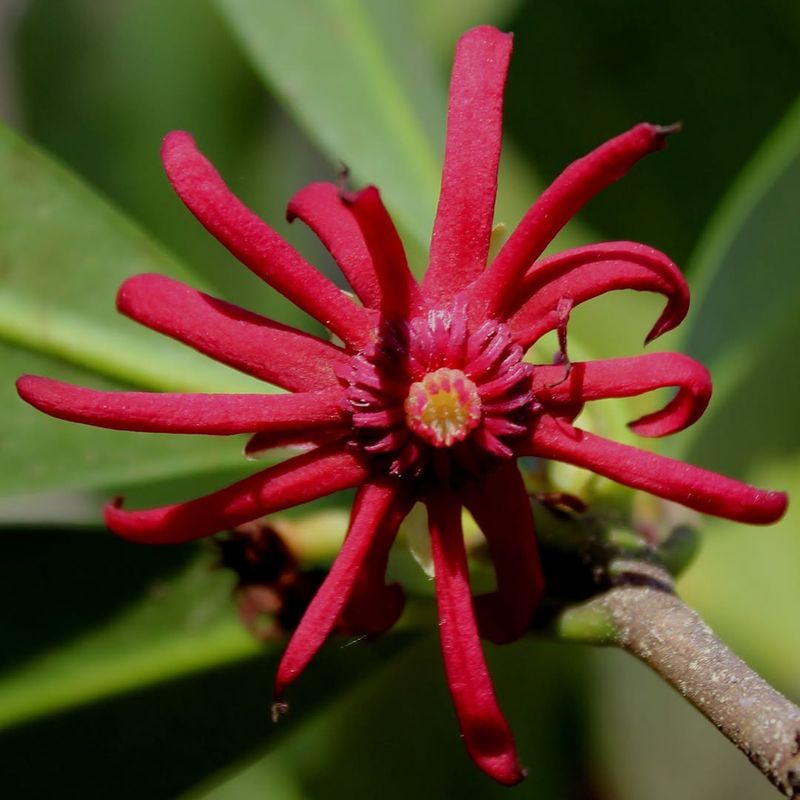
Not every plant in a shade garden needs to shout to make an impression. Florida Anise, Illicium floridanum, is the kind of shrub that pulls you in with its details rather than hitting you over the head with color.
It is native to the Florida Panhandle and thrives across much of North and Central Florida, making it one of the most regionally authentic choices for a shaded landscape planting.
The flowers are unusual and genuinely interesting. Star-shaped blooms in deep maroon or burgundy-red appear in spring, dangling from the branches like small, exotic ornaments.
They are not the type of flowers you see from across the yard, but up close they have a dramatic, almost otherworldly quality that makes them memorable. The aromatic foliage adds another layer of sensory appeal.
Crush a leaf and you get a strong, spicy anise-like scent that fills the air around the plant, which is also why deer tend to leave it alone.
The evergreen foliage is dense, glossy, and a rich, deep green that reads as lush even in shaded conditions. Florida Anise works beautifully as a screen, a foundation planting, or a background layer in a naturalistic woodland garden.
It handles deep shade better than many of the other shrubs in this article, which makes it a genuinely useful option for the darker corners of a Florida yard.
This shrub grows six to ten feet tall and prefers consistently moist, acidic soil with good organic content. It does not like to dry out completely between waterings.
Mulching heavily around the base mimics the forest floor conditions it naturally prefers and helps maintain the soil moisture and temperature it needs to stay healthy and attractive through every season.
5. Azaleas Still Know How To Steal The Show In Shade
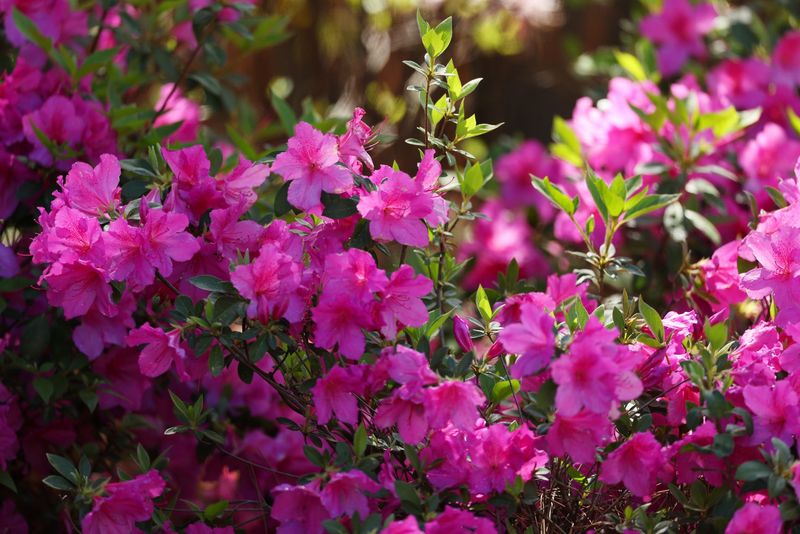
Every spring, something almost theatrical happens in Florida yards where azaleas are planted. The shrubs go from quiet and green to absolutely covered in flowers almost overnight, and the effect is genuinely hard to ignore.
Few plants pack as much visual impact into a single season as a well-placed azalea in full bloom, and in North and Central Florida, their preference for filtered shade makes them one of the most practical flowering shrubs for bright shaded landscapes.
North and Central Florida have a long history with azaleas, and certain cultivars have been growing there for generations. The Southern Indica azaleas are among the most reliable for Central and North Florida, producing large flowers in shades of white, pink, red, lavender, and coral.
Encore Azaleas have gained popularity more recently because they rebloom in fall in addition to their main spring flush, stretching the color season considerably. For gardeners who want more than one dramatic moment per year, the reblooming types are worth the investment.
Placement makes a significant difference in how well azaleas perform. They bloom most heavily with morning sun and afternoon shade, a combination that is easy to find under high-canopy trees or on the east side of a structure.
Too much dense shade reduces bloom count noticeably, so the goal is bright or filtered shade rather than a dark corner.
Azaleas need well-drained, acidic soil with a pH between 4.5 and 6.0. Amending Florida’s sandy soil with compost and pine bark helps create the right growing environment.
A thick layer of pine straw mulch keeps roots cool and moisture consistent. Once established, azaleas are surprisingly resilient, but they appreciate supplemental watering during extended dry spells, particularly in the months leading up to bloom season.
6. Loropetalum Adds Color When Full Sun Is Hard To Find
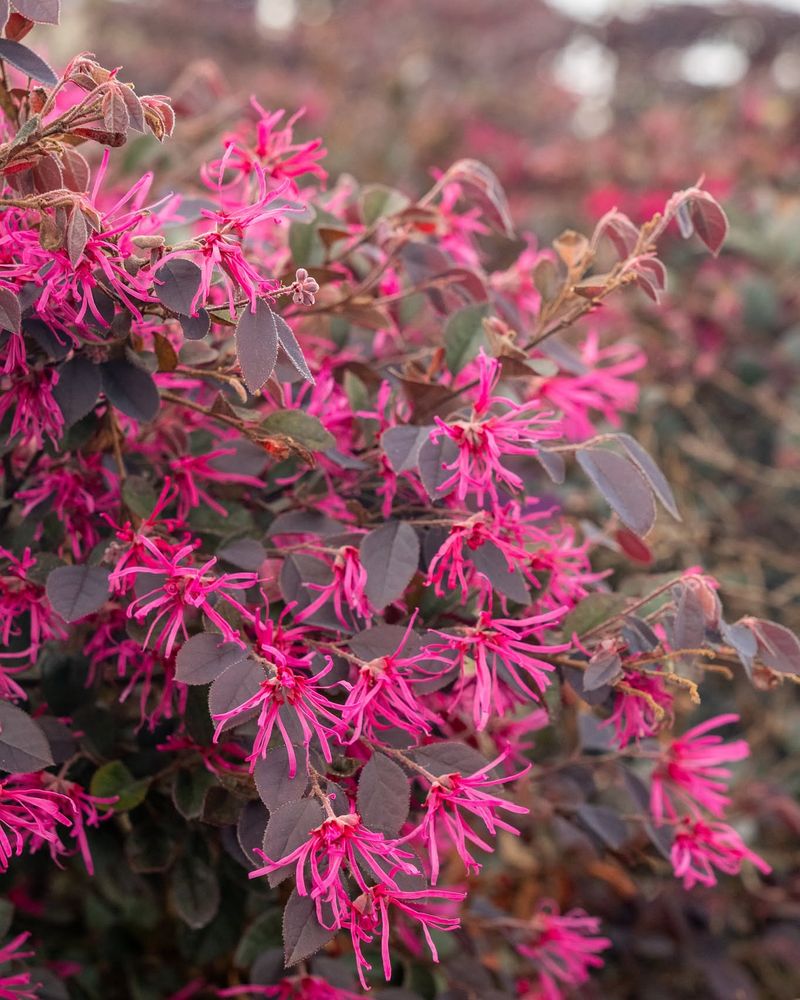
Walk through almost any Florida neighborhood and you will likely spot Loropetalum growing somewhere, its deep burgundy foliage catching the eye even from a distance.
Also called Chinese fringe flower, this evergreen shrub has become a landscape staple in the South largely because it offers something most shrubs cannot match: bold foliage color that holds up through the entire year, not just during bloom season.
The flowers are a fun surprise. Fringe-like blooms in hot pink or magenta burst from the branches in late winter and early spring, creating a striking contrast against the dark purple leaves.
Some varieties rebloom lightly through the year, though the spring show is the main event.
Even without flowers, the rich, wine-colored foliage keeps Loropetalum looking intentional and interesting in a planting that might otherwise feel too green.
Here is where honesty matters: Loropetalum genuinely prefers full sun to partial shade, and it performs best with at least four to six hours of direct light per day.
In bright or filtered shade, it can still grow and hold reasonable foliage color, though the deepest burgundy tones and the heaviest flower production happen with more sun.
A spot that gets morning sun and afternoon shade is a much better fit than a truly shaded location. Think of it as a shade-tolerant option rather than a shade-loving one.
Loropetalum grows in a wide range of sizes depending on the cultivar, from compact three-foot mounding types to larger varieties that reach ten feet or more. Well-drained, slightly acidic soil suits it well.
Once established, it is fairly drought-tolerant and does not demand constant attention. Light pruning after the spring bloom keeps the shape tidy without sacrificing the next round of flowers.