These California Yard Mistakes Can Attract More Mice To Your Home
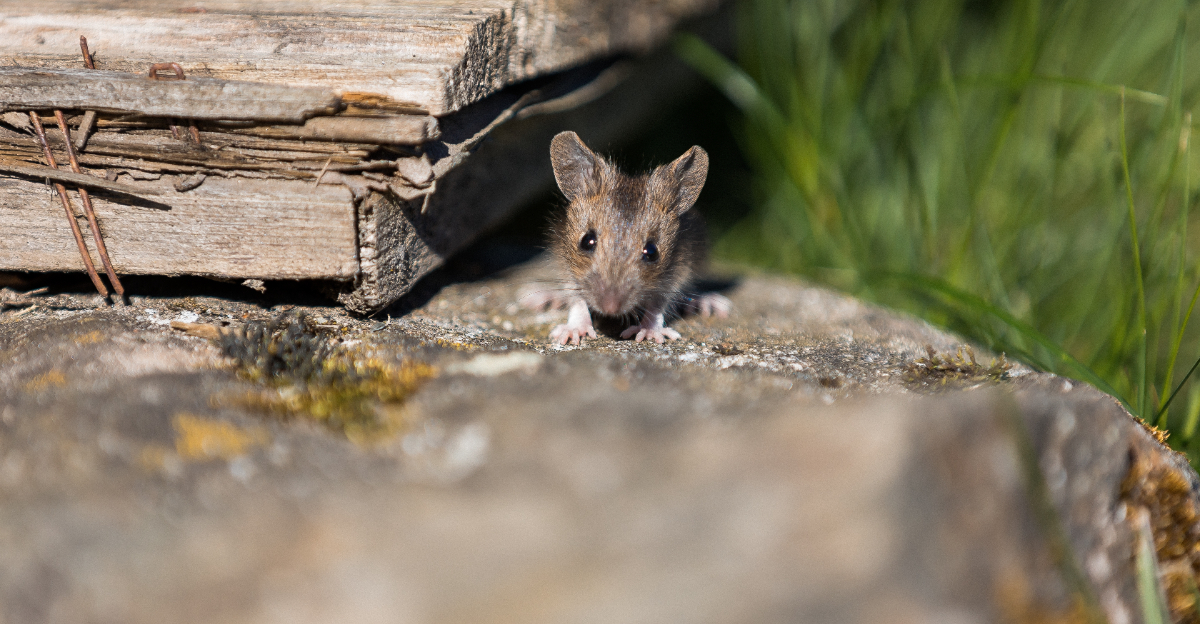
A few tiny paw prints near the patio might not seem like a big deal, until you start wondering where their owner plans to go next.
California yards can offer plenty of interesting hiding spots, pathways, and opportunities for mice, especially when everyday outdoor habits quietly make the space more appealing than homeowners realize.
The tricky part is that nothing has to look especially messy or neglected. A yard can appear tidy, well maintained, and completely ordinary while still giving small rodents reasons to hang around.
Great. Apparently even mice have opinions about landscaping. Because these animals are quick, cautious, and excellent at staying out of sight, their presence may not become obvious right away.
By the time you notice droppings, rustling, or suspicious activity near the house, they may already be very comfortable with the neighborhood.
That makes a quick yard check well worth your time. Some surprisingly common habits can influence how inviting your property feels, and spotting them early could help keep those tiny visitors interested in somewhere else.
Leaving Birdseed Scattered Under Feeders
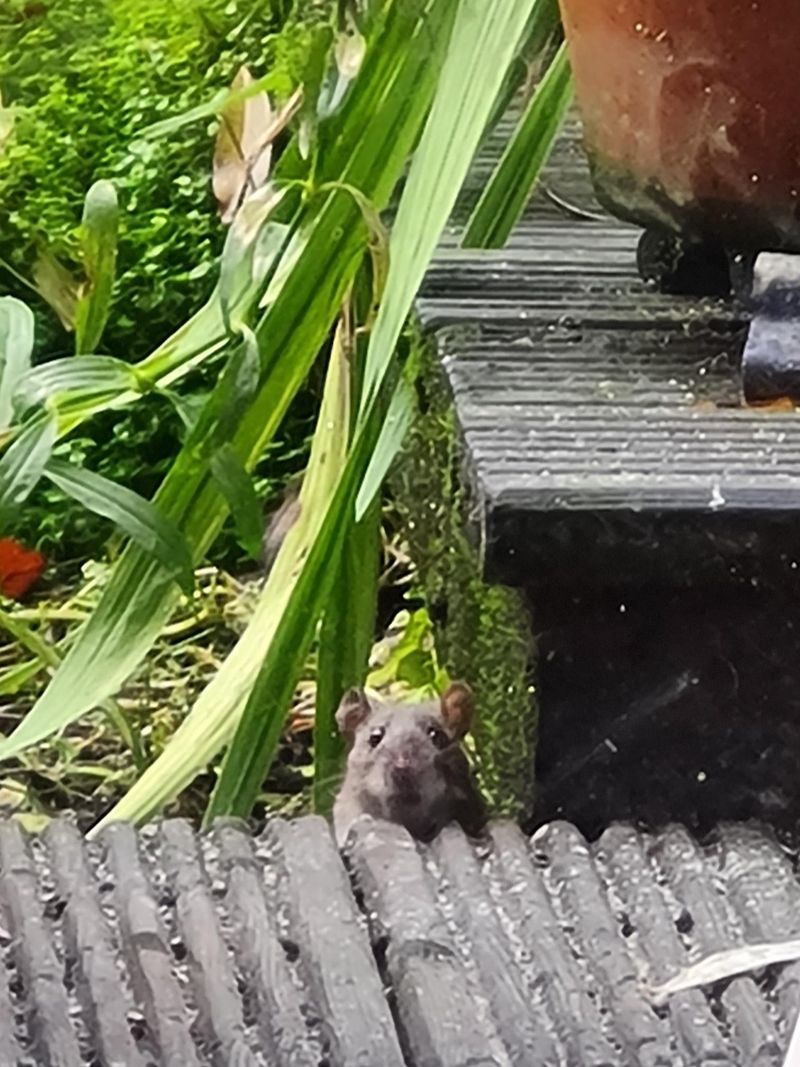
Bird feeders are a joy to have in any backyard, but what falls beneath them can quietly become a buffet for mice. Seeds that drop to the ground are easy pickings for rodents, especially at night when mice are most active.
A single feeder can scatter dozens of seeds per day without you even noticing.
Mice have an incredible sense of smell. They can detect food from several feet away and will return to the same spot night after night if food keeps showing up.
Once they get comfortable feeding under your feeder, they start exploring the rest of your yard, and eventually your home.
The fix is simple but requires consistency. Place a seed catcher tray beneath your feeder to collect fallen seeds before they hit the ground.
Clean up any spillage every evening, especially before dark when mice begin their search for food. You can also switch to no-mess seed blends that contain hulled seeds, which produce less waste overall.
Try moving your feeder at least ten feet away from your home’s exterior walls. The farther food sources are from your house, the less likely mice are to make the short trip inside.
Keeping the area beneath your feeder clean is one of the easiest ways to stop a rodent problem before it starts.
Letting Fallen Fruit Sit On The Ground
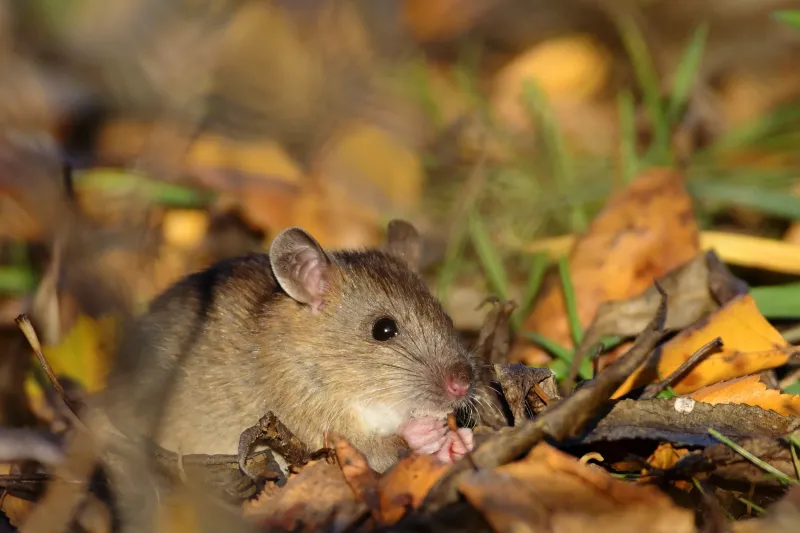
Fruit trees are one of the most rewarding things to grow in a backyard. But once fruit starts dropping to the ground and sitting there, it becomes a serious attractant for mice.
Rotting fruit is sweet, soft, and easy to eat, making it a perfect meal for hungry rodents.
Even one or two pieces of fallen fruit can draw mice in from neighboring properties. They are persistent and will return every night as long as food is available.
Over time, this habit can bring a whole group of rodents right to the edge of your home.
Your California Garden Changes Every Week. Your Plan Should Too.
Gardening in California changes quickly throughout the season. Every Friday you’ll receive a simple weekly plan showing exactly what to plant, prune, fertilize, harvest, and protect so you never miss the right timing.
Pick up fallen fruit as often as possible, ideally every day during peak dropping season. Do not let it pile up near the base of trees or along fence lines.
If you have more fruit than you can use, consider composting it in a sealed bin rather than leaving it in an open pile.
It also helps to harvest fruit as soon as it is ripe rather than letting it linger on the tree. Overripe fruit falls faster and draws more attention from wildlife.
Keeping your harvest schedule tight reduces the amount of fruit that ends up on the ground in the first place. A clean yard beneath your fruit trees sends a clear message to mice that there is nothing worth sticking around for.
Letting Tall Grass Stay Dense Near The House

Tall grass growing close to your home’s foundation is like offering mice a free hotel. Dense grass provides cover, warmth, and protection from predators.
Mice feel safe moving through it without being spotted, which makes them bolder about approaching your house.
Rodents do not like open spaces where they can be seen easily. When grass is kept short and tidy near the base of your home, they have nowhere to hide.
But when it grows thick and tall, it creates a hidden highway right up to your walls, vents, and door gaps.
Mow your lawn regularly, especially the areas closest to your home’s exterior. Aim to keep grass no taller than two to three inches near the foundation.
This simple step removes the cover mice depend on to feel safe while they scout your home for entry points.
Also pay attention to weeds and wild grasses that grow along fences or in neglected corners of the yard. These patches are often ignored but are exactly the kind of spots mice love to nest in.
Pull weeds regularly and consider using a gravel or rock border along your home’s foundation. A clear, open zone around the perimeter of your house makes mice think twice before getting close.
Short grass and open ground are two of the best natural deterrents you have at your disposal.
Allowing Seed Heads To Drop Across The Yard
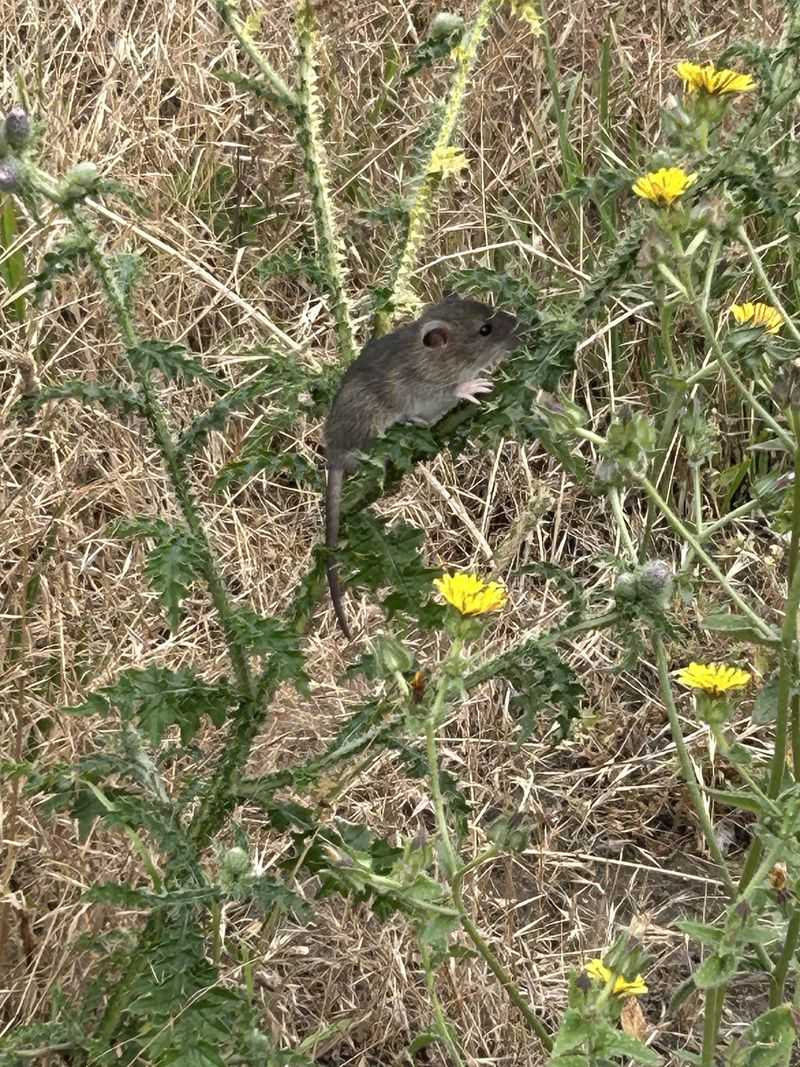
California homeowners plant ornamental grasses and wildflowers because they look beautiful and require little upkeep.
But when those plants go to seed and the seed heads drop across the yard, they create a scattered food trail that mice follow eagerly. It is a problem that sneaks up on you slowly.
Seed heads contain concentrated nutrition that rodents crave, especially heading into cooler months.
Mice will spend hours foraging through a yard, collecting seeds and storing them nearby. The more seeds available, the more reason they have to stay close to your property.
Deadheading your plants before seeds fully mature is one of the best ways to prevent this issue.
Walk through your yard every week or two during late summer and fall, and cut off seed heads before they dry out and scatter. Bag the trimmings rather than leaving them on the ground.
If you love the look of seed heads in winter, consider keeping only a few plants in areas far from your home’s exterior. This gives you the visual appeal without creating a food source right next to your walls.
You can also choose low-seed or sterile plant varieties that produce less seed overall.
Staying on top of this during the fall season makes a noticeable difference in how many rodents are drawn to your yard when temperatures start to drop and food becomes harder to find elsewhere.
Keeping Overgrown Shrubs Tight Against Exterior Walls
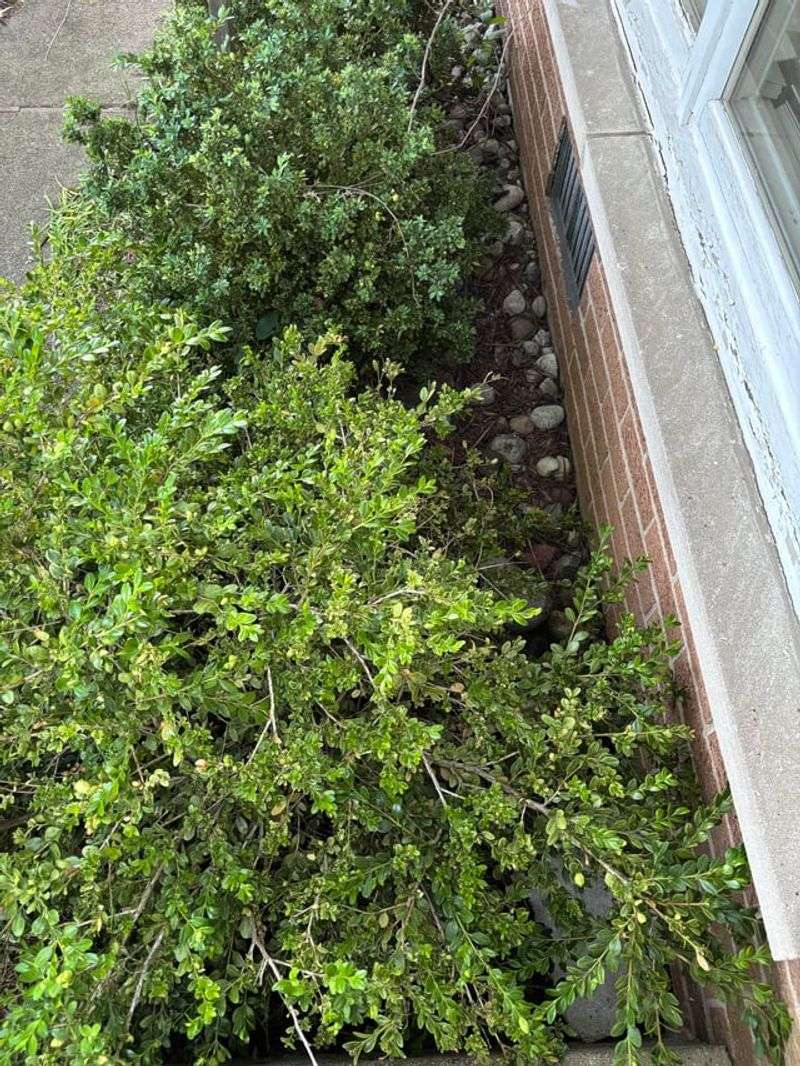
Shrubs planted close to your home can look lush and welcoming, but when they grow too thick and press against your exterior walls, they create the perfect hiding spot for mice.
The dark, sheltered space between a dense shrub and a wall is warm, protected, and nearly invisible to humans.
Mice use these spaces to nest, rest, and plan their next move into your home. Exterior walls often have small gaps, cracks, or vents that mice can squeeze through.
When shrubs are right up against those entry points, rodents can access them without ever crossing open ground where they might be spotted.
Trim shrubs regularly and keep them at least one to two feet away from your home’s exterior walls. This creates a gap that removes the shelter mice rely on.
You should also prune the lower branches so there is open space between the ground and the shrub’s canopy, making it harder to use as a nesting site.
Consider replacing dense foundation shrubs with lower-growing, open varieties that offer less cover. Ornamental grasses or spiky plants like agave or rosemary can add beauty without creating rodent-friendly hiding spots.
Check behind your shrubs a few times a year for signs of nesting, such as droppings, chewed material, or small burrow openings near the soil. Catching these signs early makes a big difference in stopping a rodent problem before it grows.
Leaving Yard Clutter Undisturbed For Too Long

A cluttered California yard is a dream home for mice. Piles of wood, stacked flower pots, old garden equipment, and bags of soil left sitting in the same spot for weeks on end give rodents exactly what they are looking for: undisturbed shelter.
The longer something sits still, the more likely something has moved in underneath it. Mice are quick to take advantage of any stable, sheltered space.
A stack of lumber near the fence or a forgotten tarp in the corner of the yard can house an entire family of rodents before you even realize it. They build nests fast and reproduce at a surprising rate.
Make it a habit to move things around regularly. Even shifting a woodpile a few feet or flipping over old containers disrupts the stability mice need to feel safe.
Store firewood at least eighteen inches off the ground on a proper rack, and keep it as far from your home as possible.
Go through your yard at least once a month and remove items you no longer need. Donate, recycle, or trash anything that has been sitting unused for more than a season.
The less clutter you have, the fewer hiding places mice can use. An organized yard is not just more pleasant to look at.
It is also far less inviting to rodents who are always on the lookout for a quiet, sheltered spot to call home.
Ignoring Leaky Faucets And Dripping Irrigation
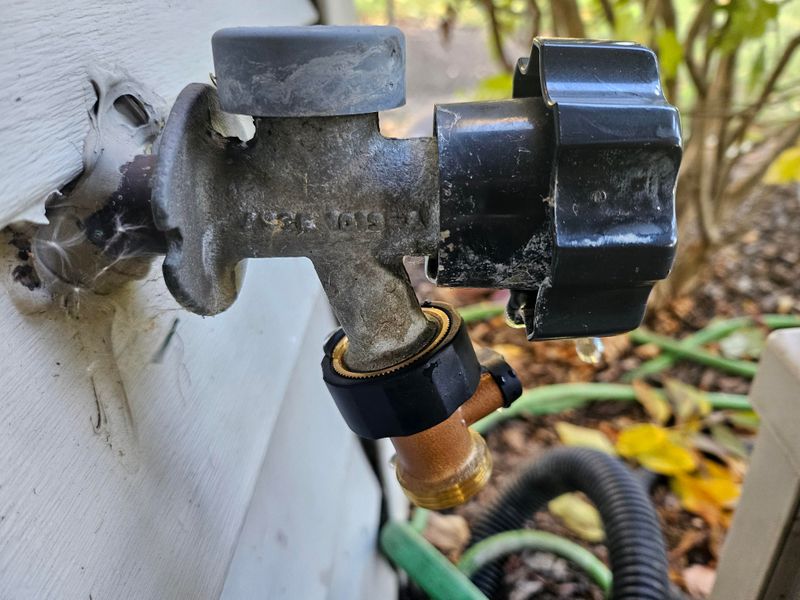
Water is just as important to mice as food. A dripping faucet, a leaky hose connection, or a poorly adjusted irrigation head can create a reliable water source that draws rodents in night after night.
Most people focus on food when thinking about what attracts mice, but water is equally powerful.
In dry climates, a steady drip of water becomes extremely valuable to small animals. Mice will travel a surprising distance to reach a dependable water source.
Once they find one in your yard, they will set up nearby and start looking for food and shelter to complete their setup.
Walk your yard regularly and check all outdoor faucets, drip lines, and irrigation connections for leaks. Fix any drips as soon as you find them.
Even a slow, steady drip adds up to a significant amount of water over the course of a night, which is more than enough for a small rodent family.
Also check for areas where water pools after irrigation. Low spots in the yard that stay wet long after watering can serve the same purpose as a leaky faucet.
Improving drainage in those areas helps eliminate standing water. Adjust your irrigation schedule so the yard has time to dry out between watering cycles.
Removing water sources from your yard is one of the fastest ways to make your property less attractive to mice searching for a place to settle in.
Storing Grass Seed In Easy-To-Chew Bags
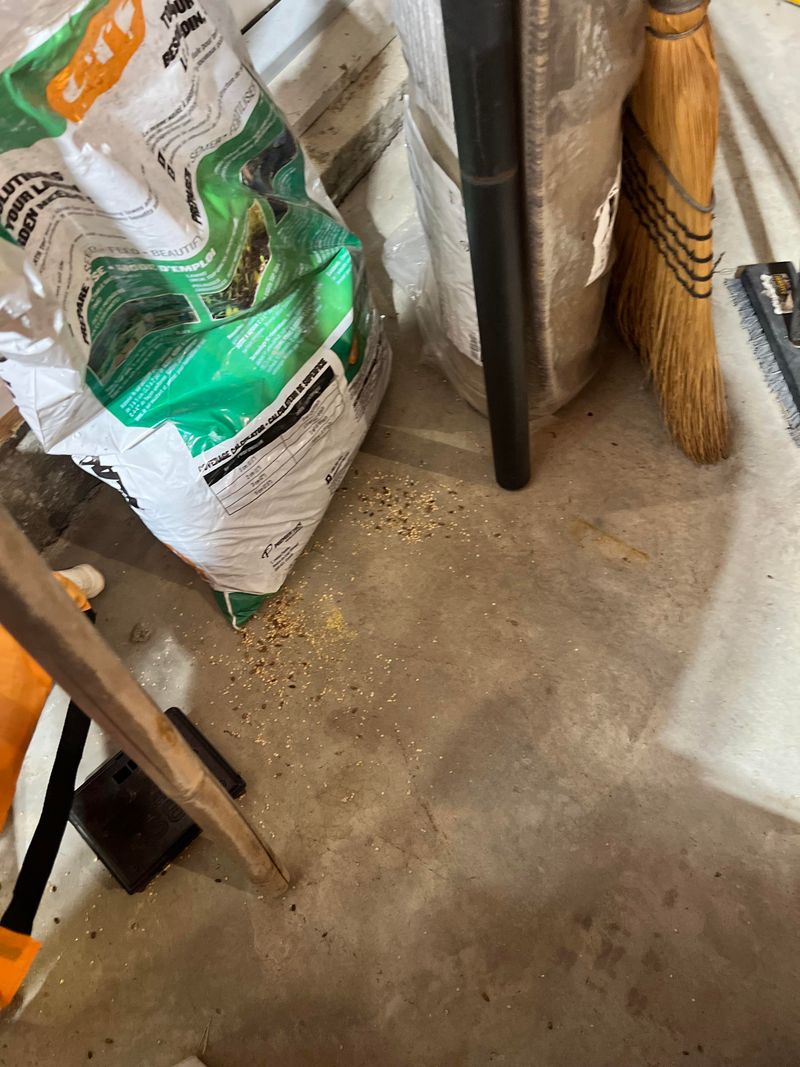
Grass seed stored in thin paper or plastic bags is basically an open invitation for mice. Rodents have strong teeth that can chew through standard seed packaging in minutes.
Once they find a bag of grass seed in your garage or shed, they will return to it repeatedly until it is gone or until you find the damage yourself.
The smell of seed travels through packaging easily. Mice can detect it from a distance and will follow that scent right to wherever you have stored it.
A torn bag left on a shelf or on the floor of a shed can attract rodents that then explore the rest of the space looking for more food and nesting material.
Store all grass seed in hard plastic or metal containers with tight-fitting lids. These materials are far more resistant to chewing and keep the scent from escaping as easily.
Label your containers clearly and check them regularly for any signs of tampering or entry.
Keep your storage areas organized and off the ground when possible. Shelving units that hold containers up off the floor make it harder for mice to reach stored goods.
Also avoid storing large quantities of seed longer than necessary. Buy what you need for the season and use it up rather than letting it sit for months.
Proper seed storage is a small change that can prevent a much larger rodent problem from developing inside your garage or shed.