Why Pennsylvania Gardens With More Robins Often See Fewer Pest Problems
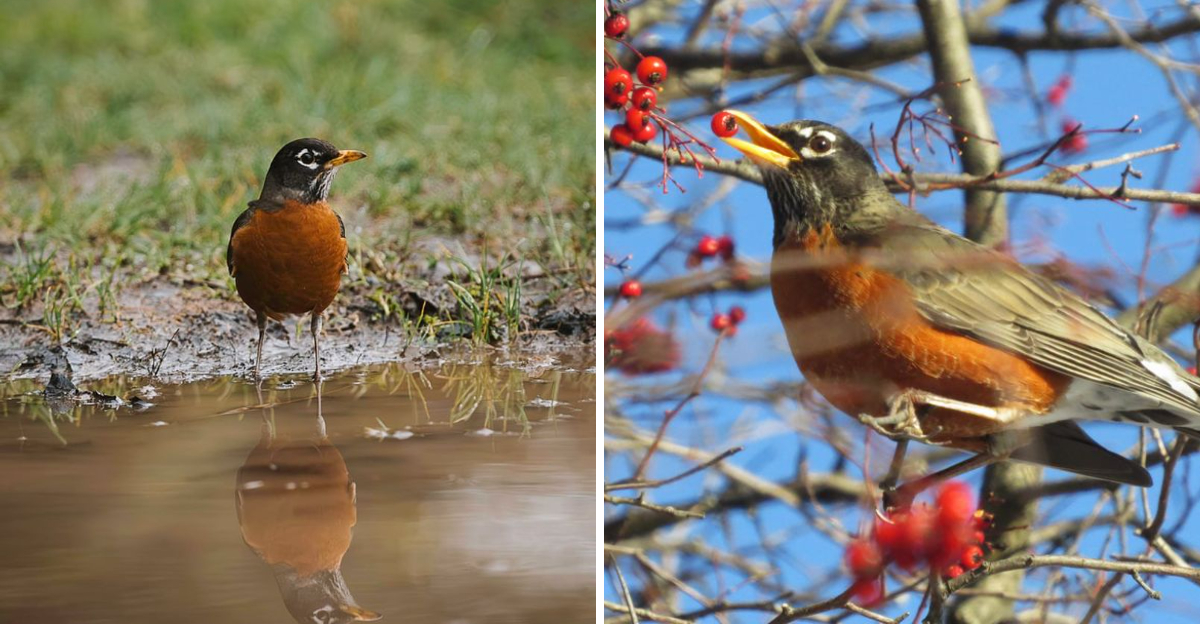
There is a bird hopping across your lawn right now, and it is doing more for your garden than you probably realize.
Not in a vague, feel-good way. In a very literal, measurable, eat-the-grubs-out-of-your-soil kind of way.
American robins are one of the most common backyard birds in Pennsylvania, and many gardeners look right past them.
They are too familiar to seem remarkable. But the gardens that attract robins consistently tend to have something quietly different going on.
Less visible pest damage. Fewer grubs in the lawn. Caterpillar pressure that never quite builds the way it does next door. It is not a coincidence, and it is not luck.
Robins are working those yards every single morning, and the gardeners who figured that out stopped fighting certain pest problems entirely.
The setup is simpler than you might expect. A few plant choices, one or two habitat tweaks, and the birds do the rest. Want to know exactly what those yards are doing differently?
1. Berries Keep Robins Returning To Your Yard
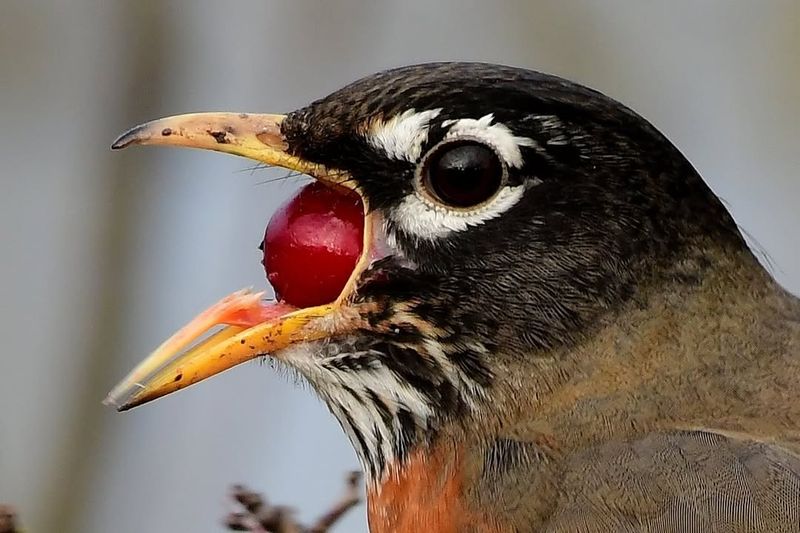
Walk past a serviceberry shrub in early June and you might catch a robin so focused on eating that it barely notices you standing there watching.
Berries are a major part of the robin diet, especially in late summer and fall when insects become harder to find.
Planting the right berry-producing shrubs is one of the most reliable ways to bring robins into a Pennsylvania yard consistently.
Native shrubs like serviceberry, elderberry, and spicebush produce fruit that robins recognize and seek out without hesitation.
Dogwood trees, especially flowering dogwood, also produce small red berries that robins actively target during migration.
These plants do not just feed birds. They also support the native insects that give robins even more reason to forage in the same area day after day.
Non-native ornamental shrubs often produce berries that birds ignore or cannot digest as efficiently.
Choosing native species means working with the local food web rather than around it, and the difference in bird activity is usually noticeable within a season.
Spacing a few berry shrubs near open lawn areas gives robins easy access to both fruit and foraging ground in the same visit.
That combination is especially attractive during nesting season when parent birds need to feed themselves and their young quickly and efficiently.
A garden that reliably offers food becomes a garden that robins return to on their own schedule, which means consistent, ongoing pest pressure reduction without any extra effort from you.
Honestly, getting a robin to handle your pest problems with a serviceberry is one of the better gardening deals available.
2. Healthy Soil Brings More Worm-Hunting Robins In
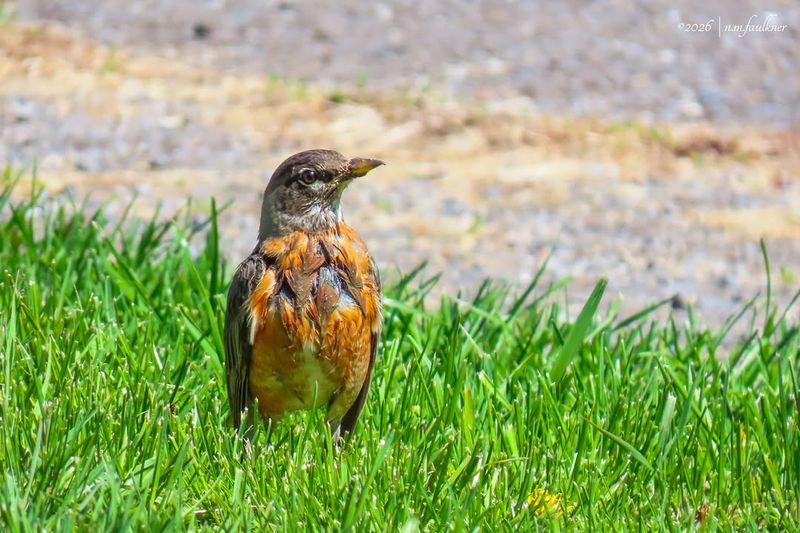
Earthworms are to robins what a freshly stocked pantry is to someone who just got home from a long trip. Immediately compelling and worth crossing the yard for.
Robins rely heavily on earthworms, especially during spring and early summer when the soil is moist and worms move close to the surface.
A garden with healthy, worm-rich soil is a garden that keeps robins coming back morning after morning without any extra invitation.
Your Pennsylvania Garden Changes Every Week. Your Plan Should Too.
Gardening in Pennsylvania changes quickly throughout the season. Every Friday you’ll receive a simple weekly plan showing exactly what to plant, prune, fertilize, harvest, and protect so you never miss the right timing.
Soil health starts with organic matter. Adding compost to garden beds each year feeds the microbes and organisms that earthworms depend on to thrive.
Avoid compacting the soil with heavy foot traffic or machinery, because compacted soil squeezes out the air pockets that worms need to move through and breathe.
Healthy, loose, living soil produces far more worms than hard, dry, or chemically saturated ground.
Avoiding synthetic fertilizers with high salt content also helps. Those salts can reduce worm populations over time by disrupting the soil chemistry that supports them.
Organic fertilizers and compost amendments build the kind of soil structure that earthworms genuinely love.
Keeping a section of lawn slightly moist, especially near garden beds, makes it easier for worms to surface and for robins to locate them.
Robins use a combination of sight and sensitivity to ground vibrations to find worms just below the surface.
A lawn that is alive beneath the soil gives every visiting robin a reason to stay and work your yard rather than move on to a neighbor who unknowingly built a better worm habitat.
3. Nesting Cover Locks In A Full Season Of Pest Control
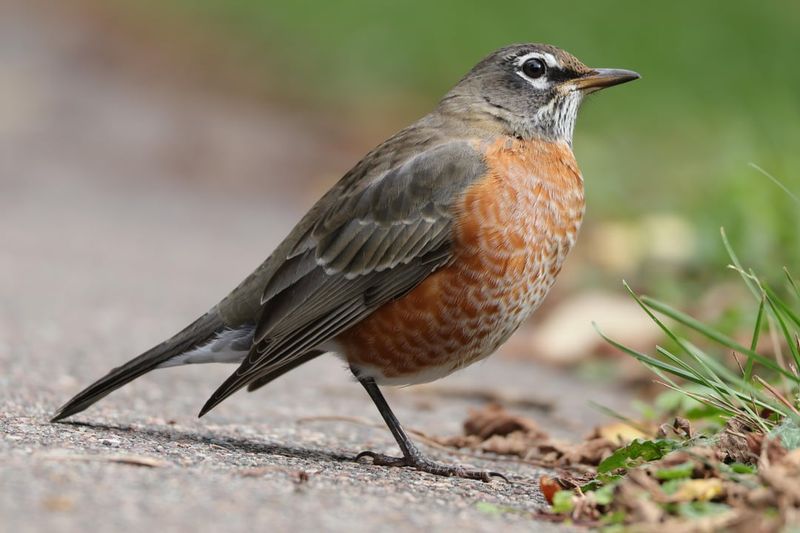
Nesting season changes everything for a robin. Once a pair chooses a spot, they become intensely focused and spend weeks foraging in the immediate area to feed their young.
A garden with good nesting cover does not just attract one robin for a quick visit. It earns a pair of highly active insect hunters for the entire breeding season, which is a significant amount of free pest management concentrated in one yard.
Dense shrubs with sturdy branching structure are ideal nesting sites for American robins. Native shrubs like viburnums, hawthorns, and gray dogwood provide the right combination of cover, branch angles, and nearby food.
Robins also nest in small trees like crabapples and in climbing vines supported by fences or trellises. The key is layered vegetation that gives birds a genuine sense of shelter and security.
Planting shrubs in clusters rather than as isolated specimens creates more appealing habitat.
A group of three to five native shrubs forms a mini-thicket that feels safe to nesting birds. Predators are easier to detect and escape when cover is dense and varied.
When robins nest successfully in a yard, they often return to the same territory the following year.
Over time, the garden becomes a known, reliable nesting site, which means consistent pest-foraging activity season after season without doing anything extra to maintain it.
Some of the best things in a garden are the ones that set themselves up and just keep running. A robin nest in your shrubs is one of those things.
4. Fewer Sprays Means More Robins Stay And Forage
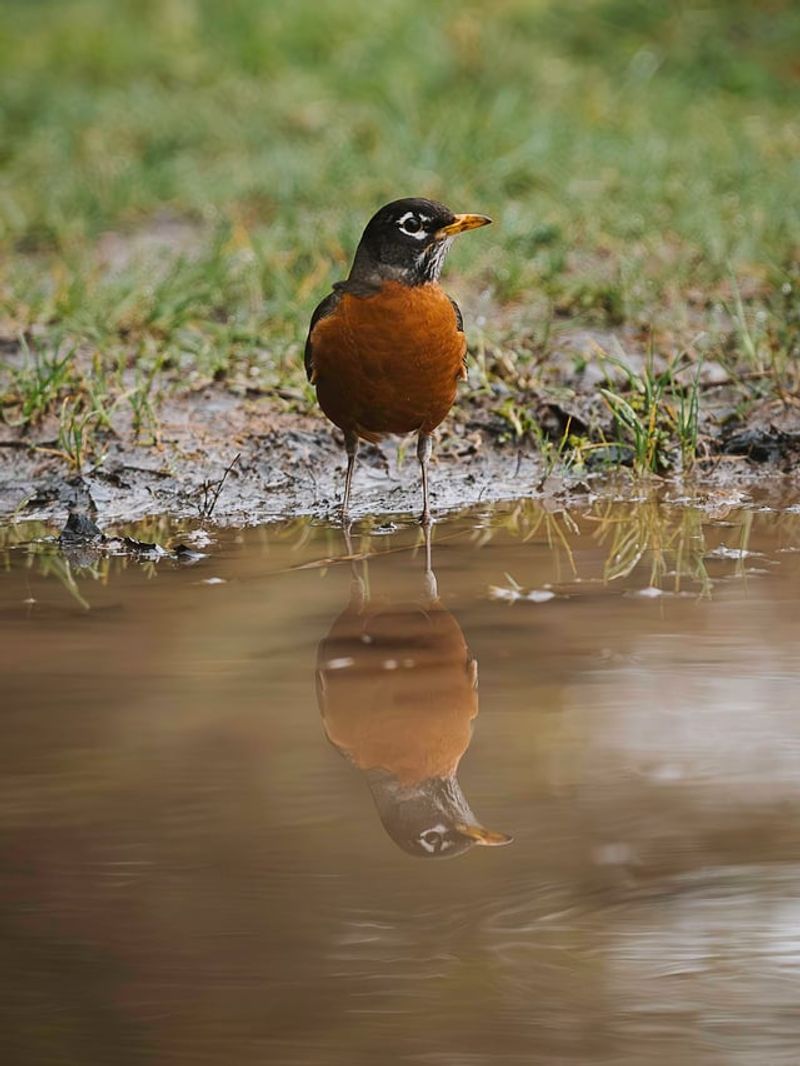
Broad-spectrum pesticide sprays do not just target the pests you want gone.
They reduce the insect populations that robins depend on for food, and they can directly affect birds that consume contaminated prey.
Pulling back on pesticide use is one of the highest-impact decisions a Pennsylvania gardener can make for both robin activity and long-term natural pest balance.
Robins eat a wide range of insects including beetles, caterpillars, grasshoppers, and fly larvae. When a garden is regularly sprayed, that food source shrinks quickly.
Birds that cannot find enough insects move on to more productive territories, and the yard loses its most reliable natural pest managers in the process.
Spot treatments are a much smarter approach when pest pressure gets genuinely serious.
Treating only the affected plant or area instead of blanketing the whole garden preserves most of the insect life that supports birds and other beneficial wildlife.
That targeted approach keeps the food web intact where it matters most.
Many common Pennsylvania garden pests, including grubs, cutworms, and armyworms, are exactly the insects robins actively hunt during their daily foraging.
A garden that supports a healthy robin population tends to see those pest populations stay lower without any chemical help at all.
Keeping the chemical load light is both an ecological choice and a practical one for any gardener who would prefer fewer problems to solve.
Let the birds earn their keep and they will show up for work every single morning without being asked.
5. Leaf Litter Feeds The Insects That Feed Your Robins
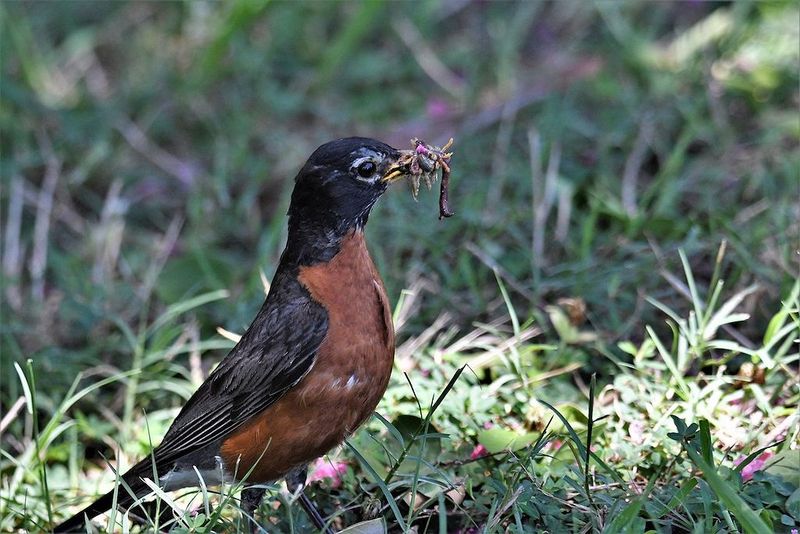
Every fall, millions of Pennsylvania gardeners rake their leaves into bags and haul them to the curb. It feels satisfying and tidy.
But under all those leaves, a whole world of insects, larvae, and soil organisms is quietly setting up for winter.
Leaving some of that leaf litter in place is one of the easiest and least expensive ways to build a richer insect food base that keeps robins interested in the yard well into the cooler months.
Leaf litter acts as both shelter and food for dozens of insect species. Ground beetles, moth larvae, and many native bee species overwinter in leaf layers.
Those insects become food for robins and other ground-foraging birds when they emerge in spring. A garden bed with a natural leaf layer essentially becomes a stocked pantry that birds can work through systematically from the first warm days onward.
You do not need to leave leaves piled everywhere to make a difference.
Tucking leaf litter under shrubs, along fence lines, and in garden bed corners preserves the habitat value without making the yard look unkempt.
Even a few square feet of undisturbed leaf cover can support a surprising number of insects through a Pennsylvania winter.
Research from conservation groups confirms that leaf litter removal is one of the leading contributors to declining native insect populations in residential landscapes.
Keeping even a portion of fallen leaves in place supports the insect web that feeds robins and other birds. A little organized messiness in the right corners of your yard is doing more ecological work than it looks like from the outside.
Your neighbors might not understand it, but the robins absolutely do.
6. Water Near Cover Keeps Robins Working Your Garden
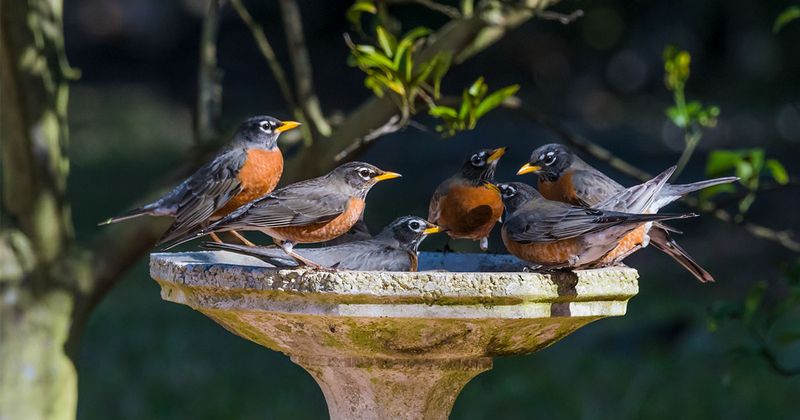
A birdbath sitting in the middle of an open lawn is better than nothing, but a birdbath placed near shrubs or cover plants is far more likely to attract robins regularly.
Birds feel vulnerable while bathing because wet feathers slow them down. Positioning water close to cover gives robins a quick escape route if something startles them mid-splash, which makes them significantly more willing to visit and spend time at the water source.
Robins prefer shallow water, typically no deeper than two to three inches at the deepest point. A wide, shallow basin works considerably better than a deep, narrow one.
Adding a few flat stones to a deeper birdbath creates wade-friendly areas that robins can enter comfortably without feeling off-balance.
Moving water is even more attractive. A simple drip attachment or a solar-powered fountain creates surface ripples and sound that birds can detect from a distance.
The sound of moving water is one of the most reliable ways to draw birds to a new water source in a garden, and it works faster than most gardeners expect.
Keeping the water clean and refreshed matters too. Stagnant water is less appealing and creates conditions that benefit mosquitoes rather than birds.
A quick rinse and refill every few days keeps the birdbath genuinely useful rather than decorative. When robins visit a water source regularly, they also spend more time foraging in the surrounding area.
Water, cover, and food all within easy range of each other creates the kind of habitat loop that brings robins back every single day without fail.
7. Native Trees Stock The Caterpillar Supply Robins Need
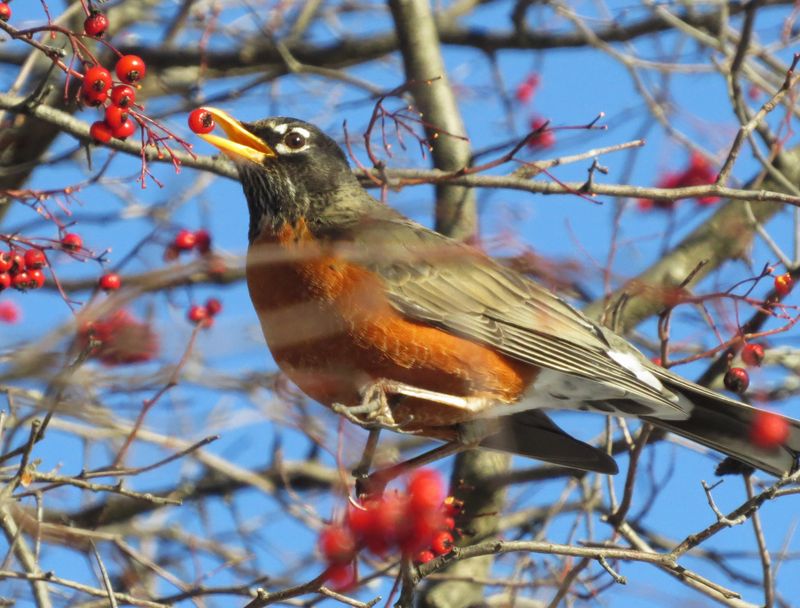
Oak trees are insect powerhouses, and that is not an exaggeration.
A single mature native oak can support over 500 species of caterpillars and moth larvae, according to entomologist Doug Tallamy. His research on native plant ecology has changed the way many gardeners think about yard habitat.
For robins, a yard with native trees is essentially a grocery store that restocks itself every spring without any help from you.
Caterpillars are one of the most protein-rich foods available to nesting robins, especially when they are raising nestlings.
Young robins need soft, high-protein food to develop quickly, and caterpillars fit that requirement precisely.
Parent birds make dozens of foraging trips per day during peak nesting, and a yard with native trees dramatically shortens those trips and reduces the distance birds need to travel.
Beyond oaks, other native Pennsylvania trees like wild cherry, tulip poplar, and river birch also support substantial caterpillar populations.
These trees attract the same insects that robins actively hunt during breeding season. Planting even one or two native trees adds meaningful food web value over time as the trees mature and their insect communities establish and grow.
Non-native ornamental trees, while sometimes visually appealing, support far fewer insect species.
A Bradford pear or Norway maple offers very little to the caterpillar food web that feeds robins and other birds.
Replacing even one non-native tree with a native species shifts the ecological balance of your yard in a direction that genuinely supports natural pest management.
One tree. One decision. Decades of robins showing up to do the work.