These Common Yard Habits Can Attract Rats To Pennsylvania Homes
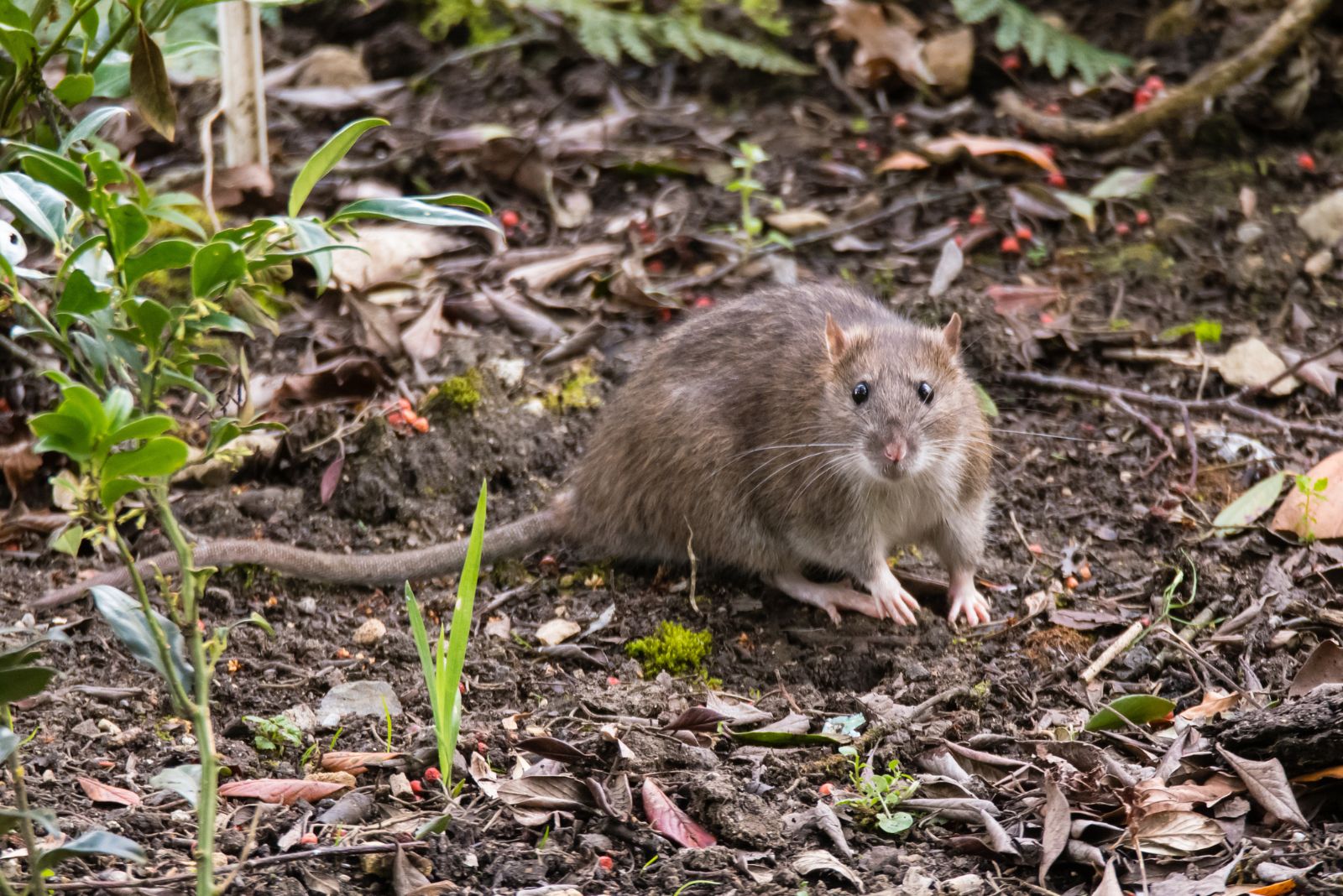
Rats showing up in a Pennsylvania yard is rarely as random as it feels in the moment. The instinct is to blame the neighbors, the nearby woods, or just bad luck, but the uncomfortable truth is that most rat problems trace back to specific conditions and habits on the property itself that are actively making it attractive to rodents looking for food, water, and shelter.
Pennsylvania’s climate creates a long window of rat activity, and suburban yards across the state provide more of what rats need than most homeowners realize.
The combination of mature landscaping, available food sources, and shelter opportunities that feel completely normal from a human perspective can look like an ideal habitat from a rat’s point of view.
The encouraging part is that rats aren’t showing up because of anything irreversible. Most of the habits and conditions that draw them in are straightforward to identify and genuinely not that difficult to change once you know what you’re looking for.
1. Leaving Bird Seed On The Ground
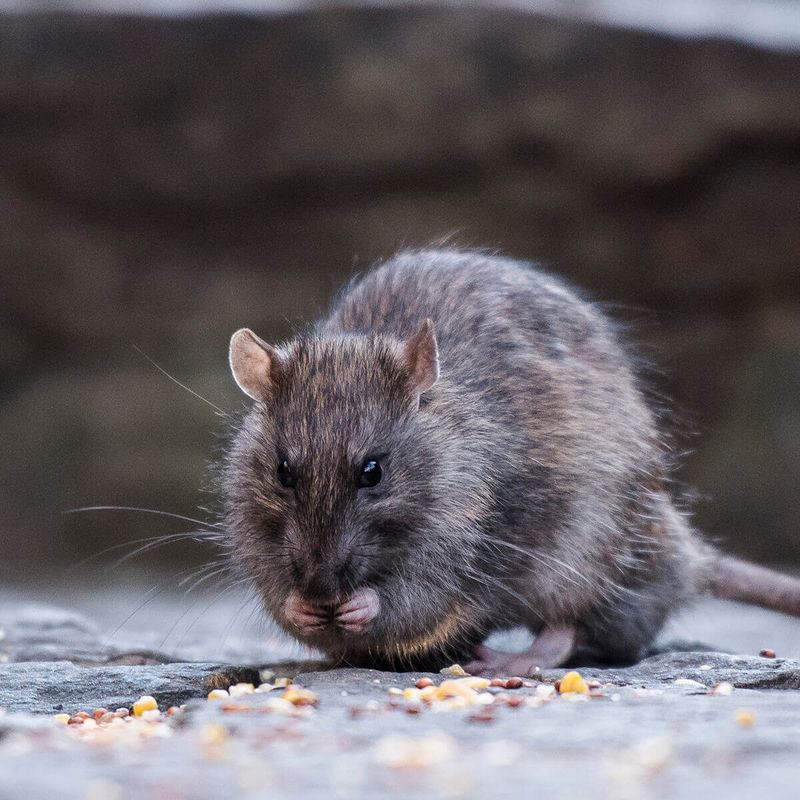
A backyard bird feeder is a joy for any nature lover, but what falls beneath it can quickly become a buffet for rats. Spilled seed on the ground is one of the most overlooked reasons rodents show up in Pennsylvania yards.
Rats are opportunistic eaters, and a pile of sunflower seeds or millet sitting on the ground is an easy, no-effort meal they will return to night after night.
Many homeowners never think twice about the seed that collects under feeders. Over time, that buildup grows, and the smell travels farther than you might expect.
Rats have an excellent sense of smell, and they can detect food sources from surprisingly long distances away.
To reduce this risk, try switching to a feeder with a tray that catches falling seed. You can also choose bird food that produces less waste, like hulled sunflower chips or nyjer seed. Cleaning up spilled seed every day or two is a simple habit that makes a real difference.
If you notice signs of rodent activity near your feeder, consider taking it down for a week or two. This breaks the feeding pattern and encourages rats to move on.
Pennsylvania homeowners who stay on top of feeder maintenance are far less likely to deal with a rat problem in their yards. Small changes in how you manage your bird feeders can protect your home and keep birds coming back safely.
2. Keeping Trash Bins Unsealed

Garbage cans are like a five-star restaurant for rats. Open or overflowing trash bins send a clear signal that food is available, and rats in Pennsylvania are always on the lookout for an easy meal.
Once they find your trash, they will come back every single night until the source is gone. The problem goes beyond just leaving the lid off. Overfilled bins that cannot close properly, cracked containers, or bags left beside the can are all invitations for rodents.
Food smells escape easily, and rats follow their noses straight to the source. In neighborhoods across Pennsylvania, unsecured trash is one of the top reasons rat activity spikes near homes.
Your Pennsylvania Garden Changes Every Week. Your Plan Should Too.
Gardening in Pennsylvania changes quickly throughout the season. Every Friday you’ll receive a simple weekly plan showing exactly what to plant, prune, fertilize, harvest, and protect so you never miss the right timing.
Switching to heavy-duty bins with locking or snap-tight lids is one of the smartest investments you can make. These lids keep rats out even when they push and chew at the container.
Make sure your bins are placed on a hard surface rather than directly on soft ground, since rats can burrow underneath loose debris to access fallen scraps.
Rinsing out your garbage cans regularly also helps reduce the lingering food odors that attract rodents in the first place. Try to take trash out the morning of pickup rather than the night before to limit overnight exposure.
Keeping your garbage area clean and sealed is one of the fastest ways Pennsylvania homeowners can reduce rat activity around their homes without spending a lot of money.
3. Letting Grass And Weeds Grow Too Tall
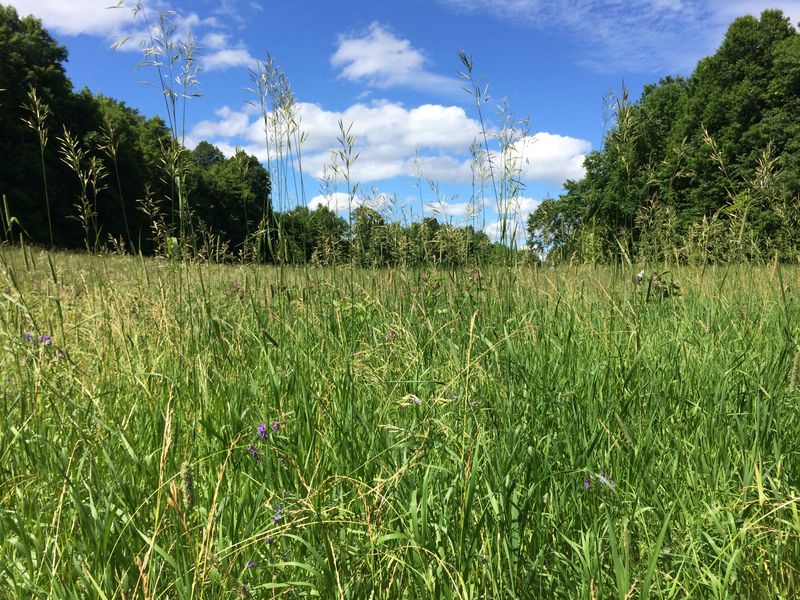
Tall grass and thick weeds do more than make your yard look messy. They create a hidden world where rats can move around freely without being seen by predators or people.
In Pennsylvania, where seasons change quickly, overgrown yards become prime real estate for rodents looking for shelter and safe travel routes between food sources.
Rats prefer to move along edges and covered paths rather than out in the open. When your lawn grows too high or weeds take over along fences and garden beds, you are essentially building a highway system for rodents.
They use these covered routes to travel between nesting areas and food sources while staying hidden the whole time.
Keeping your grass trimmed regularly is a simple but powerful deterrent. Aim to mow at least once a week during the growing season, and pull weeds before they get out of control.
Clearing vegetation away from the base of your home and along fence lines removes the cover rats rely on to feel safe.
Pay special attention to corners of the yard, areas near compost bins, and spots behind sheds or outbuildings. These low-traffic zones tend to get forgotten and can quickly turn into overgrown patches that rats love.
Pennsylvania homeowners who maintain a neat, well-trimmed yard make their property far less attractive to rodents year-round. A little regular yard work goes a long way toward keeping your outdoor space rat-free and looking great at the same time.
4. Leaving Pet Food Outside Overnight
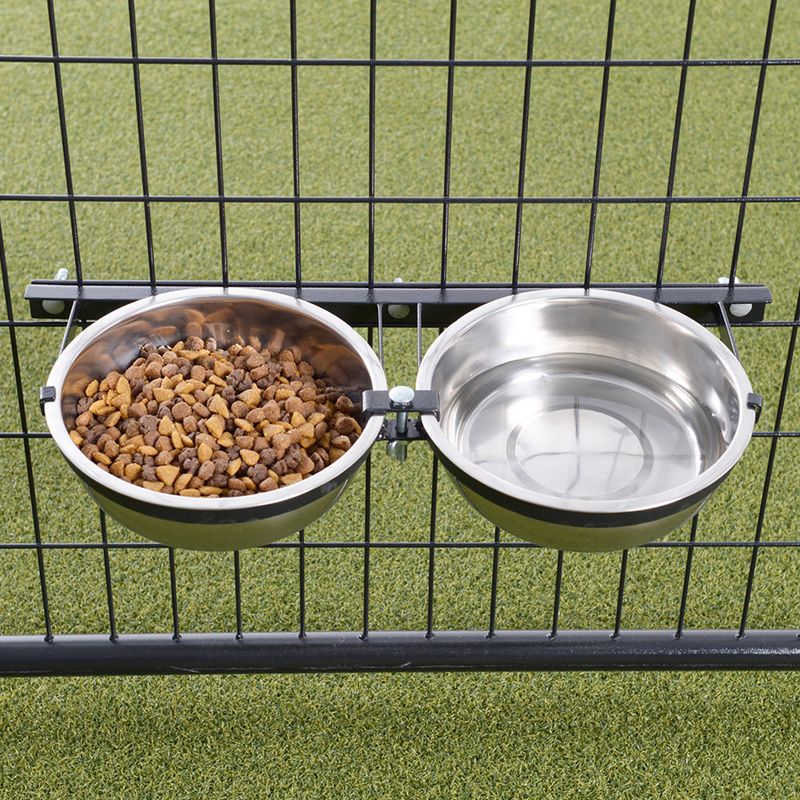
Leaving your dog or cat food outside overnight might seem harmless, but it is one of the fastest ways to attract rats to a Pennsylvania property. Pet food smells strong, sits low to the ground, and is easy to access.
For a rat scouting your yard for food, an unattended bowl is practically an open invitation to settle in nearby.
Rats are most active after dark, which is exactly when outdoor pet bowls are sitting unguarded. Even if your pet eats most of its food during the day, the residue and smell left in the bowl are enough to bring rodents in close.
Once rats discover a reliable food source, they establish a routine and begin nesting nearby so they can return easily each night.
The fix is straightforward. Bring pet food bowls inside every evening before the sun goes down.
If your pet eats outside, supervise feeding time and remove the bowl as soon as they are done. Storing pet food in sealed, hard-sided containers rather than open bags also reduces the odors that travel through the air and attract rats from a distance.
Pennsylvania homeowners with outdoor pets should also check around feeding areas regularly for signs of rodent activity, such as droppings, gnaw marks, or small tunnels in the soil. Catching the problem early makes it much easier to address.
A simple change in your daily routine can protect your pets and keep your yard from becoming a rat hotspot throughout the year.
5. Ignoring Fallen Fruit And Garden Produce
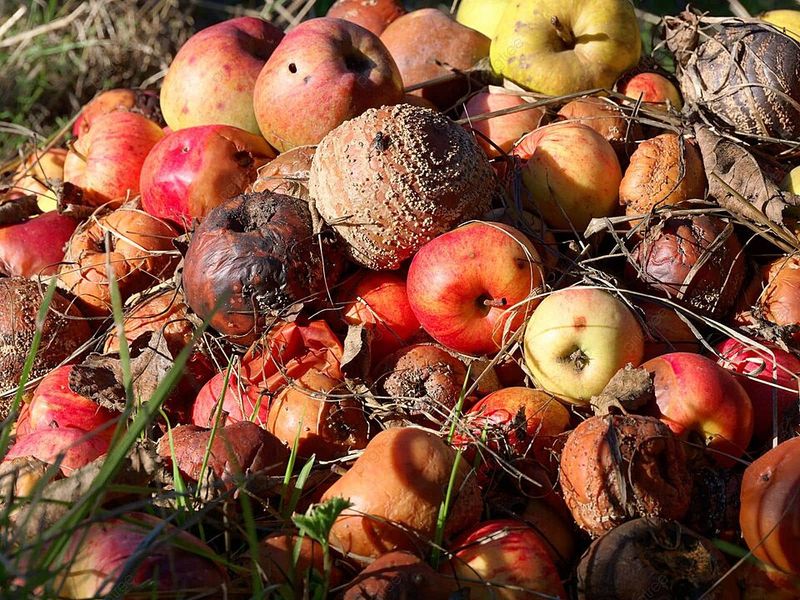
There is something almost magical about growing your own fruits and vegetables, but what you leave on the ground can cause real problems.
Fallen apples, rotting tomatoes, and overripe garden produce are some of the most powerful rat attractants in any Pennsylvania backyard.
Once fruit begins to decay, it releases strong, sweet odors that rats can detect from a surprising distance.
Many gardeners focus on what they harvest and forget about what drops to the ground. A few fallen apples might seem insignificant, but over a week or two, a pile of rotting fruit creates an irresistible food source right at ground level.
Rats do not need a lot to get started. Even small amounts of fermenting produce are enough to draw them in and encourage them to explore the rest of your yard.
Walking your garden every day or two to pick up fallen produce is one of the best habits you can develop. Toss any rotting items into a sealed compost bin rather than leaving them in an open pile.
Open compost heaps are just as problematic as leaving produce on the ground, so a bin with a secure lid is a much smarter choice for Pennsylvania gardeners.
Harvesting fruits and vegetables as soon as they ripen also reduces the chances of produce falling and sitting unnoticed. Keeping garden beds tidy and free of debris makes it easier to spot fallen items quickly.
A proactive approach to garden cleanup keeps rats away and keeps your harvest healthy and thriving all season long.
6. Stacking Firewood Against The House
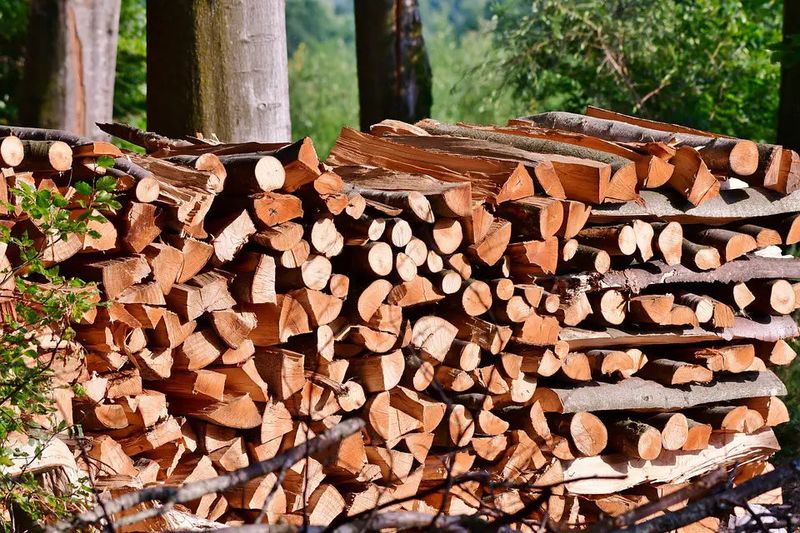
Firewood is a staple in many Pennsylvania homes, especially as the colder months roll in. But where you stack it matters more than most people realize.
Piling firewood directly against the side of your house creates a warm, sheltered space that rats find absolutely perfect for nesting.
The gaps between logs offer protection from weather and predators, making it one of the coziest spots a rat could ask for right next to your home.
Rats that nest in woodpiles close to the house do not stay outside for long. Once they are comfortable that close to your foundation, it is only a matter of time before they start looking for ways to get inside.
Gaps around pipes, vents, or cracks in the foundation give them the access they need, and a nearby woodpile makes the whole setup even more convenient for them.
Moving your firewood storage away from the house is a smart and simple solution. Experts recommend keeping woodpiles at least 20 feet from the home and storing them off the ground on a rack or platform.
Elevating the wood reduces the sheltered nesting space underneath and makes the pile less appealing to rodents looking for a cozy home.
Pennsylvania homeowners should also rotate their woodpile regularly and use older wood first. Piles that sit undisturbed for long periods become deeply established nesting sites.
Inspecting your woodpile before bringing logs inside is also a good habit to prevent accidentally carrying rodents into your home during the colder months.
7. Allowing Yard Clutter To Build Up
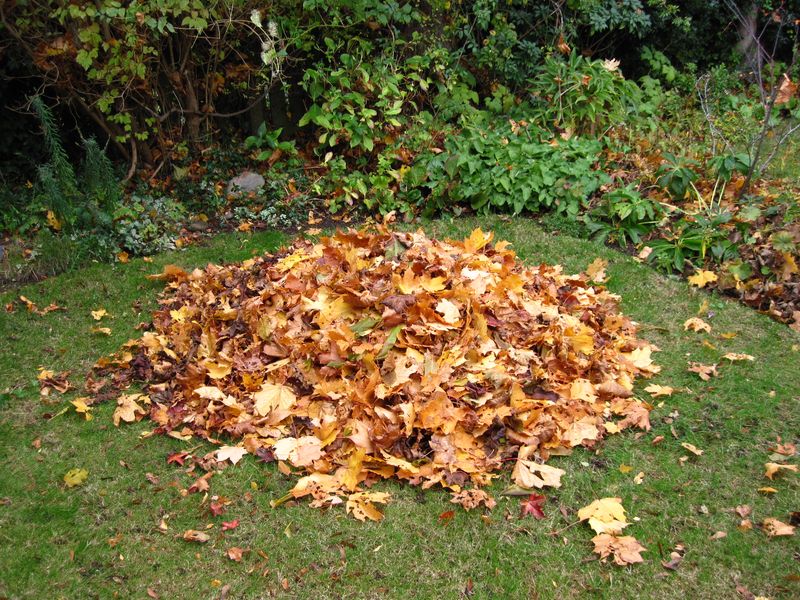
Walk through any yard where clutter has built up over time, and you will start to see it the way a rat does. Old flower pots, broken equipment, stacked lumber scraps, piles of leaves, and forgotten garden tools all create a maze of hiding spots that rodents love.
In Pennsylvania, where yards can quickly accumulate seasonal debris, clutter is one of the most common reasons rats take up residence close to homes.
Rats need three things to thrive: food, water, and shelter. Yard clutter checks that last box in a big way.
Dense vegetation, overgrown shrubs, and piles of junk give rats the cover they need to feel safe while they explore your property. The more places they have to hide, the more comfortable they become, and the harder they are to spot before the problem grows.
Decluttering your yard does not have to happen all at once. Start by removing items you no longer use and disposing of them properly.
Stack any materials you need to keep neatly and off the ground. Trim back dense shrubs and ornamental grasses that grow close to your home, since these are favorite hiding spots for rats looking for a sheltered entry point.
Make it a habit to do a yard walkthrough a few times each season to catch clutter before it piles up. Pennsylvania homeowners who keep their outdoor spaces organized and open give rats far fewer reasons to settle in.
A tidy yard is not just good-looking, it is one of your best defenses against a rodent problem taking hold.