Why Massachusetts Homeowners Are Being Told To Inspect And Scrape Their Vines
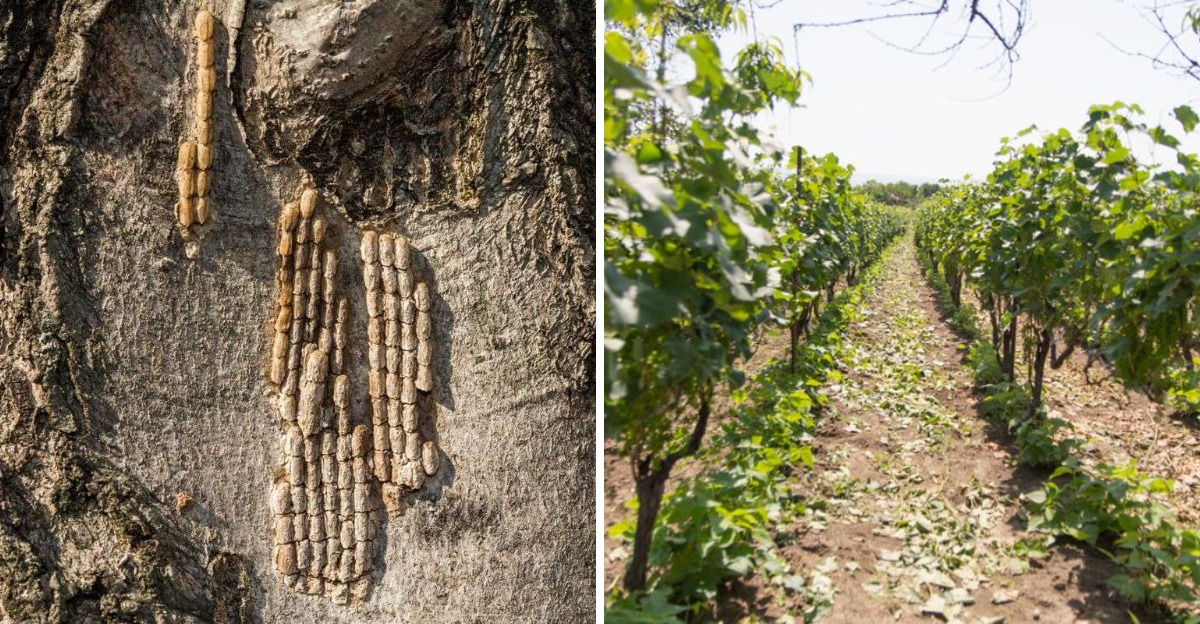
A dried smear on your fence is not what it seems. Massachusetts homeowners often walk past this patch without noticing. That mud like patch is never actually mud at all.
Underneath sits a small cluster of eggs waiting for warmth. Vines become the ideal hiding spot for this quiet invader. Fences, sheds, and garden walls can quietly shelter these clusters easily.
Officials across Massachusetts are asking residents to check closely. Overlooking even a single cluster invites countless hatchlings by spring. Removing them sounds easy, yet timing changes the outcome.
Winter gives these eggs shelter, not protection from your hands. Spotted lanternflies have already harmed crops across neighboring states. Your vines might already hold several hidden clusters right now.
Nobody wants a problem that early action could easily prevent. Tools already sitting quietly in your garage can handle this task. You have no reason left to ignore what is growing there.
1. Spotted Lanternfly Eggs Cling To Vines
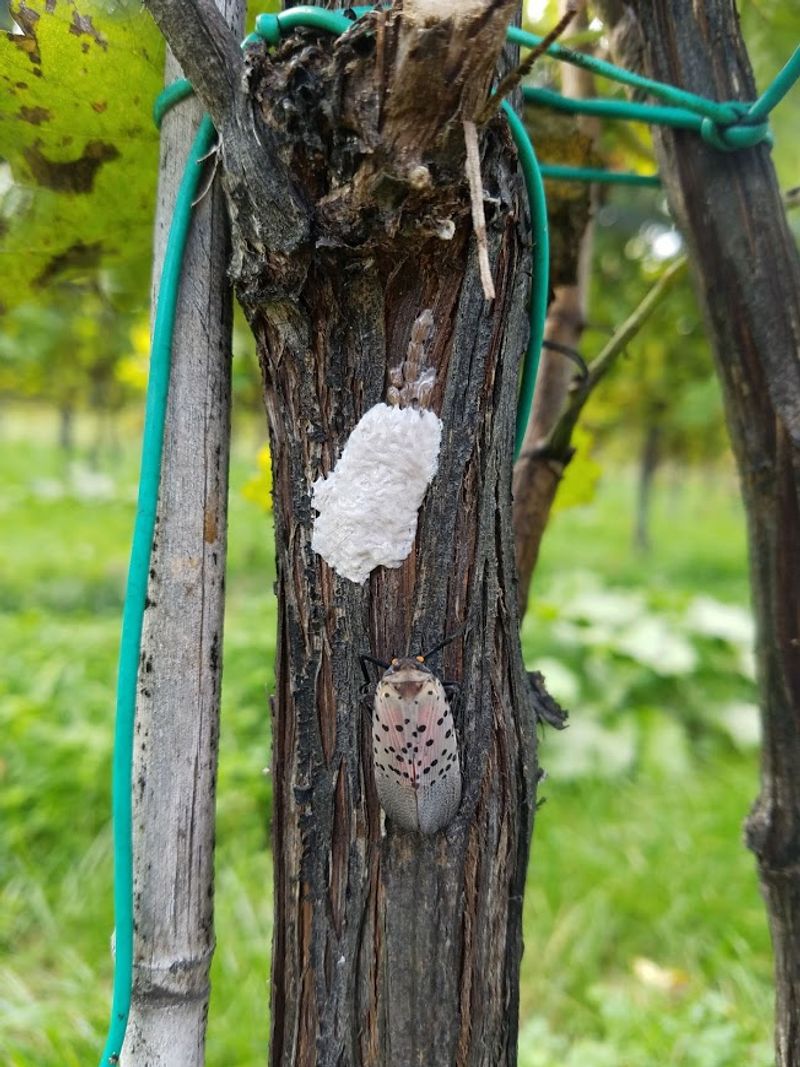
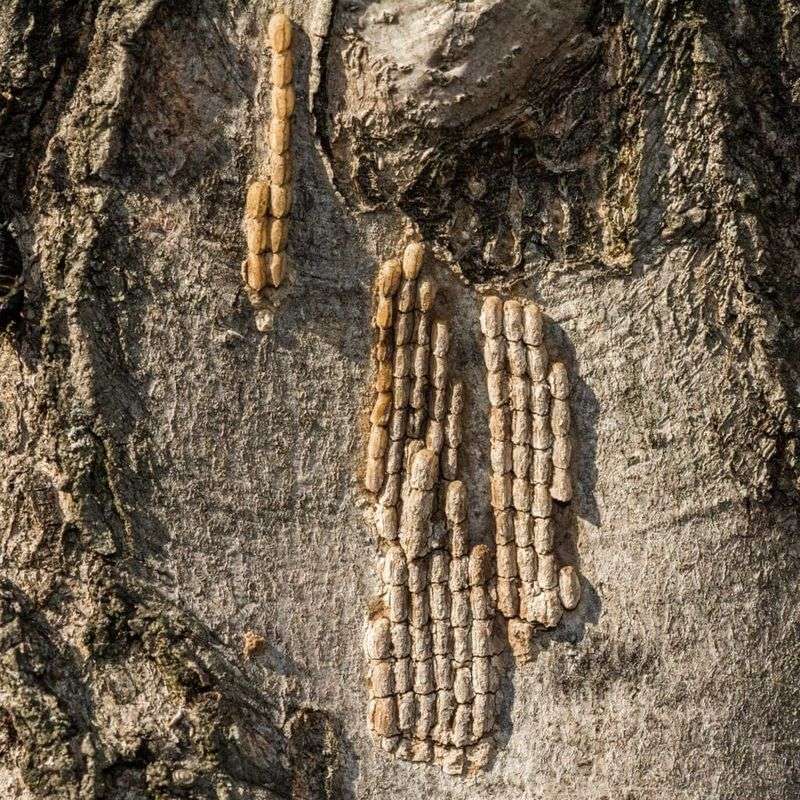
Most homeowners never see them coming. Spotted lanternfly eggs are well camouflaged, clinging tight to vine surfaces with a waxy gray coating that looks just like dried mud or old paint.
These egg masses are not fragile or easy to dislodge by wind or rain. They grip bark, wood, and vine stems with surprising strength, staying put through storms and temperature swings.
When Massachusetts officials say to inspect and scrape your vines, this is exactly why. Vines offer a textured, sheltered surface that egg masses bond to extremely well.
A single vine running up a fence or trellis can host multiple egg masses at once. Each one is perfectly camouflaged, making a close-up visual inspection absolutely necessary.
Homeowners are encouraged to run their fingers along vine stems and check both sides of larger woody stalks. The coating feels slightly waxy or putty-like to the touch, which helps tell it apart from actual mud or tree sap.
Scraping them off into a bag of hand sanitizer or rubbing alcohol destroys the eggs on contact. Missing even one mass means potentially releasing dozens of new insects into your yard come warm weather.
The spotted lanternfly does not just stay in one place once it hatches. Nymphs spread quickly across nearby plants, looking for food sources and new surfaces to colonize.
2. Eggs Endure Harsh Winter Temperatures
Spotted lanternfly egg masses are built to survive severe, sub-freezing cold, and a New England winter is no match for their tough outer coating.
The waxy layer that covers each egg mass acts like a natural insulator. Temperatures well below freezing do not crack it, dissolve it, or stop the eggs inside from developing on schedule.
Many homeowners assume that a hard Massachusetts winter will take care of the problem naturally. That assumption can lead to unexpected infestations the following spring.
According to extension research, spotted lanternfly eggs can survive extreme sub-freezing temperatures. That is colder than most New England winters ever actually get.
The eggs enter a dormant state during the coldest months. When temperatures rise in spring, the embryos inside resume development and hatch right on cue.
Your Massachusetts Garden Changes Every Week. Your Plan Should Too.
Gardening in Massachusetts changes quickly throughout the season. Every Friday you’ll receive a simple weekly plan showing exactly what to plant, prune, fertilize, harvest, and protect so you never miss the right timing.
This cold-hardiness is one reason the spotted lanternfly has spread so successfully across northern states. It does not need a mild winter to thrive or survive.
Homeowners who wait until spring to check their vines are already too late. By the time you spot a nymph crawling on a leaf, the egg mass has already done its job successfully.
Scraping during late fall and winter is the most effective window for stopping the cycle before it starts again next season.
3. Each Mass Holds Dozens Of Eggs
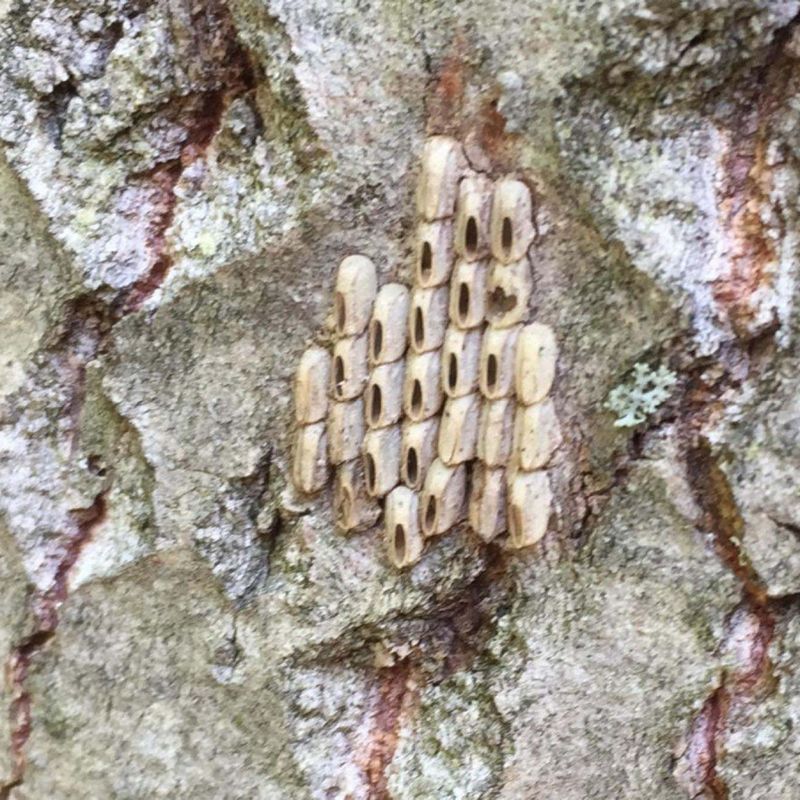
One small smear can hold a whole season of trouble. A single spotted lanternfly egg mass contains between thirty and fifty individual eggs, all packed tightly in neat rows beneath that muddy-looking coating.
That number might not sound like much at first. But multiply it by the number of masses on a single vine, and the total adds up quickly.
A heavily infested vine can carry five, ten, or even more egg masses across its length. That means hundreds of insects could hatch from one plant alone.
Each egg is shaped like a small brown seed and arranged in columns of four to seven rows. The outer coating seals them in, keeping them protected from moisture, cold, and most predators.
When homeowners scrape a mass away, they are not just removing one bug. They are removing an entire potential colony before it ever takes its first breath of spring air.
That is why officials stress the importance of thorough scraping, not just a quick swipe. Leaving even a partial mass behind can still result in surviving eggs hatching successfully.
A plastic card, putty knife, or even a stiff piece of cardboard works well for scraping. The goal is to dislodge the entire mass into a sealed bag or container filled with rubbing alcohol.
Knowing what you are dealing with makes the task feel less overwhelming and a lot more satisfying when the job is done right.
4. Vines Shelter Overwintering Egg Masses
Vines offer an ideal habitat for spotted lanternfly egg masses. The rough, layered bark of climbing plants offers perfect nooks and crannies for egg masses to anchor themselves securely.
Unlike smooth-barked trees, vines have irregular textures that make egg masses even harder to spot. The crevices also protect the masses from wind and physical disturbance through winter months.
Grapevines, wisteria, Virginia creeper, and bittersweet are among the most commonly affected plants in Massachusetts yards. All of them have that rough, woody texture that egg masses love.
The spotted lanternfly is also drawn to vines because they tend to grow near structures like fences, sheds, and walls. Those surfaces create additional wind protection and warmth from absorbed sunlight.
Vines that climb trellises or wrap around posts are especially tricky to inspect fully. The stems twist and overlap, creating hidden surfaces that require careful hands-on checking rather than a quick visual scan.
Homeowners should follow each vine from ground level upward, checking every few inches on all sides of the stem. A flashlight helps during low-light conditions or when vines grow in shadowed areas.
Cutting back overgrown vines before inspection also makes the job much easier. Fewer tangled stems mean fewer hiding spots and a more thorough sweep of the entire plant.
Sheltered vines are a primary site for overwintering egg masses, and treating them seriously is the first real step toward protecting your property this season.
5. Scraping Reduces Spring Hatching Risk

Scraping feels almost too simple to be effective. But this low-tech method is one of the most powerful tools homeowners have against the spotted lanternfly right now.
When you scrape an egg mass off a vine and drop it into alcohol, you are cutting off the entire next generation. No chemicals, no sprays, no waiting for an exterminator to schedule a visit.
The best time to scrape is between October and late April, before temperatures warm enough to trigger hatching. Catching egg masses during this window means stopping them before they ever become mobile insects.
Use a firm, flat tool like an old gift card, a butter knife, or a putty scraper. Press firmly against the vine surface and slide the tool under the mass to pop it free cleanly.
Collect the scraped material directly into a zip-lock bag or small container. Pour in enough rubbing alcohol or hand sanitizer to fully submerge the mass, then seal and dispose of it in the trash.
Do not simply scrape the mass onto the ground. Eggs can still hatch in soil if left undisturbed, especially in sheltered spots near the base of plants.
Some homeowners tape the scraped mass to a piece of paper and submit it to their local extension office for confirmation.
This helps officials track where infestations are spreading across the state. Every scraped mass is a small win, and small wins add up to a yard with far less risk this season.
6. Populations Spread Fast If Ignored
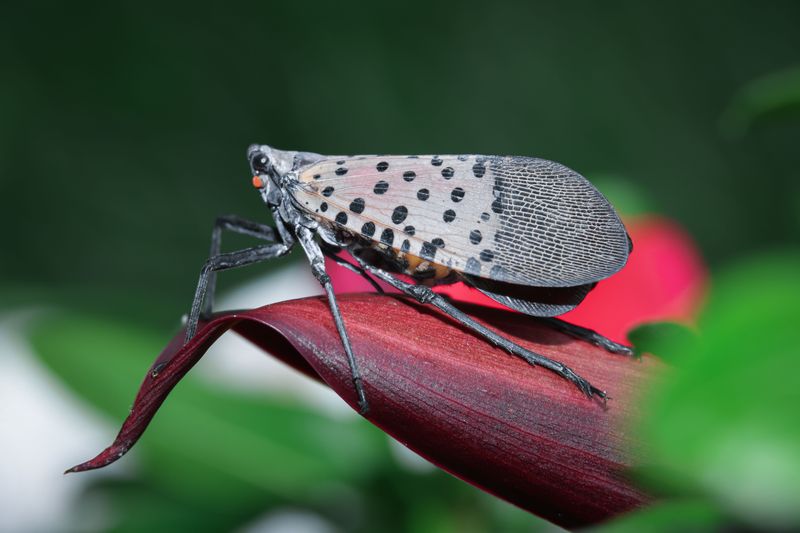
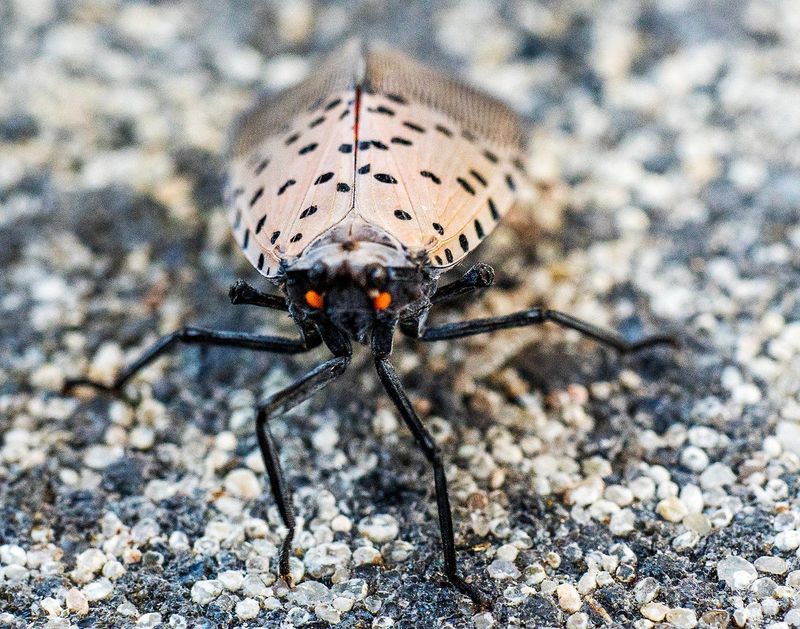
Spotted lanternflies do not stay put once they hatch. These insects spread quickly to new plants, new yards, and new towns once a population takes hold.
They hitchhike on cars, outdoor furniture, firewood, and even clothing. A single infested vine in one neighborhood can become a block-wide problem within a single growing season.
Massachusetts confirmed its first spotted lanternfly detection in 2019, with an established population confirmed in the years that followed.
Since then, the insect has spread to more than fifty cities and towns across nine counties, and officials expect the range to keep expanding each year.
Ignoring egg masses on your vines does not just affect your own yard. Neighboring properties, local farms, and community green spaces all face increased risk when one homeowner skips inspection.
The spotted lanternfly has few natural predators in North America. Without native insects or birds keeping populations in check, human intervention is currently the most reliable control method available.
State agricultural officials are asking every resident to participate in early detection and removal. The more people who scrape and report, the slower the spread moves across the region.
A population that goes unchecked through one spring can produce multiple generations by fall. Each new generation means more egg masses laid on more surfaces heading into the next winter cycle.
Acting now is not just about protecting your garden. Staying proactive keeps the broader Massachusetts landscape from becoming permanently altered by a pest that is still preventable in many areas.
7. Grapevines Sustain Heavy Damage

Ask any backyard grape grower in the northeast, and you will hear the same story. Spotted lanternflies show up in July, and by August the vines show clear signs of stress and decline.
These insects feed by piercing plant stems and sucking out the sap underneath. Grapevines are one of their absolute favorite targets, and the damage they cause accumulates quickly over a single season.
As the insects feed, they excrete a sticky substance called honeydew. This sugary residue coats leaves and stems, promoting the growth of black sooty mold that blocks sunlight and weakens the plant further.
Heavily infested grapevines may fail to produce fruit at all. Even vines that survive the feeding season often show reduced vigor the following year, producing fewer shoots and weaker growth overall.
Home vineyards and ornamental grape trellises are equally at risk. The insect does not distinguish between a commercial operation and a backyard hobby garden when choosing where to feed.
Preventing infestation starts with removing egg masses during winter and early spring. Fewer eggs mean fewer nymphs hatching near your grapevines when the feeding season begins in early summer.
Homeowners with grapevines should also remove nearby tree-of-heaven plants, which are a primary host species.
Removing that food source makes your property less attractive to spotted lanternflies overall. Protecting your grapevines starts long before the first warm day of spring arrives.
8. Early Action Protects Landscaping
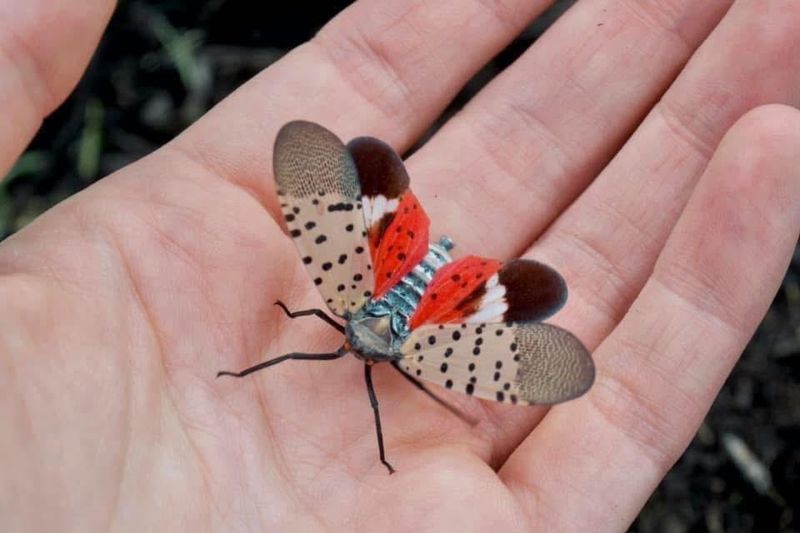
Your landscaping took years to build. Spotted lanternflies can set it back significantly in just one warm season if egg masses are left unchecked through the winter months.
Early action is not just about removing bugs. It is about protecting the investment of time, money, and care that goes into a well-maintained Massachusetts yard or garden.
Beyond grapevines, spotted lanternflies also feed on hops, apples, blueberries, maples, and ornamental shrubs. A yard with diverse plantings has multiple potential targets all at once.
Homeowners who inspect and scrape their vines in fall and winter give their landscape a meaningful head start. Fewer hatching insects means less feeding pressure on every plant in the yard come summer.
Combining scraping with other practices strengthens your defense further. Removing invasive tree-of-heaven removes a habitat that draws spotted lanternflies from nearby areas.
Sticky bands placed around tree trunks can trap nymphs before they climb to feeding height. Pairing traps with egg scraping creates a two-layer approach that covers both the overwintering and active feeding stages.
Reporting confirmed sightings to the Massachusetts Department of Agricultural Resources helps officials track the spread. Your observation from a single vine could help protect an entire neighborhood from the next wave of infestation.
Inspecting and scraping your vines this season is one of the smartest things you can do for your landscape, your neighbors, and the broader Massachusetts environment.