These Fast-Growing Vines Truly Thrive On Texas Fences
A plain fence can feel a little dull in a Texas yard, especially when the rest of the garden is full of color and life. One of the easiest ways to change that is by adding fast growing vines that quickly climb, spread, and turn that empty structure into a vibrant feature.
With the long warm seasons and plenty of sunshine across Texas, many climbing plants grow with surprising speed.
These energetic vines do more than just cover wood or metal panels. They soften the look of fences, add layers of greenery, and often produce beautiful flowers that catch the eye from across the yard.
Some even attract butterflies, bees, and hummingbirds, bringing even more activity to the garden.
Texas gardeners often love vines because they make a big impact without taking up much ground space. A single plant can stretch along a fence and create a lush backdrop in just one season.
With the right choices, a simple fence can quickly become one of the most attractive parts of the garden.
1. Carolina Jessamine (Gelsemium Sempervirens)
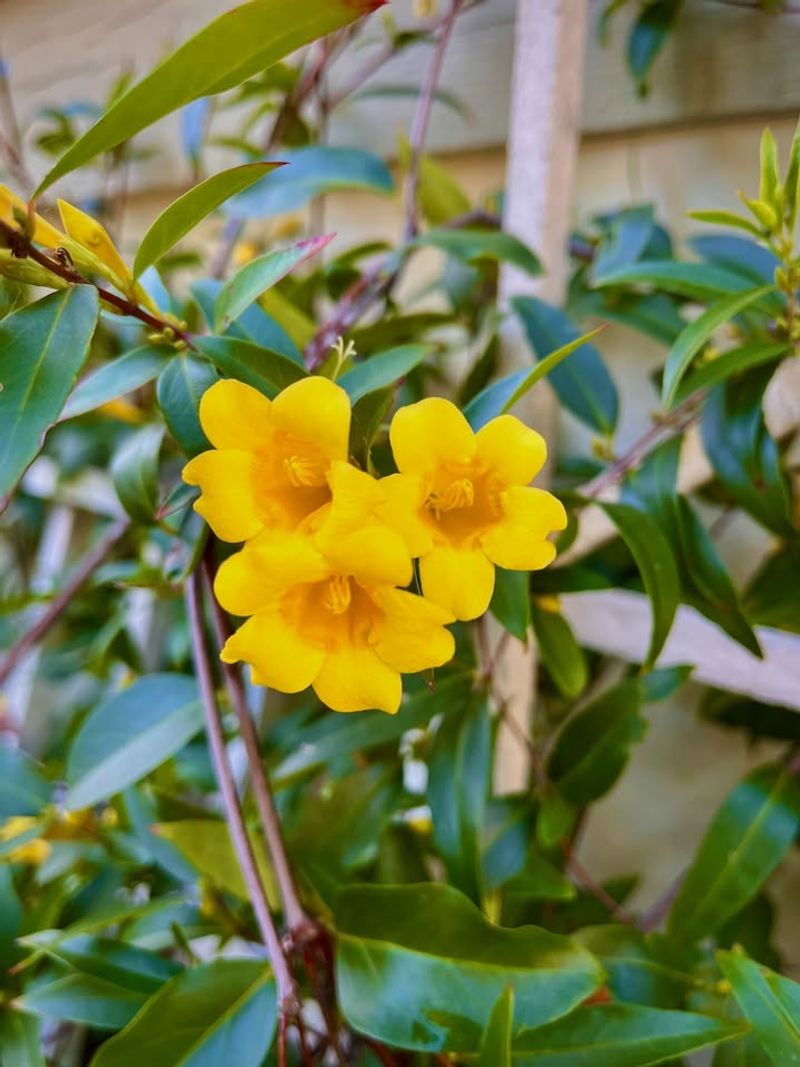
Every Texas garden needs a plant that signals the end of winter, and Carolina Jessamine does that job better than almost anything else.
When most plants are still waking up from the cold, this evergreen vine bursts into a cloud of bright yellow flowers that smell absolutely wonderful.
The fragrance is sweet and fresh, and on a warm February or March morning in Texas, it is one of the best things you can experience in a garden.
Carolina Jessamine is an evergreen, which means it keeps its glossy green leaves all year long. That makes it incredibly useful for fences where you want year-round coverage and not just a seasonal show.
Even when it is not blooming, the vine looks tidy and full, giving your fence a clean, lush appearance throughout every season.
Growing up to 20 feet tall, it covers a good stretch of fence without becoming unmanageable. It climbs by twining its stems around supports, so it works well on chain-link fences, wooden picket fences, and lattice trellises.
It is adaptable to various light conditions, though it blooms most heavily in full sun. One important note for families with children or pets: all parts of Carolina Jessamine are toxic if eaten, so plant it in a spot where curious hands and paws cannot easily reach the foliage.
With that in mind, it is still a widely loved and commonly planted vine across Texas landscapes.
For reliable color, fragrance, and year-round beauty on a Texas fence, Carolina Jessamine earns a well-deserved spot at the top of any planting list.
2. Crossvine (Bignonia Capreolata)
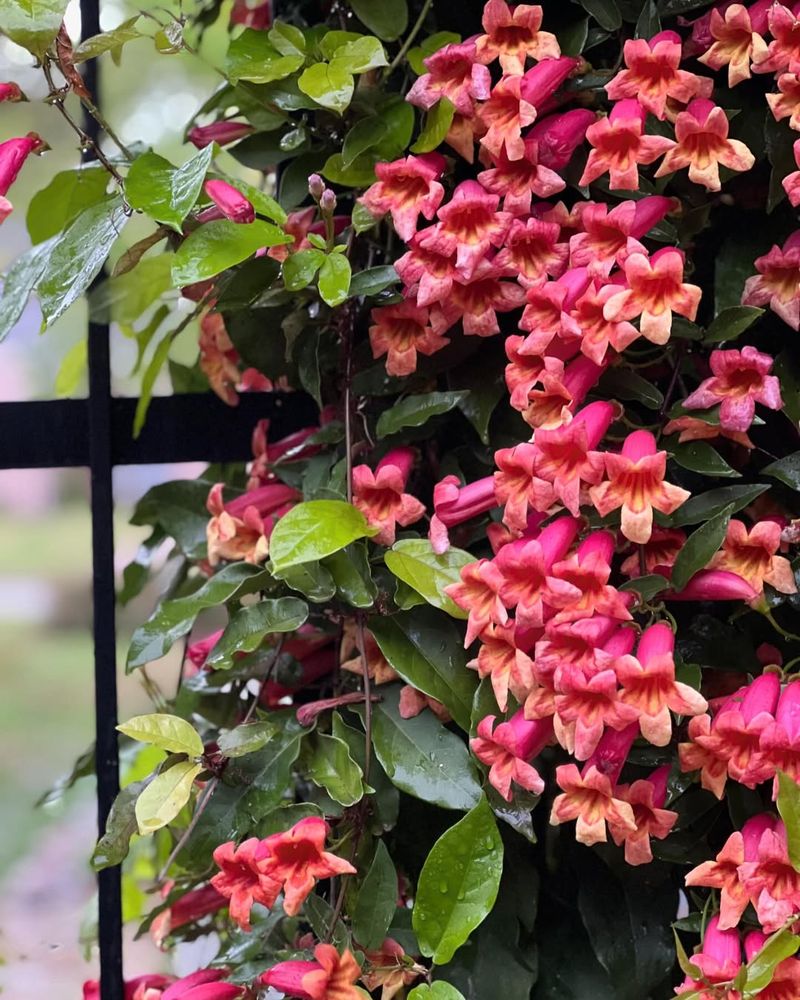
Few vines can match the bold energy of Crossvine when it bursts into bloom. This Texas native is famous for its bright orange-red trumpet flowers that cover fences in a stunning wave of color each spring.
Hummingbirds absolutely love it, and once you plant one, you will likely spot those tiny birds visiting your yard on a regular basis.
Crossvine is a serious climber. It can grow up to 50 feet long, which makes it one of the most impressive fence-covering plants you can find in Texas.
It uses small, sticky tendrils to grip onto surfaces, so it does not need a lot of extra support to start climbing. Just point it toward your fence and watch it go.
One of the best things about Crossvine is that it stays green through most of the year in warmer parts of Texas.
It is semi-evergreen, meaning it holds onto its leaves even during mild winters. That gives your fence year-round coverage, which is great if you want more privacy.
Crossvine does best in full sun to partial shade and handles Texas summers with ease. It is also drought-tolerant once it gets established, which is a huge bonus in a state where summer heat can be intense.
You do not need to water it constantly to keep it looking good. Planting Crossvine along a fence or trellis is a smart choice for any Texas gardener who wants fast results without a lot of fuss. It is tough, beautiful, and truly built for this climate.
3. Coral Honeysuckle (Lonicera Sempervirens)
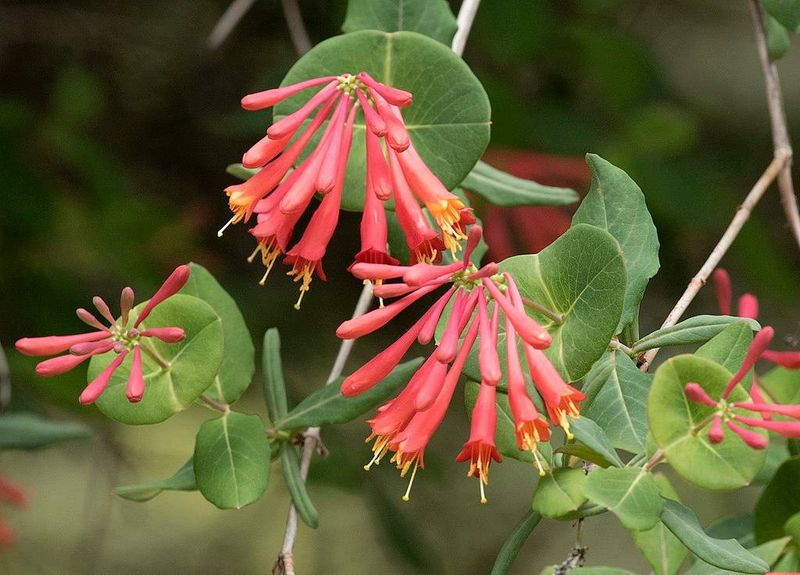
There is something almost magical about watching a Coral Honeysuckle bloom for the first time. The red tubular flowers are long and slender, almost like little trumpets, and they seem to glow in the Texas sunshine.
Hummingbirds and butterflies cannot resist them, making your fence feel like a little wildlife sanctuary.
Unlike some other honeysuckle varieties, Coral Honeysuckle is not aggressive or invasive. It grows at a steady, manageable pace, typically reaching between 10 and 20 feet in length.
That means you get good fence coverage without spending every weekend trying to cut it back. It is one of those plants that works with you, not against you.
This vine thrives in full sun, though it can also handle partial shade. In Texas, where the sun is strong and the summers are long, Coral Honeysuckle holds up well without much extra care.
It is also fairly drought-tolerant once it settles into the soil, which makes it a reliable choice for gardeners across the state.
Coral Honeysuckle blooms from spring all the way through fall, giving you months of color on your fence. The red flowers are followed by small red berries that birds love to snack on. So even after the blooms fade, the vine keeps giving back to local wildlife.
If you want a vine that looks beautiful, supports Texas wildlife, and stays easy to manage, Coral Honeysuckle is a top pick. It is a native plant that truly belongs in a Texas garden.
4. American Wisteria (Wisteria Frutescens)
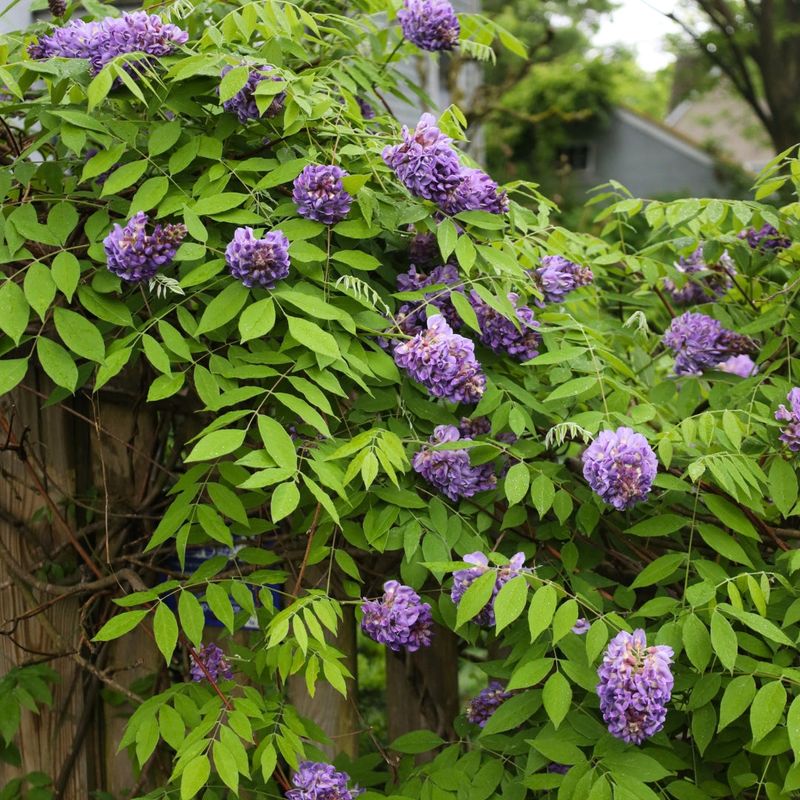
Not all wisterias are created equal, and American Wisteria proves that point beautifully. While the Asian varieties of wisteria are known for being aggressive and hard to control, American Wisteria plays much nicer in the garden.
It still grows quickly and produces those gorgeous hanging clusters of purple flowers, but it stays manageable enough for most Texas yards without taking over everything in sight.
The blooms are the real showstopper. Long, drooping clusters of lavender-purple flowers hang from the vine like little grape bunches, and they carry a light, sweet fragrance that drifts through the garden on a warm spring day.
Bees and other pollinators flock to them, which is great news for anyone who also grows vegetables or fruit nearby.
American Wisteria does best when it has a strong support structure. A sturdy wooden fence or metal trellis works perfectly.
Once it grabs hold, it will climb steadily and fill in quickly, especially during the long, warm Texas growing season. It prefers full sun but can handle some afternoon shade without much trouble.
One of the standout qualities of this vine is its adaptability. It grows well across a wide range of Texas soil types, from the sandy soils of East Texas to the clay-heavy ground found in many central and North Texas areas.
It is also more cold-hardy than many other flowering vines, so it bounces back well after a rare Texas cold snap.
For a vine that combines elegance, fragrance, and pollinator power, American Wisteria is a wonderful choice for any Texas fence.
5. Trumpet Vine (Campsis Radicans)
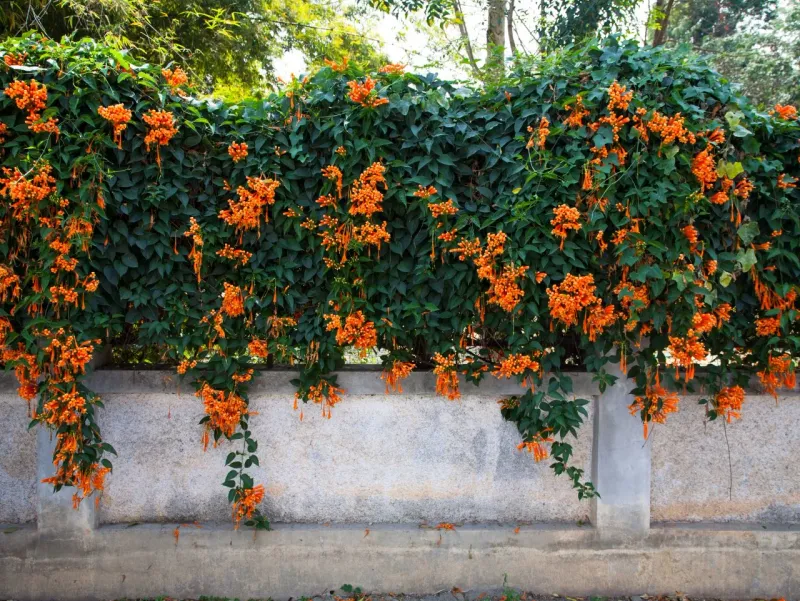
Bold, fast, and absolutely unstoppable, Trumpet Vine is the kind of plant that makes a statement. Once it gets going, it can grow up to 30 feet tall and wide, turning any plain Texas fence into a thick wall of green covered in enormous orange blooms.
If you have ever driven past a fence in summer and noticed it completely swallowed by a flowering vine, there is a good chance it was Trumpet Vine.
Hummingbirds go wild for this plant. The large, flared flowers are perfectly shaped for their long beaks, and a blooming Trumpet Vine can attract several hummingbirds at once.
Planting it near a window or patio means you get a front-row seat to all that activity throughout the warm Texas months.
One thing to know upfront: Trumpet Vine is a strong grower. That is great for covering fences quickly, but it does mean you will need to prune it from time to time to keep it from spreading where you do not want it.
A pair of good garden shears and a little patience go a long way with this vine. It grows best in full sun and is highly drought-tolerant, which makes it well-suited for the dry, hot summers Texas is known for.
It is also a native plant, so it fits right into the local ecosystem without causing problems. For gardeners who want fast, dramatic coverage on a large fence, Trumpet Vine delivers results that are hard to beat anywhere in Texas.
6. Butterfly Vine (Mascagnia Macroptera)
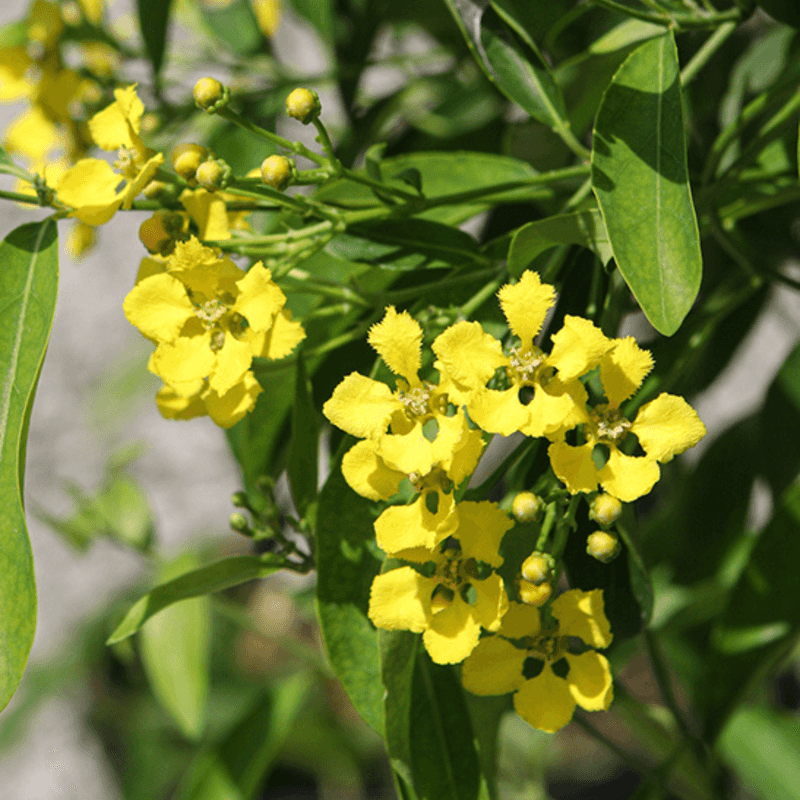
There is a vine growing in Texas that actually produces seed pods shaped like butterflies, and yes, it is just as cool as it sounds. Butterfly Vine, known scientifically as Mascagnia macroptera, is a true Texas native that brings double the charm to any fence.
First come the cheerful bright yellow flowers, then come the papery, winged seed pods that flutter and spin in the breeze like tiny green butterflies. It is genuinely one of the most fun plants you can grow in a Texas garden.
This vine is built for Texas heat. It thrives in full sun and handles drought conditions that would stress out most other plants.
Once established, it needs very little water, making it an excellent low-maintenance option for gardeners who do not want to spend a lot of time with a hose during the brutal Texas summer months.
Butterfly Vine grows at a solid pace and will cover a fence or trellis with ease during the warm season. It is not quite as aggressive as Trumpet Vine, which makes it easier to keep in bounds without constant pruning.
It does best in well-drained soil and really shines in the rocky, dry conditions common in Central and West Texas.
The yellow flowers attract pollinators, and the seed pods provide visual interest long after the blooming season wraps up. Gardeners who collect interesting plants often get excited when they first discover this one.
If you want something native, drought-tough, and genuinely unique for your Texas fence, Butterfly Vine is a standout choice that never gets old.
7. Passionflower (Passiflora Incarnata)
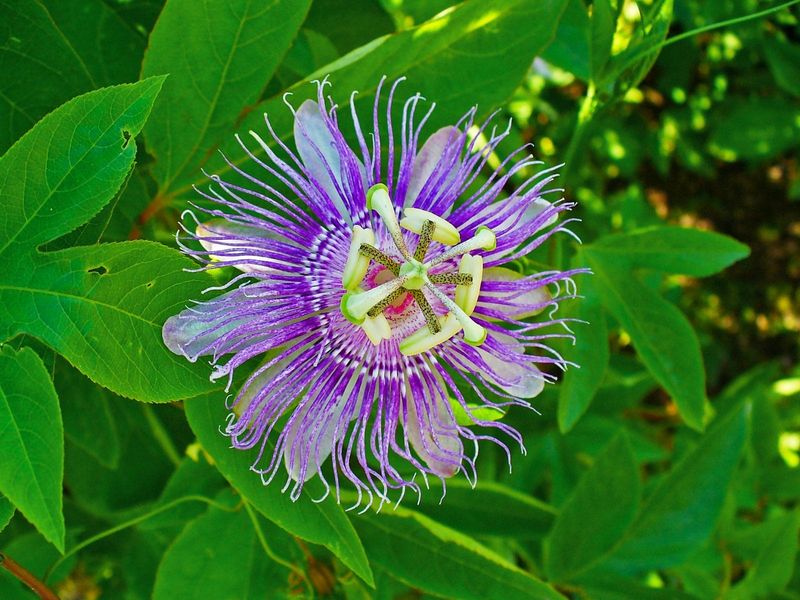
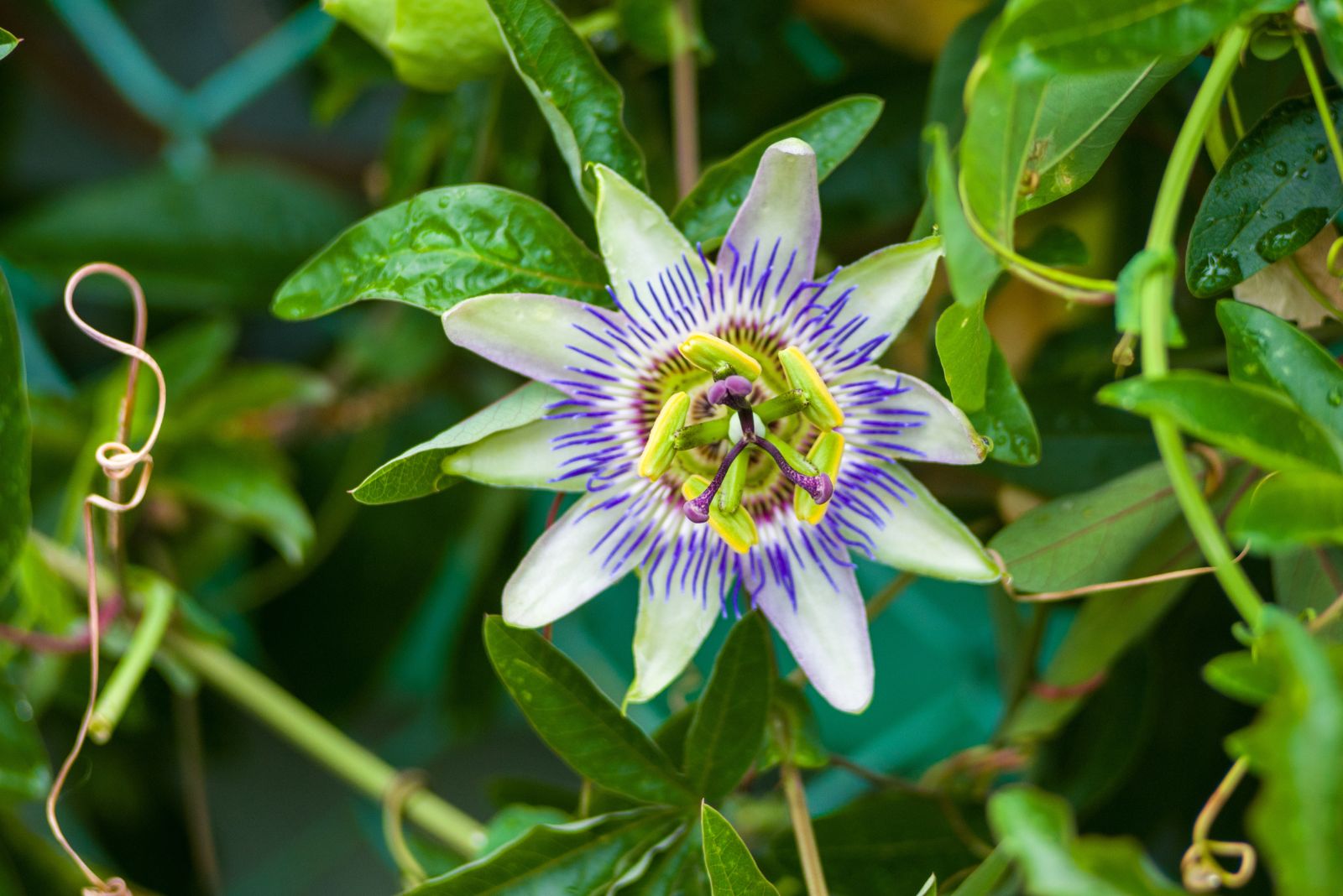
Walk past a Passionflower vine in full bloom and you might do a double-take. The flowers are unlike anything else in the garden, with layers of purple and white petals surrounding a wild, fringed center that looks almost like something from a science fiction movie.
Also known as maypop, this vine is a true Texas original and one of the most eye-catching fence climbers you can grow.
Passionflower grows quickly once it finds its footing in the soil. It spreads using twisting tendrils that grab onto fences, trellises, and nearby plants with surprising grip.
In a single growing season, it can cover a significant stretch of fence, especially in the warm, sunny conditions that Texas provides so reliably.
Butterflies are big fans of this vine. It serves as a host plant for Gulf Fritillary and Zebra Longwing butterflies, meaning female butterflies lay their eggs on the leaves and the caterpillars feed there too.
Planting Passionflower is basically setting up a butterfly nursery right in your backyard. The vine also produces edible fruit called maypops, which are yellow-green berries about the size of a chicken egg.
They have a sweet, tropical flavor and can be eaten fresh or made into jelly. It is a fun bonus that most people do not expect from a flowering vine.
Passionflower loves full sun and handles dry conditions well, making it a smart and beautiful choice for Texas fences that need some fast, colorful coverage with real ecological value.