These 10 Flowers Handle Oregon’s Spring-To-Summer Weather Beautifully
Oregon spring is a lot of things. Beautiful, moody, unpredictable, and capable of delivering sunshine and sideways rain within the same afternoon.
It’s part of what makes the Pacific Northwest so lush and green, but it also means your garden needs plants that can roll with the punches instead of falling apart the moment conditions shift. Not every flower is built for that.
The transition from spring into summer here can be genuinely wild. Cool mornings, warm afternoons, surprise late frosts, and then suddenly a stretch of gorgeous sunny days that makes you forget the chaos entirely.
Flowers that can handle that range without skipping a beat are worth their weight in gold. They keep the garden looking full and colorful during the awkward in-between weeks, and they hit their stride right as summer arrives.
These are the blooms that Oregon gardeners rely on when they want consistent, stunning performance no matter what the weather decides to do.
1. Columbine
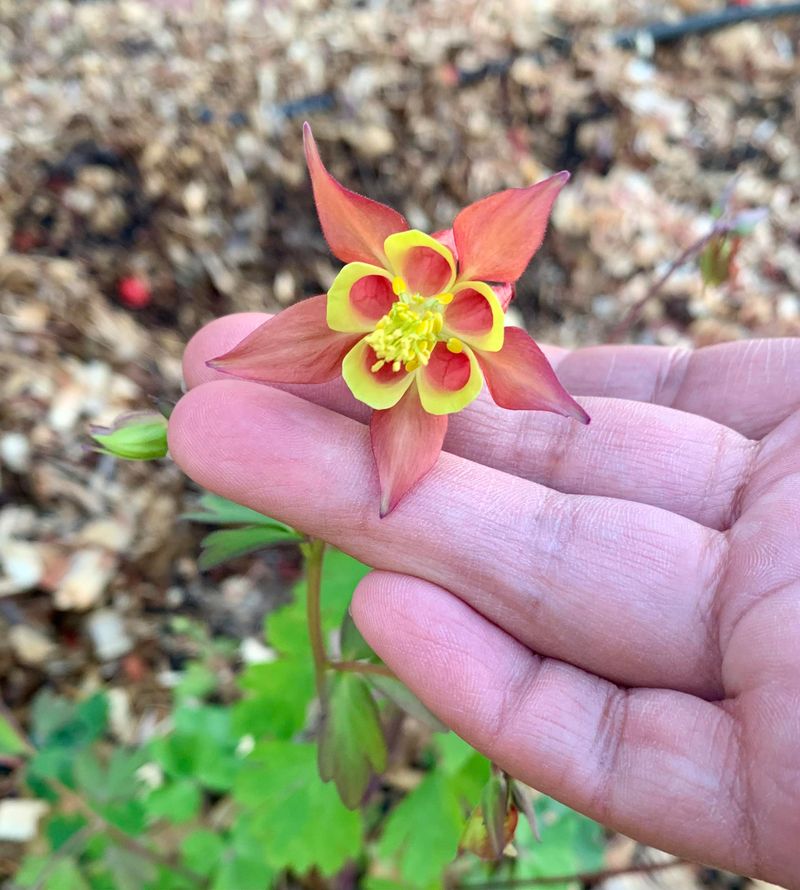
Few flowers can match the whimsical, almost fairy-tale look of Columbine. With its spurred petals and nodding blooms, it looks like something out of a storybook.
Oregon gardeners absolutely love it, and for good reason.
Columbine thrives in the cool, moist conditions that define Oregon’s spring season. It does well in both full sun and partial shade, making it flexible enough to fit into almost any garden layout.
The flowers come in a wide range of colors, including purple, pink, red, yellow, and white, so there’s a shade for every style.
One fun fact: hummingbirds are huge fans of Columbine. The long, nectar-filled spurs are perfectly shaped for their beaks.
Planting it near a window gives you a front-row seat to some amazing wildlife action.
Columbine also self-seeds easily, which means once you plant it, it tends to come back on its own year after year. That makes it a low-maintenance choice for busy gardeners.
As Oregon’s weather warms into summer, Columbine gracefully finishes its bloom cycle, making room for the next wave of color in your garden beds.
2. Bleeding Heart
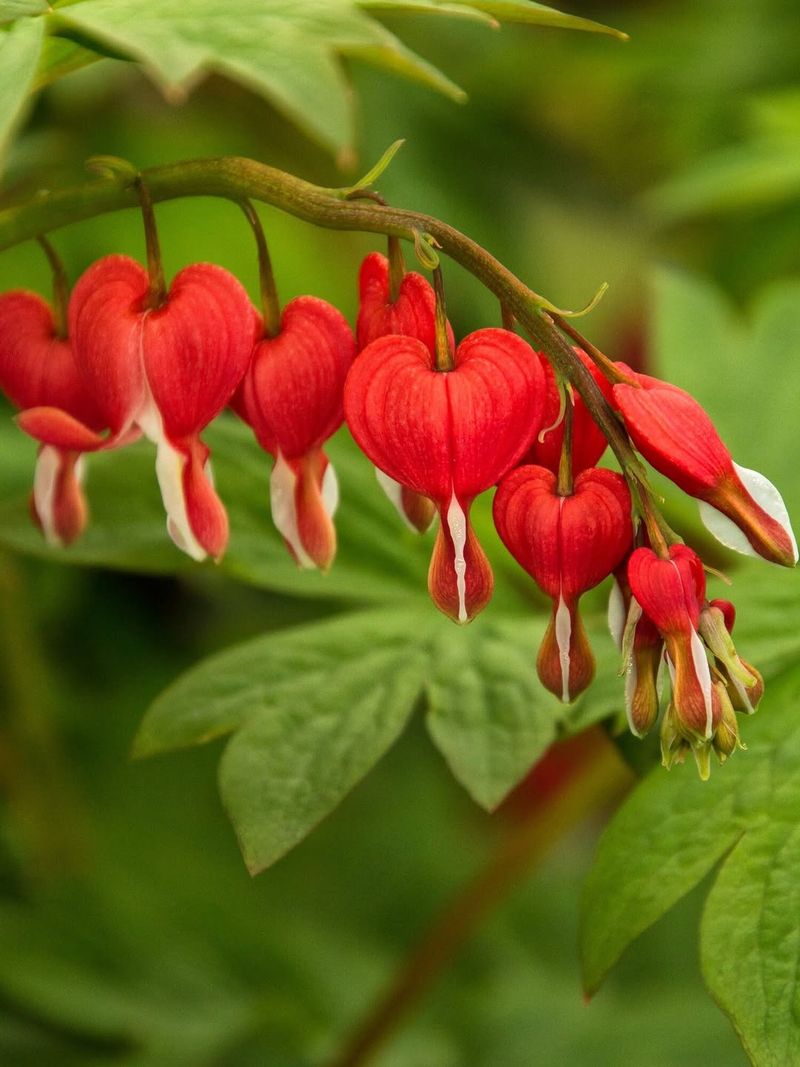
There’s something almost poetic about Bleeding Heart. Those perfectly shaped, heart-like flowers dangling from arching stems are one of the most recognizable sights in an Oregon spring garden.
It’s the kind of plant that makes people stop and stare.
Bleeding Heart loves the cool, damp weather that Oregon delivers in abundance during April and May. It prefers shaded or partially shaded spots, which makes it a great choice for areas under trees or along the north side of a fence.
The foliage is soft and fern-like, adding texture even when the flowers aren’t blooming.
What makes this plant especially useful in Oregon is how well it handles late-season rain without rotting or flopping over. It’s surprisingly sturdy for such a delicate-looking flower.
Once summer heat arrives, the plant naturally goes dormant, so pairing it with summer perennials nearby helps fill the gap.
Gardeners in the Portland area and the Willamette Valley find Bleeding Heart particularly rewarding because the mild, wet spring gives it plenty of time to shine. Plant it once and enjoy years of effortless spring beauty without much fuss or extra care.
Your Oregon Garden Changes Every Week. Your Plan Should Too.
Gardening in Oregon changes quickly throughout the season. Every Friday you’ll receive a simple weekly plan showing exactly what to plant, prune, fertilize, harvest, and protect so you never miss the right timing.
3. Hardy Geraniums
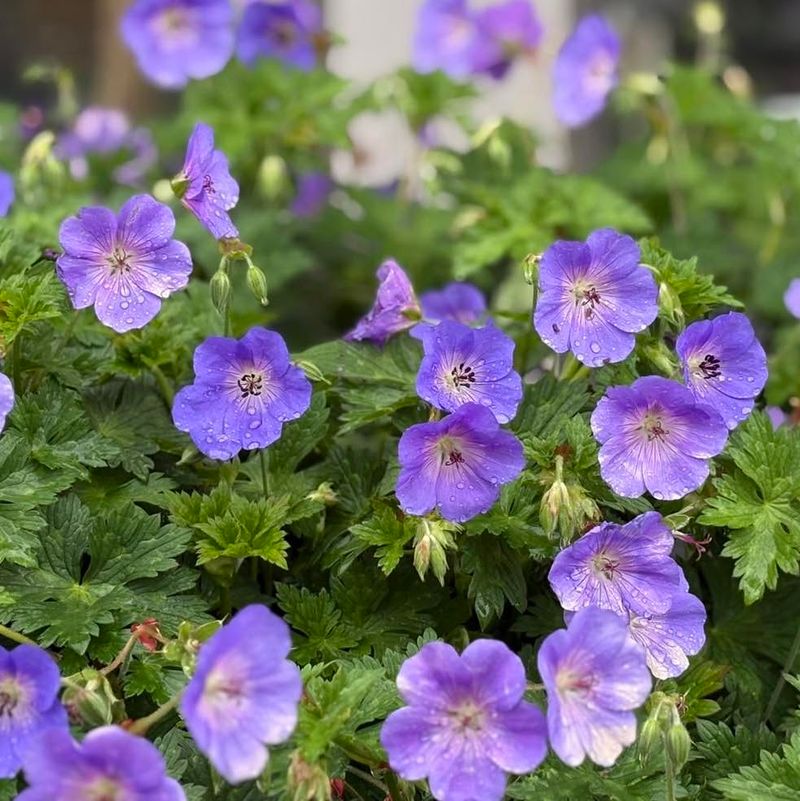
Hardy Geraniums are the workhorses of the Oregon garden. They’re not the fancy potted geraniums you see on patios.
These are tough, ground-hugging perennials that come back every single year without much help from you.
One of their biggest strengths is adaptability. Hardy Geraniums grow well in sun or partial shade and handle both the wet Oregon spring and the drier summer stretch without skipping a beat.
The blooms are small but plentiful, covering the plant in shades of blue, purple, pink, and white for weeks at a time.
They also work beautifully as ground cover, spreading gradually to fill empty spaces in garden beds. That spreading habit helps crowd out weeds naturally, which is a bonus for gardeners who don’t want to spend every weekend pulling unwanted plants.
Did you know Hardy Geraniums are native to many parts of Europe and Asia, and have been grown in gardens for centuries? They’ve earned their place through sheer reliability.
Across Oregon, from Eugene to Bend, gardeners count on them to deliver consistent color season after season. If you want a no-fuss flower that handles Oregon’s moody weather with ease, Hardy Geraniums belong in your yard.
4. Foxglove
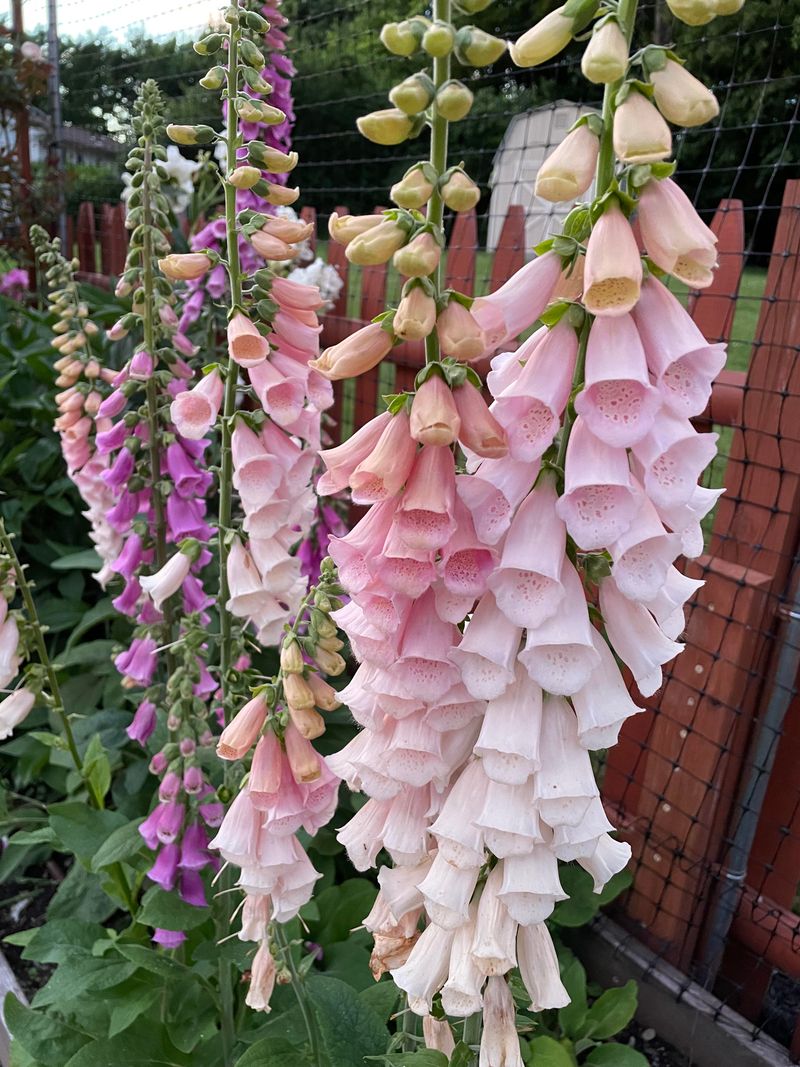
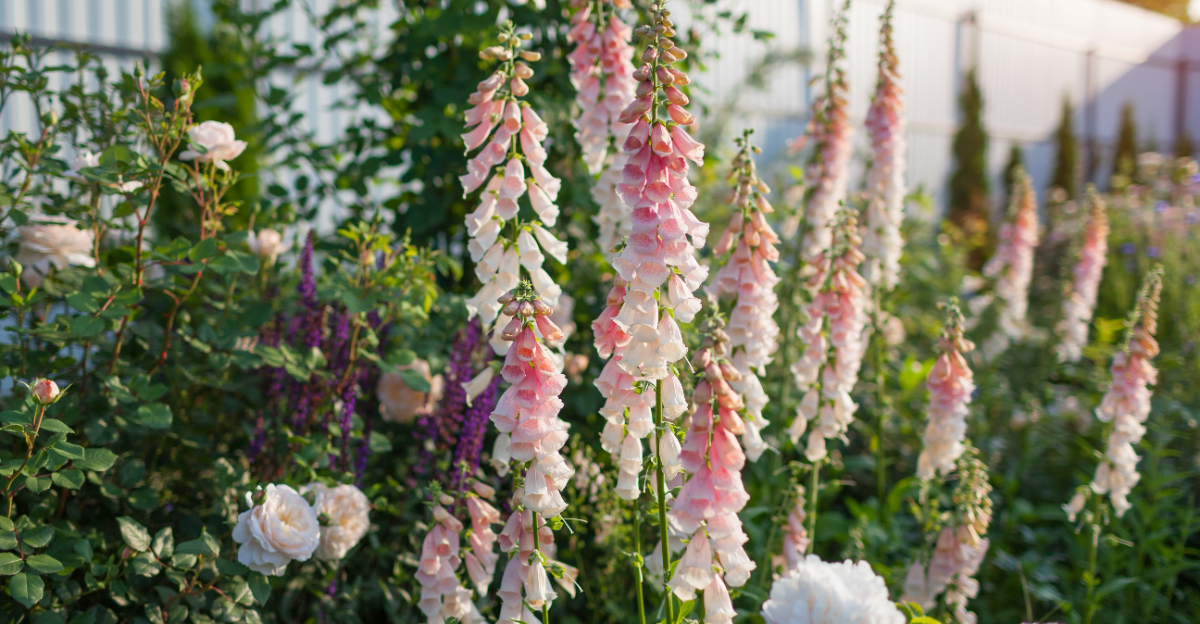
Tall, dramatic, and absolutely stunning, Foxglove is one of those plants that commands attention the moment it blooms. Its towering spikes covered in tubular flowers are a signature sight in Oregon gardens, especially in the cool, shaded woodland-style beds that so many Pacific Northwest gardeners love to create.
Foxglove is a biennial in most cases, meaning it grows foliage in its first year and blooms in its second. Some varieties act more like short-lived perennials.
Either way, once established, it self-seeds generously, ensuring you always have plants coming up somewhere in the garden.
Oregon’s rainy spring is practically perfect for Foxglove. It thrives in moist, well-drained soil and doesn’t mind overcast skies at all.
The flowers come in shades of purple, pink, white, and cream, often with beautiful spotted patterns inside the blooms that pollinators find irresistible.
Bumblebees in particular are wild about Foxglove. Watching them disappear headfirst into the tubular flowers is one of the simple joys of an Oregon spring.
Plant Foxglove along fences, garden borders, or the edges of wooded areas for maximum visual impact. It pairs beautifully with ferns and Hostas in shadier spots.
5. Lupine
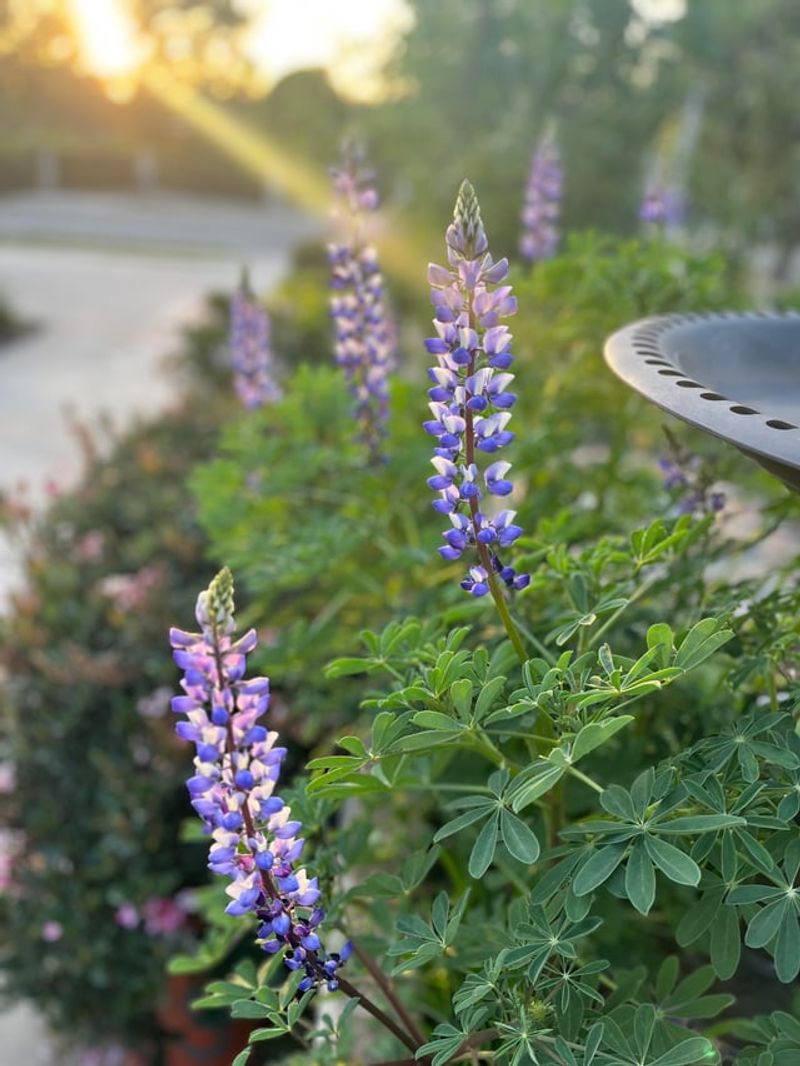
If you’ve ever driven through the Oregon countryside in late spring, you’ve probably spotted Lupine growing wild along roadsides and meadows. Those tall, colorful spikes are hard to miss.
Growing them in your own garden brings that same wild, natural energy right to your backyard.
Lupine is a powerhouse plant that actually improves your soil as it grows. It fixes nitrogen from the air into the ground, which feeds other nearby plants naturally.
That’s a pretty impressive trick for something so beautiful. Oregon’s mild, moist spring gives Lupine the cool conditions it needs to establish strong roots before summer arrives.
The flowers come in a rainbow of colors, from deep purple and blue to pink, red, yellow, and white. Many varieties are bicolored, making each spike look like a tiny work of art.
They grow tall, usually between two and four feet, giving garden beds a bold vertical element.
Lupine is also a favorite of bumblebees and other native pollinators, which is great news for Oregon’s garden ecosystems. Plant it in a sunny spot with well-drained soil and enjoy the show from late spring right into early summer.
It’s one of those plants that makes every garden feel alive and wild.
6. Salvia
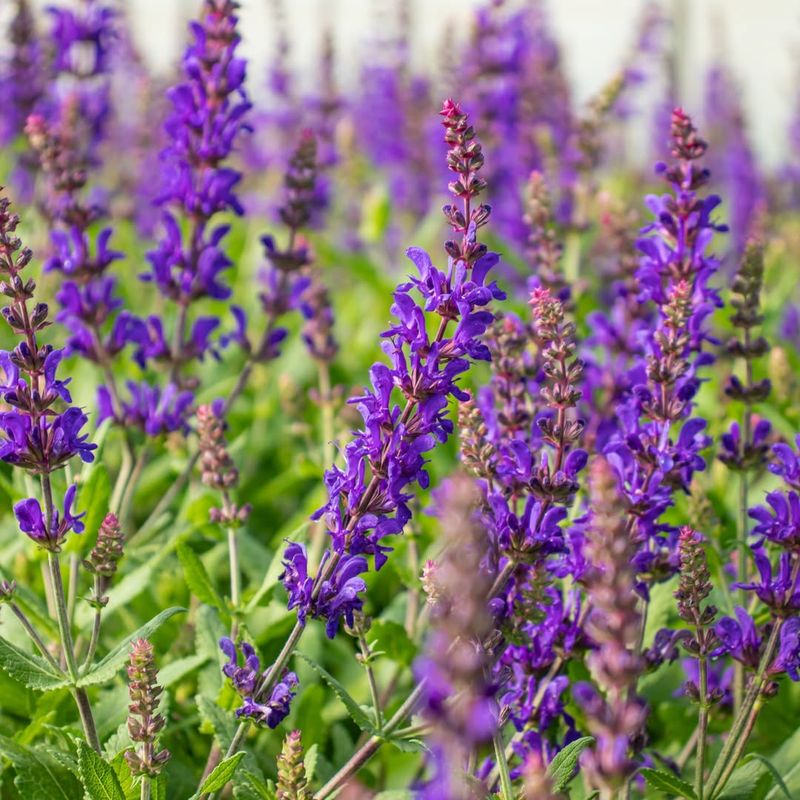
Salvia brings a cool, electric energy to the garden. Those upright spikes of deep blue, purple, or red flowers stand out against almost any backdrop.
Oregon gardeners who want bold color from late spring through summer have found Salvia to be one of the most reliable performers around.
There are many varieties of Salvia, and most of them handle Oregon’s weather transitions extremely well. They tolerate the lingering spring rains without issue and then shift smoothly into summer mode when the sun takes over.
Many varieties are drought-tolerant once established, which is helpful during Oregon’s typically dry July and August.
Salvia is also a magnet for pollinators. Bees, butterflies, and hummingbirds flock to its flowers throughout the blooming season.
Planting it near vegetables or fruit trees can actually help improve pollination across your whole garden. That’s a win-win for anyone growing food alongside flowers.
The aromatic foliage is another perk. Brush against a Salvia plant and you’ll get a pleasant herbal scent that lingers on your hands.
In Oregon gardens from the coast to the Cascades, Salvia earns its keep with minimal care and maximum visual reward. It’s a smart, stylish addition to any sunny border or raised bed.
7. Yarrow
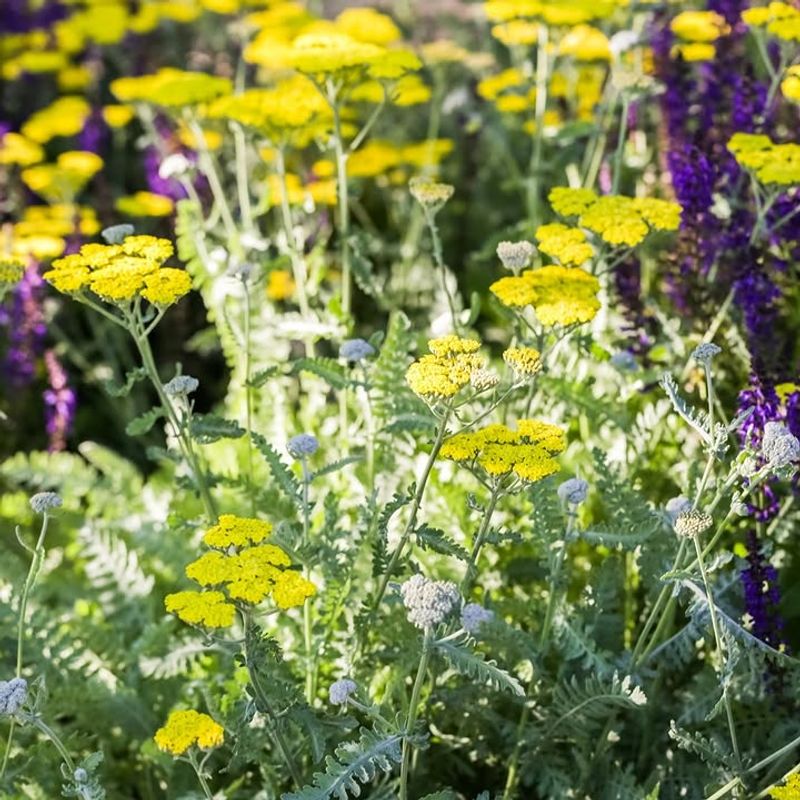
Yarrow has been growing in gardens for thousands of years, and it’s not hard to see why. This ancient herb-turned-ornamental is one of the toughest flowering plants you can grow in Oregon.
It handles everything from soggy spring soil to summer drought without missing a bloom.
The flowers form flat-topped clusters that come in shades of yellow, white, red, pink, and orange. They bloom from late spring well into summer, giving you a long window of color.
The feathery, fern-like foliage stays attractive even when the plant isn’t in full bloom, adding texture to the garden year-round.
Yarrow spreads gradually over time, slowly filling in bare spots in sunny garden beds. It’s not aggressive, just steady and reliable.
Oregon gardeners who want a low-maintenance perennial that looks after itself tend to fall in love with Yarrow pretty quickly.
Pollinators absolutely adore the flat flower heads, which act like tiny landing pads for butterflies and bees. Yarrow also works wonderfully as a cut flower and holds up well when dried.
Across Oregon, it’s one of those plants that earns more admiration every season. Plant it once, and it will reward you for years with almost no effort on your part.
8. Shasta Daisy
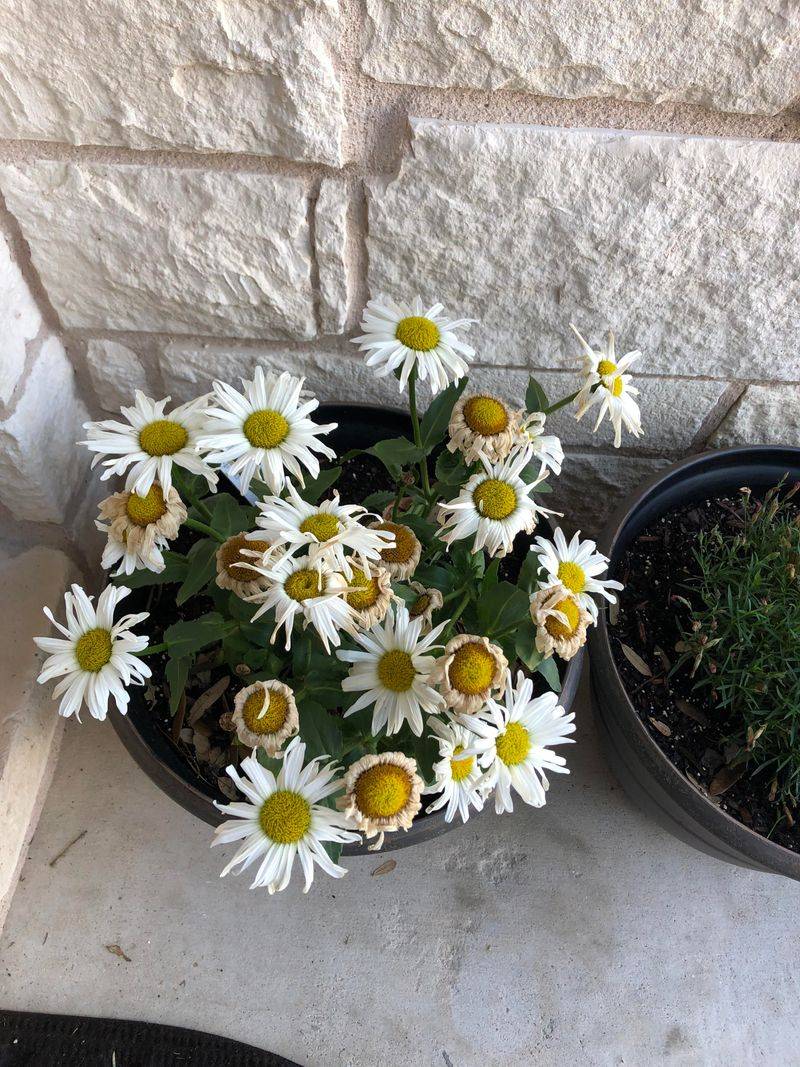
Nothing says cheerful summer garden quite like a patch of Shasta Daisies in full bloom. Those crisp white petals surrounding a bold yellow center are classic, timeless, and incredibly satisfying to grow.
Oregon gardeners have a special fondness for them because they bridge the gap between spring and summer so gracefully.
Shasta Daisies are tougher than they look. They handle Oregon’s wet spring without rotting and then keep on blooming as the weather warms.
They prefer full sun but tolerate partial shade, making them adaptable to different garden setups. Once established, they’re fairly drought-tolerant, which helps during Oregon’s drier summer months.
The blooms attract a wide range of pollinators, especially butterflies, which love the open, flat flower heads. Deadheading spent blooms regularly encourages the plant to keep producing new flowers throughout the season.
A little maintenance goes a long way with Shasta Daisies.
Fun fact: the Shasta Daisy was actually developed by famous horticulturist Luther Burbank right here in the Pacific Northwest in the late 1800s. So there’s a genuine regional connection to this beloved flower.
In Oregon gardens from Ashland to Astoria, Shasta Daisies deliver reliable beauty with very little fuss from spring all the way through midsummer.
9. Penstemon
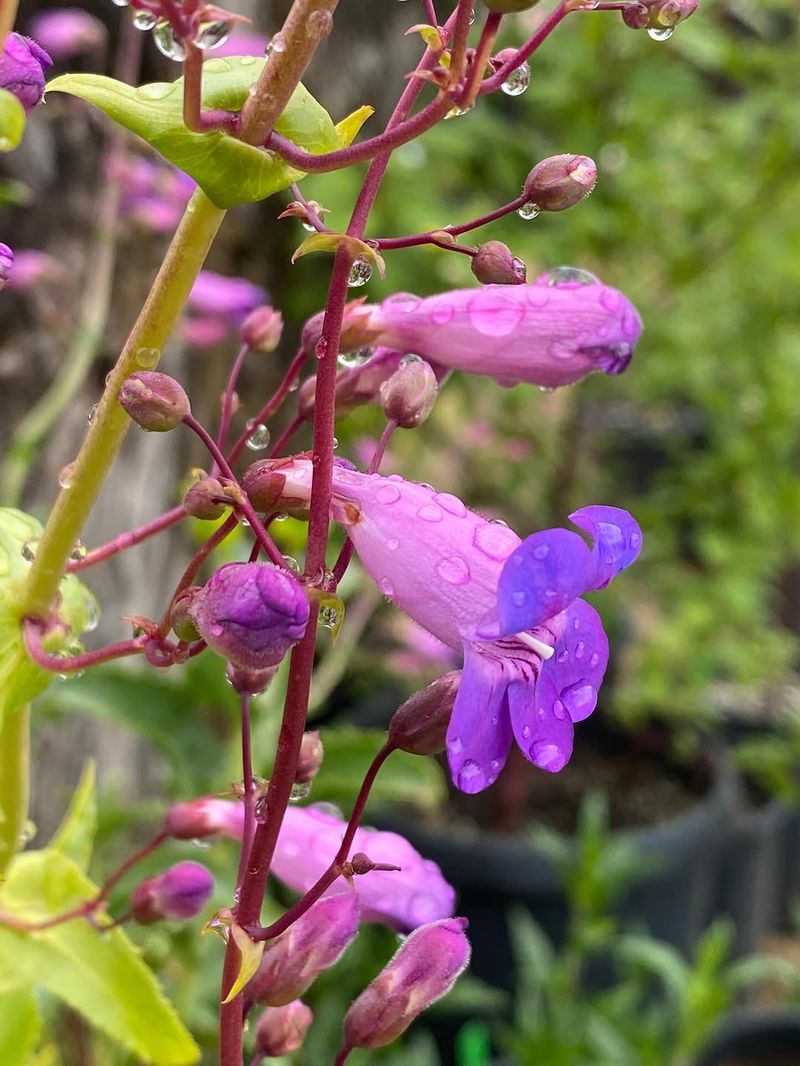
Penstemon is one of Oregon’s true garden heroes. Many species are native to the Pacific Northwest, which means they’ve evolved to handle exactly the kind of weather Oregon throws at them.
Cool, wet springs followed by warm, dry summers? Penstemon handles it without breaking a sweat.
The flowers are tubular and come in shades of red, pink, purple, blue, and white. They grow on tall, upright stems that sway gently in the breeze, giving the garden a relaxed, natural feel.
Bloom time typically runs from late spring into early summer, though some varieties push color well into July.
Hummingbirds are absolutely devoted to Penstemon. The tubular flower shape is perfectly designed for their long beaks and tongues.
If attracting hummingbirds to your Oregon yard is on your wish list, adding a few Penstemon plants is one of the fastest ways to make it happen.
Penstemon also does well in rocky, well-drained soils where other plants struggle. That makes it a smart pick for slopes, rock gardens, and dry borders in eastern Oregon, where summer conditions get significantly hotter and drier.
It’s a genuinely versatile plant that rewards gardeners across the entire state with color, wildlife, and easy care season after season.
10. Coreopsis
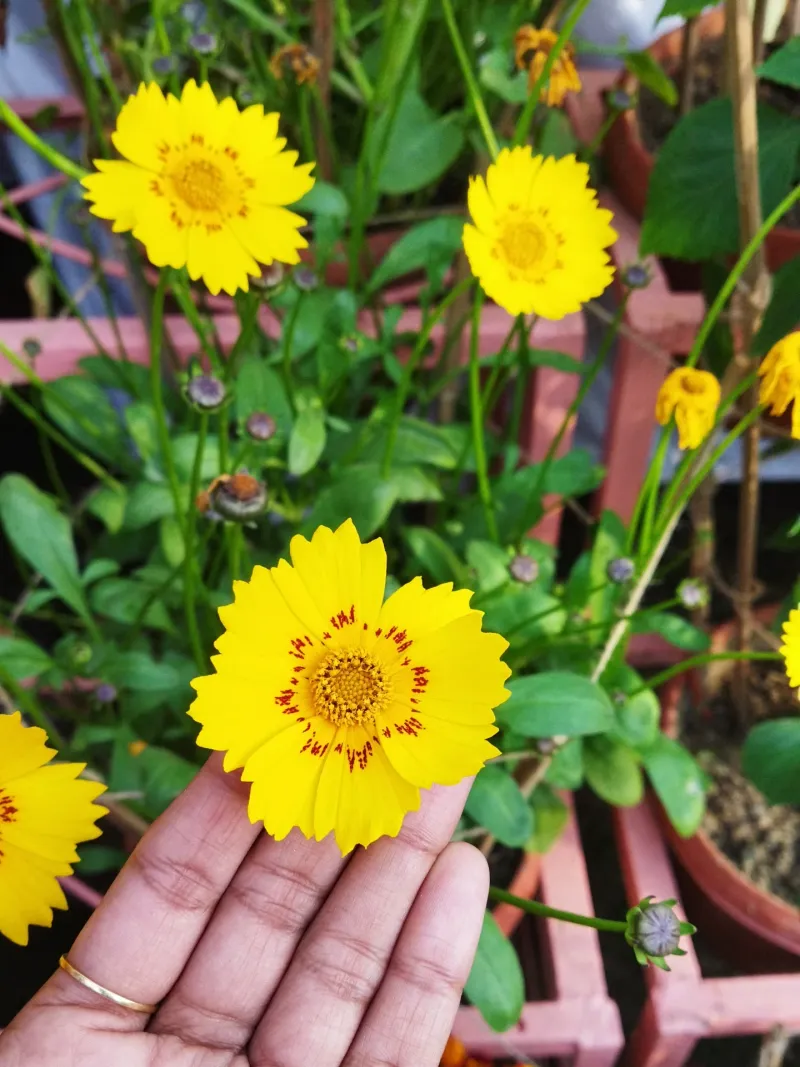
Sunny, cheerful, and nearly impossible to stop once it gets going, Coreopsis is the kind of plant that just makes you happy. Those bright golden-yellow blooms pop against green foliage like little bursts of sunshine, and they keep on coming from late spring all the way through summer with minimal effort.
Coreopsis loves full sun and handles Oregon’s transition from cool, rainy spring to warm, drier summer better than almost any other perennial. It’s drought-tolerant once established, which is a real asset during the dry stretch that Oregon typically sees from July onward.
Good drainage is really the only thing it insists on.
Regular deadheading keeps the blooms coming in waves. Snip off faded flowers every week or so and the plant responds by pushing out fresh buds almost immediately.
It’s a simple habit that pays off with months of continuous color in your garden.
Butterflies and bees love Coreopsis, making it a great choice for pollinator-friendly garden designs across Oregon. Thread-leaf varieties like ‘Moonbeam’ add a soft, airy texture that looks beautiful when planted in drifts along borders or pathways.
From the southern Oregon valleys to the rainy northwest coast, Coreopsis delivers golden, season-long color that brightens any garden space reliably.