What It Actually Takes To Grow Magnolias Successfully In Florida
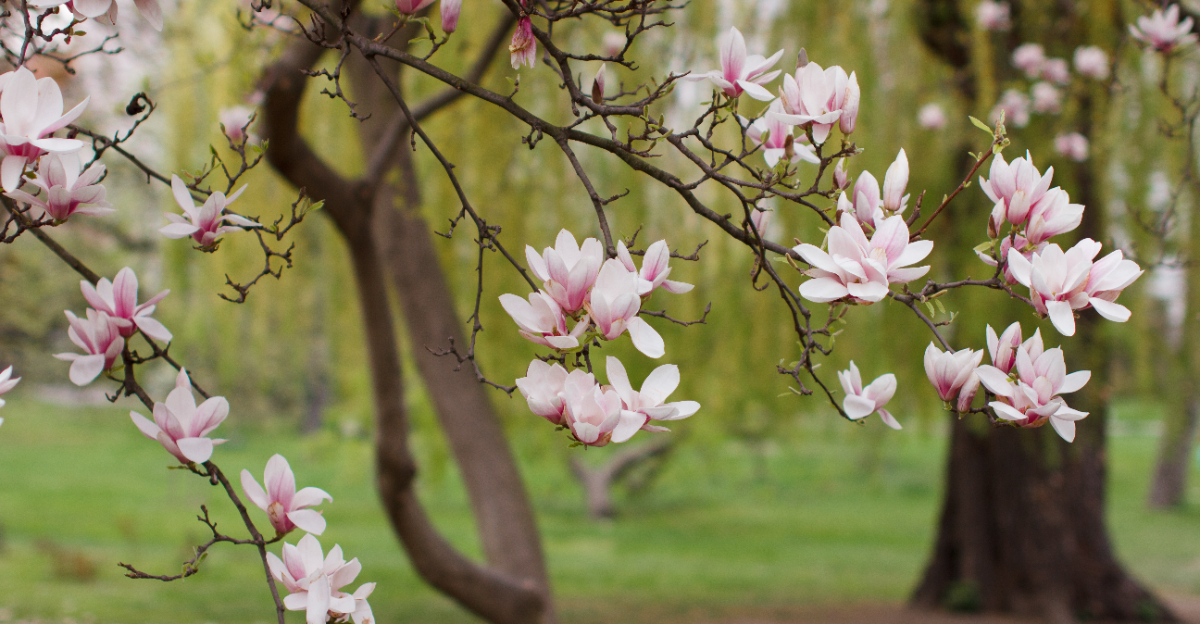
Magnolias have a way of stopping people in their tracks. Big blooms, glossy leaves, the kind of tree that makes a yard look like it has been there for generations.
Florida gardeners see them and want one, which makes complete sense. What does not always make sense is how they go about growing them.
Magnolias have a reputation for being straightforward, and in the right conditions they are.
But Florida has its own set of variables that change the approach, and gardeners who skip over that part tend to run into problems that feel random but really are not.
Getting a magnolia to not just survive here but actually look the way you imagined it takes a few things most planting guides gloss right over.
1. Match The Magnolia To Your Part Of Florida
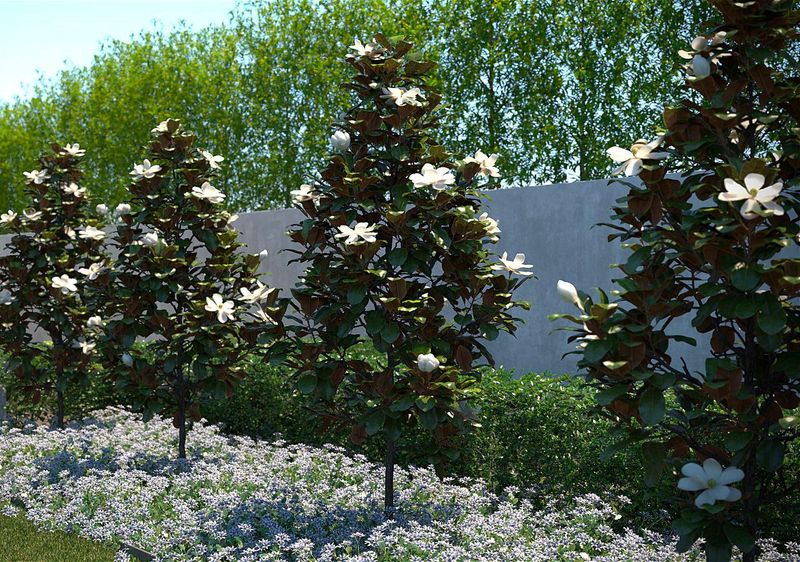
One of the most common and costly mistakes Florida gardeners make is falling in love with a magnolia at the nursery without first asking whether it actually belongs in their region.
Florida stretches from a near-subtropical tip in the south to a temperate, four-season climate in the north, and that difference matters enormously when choosing a magnolia.
North Florida and North Central Florida have the widest range of options. Gardeners there can grow Southern magnolia, sweetbay magnolia, and saucer magnolia with relatively good results when the site is right.
Central Florida can support several magnolia types too, but placement becomes more critical because summer heat is intense and dry spells are common.
South Florida is a different story. Many magnolias prefer slightly cooler winters, consistently moist acidic soil, and some relief from relentless afternoon sun.
Trying to force a saucer magnolia into a Miami landscape is a setup for frustration.
Southern magnolia and sweetbay magnolia are among the more practical choices across much of Florida, but South Florida gardeners should be especially careful about soil, irrigation, reflected heat, and cultivar or species choice.
Before buying any magnolia, check your county Extension office for region-specific guidance tailored to your exact location.
2. Give Southern Magnolia Room To Become A Giant
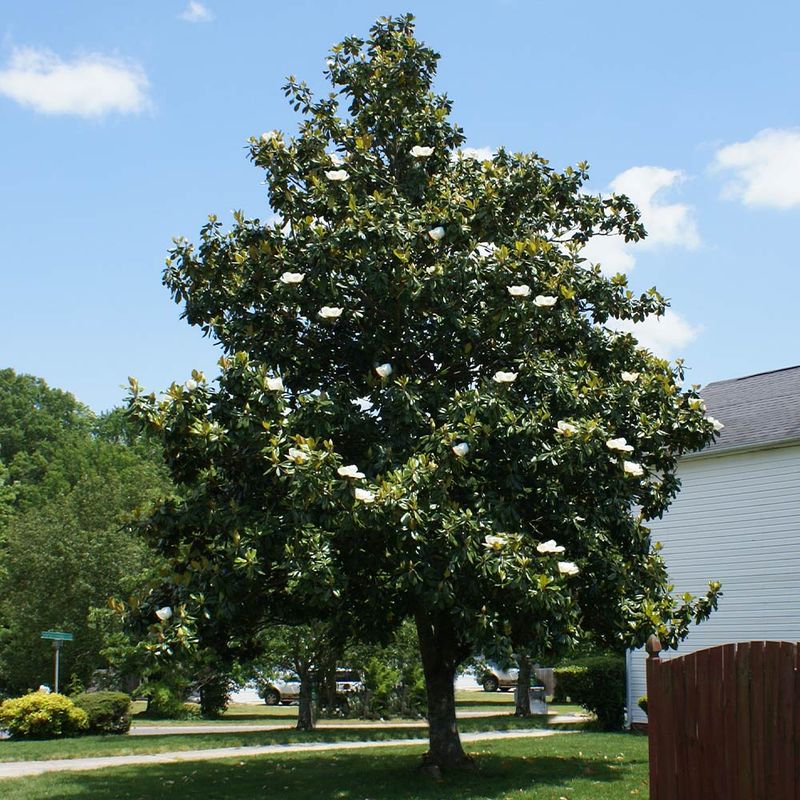
Picture the biggest tree on your street and then imagine it dropping thick, leathery leaves year-round while its roots quietly lift the nearby sidewalk. That is a reality check every Southern magnolia shopper needs before heading to the checkout line.
Magnolia grandiflora is a magnificent, long-lived evergreen tree, but it genuinely needs space, often reaching 60 to 80 feet tall with a canopy spread of 30 to 40 feet or more at full maturity.
Squeezing one into a narrow side yard, near a foundation, under power lines, or close to a roof is a decision that will cause headaches for decades. Large-landscape cultivars like Bracken’s Brown Beauty, D.D.
Blanchard, Claudia Wannamaker, Edith Bogue, Glen St. Mary, Samuel Sommer, and Victoria offer some variation in size and cold tolerance, but they all need serious room to grow.
For smaller yards, Little Gem is a more compact Southern magnolia cultivar that works better in tighter spaces, though it still matures to around 20 feet tall and 10 feet wide, so plan accordingly.
Your Florida Garden Changes Every Week. Your Plan Should Too.
Gardening in Florida changes quickly throughout the season. Every Friday you’ll receive a simple weekly plan showing exactly what to plant, prune, fertilize, harvest, and protect so you never miss the right timing.
Surface roots, heavy leaf drop, and large seedpods also mean this tree performs best in a dedicated mulched landscape bed, not surrounded by lawn.
3. Choose Sweetbay Magnolia For Wetter Spots
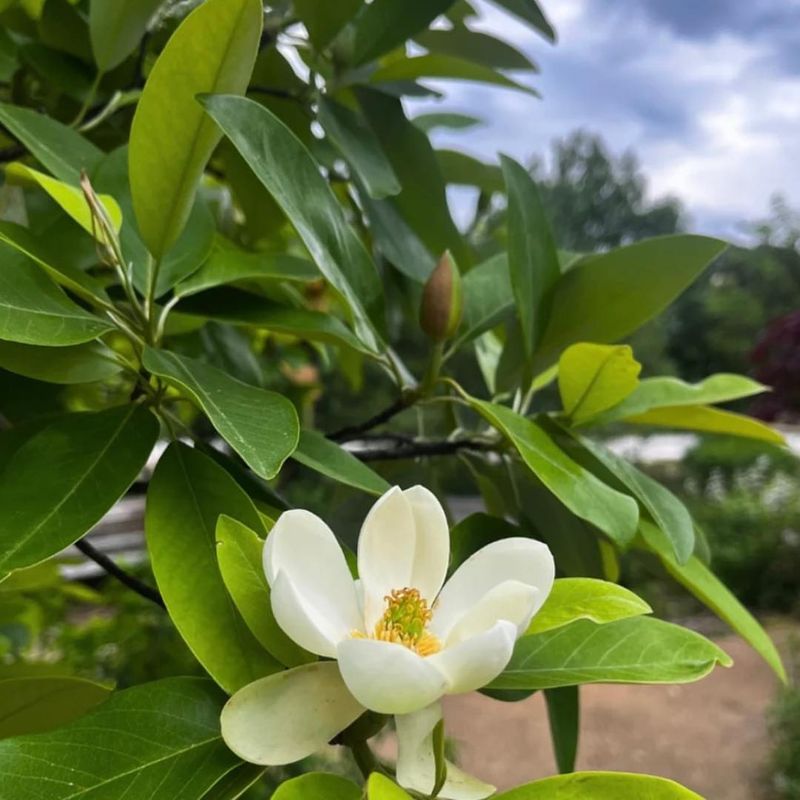
Not every Florida yard is dry and sandy. Many homeowners deal with low spots, soggy corners, rain garden areas, or pond edges where most trees simply refuse to cooperate.
Sweetbay magnolia, Magnolia virginiana, is a Florida native that actually fits those wetter conditions far better than Southern magnolia ever would.
Naturally found in moist, low, and wetland-like sites, sweetbay magnolia is a Florida native that fits rain gardens, pond edges, and damp landscape pockets better than many other magnolias.
Its flowers are smaller than Southern magnolia blooms, but they carry a lovely lemon fragrance that drifts pleasantly through the yard.
The undersides of the leaves are silvery-white, which creates a gentle shimmer when a breeze moves through the canopy.
Sweetbay can be evergreen or semi-evergreen depending on your location and the severity of winter temperatures, so do not expect identical behavior from a tree in Gainesville versus one in Ocala. Full sun to partial shade works well, and the soil should be rich, moist, and acidic.
Even though sweetbay tolerates wet sites once established, consistent watering during the first year after planting is still essential. Good establishment care gives the tree the strong root system it needs to handle both wet and dry stretches later on.
4. Save Saucer Magnolia For North Florida Color
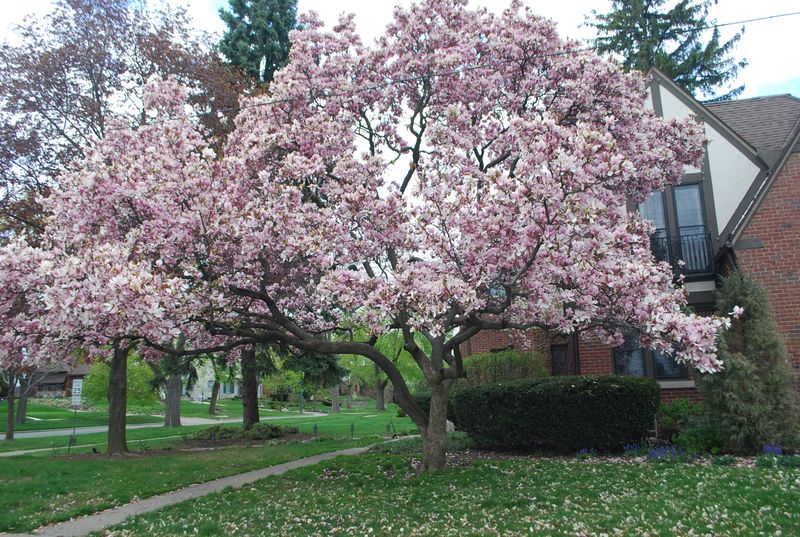
Few sights in the Southern garden world are as jaw-dropping as a saucer magnolia in full bloom, every branch covered in large, chalice-shaped flowers in shades of pink, purple, white, or swirling combinations of all three, all before a single leaf appears.
If you garden in North Florida or North Central Florida, this tree is absolutely worth considering for early-season color that stops traffic.
Magnolia x soulangiana is deciduous, meaning it drops its leaves in fall and goes dormant through winter. That dormancy period is actually part of what makes it tick, since it needs some winter chill to bloom reliably.
That is precisely why South Florida gardeners should look elsewhere. The heat and mild winters of South Florida do not give saucer magnolia what it needs to perform well season after season.
Compared to a full-size Southern magnolia, saucer magnolia stays more manageable, which makes it a better fit for yards with limited space. Even so, it still matures to 20 or 25 feet in height with a similar spread, so give it room.
Fertile, well-drained soil and a spot with full sun or light afternoon shade work best. One honest caveat: a late cold snap after buds swell can damage the flowers, so the floral show can vary from year to year.
5. Plant Where Morning Sun Beats Afternoon Heat
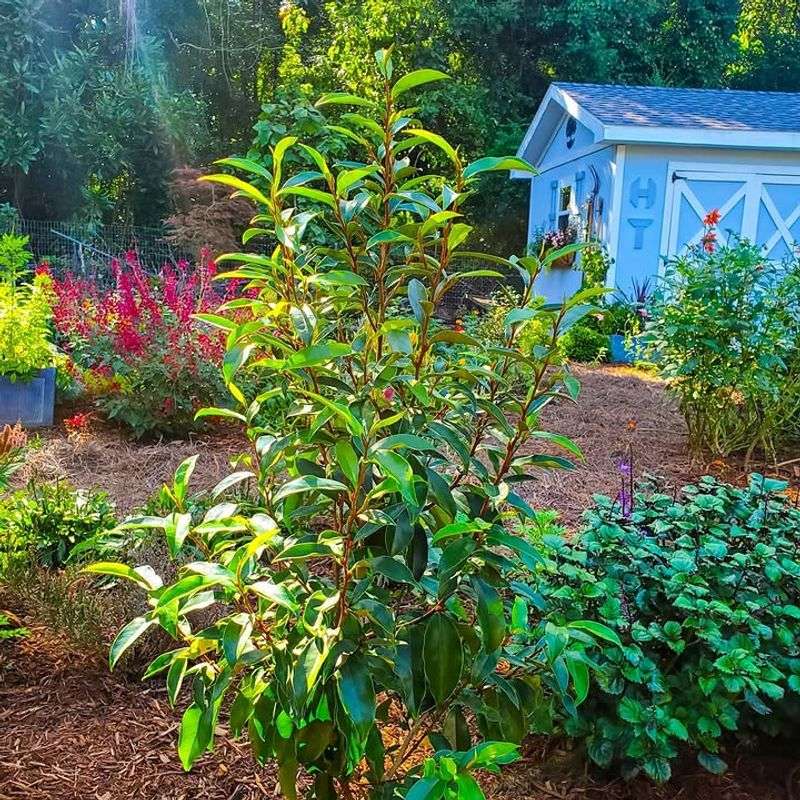
Florida afternoons in summer are brutal, and a magnolia sitting in full western exposure with heat radiating off a concrete driveway or a stucco wall is going to feel every degree of it.
Choosing the right spot in your yard is just as important as choosing the right magnolia species, and the east side of a property is often the sweet spot for young trees especially.
Morning sun provides the light magnolias need for healthy growth and strong flowering, while the shade that naturally builds through the afternoon gives the tree a break from the most intense heat of the day.
Filtered afternoon shade from a nearby tree canopy or a structure can make a real difference in how well a young magnolia establishes itself in Central and South Florida.
Full sun can work for some magnolias, especially established Southern magnolias in North Florida where summer afternoons are slightly cooler and humidity helps buffer heat stress.
However, hot, dry, exposed sites with reflected heat from pavement or walls put young trees under serious stress.
Avoid planting too close to driveways, sidewalks, or south-facing walls where heat builds up. And do not swing too far the other direction either, because too much shade reduces flowering and can weaken the overall structure of the tree over time.
6. Start With Moist Acidic Soil That Drains
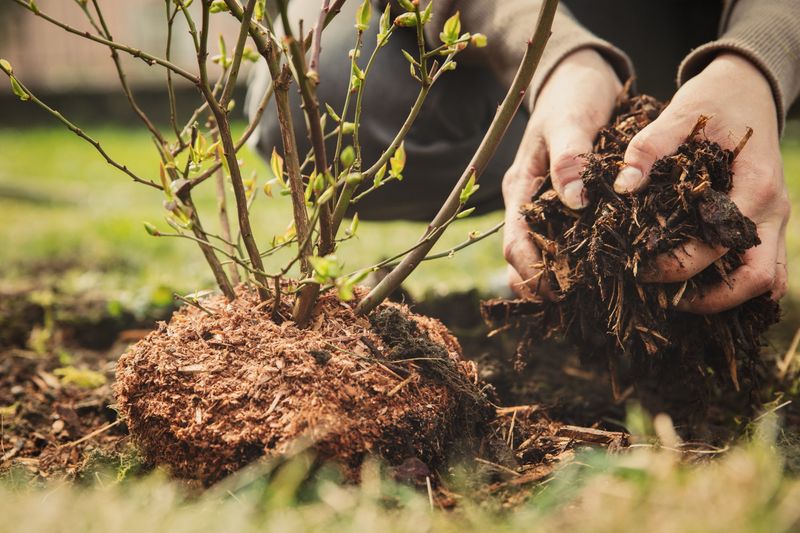
Florida soil can be a rude awakening for gardeners who move here from other states. Much of the state is underlain by fine sand that drains fast and holds little moisture or nutrients.
Coastal areas often have shell-influenced alkaline soil that magnolias actively dislike. New construction lots frequently have compacted fill that roots struggle to penetrate.
None of those conditions are ideal for magnolias, which genuinely prefer moist, well-drained, slightly acidic soil with decent organic matter.
The good news is that site preparation makes a real difference.
Loosening compacted soil across a wide planting area, mixing in organic matter at a landscape scale rather than just in a tiny hole, and choosing the right species for the soil type on hand all improve the odds of success.
Do not fall into the trap of thinking that piling amendments into a small planting hole will fix a fundamentally poor site. Roots grow outward, not just downward, so the broader soil environment matters.
Sweetbay magnolia handles wetter, heavier soils better than Southern magnolia, which still wants drainage even though it appreciates consistent moisture.
Alkaline coastal soils can cause nutrient deficiencies and chronic stress over time, so South Florida and coastal Central Florida gardeners need to think especially carefully about soil conditions before committing to a magnolia planting.
7. Keep The Root Zone Out Of The Lawn
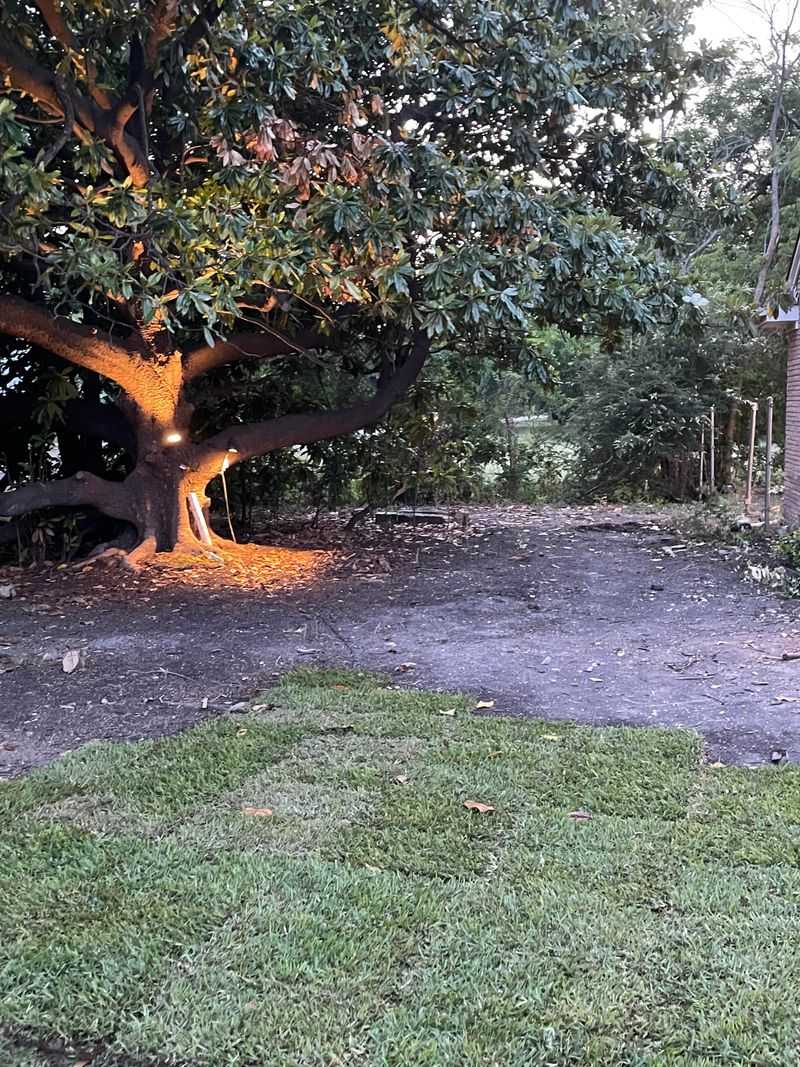
Trying to grow a neat carpet of St. Augustine grass directly under a Southern magnolia is a losing battle that most Florida homeowners figure out the hard way.
The dense canopy blocks light, the thick leathery leaves smother grass as they fall, the large seedpods create an obstacle course for mowers, and surface roots make the ground uneven and tricky to navigate with any lawn equipment.
A wide, dedicated mulched landscape bed is a far better solution. Giving the tree a generous bed that extends out to or beyond the drip line keeps the root zone protected, reduces competition from grass, and makes the whole planting look intentional and clean.
A well-designed bed actually makes a large magnolia look more like a landscape feature and less like a problem tree.
Keeping lawn mowers and string trimmers well away from the trunk is critical, especially for young trees. Repeated mechanical injury to the bark at the base of the trunk creates entry points for pathogens and weakens the tree over time.
Establishing a proper bed early, before the roots start spreading wide, makes this much easier to manage.
Grass competition around young magnolias also steals moisture and nutrients that a newly planted tree needs to get established quickly and build a strong root system.
8. Water Young Trees Like Establishment Matters
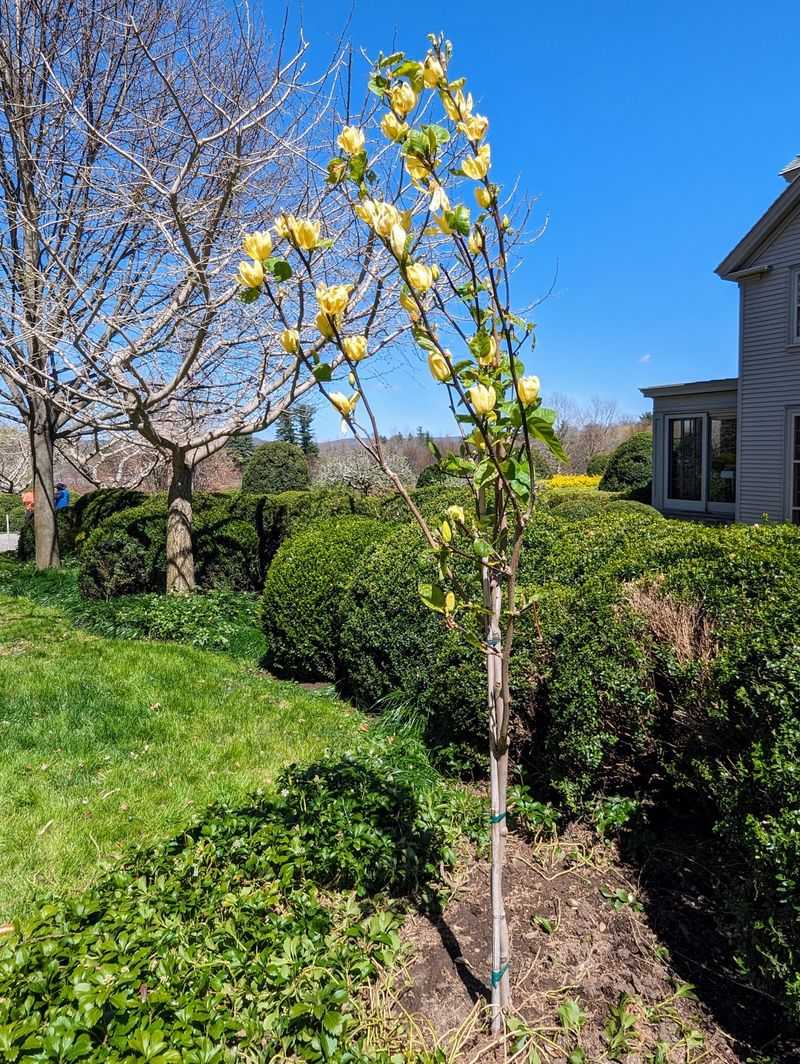
A common myth about Florida gardening is that the frequent summer rains will handle watering for you. Rainfall here is seasonal and unpredictable, and a newly planted magnolia sitting in sandy soil can dry out between storms faster than most people expect.
Establishment watering is one of the most important things a Florida gardener can do in the first year after planting any tree.
Deep, thorough watering encourages roots to grow downward and outward rather than staying shallow and dependent on surface moisture. Water the root ball and the surrounding soil out beyond the edge of the planting hole.
Check soil moisture by pushing your finger a few inches into the ground near the root ball. If it feels dry, the tree needs water regardless of what the rain gauge says.
Sweetbay magnolia appreciates consistent moisture throughout its life, so regular watering matters even after establishment.
Southern magnolia needs steady water during the first year to build a root system capable of handling Florida’s dry winters and hot summers.
Saucer magnolia should follow a consistent irrigation schedule through its first growing season as well. Adjust your watering frequency based on rainfall, temperature, and season rather than sticking to a rigid schedule that ignores actual soil conditions.
9. Mulch Wide But Keep The Root Ball Clear
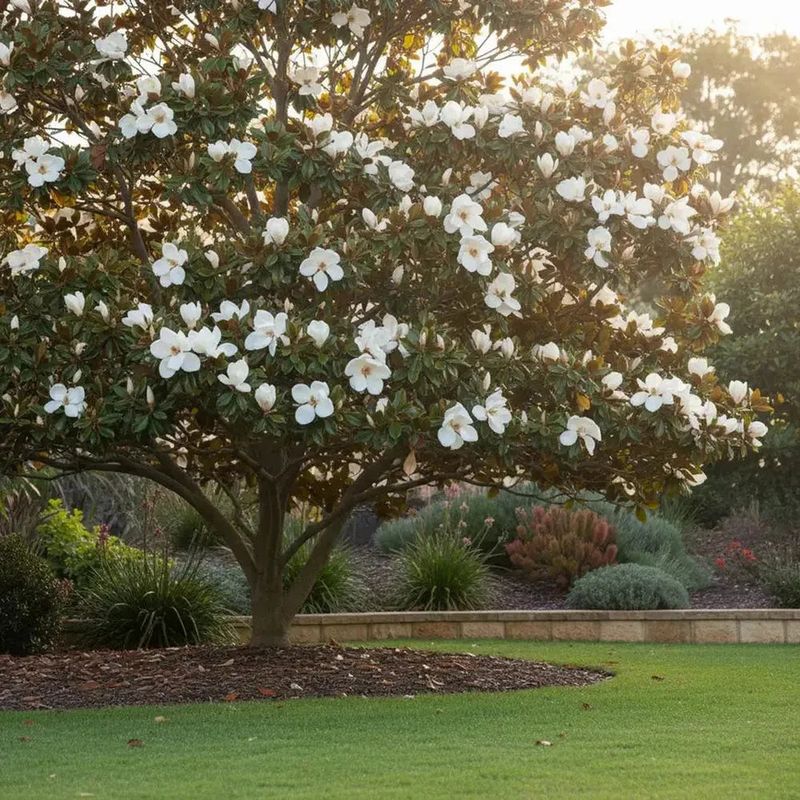
Mulch is one of the simplest and most effective tools a Florida gardener has for keeping magnolias healthy, but the way it is applied matters just as much as whether it is applied at all. A wide, even layer of mulch across the root zone does several important things at once.
It holds moisture in the soil, moderates soil temperature during hot Florida summers, reduces weed and grass competition, and protects the surface roots that Southern magnolia in particular tends to develop over time.
The ring of mulch should be wide, ideally extending out to the drip line of the canopy or even a bit beyond. Two to three inches of mulch depth is appropriate for most situations.
Refresh the mulch layer as it breaks down over time to maintain consistent coverage and keep the benefits working year-round.
The one mistake to avoid firmly is piling mulch up against the trunk of the tree.
Mulch volcanoes, those cone-shaped mounds of mulch heaped against the bark, trap moisture against the trunk, create conditions that invite rot and pests, and can slowly damage the tree over several years.
UF/IFAS Extension consistently recommends keeping mulch pulled back a few inches from the trunk while spreading it wide across the root zone. Flat and wide beats tall and narrow every time.
10. Watch For Magnolia Scale Before It Spreads
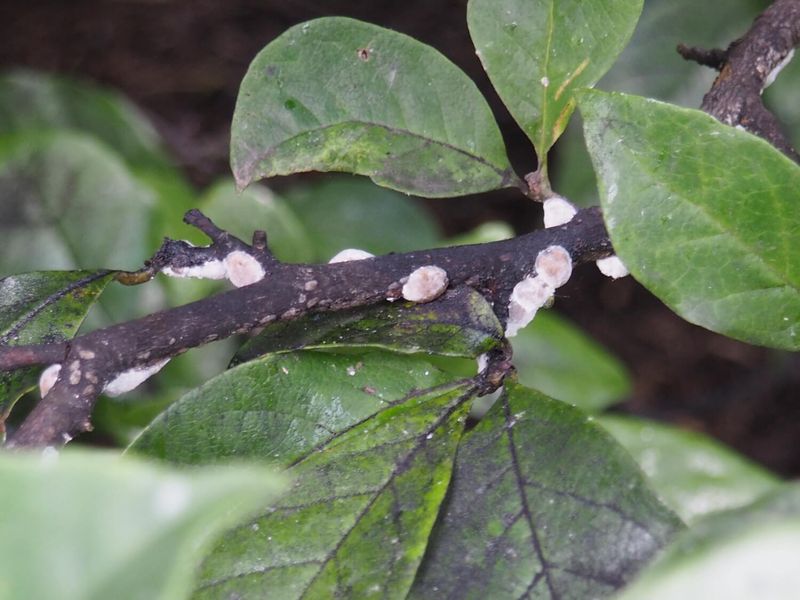
Magnolia scale is a pest that Florida gardeners should know about before they ever see it, because catching it early makes management far more straightforward than dealing with a heavy infestation.
Scale insects attach themselves to twigs and branches, where they feed on plant sap and can be easy to overlook until the population has already built up.
Look for unusual bumps on branches, a sticky residue on leaves or surfaces below the tree, or a dark sooty mold coating that grows on the honeydew scale insects produce.
A tree that is stressed from poor soil, inadequate water, too much shade, or a bad planting site is often more vulnerable to pest pressure.
Keeping a magnolia healthy through good siting, proper watering, and appropriate mulching reduces stress and helps the tree stay more resilient.
That said, healthy trees can still encounter scale, so regular monitoring is important regardless of how well the tree is growing.
Before reaching for any treatment, confirm what you are actually dealing with. Scale insects can look similar to other bark features at first glance, and treating without a proper diagnosis wastes time and money.
Contact your local county Extension office for help identifying the pest and getting a recommendation that fits your specific situation. Florida county Extension offices offer free or low-cost plant diagnostic help that is tailored to your region.