These Forgotten Native North Carolina Groundcovers Outperform Liriope In Deep Shade
Deep shade can make a North Carolina yard feel like it has run out of options.
Grass thins. Bare soil spreads. Tree roots compete for every drop of moisture, and another tray of liriope starts looking like the only practical answer.
It is not.
Across Carolina woodlands, native groundcovers already handle the same problems with far more personality. Some creep beneath mature hardwoods.
Others form leafy colonies, stay green through winter, or send up spring flowers where sunlight barely reaches the soil.
So which ones deserve that difficult space?
The best choice depends on what kind of shade you actually have. Moist woodland soil calls for something different from dry ground under oaks. Rocky shade creates another opportunity entirely.
None of these plants is a magic carpet, and establishment can take patience.
But match the species to the site, and that forgotten corner can become one of the most interesting parts of the yard.
Liriope does not have to get every shady job in your North Carolina shade garden anymore.
1. Plant Green And Gold For A Flowering Mat
A gloomy strip beneath mature trees does not have to stay brown all summer.
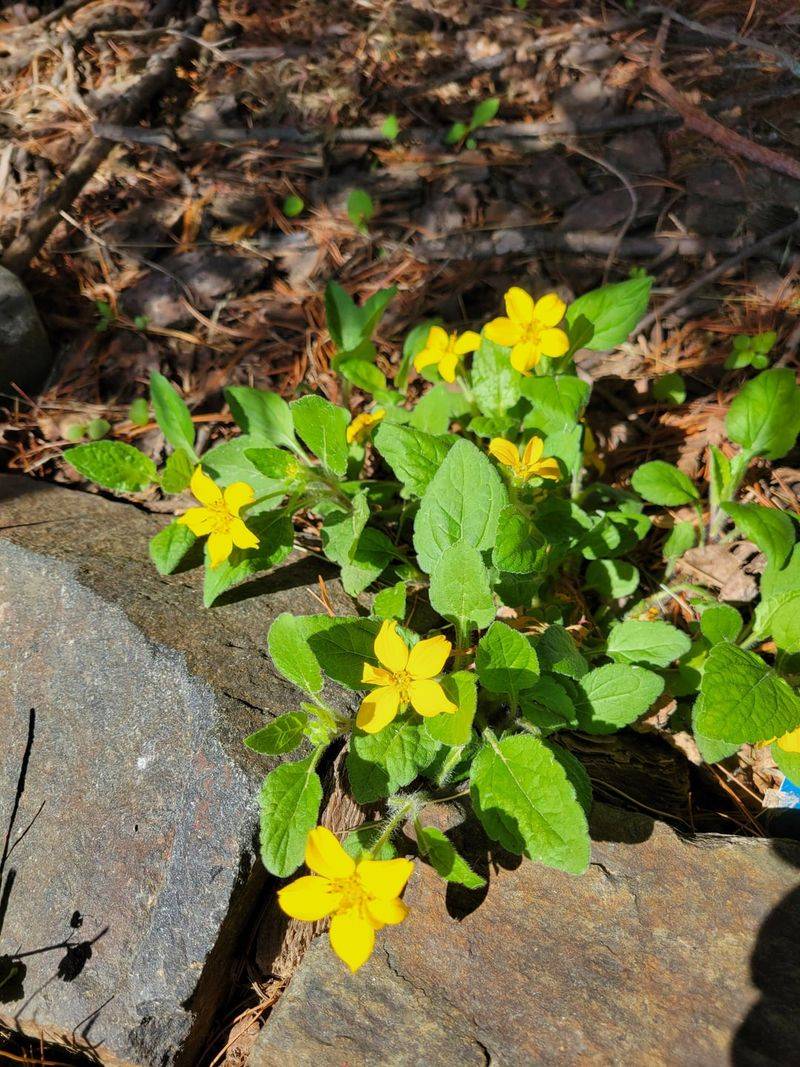
Green and Gold, Chrysogonum virginianum, spreads into a low mat of dark foliage topped with bright yellow flowers in spring.
That combination gives shaded beds something liriope rarely delivers: a genuine seasonal bloom without sacrificing ground-level coverage.
This North Carolina native handles partial shade well and can tolerate fairly deep shade, especially where the soil stays humus-rich and reasonably drained.
It is also more forgiving of dry shade than many woodland groundcovers, which makes it useful beneath established trees competing heavily for moisture.
The plant spreads by short stolons rather than racing across the yard. Over time, neighboring plants can knit together into a semi-evergreen carpet that helps cover exposed soil and makes weeds less comfortable.
Give new transplants about twelve inches of spacing and keep them watered during the first season. Once roots settle in, the maintenance drops considerably.
Do not expect identical performance in every dark corner. Heavy deer pressure, compacted soil, or extremely dry ground can slow the colony.
A small test patch is smart before filling an entire side yard.
When the site suits it, though, this plant turns dim ground into something much livelier.
Liriope may hold the line.
Green and Gold brings flowers to the argument.
2. Let Foamflower Run Through Moist Shade
Cool, damp soil under deciduous trees can be frustratingly empty in summer.
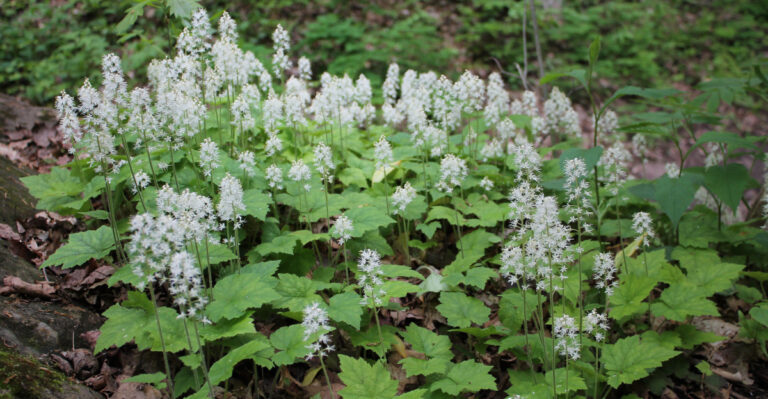
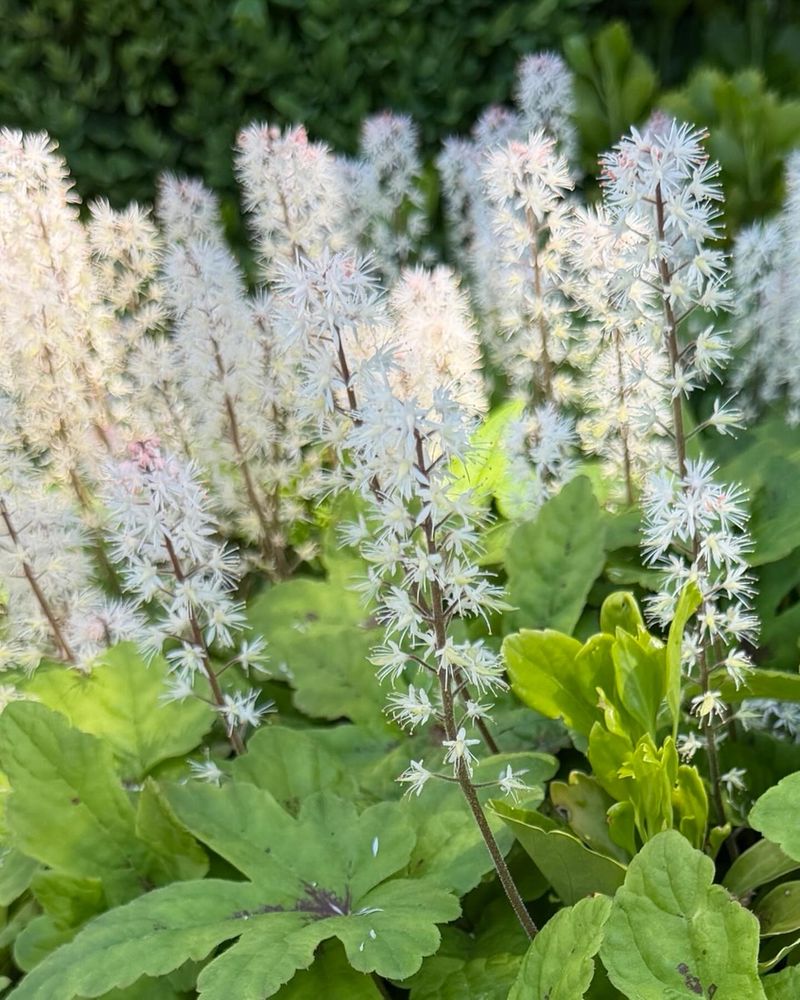
Foamflower, Tiarella cordifolia, is much more interested in that situation than many common ornamental groundcovers. Its maple-like leaves spread by runners, while soft white flower spikes rise above the foliage in spring.
Moisture is the key.
This North Carolina native performs best in humus-rich woodland soil that stays consistently moist without becoming swampy.
Deep shade is not a deal breaker, which makes it especially useful beneath a mature canopy where direct sunlight barely reaches the bed.
The stolons root as they travel, gradually filling gaps between plants. That natural spreading habit can create the kind of connected groundcover effect gardeners often want from liriope, but with a softer woodland texture and spring flowers added.
Your North Carolina Garden Changes Every Week. Your Plan Should Too.
Gardening in North Carolina changes quickly throughout the season. Every Friday you’ll receive a simple weekly plan showing exactly what to plant, prune, fertilize, harvest, and protect so you never miss the right timing.
Shredded leaves make an ideal mulch around new plants. They help conserve moisture, feed the soil as they break down, and mimic the forest-floor conditions foamflower already understands.
Dry summer sites tell a different story. A bed that repeatedly bakes between waterings can slow growth and thin the colony.
Divide established clumps every few years when you want to refresh the planting or move pieces elsewhere.
In the right damp corner, very little fuss is required once the roots settle.
The flower spikes may look delicate.
The plant underneath them is surprisingly good at claiming shady ground.
3. Use Wild Ginger Beneath Trees
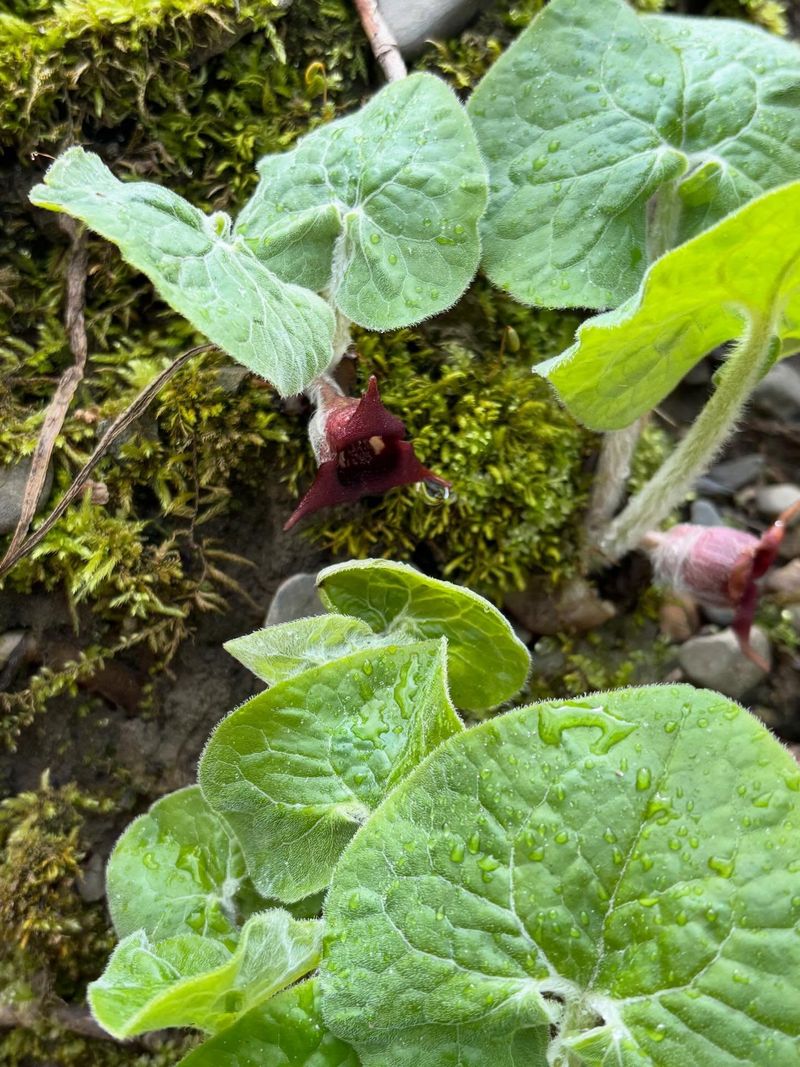
Big overlapping leaves can change the entire look of a dark tree bed.
Native wild ginger does exactly that. Asarum canadense produces broad, heart-shaped foliage that spreads slowly by rhizomes and gradually forms a dense woodland colony.
The effect feels completely different from liriope.
Instead of upright grassy blades, you get a low layer of rounded leaves that softens exposed roots, bare soil, and the hard lines around trunks. Weeds also have less room to establish once mature plants begin overlapping.
Rich, moist woodland soil brings the strongest growth. Deep shade is comfortable for this species, though severe drought beneath large trees can slow establishment.
North Carolina gardeners also have other native Asarum options. Little-brown-jug, Asarum arifolium, offers mottled foliage and suits parts of the Piedmont and Mountains.
Matching the species to local conditions matters more than choosing whichever label happens to appear first at the nursery.
The unusual flowers hide close to the ground beneath the leaves, so this is not a plant grown for a dramatic floral display.
Its strength is coverage.
Space new plants around twelve inches apart and keep the soil evenly moist during the first growing season. A layer of shredded leaves can help enormously.
Wild ginger takes its time before filling a bed.
Once it does, the shade starts looking like woodland rather than a place where the lawn simply gave up.
4. Try Partridgeberry For Evergreen Texture
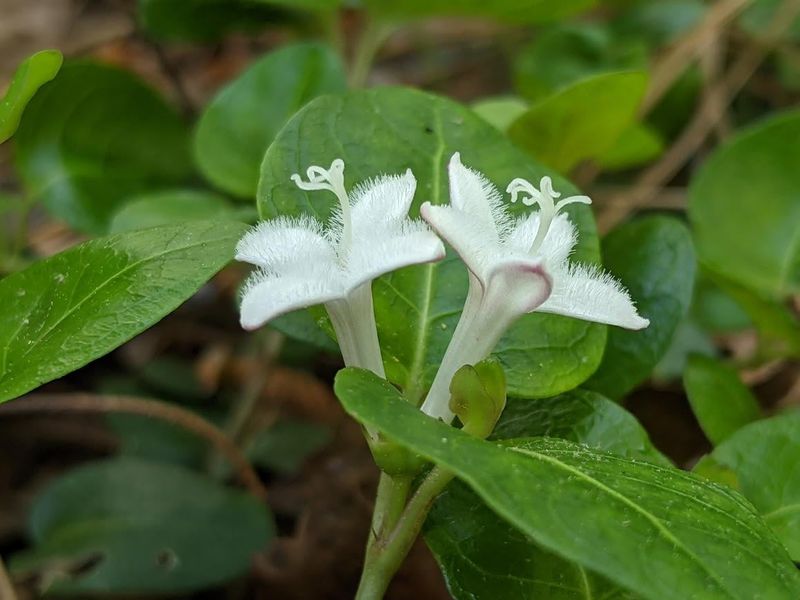
Some shaded spaces need a groundcover that barely rises above the soil at all.
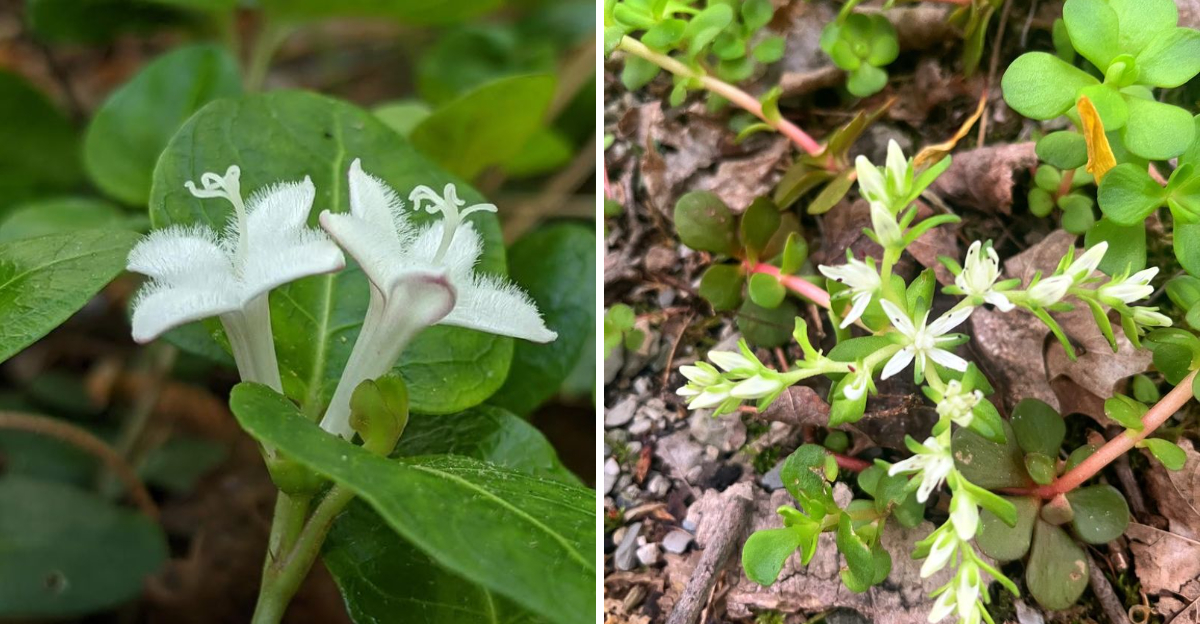
Partridgeberry, Mitchella repens, creeps along the forest floor with tiny glossy leaves and a height that usually stays around two inches.
That makes it useful beneath taller woodland plants, beside stepping stones, and in small shaded pockets where liriope would feel bulky.
The foliage stays evergreen, giving the bed texture even after many neighboring perennials disappear for winter.
Small paired white flowers appear in late spring, followed by bright red berries that can persist into the cooler months. Birds and small mammals may use the fruit, adding quiet wildlife value to an already attractive carpet.
This North Carolina native prefers acidic, humus-rich soil with steady moisture and good drainage. Deep woodland shade suits it well, but compacted or alkaline ground can make establishment painfully slow.
Patience is part of the deal.
Partridgeberry does not race across an empty bed. It creeps gradually and dislikes repeated root disturbance once settled. Prepare the site carefully before planting and avoid constantly digging around the stems afterward.
Pine needles or shredded leaves make a fitting mulch, especially where they help maintain the cool, woodland character the plant prefers.
This is not the groundcover for instant gratification.
It is the one for gardeners who want a refined evergreen layer that looks as though it was always supposed to be there.
5. Spread Allegheny Spurge Under Canopy
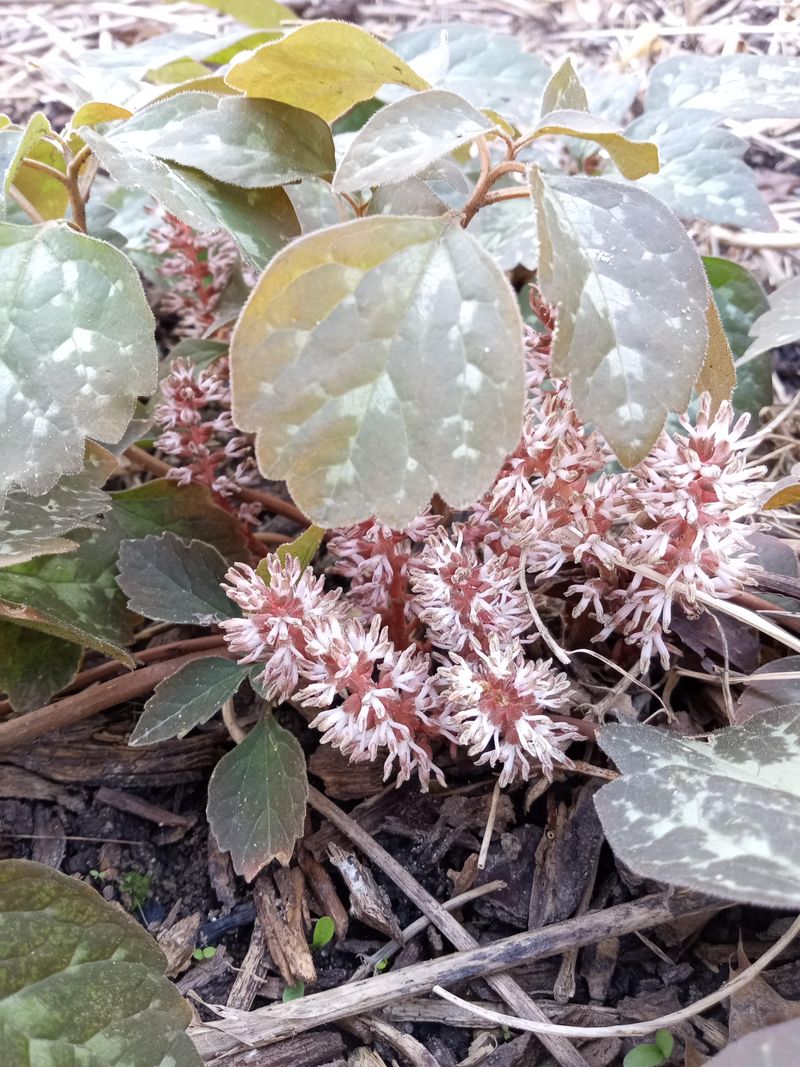
A shady bed that needs broad coverage does not have to default to an imported groundcover.
Allegheny spurge, Pachysandra procumbens, offers a distinctly North American alternative with softly mottled leaves and a slow, spreading habit suited to woodland gardens.
The foliage forms a low colony rather than upright clumps. Depending on winter conditions, it can remain semi-evergreen or lose more of its leaves before fresh growth returns.
Late winter and early spring bring another advantage. Fragrant white to pinkish flower spikes emerge close to the ground, often before the new foliage fully opens.
Deep to moderate shade suits the plant well.
It performs best in moist, well-drained soil with plenty of organic matter. Extremely dry ground under aggressive surface roots can slow the spread, so new plantings benefit from regular moisture while they establish.
Space transplants roughly twelve to eighteen inches apart and let the underground stems gradually connect the gaps. A light layer of shredded leaves helps conserve moisture without burying the crowns.
The pace is moderate rather than rampant, which is part of the appeal. You get a colony without immediately wondering how to stop it.
Once established, maintenance is minimal and serious pest problems are uncommon.
For a North Carolina gardener tired of repeating the same liriope border, Allegheny spurge brings the same practical coverage with a much stronger woodland identity.
It looks less like landscaping filler and more like the forest floor moved in on purpose.
6. Use Christmas Fern For Taller Groundcover
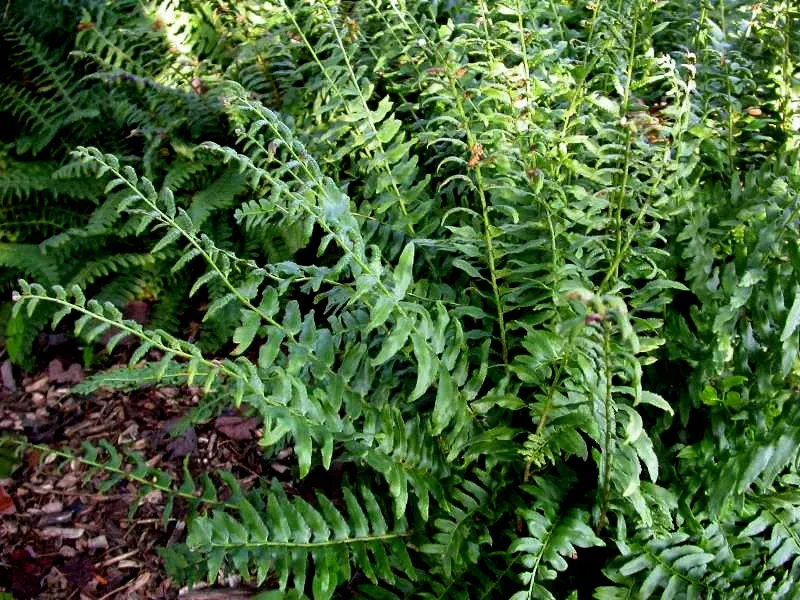
A dry patch beneath mature hardwoods can make even shade plants look offended.
Christmas fern, Polystichum acrostichoides, is tougher than its graceful fronds suggest.
This North Carolina native grows across much of the state and handles shade ranging from moderate to deep, including sites where established tree roots compete strongly for moisture.
It does not spread into a flat mat.
Instead, each plant forms a clump of dark evergreen fronds that can reach around one to two feet tall. Mass several together and those arching clumps overlap, creating continuous coverage with far more texture and height than a typical liriope edging.
That makes Christmas fern especially useful on slopes, beneath oaks, or in broad woodland beds where you want structure rather than a lawn substitute.
Moist, acidic, well-drained soil produces the lushest growth, but established plants tolerate periods of dryness surprisingly well. New transplants still need regular watering while roots settle.
Old fronds can look worn by late winter. Cut those away just before the fresh curled shoots emerge in spring, then let the new growth take over.
Division every few years can expand the planting, although established clumps rarely demand much intervention.
This fern will not solve every shady site, but it handles one of the hardest combinations remarkably well: low light plus root competition.
Liriope gives you straps.
Christmas fern gives the bed an actual understory.
7. Add Woodland Stonecrop In Rocky Shade
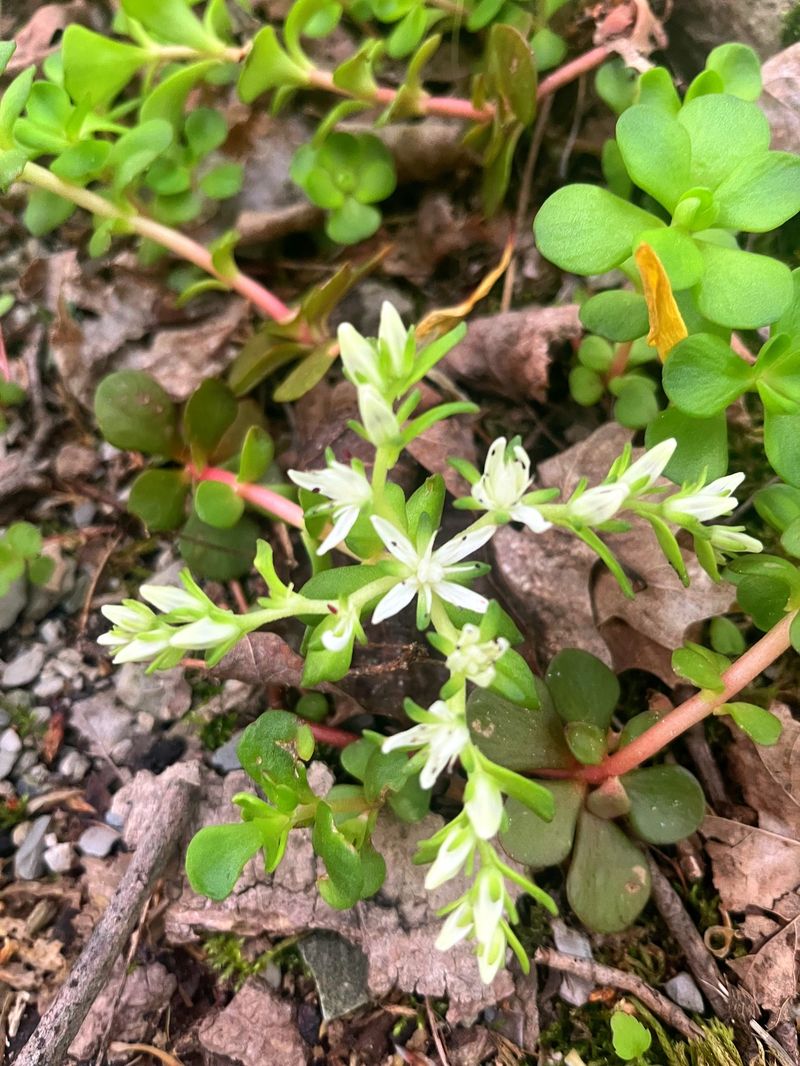
A shaded retaining wall or rocky path edge calls for something different from a moisture-loving forest groundcover.
Woodland stonecrop, Sedum ternatum, fills that niche beautifully. Unlike many familiar sedums that demand blazing sun, this native species handles dappled to moderate shade and naturally grows across rocky woodland settings.
Its small, fleshy leaves form low mats only a few inches tall.
Spring brings clusters of white, star-shaped flowers that brighten stones, crevices, and path edges without creating a bulky planting.
The foliage stays neat afterward and works especially well where a taller clumping plant such as liriope would overwhelm the scale.
Drainage is the deciding factor.
Woodland stonecrop can tolerate shade, but deep, soggy shade is not its happy place. Thin rocky soil, gravelly pockets, and well-drained slopes suit it much better than a wet depression beneath dense canopy.
That distinction matters under a headline about deep shade. Use this plant where the shade comes with sharp drainage, not where darkness and constant moisture arrive together.
Propagation is easy through division or stem pieces, so a small planting can expand without much expense.
Once established, the plant needs little intervention.
It will not fill every gloomy bed in North Carolina.
But for the rocky shaded places liriope tends to look oversized or stiff, woodland stonecrop creates a softer, more natural answer with remarkably little fuss.
8. Let Native Sedges Fill Tough Gaps
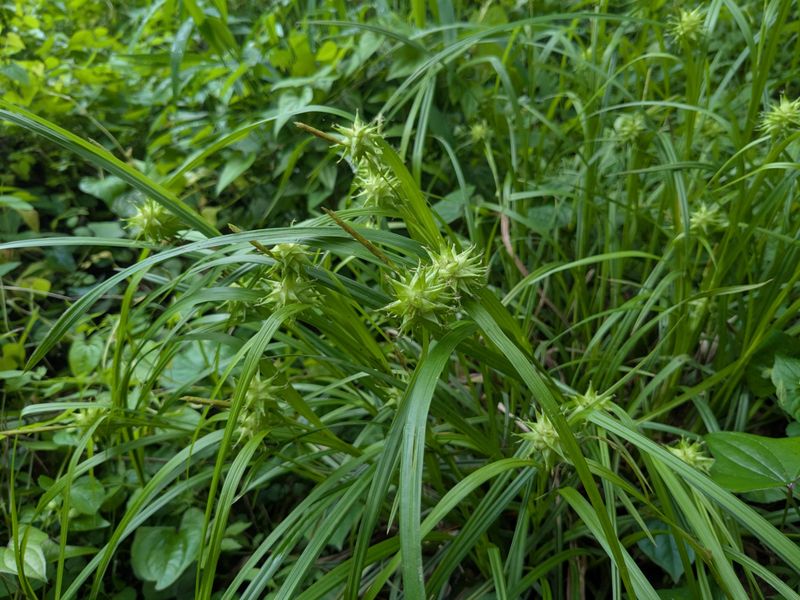
A grass-like look can still be native, varied, and far more interesting than another identical row of liriope.
North Carolina has numerous native Carex species that handle shade, and the right one can fill rooty gaps with arching foliage that moves naturally through a woodland bed.
Species selection is everything.
Broadleaf sedge, Carex plantaginea, prefers rich, moist woodland soil and handles substantial shade. Spreading sedge, Carex laxiculmis, can form broader colonies and works in somewhat drier shaded conditions once established.
Other native sedges fill different niches, which is exactly why they are so useful. Instead of forcing one groundcover into every dark corner, you can match the plant to moisture, soil texture, and region.
Most stay somewhere between six and eighteen inches tall.
Planting several together creates flowing drifts that cover soil without forming a stiff border. The foliage can remain evergreen or semi-evergreen depending on species and winter conditions, adding structure when flowering perennials disappear.
Start with groups of three to five and allow the clumps or rhizomes to fill between them. Division in early spring provides an easy way to expand successful patches.
Once established, many native sedges need very little supplemental care.
They also support native insects and contribute useful material to the broader woodland habitat.
For gardeners who actually like liriope’s grassy texture but want something more regionally appropriate, sedges make the transition easy.
Same general job.
Much more North Carolina personality.