This Common Backyard Habit Can Draw Coyotes Closer To Georgia Homes
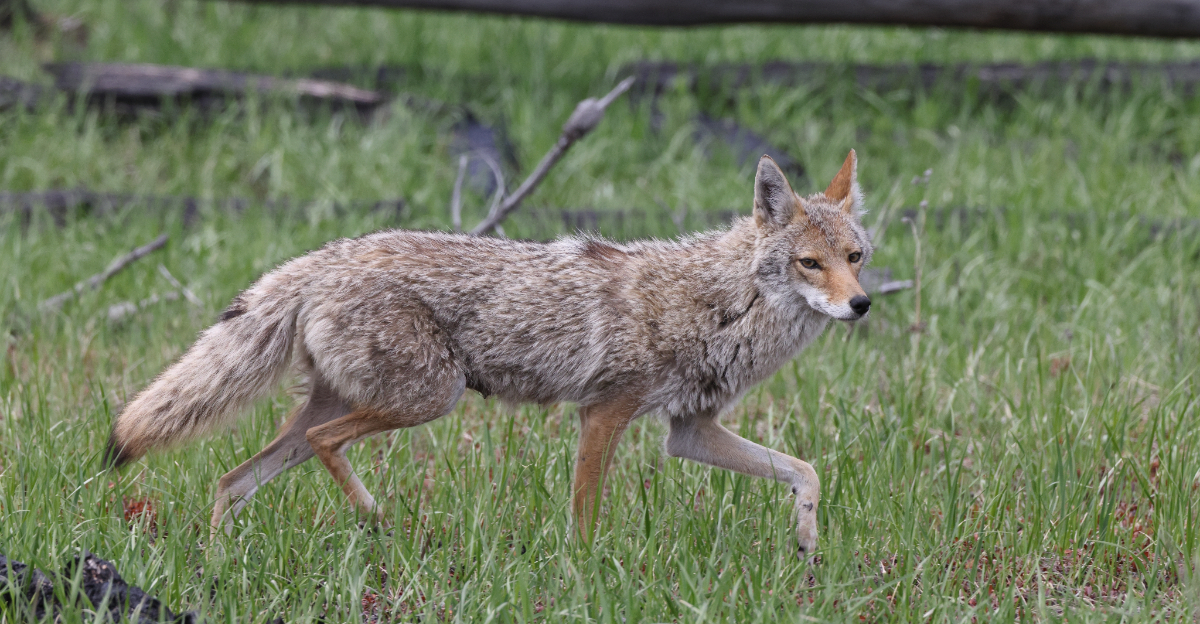
You might be making your yard more inviting to coyotes without realizing anything has changed. One ordinary backyard habit can give these curious visitors a reason to come closer.
Coyotes are adaptable and quickly notice places where an easy meal may be available. Around Georgia homes, small everyday choices can make a yard worth checking again.
Take a careful look at what you regularly leave outside. Something that seems completely harmless to you may smell very different to a hungry animal nearby.
This does not mean you need to make your backyard feel unwelcoming. A few thoughtful changes can reduce what attracts unwanted attention while keeping your usual routine simple.
The important part is understanding which habit matters most. Once you recognize it, adjusting your yard becomes much easier.
Your backyard may be sending an invitation you never intended.
1. Leaving Pet Food Outside Can Attract Coyotes
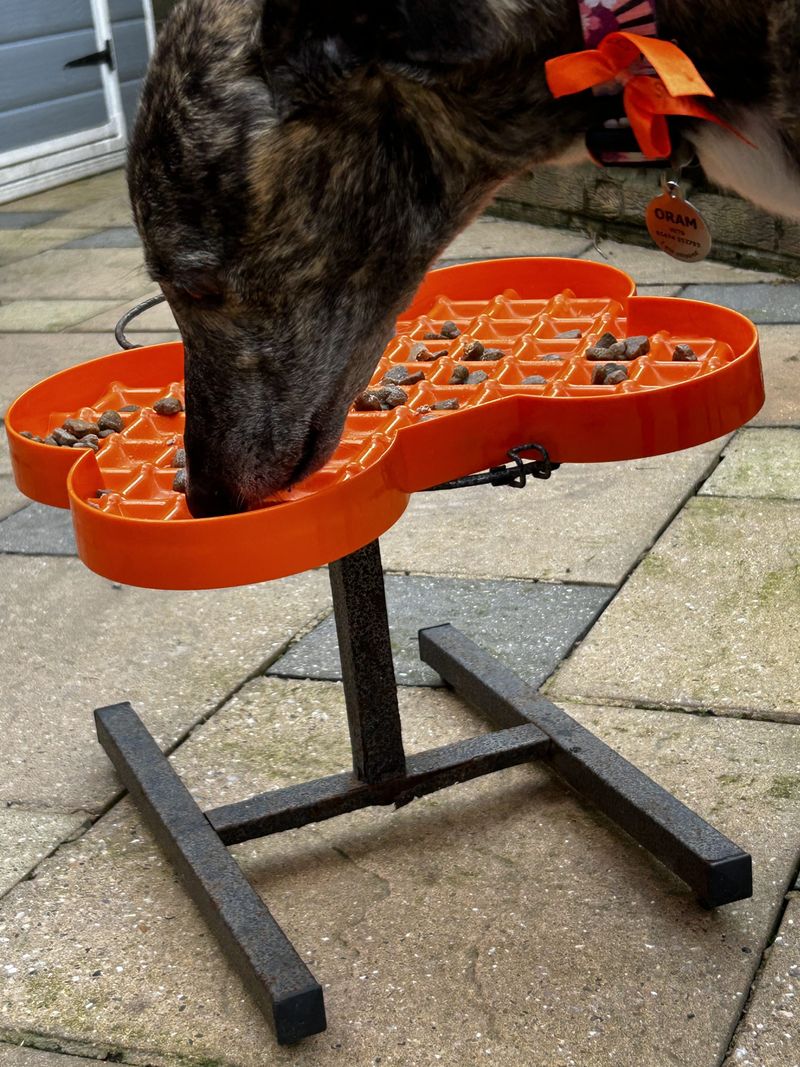
A bowl of kibble sitting outside after dinner seems harmless enough. But to a coyote passing through the neighborhood, it looks like an open invitation.
Pet food left outdoors is one of the most common reasons coyotes begin visiting residential areas.
Coyotes are opportunistic feeders. They eat whatever is easiest to find.
Dog food, cat food, and even bird seed scattered near a bowl can pull them in from surprising distances. Once they locate a reliable food source, they tend to return to that same spot repeatedly.
Suburban Georgia neighborhoods, especially those near wooded areas or greenbelts, are prime territory for coyote movement. Leaving food out, even briefly, can shift a coyote’s behavior from cautious to comfortable around people.
Pet owners often underestimate how quickly this habit can become a problem. A coyote that visits once for food will likely come back.
Over time, it may lose its natural wariness around humans, which raises the risk for both pets and people.
Bringing food bowls inside immediately after your pet finishes eating is one of the simplest and most effective steps you can take. Outdoor feeding stations, especially ones left out overnight, are particularly risky.
2. Easy Meals Can Make Coyotes More Comfortable Near Homes
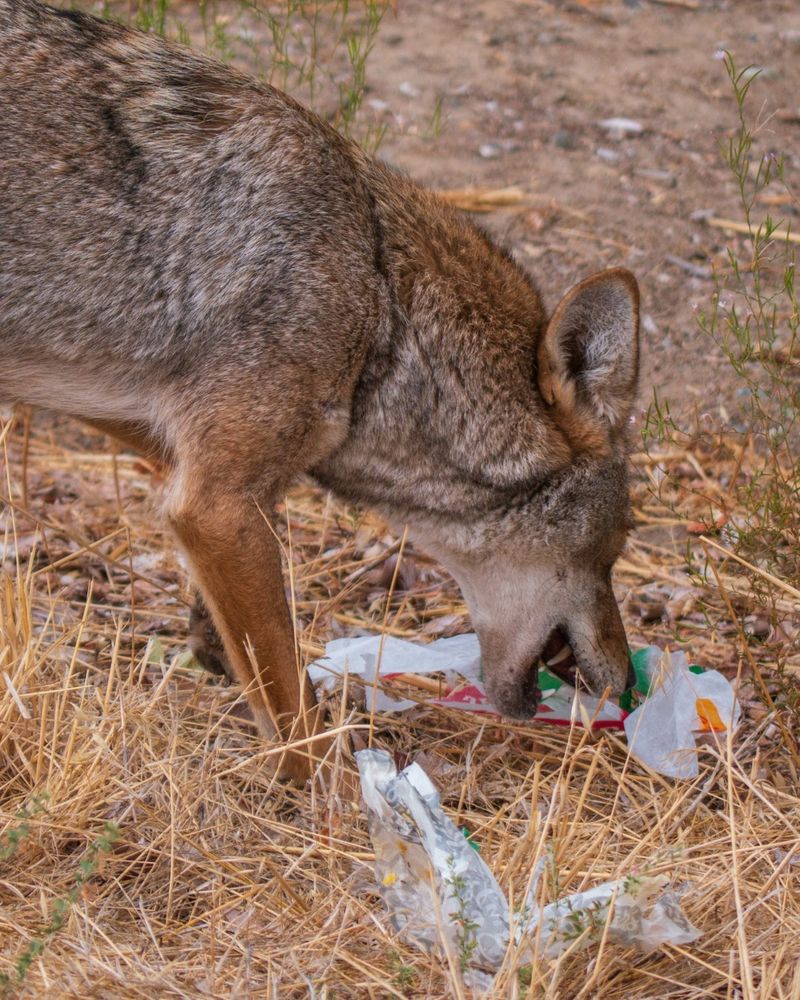
Coyotes are smart, adaptable animals. When they find food near a home without any negative consequence, they quickly learn that the area is safe.
That comfort level builds fast, and it can be hard to reverse once it sets in.
Wild animals naturally avoid humans when food is scarce and risks feel high. Consistent access to easy meals changes that calculation.
A coyote that feeds near your home several times may start treating your yard like familiar territory rather than a place to avoid.
Behavioral shifts happen gradually. At first, sightings may be rare or only at night.
Over time, a well-fed coyote might appear during the day or move closer to doors and fences. Residents in parts of Georgia have reported coyotes becoming noticeably bolder after food sources were left accessible for extended periods.
Pets face greater risk when a coyote becomes comfortable near a home. Small dogs and cats are especially vulnerable if a coyote loses its wariness around the property.
Your Georgia Garden Changes Every Week. Your Plan Should Too.
Gardening in Georgia changes quickly throughout the season. Every Friday you’ll receive a simple weekly plan showing exactly what to plant, prune, fertilize, harvest, and protect so you never miss the right timing.
This is not about fear, but about understanding how wildlife behavior shifts when food is involved.
Removing easy meals is the most direct way to discourage this pattern.
3. Regular Visits Can Turn Into A Familiar Routine
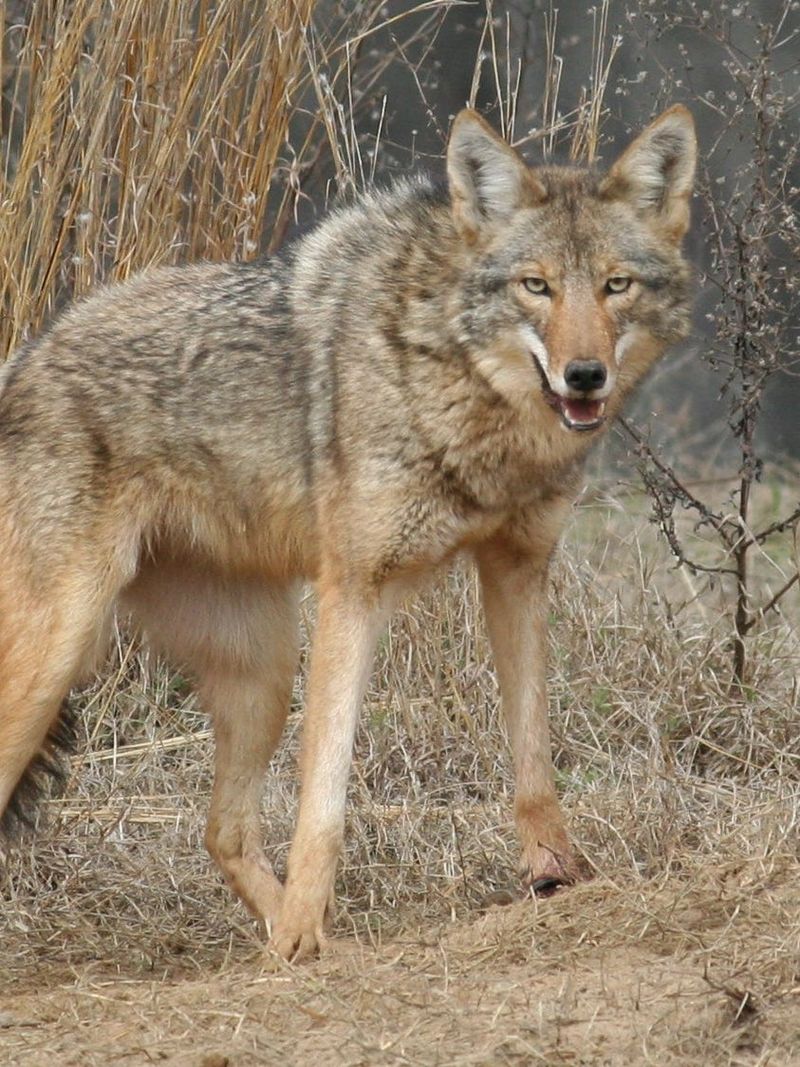
Coyotes are creatures of habit. Once they identify a reliable spot for food, they often return on a predictable schedule.
What starts as a curious one-time visit can shift into a nightly routine within a matter of weeks.
Routine is what makes this pattern so concerning for homeowners. A coyote that visits regularly begins to map out your yard, your fence line, and your pet’s schedule.
It stops treating your space as unfamiliar territory and starts treating it as part of its regular route.
Wildlife professionals note that habituation is one of the trickier problems to address once it takes hold. A habituated coyote is harder to deter than one that has only visited once or twice.
Removing the food source early is far more effective than trying to reverse established behavior later.
Homeowners sometimes notice signs of repeat visits before they ever spot the animal. Tracks near food bowls, disturbed mulch, or knocked-over containers can all indicate that something has been coming through at night.
Paying attention to these small signs early can help you act before a pattern becomes entrenched.
Consistency on your end is key. Bringing in food bowls every evening, securing trash lids, and keeping the yard tidy sends a clear message that your property does not offer easy rewards.
4. Leftovers May Attract Other Wildlife To The Same Spot
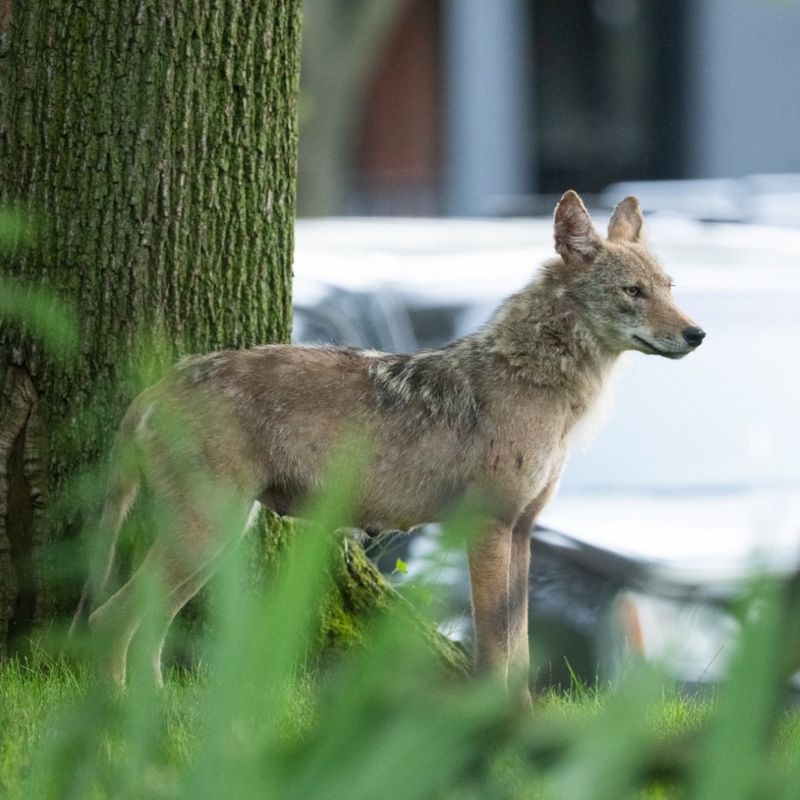
Pet food left outside rarely attracts just one type of animal. Raccoons, opossums, rats, and squirrels are often drawn in first.
These smaller animals then become a secondary attraction for coyotes, which are natural predators of many backyard wildlife visitors.
Think of it as a chain reaction. A bowl of cat food left out overnight might first bring in a raccoon.
That raccoon’s presence, along with the lingering food smell, can then draw a coyote. You end up with more wildlife activity than you ever intended to invite.
Rats and mice are particularly good at locating spilled kibble or crumbs near outdoor feeding areas. Their presence signals to predators, including coyotes, that your yard is a productive hunting ground.
The original food source may be gone, but the activity it triggered keeps building.
Across many parts of Georgia, homeowners dealing with coyote activity often discover they were unknowingly supporting a whole chain of wildlife visitors without realizing it. Addressing the root cause means looking beyond just the pet food bowl itself.
Cleaning up thoroughly after outdoor feedings helps cut off this chain at the source. Rinse bowls, sweep up spilled food, and check the surrounding area for crumbs or debris.
5. Outdoor Feeding After Dark Deserves Extra Caution
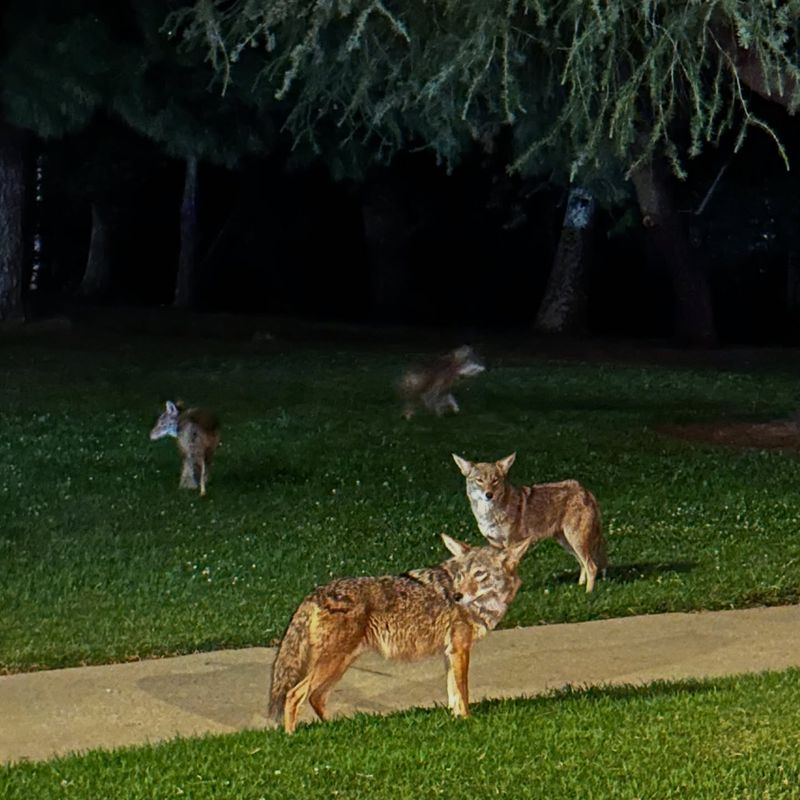
Coyotes are most active between dusk and dawn. Feeding pets outside during those hours significantly raises the chance of attracting one.
Even a short window of food being available in the dark can be enough to draw a coyote into your yard.
Nighttime feeding routines are common for busy households. People let their pets out for a late meal before bed without thinking much about it.
But that bowl sitting outside for even thirty minutes after dark can be detected by a coyote moving through the area.
Coyotes rely heavily on their sense of smell. Food odors carry far in cool night air.
A coyote does not need to see the bowl to find it. The scent alone can pull it toward your yard from a considerable distance.
Motion-sensor lights can help by startling animals that approach. However, they are not a substitute for removing the food itself.
A hungry coyote will often return once the light goes off, especially if the food is still there.
Switching to indoor-only evening feeding is one of the most practical steps a pet owner can take. If your pet needs to eat outside, supervise the feeding and bring the bowl in immediately when finished.
6. Bring Pet Bowls Inside As Soon As Feeding Is Finished
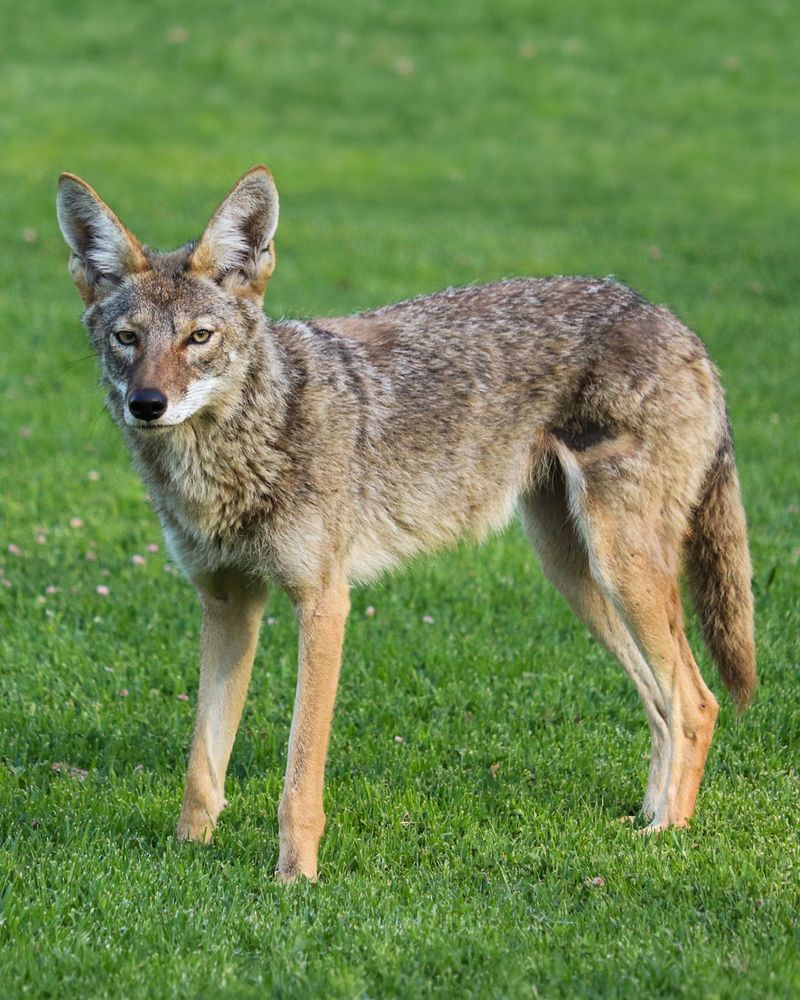
Leaving a bowl outside for just a few extra minutes can be enough. Coyotes move quickly and cover a lot of ground during their nightly rounds.
A dish sitting on your porch after your dog finishes eating is an easy target.
Making it a habit to bring bowls in right away removes the temptation entirely. Coyotes learn fast.
If your yard consistently offers nothing, they tend to move on to more productive areas. That shift in their behavior starts with your behavior changing first.
Water bowls are also worth thinking about. While water alone is less likely to attract coyotes than food, a water source combined with food smells in the area can make your yard more appealing overall.
Bringing in both food and water bowls at the end of the day is a reasonable precaution.
Some pet owners use designated feeding times to make this easier. Scheduled meals rather than free-feeding outdoors make it simpler to control when the bowl goes out and when it comes back in.
Structured feeding routines can reduce the window of exposure significantly.
Washing bowls before storing them inside also helps. Lingering food odors on a bowl left near the back door can still attract wildlife.
A quick rinse removes most of the scent.
7. Secure Other Backyard Food Sources Coyotes Might Find
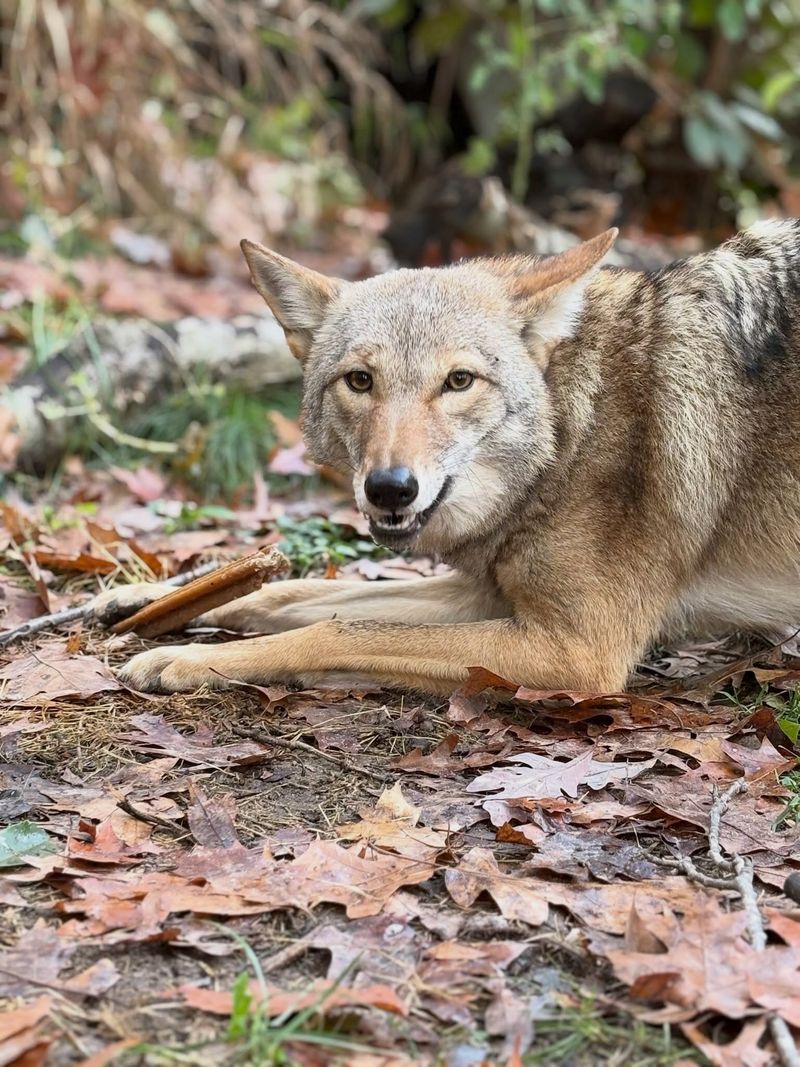
Pet food gets most of the attention, but coyotes are resourceful enough to investigate many other food sources in a typical backyard. Trash cans, compost bins, fallen fruit, and even bird feeders can all play a role in drawing them closer.
Unsecured trash is a major attractant. Coyotes are strong enough to tip over standard bins and clever enough to pry off loose lids.
Switching to bins with locking lids or storing trash in a garage or shed until collection day can make a noticeable difference.
Compost piles are another overlooked source. Vegetable scraps, meat remnants, and food waste create powerful odors that carry through a yard.
Covered compost bins with secure latches are a better option than open piles if you live in an area with regular coyote activity.
Fruit trees and vegetable gardens can also attract wildlife. Fallen fruit left on the ground draws small animals, which in turn can attract coyotes.
Picking up dropped fruit regularly and harvesting vegetables promptly reduces that secondary pull.
Bird feeders are worth reconsidering if coyote activity is already a concern in your area. Spilled seed attracts rodents, and rodents attract predators.
Placing feeders on tall poles with baffles and cleaning up spilled seed daily can help reduce that effect.