These Georgia Natives Slow Runoff When Afternoon Storms Hit Hard
Georgia storms do not tiptoe into a yard.
The morning starts blue and calm. By midafternoon, dark clouds roll in, rain drops sideways, and mulch begins a dramatic escape toward the street.
Then the red clay tells the truth.
Bare slopes carve little channels. Low spots hold water. Shaded edges stay slick for days. A yard that looked fine before lunch suddenly shows every weak place water can find.
That is where native plants earn their keep.
The right Georgia natives do more than look pretty after a storm. Their roots grip soil, their stems slow rushing water, and their foliage gives rain a softer landing before it pounds the ground flat.
So which plants can help a yard stop washing away one afternoon storm at a time?
Start with grasses, shrubs, and perennials built for Georgia heat, clay, wet spells, and sun-baked slopes.
They will not stop a flood, but they can help runoff behave with better manners before the next gully tries to write itself again overnight.
1. Switchgrass Grips Sunny Slopes
A sunny Georgia slope can turn into a tiny red-clay river during one hard afternoon storm.
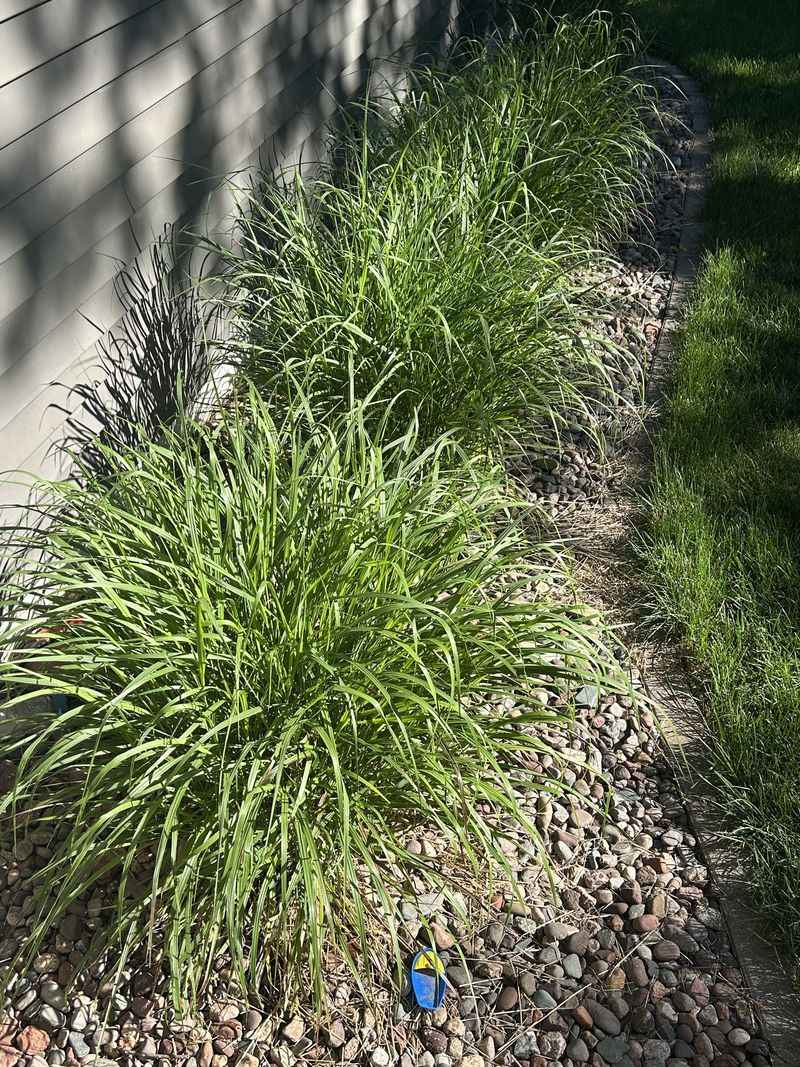
Switchgrass, Panicum virgatum, is built for that exact kind of chaos. This native warm-season grass sends deep roots into the soil, creating a tough underground net that helps hold slopes together when rain hits fast.
That root power is the real prize.
Above ground, switchgrass grows in upright clumps with fine seed heads that glow in late-summer light. Below ground, it works like living stitching across bare soil, especially when planted in groups instead of lonely single clumps.
Full sun suits it best, and Georgia heat does not scare it. Once established, it can handle dry spells, sudden wet periods, and the kind of mixed weather that makes weaker plants complain by July.
Plant it on sunny banks, driveway slopes, open swales, or bare patches where mulch keeps sliding downhill. Space plants close enough for the roots and crowns to knit together over time.
Give new plants steady water through the first season, then let them toughen up.
Switchgrass brings height, movement, fall color, and serious erosion-control muscle. That is a strong résumé for a plant that still manages to look graceful while doing muddy work.
It is slope support with a little prairie swagger.
2. River Oats Catch Moving Water
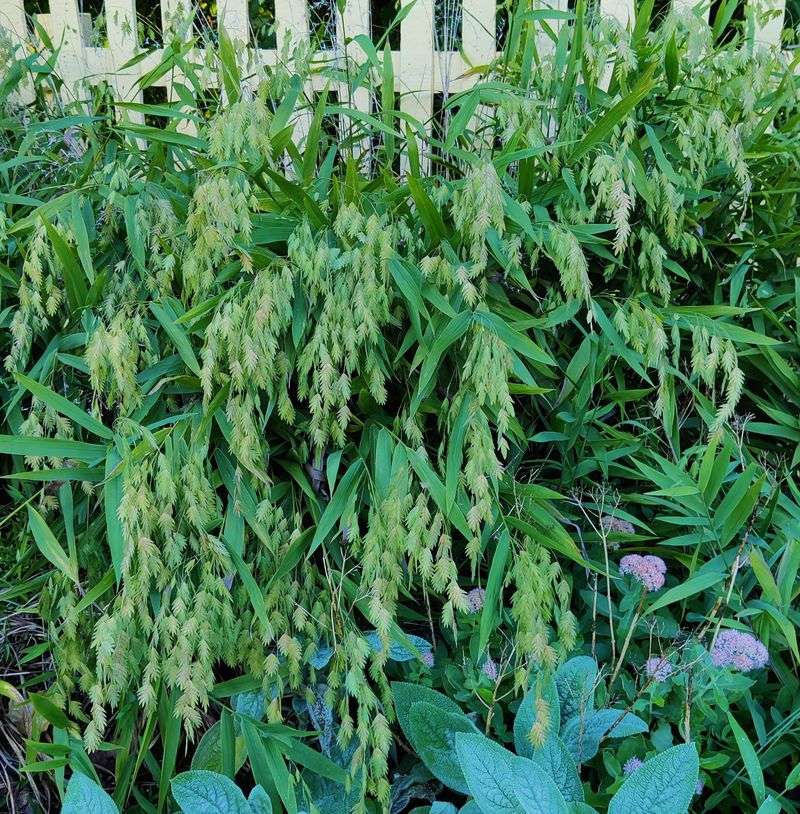
Shaded runoff spots need a plant with good manners and good grip.
River oats, Chasmanthium latifolium, brings both. This Georgia native grass thrives along woodland edges, fence lines, creek banks, and damp shade where many sun-loving erosion plants simply refuse the job.
The seed heads make it easy to recognize.
Flat, oat-like clusters hang from arching stems and move with the breeze, giving a dark corner soft texture instead of another bare patch of mud.
By late summer, those seed heads turn warm bronze and hold on beautifully into the cooler season.
The roots handle the real work.
River oats spreads steadily into colonies, binding the top layer of soil where stormwater usually does the most damage.
Your Georgia Garden Changes Every Week. Your Plan Should Too.
Gardening in Georgia changes quickly throughout the season. Every Friday you’ll receive a simple weekly plan showing exactly what to plant, prune, fertilize, harvest, and protect so you never miss the right timing.
It is especially useful where water moves across a shaded bed, slows near a path, or gathers along the edge of trees.
Give it room to spread, because it can seed around in happy sites. That trait may annoy a tiny formal bed, but it helps a problem slope fill in faster.
Plant plugs or small pots about eighteen inches apart for quicker coverage.
River oats is not flashy in a loud way. It is more like the friend who brings towels before the spill reaches the rug.
A shaded runoff edge could use exactly that kind of calm competence.
3. Buttonbush Belongs In Low Spots
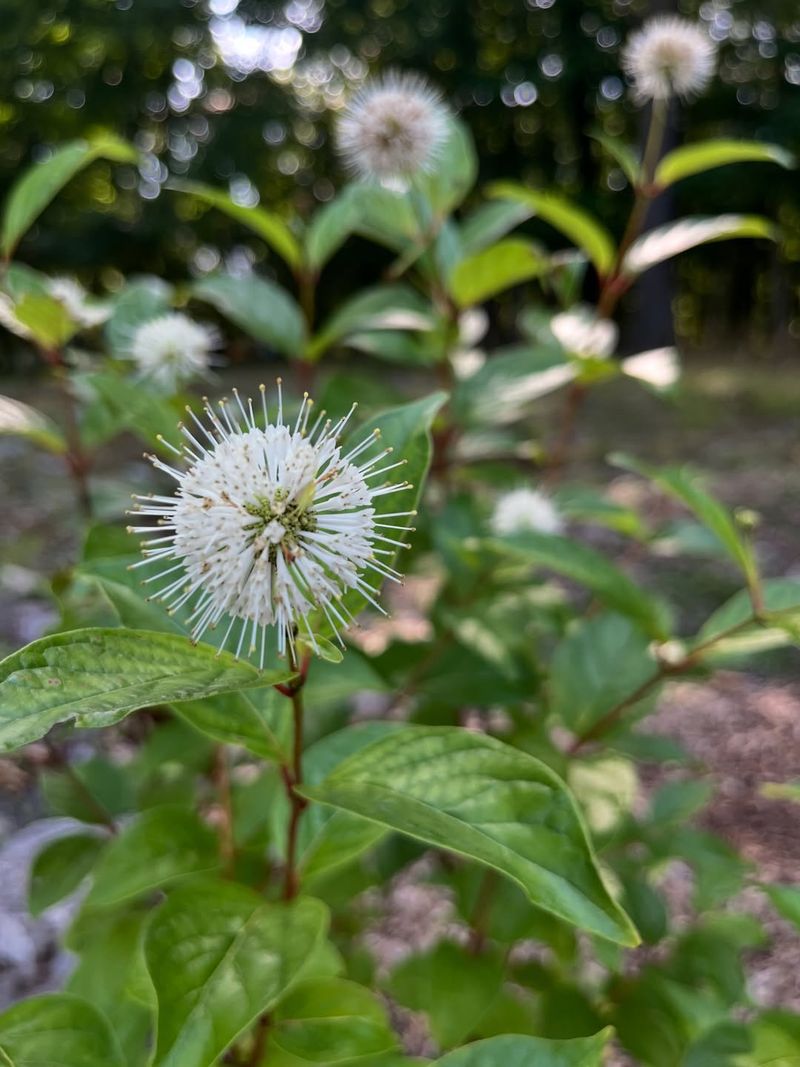
That soggy corner after every storm may not be a failure.
It may be a buttonbush invitation.
Buttonbush, Cephalanthus occidentalis, naturally grows along pond edges, stream banks, and wet lowlands across Georgia. Give it a damp spot that frustrates ordinary shrubs, and it acts like the location makes perfect sense.
This native shrub handles wet feet with confidence.
Its roots help stabilize rain garden edges, pond margins, drainage dips, and low backyard corners where runoff collects after a summer downpour. Instead of fighting the moisture, buttonbush uses it, slowing water and helping soil stay put.
The flowers are a bonus with personality.
Round white blooms appear like little garden satellites in summer, drawing bees, butterflies, and other pollinators in busy waves. Later, the seed heads add wildlife value and texture.
Buttonbush can grow large, often reaching six to twelve feet tall and wide, so it needs space. Plant it where a full shrub makes sense, not where you need a tiny polite accent near a walkway.
Full sun to part shade works well, especially with consistent moisture.
Use buttonbush at the edge of a wet depression or rain garden where runoff needs to slow down before it spreads.
It turns a soggy trouble spot into habitat with curb appeal. That is not just drainage help. That is wet-yard glow-up territory.
4. Inkberry Holds Evergreen Edges
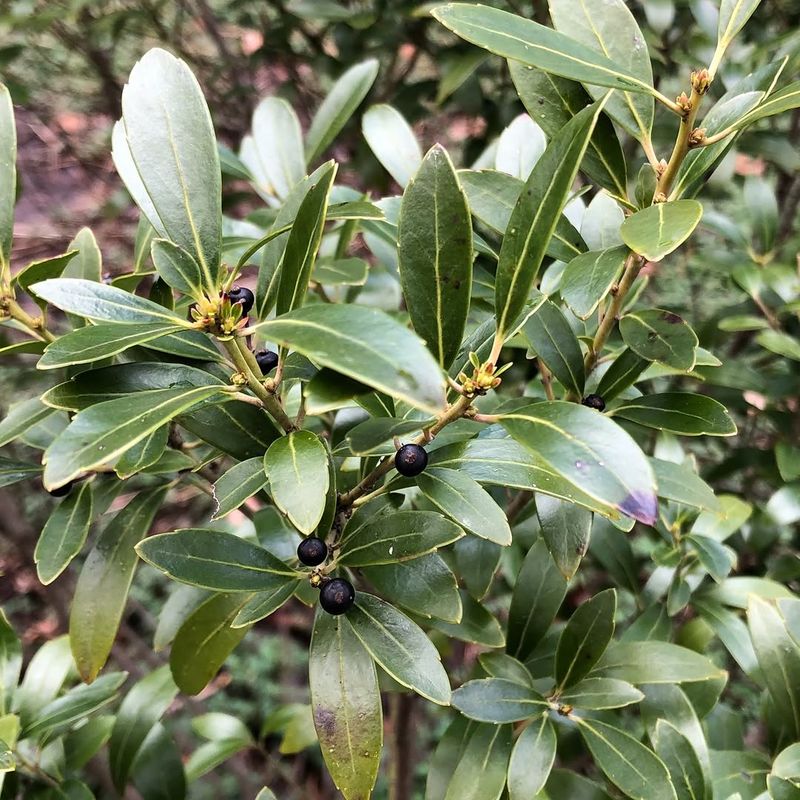
Runoff does not take winter off in Georgia.
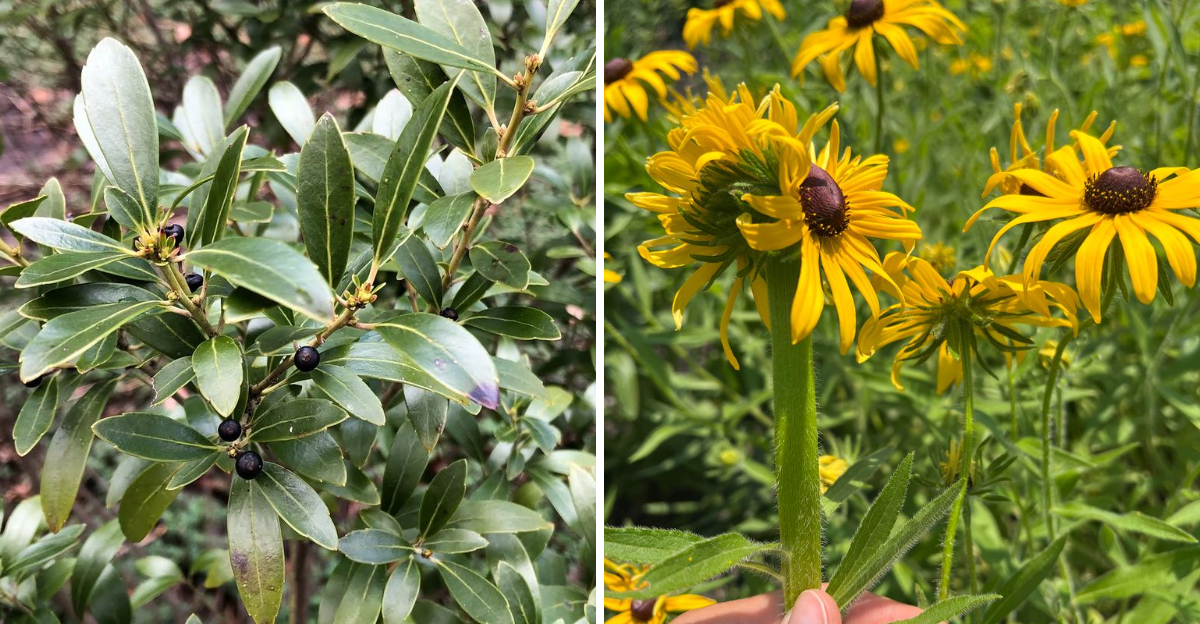
Cold-season rain can soak slopes and wet borders long after many plants have dropped their leaves. Inkberry, Ilex glabra, helps because it stays evergreen, keeping a living presence in places that need year-round coverage.
This native holly has glossy dark leaves and a naturally dense habit.
It grows well in moist, acidic soil, which makes it useful for many Georgia yards with heavy clay and damp low edges.
It can handle seasonal wetness better than many standard landscape shrubs, and its roots help reinforce the soil as the plant fills in.
Inkberry spreads slowly by underground runners, forming colonies over time.
That spreading habit is helpful along erosion-prone borders, where a single shrub is less useful than a connected patch. The more the planting knits together, the more root contact holds soil in place.
Small dark berries can feed birds in fall and winter, adding wildlife value to its practical role.
Place inkberry along damp edges, partly sunny slopes, rain garden margins, or areas where evergreen structure would make the bed look finished even in January.
Compact selections can fit smaller residential spaces with less pruning.
Inkberry is not the loudest shrub in the lineup, but it is dependable. Think of it as the quiet green bouncer at the runoff door, standing there all year and refusing to let the slope fall apart.
5. Sweetbay Magnolia Handles Wet Feet
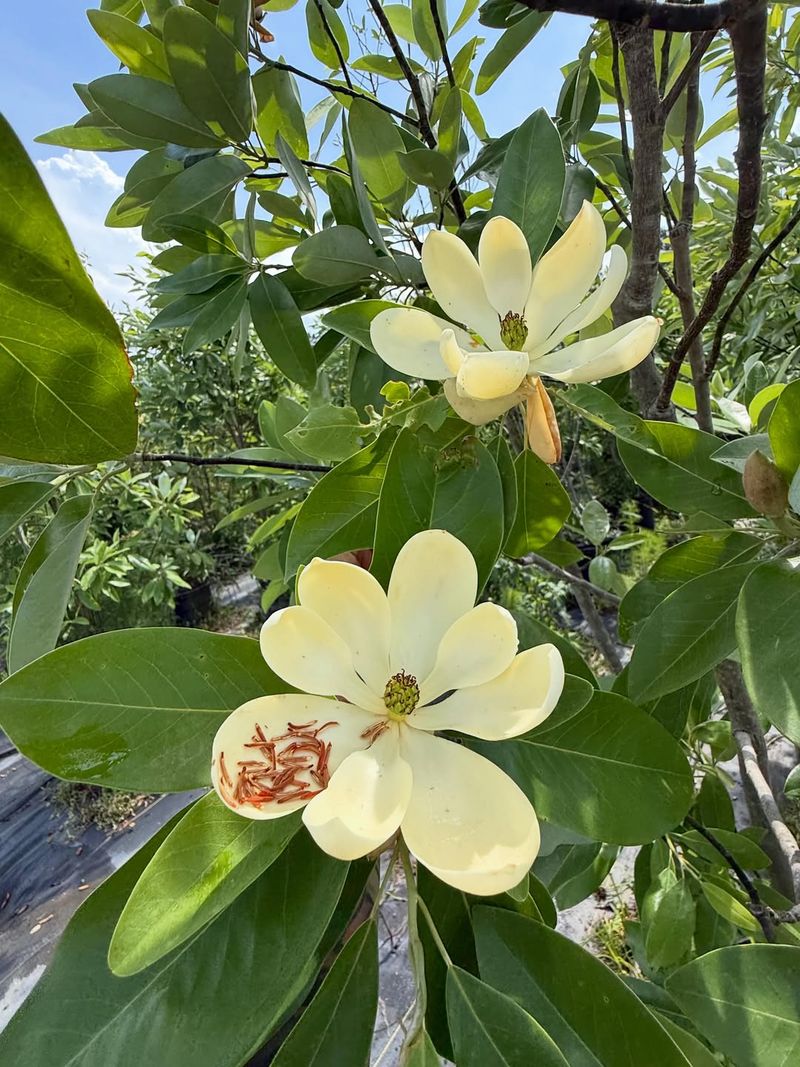
A wet low edge needs a tree that does not panic when the soil stays damp.
Sweetbay magnolia, Magnolia virginiana, is one of Georgia’s most graceful answers. It grows naturally in moist woods, swamps, and streamside areas, so a rain garden edge or soggy yard corner feels more like home than hardship.
This small native tree helps anchor wet soil with a spreading root system and steady leaf cover.
It can slow runoff near drainage swales, pond edges, and low borders while adding vertical structure that smaller perennials cannot provide.
In many Georgia yards, it stays semi-evergreen, holding some leaves through mild winters and giving the soil beneath it extra protection.
The flowers make the practical work feel luxurious.
Creamy white blooms open from late spring into summer with a clean lemony fragrance that can drift across the yard. Silver-backed leaves flash in the breeze, giving the tree a soft shimmer after storms pass.
Plant sweetbay where it has room to mature, usually as a multi-stemmed small tree or large shrub. Full sun to part shade works, but consistent moisture brings out its best growth.
Pair it with buttonbush, river oats, or Joe Pye weed for a layered wet-site planting.
Sweetbay does not just tolerate a damp corner. It brings perfume, movement, shade, and root power. That is a drainage solution wearing a very elegant outfit.
6. Black-Eyed Susan Covers Bare Soil
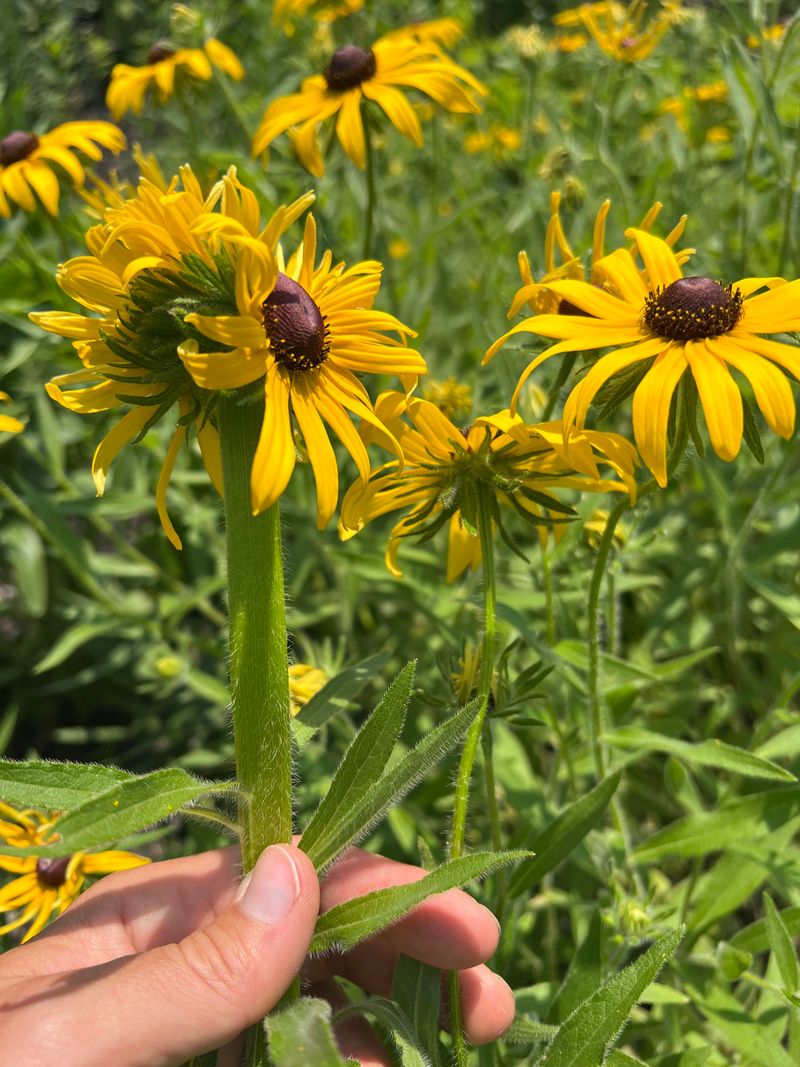
Bare soil is an open invitation for stormwater to misbehave.
Black-eyed Susan, Rudbeckia hirta, covers that invitation with color. This cheerful Georgia native fills sunny open patches fast, using fibrous roots to help hold the top layer of soil before heavy rain can beat it flat and carry it downhill.
The flowers bring instant garden energy.
Bright yellow petals surround dark centers from summer into fall, giving slopes, bed edges, and thin patches a look that feels intentional instead of neglected.
Pollinators visit often, and seed-eating birds can enjoy the plant after bloom season fades.
Black-eyed Susan is especially useful in sunny areas where grass struggles, mulch washes away, or bare clay keeps reappearing after storms.
It reseeds freely in good conditions, which helps a patch grow denser over time. That self-spreading habit can be a gift in places that need quick cover, though tidy gardeners may pull extra seedlings from formal beds.
Plant it with switchgrass for a strong sunny-slope combination.
The grass slows water with height and deep roots, while black-eyed Susan shades and protects the soil surface. That double layer makes runoff work harder before it can carve channels.
Give plants full sun and average soil, then water during establishment.
After that, this flower gets surprisingly tough. It is erosion control with a smiley face, and Georgia slopes can use the optimism.
7. Joe Pye Weed Anchors Damp Borders
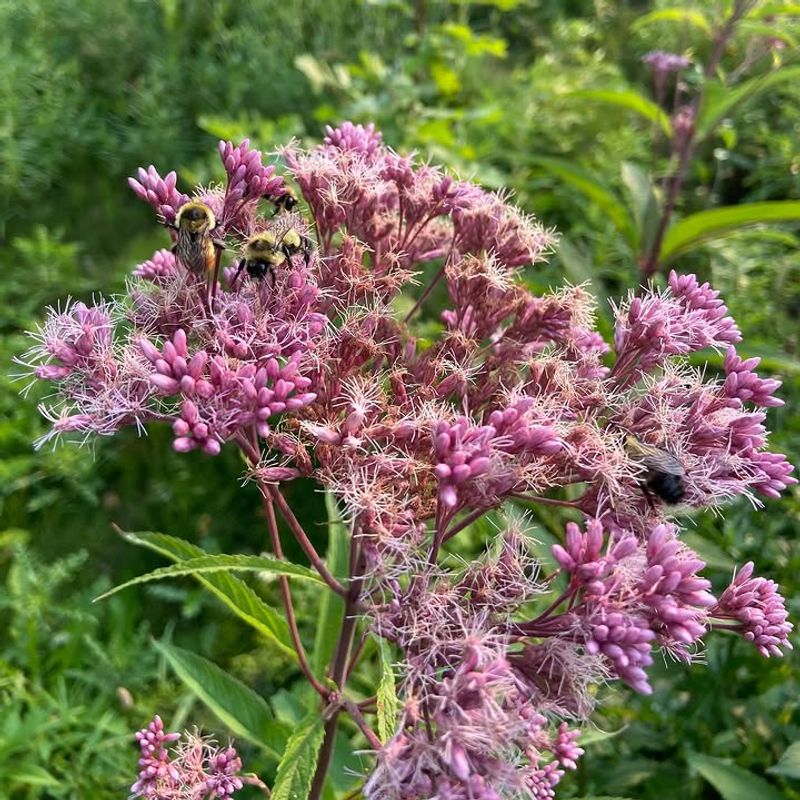
A damp border needs roots that go deep and flowers that make the space feel worth keeping.
Joe Pye weed, Eutrochium purpureum, brings both. This tall native perennial thrives in moist soil along swales, rain garden edges, low fence lines, and places that stay damp after Georgia storms.
The height is part of the drama.
Stems can rise five to eight feet by late summer, topped with broad dusty-pink flower clusters that attract monarchs, swallowtails, bees, and plenty of porch-stopping attention. It turns a wet edge into one of the busiest parts of the yard.
Below the flowers, the roots help hold damp soil in place.
That matters along borders where water slows, spreads, and softens the ground. Joe Pye weed gives those edges structure instead of letting them slump into muddy confusion.
Plant it in groups for the best effect. Three plants look intentional. Five or more can create a strong seasonal screen while helping stabilize the soil beneath.
Full sun to part shade works, as long as moisture stays fairly steady.
Cut the stems back in late winter before new growth begins. Leave some standing through part of the cold season when you want extra texture and wildlife shelter.
Joe Pye weed is tall, useful, and not shy about either fact. It is the damp-border plant equivalent of bringing boots to a storm and flowers to the afterparty.
8. Swamp Sunflower Fills Rainy Corners
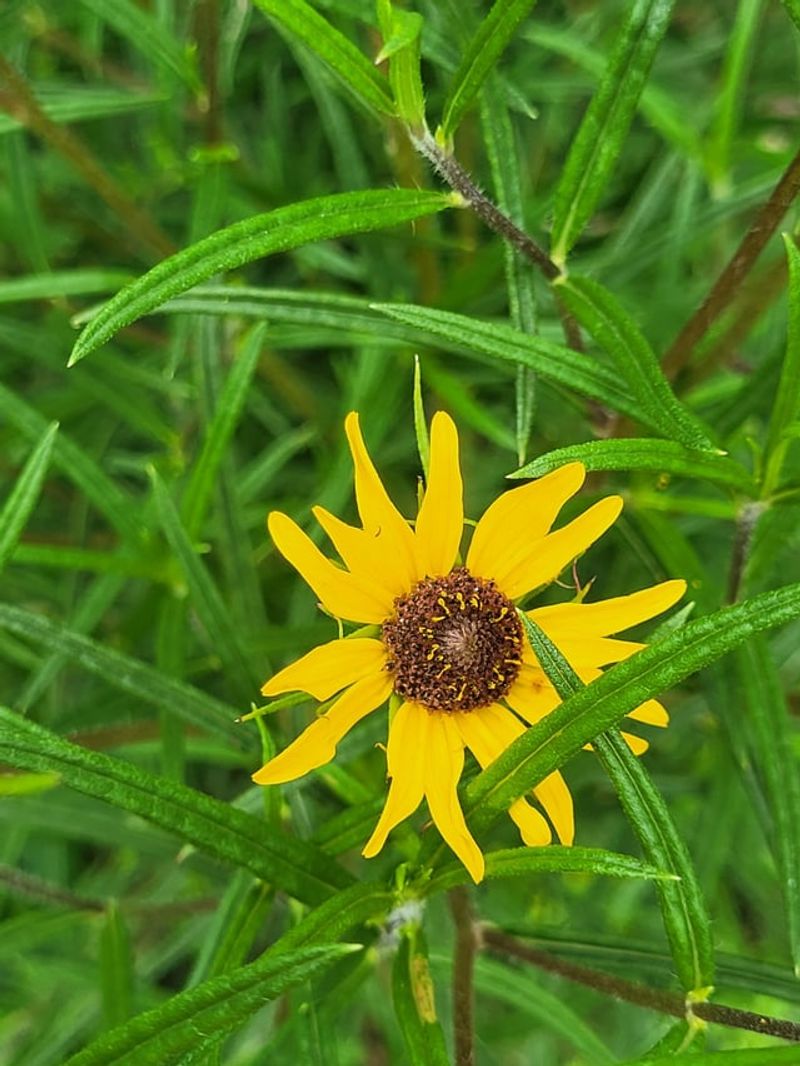
Low sunny corners can look rough after a summer of storms.
Swamp sunflower, Helianthus angustifolius, turns those soggy, sunlit spaces into a late-season show. This Georgia native perennial loves moist soil, tolerates clay, and spreads into dense stands that help slow water across problem areas.
The bloom time is a major gift.
Just when many summer flowers look tired, swamp sunflower opens bright yellow blooms in fall, often from October into November.
That timing brings color to rain garden edges, drainage dips, and low sunny borders when the rest of the yard starts winding down.
Its roots and rhizomes help hold wet soil, especially where runoff collects from higher ground.
A small planting can expand over time, filling bare places that stormwater would otherwise claim again and again. In a large wet corner, that spreading habit is useful. In a tiny bed, occasional division keeps the plant in bounds.
Give swamp sunflower full sun and room to move.
Stems can reach four to seven feet tall, so place it where height feels welcome rather than surprising. Pair it with Joe Pye weed, buttonbush, or river oats for a layered stormwater planting.
This plant proves a rainy corner does not have to stay muddy and dull.
It can finish the season with sunshine on stems. That is a pretty strong comeback for a spot that used to collect puddles and complaints.