Native Groundcovers Vs Traditional Lawn In North Carolina Yards And Which Handles Summer Stress Better
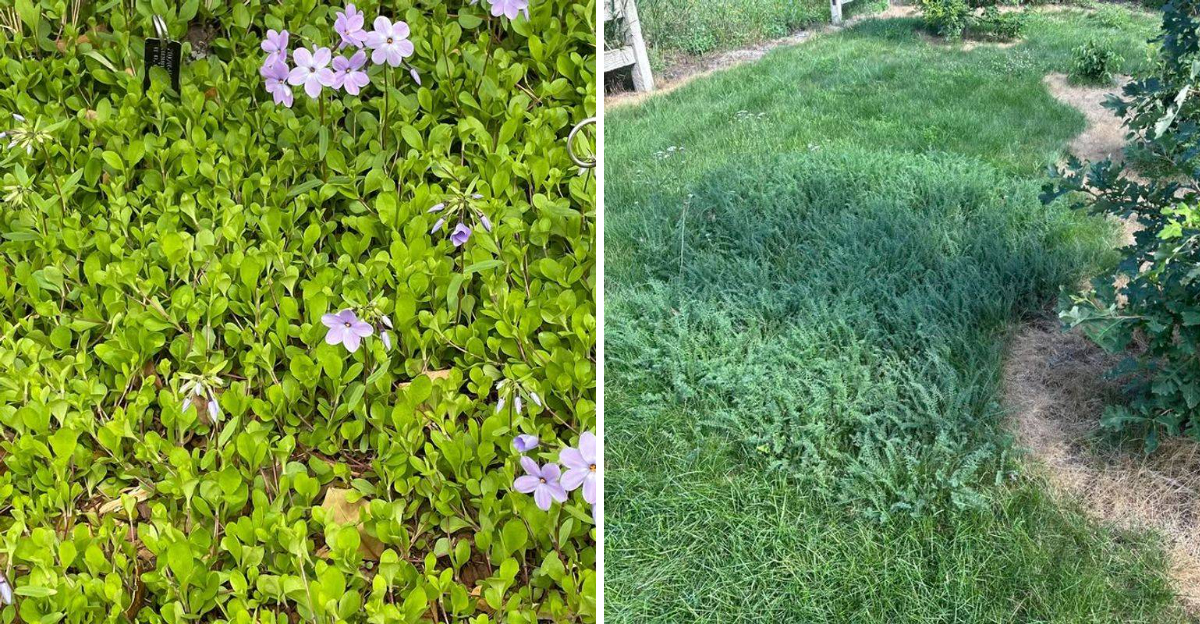
Traditional lawns often struggle once North Carolina’s summer heat kicks in, requiring constant watering just to stay green. Native groundcovers, on the other hand, have adapted to local conditions over generations and handle drought stress with far less effort.
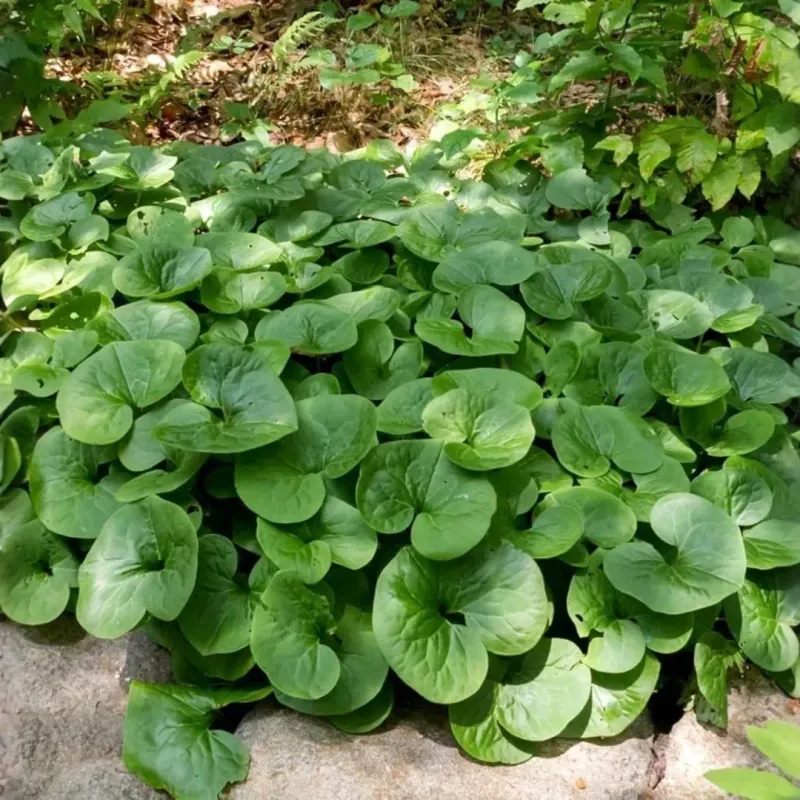
Plants like creeping phlox, green and gold, or wild ginger spread naturally while requiring minimal upkeep once established. Traditional grass demands regular mowing, fertilizing, and pest control, all of which add up in time and cost.
Groundcovers also support local pollinators and wildlife in ways that mowed grass simply cannot. While lawns offer a uniform, tidy look, they come at the price of higher water bills and more maintenance.
Native options do take longer to establish fully across a yard. For homeowners tired of fighting summer stress, groundcovers offer a lower effort, more resilient alternative.
1. Site Conditions Matter More Than Plant Category
Not every native groundcover handles summer stress better than every lawn grass, and not every turfgrass outperforms every groundcover. The truth is more nuanced, and your specific yard is the real deciding factor.
Sunlight, soil drainage, slope, moisture levels, and how much foot traffic an area receives all shape which plant actually thrives.
A native plant placed in the wrong conditions can struggle just as much as any other poorly matched plant. Imagine planting a moisture-loving native in sandy, fast-draining soil under full afternoon sun.
Even a tough regional native will show stress quickly if the site simply does not match its needs.
Soil drainage is especially important in North Carolina, where heavy clay soils are common in the Piedmont and red hills. Some areas stay waterlogged after summer rain while others bake dry within days.
Knowing your drainage pattern before choosing any plant, native or otherwise, saves a lot of trouble later.
Slopes add another layer of complexity. A steep, sunny bank with poor soil favors different plants than a flat, shaded lawn area near a fence line.
Thinking about each section of your yard separately, rather than treating the whole space as one planting zone, leads to much smarter choices.
Foot traffic matters too. High-use paths and play areas have very different needs compared to decorative borders or shaded corners.
Matching each plant to the exact conditions of each yard zone, rather than assuming one category always wins, is the most practical approach any North Carolina homeowner can take.
2. Tall Fescue Faces Greater Summer Pressure
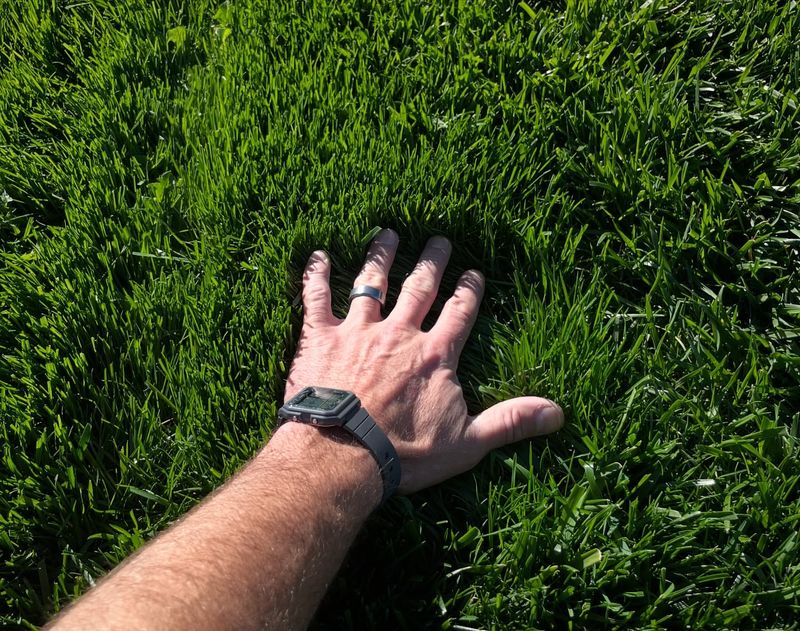
Tall fescue is one of the most popular lawn grasses across North Carolina, especially in the Piedmont and mountain regions. It grows beautifully during the cooler months of spring and fall, producing thick, dark green turf that looks fantastic.
Summer, however, is a different story entirely. As temperatures climb and humidity builds, tall fescue shifts into a survival mode of sorts.
Growth slows, the lawn can thin out noticeably, and patches may appear where the grass simply cannot keep up with the heat.
This thinning opens the door for weeds and disease to move in, adding extra maintenance pressure right when the summer schedule is already full.
Your North Carolina Garden Changes Every Week. Your Plan Should Too.
Gardening in North Carolina changes quickly throughout the season. Every Friday you’ll receive a simple weekly plan showing exactly what to plant, prune, fertilize, harvest, and protect so you never miss the right timing.
Brown patch fungus is a real concern for tall fescue during hot, humid North Carolina summers. This disease spreads rapidly when nighttime temperatures stay warm and moisture lingers on the blades.
Managing it requires fungicide applications and careful watering practices, which adds both cost and effort.
Irrigation demands also rise during summer heat. Keeping tall fescue consistently green through July and August in the Piedmont often means watering multiple times per week, depending on rainfall.
Water bills can climb quickly, and even regular irrigation does not always prevent summer thinning in particularly hot years.
In shaded or difficult parts of the yard where tall fescue already struggles to establish, suitable native groundcovers often prove far more dependable through the summer months.
The shade reduces turf vigor while a well-chosen native plant can hold the space steadily without the same level of seasonal stress.
3. Warm Season Lawns Handle Sunny Heat Better
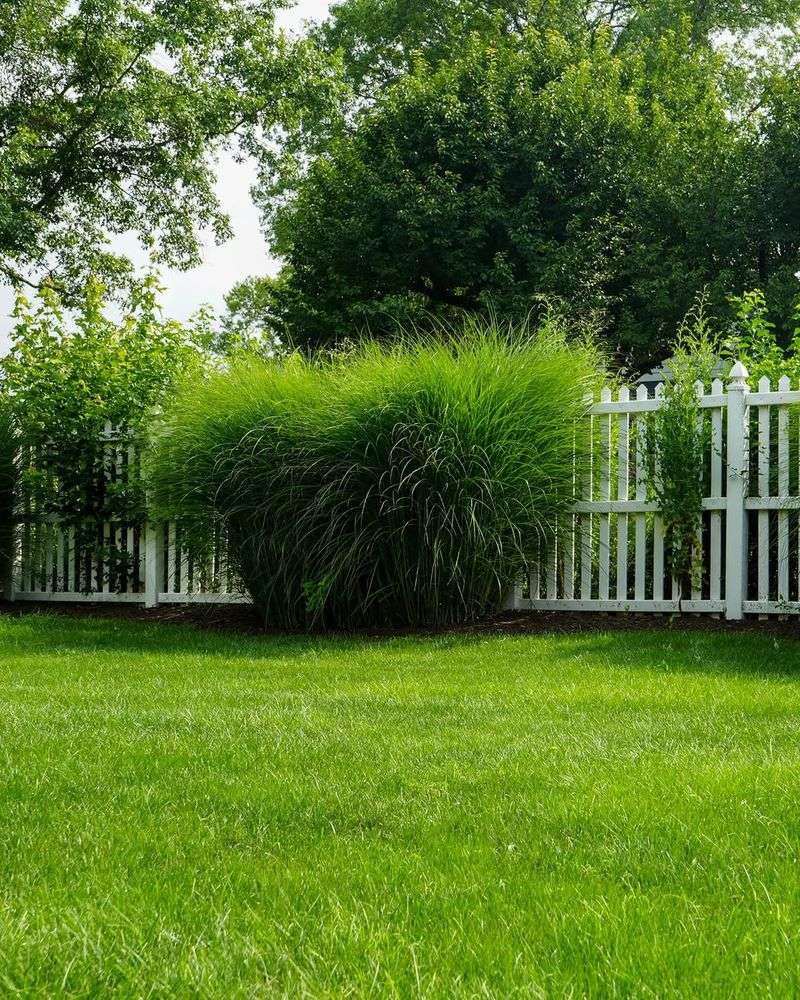
Warm season turfgrasses are built differently than cool season types, and summer is genuinely their time to shine.
Bermudagrass, zoysiagrass, centipedegrass, and St. Augustinegrass all grow most actively when temperatures are high and the sun is strong.
That makes them a natural fit for North Carolina summers, at least in the right conditions.
Bermudagrass is famously tough in full sun, spreading aggressively and recovering quickly from heavy use. Zoysiagrass builds a dense, wear-resistant surface that handles foot traffic well and holds its color through summer heat.
Centipedegrass is a lower-maintenance option suited to the Coastal Plain and warmer Piedmont areas, while St. Augustinegrass thrives in the southeastern coastal regions of the state.
These grasses are genuinely well-adapted to the heat and humidity that North Carolina summers deliver. Unlike tall fescue, warm season turf does not slow down or thin out when temperatures climb.
It actively grows, fills in bare spots, and maintains density through the hottest weeks of the year.
That said, warm season grasses are not a universal solution. Deep shade weakens them significantly, and poorly drained soil can cause root problems regardless of summer heat tolerance.
Mountain areas of North Carolina may also experience temperatures too cool for some warm season varieties to establish reliably.
Where sunny, high-use lawn space is needed and conditions are suitable, warm season turfgrass is a strong, durable choice that holds up through summer far better than cool season alternatives.
Matching the variety to your specific region and sunlight levels is the key to getting the best results.
4. Native Groundcovers Can Excel In Difficult Shade
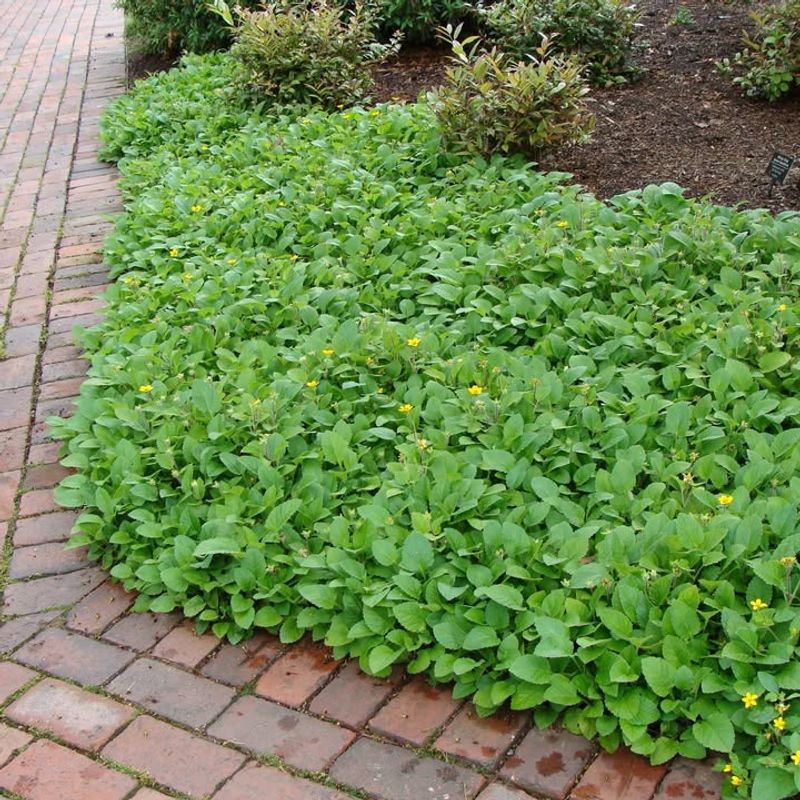
Shaded areas beneath large trees are some of the most challenging spots in any North Carolina yard. Turfgrass thins out, bare patches spread, and no amount of reseeding seems to fix the problem permanently.
Native groundcovers often change that situation completely.
Green and gold, known botanically as Chrysogonum virginianum, is a cheerful, low-growing native that handles moderate shade well and produces bright yellow blooms in spring.
Mountain pachysandra, a native alternative to the common Japanese species, offers attractive foliage and adapts well to woodland conditions.
Creeping phlox covers slopes and edges beautifully, especially in spots with dappled light and decent drainage.
Native sedges are another excellent category worth exploring. Many species tolerate shade, stay relatively low, and provide a soft, grass-like appearance without the maintenance demands of turf.
Moss works wonderfully in consistently moist, shaded spots where almost nothing else cooperates willingly.
The important thing to remember is that these plants are not interchangeable. Each one has specific preferences for light levels, moisture, and soil conditions.
Creeping phlox prefers good drainage and some sunlight, while certain sedges actually appreciate consistently moist, heavily shaded spots. Treating all native groundcovers as identical choices leads to disappointing results.
Spending a little time observing how much light a shaded area actually receives throughout the day, and whether it stays moist or dries out quickly, makes plant selection much more accurate.
Matching the right native groundcover to the exact shade conditions in your yard gives these plants the best chance to fill in fully and stay healthy through summer.
5. Established Native Plants Often Need Less Routine Care
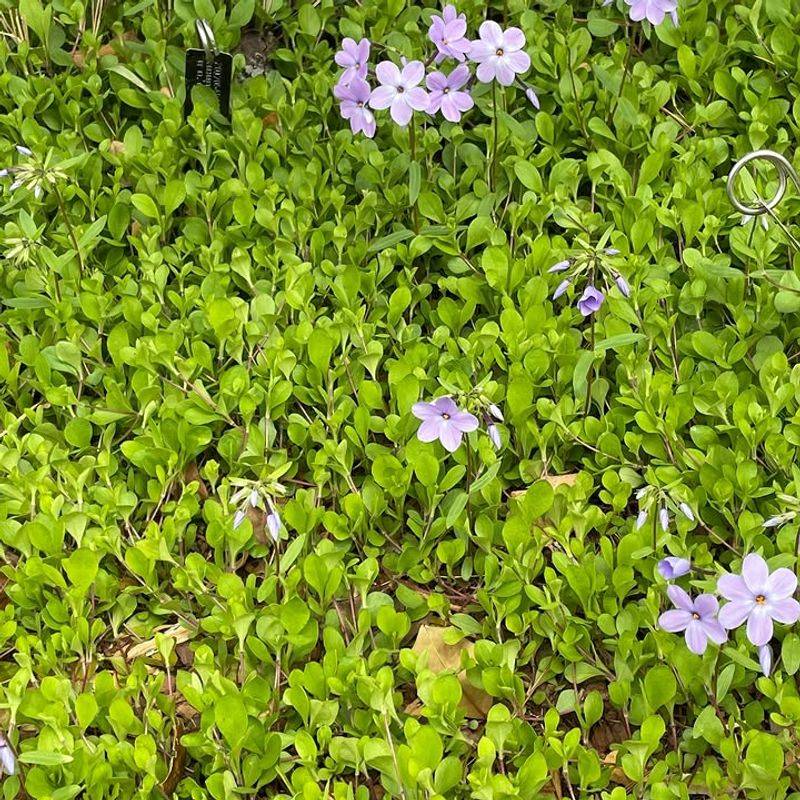
One of the most appealing things about North Carolina native plants is how well they settle into regional conditions once their roots are truly established.
Native species evolved alongside the local soils, rainfall patterns, and seasonal temperatures, which means they generally require fewer inputs to stay healthy over time.
Mowing is the most obvious task that disappears or shrinks dramatically when lawn is replaced with groundcovers. Most native groundcovers stay low naturally, eliminating the need for weekly cutting during the growing season.
That alone saves a significant amount of time and fuel across a summer.
Fertilizer needs also tend to drop. Native plants are accustomed to the nutrient levels found in regional soils and rarely need the regular feeding that a closely maintained lawn demands.
Applying heavy fertilizer to established natives can actually cause problems, pushing excessive growth that weakens the plant’s natural structure.
Irrigation requirements decrease as well, though this benefit truly arrives only after full establishment.
A properly placed, established native groundcover can draw on deeper soil moisture during dry stretches without needing supplemental watering. That is a meaningful advantage during the hot, dry spells that hit North Carolina in July and August.
Lower maintenance does not mean zero maintenance, though. Weeding is still necessary, especially while groundcovers are young and have not yet spread enough to shade out competition.
Edging along borders, occasional seasonal cleanup, and monitoring for any unusual pest or disease pressure remain part of a realistic care routine.
Knowing what to expect upfront makes the transition from lawn to groundcover much smoother and more satisfying.
6. Turfgrass Handles Regular Foot Traffic Better
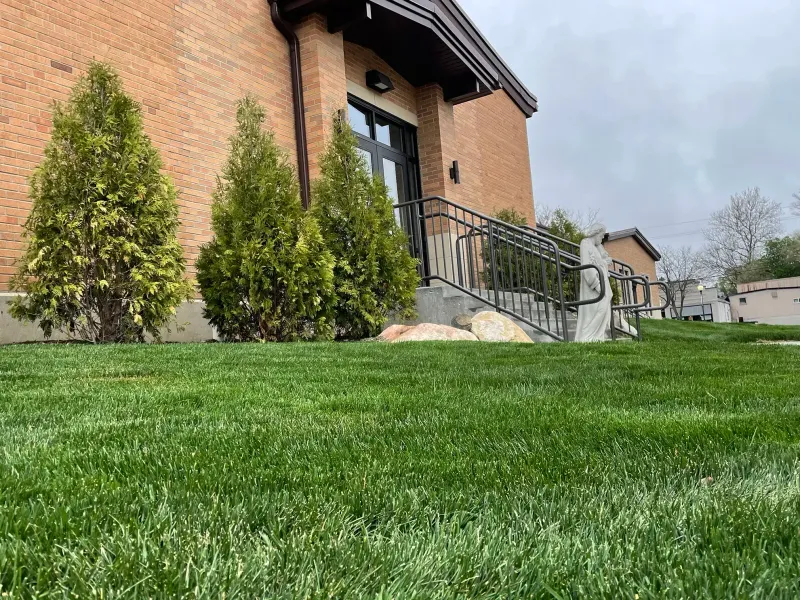
There is a reason traditional lawn has stayed popular for so long, and foot traffic is a big part of that story. Grass is genuinely tough stuff.
It tolerates repeated pressure, recovers from compression, and provides a firm, even surface that people and pets can use comfortably day after day.
Native groundcovers, while excellent in many situations, mostly cannot handle that same level of regular use. Green and gold, creeping phlox, and most native sedges will thin out or become damaged if walked on frequently.
They work beautifully as low-traffic borders, slope covers, and shade fillers, but they are not built for the same demands as a backyard play area or a path between the patio and the garden shed.
Some native sedge species and low-growing native grass alternatives do tolerate limited foot traffic better than flowering groundcovers. Pennsylvania sedge, for example, can handle occasional walking and provides a soft, meadow-like appearance.
Still, even the toughest native alternatives should not be expected to perform like bermudagrass or zoysia under consistent heavy use.
Before removing lawn from any area, thinking honestly about how that space gets used throughout the year is essential.
A backyard where kids run, dogs play fetch, and weekend gatherings happen regularly needs a surface that can take that kind of pressure without wearing through.
Turfgrass, especially a warm season variety in a sunny yard, is often the right tool for that specific job.
Reserving turf for high-use zones while transitioning low-traffic areas to native groundcovers gives you the best of both worlds without sacrificing the functional outdoor space your family actually needs.
7. Groundcovers Still Need Water During Establishment
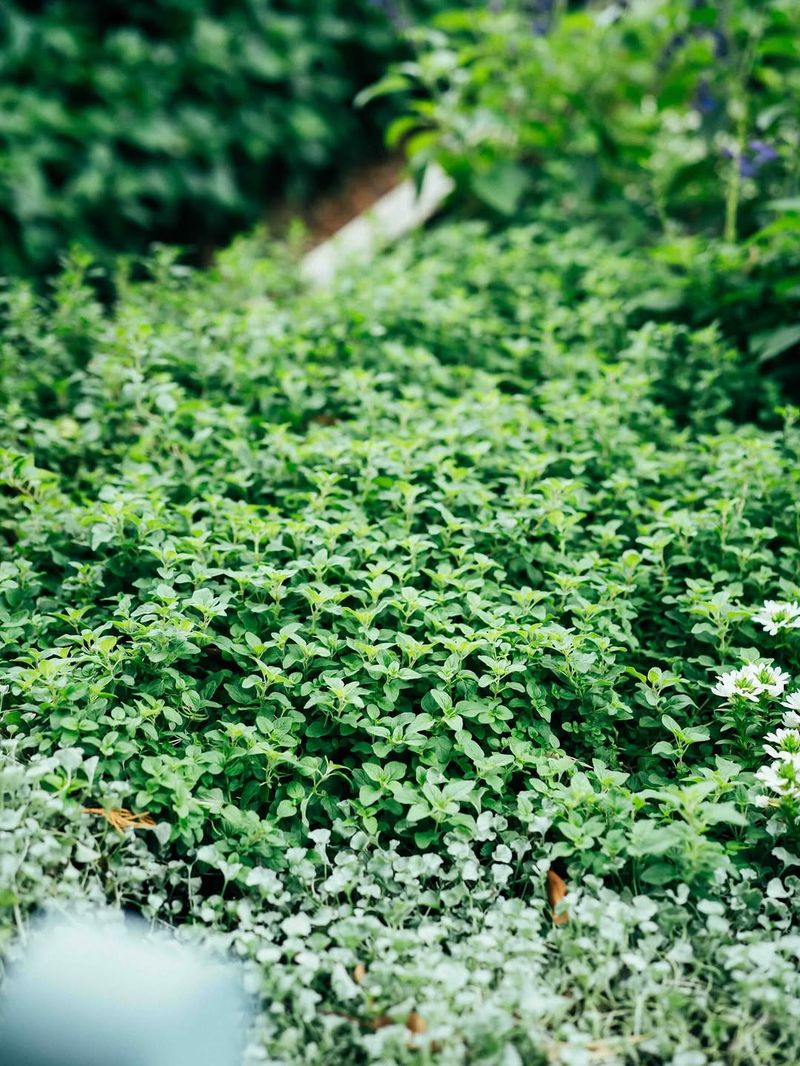
A common misconception about native groundcovers is that they take care of themselves from the moment they go into the ground. That idea sounds appealing, but it skips an important phase that every new planting goes through.
Establishment takes time, and water is essential during that period. Creeping phlox is a great example of how this works in practice.
Once fully established, it becomes impressively drought tolerant, holding its foliage and spreading steadily even through dry North Carolina summers.
During its first year in the ground, though, it needs consistent moisture to develop the root system that makes that future resilience possible.
Most native groundcovers follow the same pattern. Roots need to spread outward and downward into the surrounding soil before the plant can access moisture independently.
Without regular watering during this phase, even tough regional natives can struggle to get started, especially when planted in summer heat.
Watering frequency during establishment depends on rainfall, temperature, and soil type. In a dry summer stretch, newly planted groundcovers may need water every few days to stay healthy.
Mulching around new plantings helps retain soil moisture and reduces how often supplemental watering is needed, which makes the establishment phase easier to manage.
Comparing this with established turfgrass is interesting. A well-established warm season lawn can handle significant summer heat, but maintaining a consistently green appearance through dry spells still requires regular irrigation.
Established native groundcovers in suitable conditions often need less water overall than a lawn trying to stay green through August, making them a more efficient long-term choice in the right spots.
8. A Mixed Yard Often Handles Stress Best
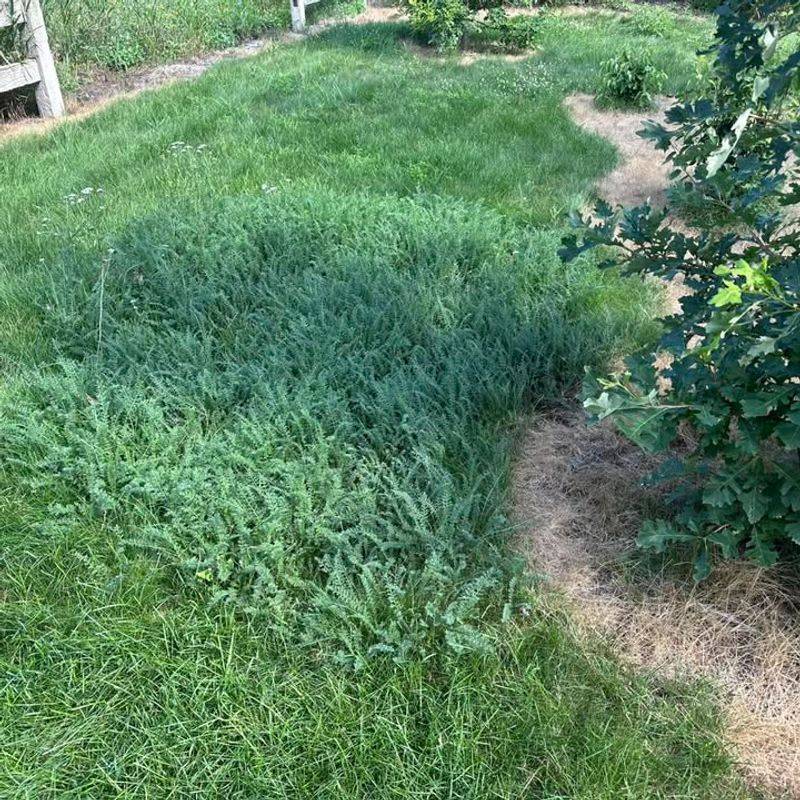
Picking one approach for the entire yard rarely produces the best results in North Carolina.
The most resilient, attractive, and practical landscapes tend to combine traditional turfgrass with native groundcovers, placing each where it genuinely performs well rather than forcing one solution across every zone.
Sunny, open areas used for recreation, gatherings, and active play are where warm season turfgrass earns its place. Bermudagrass or zoysiagrass in a full-sun backyard creates a durable, attractive surface that handles summer heat with ease.
Keeping turf in these high-use spaces makes practical sense and preserves the functionality that makes a yard genuinely enjoyable.
Shaded areas beneath trees, difficult slopes, low-traffic borders, and spots where lawn has always struggled are prime candidates for native groundcovers.
Replacing weak, thin turf in these zones with well-chosen native plants reduces mowing, cuts irrigation needs, and creates a more stable planting that holds up through summer without constant attention.
This blended approach also benefits the broader yard environment. Native plants support pollinators, improve soil health over time, and add seasonal interest with flowers and varied foliage textures.
The yard becomes more layered and dynamic rather than a uniform carpet of grass from edge to edge.
When it comes to summer stress specifically, native groundcovers usually have a clear advantage over cool season lawn in correctly matched difficult sites.
Warm season turf holds the upper hand in sunny, high-use areas where its heat tolerance and durability shine.
Combining both thoughtfully gives North Carolina homeowners a yard that handles whatever summer brings with far less struggle and far more success.