How To Save Wilting Tomatoes During A California Heat Wave
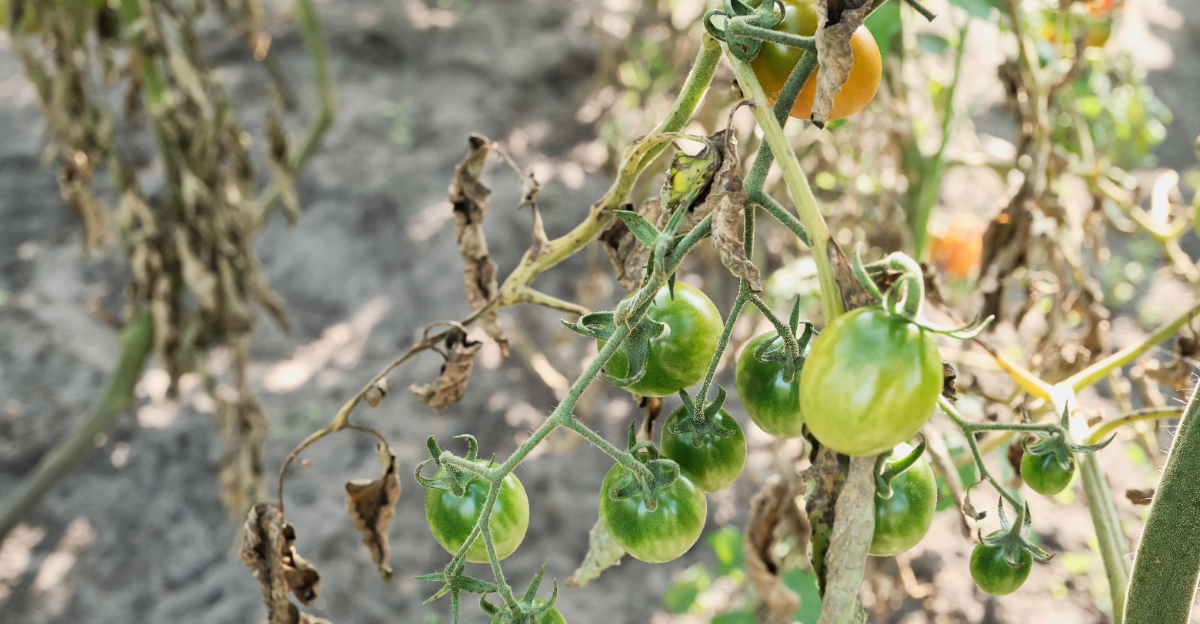
California heat waves can make tomato plants look dramatic before breakfast.
You step outside with coffee, and yesterday’s sturdy vines are suddenly curled, sagging, and acting like the whole garden joined a protest.
The instinct is obvious. Grab the hose, flood the bed, and hope the plants forgive everyone by lunch. That panic move can cause more trouble than the heat itself.
Tomatoes often wilt during extreme heat because leaves lose moisture faster than roots can replace it, even in soil that still holds water.
Some plants need a deep drink. Others need shade, mulch, and a little restraint. The trick is knowing which rescue move comes first.
During a California heat wave, timing matters as much as water. Morning tells the truth, afternoon exaggerates, and fruit on the vine can suffer while the plant struggles to cool itself.
So how do you save wilting tomatoes without loving them into a bigger problem?
Start with these smart moves. They can keep a harvest from turning into a backyard sob story.
1. Check Morning Wilt Before Watering
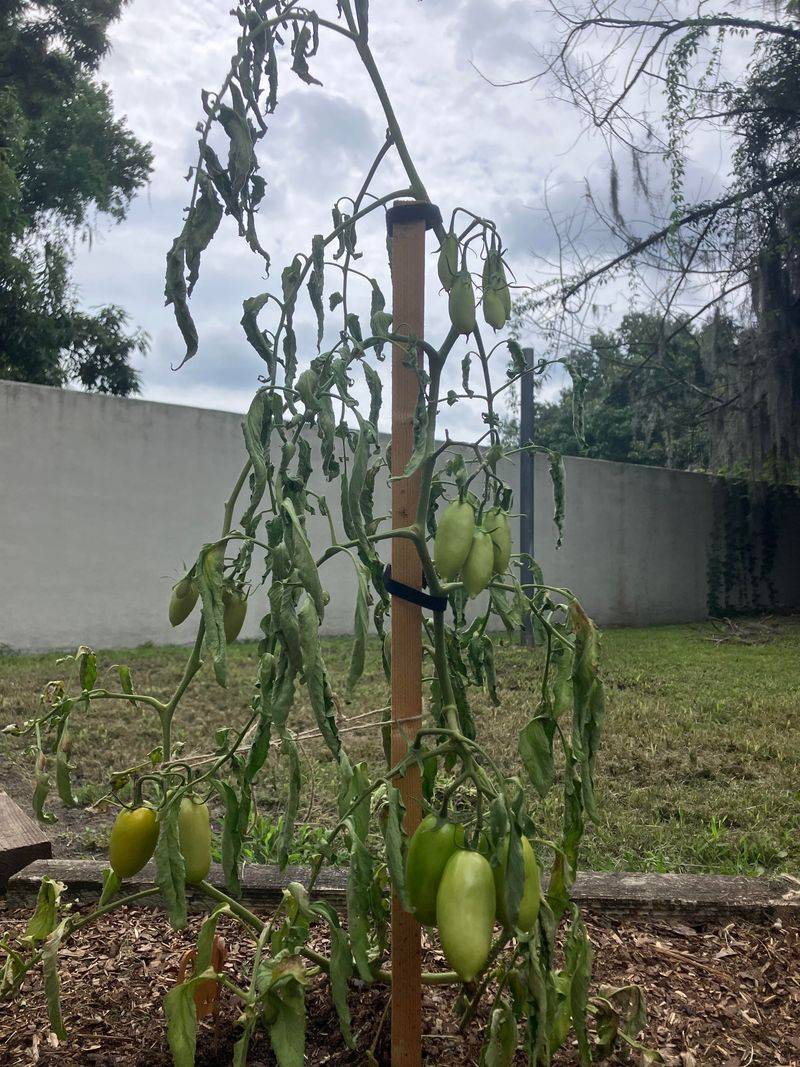
The first tomato rescue move happens before the day turns rude.
Walk out early, while the air still feels cool, and study the plant before reaching for the hose. Morning tells you much more than a blazing afternoon ever will.
Leaves that stay droopy at sunrise point to real stress. Leaves that perk up overnight, then sag in the afternoon, often show temporary heat wilt.
That sounds scary, but tomatoes use this move to protect themselves. The plant loses moisture through its leaves faster than the roots can pull water from the soil, so the foliage slumps like it just read the forecast.
Do not let that drama trick you into flooding the bed.
Push a finger two inches into the soil near the base of the plant. Moist soil means the roots may already have water. Dry, crumbly soil means the plant needs a slow, deep soak.
This tiny check saves tomatoes from the classic heat-wave mistake: watering by emotion.
Afternoon wilt can make every plant look desperate, but morning wilt shows the real condition. Make that sunrise check part of the routine during extreme heat.
Your tomatoes get smarter care, and you get to skip the hose panic parade.
2. Deep Soak Before The Heat Peaks
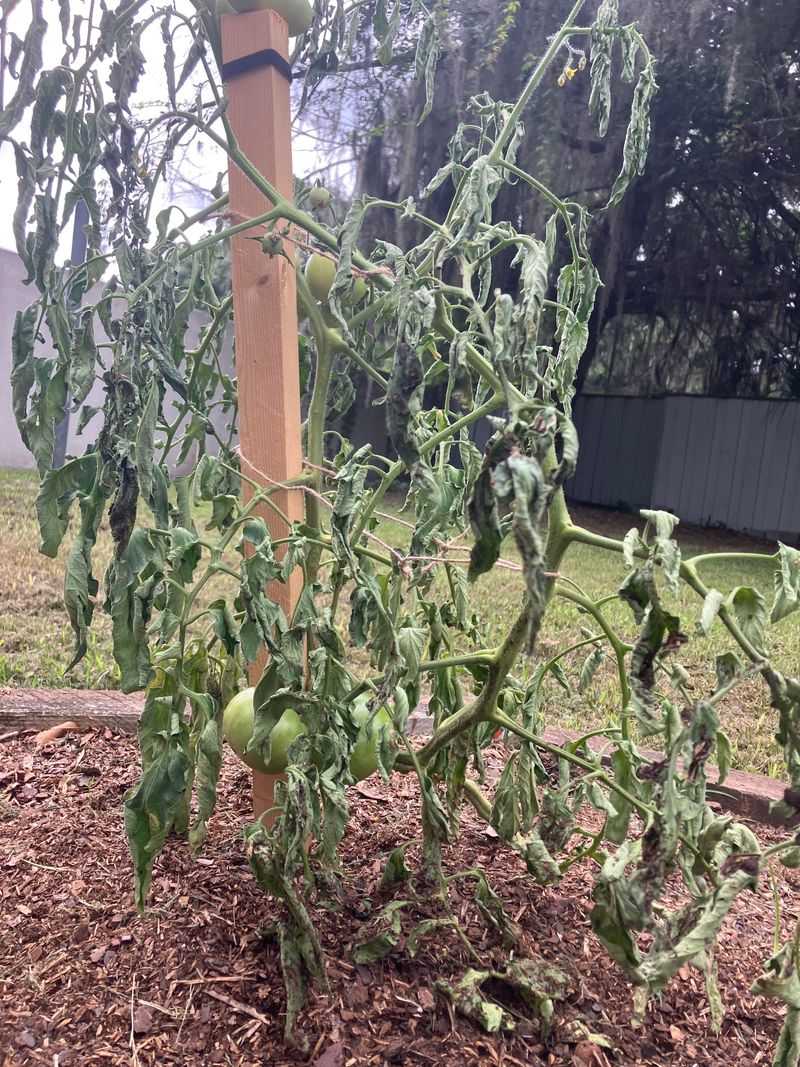
A tomato plant facing a California heat wave needs water in the root zone, not a shiny wet surface.
Early morning is the sweet spot. Soil is cooler, evaporation is slower, and the plant has time to pull moisture before the day starts swinging its hot little hammer.
Water slowly at the base of the plant until moisture reaches six to eight inches deep. A quick hose blast may look productive, but it often wets only the top layer, then disappears before lunchtime.
That is garden theater, not real rescue.
Drip irrigation, a soaker hose, or a slow hose trickle all work better than spraying from above. The goal is steady water that sinks down where the roots live.
Your California Garden Changes Every Week. Your Plan Should Too.
Gardening in California changes quickly throughout the season. Every Friday you’ll receive a simple weekly plan showing exactly what to plant, prune, fertilize, harvest, and protect so you never miss the right timing.
Overhead spray also wastes water and can leave foliage damp in warm weather, which creates another problem right when the plant needs fewer problems.
Large tomato plants loaded with fruit may need several gallons during brutal heat, especially in raised beds or fast-draining soil.
Check depth about an hour later by opening a small test spot with a trowel. Dampness deep in the soil means you did the job right.
Deep water gives roots a cooler reserve to pull from, and that reserve can keep the whole plant steadier through the worst hours.
3. Add Shade Cloth During Peak Hours
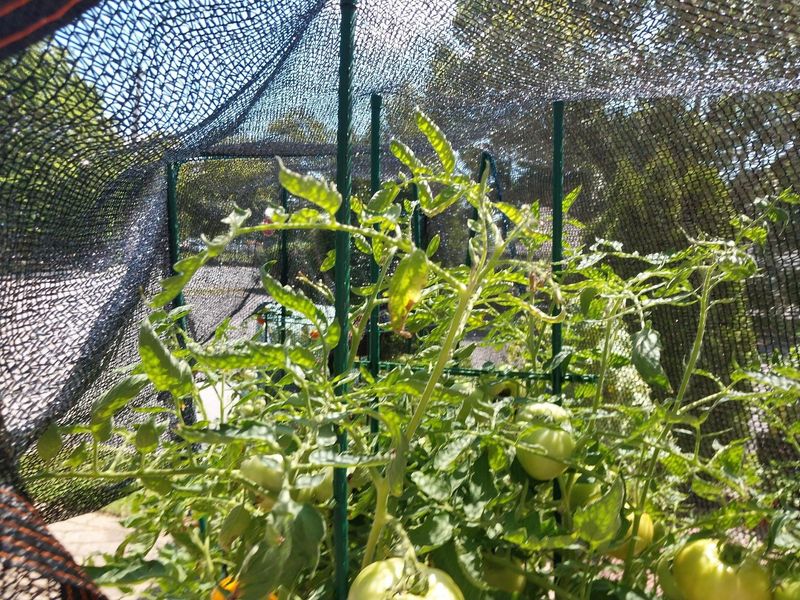
Tomatoes love sun, but California heat waves can turn full sun into a punishment.
During extreme heat, shade cloth can be the difference between stressed plants and scorched fruit. The goal is not darkness. The goal is relief during the fiercest afternoon hours.
A 30 to 40 percent shade cloth usually gives tomatoes enough protection without stealing too much light. It softens the blast, lowers leaf temperature, and helps fruit avoid that harsh, cooked-on-the-vine look.
Set it up before the day gets brutal.
Use stakes, hoops, cages, or a simple frame so the cloth sits above the plants rather than pressing against the leaves. Air needs to move underneath, because trapped heat under a tight cover can turn a helpful setup into a tomato sauna.
Leave the sides open and focus the shade on the west or southwest exposure, where afternoon sun hits hardest.
This is not a beauty contest. Binder clips, clothespins, and garden twine all count as respectable engineering during a heat emergency.
Remove or adjust the cover once temperatures settle, because tomatoes still need bright light for strong growth and fruit production.
Shade cloth is a temporary sun hat for the garden. Used at the right time, it keeps the plants from losing their cool.
4. Mulch Keeps Roots Cooler
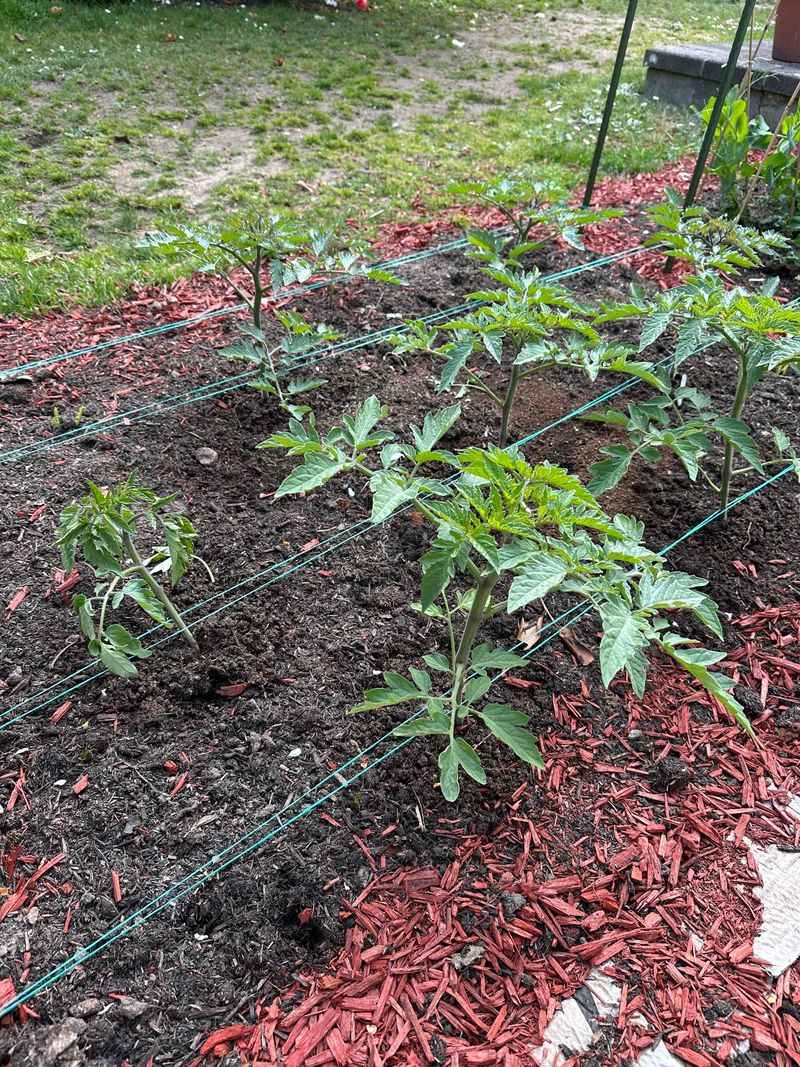
Bare soil in a heat wave behaves like a skillet.
It absorbs sun all day, dries fast, and sends that heat straight toward the tomato roots. Mulch changes that little underground weather report in a hurry.
A three to four inch layer of straw, shredded leaves, or composted wood chips helps shade the soil, slow evaporation, and keep the root zone cooler. That matters because stressed roots do not move water well, even when water exists nearby.
Spread mulch widely around each plant, covering as much of the root area as possible.
Keep it a couple of inches away from the main stem. Tomato stems need airflow at the base, and a damp mulch pile pressed against them can invite trouble.
Straw is quick, light, and easy to place around crowded summer plants. Shredded leaves work beautifully too, especially after they settle into a soft blanket. Composted wood chips can help larger beds hold moisture longer.
Mulch also makes deep watering more useful. Instead of evaporating quickly from sun-baked soil, that moisture stays available where roots can reach it.
That is a small change with big heat-wave energy.
A mulched tomato bed looks calmer, drinks better, and gives roots a cooler place to keep doing their quiet tomato business.
5. Stop Fertilizer Until Temperatures Ease
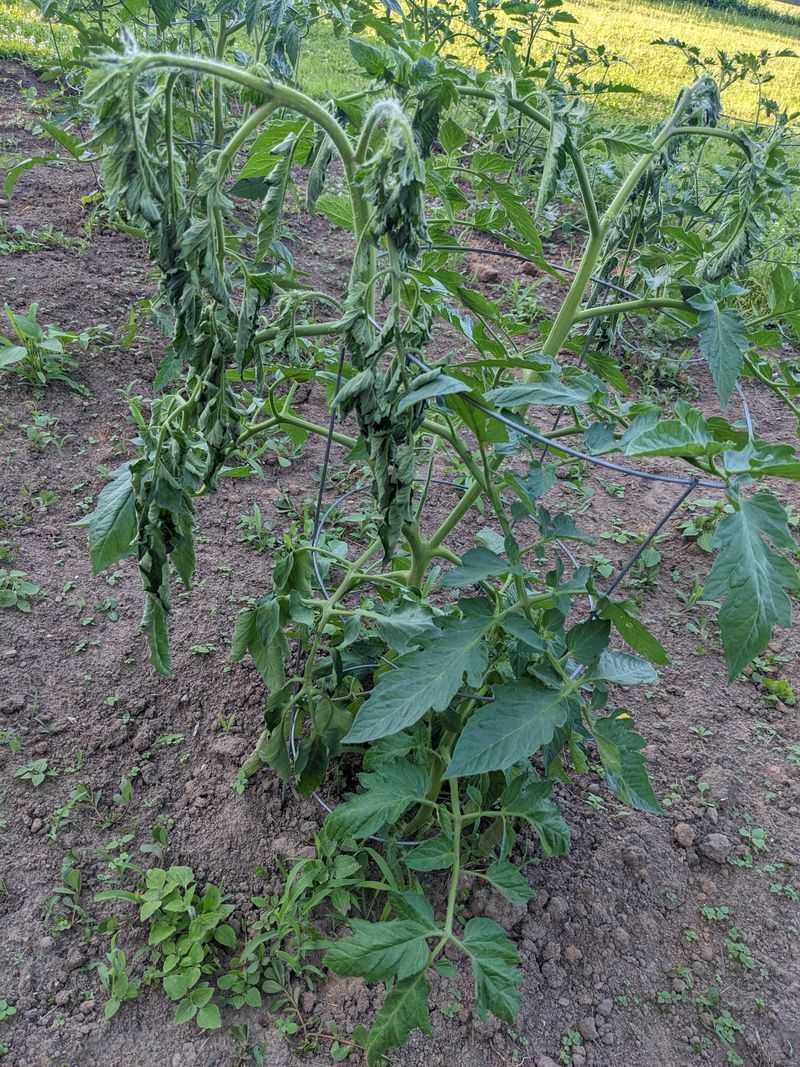
Fertilizer feels helpful when tomato plants look miserable.
That is exactly why it causes trouble during a heat wave.
A stressed tomato is not asking for a growth spurt. It is trying to protect its leaves, manage water loss, and keep roots working under difficult conditions.
Pushing new growth with fertilizer can increase the plant’s demand for water at the worst possible moment.
Nitrogen-heavy feeds are the biggest mischief-makers here.
They encourage leafy growth, which sounds nice until the plant has more foliage to cool and support. More leaves mean more moisture loss. More growth means more work for roots already dealing with hot soil.
That is not a pep talk. That is a chore list.
Pause fertilizing until the heat breaks and the plant looks steady again. Morning leaves should perk up, new growth should appear normal, and the forecast should stop acting hostile before feeding resumes.
Recent fertilizer is not a disaster. One earlier application will not ruin the plant. Just skip the next round and focus on the basics: deep water, mulch, and temporary shade.
Tomatoes need nutrients across the season, but timing matters.
During extreme heat, calm care beats extra food. Let the plant recover first, then invite it back to the buffet.
6. Leave Protective Foliage In Place
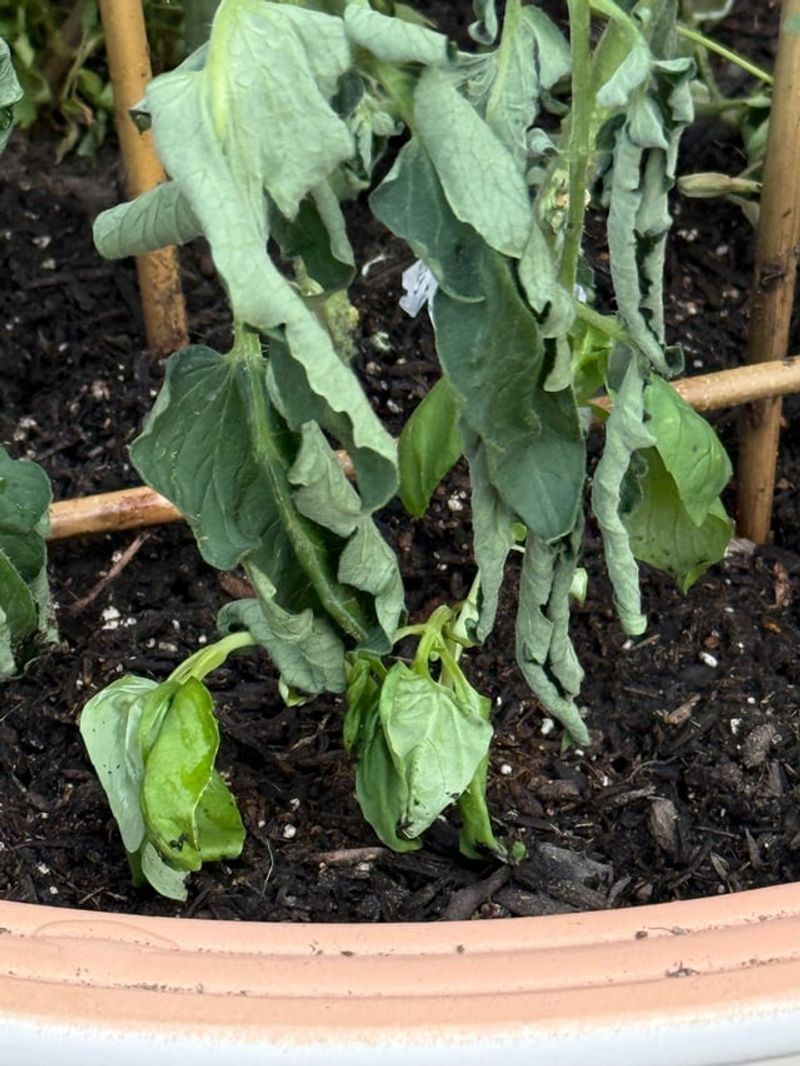
A tomato leaf can be a tiny umbrella with a very important job.
During a California heat wave, those leafy branches protect fruit from direct afternoon sun. Remove too much foliage at the wrong time, and the tomatoes suddenly sit exposed like they booked a beach day with no sunscreen.
Sunscald starts as pale yellow or whitish patches on fruit. The damaged area can turn papery, tough, and unappetizing. Once that patch forms, the fruit does not smooth itself back to perfect.
That is why pruning needs to wait.
During normal weather, light pruning can improve airflow and make plants easier to manage. During extreme heat, heavy pruning can expose fruit clusters and add stress to the plant.
Leave healthy leaves in place, especially on the south and west sides where the sun hits hardest.
Suckers, wild branches, and extra foliage may look untidy for a few days, but they are helping shield the crop. A slightly shaggy tomato plant is much better than one with scorched fruit.
The plant is not being messy. It is wearing armor.
Save major pruning for cooler days after the heat wave passes and the plant has recovered. For now, those leaves are doing the quiet shade work your tomatoes need.
7. Pick Breaker Fruit Before Scorching Days
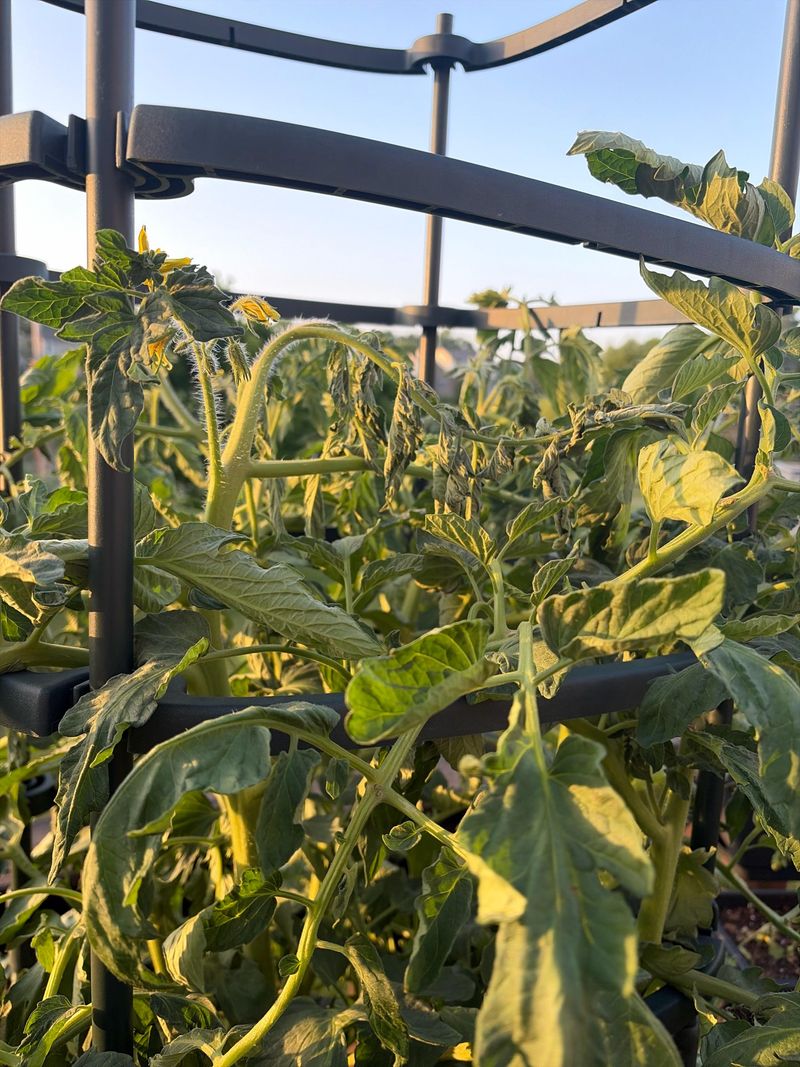
Tomatoes do not need to be fully red to finish well indoors.
Fruit that has started to blush pink, orange, or red has reached the breaker stage. At that point, it can continue ripening off the vine with good flavor, as long as it rests at room temperature.
That matters during a heat wave.
Extreme heat can interfere with ripening, soften fruit, and increase cracking. A tomato that looked almost ready can turn disappointing fast when it sits through days of punishing sun.
Harvest breaker fruit before the worst heat arrives.
Set the tomatoes in a single layer indoors, away from direct sunlight. A kitchen counter, pantry shelf, or shaded table works well.
Skip the refrigerator, because cold temperatures can flatten flavor and ruin that rich summer texture everyone waits for.
This move protects the harvest and reduces the load on the plant.
Fewer large fruits mean the vine has less to support while it handles heat stress. The plant can put more energy into staying balanced instead of pushing every tomato through a brutal forecast.
Call it tomato triage with delicious results.
You still get ripe fruit, the plant gets a lighter workload, and the heat wave gets fewer chances to wreck a nearly finished crop.
8. Remove Shade When Heat Drops
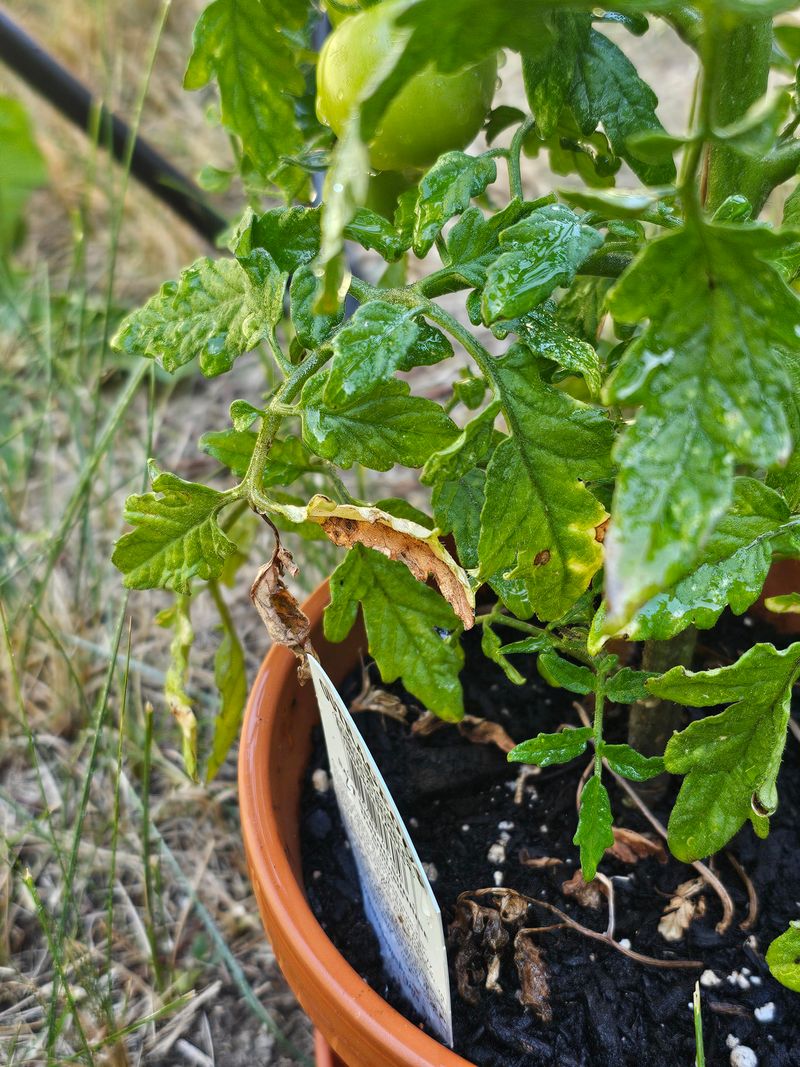
Heat-wave care needs an exit plan.
Shade cloth, extra caution, and crisis-mode watering all help during brutal weather, but tomatoes cannot live in emergency mode forever. Once temperatures drop back into a safer range, start easing the plants toward normal care.
Remove shade cloth on a mild morning, not during another blazing afternoon.
Tomatoes need strong light to fuel growth, flowers, and fruit. A few protected days can save them. Too many shaded days after the heat passes can slow production and leave plants stretching toward the light.
Give the plants a short reset period before making more changes.
Check soil moisture, watch the morning leaves, and let the vines recover before pruning, feeding, or rearranging supports. Heat-stressed tomatoes may need a couple of calmer days to look like themselves again.
Resume fertilizer only after the plant looks steady and the forecast becomes kinder. Keep mulch in place, because summer is not finished just because one heat wave stepped aside.
That mulch is still doing useful root-zone work.
Tomatoes are tougher than they look, which is good news because they are also theatrical little divas.
With shade removed, roots hydrated, fruit protected, and care returned to normal, most plants can rebound and keep producing into fall.