The Real Reasons Ticks Are Thriving In Wisconsin This Season
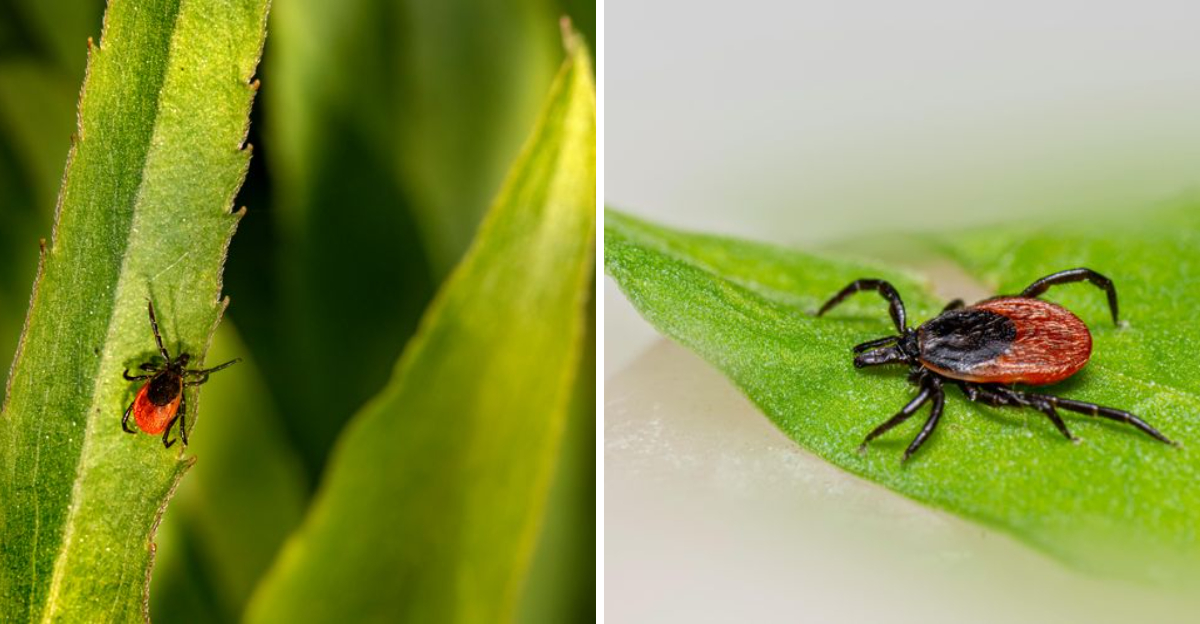
Wisconsin’s woods, backyards, and hiking trails are buzzing with an unsettling kind of activity this season. Ticks are not just surviving out there.
They are multiplying at a pace that has health officials and outdoor lovers paying very close attention. Warmer winters, wetter springs, and shifting wildlife patterns have created a combination that tick populations seem to love this year.
Multiple species are now showing up in places where they were rarely spotted before, and the season appears to be starting earlier than usual. Conditions right now seem nearly ideal for these tiny hitchhikers to spread, feed, and thrive across the state.
Families, hikers, and pet owners across Wisconsin are finding it more important than ever to stay informed and take simple precautions before heading outdoors this summer. Your next adventure is still worth taking.
Just make sure you bring a little extra awareness along for the ride.
1. Softer Winters Are Keeping Ticks Alive
Winters used to do the dirty work for us.
Freezing temperatures would reduce large numbers of ticks before spring even arrived.
But that natural reset button is no longer working the way it once did.
Average winter temperatures across the upper Midwest have climbed noticeably over the past two decades.
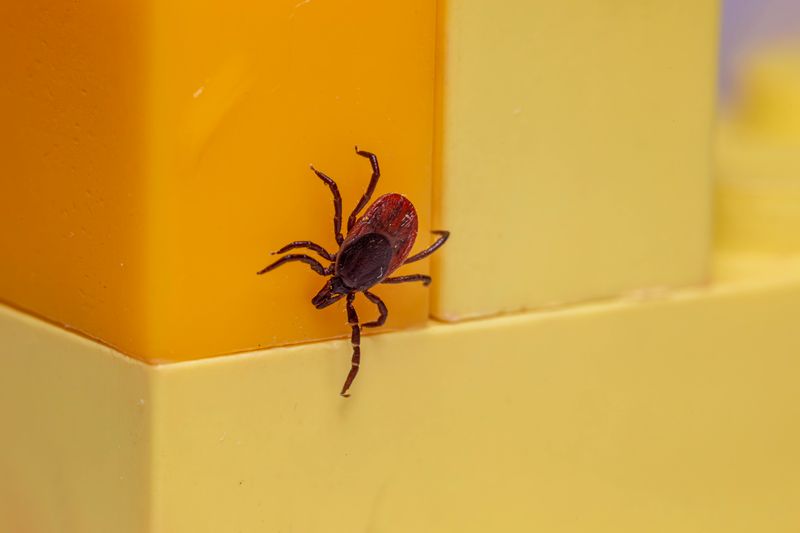
Ticks, especially the black-legged variety, can survive under snow because the ground stays just warm enough to protect them.
They go dormant, not defeated.
Research suggests tick populations tend to grow in counties that experience shorter freeze periods.
When the ground does not stay frozen long enough, overwintering survival rates rise sharply.
More survivors in February means a far larger population come May.
Homeowners near wooded edges are already noticing the difference.
Tick checks after outdoor walks are turning up results earlier in the year than ever before.
Some people are pulling them off pets in late February, which was nearly unheard of a generation ago.
The shift is gradual but compounding.
Each mild winter stacks on top of the last, building a larger baseline population.
Protecting yourself now means treating your yard and clothing before you ever feel that first warm weekend calling you outside.
2. Earlier Springs Give Ticks A Head Start
Spring is arriving earlier than the calendar expects.
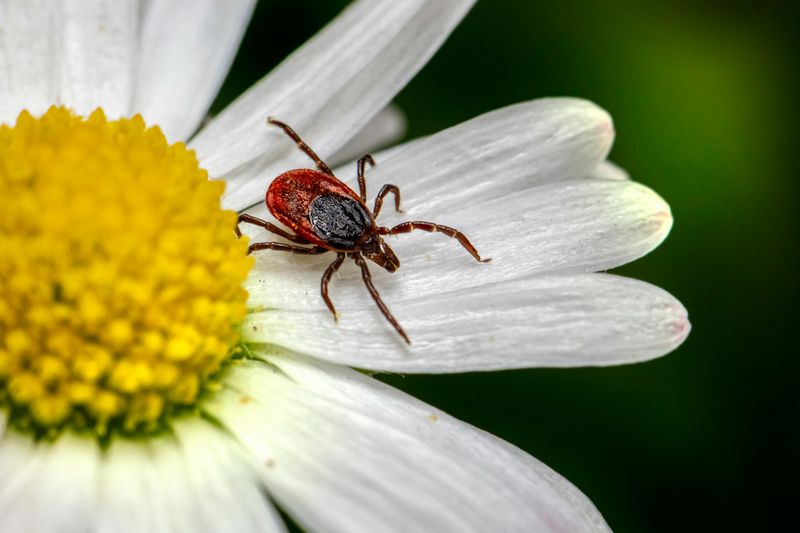
Flowers are blooming weeks ahead of schedule, and so are ticks.
That shift in timing is giving them a serious advantage over people who are not yet thinking about protection.
Black-legged ticks become active when temperatures consistently hit around 45 degrees Fahrenheit.
With warmer Marches becoming the norm, their active season now stretches longer on both ends.
A season that once ran May through October can now start in late March and push into November.
That extended window matters enormously.
More active days means more chances to find a host, feed, and reproduce.
A single female can lay thousands of eggs after one successful blood meal, so even a few extra weeks translate into significant population growth.
Gardeners and hikers are often caught off guard in early spring because tick-awareness habits have not kicked in yet.
Your Wisconsin Garden Changes Every Week. Your Plan Should Too.
Gardening in Wisconsin changes quickly throughout the season. Every Friday you’ll receive a simple weekly plan showing exactly what to plant, prune, fertilize, harvest, and protect so you never miss the right timing.
People grab their rakes or lace up their trail shoes without thinking twice about protection.
That casual attitude is exactly when bites happen most.
Checking yourself and your pets after any time outdoors, even a short one, should start as soon as February ends.
Light-colored clothing and tucked-in socks are simple habits that make a real difference during these surprise early-season weeks.
3. Leaves And Landscaping Attract Ticks
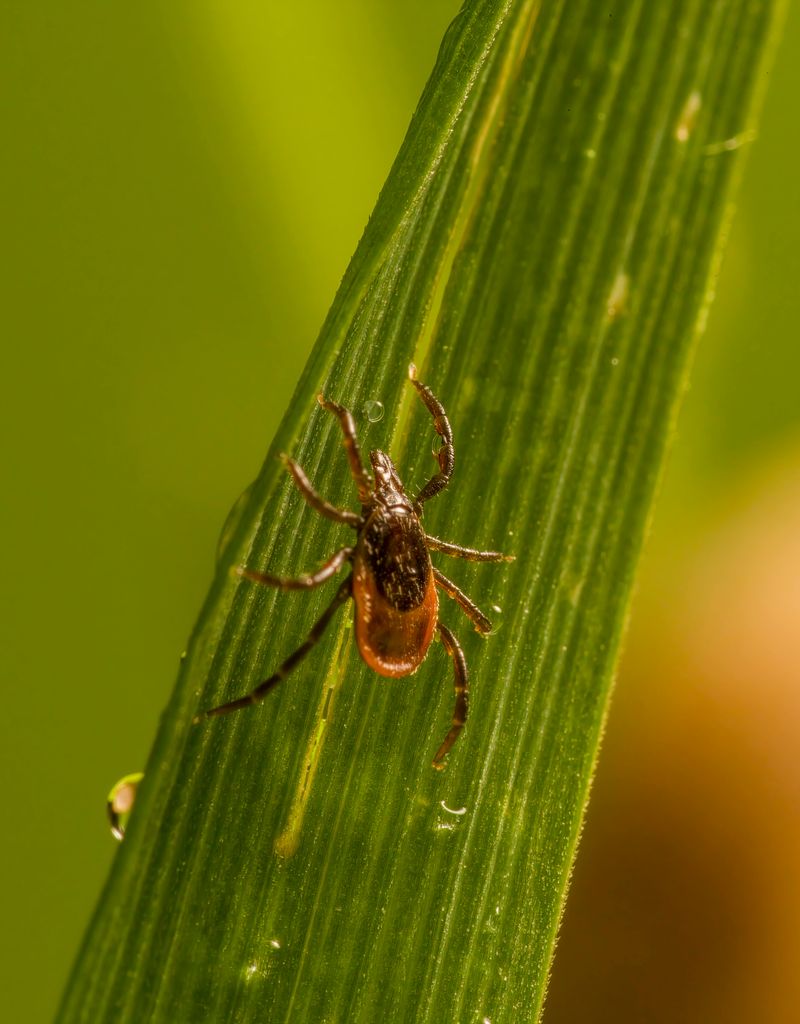
Your landscaping choices are either helping or hurting the tick situation, and most people do not realize it.
A thick layer of unraked leaves left against the foundation of your house is one of the coziest overwintering spots a tick could ask for.
Moisture, darkness, and insulation all combine to create ideal conditions for survival through cold months.
Leaf litter is not just a fall cleanup issue.
It persists through winter and early spring, keeping ticks protected long after the last game of touch football in the backyard.
By the time you start thinking about yard work again, a new generation is already waiting in the pile.
Dense ground cover plantings, overgrown ornamental grasses, and neglected garden borders all create similar microhabitats.
Shade-tolerant plants that hold moisture close to the ground are essentially tick condominiums.
Simple pruning and thinning can transform a high-risk yard into a much safer space.
Mulch type matters too.
Wood chip mulch retains moisture and warmth, making it tick-friendly.
Cedar mulch, on the other hand, contains natural oils that ticks find repellent, making it a smarter choice near play areas and walkways.
Cedar mulch can have a mild acidifying effect over time, so it may be worth monitoring soil pH near plants that prefer neutral conditions.
Raking leaves promptly each fall, keeping mulch thin near the house, and trimming shaded borders regularly are small habits that compound into meaningful protection over time.
4. Suburban Growth Is Expanding Tick Territory

New neighborhoods keep pushing into what was once unbroken forest, and that transition zone is among the most tick-dense environments you can find.
Suburban sprawl is essentially manufacturing that habitat on a massive scale across the state.
Ticks do not thrive in open, sunny spaces.
They need shade, moisture, and tall vegetation to survive and ambush passing hosts.
The brushy borders of new subdivisions check every single one of those boxes beautifully.
As housing developments carve into wooded land, they fragment the forest into smaller patches.
Those patches become islands of wildlife habitat surrounded by yards and roads.
Deer, mice, and other tick hosts concentrate in those fragments, and tick populations follow right along.
Children playing at the edge of a backyard where the grass meets the trees are at elevated risk.
Family dogs that roam freely through brush lines can carry dozens of ticks indoors without anyone noticing.
Those indoor hitchhikers then drop off and potentially find another host inside the home.
Keeping grass trimmed short, clearing brush piles, and creating a gravel barrier between lawn and wooded areas are practical steps any homeowner can take.
Awareness of that invisible boundary between your yard and the wild is one of the most powerful protective tools available.
5. Wisconsin’s Deer Population Keeps Growing
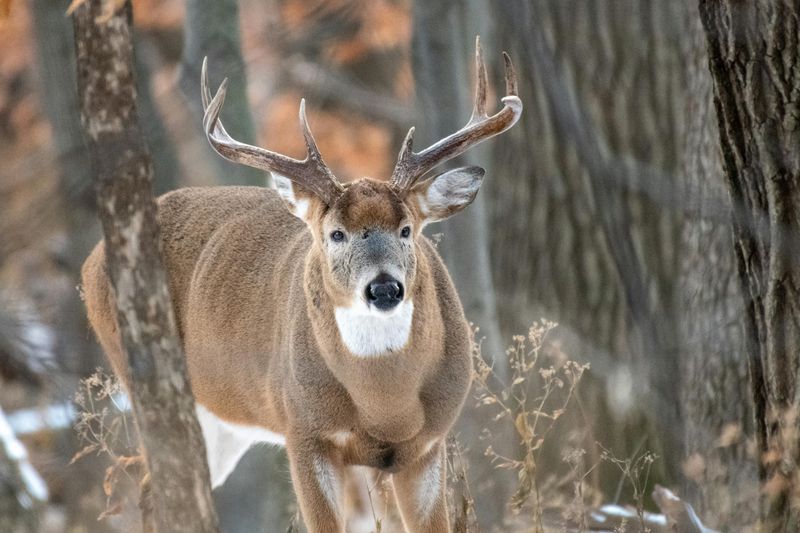
White-tailed deer are everywhere right now, and that is not an exaggeration.
Wisconsin’s deer herd has grown substantially over the past decade, thanks to mild hunting seasons, habitat changes, and reduced predator pressure.
More deer means a far more reliable food source for adult ticks looking to feed and reproduce.
Adult black-legged ticks depend heavily on deer for their final blood meal before laying eggs.
Without deer, the reproductive cycle slows dramatically.
With an abundant herd moving through suburbs, parks, and backyards, ticks have no shortage of hosts.
Deer travel widely, spreading ticks into new neighborhoods and green spaces that may not have had significant tick populations before.
A single deer can carry and deposit dozens of ticks across a wide area as it moves through yards and green spaces.
That kind of movement seeds new areas constantly.
Suburban and semi-rural homeowners are feeling this most acutely.
Deer are no longer just a rural sight; they are browsing through flower beds and crossing quiet cul-de-sacs regularly.
Every visit leaves behind a potential tick or two in the grass.
Creating a buffer zone around your yard using wood chips or gravel can slow tick migration from wooded edges.
Keeping ornamental plants deer dislike near your home also reduces the number of four-legged tick taxis stopping by for a visit.
6. Rising Mouse Populations Are Fueling Tick Numbers
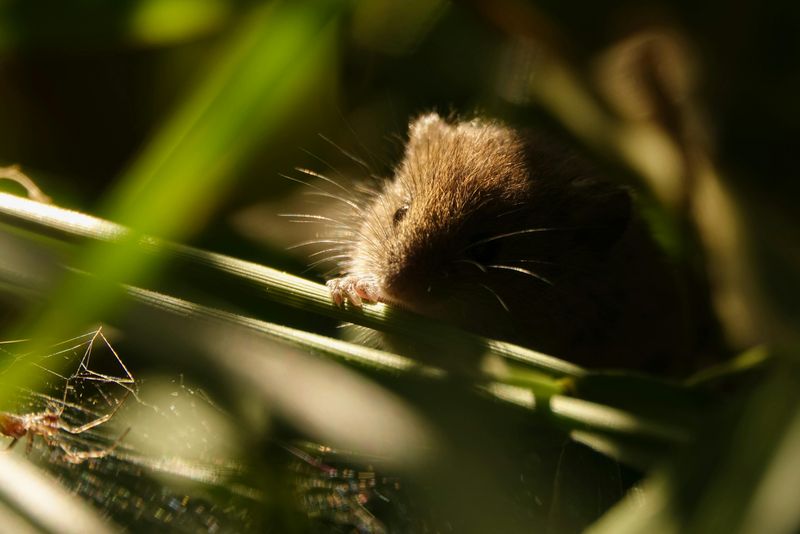
Mice are arguably more important to the tick problem than deer are.
The white-footed mouse is the primary reservoir for Lyme disease bacteria, and its population has grown notably.
Where mice thrive, infected ticks follow in significant numbers.
Young ticks in the larvae and nymph stages feed almost exclusively on small mammals.
A single white-footed mouse can host dozens of larval ticks at once, and it infects most of them with the bacteria that causes Lyme disease.
Those newly infected nymphs then go on to bite people.
Acorn production plays a surprising role in all of this.
Bumper acorn crops, which have become more frequent, fuel a notable rise in mouse populations the following spring.
More mice means a dramatically larger pool of infected ticks two years down the line.
Chipmunks, shrews, and voles also serve as competent hosts, spreading infection broadly through the tick population.
A yard with lots of wood piles, brush heaps, and bird feeders is essentially a five-star hotel for these small mammals.
Reducing those attractants cuts the local tick infection rate meaningfully.
Sealing gaps in sheds and foundations, storing firewood away from the house, and managing bird feeders carefully are underrated steps that directly reduce tick risk in your immediate surroundings.
7. Natural Tick Control Is Fading
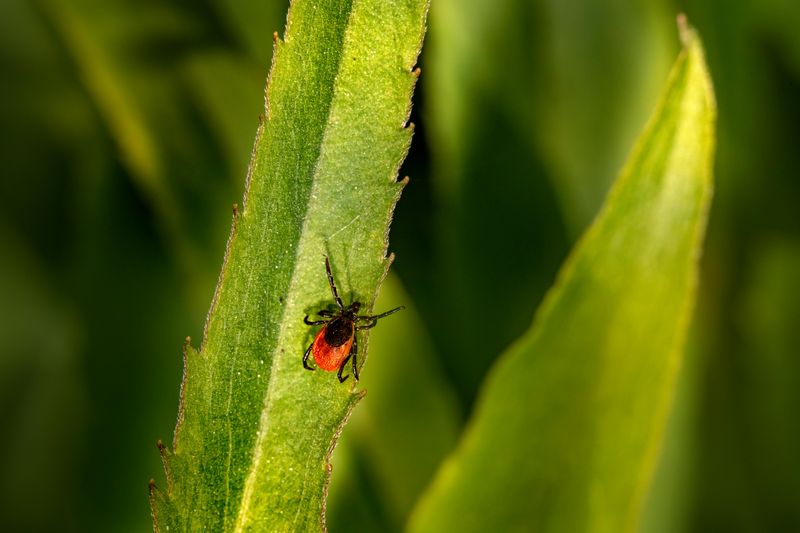
Image Credit: © Erik Karits / Pexels
Nature had a system, and humans have been quietly dismantling it.
Predators like wild turkeys, opossums, guinea fowl, and certain ground-feeding birds consume enormous numbers of ticks as part of their natural diet.
As these animals become less common in developed areas, one of nature’s most effective pest controls disappears with them.
Urban and suburban expansion has pushed opossums out of many neighborhoods where they once roamed freely.
Wild turkeys scratch through leaf litter constantly while foraging, consuming ticks and other insects along the way.
As open farmland and mixed habitat shrinks, turkey populations have less room to operate near residential areas.
That loss of natural foraging behavior removes a meaningful check on tick numbers.
Guinea fowl are a well-known secret among rural homeowners.
A small flock ranging freely through a yard can reduce tick populations noticeably within a single season.
They are loud, quirky, and surprisingly effective at a job most people do not even know needs doing.
Nature has its own tick control system.
Supporting it with native plants and careful pesticide choices is one of the simplest things you can do.
8. Increased Outdoor Activity In Tick Zones

More people are spending time outdoors than ever before, and a lot of that activity is happening in exactly the places ticks call home.National park visits, local trail use, and backyard gardening all surged after 2020 and have stayed elevated.
That means more human hosts moving through tick territory on a daily basis.
Trails that cut through wooded areas or brush-filled meadows put hikers in direct contact with questing ticks.These arachnids climb to the tips of grasses and low shrubs and wait for a warm body to brush past.
A single hike through prime habitat can result in multiple ticks attaching before you even get back to the car.
Outdoor recreation habits have changed too.More families are exploring off-trail, setting up hammocks in wooded areas, and letting kids roam through natural spaces.
All of that is genuinely wonderful, but it does require a consistent tick-check routine to stay safe.
Post-activity tick checks should be thorough and timely.Shower within two hours of coming indoors, check behind knees, in armpits, around the scalp, and behind ears.
Tossing clothes in a hot dryer for ten minutes before washing removes ticks that are still crawling.
Repellents containing DEET or permethrin-treated clothing add a reliable layer of defense without requiring you to trade your outdoor lifestyle for a safer one.
9. The Lone Star Tick Is Moving In
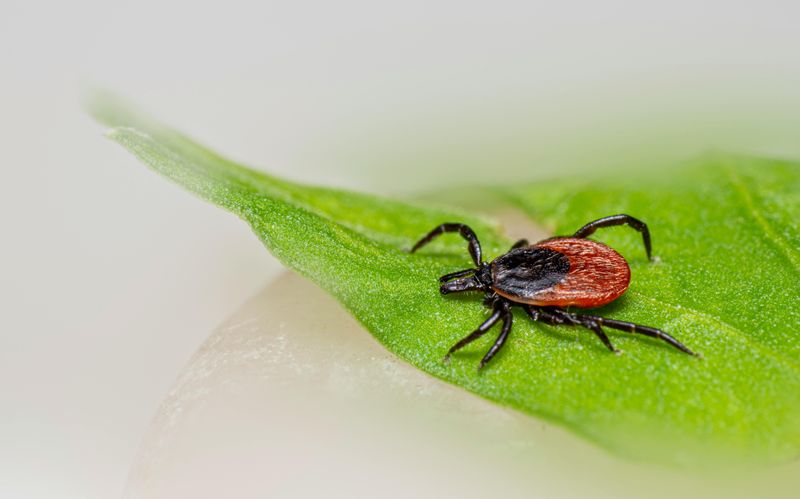
Image Credit: © Erik Karits / Pexels
Another tick species is now appearing across Wisconsin, and it behaves differently from the ones residents are used to.
The lone star tick, once confined to the American South, has been steadily expanding its range northward and has now been confirmed in multiple Wisconsin counties.
Its arrival changes the tick landscape in ways that many residents are not yet aware of.
They are more active and mobile than other local species, making encounters more likely.
Beyond Lyme disease, this species carries its own set of health concerns.
Alpha-gal syndrome, a red meat allergy triggered by a lone star tick bite, has been appearing in patients across the Midwest with no prior history of food allergies.
The condition can cause severe reactions and last for years.
Ehrlichiosis and tularemia are also linked to lone star tick bites.
Both are serious bacterial infections that require prompt medical attention.
Many people mistake early symptoms for a summer flu and delay treatment longer than they should.
Knowing what a lone star tick looks like is genuinely useful.
Adult females have a single white spot on their back, which makes identification straightforward.
If you find one, save it in a sealed bag and mention it to your doctor if symptoms develop.
10. Limited Public Awareness And Prevention
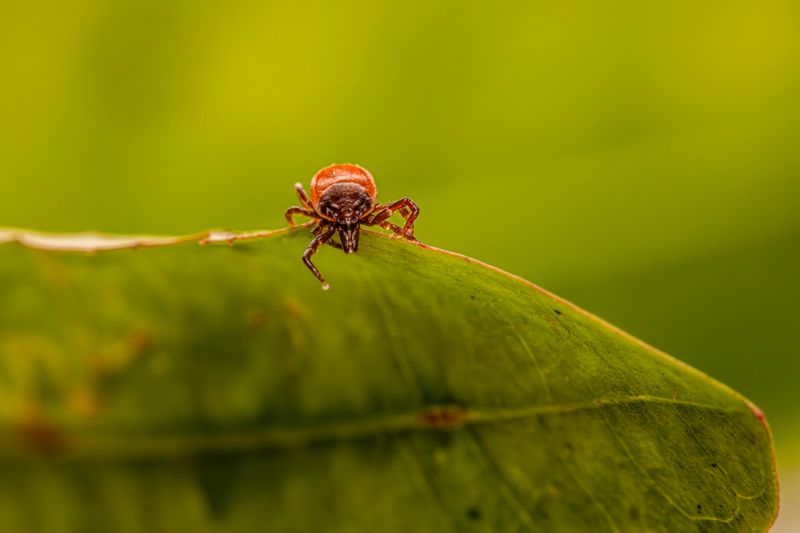
Ticks are thriving in Wisconsin this season partly because people are still underestimating them.
Public awareness campaigns have improved, but prevention habits have not kept pace with the growing risk.
Many families head outdoors every weekend without a single repellent, proper clothing choice, or post-hike check in their routine.
Part of the problem is that tick bites are painless.
Unlike a bee sting or a mosquito bite, you will not feel it happening.
Ticks inject a numbing agent that allows them to feed undetected for days if left unchecked.
Lyme disease transmission usually takes 36 to 48 hours of attachment. Prompt removal is one of the most effective things you can do.
Schools and community health programs have started doing more outreach, but the message is not reaching everyone.
Rural residents often feel they already know the risks and skip prevention steps.
Urban residents frequently assume ticks are a problem only in deep wilderness, not their neighborhood park.
Simple education shifts behavior significantly.
Knowing that nymph-stage ticks are the size of a poppy seed, and therefore nearly invisible, makes people far more diligent about thorough body checks.
Knowing that Lyme disease symptoms can mimic other illnesses helps people seek faster diagnosis and treatment.
Sharing prevention tips with neighbors, talking to kids about body checks before they come inside, and keeping tick removal tools on hand are small actions that build a genuinely safer community.
Awareness, more than anything else, is the most powerful protection available this season.