10 Immediate Steps For A Thriving Cucumber Garden In Illinois
What separates a cucumber vine that delivers all season from one that simply fades out? Illinois growing conditions do not split the difference.
Your soil holds moisture like a sponge one week and cracks like old ceramic the next. Striped beetles do not scout ahead, they show up in numbers and they move fast.
You plant with confidence, you water consistently, you do everything the seed packet suggests, and still the vines struggle before a single fruit sets. No disease.
No drought. Just wrong timing and ignored soil signals. That kind of loss has a way of sticking. So what actually works on Illinois soil, in this climate, with these pest cycles?
Every step in this guide connects directly to how your growing conditions behave, not how a generic gardening chart assumes they do.
Read it once, apply it in order, and your cucumber garden will not recognize itself from last season. The real difference starts right below this line.
1. Only Plant After The Last Frost And In Warm Soil
Cucumbers hate cold feet. Planting too early is one of the most common mistakes Illinois gardeners make, and it can set your whole season back before it even starts.
Cucumbers need soil that has reached at least 60 degrees Fahrenheit, though 70 degrees is even better. In most parts of Illinois, that sweet spot lands somewhere between mid-May and early June.
A soil thermometer costs just a few dollars and can save you weeks of frustration. Stick it about two inches into the ground in the morning for the most accurate reading.
If the number is too low, wait a few more days and check again. The last frost date in northern Illinois typically falls around mid-May, while central and southern areas see it earlier.
Do not trust a single warm day to mean you are in the clear. A late frost can set back young transplants overnight.
Patience here pays off in a big way. Warm soil means faster germination, stronger roots, and plants that get off to a running start.
Give your cucumber garden the warm welcome it needs, and the rest of the season becomes a whole lot easier.
2. Water Deeply Right Away
Shallow watering is a trap. When you sprinkle just the surface, roots stay near the top of the soil where they are vulnerable to heat and drought.
Deep watering pushes moisture down six to eight inches, which encourages roots to follow. Stronger, deeper roots mean a plant that can handle the hot Illinois summers without losing ground.
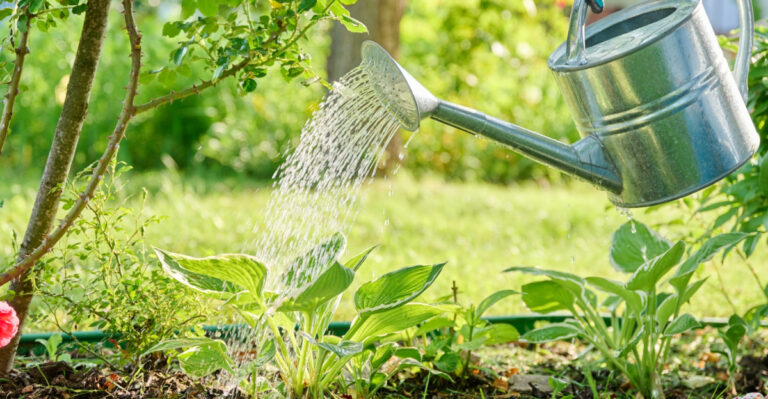
Right after planting, give your cucumber garden a thorough soaking. Do not rush through it. Let the water move slowly and steadily into the soil so it actually reaches the root zone.
Going forward, cucumbers need about one to two inches of water per week. Drip irrigation or a soaker hose works beautifully because it delivers water directly to the base of the plant.
Wet leaves invite fungal problems, so keeping the foliage dry is a smart habit to build early. Morning watering is ideal. It gives the soil time to absorb moisture before the afternoon heat kicks in.
Your Illinois Garden Changes Every Week. Your Plan Should Too.
Gardening in Illinois changes quickly throughout the season. Every Friday you’ll receive a simple weekly plan showing exactly what to plant, prune, fertilize, harvest, and protect so you never miss the right timing.
Avoid watering in the evening since lingering dampness overnight can lead to mildew issues. Consistent moisture is what separates bitter, hollow cucumbers from crisp, flavorful ones.
Get your watering routine locked in from the start, and your plants will reward you generously.
3. Add Compost Or Manure To The Soil Before Planting
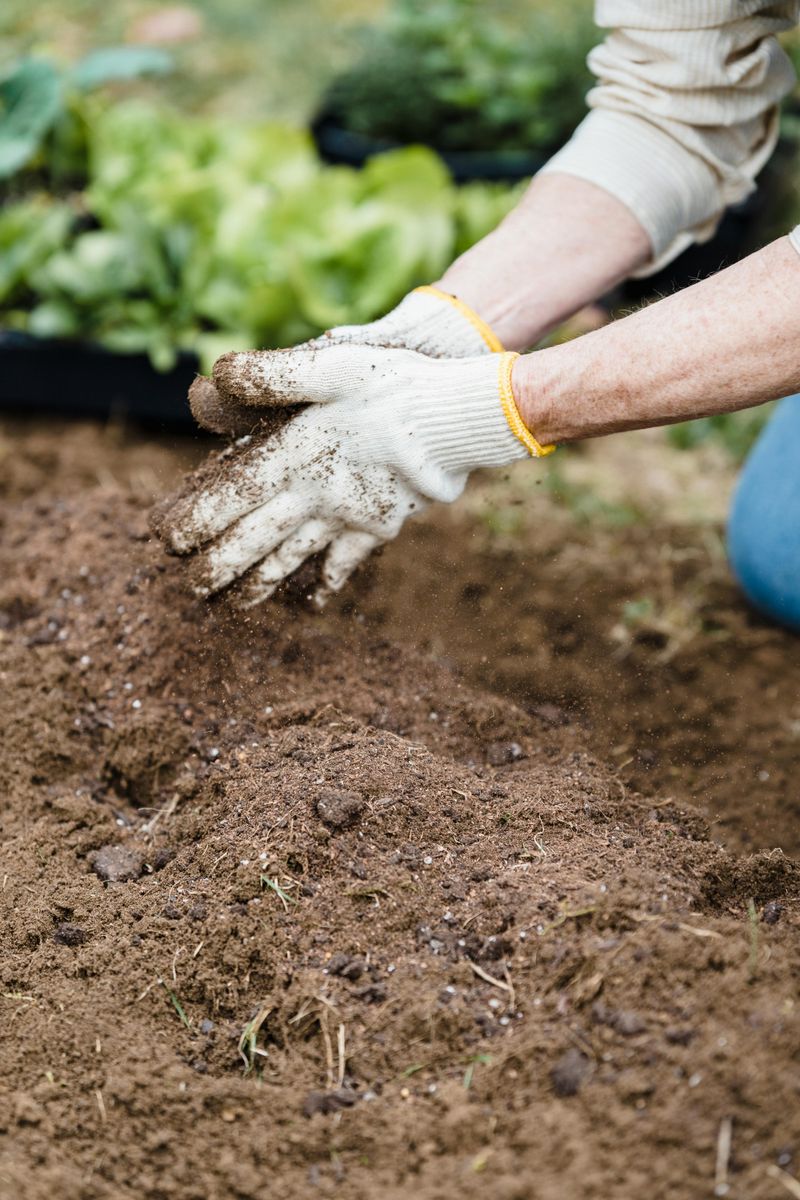
Great gardens start underground. Before a single seed goes into the ground, your soil needs to be loaded with organic matter.
Compost and aged manure are two of the best amendments you can use. They improve drainage, boost nutrient levels, and create the loose, fluffy texture that cucumber roots absolutely love.
Work two to three inches of compost into the top eight to ten inches of soil. This is not just a surface fix.
You want that organic richness spread throughout the root zone so plants can tap into it all season long. Aged cow or chicken manure is another solid choice.
Just make sure it is fully composted before it touches your garden. Fresh manure can burn tender roots and introduce unwanted pathogens into the soil.
Illinois soil varies a lot by region. Northern areas tend to have heavier clay, while central and southern zones often have better loam.
No matter what you are working with, compost improves it. Think of soil prep as an investment with reliable returns.
A few minutes of mixing today means bigger harvests, fewer problems, and healthier plants all the way through the season. Your cucumber garden is only as strong as the ground it grows in.
4. Mulch Around The Plants Immediately
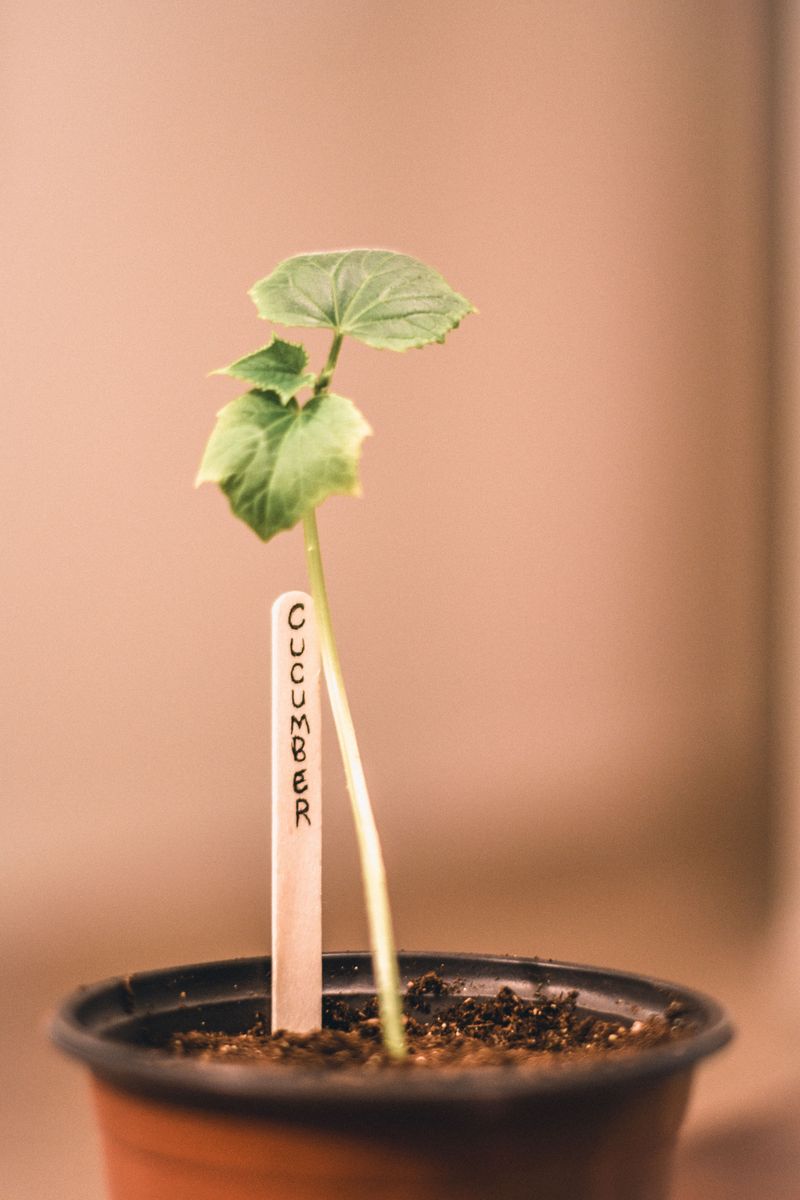
Mulch is one of the most underrated moves in gardening. As soon as your cucumber plants are in the ground, lay down a two to three inch layer of organic mulch around the base.
Straw, shredded leaves, and wood chips all work well. This simple step does several things at once, and every single one of them helps your plants grow stronger.
First, mulch holds moisture in the soil by slowing evaporation. On hot Illinois summer days, that can mean the difference between a thriving plant and a stressed one.
Less water loss means less frequent watering for you too. Second, mulch suppresses weeds. Weeds compete with your cucumbers for nutrients and water.
Keeping them out of the picture from the start gives your plants the full benefit of everything you worked into that soil. Third, mulch regulates soil temperature.
It keeps the ground cooler during heat waves and warmer during cooler nights. That stability is exactly what cucumber roots need to stay productive.
Keep the mulch a few inches away from the base of each stem to prevent rot. Refresh it mid-season if it starts to thin out.
This one habit alone can noticeably improve your cucumber garden from one year to the next.
5. Set Up A Trellis Or Fence Support
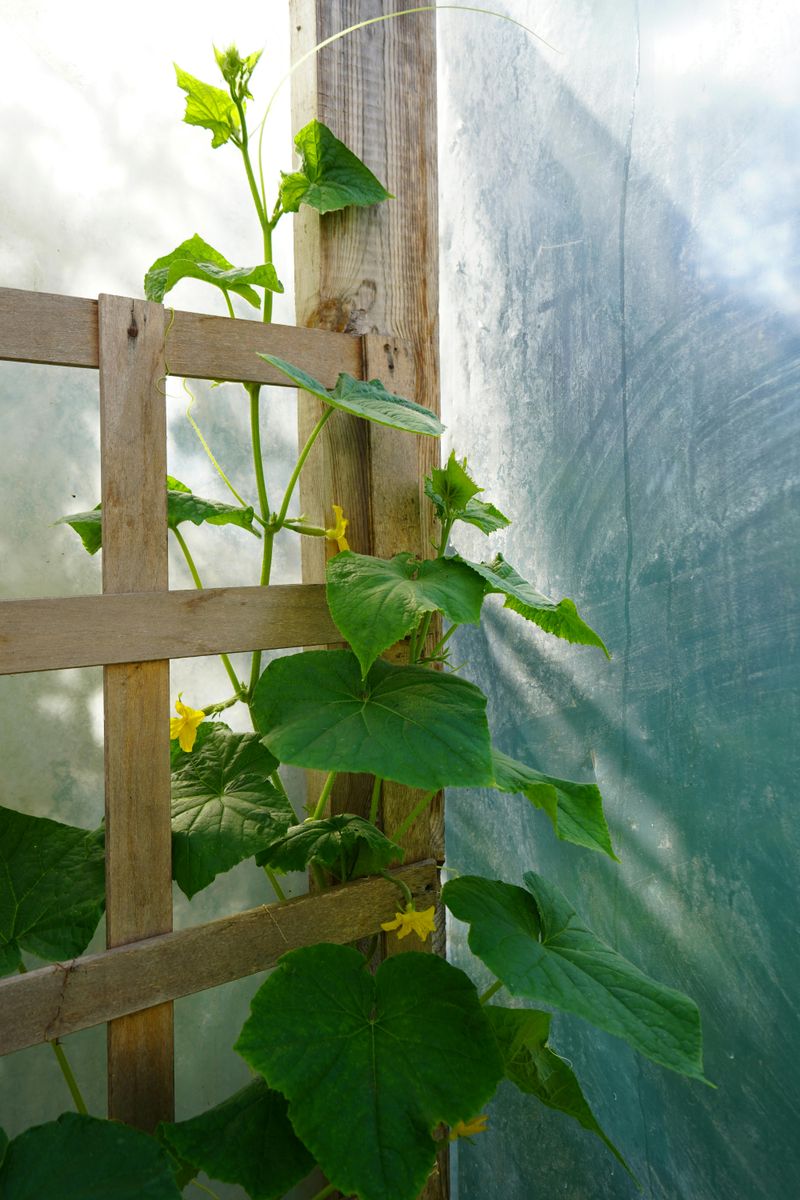
Cucumbers are climbers at heart. Left to sprawl on the ground, vines tangle, fruit rots from sitting in damp soil, and pests find them much easier to attack.
Giving your plants something to climb changes everything. A trellis or fence keeps the vines off the ground, improves air circulation, and makes harvesting a whole lot simpler.
Set up your support structure before or right at planting time. Trying to add it later risks damaging established roots and disrupting the plant.
A simple A-frame trellis, a cattle panel, or even a sturdy fence all do the job well. Aim for a structure that stands at least five to six feet tall.
Cucumber vines are ambitious growers and will fill vertical space quickly. The more room they have to climb, the more fruit they tend to produce.
As vines grow, gently guide them toward the support. Tendrils will latch on naturally, but a little nudge in the right direction early on helps train the plant upward.
Soft garden ties can help secure heavier stems without cutting into them. Vertical growing also makes spotting pest damage and disease much easier.
You can check on your cucumber garden at a glance instead of digging through a tangled pile of vines on the ground.
6. Plant At The Correct Spacing (12 Inches Apart, Rows 5-6 Feet Apart)
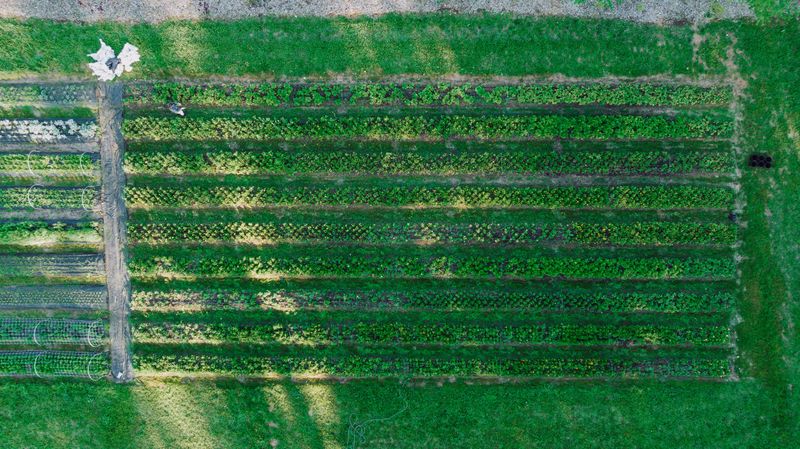
Crowded plants are stressed plants. When cucumbers are packed too close together, they compete for water, nutrients, and sunlight.
Poor air circulation in a dense planting also creates the perfect environment for fungal diseases to spread. Giving each plant enough room is one of the easiest ways to prevent problems before they start.
For trellised cucumbers, space plants about 12 inches apart within each row. Ground-sprawling vining varieties need at least 36 inches between plants to spread without crowding.
For rows, keep them five to six feet apart to allow for vine spread and easy access. This layout might look sparse at first, but those vines will fill in fast once they get going.
Proper spacing also makes maintenance much easier. You can walk between rows to water, check for pests, and harvest without trampling anything.
That kind of access makes a real difference over the course of a long growing season. If you are growing vertically on a trellis, you can tighten the in-row spacing slightly.
Vertical growth reduces the footprint of each plant, so 8 to 10 inches apart can work in those setups. Just keep the row spacing consistent to maintain good airflow.
Marking your spacing with a tape measure before planting takes just a couple of minutes. That small effort upfront leads to a more organized, productive cucumber garden that is easier to manage all season long.
7. Begin Controlling Cucumber Beetles Immediately
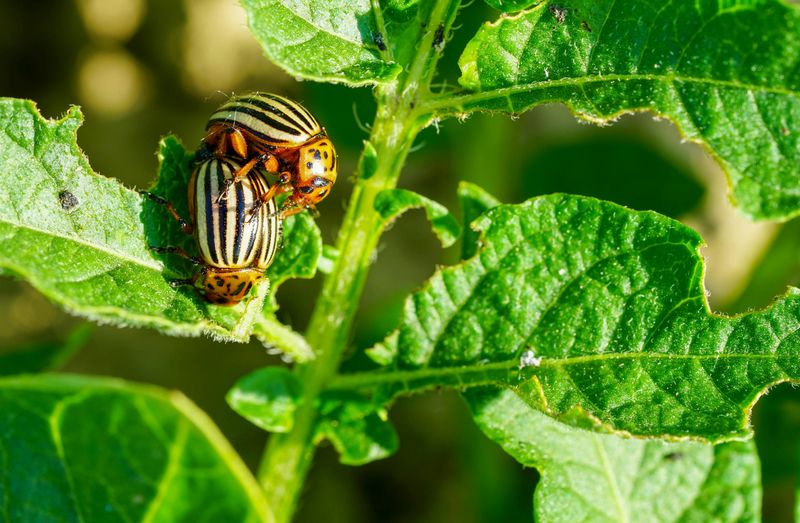
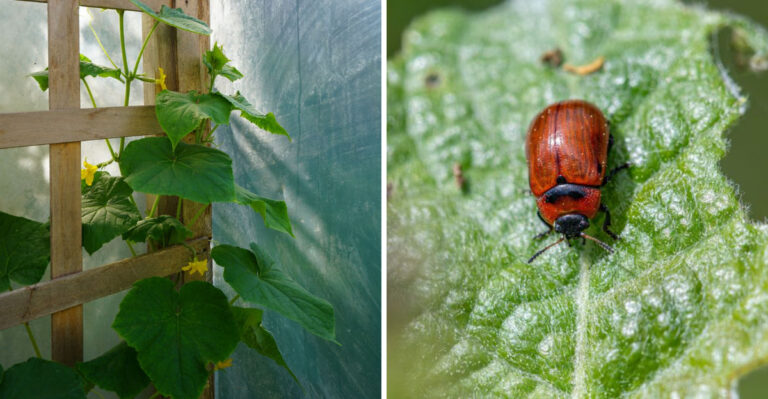
Cucumber beetles are not patient. These striped or spotted insects show up early in the season and can cause serious damage fast.
They chew on leaves, flowers, and fruit, but the bigger threat is the bacterial wilt disease they spread from plant to plant. Once a plant gets bacterial wilt, there is no saving it.
Start checking plants the moment they go into the ground. Look under leaves and along stems for small yellow-green beetles with black stripes or spots.
Early detection makes control much more manageable. Row covers are one of the best defenses during early growth.
A lightweight floating row cover placed over young plants keeps beetles out without blocking sunlight or water. Remove the covers once flowers appear so pollinators can do their work.
Kaolin clay, neem oil, and pyrethrin-based sprays are all options for organic control. Apply them in the early morning or evening to avoid harming beneficial insects.
Repeat applications after rain since most sprays wash off with moisture. Yellow sticky traps can help you monitor beetle populations and catch some before they reach your plants.
Keep the area around your cucumber garden free of weeds and debris where beetles like to shelter. Staying on top of this from day one protects your entire harvest.
8. Plant Seeds At The Right Depth (Half To One Inch Deep)
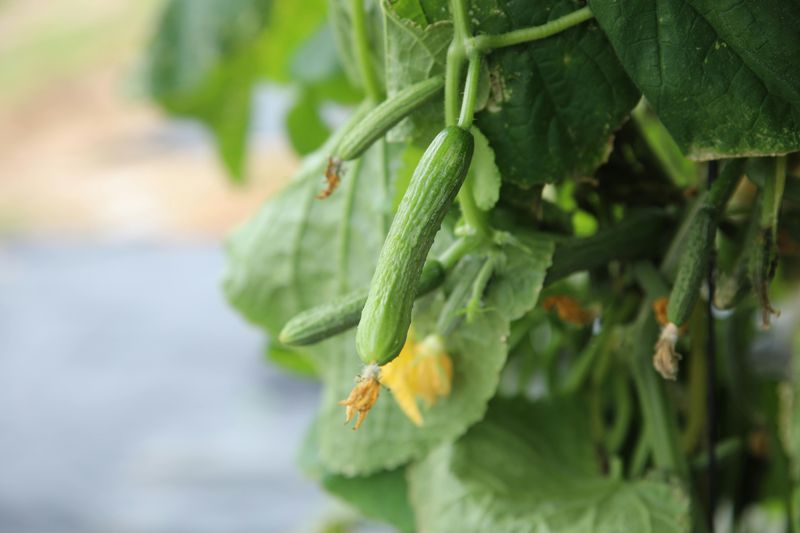
Depth matters more than most people realize. Plant a cucumber seed too shallow, and it dries out before it can sprout.
Plant it too deep, and the seedling runs out of energy before it ever reaches the surface. The sweet spot is half an inch to one inch deep, and hitting that target consistently makes germination far more reliable.
Use your finger or a pencil to create small holes at the right depth before dropping in the seeds. Place one to two seeds per hole to improve your chances of germination.
Once sprouts appear and develop their first true leaves, thin to the strongest plant per spot. Soil temperature plays a big role here too. Seeds planted in soil below 60 degrees will sit dormant or rot rather than sprout.
Plant seeds half to one inch deep in soil at 80 to 90 degrees F. At these temperatures, cucumber seedlings emerge in as few as three to ten days.
After planting, press the soil gently over each seed to ensure good contact. Then water lightly to settle everything in place without washing seeds around.
Avoid heavy watering at this stage since it can shift seeds out of position. Getting this right from the start means less replanting, fewer gaps in your rows, and a more even, productive cucumber garden overall.
9. Choose Disease-Resistant Varieties
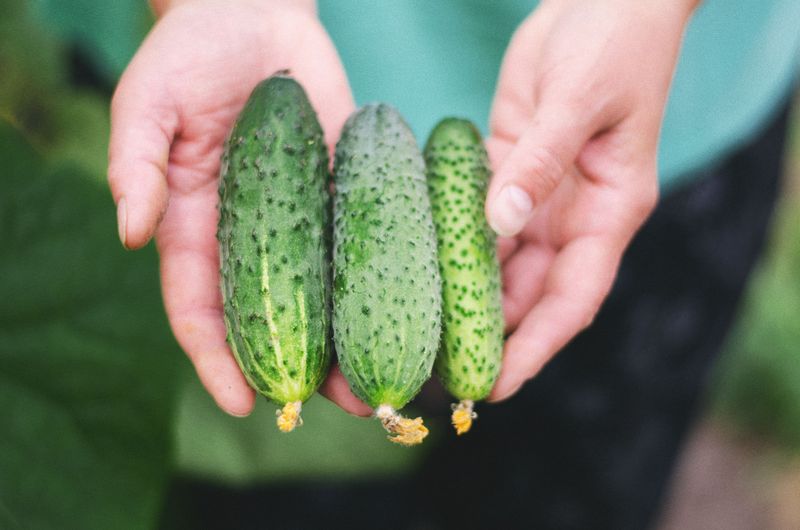
Not all cucumbers are created equal. Some varieties are bred specifically to resist the most common diseases that plague gardens in the Midwest.
Powdery mildew, angular leaf spot, and cucumber mosaic virus are the ones worth paying closest attention to.
Choosing a resistant variety does not mean you can skip other good practices, but it does give your plants a major head start.
Look for disease resistance codes on seed packets. Letters like PM stand for powdery mildew resistance, while CMV means resistance to cucumber mosaic virus.
These codes are not just marketing. They reflect real field testing and breeding work. Some reliable varieties that perform well in the Midwest include Marketmore 76, Straight Eight, and Spacemaster.
Marketmore 76 and Spacemaster carry the strongest disease resistance profiles, while Straight Eight is valued for its consistent yield and mosaic virus tolerance.
For slicing cucumbers, Marketmore is a longtime favorite among home growers for its consistent production and reliable resistance traits. Pickling fans often go for Calypso or National Pickling varieties.
Buy seeds from reputable suppliers who specialize in vegetable varieties suited for Midwestern growing conditions.
Local garden centers and seed companies focused on regional climates tend to stock options that are more likely to succeed in your specific area.
Picking the right variety before you ever touch a shovel is one of the smartest decisions you can make for your cucumber garden this season.
10. Side-Dress With Nitrogen Fertilizer When Vining Begins
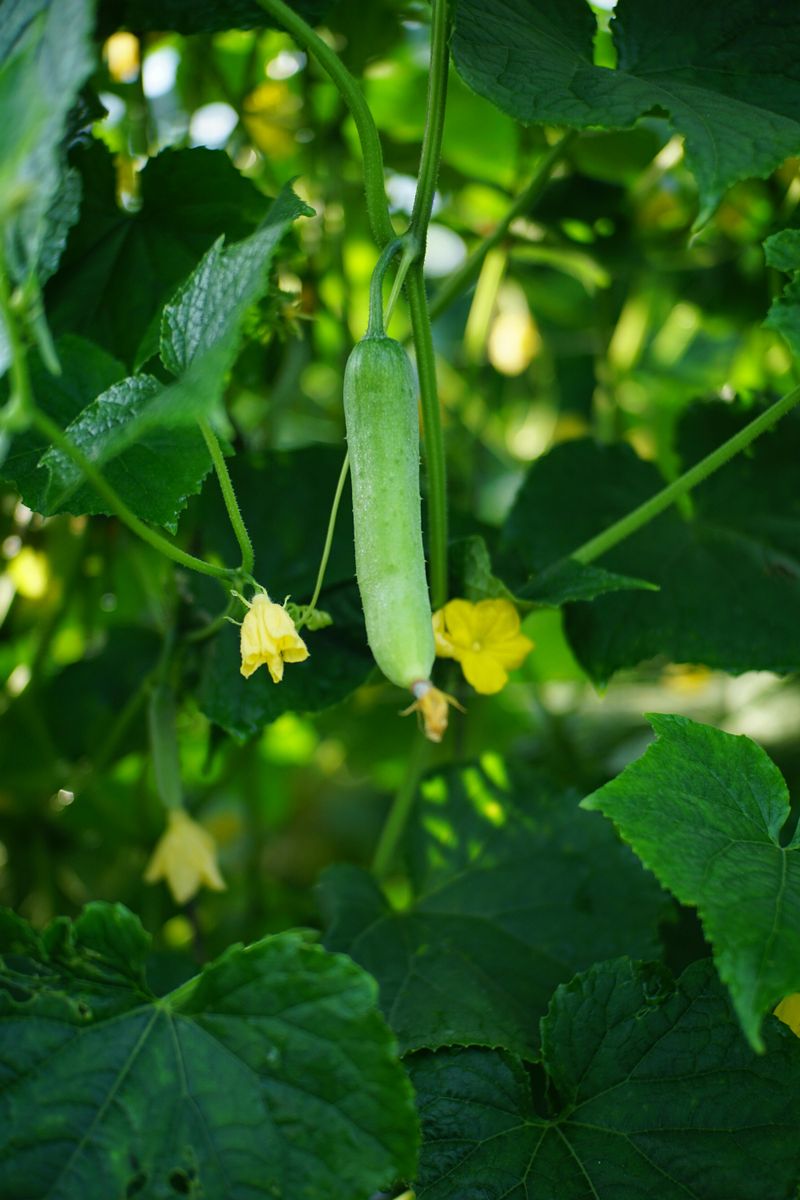
Vining is a signal your plants are hungry. Once your cucumber plants shift from their compact seedling stage and start sending out long, sprawling vines, something important is happening beneath the surface.
They are entering a phase of rapid growth that demands more nutrients. This is exactly the right time to side-dress with a nitrogen-rich fertilizer to keep that momentum going strong.
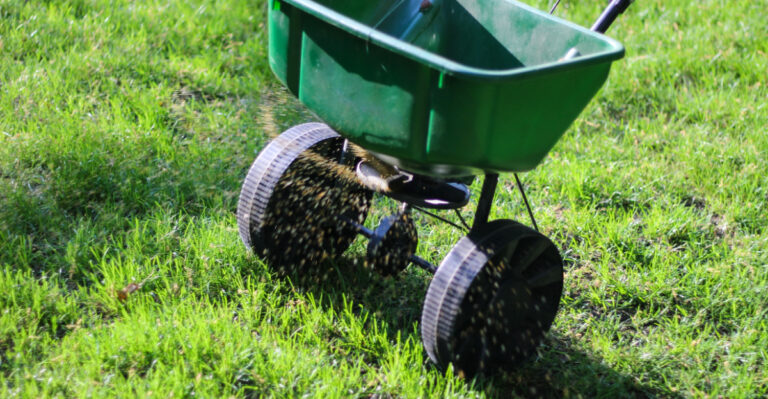
Side-dressing means applying fertilizer alongside the plant rather than directly on top of it. Sprinkle granular fertilizer about four to six inches from the base of each plant and work it lightly into the soil.
Then water thoroughly to help nutrients move down to the root zone. A balanced fertilizer with higher nitrogen content works well at this stage.
Blood meal, fish meal, or a granular 10-5-5 blend are all solid choices. Avoid over-applying since too much nitrogen can push leafy growth at the expense of fruit production.
Repeat the side-dressing every three to four weeks throughout the growing season as long as plants are actively producing. Watch for yellowing leaves as a sign that nitrogen levels may be dropping.
Healthy cucumber plants should have deep green, vibrant foliage. Feeding your cucumber garden at the right moment is the difference between a modest harvest and buckets of crisp cucumbers all summer long.