These Native Florida Palms Handle Storm Season Better Than Queen Palm
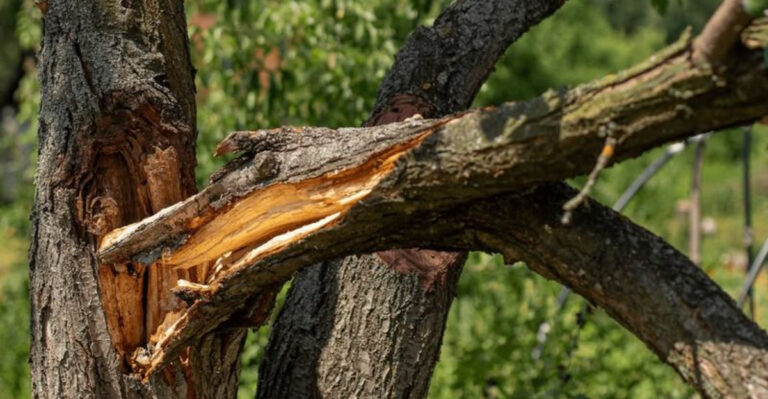
Queen palms are everywhere in Florida and storm season reminds everyone why that is a problem. Fronds down, trunks leaning, cleanup concentrated around a tree that looks tropical and performs poorly when the wind gets serious.
Florida has native palms that handle storm season differently. Root systems built for this soil.
Trunk flexibility developed through generations of actual Florida weather. Structural integrity that queen palms imported from South America never developed here.
The difference after a strong storm is not subtle. One recovers.
The other creates work. A yard planted with the right native palms spends less time on storm cleanup and more time looking the way it did before the weather arrived.
Native palms exist. They belong here.
Queen palm does not.
1. Sabal Palm Earned Its Reputation The Hard Way
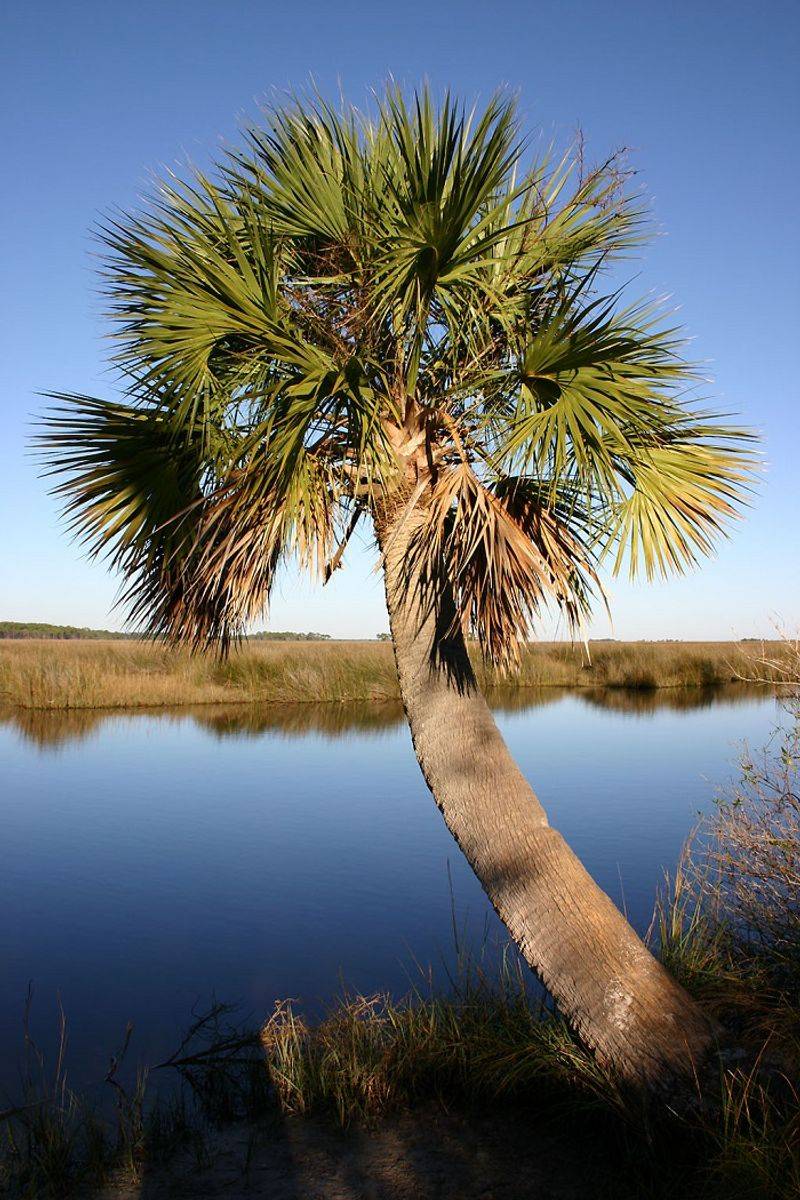
Few trees in the Southeast have been tested by storms as repeatedly as the cabbage palm, Sabal palmetto. UF/IFAS research consistently places it among the top-ranked palms for hurricane wind resistance.
That ranking comes from real-world storm observations collected across decades. Established specimens have stayed upright through major hurricanes that toppled far more exotic species nearby.
Mature cabbage palms typically reach 40 to 60 feet tall with a compact, rounded crown of costapalmate fan leaves. They are native across much of the state, from coastal dunes to inland hammocks, and they tolerate salt spray well.
That wide native range means nursery stock is widely available, and the species adapts to many soil types.
One important distinction: recently transplanted cabbage palms behave very differently from long-established ones. A palm that has had years to anchor deep roots performs far better in high winds than one planted last season.
Healthy green fronds should never be removed before a storm. Stripping live fronds weakens the palm and removes the flexible buffer that helps it shed wind energy naturally.
For open yards, coastal properties, and streetscapes needing a tall native canopy, this palm is a strong choice. Queen palm simply cannot match its documented wind performance or its deep regional roots.
2. Florida Silver Palm Stays Small But Takes Wind Seriously
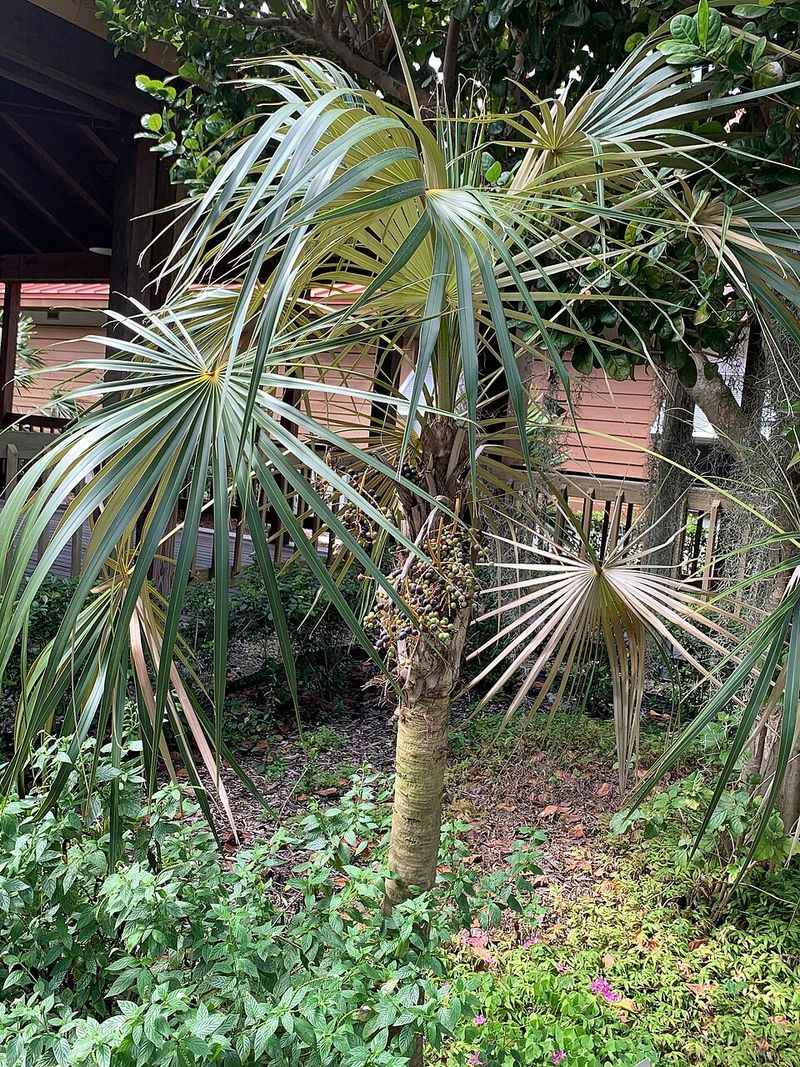
Silvery leaf undersides catch the light in a way that stops visitors mid-step, but Coccothrinax argentata is far more than a pretty accent plant. Research supports its high wind-resistance rating, which is remarkable given its compact stature and slender trunk.
It earns that rating through flexible structure and a small canopy that simply does not catch wind the way a large feathery crown does.
Mature height typically ranges from 15 to 20 feet, which makes it one of the more manageable native palms for residential lots.
Its native range is limited to South Florida and the Florida Keys, so gardeners in central or northern parts of the state should not expect it to thrive.
Full sun and excellent drainage are non-negotiable for this species.
Salt tolerance is strong, making it a solid candidate for coastal South Florida properties where queen palm often struggles with spray damage on top of wind exposure.
Your Florida Garden Changes Every Week. Your Plan Should Too.
Gardening in Florida changes quickly throughout the season. Every Friday you’ll receive a simple weekly plan showing exactly what to plant, prune, fertilize, harvest, and protect so you never miss the right timing.
The slow growth rate means patience is required, but the payoff is a structurally sound tree that fits under power lines and near structures without crowding them.
This palm is not a shade-tree replacement. Its crown is too small for that role.
Think of it as a refined, wind-adapted accent palm suited specifically to sunny, well-drained sites in its native southern range.
3. Key Thatch Palm Brings Coastal Toughness Without Towering Over The Yard
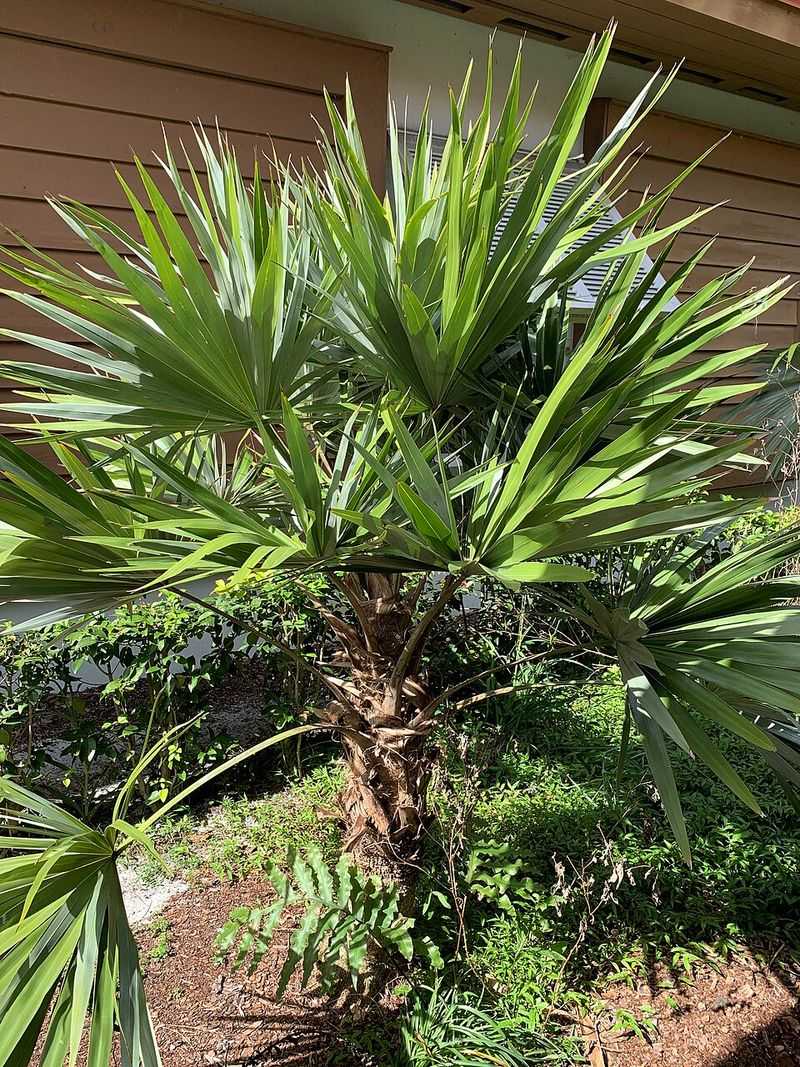
Slender-trunked and quietly elegant, Leucothrinax morrisii has been recognized under several former names, including Thrinax morrisii, so always confirm current taxonomy when sourcing plants.
What stays consistent across the research is its strong performance in coastal and wind-exposed conditions.
The fan leaves flex well under pressure, and the modest canopy avoids the sail effect that plagues taller, wider-crowned palms.
Mature specimens generally reach 15 to 20 feet, keeping the profile low enough to work comfortably near single-story structures. Native to the Florida Keys and nearby coastal areas, it thrives in full sun, excellent drainage, and high-salt environments.
Limestone-based soils suit it well, which aligns naturally with the rocky coastal terrain of its home range.
Nursery availability can be limited compared to more commercial species, so sourcing from a reputable native plant nursery may take some planning. Do not confuse this species with Thrinax radiata, the Florida thatch palm.
It is a related but distinct species with different characteristics and a slightly different native range. Queen palm owners dealing with repeated storm frond loss in coastal yards often find this species a more sensible long-term replacement.
Its combination of salt tolerance, compact height, and wind adaptability makes it a genuinely practical choice for exposed southern coastal sites.
4. Florida Thatch Palm Bends With Storms Queen Palms Struggle Through
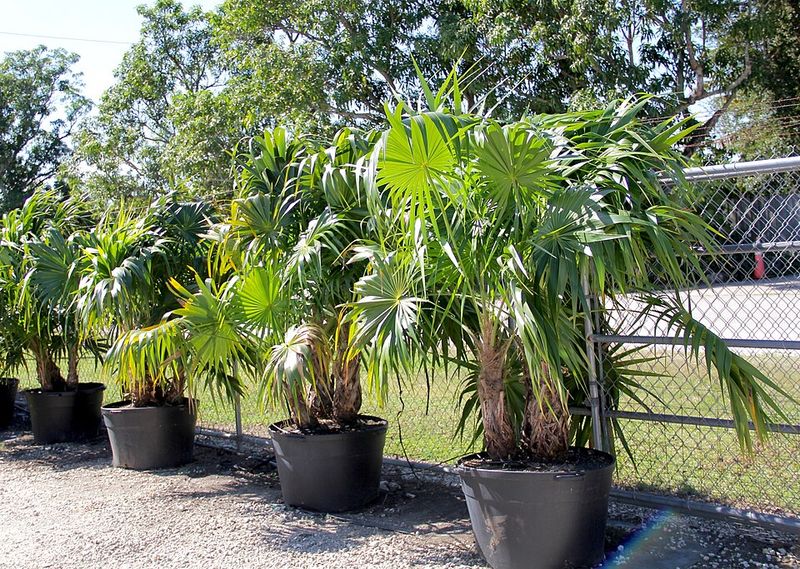
A rounded crown of bright green fan leaves sits atop a narrow, graceful trunk, and that combination turns out to be genuinely well-suited to storm-season stress.
Thrinax radiata carries a high wind-resistance ranking in UF/IFAS evaluations, placing it well above queen palm in documented storm performance.
Its structure bends and recovers rather than snapping under pressure.
Mature height typically falls between 20 and 30 feet, which is meaningfully shorter than a mature queen palm. That difference in scale reduces the leverage that strong winds can apply to the root system.
Native to coastal South Florida and the Keys, it thrives in full sun, well-drained soils, and salty air, conditions that match many storm-exposed coastal yards perfectly.
Salt tolerance is strong, and the species handles the harsh combination of wind and spray that coastal sites deliver during tropical weather. No palm survives every storm without any damage, and Thrinax radiata is no exception.
Frond loss and minor crown damage can still occur in severe events.
Keep this species distinct from Key thatch palm, which is a separate species with its own characteristics. For South Florida homeowners replacing a repeatedly storm-damaged queen palm, this native offers a more proportionate alternative.
Its wind-adapted form fits comfortably into coastal residential landscapes.
5. Royal Palm Can Lose Its Crown Of Fronds And Still Come Back Strong
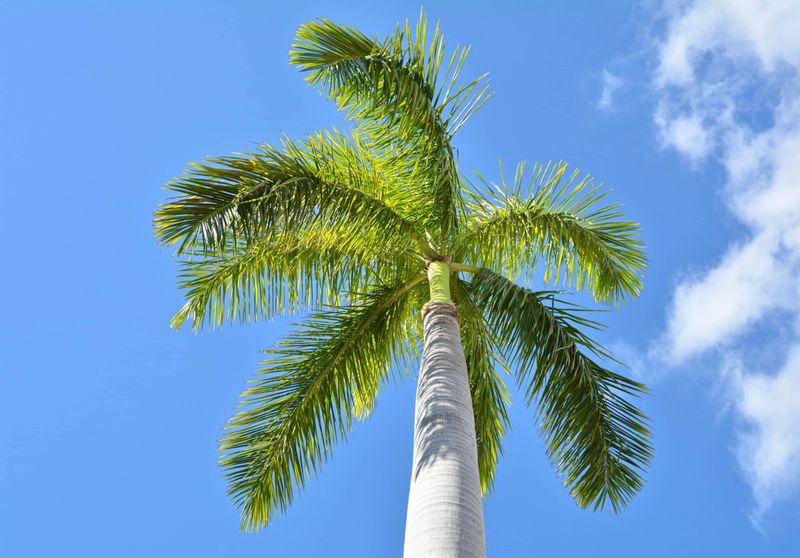
Towering and unmistakable, Roystonea regia creates one of the most dramatic silhouettes of any palm in the Americas. Hurricane research suggests it performs better than queen palm in high winds, though it does not belong in the top tier of wind-resistance rankings.
Its massive, smooth trunk and deep root system give it structural advantages that the shallower-rooted queen palm cannot match.
Mature royal palms commonly reach 60 to 80 feet or taller, with a trunk diameter that can exceed two feet. That size demands enormous clearance, both vertical and horizontal.
Falling fronds from this height carry significant weight and momentum. Placement near driveways, parking areas, pedestrian paths, or outdoor living spaces therefore requires serious thought.
Native to South Florida and Cuba, the royal palm needs full sun, reasonable drainage, and room to grow without obstruction.
It is not a palm for small or narrow yards, and tight spaces near structures create long-term maintenance and safety challenges regardless of storm season.
The ability to shed its entire canopy during a severe storm and then produce new fronds afterward is one of the more striking aspects of this species. That recovery capacity is part of what separates it from queen palm in storm discussions.
Space, planning, and patience are the real requirements for growing it well.
6. Paurotis Palm Spreads The Risk Across A Whole Clump
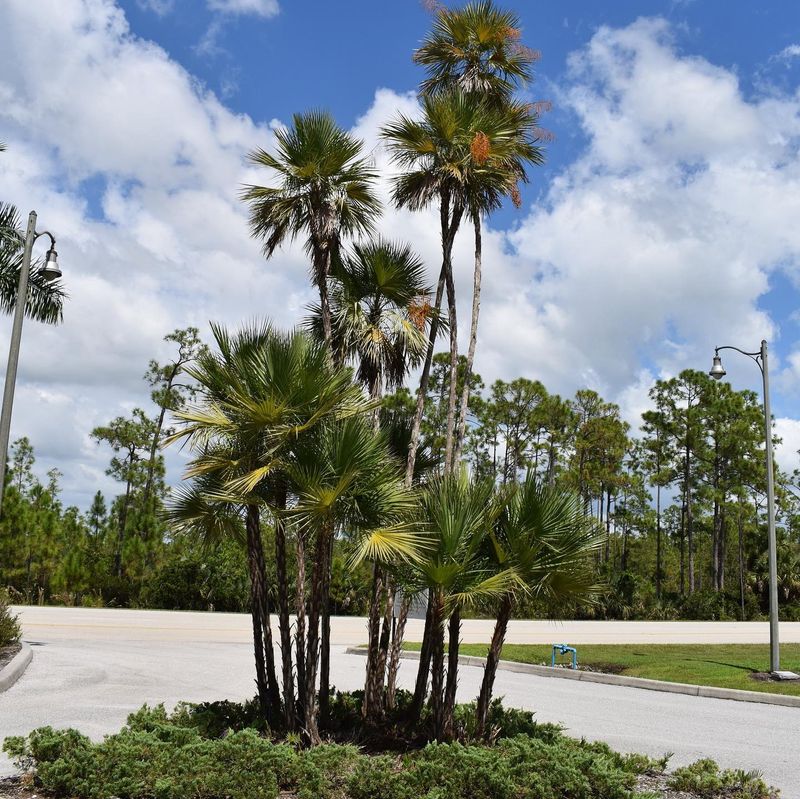
Rather than sending one tall trunk skyward, Acoelorrhaphe wrightii grows as a dense, multi-stemmed clump. That creates a very different structural profile from a single-trunk queen palm.
When strong winds arrive, energy is distributed across many stems instead of concentrated at one central point. That spreading habit does not guarantee superior storm performance, but it does change how the plant responds to wind load in practical terms.
Mature clumps can reach 15 to 25 feet tall and spread just as wide or wider over time. This species is native to South Florida wetlands and tolerates standing water far better than most palms, which makes it useful in low-lying areas where drainage is poor.
Full sun brings out the best growth, and the fan leaves have a blue-green tone that adds texture to large landscapes.
The leaf stalks carry sharp teeth along their edges, so wear gloves and long sleeves when working near established clumps. That physical characteristic also means placement near walkways, play areas, and pet runs needs careful thought.
A mature clump needs substantial open space to develop naturally without crowding structures or neighboring plants.
No direct head-to-head hurricane comparison with queen palm exists in the current published literature. What is clear is that the clumping form and wetland adaptability make it a structurally distinct option for large, open, wet-tolerant sites in its native range.
7. Saw Palmetto Keeps Storm Exposure Close To The Ground
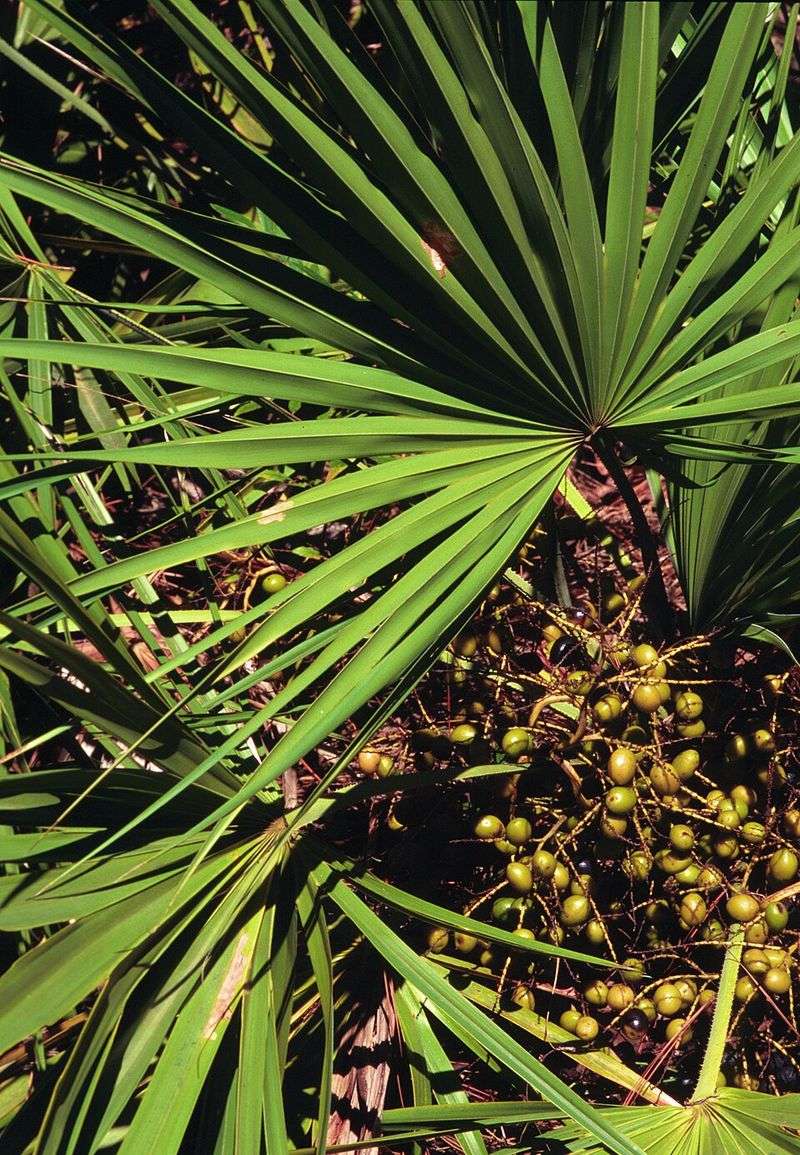
Growing low and wide across sandy, sun-baked ground, Serenoa repens takes a fundamentally different approach to surviving tough conditions.
Its height rarely exceeds six to ten feet above the ground, and many specimens stay even lower, with trunks that creep along the soil surface.
That short stature simply removes the exposure that makes tall palms vulnerable during strong storms.
Calling that a hurricane-survival statistic would overstate the case. The honest explanation is straightforward: a plant that stays close to the ground faces less wind force than a 40-foot canopy.
Drought tolerance, salt tolerance, and adaptability to poor sandy soils make it genuinely tough across a wide range of site conditions.
Both silver-leafed and green-leafed forms exist, giving designers some flexibility in color palette. The species spreads widely through underground stems, forming colonies that can reach 10 feet or more across over many years.
Narrow planting beds and tight borders are not suitable sites for this plant. Give it open, sunny space and it will thrive with minimal care.
Compared to queen palm, saw palmetto requires almost no storm preparation and leaves almost no storm debris. There are no heavy fronds to fall on cars or rooftops.
For homeowners wanting a tough, low-maintenance native ground-level palm, it fills a role that no tall canopy palm can replicate.
8. Needle Palm Trades Towering Height For A Tough Compact Frame
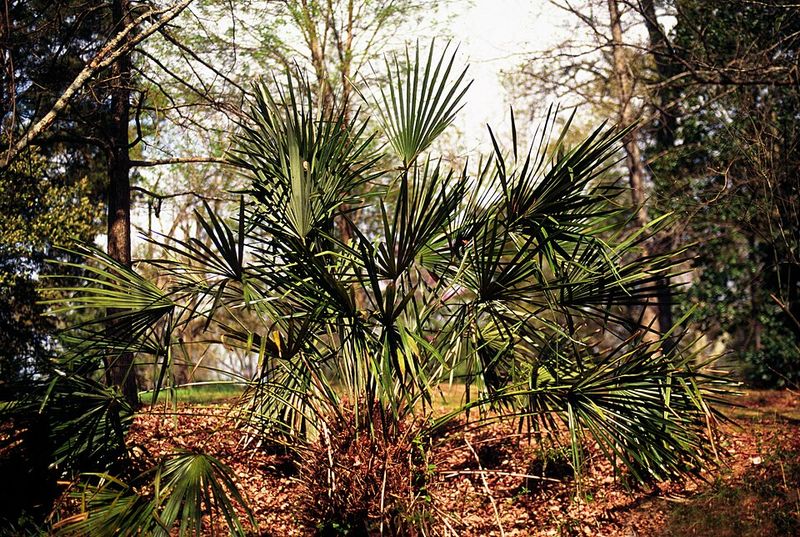
Sharp, dark needles up to a foot long surround the base of this palm’s trunk like a natural fortress wall. That feature alone says something about how tough Rhapidophyllum hystrix is built.
Native to the southeastern United States, including parts of northern and central region, it is one of the most cold-hardy palms in the world. That range and hardiness set it apart from the South Florida specialists listed earlier in this article.
Mature height stays between four and six feet in most landscapes, though the spread of fan leaves can reach eight feet or wider. That compact, clumping form keeps the entire plant well below the wind forces that damage taller palms.
No published head-to-head hurricane comparison with queen palm exists for this species. However, its low stature and flexible fan leaves work in its favor during strong wind events.
Shade tolerance is notable, making it one of the few palms that performs reasonably well under a forest canopy or on the north side of a structure.
Moist to moderately wet soils suit it well, though it adapts to average landscape conditions with supplemental irrigation during establishment.
The needles around the trunk create real placement concerns near footpaths, play areas, and anywhere pets or children roam. Choose the site carefully.
The best storm palm is always the one that fits the space, the soil, and the people using the yard.