This Is How Florida Gardeners Keep Bougainvillea Blooming Nonstop Through Summer
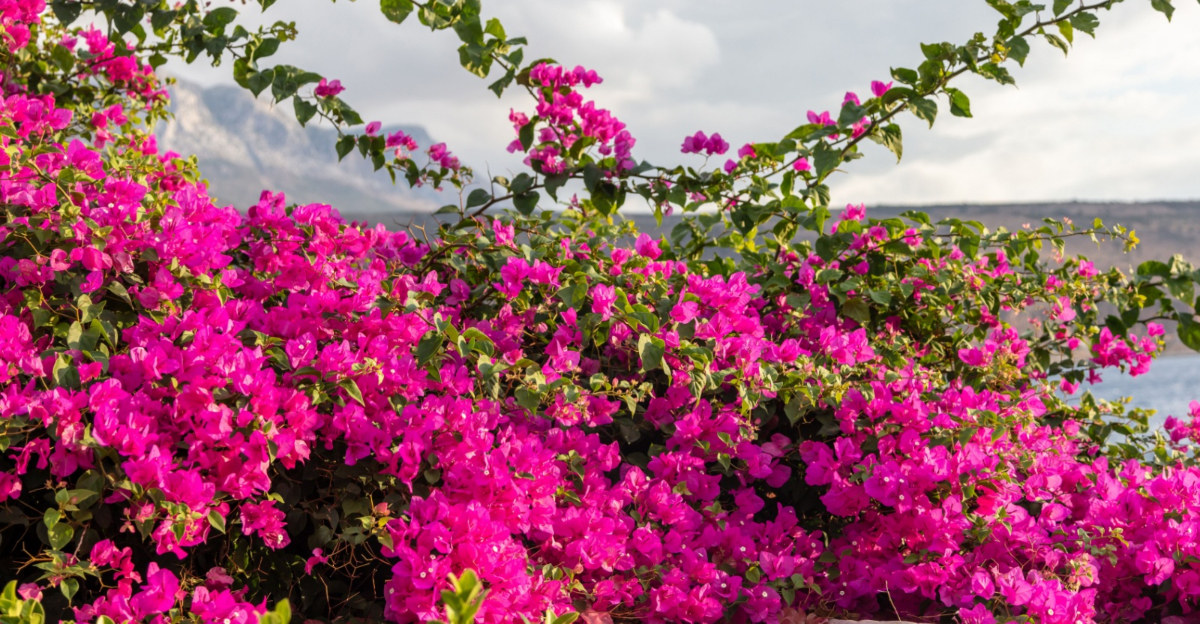
There is a reason bougainvillea shows up on fences, trellises, patios, and containers all across Florida every summer. When this plant is happy, it puts on a color display that is genuinely hard to beat.
Vivid magenta, fiery orange, classic red, crisp white, bougainvillea commits to the moment in a way that makes a landscape feel alive and intentional.
Getting to that point though, and keeping it there through Florida’s intense summer heat and seasonal rain, takes a little more care than most people expect.
Watering habits, fertilizer choices, and pruning timing all play a bigger role than they might seem, and getting any of them slightly off can send the plant into full leafy green mode instead of the colorful show you were hoping for.
A few key details make all the difference.
1. Give It As Much Full Sun As Possible
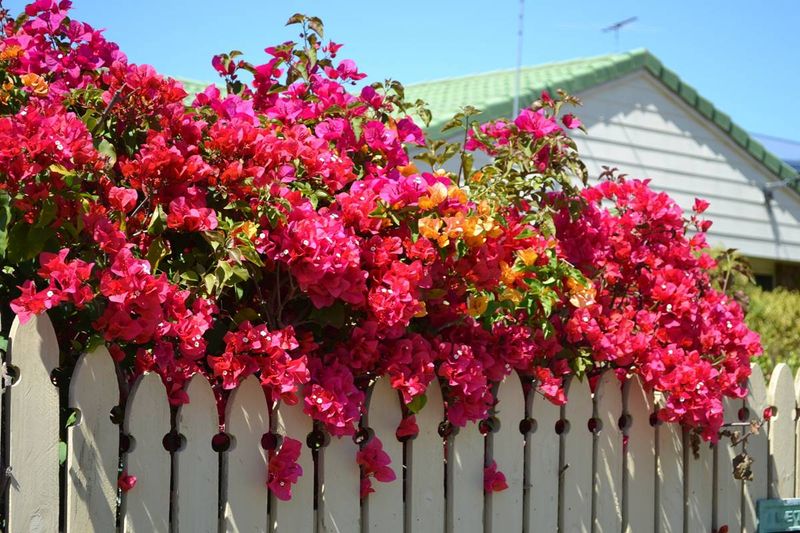
Strong summer sun is one of the biggest reasons bougainvillea can look so spectacular in Florida landscapes.
This plant genuinely thrives in full sun, meaning at least six hours of direct sunlight each day, and it tends to perform at its best when it gets even more than that.
In long summer days, a south- or west-facing spot along a fence, wall, or open bed gives bougainvillea the light it craves.
When bougainvillea doesn’t get enough sun, it puts energy into growing leaves rather than producing colorful bracts.
A plant tucked under a large tree, crowded by other shrubs, or placed on a shaded patio may stay green and healthy-looking but produce far less color.
Moving it to a brighter spot, even just a few feet away, can sometimes make a noticeable difference over a few weeks.
Container-grown bougainvillea has an advantage here because pots can be repositioned to follow the sun or moved away from structures that cast afternoon shade. For in-ground plants, the best approach is to choose a planting location carefully from the start.
South Florida gardeners tend to have an easier time meeting bougainvillea’s sun requirements simply because of the region’s intense and reliable sunlight through the summer months.
2. Let The Soil Stay A Little Dry Between Waterings
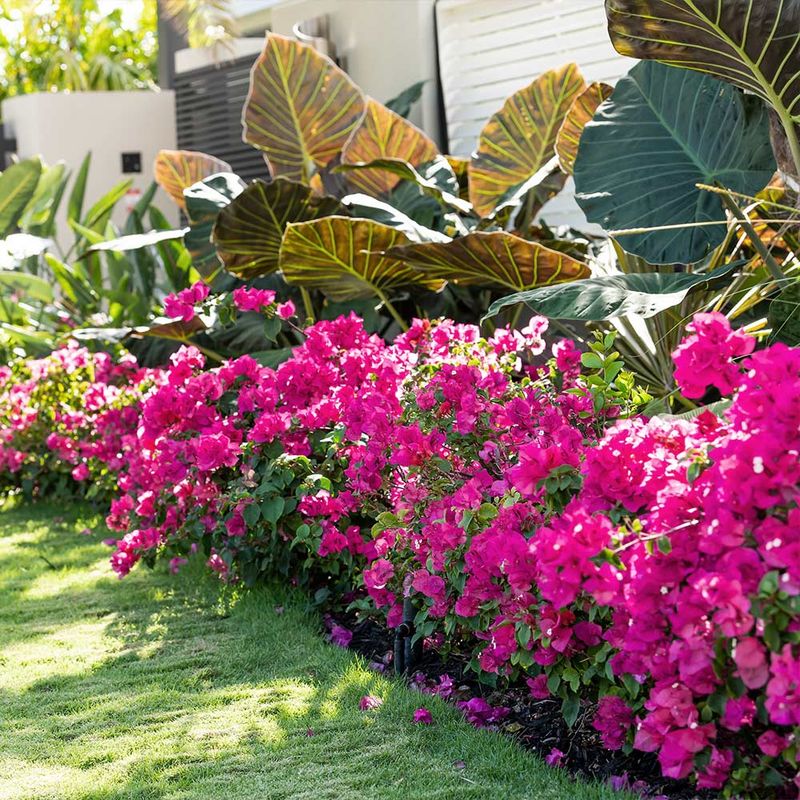
One of the most counterintuitive things about bougainvillea care is that letting the soil dry out a bit between waterings can actually encourage better flowering.
Many gardeners assume that more water equals healthier plants, but bougainvillea tends to respond to mild water stress by pushing out more colorful bracts.
It’s a tough plant that evolved in dry coastal conditions, and it carries that drought-tolerant character into Florida landscapes.
When the root zone stays consistently moist, bougainvillea often shifts its energy toward leafy growth rather than blooming. Checking soil moisture before reaching for the hose is a simple habit that can make a real difference.
If the top two inches of soil still feel slightly damp, the plant likely doesn’t need water yet.
Container-grown bougainvillea dries out faster than plants in the ground, especially during hot summer months when temperatures climb and evaporation speeds up.
Your Florida Garden Changes Every Week. Your Plan Should Too.
Gardening in Florida changes quickly throughout the season. Every Friday you’ll receive a simple weekly plan showing exactly what to plant, prune, fertilize, harvest, and protect so you never miss the right timing.
Pots in full sun may need more frequent attention, but the goal is still to let the mix dry somewhat between waterings rather than keeping it constantly wet.
For in-ground plants in Florida’s sandy soils, drainage is usually good enough that overwatering from a garden hose is less of a concern than overwatering from automatic irrigation systems running on a fixed schedule.
3. Avoid Overwatering During Summer Rain
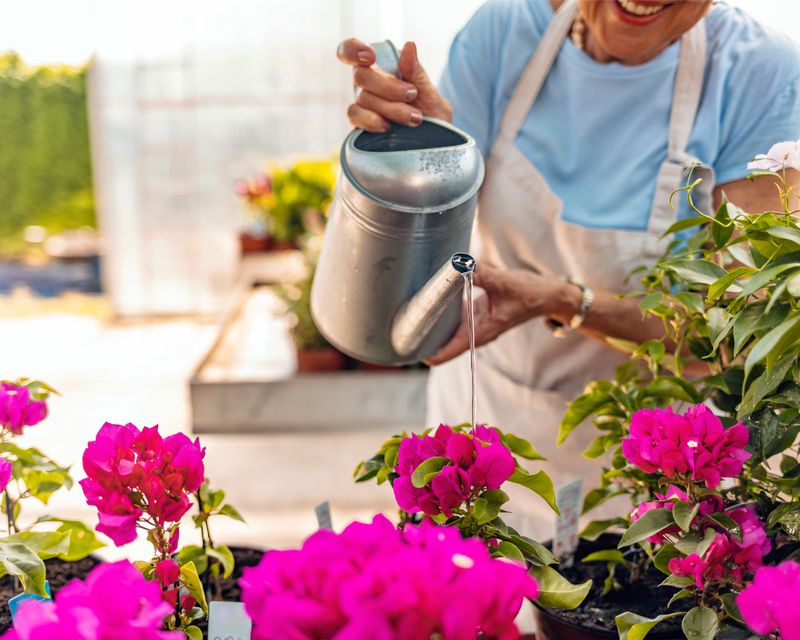
Florida’s rainy season brings daily afternoon showers that can drop a significant amount of water in a short time.
For bougainvillea, this creates a situation where the plant may be getting far more moisture than it needs, especially if automatic irrigation systems are still running on their regular schedule.
Wet roots for extended periods can contribute to reduced flowering and other performance issues.
Checking the soil a day or two after a heavy rain before turning irrigation back on is one of the smartest habits a gardener can develop.
Many irrigation controllers now offer rain sensors or smart scheduling features that pause watering after significant rainfall, which can be genuinely helpful for plants like bougainvillea that prefer drier root conditions.
Poorly aimed sprinkler heads are another common issue. When irrigation spray hits the base of the plant repeatedly, it can keep the root zone wetter than rainfall alone would.
Adjusting sprinkler heads so they water surrounding turf or beds without soaking the bougainvillea directly is worth checking during the rainy season.
South and Central Florida gardeners especially deal with this overlap of irrigation and rain from June through September.
Being attentive to actual soil moisture rather than sticking to a fixed watering calendar can help bougainvillea stay in better shape through the season.
4. Plant Or Grow It In Well-Drained Soil
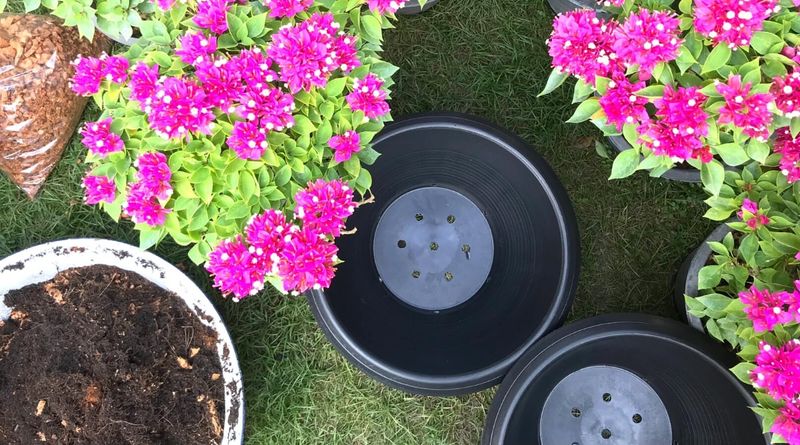
Drainage might be the single most important soil factor for bougainvillea success in Florida.
This plant is well-suited to sandy soils that many gardeners find frustrating for other plants, because those soils tend to drain quickly and don’t hold excess moisture around the roots.
In areas with heavier or poorly draining soil, bougainvillea can struggle even when everything else about its care seems right.
Raised beds and mounded planting areas are popular solutions in parts of Florida where the water table sits high or where clay layers slow drainage.
Growing bougainvillea in containers with drainage holes is another reliable option, especially for gardeners who want more control over the root environment.
A coarse, well-draining potting mix works better in containers than standard garden soil, which can compact and hold too much moisture over time.
Low spots in the yard where water pools after rain are not suitable planting sites for bougainvillea, no matter how sunny the location is. Even a short period of standing water around the roots during heavy summer rains can set a plant back significantly.
When selecting a site, it helps to observe how quickly water drains after a rain event before committing to planting.
Good drainage supports the slightly dry root conditions that bougainvillea prefers and can make a meaningful difference in how colorful the plant stays through summer.
5. Prune At The Right Time
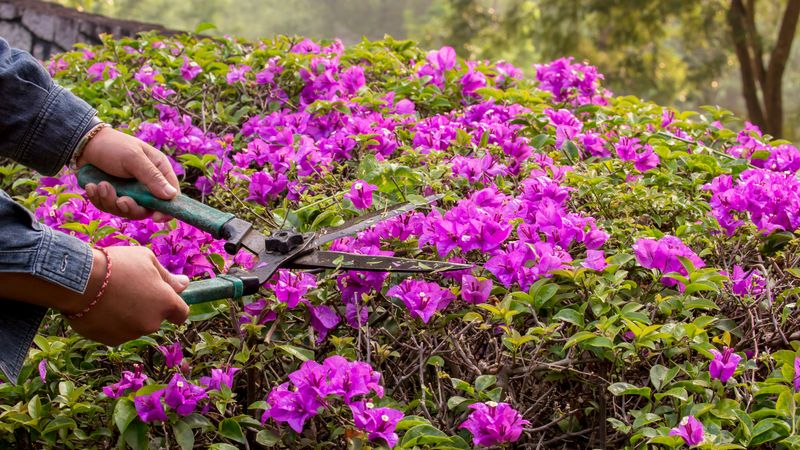
Timing a prune on bougainvillea matters more than most gardeners realize.
Cutting at the wrong point in the season can remove the new growth where flowering bracts develop, which means the plant may spend weeks or months putting out leaves before it cycles back to color.
Late winter or early spring, after a flush of flowering has passed, is generally considered a reasonable window for more significant pruning.
The beginning of Florida’s rainy season is another time some gardeners choose to prune, since the plant tends to respond to increased moisture with vigorous new growth.
Pruning just ahead of that growth period can help shape the plant while allowing it to push new flowering wood as the season progresses.
That said, results can vary depending on cultivar, plant maturity, and how established the root system is.
Pruning in late summer or early fall is worth approaching with more caution.
Cuts made during that window can remove growth that would have supported flowering later in the year, including the winter color display that many South Florida gardeners look forward to.
If the goal is to keep color coming through as much of the year as possible, being thoughtful about when cuts are made is just as important as how much is removed.
Bougainvillea is a forgiving plant in many ways, but pruning timing genuinely affects the flowering cycle.
6. Trim Lightly Instead Of Pruning Too Often
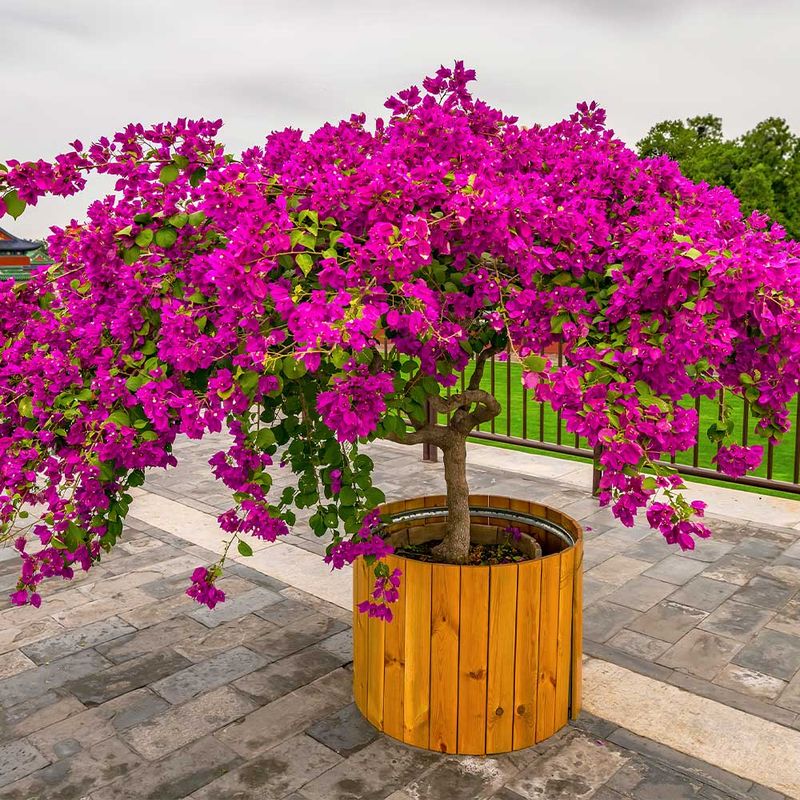
Reaching for the pruners every few weeks might feel like good plant maintenance, but with bougainvillea, frequent cutting can actually work against the flowering you’re hoping to see.
Every time new growth is removed, the plant has to start over building the stems and shoot tips where bracts eventually form.
Cutting too often keeps the plant in a constant state of recovery rather than allowing it to reach the stage where it blooms.
Light trimming to manage size, remove crossing branches, or neaten up the shape is fine and can be done periodically without causing major setbacks. The key difference is between shaping a plant and repeatedly cutting it back hard.
Heavy, frequent pruning is one of the more common reasons Florida gardeners end up with a lush green bougainvillea that produces very little color through summer.
For container plants on patios or poolside areas, light trimming is often enough to keep growth manageable without interrupting the bloom cycle.
For larger in-ground plants growing along fences or walls, letting new growth extend and mature before cutting tends to reward gardeners with more consistent color.
Bougainvillea bracts appear on newer wood, so the general idea is to allow that wood to develop rather than trimming it away before it has a chance to flower. Patience between pruning sessions often pays off in more vibrant summer color.
7. Go Easy On Fertilizer
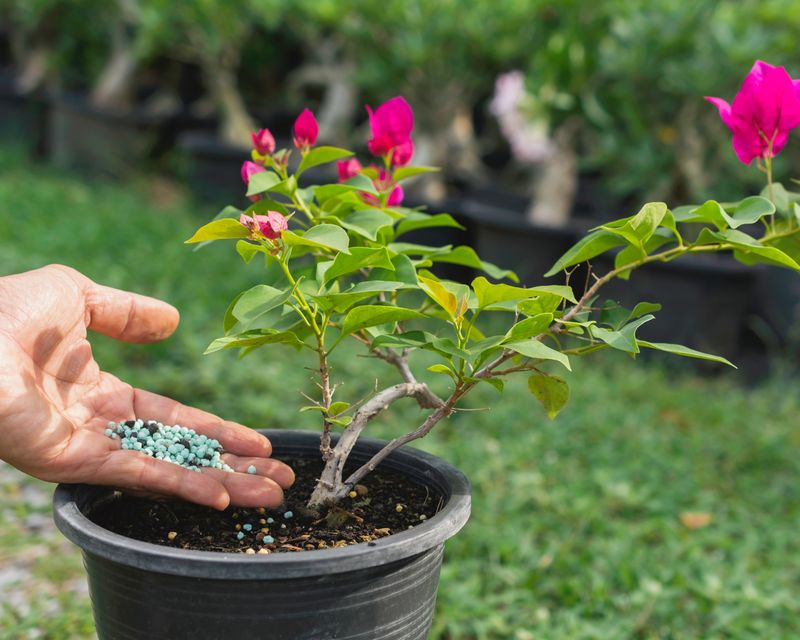
Fertilizer is one area where more is not better when it comes to bougainvillea.
High-nitrogen fertilizers push plants toward lush, leafy green growth, and while that might sound appealing, it often comes at the expense of the colorful bracts most gardeners are after.
A plant that’s been given too much nitrogen can look full and healthy while producing very little flower color through summer.
Fertilizers formulated with a lower nitrogen ratio and higher phosphorus or potassium content are sometimes used by gardeners who want to encourage flowering in bougainvillea.
Using any fertilizer according to label directions and the plant’s actual condition is a reasonable approach.
Florida also has local fertilizer ordinances in many counties that restrict certain applications during the rainy season, so it’s worth checking what applies in your area before fertilizing.
Container-grown bougainvillea may benefit from occasional feeding since nutrients can leach out of pots faster than from in-ground beds, especially with Florida’s summer rainfall and frequent watering.
However, even for container plants, applying fertilizer conservatively tends to produce better flowering results than heavy or frequent feeding.
In-ground bougainvillea that is well-established in Florida’s sandy soils often needs less supplemental fertilizer than gardeners expect.
Letting the plant experience a little nutrient restraint, rather than feeding on a rigid weekly or monthly schedule, can help shift its energy toward blooming rather than growing more leaves.
8. Train It Onto A Fence, Trellis, Or Shrub Form
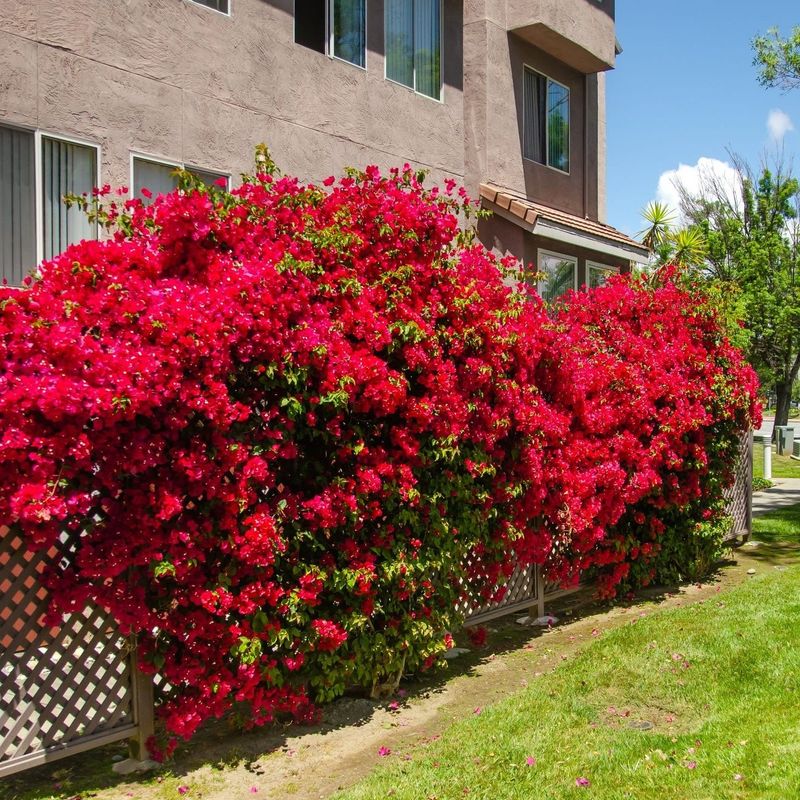
Bougainvillea is a naturally vigorous, scrambling plant that benefits from some guidance about where to grow. Left completely on its own, it can sprawl in multiple directions, become tangled, and be harder to manage over time.
Training it onto a fence, trellis, or wall gives it structure, improves airflow around the stems, and makes the display of colorful bracts far more visible and enjoyable in a Florida landscape.
Tying stems loosely to a fence or trellis as they grow encourages the plant to cover a surface more evenly rather than bunching in one area.
In South Florida, where bougainvillea can grow vigorously year-round, regular guidance during the growing season helps keep the plant looking intentional rather than overgrown.
Along pool areas, patios, and entryways, a well-trained bougainvillea can become one of the most striking features in the landscape.
Shrub-form bougainvillea, which is pruned and shaped to stay more compact and bushy rather than climbing, is another option that works well in Florida foundation plantings and sunny beds.
Espalier-style training against a wall or fence is also popular in warmer Florida regions.
Whichever form you choose, training supports better structure and display, but it works best when combined with the right sun exposure, drainage, and watering habits.
Training alone won’t make a shaded or overwatered bougainvillea bloom more reliably through summer.