The Native Flowering Plant You’ll See In More And More Texas Yards
Some plants win people over fast. They bring bright color, handle tough conditions, and make a yard feel more alive without needing constant attention.
In Texas, that kind of plant is becoming more popular with homeowners who want something cheerful, reliable, and well suited to the heat. A flower that can look good without acting fussy is always going to stand out.
That helps explain why Texas lantana is showing up in more yards across the state. This native flowering plant adds bold color to garden beds, borders, and front yard plantings while holding up well in hot, sunny conditions.
Its clusters of blooms last for months, and its rugged nature makes it a natural fit for Texas landscapes that need beauty without extra work. It also attracts pollinators, which gives it even more value.
For gardeners who want long-lasting color, local charm, and a plant that can handle real Texas weather, this one makes a very strong case for itself.
Texas Lantana, The Native Flower Showing Up Everywhere
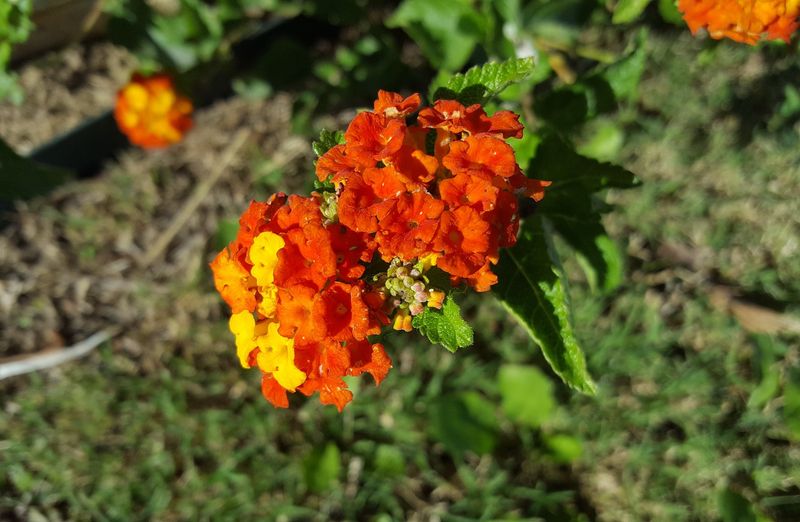
Walk through almost any neighborhood in Texas right now, and you will likely spot a burst of orange and yellow peeking out from a garden bed.
That cheerful splash of color almost certainly belongs to Texas lantana, a native flowering plant that is showing up in more and more yards across the Lone Star State.
Texas lantana, known scientifically as Lantana urticoides, is a perennial shrub that grows naturally throughout Texas. Unlike many plants sold at garden centers, this one actually belongs here.
It evolved alongside the Texas climate, which means it already knows how to handle the heat, the dry spells, and the long, punishing summers that come with living in this part of the country.
Homeowners are catching on fast. Nurseries across the state report that native plants like Texas lantana are flying off the shelves.
People want something that looks great without demanding constant attention. Texas lantana fits that description perfectly.
It blooms from late spring all the way through fall, offering months of color when many other plants have already given up.
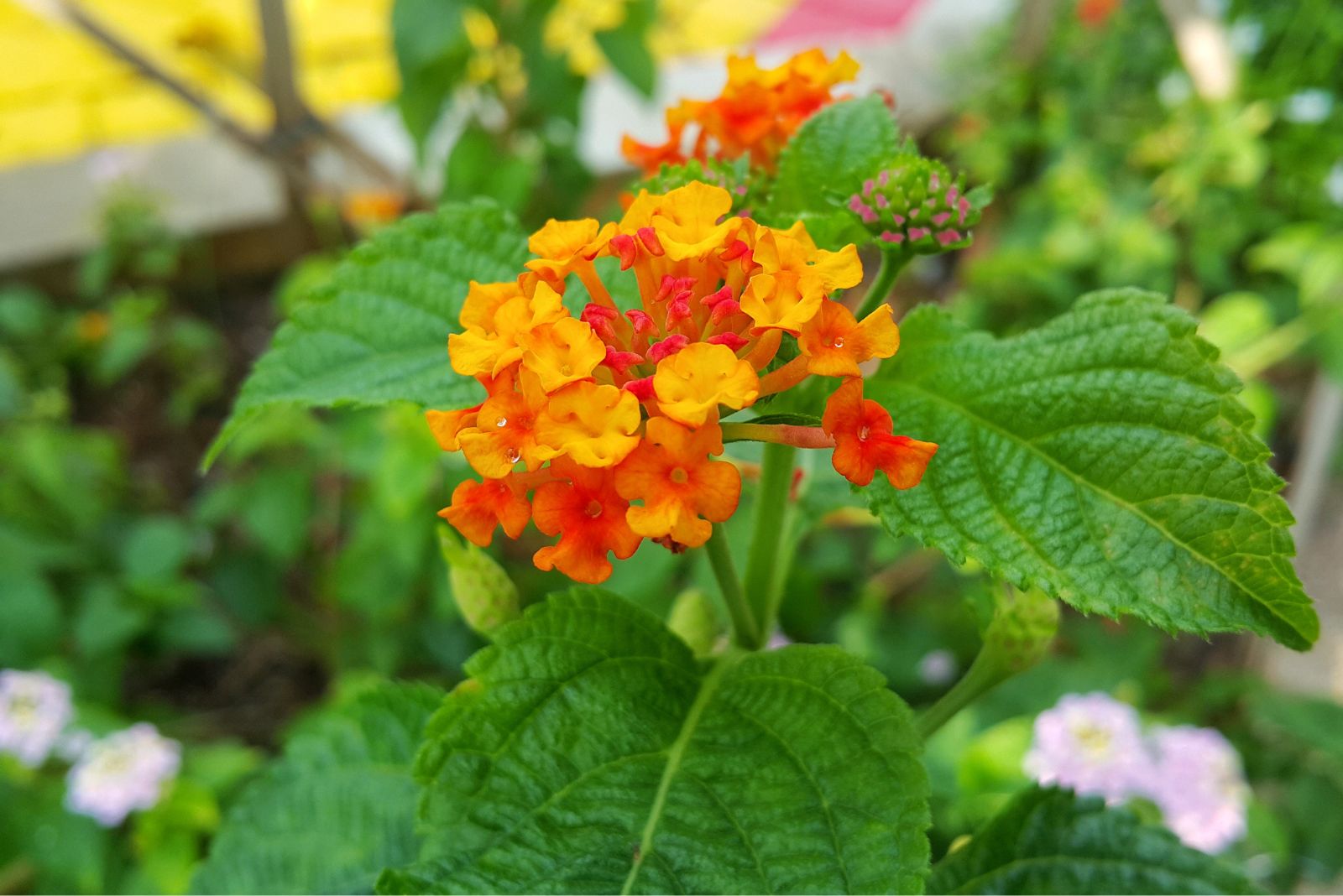
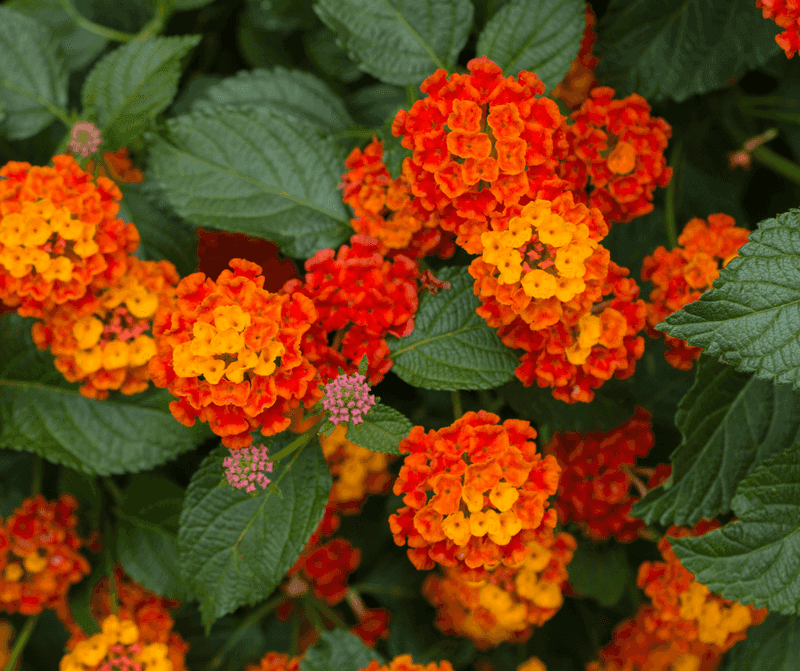
The plant typically grows two to four feet tall and spreads out in a relaxed, natural mound shape. Its small flower clusters come in vivid shades of orange, yellow, and red, making it a real standout in any landscape.
Whether planted along a fence, in a raised bed, or as part of a front-yard border, Texas lantana brings bold energy to outdoor spaces. It is no surprise that more Texas homeowners are choosing it as a go-to plant for their yards.
Why It’s Becoming So Popular In Texas
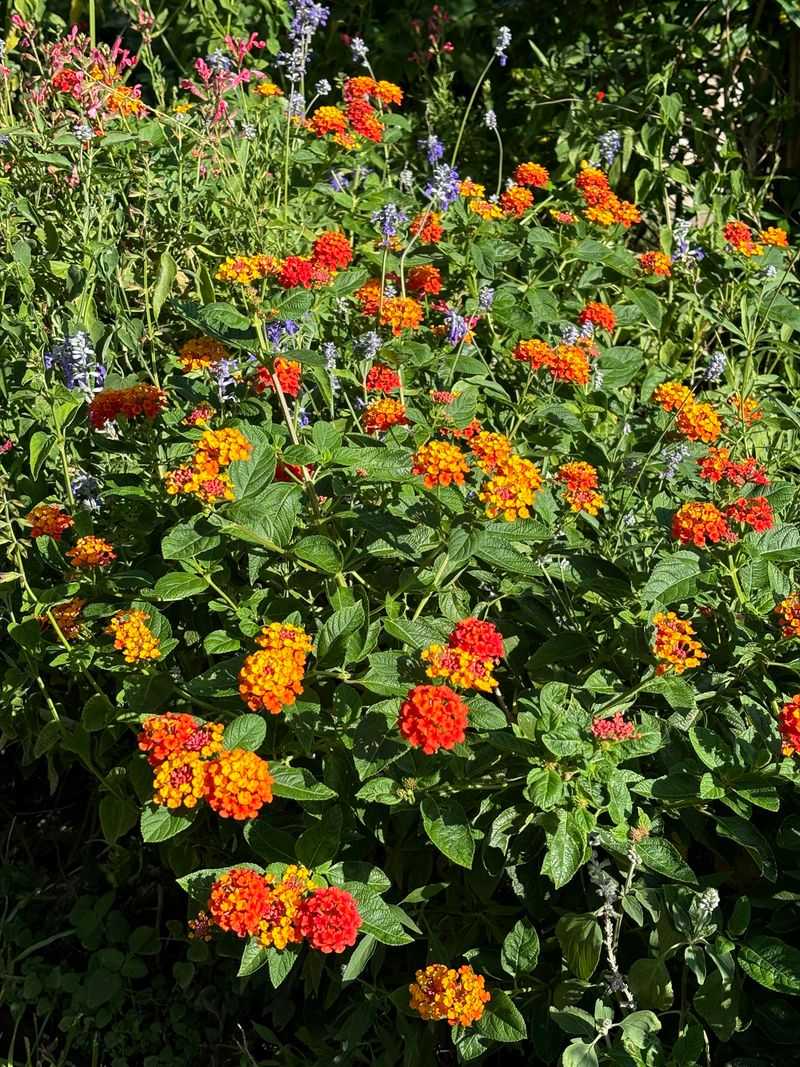
Summers in Texas are no joke. Temperatures regularly climb above 100 degrees, rainfall can disappear for weeks at a time, and the sun beats down without mercy.
Many popular garden plants simply cannot hold up under those conditions. That is exactly why more Texas gardeners are rethinking what they put in the ground.
There has been a real shift happening in Texas landscaping over the past several years. Homeowners are moving away from plants that need constant watering, fertilizing, and babysitting.
Your Texas Garden Changes Every Week. Your Plan Should Too.
Gardening in Texas changes quickly throughout the season. Every Friday you’ll receive a simple weekly plan showing exactly what to plant, prune, fertilize, harvest, and protect so you never miss the right timing.
Instead, they are looking for tough, adaptable plants that can handle the reality of Texas weather without falling apart. Texas lantana fits that need better than almost anything else you can plant.
Water conservation is also a big factor. Many Texas cities have introduced watering restrictions during dry months, making it harder to keep thirsty plants alive.
Native plants like Texas lantana have deep root systems and natural drought tolerance, so they can stay healthy even when rainfall is scarce. That saves homeowners both water and money.
The growing interest in eco-friendly landscaping has also pushed Texas lantana into the spotlight. More people want yards that work with nature rather than against it.
Planting natives supports local ecosystems, reduces the need for chemical inputs, and helps the overall health of the environment. Texas lantana checks every one of those boxes.
Word of mouth has played a huge role too. Once one neighbor plants Texas lantana and the yard looks amazing all summer long, others start asking questions.
Across Texas, that curiosity is turning into action, and more yards are getting a native makeover one plant at a time.
What Makes It Such A Strong Performer
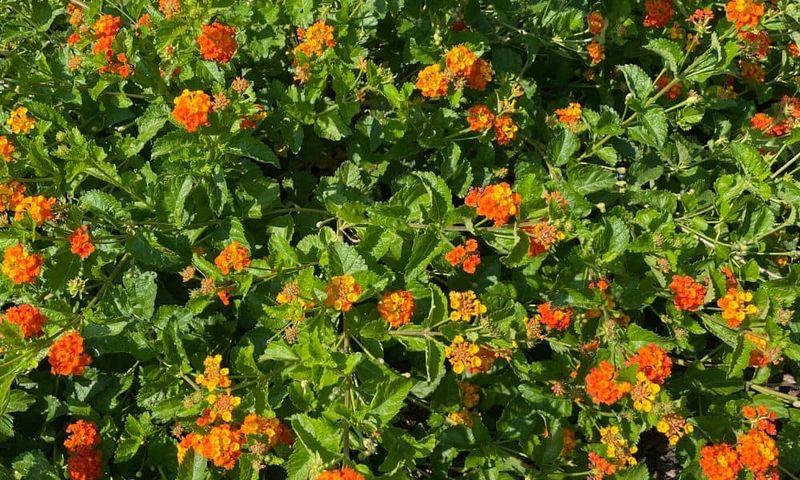
Some plants look great in the nursery and fall apart the moment you get them home. Texas lantana is the opposite.
Once it gets settled into your yard, it takes off and rarely looks back. The secret to its success comes down to a few key traits that make it genuinely tough.
Full sun is where Texas lantana truly shines. While many flowering plants need some shade to survive the intense Texas heat, lantana actually loves being baked by the sun all day long.
The more sun it gets, the more it blooms. Plant it in your sunniest spot and watch it reward you with nonstop color from late spring through the first cool nights of fall.
Soil quality is not a big concern with this plant either. Texas lantana grows naturally in rocky, sandy, and clay-heavy soils across the state.
It does not need rich, amended garden soil to perform well. In fact, overly rich soil can sometimes cause the plant to grow more leaves than flowers. Lean soil suits it just fine.
Watering needs are minimal once the plant is established. During its first season, some regular watering helps it get rooted.
After that, Texas lantana can handle dry stretches that would stress most other plants. It is genuinely one of the most drought-tolerant flowering shrubs available to Texas gardeners.
Pruning is simple too. A light trim in early spring encourages fresh growth and even more blooms.
Beyond that, Texas lantana does not ask for much. For busy homeowners who want a beautiful yard without spending every weekend outside, this plant is a total game-changer.
Why Homeowners Love The Look
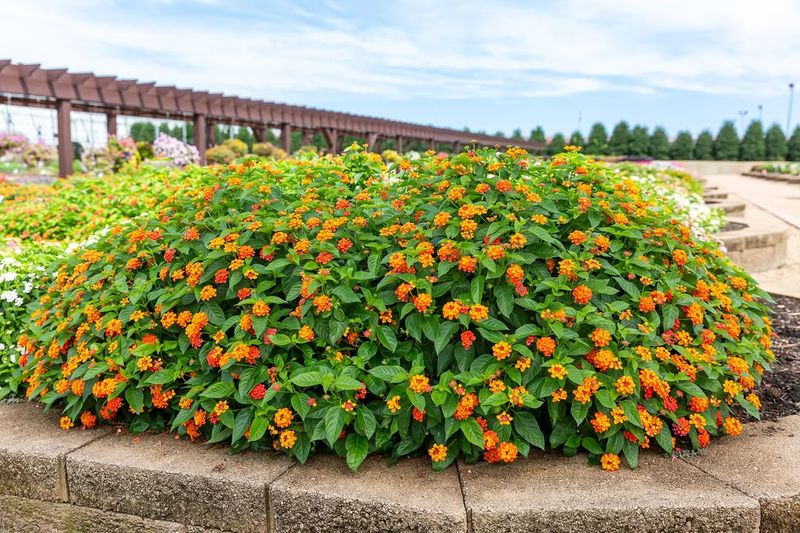
There is something about Texas lantana that just makes a yard feel alive. The flower clusters are small individually, but together they create bold, eye-catching bursts of color that are hard to miss.
Shades of orange, red, yellow, and sometimes pink blend together in a way that feels vibrant and natural at the same time.
One of the biggest reasons homeowners fall for this plant is how effortlessly it fits into a landscape. Texas lantana has a relaxed, rounded growth habit that looks right at home in casual garden beds, along walkways, and in front-yard plantings.
It does not look stiff or overly manicured. Instead, it brings an organic, flowing quality that makes outdoor spaces feel warm and welcoming.
The plant works beautifully as a border plant. Line it along a fence, a driveway edge, or the front of a flower bed, and it creates a consistent ribbon of color that lasts for months.
It also pairs well with other native Texas plants like black-eyed Susan and autumn sage, creating a layered, naturalistic look that feels both intentional and relaxed.
Curb appeal gets a serious boost when Texas lantana is in bloom. The bright flowers draw the eye immediately and give a yard that polished, cared-for look without requiring a ton of work.
Many Texas homeowners have found that a few well-placed lantana plants can completely transform the front of a house.
For anyone who wants a yard that looks great from spring through fall without a complicated maintenance routine, the visual payoff that Texas lantana delivers is genuinely hard to beat anywhere in the state.
The Pollinator Bonus
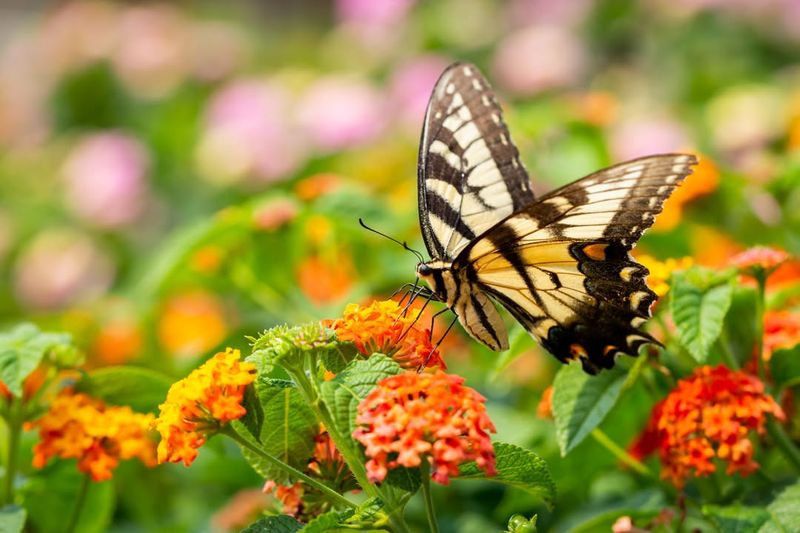
Here is something that makes Texas lantana even more special: it is basically a buffet for butterflies. If you have ever wanted a yard full of fluttering wings and buzzing activity, planting Texas lantana is one of the fastest ways to make that happen.
Monarch butterflies, swallowtails, skippers, and gulf fritillaries all flock to its flowers with impressive enthusiasm.
The reason comes down to nectar. Texas lantana produces an abundant supply of nectar that butterflies and bees cannot resist.
The small, tubular flowers are perfectly shaped for these pollinators to access, making the plant a reliable food source throughout the long Texas blooming season. From late spring through fall, your yard can become a steady stop on the local pollinator highway.
Hummingbirds also visit Texas lantana on occasion, adding yet another layer of wildlife appeal. For homeowners who enjoy watching nature up close from a porch or patio, having a few lantana plants nearby turns the yard into a living nature show.
Supporting pollinators is more than just fun to watch. Bees and butterflies play a critical role in healthy ecosystems and food production.
By planting Texas lantana, you are actively contributing to pollinator health in your local area. That matters especially in urban and suburban Texas, where natural habitat has been reduced over time.
Many Texas gardeners now design their entire yards around pollinator-friendly native plants, and Texas lantana is almost always at the center of those plans.
It combines striking beauty with genuine ecological value, making it one of the most rewarding plants you can add to any Texas outdoor space.
Why It Fits The Future Of Texas Gardening
Gardening in Texas is changing. The old approach of planting whatever looks pretty and then fighting to keep it alive through summer is giving way to something smarter.
More homeowners across the state are embracing plants that actually belong here, and Texas lantana is perfectly positioned for that shift.
Climate patterns in Texas make native plants an increasingly practical choice. Longer dry seasons, more intense heat waves, and unpredictable rainfall all put pressure on traditional garden plants.
Texas lantana, having evolved right here over thousands of years, handles all of those conditions without breaking a sweat. It is essentially built for the future of Texas weather.
Lower maintenance is a huge draw for the next generation of Texas homeowners. Busy families and working adults do not always have hours to spend watering, fertilizing, and nursing plants through rough patches.
A yard full of well-chosen natives like Texas lantana can look beautiful and stay healthy with a fraction of the effort that traditional landscaping requires.
There is also real pride in planting something native. Choosing Texas lantana means choosing a plant with deep roots in the state’s natural history.
It supports local wildlife, conserves water, and connects your yard to the broader Texas landscape in a meaningful way.
Nurseries and landscape professionals across Texas are increasingly recommending native plants as the foundation of any new yard design. Texas lantana consistently tops those recommendation lists because it delivers on every front: beauty, toughness, wildlife value, and low upkeep.
As more Texas homeowners discover what this remarkable plant can do, its place in the future of Texas gardening looks more secure than ever.