These Native Ohio Wildflowers Outperform Annuals For Summer Color
You have been lied to. Not maliciously, but consistently, by every garden center that ever handed you a tray of petunias and told you that was your best bet for summer color.
Annual flowers get all the glory, all the shelf space, and somehow all the credit. But Ohio’s native wildflowers?
They’ve been quietly doing the heavy lifting in meadows and roadsides for centuries, and most gardeners walk right past them.
No coddling. No weekly fertilizer. No replanting every spring.
These plants know this soil, know these summers, know these bugs. Once they get their roots down, they don’t just survive the season, they own it.
Native doesn’t mean boring. It means built for exactly this place.
So before you reach for another flat of impatiens, let’s talk about what’s actually worth planting.
1. Purple Coneflower Brings Weeks Of Prairie Color
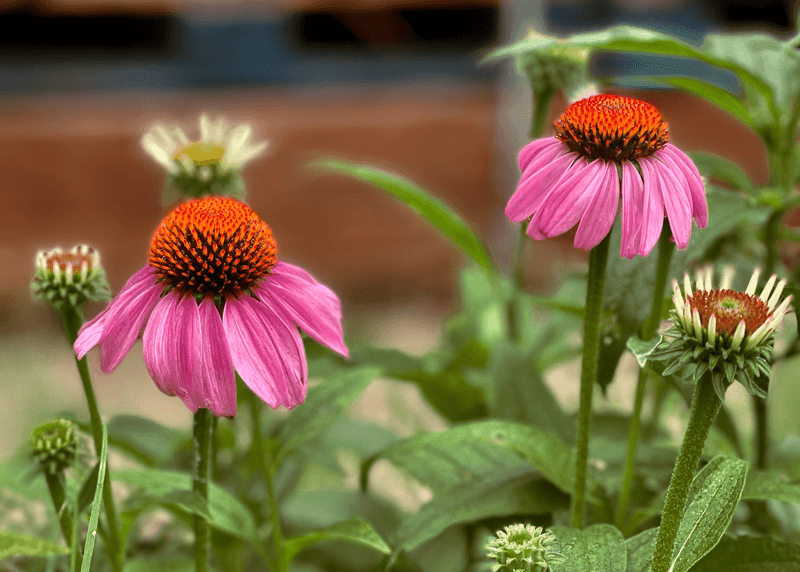
Picture a midsummer Ohio border where the color holds strong week after week without a single replanting. That is exactly what purple coneflower delivers.
Known botanically as Echinacea purpurea, purple coneflower is native to Ohio and has become one of the most dependable summer bloomers for sunny gardens across the state.
Its rosy-purple petals surround a spiky, cone-shaped center that goldfinches love to pick apart once seeds ripen in late summer.
Purple coneflower thrives in full sun and well-drained soil, making it a natural fit for open borders, prairie-style plantings, and pollinator gardens.
Central Ohio gardeners dealing with heavy clay should amend planting areas or choose a slightly raised spot to improve drainage.
Southern Ohio gardens may see blooms open a bit earlier in the season, while northern Ohio gardeners can expect flowers from roughly July into September.
Young plants need consistent watering through their first season, but established clumps handle dry spells far better than most annuals. Bees, butterflies, and even hummingbird moths are regular visitors.
Leaving the seedheads standing through winter feeds birds and adds structure to the late-season garden. Buy from a reputable Ohio native plant nursery to make sure you are getting a true native species rather than a heavily bred cultivar with reduced wildlife value.
2. Black-Eyed Susan Keeps Sunny Beds Glowing
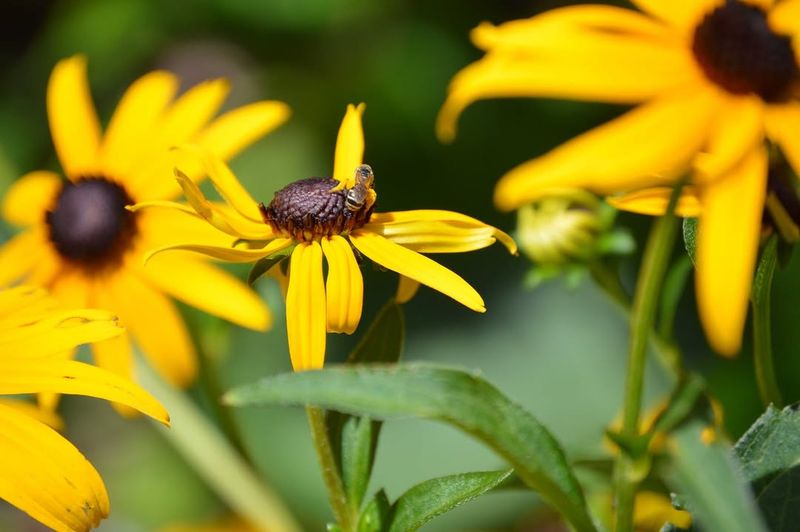
Few native wildflowers match the cheerful reliability of black-eyed Susan. Rudbeckia hirta and its close relatives are true Ohio natives that light up sunny borders and meadow-style plantings with golden-yellow blooms from early summer well into August.
Where many annuals start looking tired by midsummer heat, black-eyed Susan just keeps going, pulling in bumblebees, skippers, and native bees with almost no effort from the gardener.
Black-eyed Susan works beautifully in pollinator gardens, naturalized meadow areas, and informal sunny borders. It is a short-lived perennial or biennial in many Ohio gardens, but it self-seeds reliably enough that established patches tend to fill in and persist for years.
In a formal or neatly edged bed, you may want to pull some seedlings to keep things tidy. In a meadow or naturalized space, let it spread freely.
Your Ohio Garden Changes Every Week. Your Plan Should Too.
Gardening in Ohio changes quickly throughout the season. Every Friday you’ll receive a simple weekly plan showing exactly what to plant, prune, fertilize, harvest, and protect so you never miss the right timing.
Full sun and average to dry, well-drained soil suit black-eyed Susan best. It tolerates poor soil surprisingly well, which makes it useful for dry slopes, roadsides, and spots where other plants struggle.
Southern Ohio gardeners may find it blooms earlier and benefits from a bit of extra moisture during hot July stretches. Leaving seedheads standing into fall and winter feeds finches and sparrows while adding quiet texture to the dormant garden.
Source plants from Ohio native nurseries for the most locally adapted seed stock.
3. Wild Bergamot Adds Lavender Blooms And Pollinator Buzz
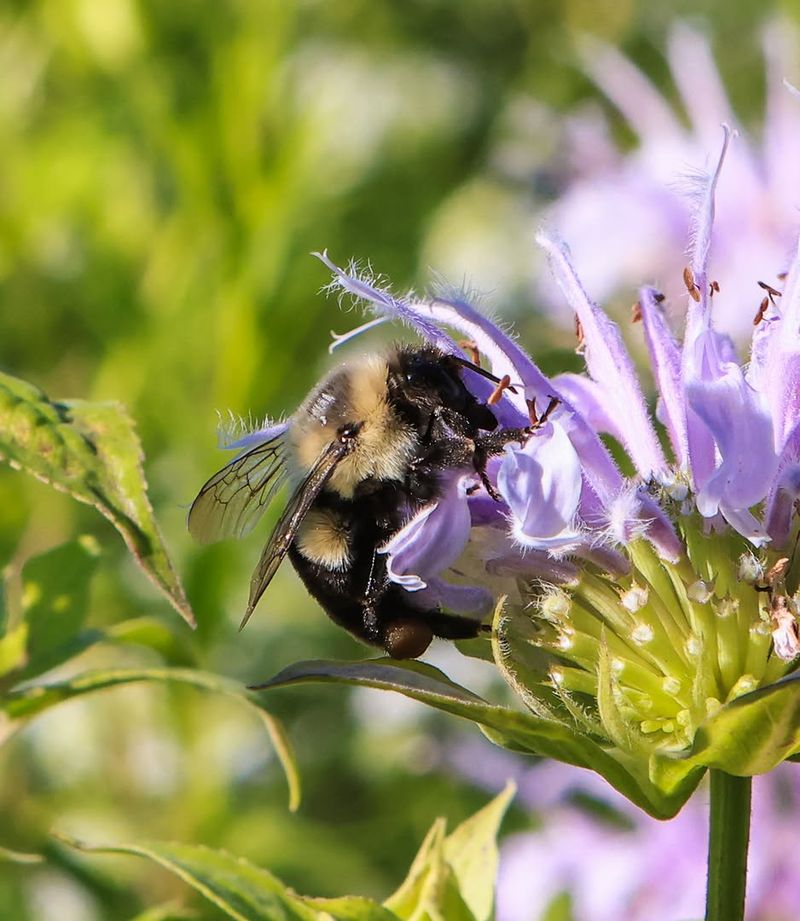
Walk past a patch of wild bergamot in full bloom on a warm Ohio afternoon and the air practically hums.
Monarda fistulosa, the native Ohio bergamot, produces clusters of lavender-pink tubular flowers that bumblebees, native bees, monarch butterflies, tiger swallowtails, and ruby-throated hummingbirds all visit with real enthusiasm.
No annual can replicate that level of wildlife activity in a single planting.
Wild bergamot blooms from roughly late June through August across most of Ohio, with southern Ohio gardens often seeing earlier flower opens.
It grows best in full sun to light shade and adapts to a wide range of soil types, including the dry, rocky, or clay-heavy soils that frustrate so many gardeners.
Medium to dry conditions actually suit it well once established, making it a smart choice for sunny prairie-style beds or dry meadow edges.
One real consideration in Ohio’s humid summers is powdery mildew. Good airflow around plants reduces the problem significantly, so avoid crowding wild bergamot and give each plant room to breathe.
Spacing plants 18 to 24 inches apart and keeping them out of low, stagnant air pockets helps. The foliage has a pleasant oregano-like scent that deer tend to avoid.
After blooming, the rounded seedheads look attractive and feed small birds. Buy from a reputable native plant source to avoid ornamental Monarda hybrids, which have lower ecological value than the straight native species.
4. Blazing Star Sends Up Bold Purple Spikes
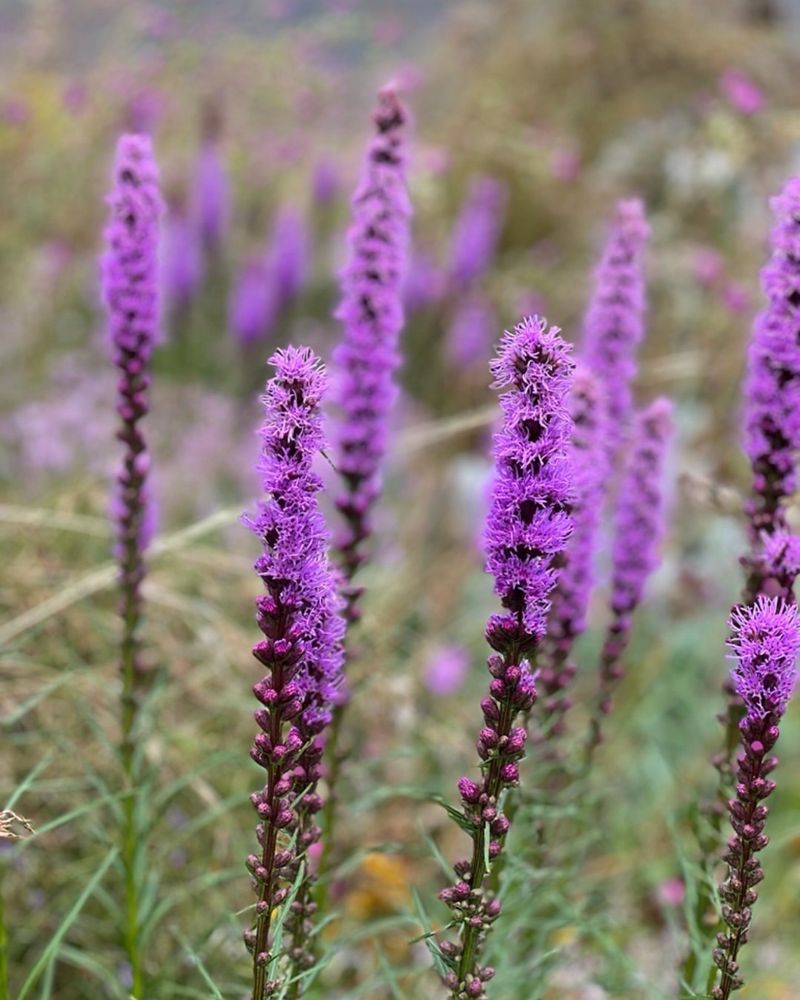
There is a moment in late summer when a blazing star spike opens from the top down in a blaze of rosy purple and everything in the garden seems to pause.
Blazing star, or Liatris, is one of the most visually striking native wildflowers Ohio gardeners can grow, and it earns every inch of space it takes up.
Monarch butterflies, swallowtails, bumblebees, and hummingbird moths are drawn to the nectar-rich florets with remarkable consistency.
Ohio gardeners should look specifically for native Liatris species when shopping.
Button blazing star (Liatris aspera), dense blazing star (Liatris spicata), prairie blazing star (Liatris pycnostachya), and rough blazing star (Liatris squarrosa) are all Ohio-native or Ohio-appropriate choices.
Generic nursery selections labeled simply as Liatris may be nonnative species or heavily bred cultivars with reduced value for local pollinators. Ask your native plant nursery about species-level sourcing.
Full sun and well-drained soil are the keys to success. Blazing star grows from a corm and dislikes sitting in wet soil during winter, so raised beds, dry meadow areas, and prairie-style plantings suit it well.
Central Ohio clay gardens benefit from soil amendment or a slightly elevated planting spot. Established plants are quite drought-tolerant.
The vertical form of blazing star adds excellent contrast to the round or flat-topped shapes of coneflowers and black-eyed Susans growing nearby. Leave the seedheads standing for goldfinches through fall.
5. Butterfly Weed Brings Hot Orange Color To Dry Spots
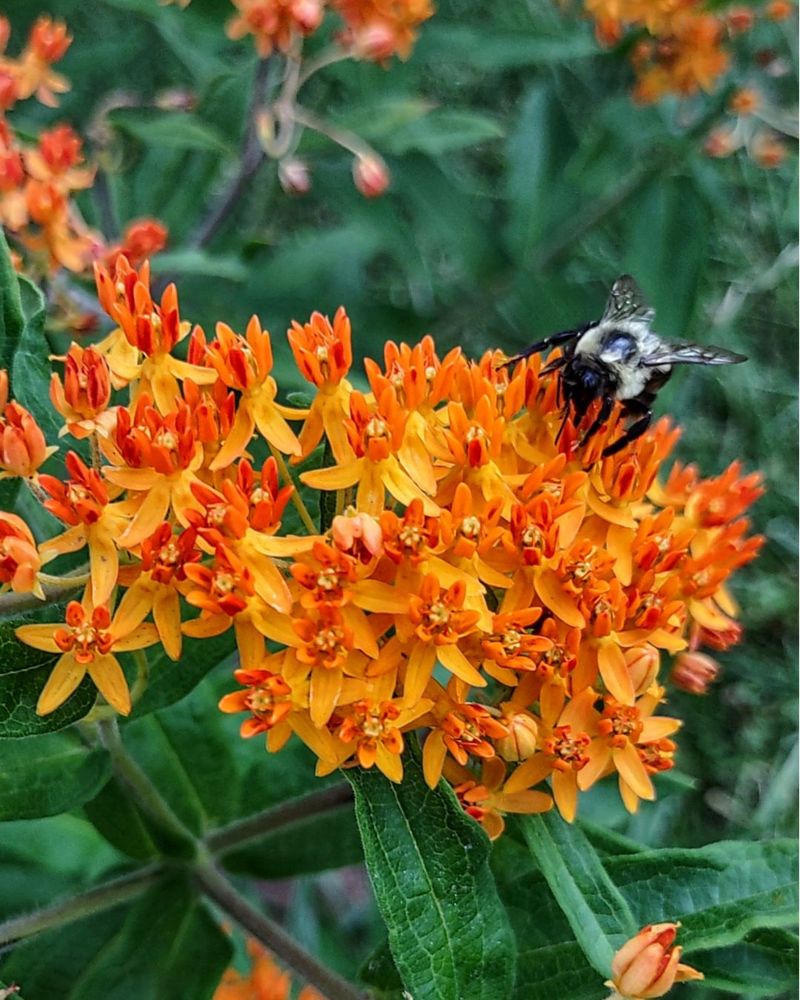
Forget trying to grow annuals in that hot, dry, sunny slope where nothing seems to thrive. Butterfly weed was practically made for exactly that spot.
Asclepias tuberosa is a native Ohio milkweed with clusters of intensely orange flowers that bloom from late June through August, delivering some of the boldest warm color in the native plant palette.
Monarch butterflies use it as a host plant, laying eggs on the foliage, while a wide range of native bees and swallowtails work the flowers for nectar.
Butterfly weed prefers full sun and sharply drained, lean soil. Sandy soils, rocky slopes, and dry prairie-style beds are ideal.
Unlike many perennials, butterfly weed develops a deep, fleshy taproot that anchors it firmly and helps it survive summer drought without complaint.
That taproot is also the reason transplanting established plants rarely goes well, so choose your planting spot thoughtfully and let it settle in for the long term.
Young plants emerge late in spring, sometimes as late as May, so mark their location to avoid accidentally disturbing them. Established clumps build slowly but become increasingly floriferous and reliable after the second or third season.
Unlike common milkweed, butterfly weed does not spread aggressively by rhizomes, making it a well-behaved choice for garden beds.
Source seeds or plants from an Ohio native nursery to get locally adapted stock that performs best in your specific region of the state.
6. Gray-Headed Coneflower Stretches Color Into Late Summer
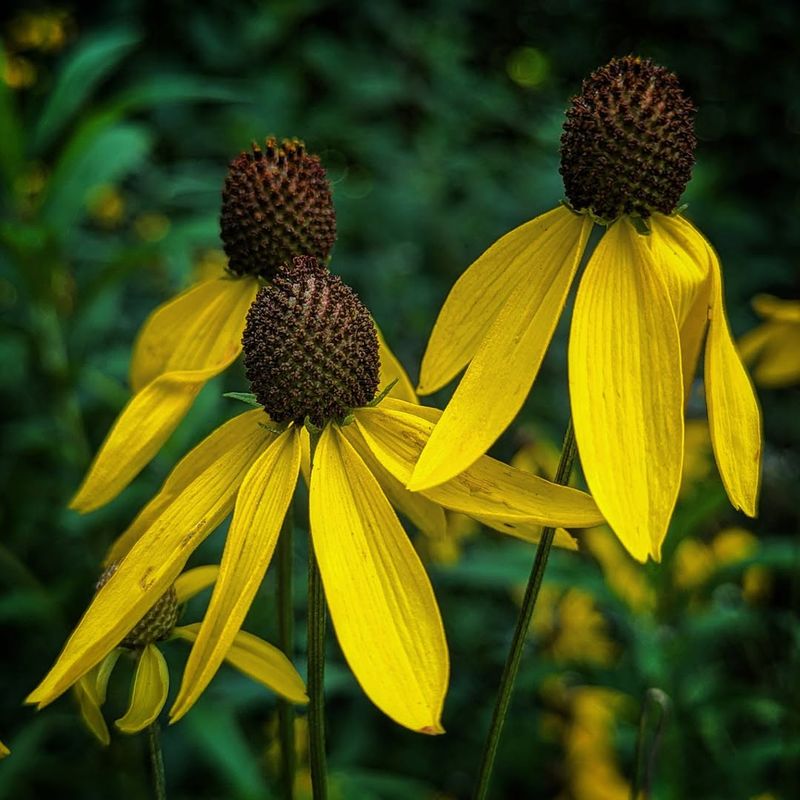
By mid-August, many annual plantings are looking worn out, faded, and scraggly. Gray-headed coneflower is just hitting its stride.
Ratibida pinnata is a tall, graceful native wildflower that produces cheerful yellow flowers with distinctive drooping petals and a gray-green to gray-brown cone center.
The flowers nod and sway on slender stems in a way that gives naturalized beds a relaxed, meadow-like energy that no annual bed can quite replicate.
Gray-headed coneflower blooms from mid-July through September across most of Ohio, making it one of the better native options for extending color into the later weeks of summer.
It grows best in full sun and tolerates a wide range of soil types, including dry to medium soils and even compacted or rocky ground.
Taller plants, often reaching four to five feet, may look loosely informal in a small, formal garden setting, so gray-headed coneflower tends to shine brightest in larger sunny spaces, naturalized areas, and prairie-style plantings.
Native bees, bumblebees, and some butterfly species visit the flowers regularly. After blooming, the cone-shaped seedheads persist and provide winter interest while feeding small songbirds.
Gray-headed coneflower self-seeds moderately, which helps it naturalize over time without becoming aggressive. Southern Ohio gardeners may find it blooms earlier and benefits from slightly more moisture during hot spells.
Buy from an Ohio native plant nursery to ensure you are getting a locally sourced plant with strong regional adaptation.
7. Cardinal Flower Lights Up Damp Garden Corners
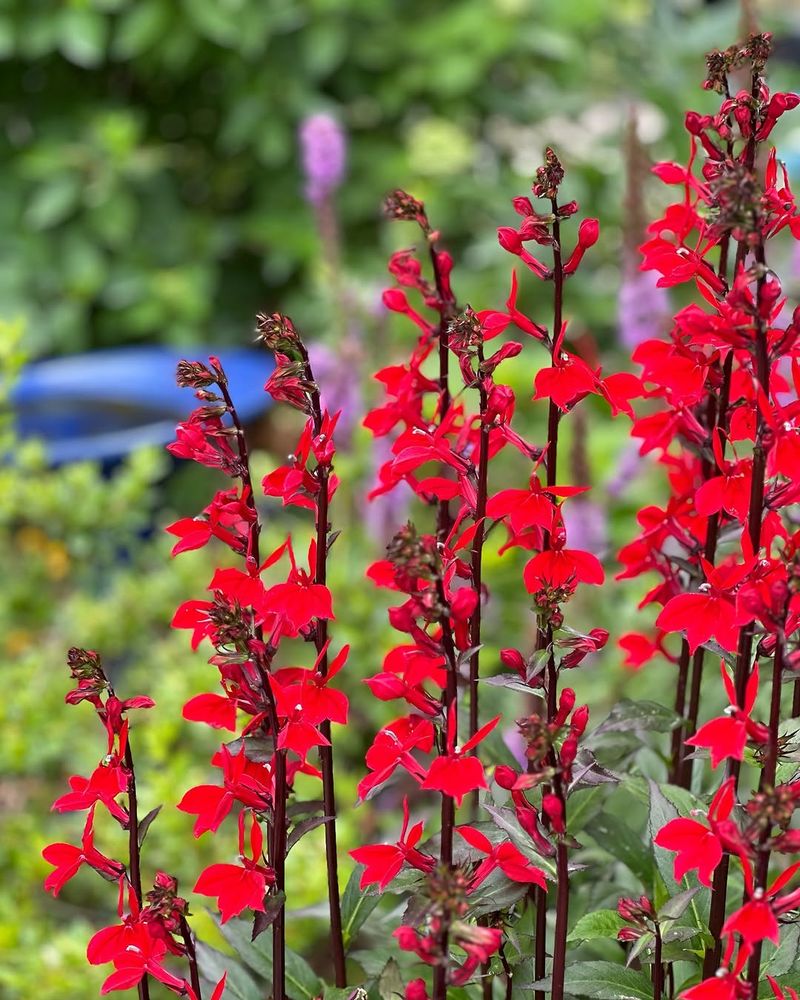
Ruby-throated hummingbirds have an almost magnetic relationship with cardinal flower.
The moment Lobelia cardinalis opens its intense scarlet blooms in July and August, hummingbirds find it like they have a built-in compass.
No annual comes close to matching that kind of reliable hummingbird traffic, and the color itself, a deep, saturated red that almost glows in shaded garden corners, is unlike anything else blooming in an Ohio summer garden.
Cardinal flower is native to Ohio and naturally grows along stream banks, wet meadows, and low, moist areas where the soil stays consistently damp. Rain gardens, pond edges, damp borders, and low spots that collect moisture are ideal planting sites.
It does not perform well in dry soil, hot exposed containers, or sites that bake in full afternoon sun without reliable moisture. Partial shade to full sun with consistent moisture is the sweet spot.
Plants are short-lived perennials that self-seed around the original planting, so established groupings tend to persist even as individual plants cycle through. Collect and scatter seeds in fall, or let them fall naturally in a moist spot nearby.
Central Ohio clay gardens often hold moisture well enough to support cardinal flower in low areas. Northern Ohio gardeners may find a slightly shorter bloom window due to cooler late summers.
Source plants from an Ohio native nursery to get plants grown from local or regional seed, which tend to be better adapted to Ohio’s climate patterns.
8. New England Aster Carries Color Into Fall
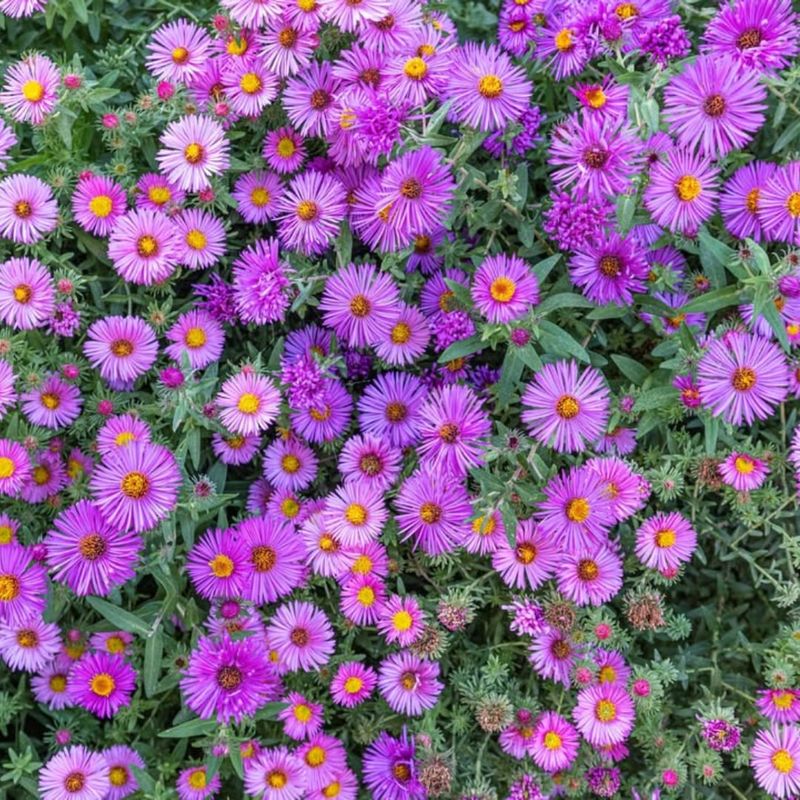
Most annuals are fading fast by September, dropping petals and looking exhausted just as the gardening season still has weeks left to offer. New England aster steps in right on cue.
Symphyotrichum novae-angliae is a native Ohio aster that produces masses of violet-purple to rosy-pink daisy-like flowers from late August through October, carrying summer-style color well into fall and giving pollinators a crucial late-season nectar source before winter arrives.
Monarch butterflies, migrating through Ohio in September, rely heavily on native asters for fuel. Bumblebee queens, building up reserves before winter, work New England aster flowers with noticeable intensity.
Few plants do more for late-season pollinators in an Ohio garden. The blooms also pair beautifully with goldenrod, blazing star seedheads, and the russet tones of autumn foliage, creating a naturally layered seasonal display.
New England aster grows best in full sun and tolerates a range of soil conditions, though it appreciates average to moist soil. Taller plants, which can reach four to six feet, may flop without support by late summer.
Pinching plants back by one-third in late May or early June encourages bushier, more compact growth and reduces the need for staking. Central Ohio clay gardens often suit it well.
Buy from a reputable Ohio native nursery and choose straight native species rather than heavily selected cultivars when possible, to preserve the strongest ecological benefit for local pollinators.