These Native Texas Plants Give You Lush Foliage Without The Fuss
Lush, full foliage is one of those garden qualities that looks like it requires a serious time commitment and a complicated care routine to achieve.
Walk through certain Texas yards and you’ll see exactly that kind of rich, layered greenery that makes the whole space feel alive and intentional, and it’s easy to assume there’s a lot of behind-the-scenes work keeping it looking that way.
The secret that the best Texas gardeners have figured out is that the right native plants do most of that work on their own.
Native Texas plants evolved specifically for this climate, which means they produce impressive foliage without demanding the constant watering, fertilizing, and intervention that non-native plants often require just to stay presentable through a Texas summer.
The plants on this list bring genuine lushness to a Texas garden without the fuss, delivering the kind of full, layered look that makes a landscape feel complete from spring straight through fall.
1. Turk’s Cap
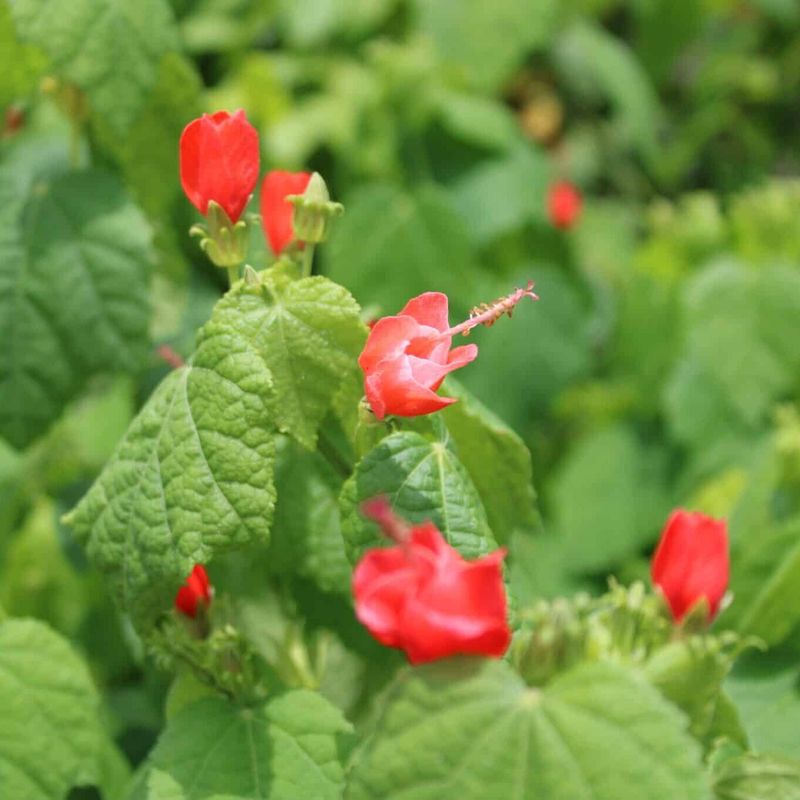
Walk past a Turk’s Cap in full leaf and you might think you stumbled into a tropical rainforest, not a Texas backyard. The leaves are big, bold, and a rich shade of green that stays vibrant even when summer temperatures push past 100 degrees.
Native to Texas and other parts of the South, this plant has been delighting gardeners for generations.
Turk’s Cap grows quickly and can reach six feet tall or more when it is happy. It fills in bare spots fast, making it a great choice if you want that lush, layered garden look without waiting years for results.
The twisted red blooms that appear through summer and fall are a bonus that hummingbirds absolutely love.
One of the best things about this plant is how little attention it needs once it gets established. It handles drought well, bounces back from hard freezes, and grows happily in partial to full shade.
That makes it a perfect fit for those tricky spots under trees or along shaded fences in Texas yards. Just plant it, water it through the first season, and let it do its thing.
You will be amazed at how much green coverage it delivers season after season with almost zero effort on your part.
2. Inland Sea Oats
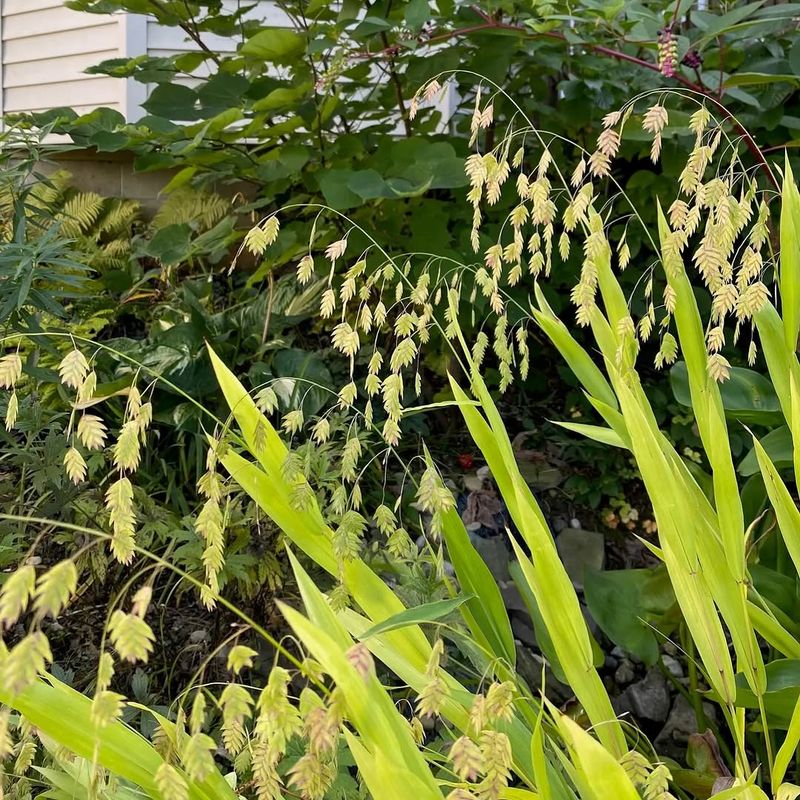
There is something almost poetic about the way Inland Sea Oats moves in a breeze. The long, arching leaves sway gently, and the flat seed heads dangle like tiny ornaments from late summer into fall.
If you have a shady corner in your Texas garden that feels dull and lifeless, this native grass might be exactly what it needs.
Inland Sea Oats is one of the few grasses that actually prefers shade. It grows naturally along creek beds and under tree canopies across Texas, so it already knows how to handle low light and occasional flooding.
Once established, it spreads slowly to form graceful, flowing clumps that look effortlessly elegant.
Gardeners in East Texas especially love this plant because it thrives in the humid, shaded conditions common in that part of the state. It pairs beautifully with other shade lovers like ferns and woodland wildflowers, creating a layered, naturalistic look.
Your Texas Garden Changes Every Week. Your Plan Should Too.
Gardening in Texas changes quickly throughout the season. Every Friday you’ll receive a simple weekly plan showing exactly what to plant, prune, fertilize, harvest, and protect so you never miss the right timing.
The seed heads turn a warm golden color in autumn, adding seasonal interest without any extra planting. Birds also enjoy the seeds, so you get wildlife activity as a free bonus.
Maintenance is minimal since this plant rarely needs watering once established and does not require regular trimming to look its best throughout the growing season.
3. Texas Sedge
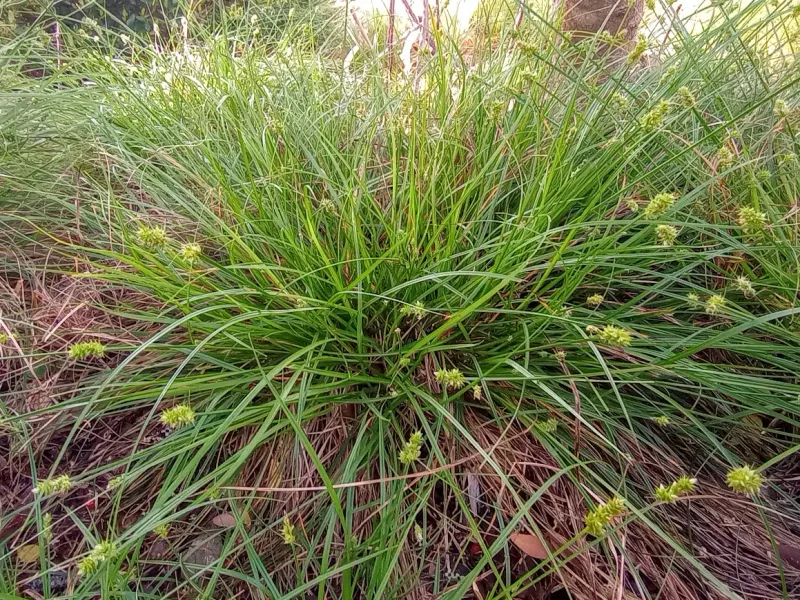
Forget fussing over a perfect lawn in the shaded parts of your Texas yard. Texas Sedge is a native groundcover that does the hard work for you, spreading into a soft, fine-textured carpet of green that looks intentional and polished without constant upkeep.
It is one of those plants that makes you look like a skilled gardener even if you are a complete beginner.
This low-growing sedge reaches only about a foot tall, making it ideal for filling in beneath trees, along pathways, or in garden beds where you want coverage without height. It tolerates shade exceptionally well and can even handle dry conditions once it gets rooted in.
That combination of shade and drought tolerance is surprisingly rare and incredibly useful in Texas gardens.
Texas Sedge stays green through mild winters, giving your garden color even during the cooler months when other plants go dormant. It does not spread aggressively, so you stay in control of where it grows.
Mowing it once a year in late winter keeps it looking fresh and tidy going into spring. Homeowners across Central and South Texas have been using it as a lawn alternative under live oaks and cedar elms, where traditional turf grass simply refuses to grow.
It is practical, pretty, and perfectly suited to the Texas environment.
4. Cedar Sage
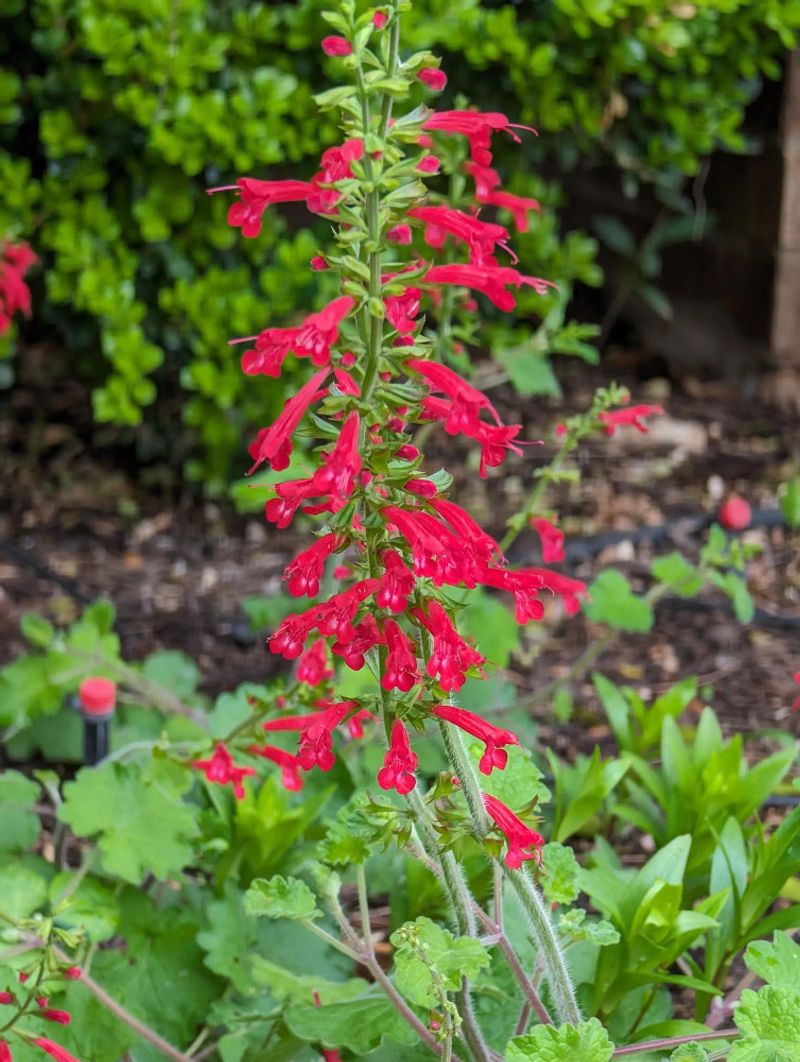
Bright red flowers against deep green leaves is a combination that stops people in their tracks, and Cedar Sage delivers exactly that.
Native to the limestone hills and cedar forests of Central Texas, this plant has a natural toughness built in from living in some of the state’s most challenging terrain. Yet somehow it manages to look delicate and refined at the same time.
Cedar Sage grows best in partial shade, making it a fantastic option for spots that get morning sun and afternoon shadow. It blooms in late winter and spring, sometimes again in fall, with tubular red flowers that hummingbirds find irresistible.
The broad, slightly textured leaves provide attractive coverage even when the plant is not in bloom.
What really sets Cedar Sage apart is how well it handles the rocky, thin soils common throughout the Hill Country and surrounding regions of Texas. Most ornamental plants throw a fit in that kind of ground, but Cedar Sage just keeps growing.
It is also fairly drought tolerant once established, though it appreciates occasional deep watering during extended dry spells. Pairing it with other Texas natives like Turk’s Cap or ferns creates a layered shade garden that looks professionally designed.
For anyone wanting year-round leafy interest plus seasonal flower color in a low-effort package, Cedar Sage is a genuine standout worth planting.
5. Frogfruit
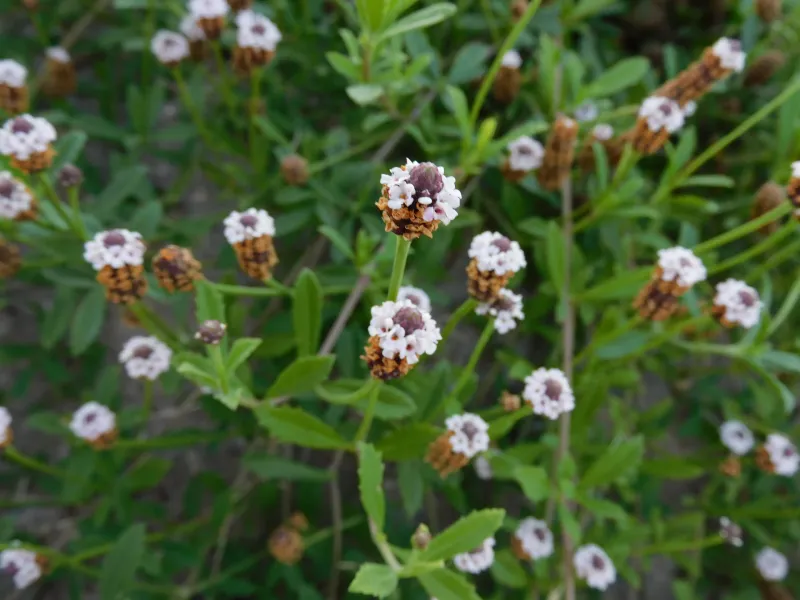
Do not let the quirky name fool you. Frogfruit is one of the hardest-working native groundcovers you can plant in a Texas garden.
It spreads quickly and densely, filling in bare patches of ground with a tight mat of small green leaves that stays surprisingly tidy. Butterflies love it too, which makes your yard feel alive in the best possible way.
This low-growing plant handles both sun and partial shade, making it flexible enough to use in a variety of spots around your yard. It tolerates heat, drought, and even occasional flooding, which is a remarkable combination for any plant.
In Texas, where weather can swing from one extreme to another within a single season, that kind of resilience is worth a lot.
Frogfruit works especially well as a lawn alternative in areas that get light foot traffic. It grows only a few inches tall and does not need mowing the way traditional grass does.
The tiny white and lavender flowers it produces are small but plentiful, and they attract a wide variety of pollinators throughout the warm months.
Gardeners in South and Central Texas have been discovering this plant as a practical solution for slopes, garden edges, and tricky transitional spaces.
Once it gets going, Frogfruit basically manages itself, spreading naturally to cover the ground without becoming a problem to control later on.
6. American Beautyberry
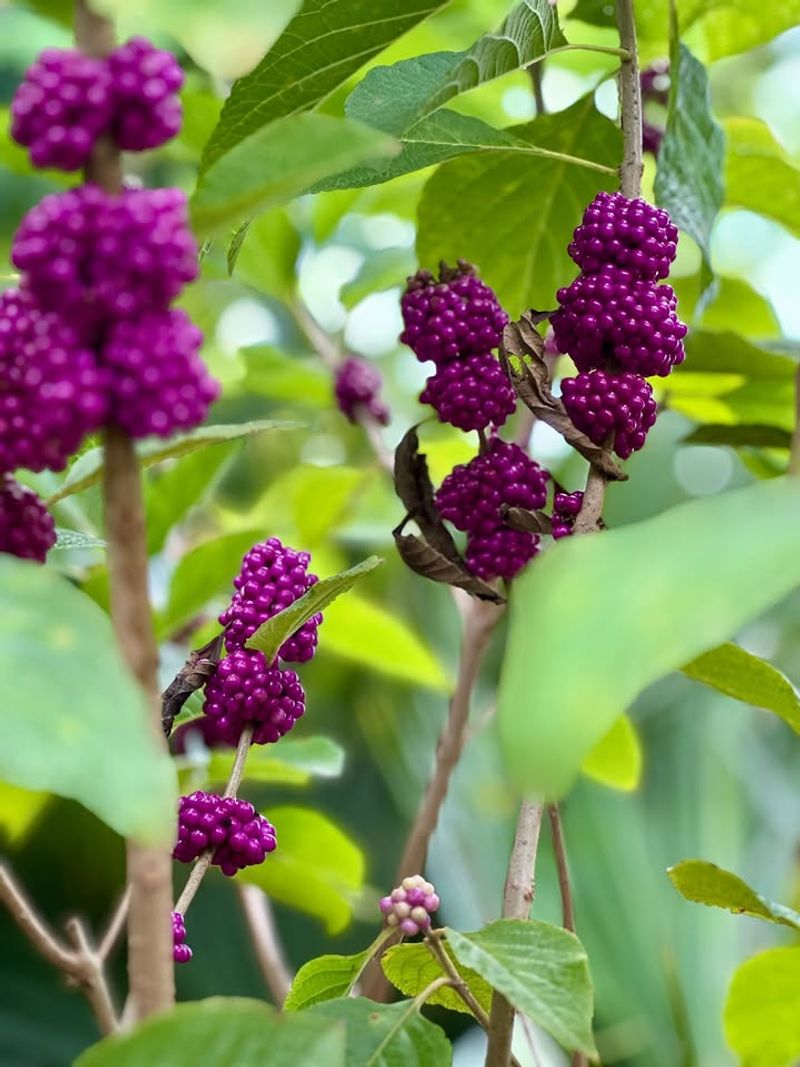
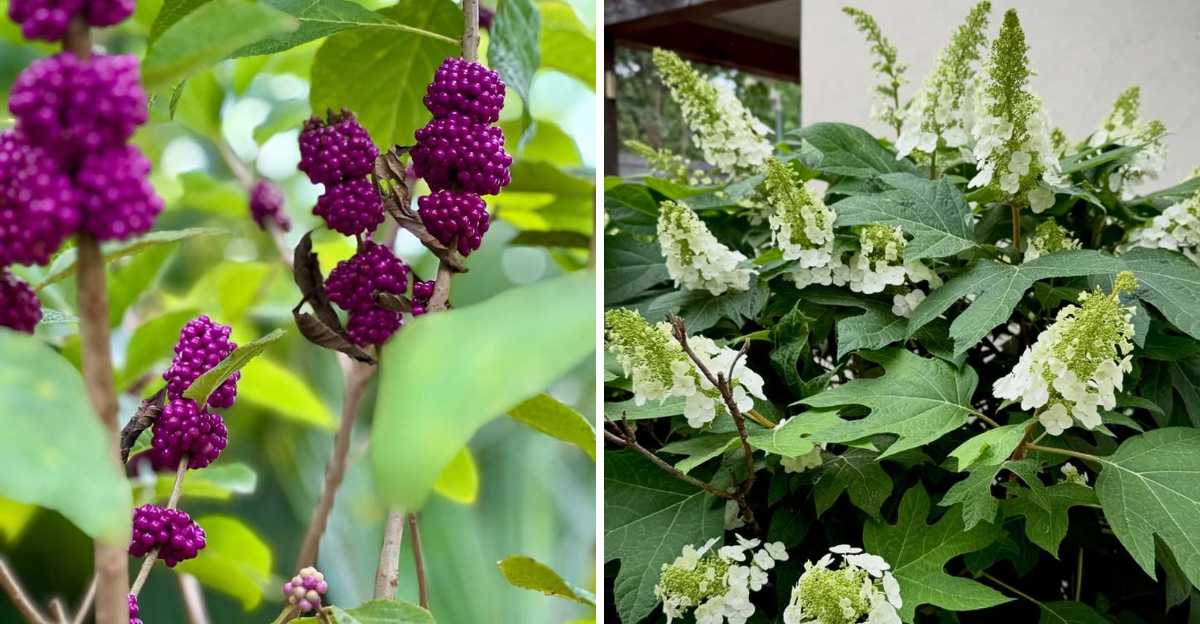
Few native plants in Texas can match the sheer drama of American Beautyberry in late summer and fall. The clusters of bright purple berries that line every branch are so vivid they look almost artificial.
But the show does not start with the berries. Long before those jewel-toned fruits appear, the plant earns its place in the garden with big, bold, tropical-looking foliage.
American Beautyberry is a large shrub that can reach six to eight feet tall, making it a great choice for creating natural privacy screens or filling in the back of a garden bed.
The leaves are broad and slightly fuzzy, giving the plant a lush, full texture that reads as genuinely tropical even in a Texas suburban yard. It grows in partial shade to full sun and adapts to a wide range of soil types.
Wildlife absolutely flock to this plant once the berries ripen. Birds, deer, and small mammals all rely on the fruit as a food source during fall and early winter across Texas.
Planting American Beautyberry near a window gives you a front-row seat to that natural activity. It does best with some pruning in late winter, which encourages vigorous new growth and a heavier berry crop the following season.
For gardeners in East and Central Texas, this shrub is one of the most rewarding natives available anywhere in the region.
7. Oakleaf Hydrangea
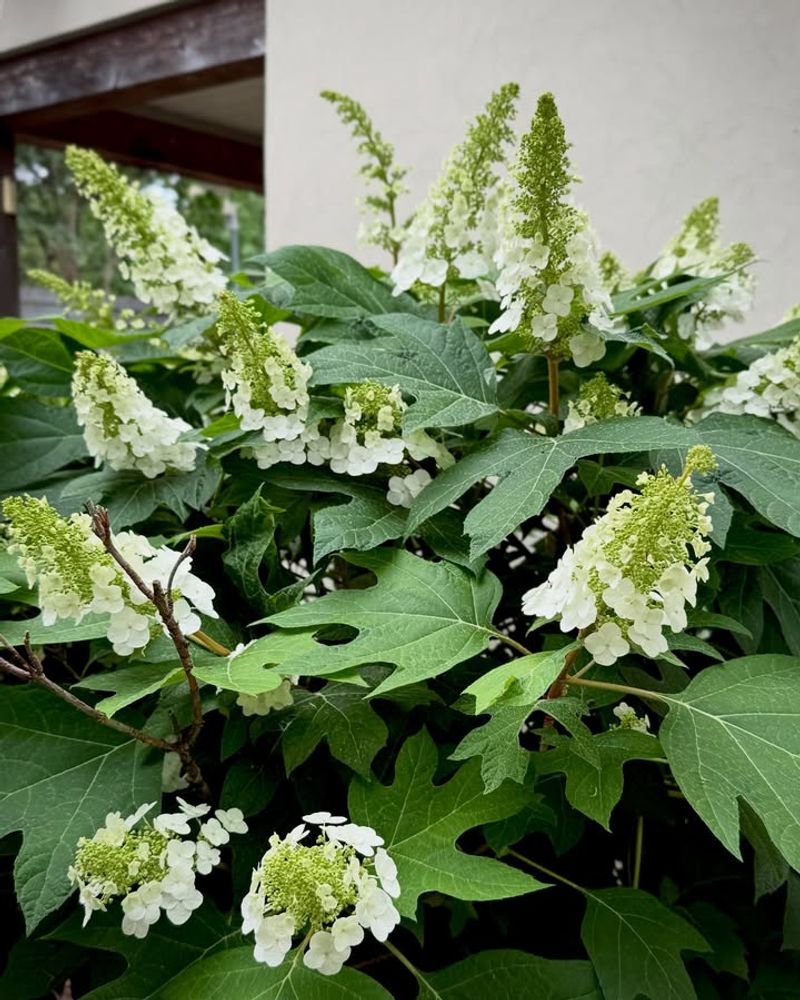
Most hydrangeas struggle in Texas heat, but Oakleaf Hydrangea is the exception that breaks the rule.
Native to the southeastern United States and well-adapted to parts of East Texas, this shrub brings the classic hydrangea look without the constant babysitting that other varieties demand. The leaves alone are worth planting it for.
The foliage on an Oakleaf Hydrangea is genuinely impressive. Each leaf is large, deeply lobed, and shaped like a classic oak leaf, giving the plant a bold, sculptural quality that stands out in any garden setting.
In fall, those leaves turn shades of red, orange, and burgundy before dropping, offering a seasonal color show that most Texas shrubs simply cannot match.
The cone-shaped white flower clusters that appear in late spring are a stunning bonus that can last for weeks. They start bright white and gradually age to a warm pinkish-tan, adding interest through multiple stages.
Oakleaf Hydrangea grows best in partial shade with well-drained soil and benefits from a thick layer of mulch to keep roots cool during hot Texas summers.
It is more drought tolerant than its reputation suggests, especially once it has been in the ground for a full year.
For gardeners in the Piney Woods and East Texas regions, it fits naturally into the landscape and provides four full seasons of visual interest with relatively modest care requirements throughout the year.
8. Autumn Fern
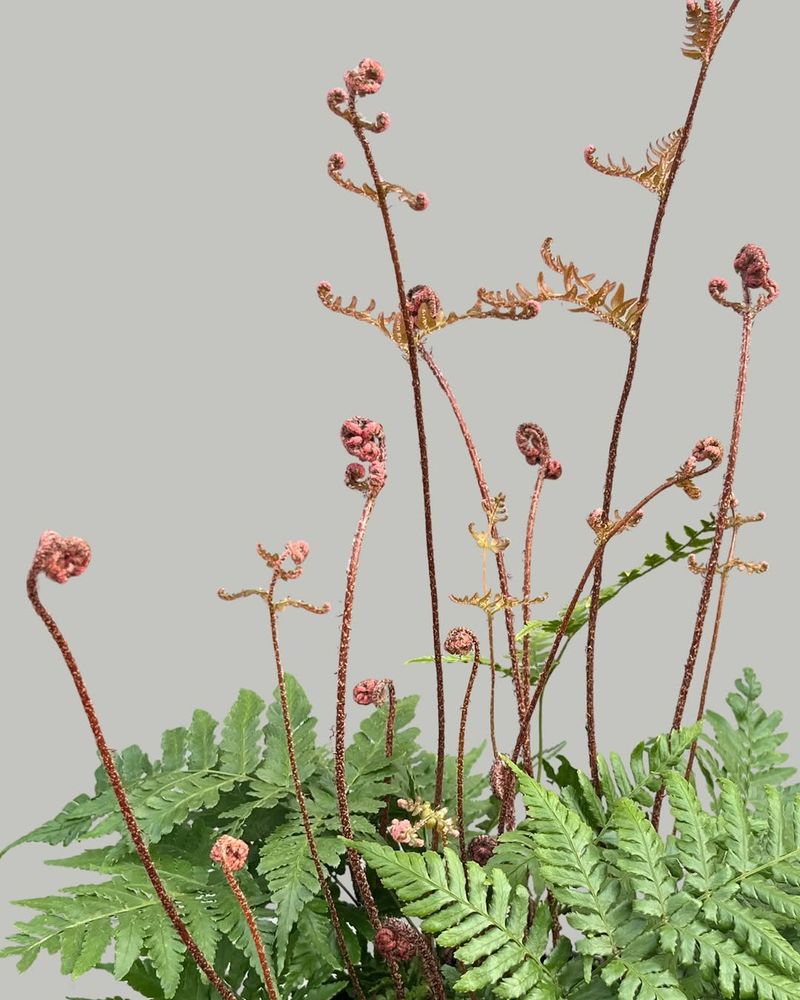
Coppery red fronds that emerge in spring and gradually deepen to a glossy forest green, Autumn Fern is one of the most visually interesting shade plants you can grow in Texas.
While it is not strictly a Texas native, it is extremely well-adapted to the humid, shaded conditions found across East Texas and parts of the Gulf Coast region, making it a reliable and popular choice for local gardeners.
The texture this fern brings to a shaded garden bed is hard to beat. The fronds are finely cut and arching, creating a soft, layered look that works beautifully alongside broader-leafed plants like Turk’s Cap or American Beautyberry.
It grows in clumps that slowly expand over time, gradually filling in bare areas under trees or along shaded fences without ever becoming invasive or difficult to manage.
Autumn Fern stays semi-evergreen in the warmer parts of Texas, meaning you get foliage interest through much of the winter when the rest of the garden looks bare.
It prefers consistently moist, well-drained soil and does best with some protection from the intense afternoon sun that is common throughout the state.
Regular watering during dry spells keeps it looking lush and healthy. Gardeners who struggle to grow anything in deep shade often find that Autumn Fern is one of the few plants that genuinely thrives there, making it an invaluable addition to any Texas shade garden.