Don’t Let These 8 Summer Hydrangea Problems Go Untreated
Not every hydrangea problem announces itself loudly. Some creep in slowly, easy to dismiss as normal summer stress until the damage is already done and you’re standing in front of a shrub that looked fine a week ago.
Summer is actually the season when hydrangeas need the most attention, which makes it ironic that most gardeners ease off once everything turns lush and green.
But that lushness is deceptive. Heat accelerates everything that wants to harm your plants, and humid air turns minor issues into major ones faster than you’d expect.
What looks like a bad few days can be a plant quietly falling behind in a fight it’s been losing for weeks.
The difference between hydrangeas that finish summer strong and ones that limp through August usually comes down to catching problems while they’re still small. So how well do you actually know your hydrangeas?
1. Powdery Mildew Coating Leaves With White Fungal Growth
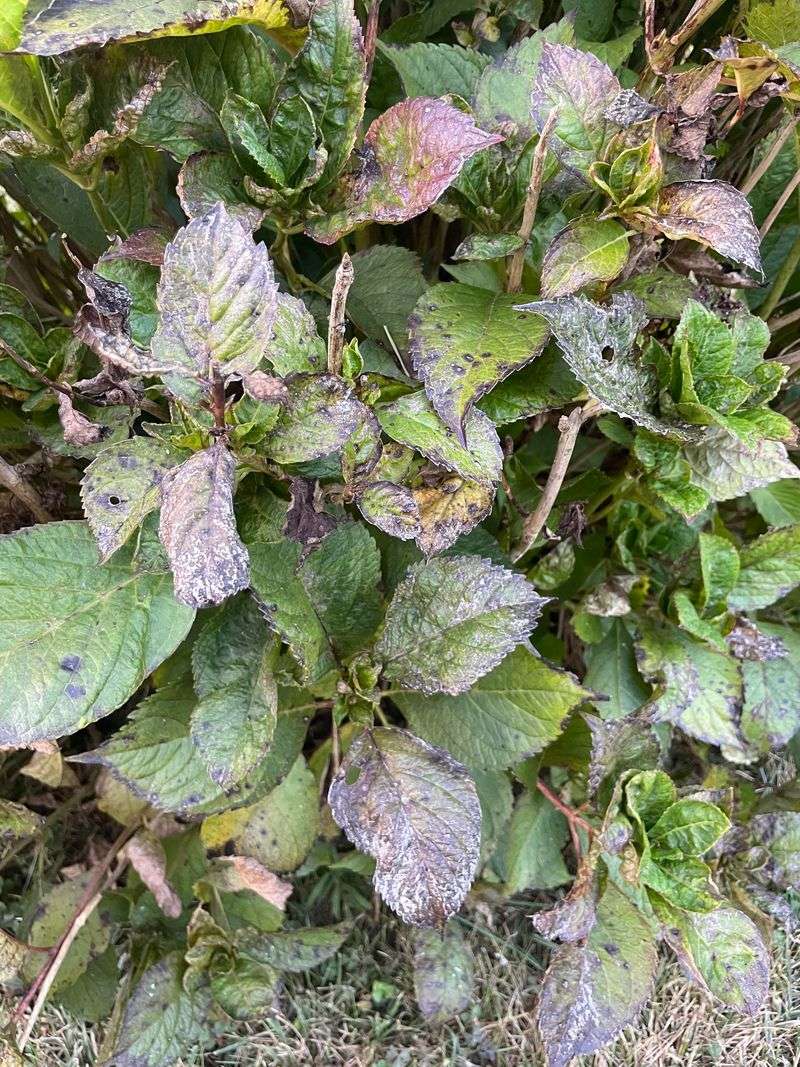
You walk outside one morning and your hydrangea looks like someone dusted it with flour. That chalky white coating is powdery mildew, a fungal problem that loves warm days and cool nights.
It spreads fast when air circulation is poor around your plants. Crowded shrubs in shaded spots are especially vulnerable during humid summer months.
The good news is that powdery mildew rarely causes permanent damage in early-stage cases, though repeated infections can weaken plants over time.
It looks alarming, but your plant can bounce back with the right treatment. Start by removing the most heavily coated leaves and tossing them in the trash, not the compost.
Leaving infected debris around the base just invites the fungus to spread further. A homemade spray of one tablespoon baking soda mixed with one quart of water works surprisingly well.
Add a few drops of dish soap to help it stick to the leaf surface. Neem oil is another solid option and doubles as an insect deterrent. Spray in the early morning so leaves dry before the heat of the day sets in.
Improving airflow around your plants makes a big difference going forward. Trim back any branches that are crossing or crowding the center of the shrub.
Avoid overhead watering, which keeps foliage wet and creates the exact conditions mildew loves. Water at the base and let the leaves stay dry to keep this fuzzy fungus from making a comeback.
2. Leaf Scorch From Intense Summer Sun And Heat
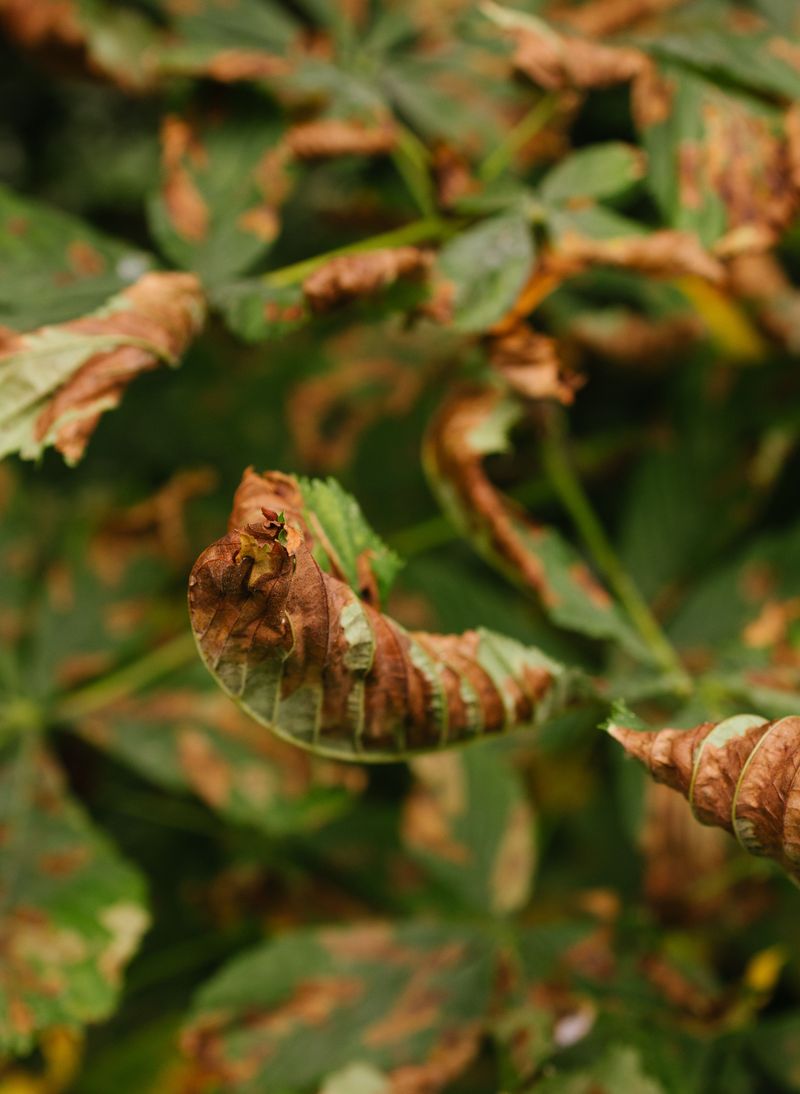
Brown, crispy leaf edges on your hydrangea are not a watering problem at first glance. That telltale browning is often leaf scorch, caused by too much direct summer sun and intense heat.
Hydrangeas are dramatic plants and they make their discomfort very obvious. When the sun beats down for hours, their large leaves lose moisture faster than the roots can replace it.
The outer edges and tips brown first because those areas are furthest from the water supply inside the leaf. In severe cases, whole leaves can turn tan and papery by afternoon.
Afternoon sun is the biggest offender, especially in warmer regions where temperatures climb past 90 degrees. Morning sun with afternoon shade is the sweet spot most hydrangeas prefer.
If your plant is in a spot that gets blasted by western sun, consider adding a shade cloth during peak summer weeks. Even a light-filtering fabric can drop leaf temperature significantly.
Deep, consistent watering helps a lot too. Hydrangeas need moisture at their roots to keep leaves cool and functioning properly through the hottest stretches of summer.
Mulching around the base with two to three inches of wood chips keeps soil moisture locked in longer. It also prevents the ground from heating up to extreme temperatures around the root zone.
Scorched leaves will not recover their green color, but new growth should come in healthy once conditions improve. Patience and a little shade go a long way with these heat-sensitive beauties.
3. Spider Mites Thriving In Hot, Dry Conditions
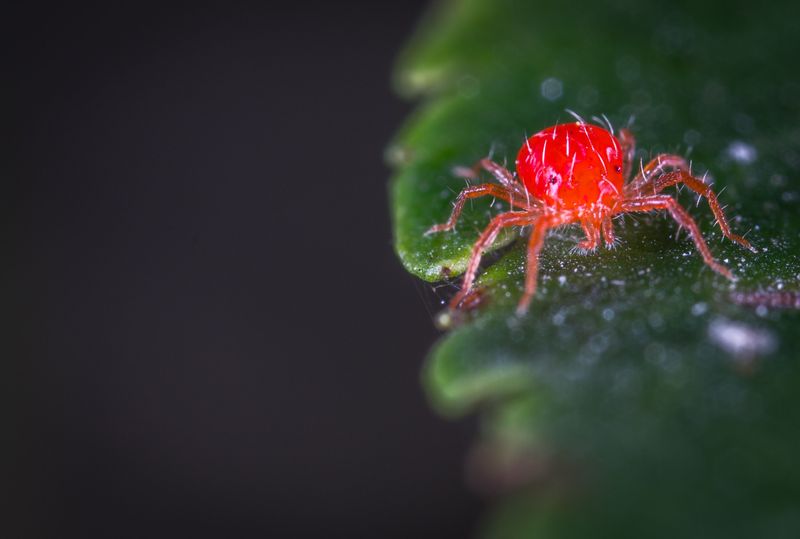
Hot, dry summers are basically a welcome mat for spider mites. These tiny pests are barely visible to the naked eye, but the damage they leave behind is impossible to ignore.
Look for fine webbing on the undersides of leaves and a stippled, dusty appearance on the upper surface. Leaves may also start to look bronze or washed out instead of their usual rich green.
Spider mites pierce leaf cells and drain the contents, leaving behind hundreds of tiny pale dots. A heavy infestation can make an entire plant look faded and exhausted within weeks.
Check your hydrangeas by holding a white piece of paper under a branch and shaking it firmly. If tiny moving specks fall onto the paper, you have mites and it is time to act.
Start with a strong blast of water from the hose, aimed at the undersides of leaves. This physically removes a large portion of the population without any chemicals at all.
Insecticidal soap spray is very effective and safe for most garden plants. Apply it every five to seven days for two to three weeks to break the mite life cycle completely.
Neem oil also works well and provides lasting protection against re-infestation. Mix according to package directions and apply in the cooler morning hours to avoid leaf burn.
Keeping your hydrangeas well-watered during dry spells makes them less attractive to mites in the first place. Stressed, thirsty plants are always the first targets for these hard-to-spot summer pests.
4. Wilting Due To Drought Stress And Underwatering
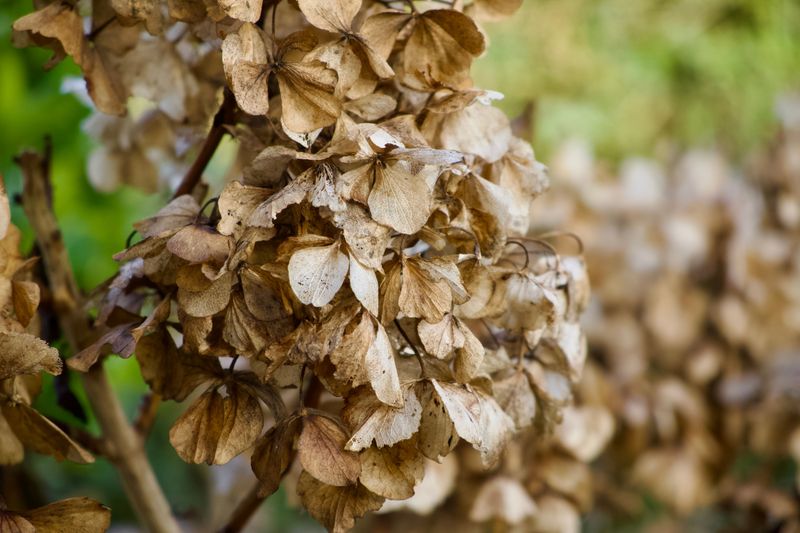
There is something frustrating about watching a hydrangea droop in the summer heat. Those big, beautiful blooms hanging limp like they have given up is one of the most recognizable signs of drought stress.
Hydrangeas have large leaves and flowers that lose moisture quickly, making them one of the thirstiest shrubs in any garden. They need consistent, deep watering to stay upright and healthy.
A common mistake is watering a little every day instead of watering deeply a few times a week. Shallow watering keeps roots near the surface where they dry out fast during heat waves.
Deep watering encourages roots to grow further down into cooler, moister soil. That depth gives the plant a buffer during the hottest and driest stretches of summer.
If your hydrangea wilts in the morning before the heat kicks in, that is a serious signal. Morning wilt means the soil is genuinely dry, not just temporarily stressed by afternoon temperatures.
Stick your finger two inches into the soil near the base of the plant. If it feels dry at that depth, it is time to water thoroughly and immediately.
Aim to give established hydrangeas about one inch of water per week, more during heat waves. A soaker hose or drip system delivers moisture right to the roots without wasting water on foliage.
Reviving a drought-stressed hydrangea is satisfying and usually quick once watering improves. Consistent moisture is the single most powerful thing you can do to keep your hydrangeas thriving all summer long.
5. Anthracnose Causing Dark Spots And Stem Cankers
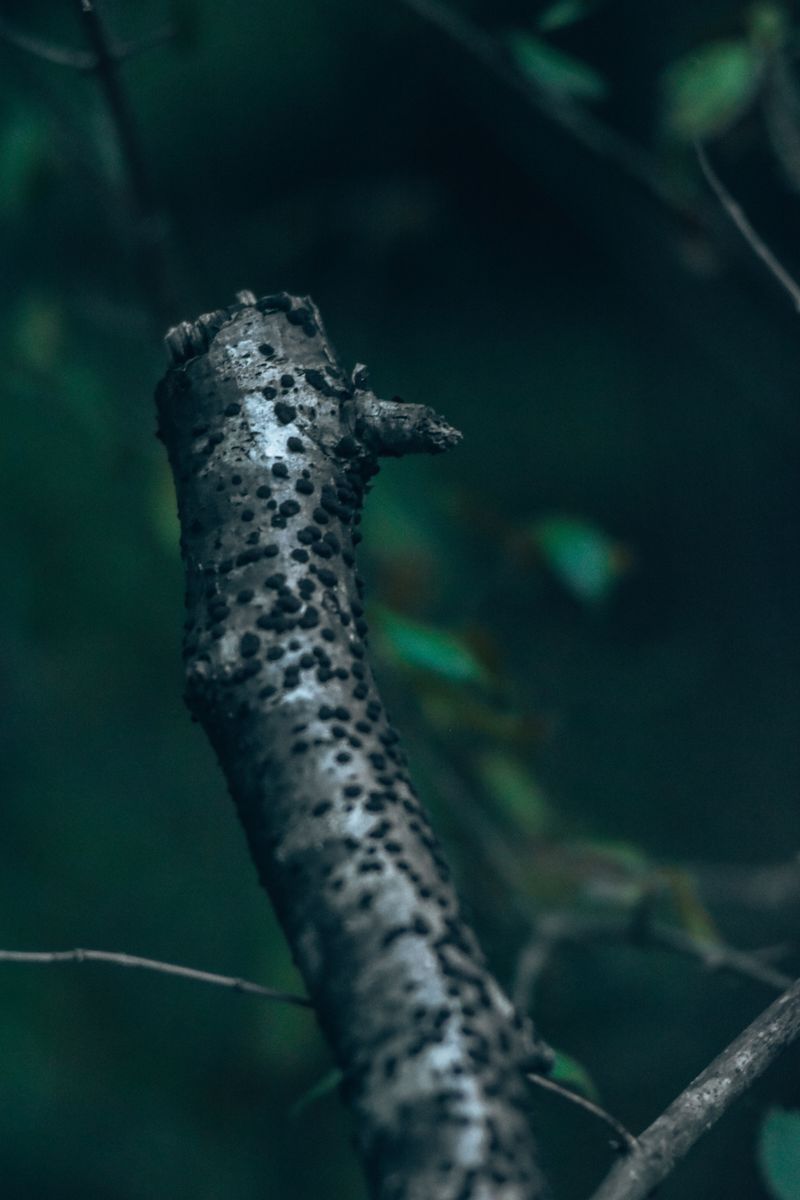
Anthracnose is one of those problems that starts small and gets ugly fast. It shows up as dark, water-soaked spots on leaves that quickly expand into irregular brown patches with purple or tan borders.
Unlike simple cosmetic issues, anthracnose can spread to stems and create sunken cankers that girdle branches. Once a stem is girdled, the section above it starts to decline and wither.
This fungal disease thrives in warm, wet conditions, making it especially common after summer rainstorms. Overhead irrigation and poor air circulation around plants speed up the spread significantly.
Inspect your hydrangeas closely after extended rainy periods. Catching anthracnose early, before it moves from leaves to stems, makes treatment much more manageable and effective.
Remove infected leaves and any stems showing canker symptoms right away. Cut several inches below the visible damage to make sure you are removing all affected tissue.
Sterilize your pruning tools between cuts using rubbing alcohol or a diluted bleach solution. Skipping this step can transfer the fungus from one branch to another with every snip.
Copper-based fungicide sprays are the go-to treatment for anthracnose and work well when applied consistently. Follow the label directions and repeat applications every seven to ten days during wet weather.
Once the season dries out, anthracnose typically slows on its own. Keeping up with fallen leaf cleanup and improving drainage around your plants helps prevent it from returning next summer.
6. Japanese Beetles Chewing Through Leaves And Blooms
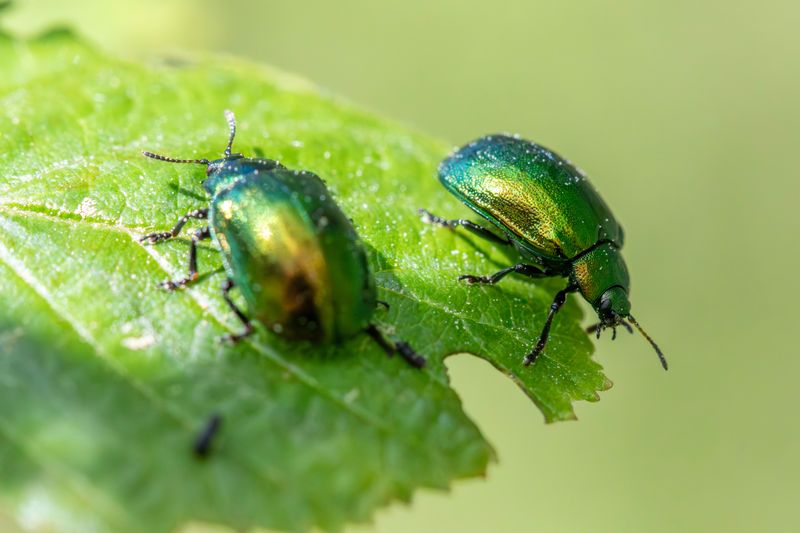
Few garden pests are as brazen as the Japanese beetle. These metallic green and copper insects show up in midsummer and feed aggressively, skeletonizing leaves and shredding blooms.
They feed in groups, which makes the damage escalate quickly. A handful of beetles can strip a hydrangea stem bare in just a day or two of unchecked feeding.
The damage pattern is distinctive: leaves are eaten between the veins, leaving behind a lacy skeleton of brown tissue. Flowers get chewed to ragged, discolored remnants almost overnight.
The fastest and most satisfying control method is hand-picking. Go out in the early morning when beetles are sluggish and drop them into a bucket of soapy water.
Do this daily during peak beetle season, which typically runs from late June through August in most US growing zones.
Consistency matters more than any single treatment when it comes to managing these persistent pests. Avoid using Japanese beetle traps near your hydrangeas.
Research suggests those traps can attract far more beetles to your yard than they actually catch, potentially making your problem worse.
Neem oil spray applied to leaves and blooms makes the plant less appealing to feeding beetles. Reapply after rain since it washes off and loses effectiveness when diluted.
Spinosad-based insecticides offer stronger control for heavy infestations without harsh chemical residues. Protecting your hydrangeas from Japanese beetles takes persistence, but your blooms are absolutely worth the effort.
7. Root Rot Developing In Waterlogged Or Poorly Drained Soil
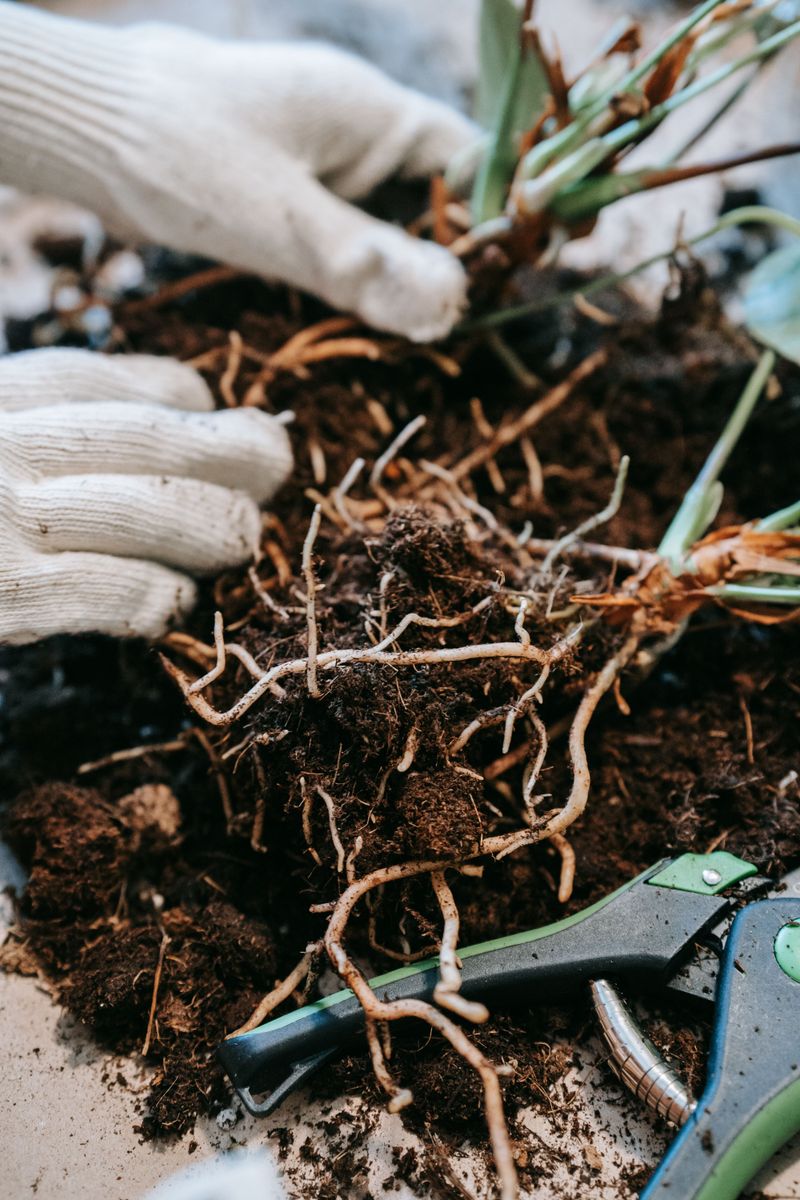
Root rot is a sneaky problem because all the damage happens underground where you cannot see it. By the time the leaves start yellowing and the stems go soft, the roots have often been struggling for weeks.
It is caused by soil-dwelling fungi that thrive in waterlogged conditions. When roots sit in saturated soil for too long, they lose their ability to absorb oxygen and begin to break down.
Overwatering is the most common cause, but poor drainage is just as guilty. Clay-heavy soil and low-lying garden spots hold water long after rain or irrigation stops.
Signs of root rot include yellowing leaves that do not improve with watering, wilting despite wet soil, and stems that feel mushy near the base. The roots themselves will look brown and slimy instead of firm and white.
If you suspect root rot, gently dig around the base of the plant and examine the roots. Healthy roots are white or tan and snap cleanly when bent.
Improving drainage is the most important step you can take. Amending the soil with compost and coarse sand helps water move through more efficiently.
For container hydrangeas, always use pots with drainage holes and empty saucers after watering. Standing water beneath a pot is just as damaging as soggy garden soil.
Caught early enough, root rot can be treated by trimming affected roots and replanting in better-draining soil. Giving your hydrangeas well-drained ground is the foundation of long-term summer health.
8. Fungal Leaf Spot Spreading In Humid, Wet Weather
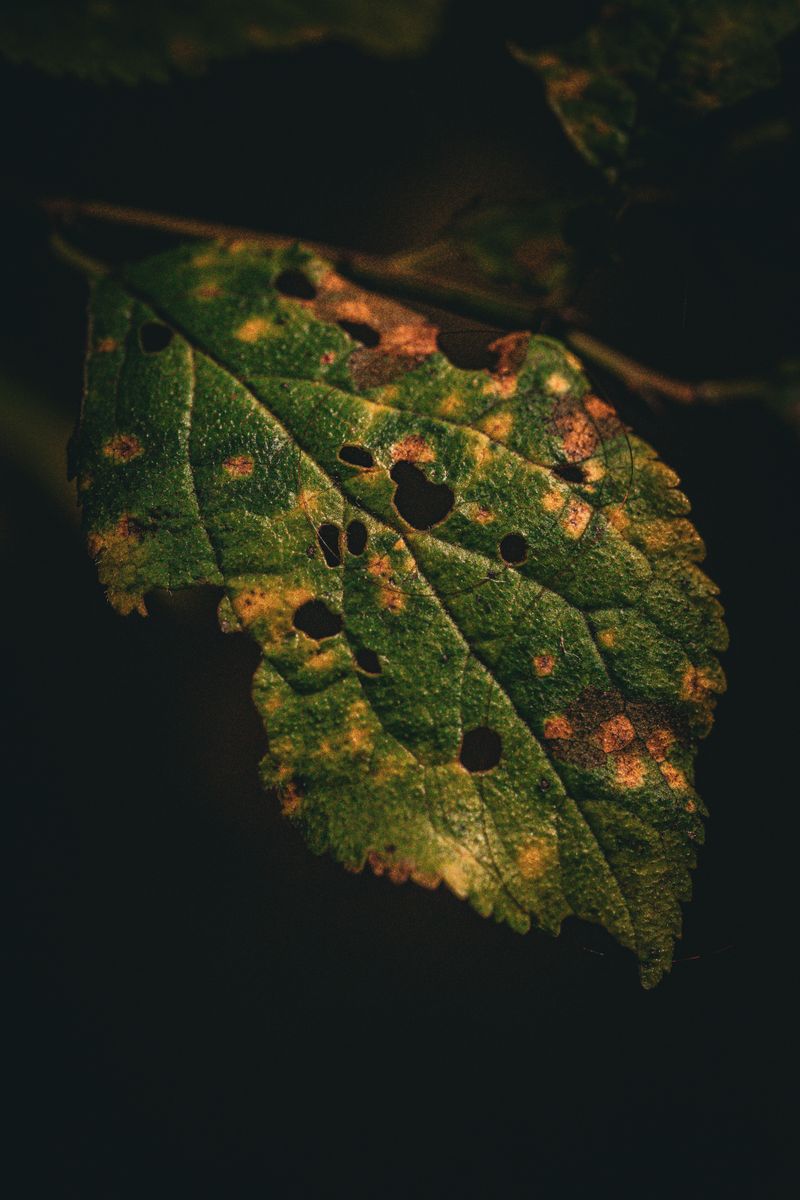
Humid summers and frequent rain create the perfect breeding ground for fungal leaf spot. This common hydrangea problem shows up as circular or irregular brown spots, often ringed with purple or yellow halos.
Unlike powdery mildew, which sits on the surface, leaf spot fungi penetrate the leaf tissue itself. That makes it tougher to wash off and more damaging to the overall health of the plant.
Cercospora and Botrytis are two of the most common culprits behind summer leaf spot on hydrangeas. Both spread through water splashing on infected leaves and moving spores to healthy ones nearby.
Overhead watering is a major contributor to spreading this disease. Switching to drip irrigation or watering at the base of the plant can dramatically reduce how fast it moves through your shrubs.
Remove spotted leaves as soon as you notice them and dispose of them away from the garden. Infected leaves left on the ground will release spores every time it rains.
Fungicide sprays containing chlorothalonil or copper work well against most leaf spot pathogens.
Note that chlorothalonil is banned for home garden use in the EU, so European gardeners should opt for copper-based products instead.
Apply at the first sign of trouble and continue on a regular schedule through wet weather periods.
Spacing your hydrangeas properly at planting time helps prevent leaf spot from becoming a recurring issue.
Good airflow between plants means foliage dries faster after rain, which cuts off the moisture mold and fungi need.
Staying on top of fungal leaf spot keeps your hydrangeas looking lush and full all the way through the final weeks of summer.