These Oregon Perennials Thrive In Heavy Soil And Come Back Strong Every Year
Heavy soil stops a lot of plants before they ever get started. It compacts easily, drains slowly, and creates conditions that suffocate roots that were never built for it.
Gardeners deal with this more than most because the wet winters pack the soil down season after season.
Amending every bed is an option, but it is also a lot of ongoing work with no guarantee the soil stays workable long term.
A smarter approach is planting perennials that are actually built for heavy soil conditions. Not plants that tolerate it and barely survive, but ones that push through it, establish strong root systems, and return bigger and better each spring.
Oregon’s climate gives these perennials exactly what they need between the rainfall, the cool seasons, and the rich mineral content that heavy soil often carries.
The payoff is a garden that fills back in every year without replanting, without major soil work, and without starting over from scratch.
1. Common Camas
Few plants carry as much history as Common Camas. For thousands of years, Indigenous peoples across the Pacific Northwest harvested its bulbs as a major food source.
Today, it’s one of the most beloved native wildflower, and for good reason.
Common Camas thrives in moist, heavy soils and even tolerates seasonal flooding. It grows in open meadows, prairies, and low-lying areas where water tends to collect.
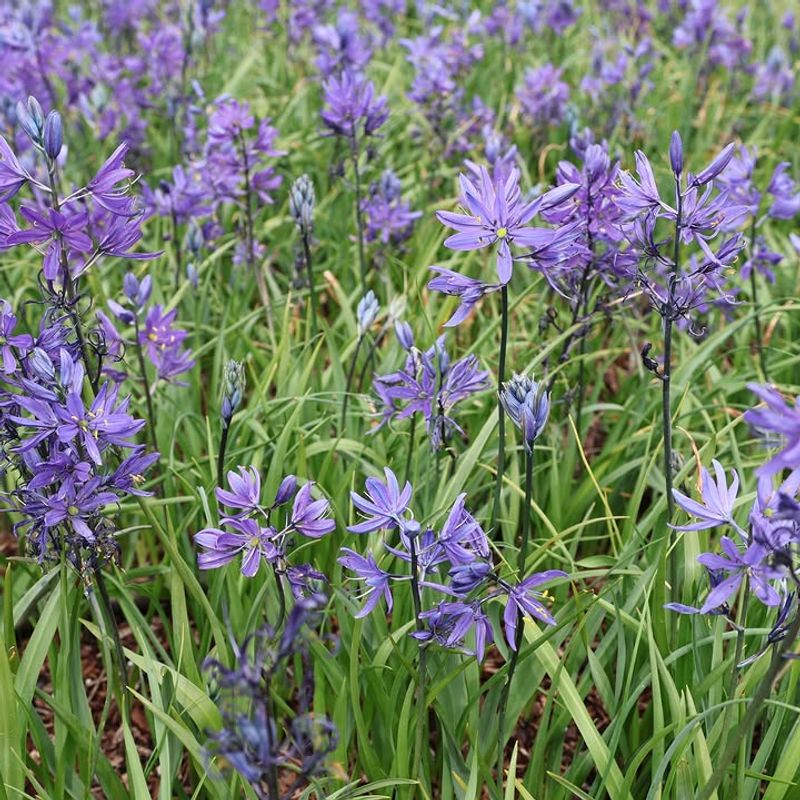
In spring, it sends up tall spikes covered in star-shaped blue-purple flowers that look absolutely stunning in large groups.
Planting it is simple. You can start from bulbs in the fall, placing them about three inches deep in a sunny or lightly shaded spot.
Once established, the plant spreads slowly over time, forming beautiful drifts of color without much help from you.
It goes dormant in summer, so pair it with other plants that fill in during the warmer months. Slough sedge or tufted hairgrass make great neighbors.
Common Camas also attracts native bees and other pollinators when it blooms in April and May.
One thing to keep in mind: Common Camas bulbs look very similar to death camas bulbs, which are toxic. Always buy from a reputable native plant nursery to make sure you’re getting the right species.
It’s a small step that makes a big difference.
2. Leichtlin’s Camas
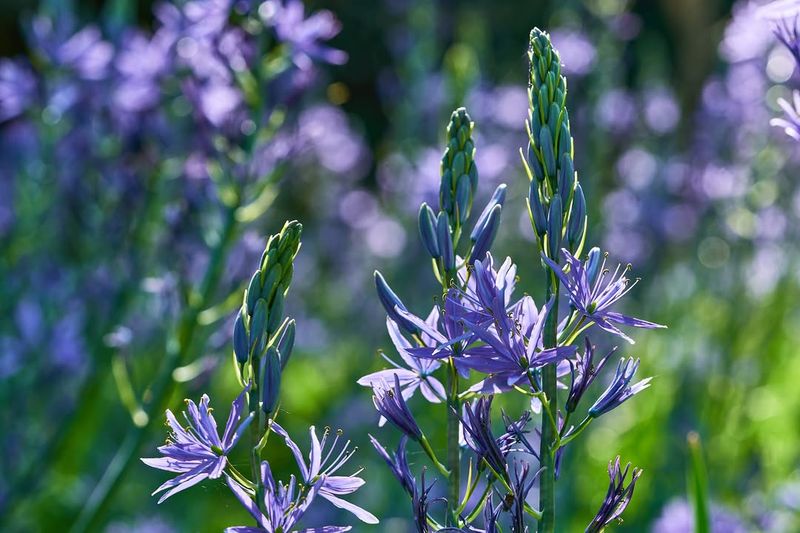
If you want a showstopper in your wet garden bed, Leichtlin’s Camas is the plant to reach for. Its flower spikes are taller and more dramatic than Common Camas, and the blooms are a deeper, richer blue-violet that really catches the eye.
It’s the kind of plant that makes neighbors stop and ask what it is.
Native to Oregon and surrounding areas, this species thrives in heavy, moist soils just like its relative. It handles clay well and can even sit in areas that stay wet through most of the winter.
Full sun is ideal, but it can manage in partial shade too.
Plant the bulbs in fall, about three to four inches deep. Give them some space because the plants can grow up to three feet tall when conditions are right.
Your Oregon Garden Changes Every Week. Your Plan Should Too.
Gardening in Oregon changes quickly throughout the season. Every Friday you’ll receive a simple weekly plan showing exactly what to plant, prune, fertilize, harvest, and protect so you never miss the right timing.
They bloom in late spring, usually around May or June, which is a bit later than Common Camas.
Leichtlin’s Camas is a fantastic choice for rain gardens or bioswales, which are designed to catch and filter runoff. It plays a real role in managing stormwater while looking beautiful at the same time.
Pollinators absolutely love it, especially native bumble bees.
Once planted, it needs very little attention. Just let the foliage die back naturally in summer, and it will return reliably the following spring.
Year after year, it delivers that same gorgeous display without any extra effort on your part.
3. Oregon Iris
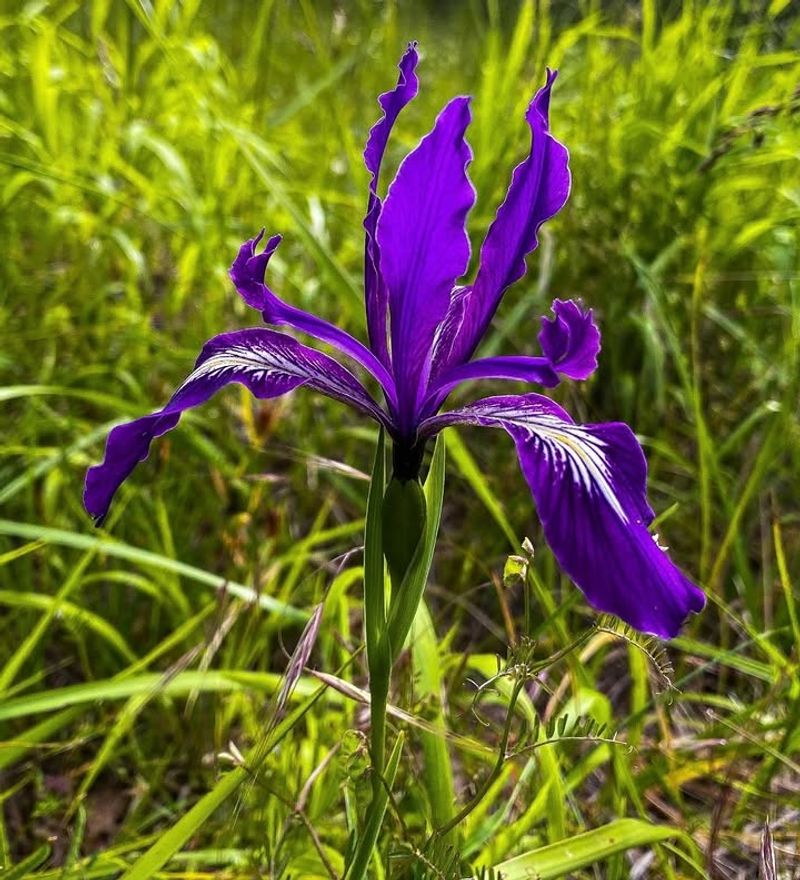
There’s something quietly elegant about Oregon Iris. Its flowers are delicate and intricate, with soft purple petals marked by yellow and white veining that almost looks painted on.
It’s one of those plants that rewards you for looking closely.
Oregon Iris is native to the Pacific Northwest and grows naturally in open woodlands, meadows, and along stream banks. It handles heavy, clay-rich soils very well and doesn’t mind wet winters at all.
In fact, it tends to struggle more in hot, dry conditions than in damp ones.
It blooms in spring, usually between March and May. The flowers sit on slender stems above sword-like leaves that stay attractive even after the blooms fade.
The foliage provides nice structure in a garden bed throughout the growing season.
Plant it in full sun to partial shade. Once established, it spreads slowly through rhizomes, forming clumps that you can divide every few years to share with other gardeners or spread around your yard.
Division also keeps the plants blooming well.
Oregon Iris supports native bees and butterflies, making it a great addition to a pollinator garden. It also works beautifully along the edges of ponds or rain gardens where the soil stays consistently moist.
Low-maintenance and reliably returning each year, it’s one of those plants that earns its spot in any garden without demanding much in return.
4. Slough Sedge
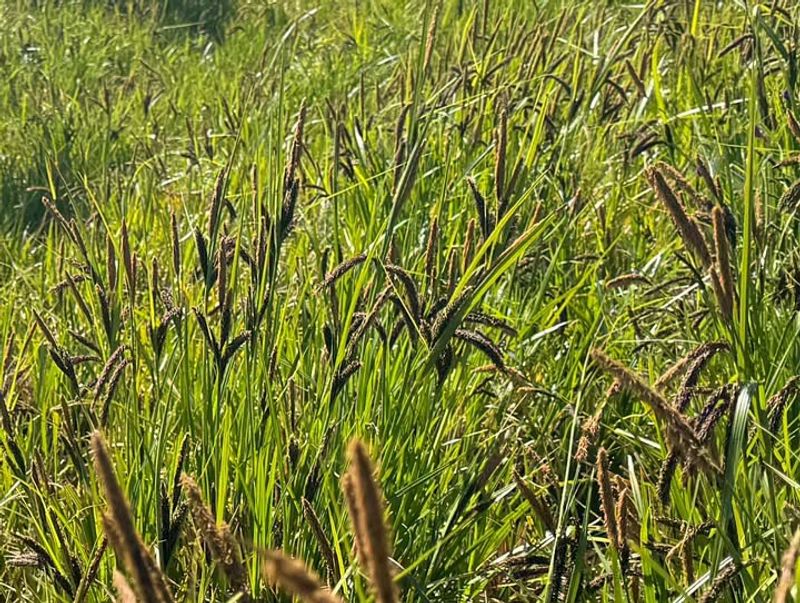
Not every great garden plant needs a flashy flower. Slough Sedge proves that foliage alone can be stunning.
With its long, arching, deep green leaves, it brings a graceful, fountain-like shape to wet garden spots where other plants might struggle to survive.
This native sedge is found naturally along streams, marshes, and wetland edges throughout the state. It absolutely loves heavy, waterlogged soils and can even grow with its roots partially submerged.
If you have a soggy corner in your yard that nothing seems to want, Slough Sedge will likely thrive there.
It grows in clumps that can reach two to four feet tall and wide. The plants produce small brown seed heads in summer that add subtle texture to the garden.
Birds, especially song sparrows and red-winged blackbirds, use the seeds and dense foliage for food and shelter.
Plant it in full sun to partial shade. Once established, it needs almost no care.
It doesn’t require supplemental watering, doesn’t need fertilizing, and spreads at a manageable pace. Dividing clumps every few years keeps them looking tidy and vigorous.
Slough Sedge is a top pick for rain gardens, bioswales, and pond edges. It also helps stabilize soil along slopes and stream banks, reducing erosion in wet areas.
For a tough, dependable, low-maintenance plant that comes back reliably every year, it’s hard to beat this quiet native.
5. Tufted Hairgrass
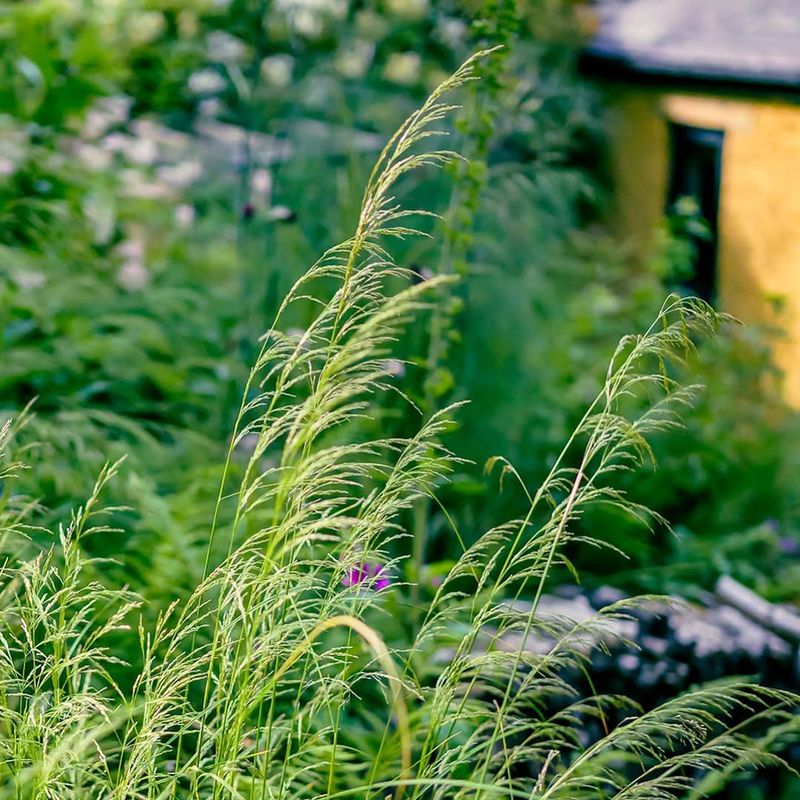
Tufted Hairgrass has a kind of wild, breezy beauty that’s hard to replicate with any other plant. When its delicate seed heads catch the light on a sunny morning, the whole clump seems to shimmer.
It’s one of those grasses that makes a garden feel alive and natural.
Found naturally in wet meadows, bogs, and along stream edges throughout the state, this grass is perfectly suited to heavy, moist soils. It handles clay well and tolerates both seasonal flooding and periods of moderate drought once established.
That kind of flexibility is rare and valuable in a garden plant.
It forms dense tufts of fine, dark green leaves that stay attractive through most of the year. In late spring and early summer, it sends up airy flowering stems that arch gracefully over the foliage.
The seed heads stay ornamental well into fall, providing visual interest long after the blooms are gone.
Plant Tufted Hairgrass in full sun to light shade. It works beautifully in meadow plantings, rain gardens, and along the edges of water features.
It also pairs wonderfully with flowering perennials like Oregon Iris and Camas, adding texture between the bolder blooms.
Wildlife benefits too. Several species of native butterflies and skippers use it as a larval host plant.
Small birds feed on the seeds in fall and winter. For a grass that works hard, looks beautiful, and keeps coming back strong, Tufted Hairgrass belongs in every native garden.
6. Douglas’s Aster
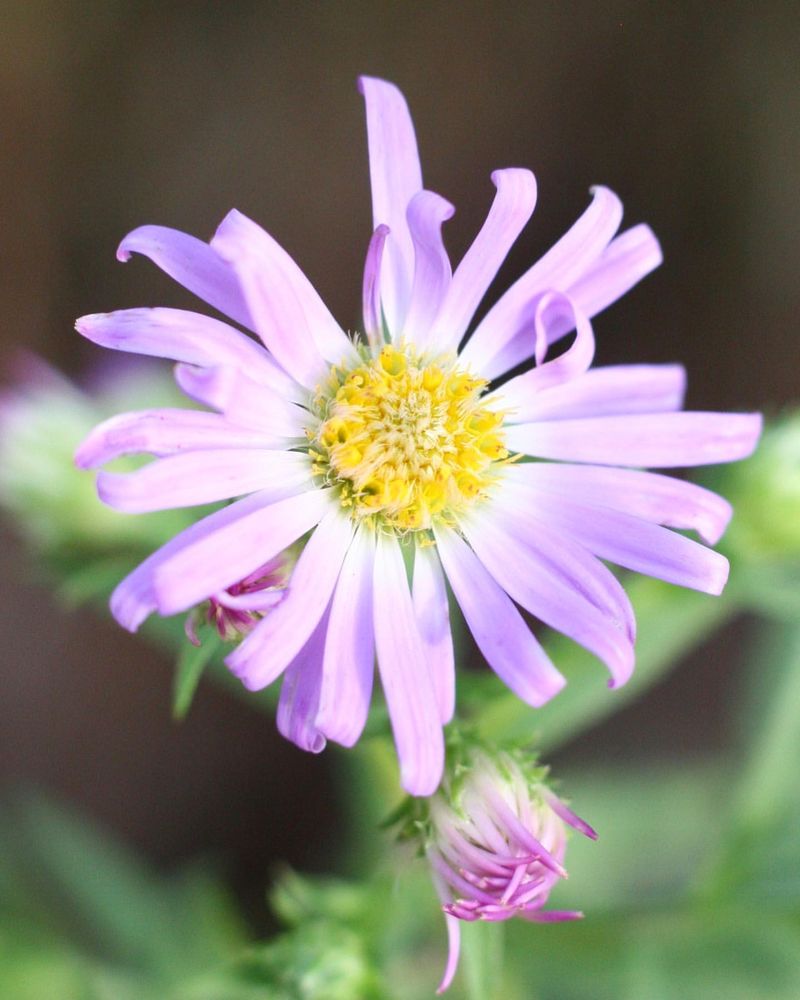
When most summer flowers start to fade, Douglas’s Aster is just getting started. It blooms from late summer into fall, filling the garden with cheerful lavender-purple daisy-like flowers at a time when color can be hard to find.
That late-season bloom makes it incredibly valuable in any planting plan.
This native aster grows naturally in moist, open areas across the state, including meadows, roadsides, and stream banks. It handles heavy, clay-rich soils with ease and actually performs better in wetter conditions than many other asters.
Once established, it spreads to form full, bushy clumps that look great even before the flowers open.
It typically grows two to four feet tall with branching stems covered in small, narrow leaves. The flowers are about an inch across with yellow centers and soft purple rays.
They attract a huge range of pollinators, including bees, butterflies, and even some native wasps that are beneficial for pest control.
Plant it in full sun for the best flowering. It can tolerate partial shade but may get a bit leggy.
Cutting it back by about a third in early summer encourages a more compact, bushy shape and often improves the flower display.
Douglas’s Aster is a fantastic companion plant for Tufted Hairgrass and Slough Sedge in a wet meadow design. It feeds pollinators late in the season when other food sources are scarce, making it a genuinely important plant for local ecosystems as well as a beautiful one for your yard.
7. Western Columbine
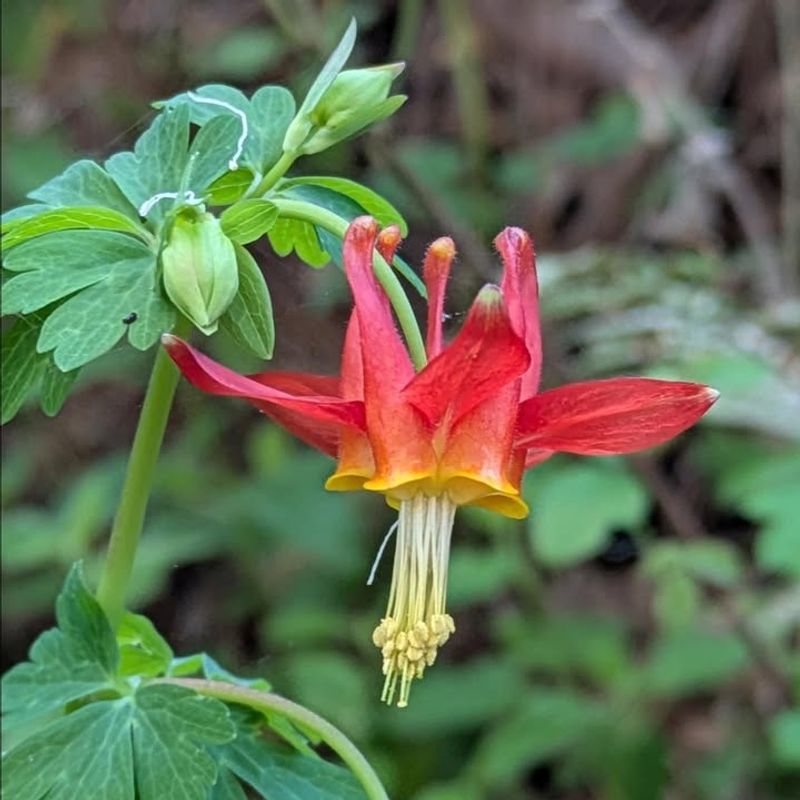
Hummingbirds discovered Western Columbine long before gardeners did. The plant’s nodding red and yellow flowers are perfectly shaped for hummingbird feeding, with long spurs that hold nectar just out of reach for most insects.
If you want to bring more hummingbirds to your yard, this is one of the best plants you can grow.
Western Columbine is native to forests, stream banks, and rocky slopes throughout Oregon. It handles heavy, moist soils well and thrives in the dappled shade of a woodland garden.
Unlike many columbines that prefer dry conditions, this species genuinely appreciates consistent moisture and can handle the wet winters common across much of the state.
It grows about one to three feet tall with delicate, fernlike foliage that looks beautiful even when the plant isn’t flowering. Blooms appear in spring, usually from April through June, and the display can last several weeks.
After flowering, it produces attractive seed pods that self-sow gently, allowing new plants to appear naturally over time.
Plant Western Columbine near the base of trees or along shaded garden edges. It pairs beautifully with Pacific Bleedingheart and Fringecup in a shaded native planting.
The combination of textures and bloom times creates a layered, woodland feel that’s both natural and intentional.
It’s a short-lived perennial, typically lasting three to five years, but because it self-sows reliably, the colony tends to renew itself without any replanting needed. That makes it feel truly permanent in the garden.
8. Pacific Bleedingheart
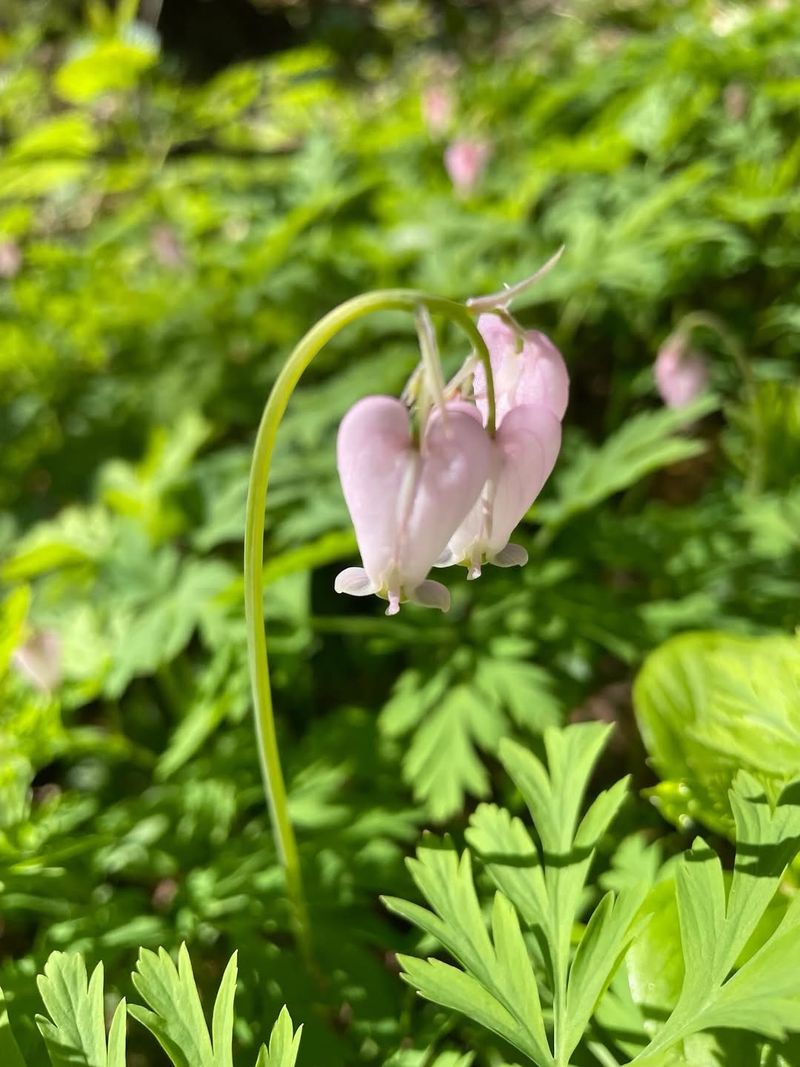
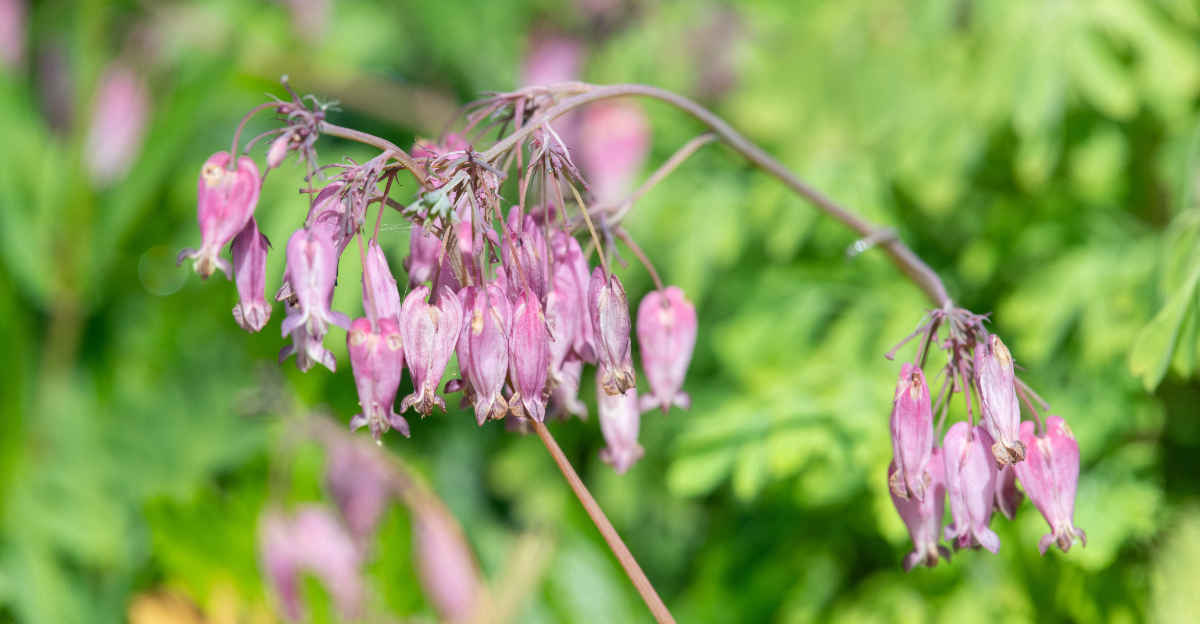
Few plants feel as romantic and whimsical as Pacific Bleedingheart. Its arching stems dangle rows of small, heart-shaped pink flowers that sway gently in a breeze, and the soft, blue-green ferny foliage underneath makes the whole plant look like something from a fairy tale.
It’s genuinely one of the most charming native plants this state has to offer.
Found naturally in moist forests and shaded stream banks, Pacific Bleedingheart is built for the kind of heavy, damp soil that frustrates so many gardeners. It grows best in partial to full shade, making it a perfect choice for the shadier corners of your yard where other flowering plants refuse to perform.
Blooms appear from spring through early summer, sometimes continuing into fall if conditions stay cool and moist. The plant grows about one to two feet tall and wide, forming soft, spreading mounds that fill in nicely under trees or along shaded pathways.
It spreads gently by rhizomes, slowly expanding its footprint without becoming invasive.
Pair it with Western Columbine and Fringecup for a layered shade garden that blooms across multiple seasons. Native bumblebees are especially fond of the flowers, and the plant supports early-season pollinators when food sources are still limited.
Once established, Pacific Bleedingheart is remarkably self-sufficient. It doesn’t need fertilizing, rarely needs watering beyond natural rainfall in Oregon, and comes back reliably each spring.
For a shaded, heavy-soil spot, it’s close to the perfect plant.
9. Fringecup
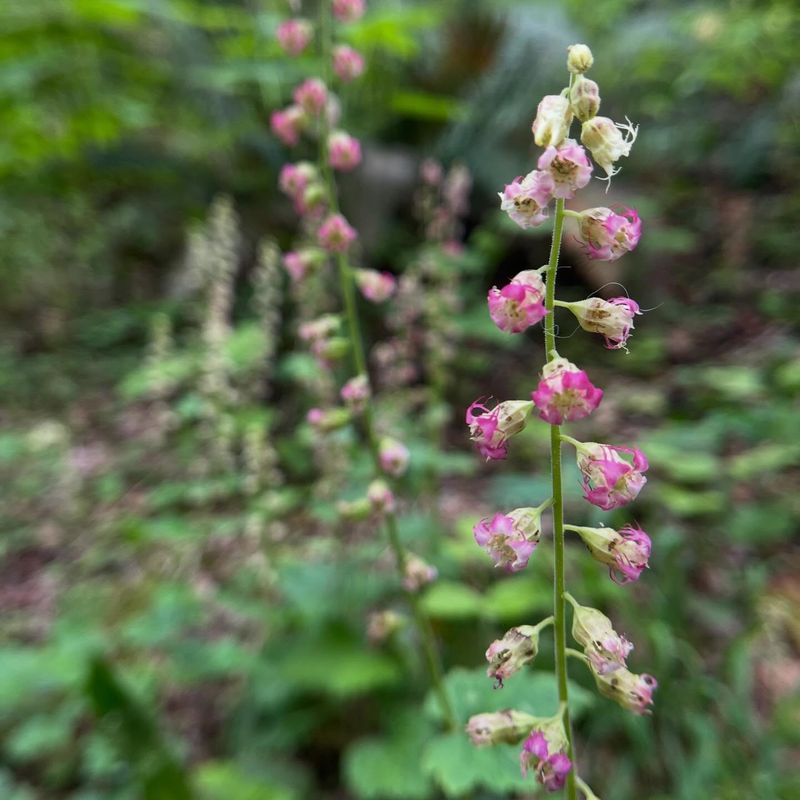
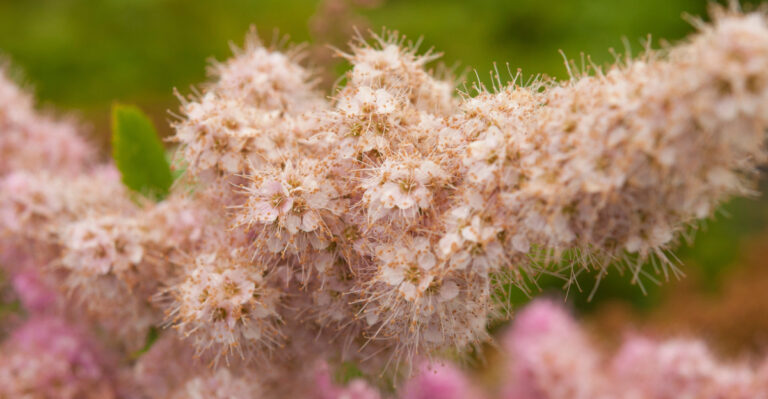
Fringecup is one of those plants that earns more admiration the closer you look at it. From a distance, it looks like a modest woodland plant with tall, slender flower spikes.
Up close, the tiny flowers reveal intricate fringe-like petals in shades of cream and pink that are genuinely beautiful in a subtle, understated way.
Native to moist forests and stream banks across Oregon, Fringecup is completely at home in heavy, wet soils. It tolerates deep shade better than almost any other flowering native perennial, making it one of the most useful plants for those truly dark garden spots under dense tree canopies where little else will grow.
It’s a semi-evergreen plant, meaning the low rosette of rounded, hairy leaves often stays green through winter. In spring, tall flowering stalks rise up to two feet above the foliage, covered in small blooms that open from bottom to top over several weeks.
The bloom period stretches from spring into early summer.
Fringecup self-sows moderately, so you may find small seedlings popping up nearby each year. This is mostly a good thing, as it means the plant naturally replenishes itself without any effort from you.
If it spreads too much, seedlings are easy to pull or transplant.
Plant it alongside Pacific Bleedingheart and Slough Sedge for a layered, low-maintenance shade planting that looks lush and intentional all season long. It’s a quiet workhorse that rewards patient, observant gardeners who take the time to appreciate its delicate details.