These Oregon Plants Could Be Destroying Your Foundation (And What To Plant Instead)
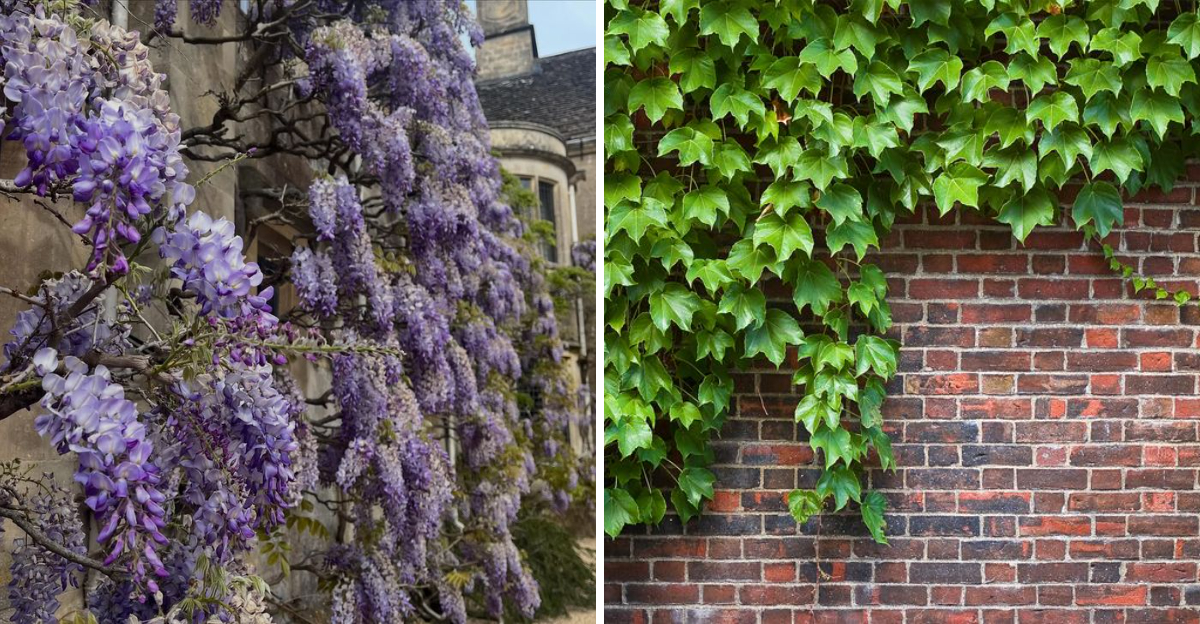
We all want our Oregon homes to look like they belong in a cozy storybook, framed by beautiful, lush greenery.
But planting the wrong shrub next to your house can quickly turn that fairytale into a horror movie for your crawl space.
Between our soggy winters and bone-dry summers, those narrow beds right against the house endure a lot of stress. Some sneaky plants possess aggressive root systems and heavy vines that treat your home’s foundation like a personal playground.
They wiggle into tiny cracks, trap moisture against your siding, and turn routine maintenance into a total nightmare.
Nobody wants to pay thousands of dollars for concrete repairs just because a shrub got a little too cozy.
These troublemakers should stay far away from your walls to keep your home safe and sound!
1. Running Bamboo Spreads Too Close To The House
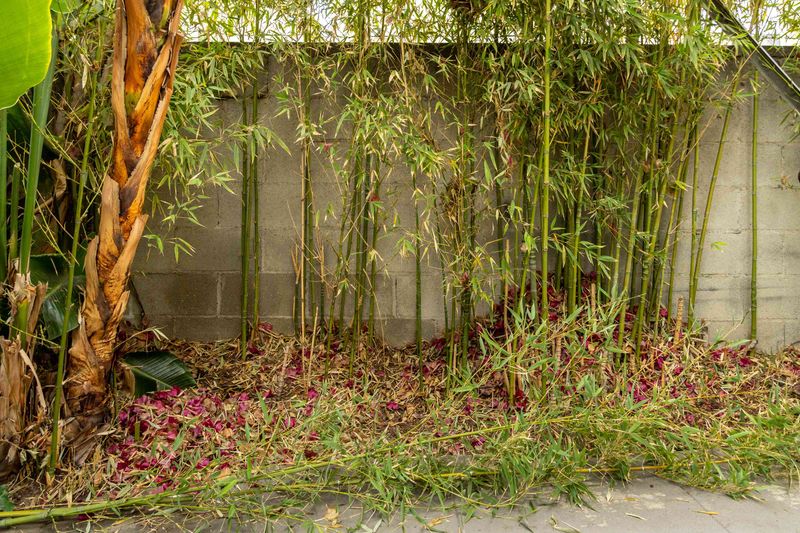
Narrow side yards and foundation beds in Oregon neighborhoods often tempt homeowners to plant running bamboo for quick privacy screening.
Fast-growing culms shoot up in weeks, creating a dense green wall that blocks views and noise from neighboring properties.
The trouble starts underground where rhizomes spread horizontally through moist soil, sending new shoots several feet beyond the original planting area.
Running bamboo rhizomes can travel under walkways, patios, and driveways, popping up in unexpected spots and making removal a major project.
When planted too close to foundations, the spreading underground network follows cracks, loose soil, and damp edges where moisture collects during Oregon’s rainy season.
The rhizomes themselves rarely break sound concrete, but they can widen existing gaps and make foundation inspections nearly impossible once the grove thickens.
Older homes with settling foundations or cracked perimeter edges face the biggest risk when running bamboo gets established in tight spaces.
Removing established bamboo requires digging out rhizomes, cutting back shoots repeatedly, and often hiring professionals to clear the area completely.
Oregon gardeners who want bamboo screening should choose clumping varieties instead, or plant running types in large containers sunk into the ground with root barriers extending at least three feet deep around the planting zone.
2. But Evergreen Huckleberry Makes A Better Screen
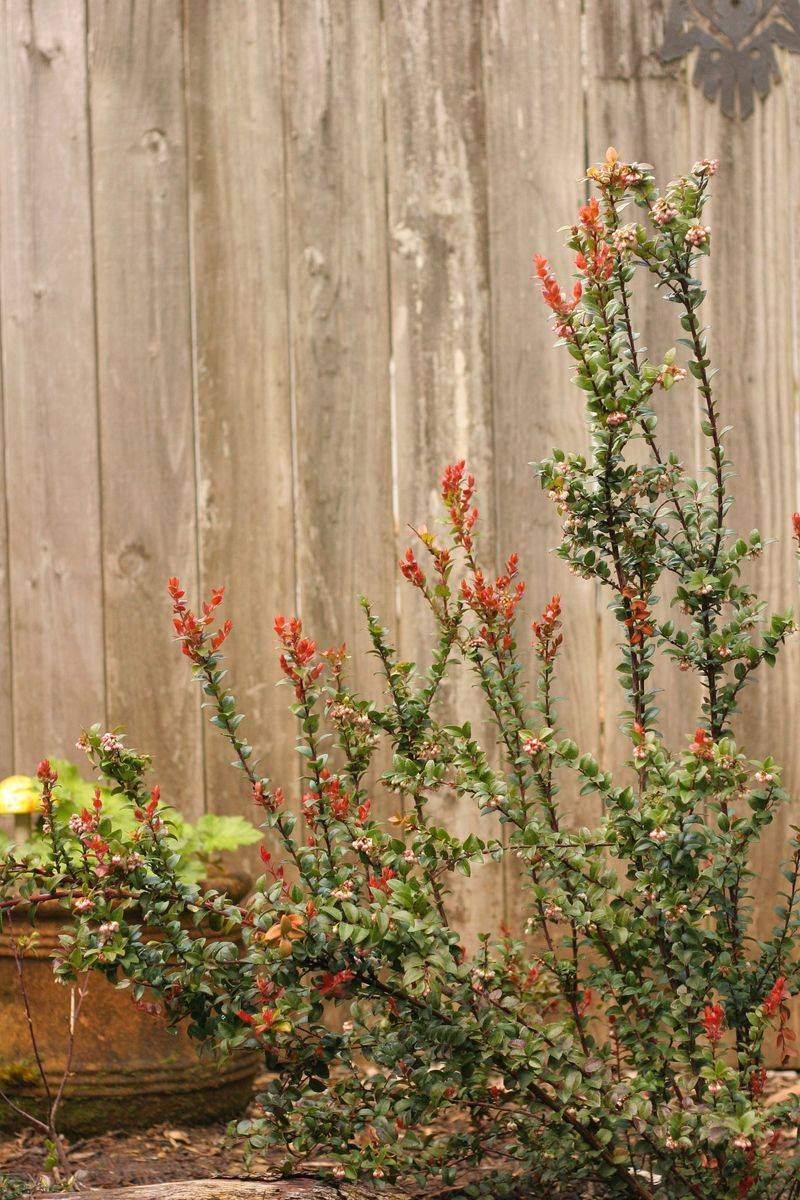
Evergreen huckleberry grows naturally in Oregon forests and adapts beautifully to home landscapes when given enough room.
This native shrub reaches four to eight feet tall with glossy dark green leaves that stay attractive year-round, offering privacy screening without the aggressive spreading habits of running bamboo.
Small pink or white bell-shaped flowers appear in spring, followed by dark berries that birds and wildlife love.
The root system stays compact and well-behaved, making evergreen huckleberry a safer choice for foundation plantings when spaced at least three feet from walls.
Plants prefer part shade to full shade and tolerate Oregon’s wet winters without issue, though they appreciate some summer water during extended dry spells.
Evergreen huckleberry grows slowly compared to bamboo, but the patient gardener gets a low-maintenance screen that won’t send runners under hardscape or pop up in unwanted areas.
Your Oregon Garden Changes Every Week. Your Plan Should Too.
Gardening in Oregon changes quickly throughout the season. Every Friday you’ll receive a simple weekly plan showing exactly what to plant, prune, fertilize, harvest, and protect so you never miss the right timing.
Older neighborhoods with narrow side yards benefit from evergreen huckleberry because it fills vertical space without spreading horizontally into foundation edges.
The shrub also improves airflow near walls, reducing hidden moisture problems that ivy or bamboo might trap against siding.
Pruning needs stay minimal once the plant reaches mature size, and the natural upright form requires little shaping to maintain an attractive appearance throughout the seasons.
3. English Ivy Hides Wall And Moisture Problems
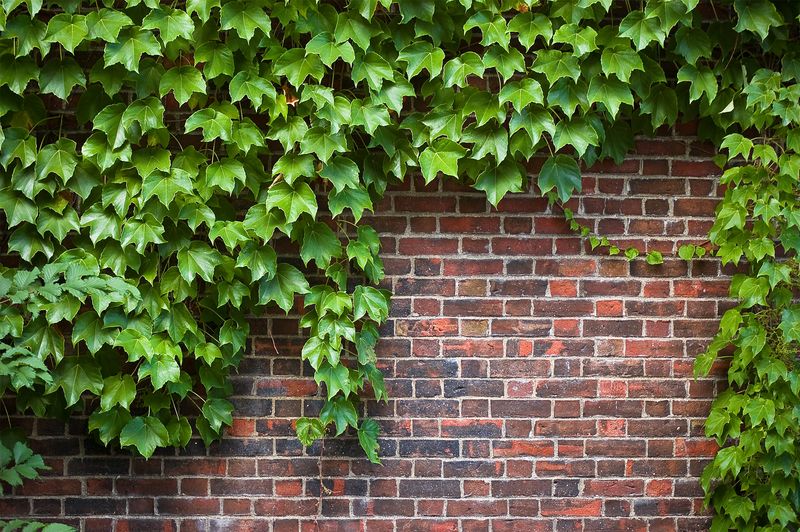
Foundation beds in older Oregon homes often feature English ivy that was planted decades ago for quick groundcover and evergreen texture. The vigorous vines climb walls using aerial rootlets, creating a lush green curtain that seems charming at first glance.
Problems develop when ivy covers siding, hides cracks, traps moisture against surfaces, and makes foundation inspections nearly impossible without tearing away thick mats of growth.
English ivy is classified as invasive in Oregon because it escapes cultivation, climbs native trees, and spreads through woodland areas where it outcompetes native plants.
When grown against house walls, the dense foliage holds moisture from rain and irrigation against siding, creating conditions where rot, mold, and hidden damage can develop unnoticed.
The rootlets themselves rarely damage sound surfaces, but they cling tightly and can widen existing cracks or pull away loose mortar from older brick and stucco.
Removing established English ivy from walls requires careful work to avoid damaging siding, and the rootlet marks often remain visible for years.
Gardeners who inherit ivy-covered homes face tough choices about whether to remove the vines or manage them with frequent trimming.
Keeping ivy away from foundations improves airflow, reduces moisture problems, and makes routine maintenance much easier than dealing with thick ivy mats that hide issues until they become expensive repairs.
4. However Kinnikinnick Makes A Better Groundcover
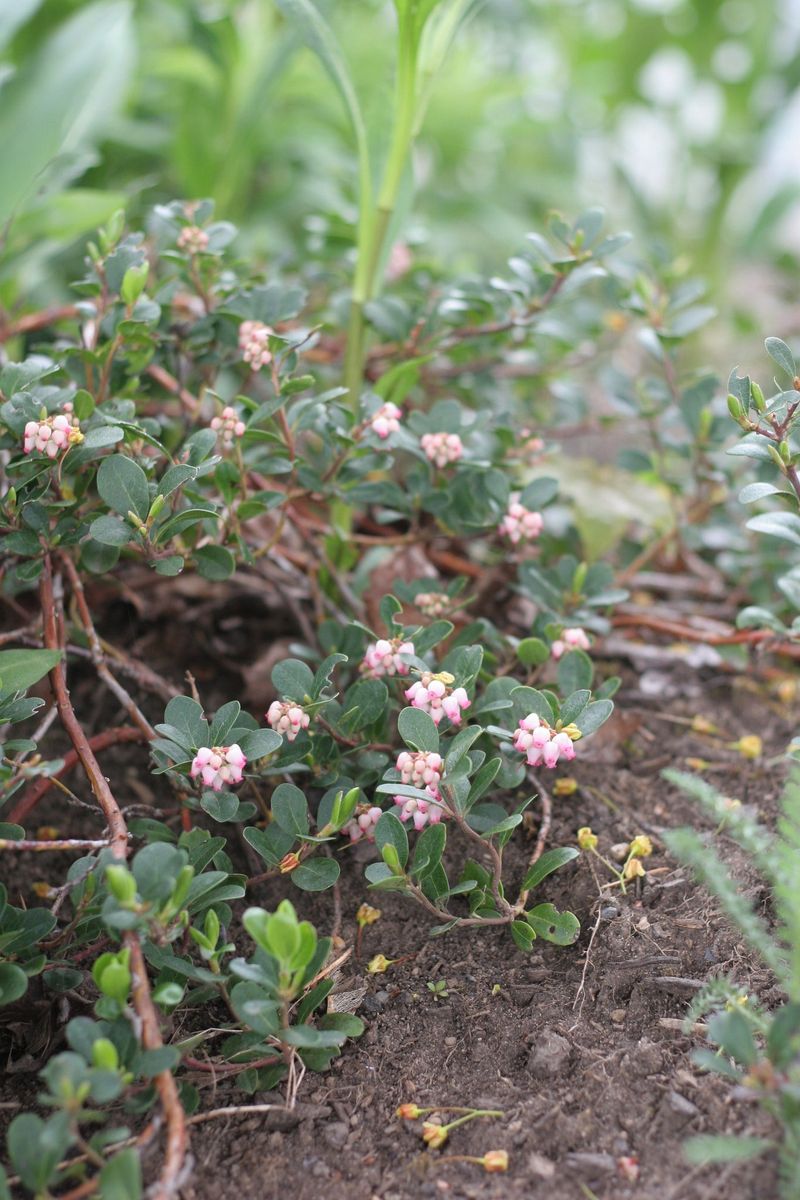
Kinnikinnick offers gardeners a native evergreen groundcover option that stays low and spreads horizontally without climbing walls or hiding foundation edges.
This Pacific Northwest native grows just four to six inches tall with small glossy leaves, white or pink urn-shaped flowers in spring, and bright red berries that persist into winter.
The plant spreads slowly through trailing stems that root where they touch soil, creating a dense mat over time.
Unlike English ivy, kinnikinnick prefers well-drained sites and tolerates dry conditions once established, making it suitable for sunny foundation beds with good drainage.
The low growth habit allows homeowners to inspect foundation walls, siding, and hardscape edges without pulling back thick vines or cutting through tangled growth.
Kinnikinnick works best in areas that don’t stay soggy during Oregon’s wet season, since the plant can struggle in heavy clay or poorly drained soil.
Foundation plantings with kinnikinnick maintain a tidy appearance with minimal pruning, and the plant won’t climb walls or spread into unwanted areas as aggressively as ivy.
The native groundcover also provides habitat value for Oregon wildlife without the invasive behavior that makes English ivy problematic in regional landscapes.
Gardeners should plant kinnikinnick at least two feet from foundations and mulch around young plants until they fill in, creating an attractive evergreen carpet that stays manageable year after year.
5. Wisteria Gets Too Heavy Near Walls
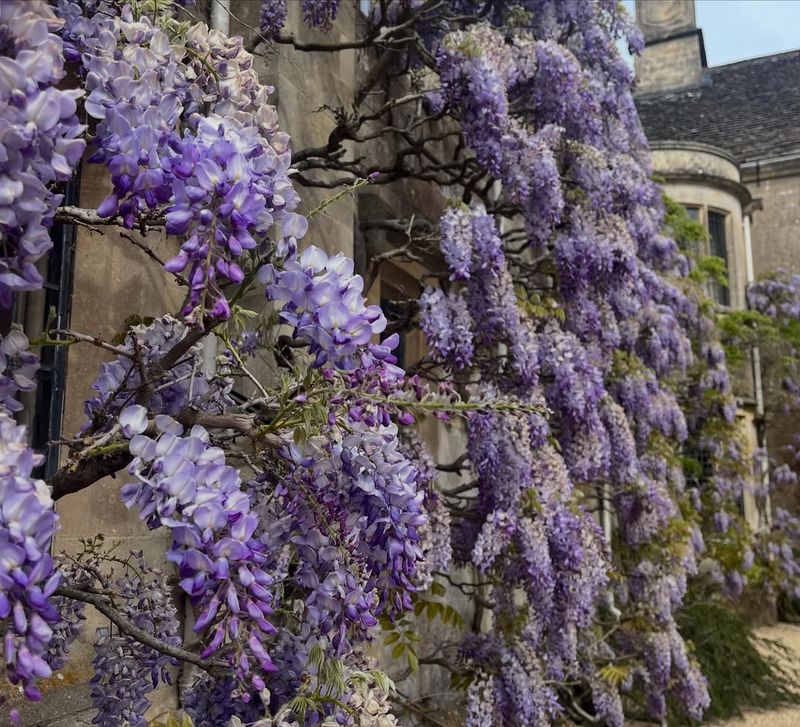
Wisteria vines produce stunning cascades of fragrant purple or white flowers in spring, tempting homeowners to plant them near walls and porches for dramatic vertical color.
Young vines seem manageable at first, twining gently around supports and producing modest blooms.
The trouble comes as wisteria matures and develops thick woody trunks that can reach the diameter of a human arm or larger, creating immense weight that older trellises, gutters, and wall-mounted supports cannot handle safely.
Mature wisteria vines can weigh hundreds of pounds, and the twining stems wrap tightly around anything in their path, including downspouts, siding edges, and porch columns.
When planted too close to house walls, the heavy growth can pull away trim, damage gutters, and create maintenance headaches that require professional help to resolve.
The vines also need frequent pruning to control size and encourage flowering, and neglected plants quickly become tangled masses that smother nearby shrubs and overwhelm intended supports.
Oregon’s mild climate allows wisteria to grow vigorously, and older neighborhoods often feature massive vines that have outgrown their original locations.
Removing established wisteria requires cutting back heavy trunks and digging out persistent roots that resprout if left in place.
Homeowners who love wisteria should plant it on very strong freestanding arbors or pergolas located well away from house walls, where the mature weight won’t threaten structures or create safety concerns.
6. While Clematis Climbs Better On A Separate Trellis
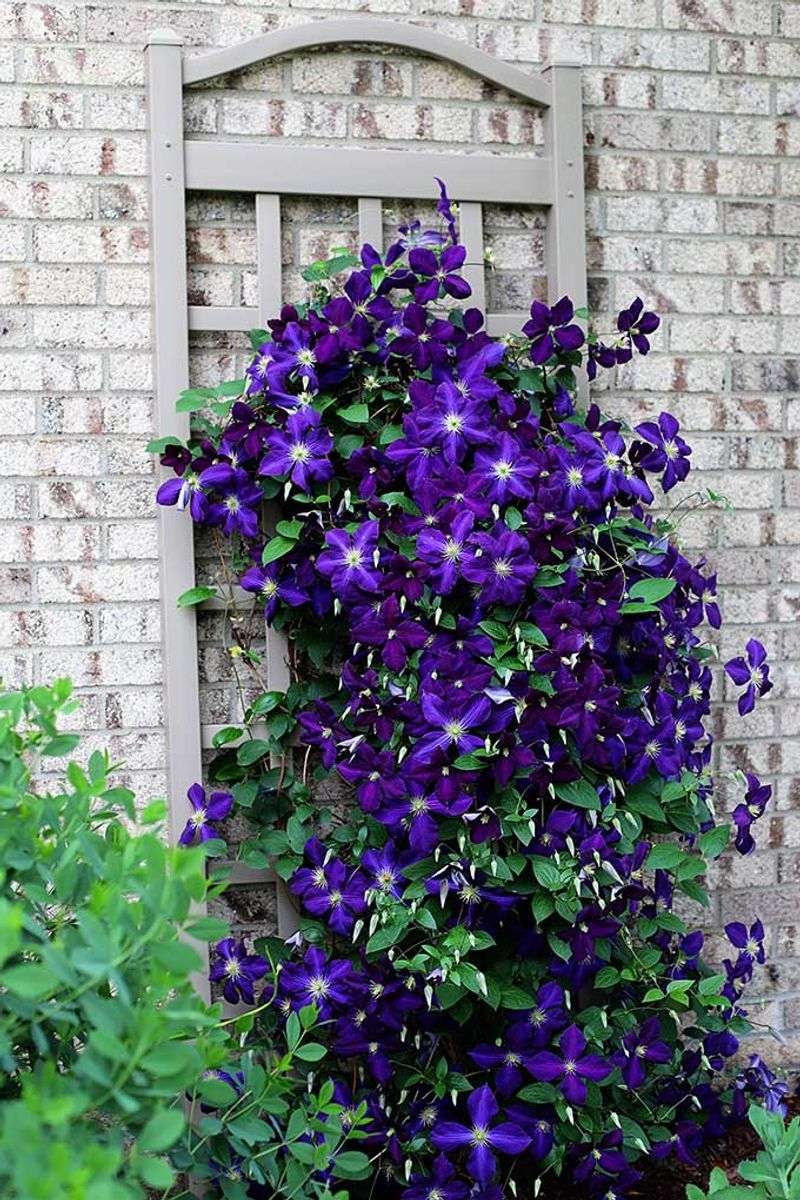
Clematis vines offer gardeners beautiful vertical flowers without the heavy woody growth that makes wisteria problematic near house walls.
These deciduous climbers produce large showy blooms in colors ranging from white and pink to deep purple and red, and they climb by twining leaf stems around supports rather than clinging with aerial rootlets.
The vines stay lighter in weight than wisteria, making them easier to manage on trellises, arbors, and fences.
Planting clematis on a freestanding trellis or obelisk allows the vine to display flowers at eye level while keeping the root zone and support structure away from foundation edges.
Clematis roots prefer cool moist soil with good drainage, and they perform best when the root area stays shaded while the top growth reaches into sun or part shade.
Placing the trellis several feet from house walls improves air circulation, reduces moisture problems, and makes pruning and maintenance much simpler than dealing with vines attached directly to siding.
Oregon’s climate suits many clematis varieties, and gardeners can choose from early bloomers, summer flowers, and late-season types to extend color throughout the growing season.
The vines need annual pruning to remove spent growth and encourage fresh stems, but the work stays manageable when plants grow on accessible trellises rather than climbing walls or wrapping around gutters.
Clematis also pairs beautifully with roses, shrubs, and perennials in mixed borders, adding vertical interest without the aggressive habits that cause problems near foundations.
7. Horsetail Spreads Through Damp Edges
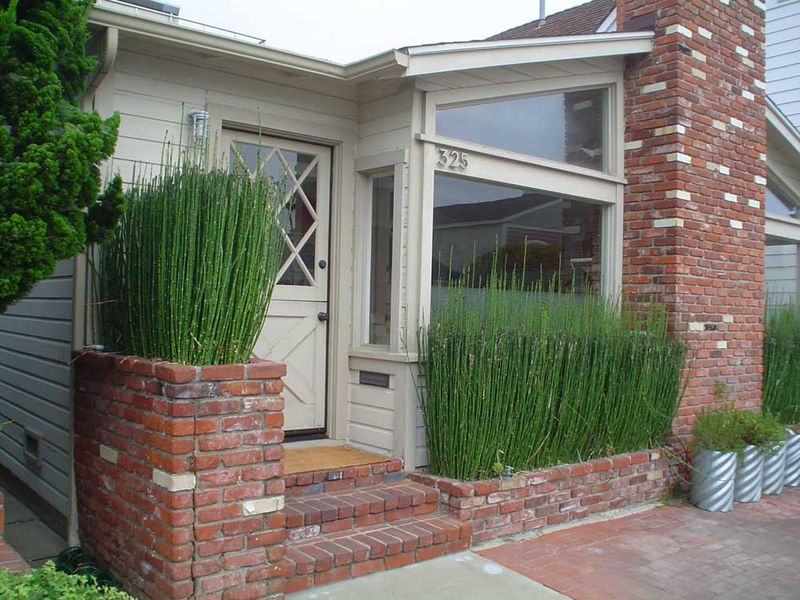
Damp foundation edges and poorly drained side yards in Oregon neighborhoods create conditions where horsetail can establish and spread aggressively through underground rhizomes.
This ancient plant produces distinctive segmented green stems that look architectural and interesting in the right setting, but it becomes a persistent problem when it colonizes narrow beds near house walls.
Horsetail rhizomes travel horizontally through soil, following moisture along foundation perimeters, under walkways, and through hardscape seams where water collects.
Once established, horsetail proves extremely difficult to remove because the brittle rhizomes break easily when pulled, and each fragment left in the soil can generate new shoots.
The plant tolerates Oregon’s wet winters and spreads readily in areas where drainage stays poor or irrigation keeps soil consistently moist.
Foundation beds with horsetail become maintenance nightmares as new shoots emerge repeatedly throughout the growing season, pushing through mulch and crowding out intended plantings.
Horsetail rhizomes can follow cracks in concrete, work into gaps between pavers, and spread under retaining walls where they become nearly impossible to reach.
Older homes with settling foundations or damaged hardscape edges face the biggest challenges when horsetail gets established in tight spaces.
Gardeners should avoid planting horsetail anywhere near house foundations.
Those who inherit an existing infestation need to remove as much rhizome as possible, improve drainage, and monitor the area closely for several seasons to catch new growth before it reestablishes.
8. But Sword Fern Adds Safer Green Texture
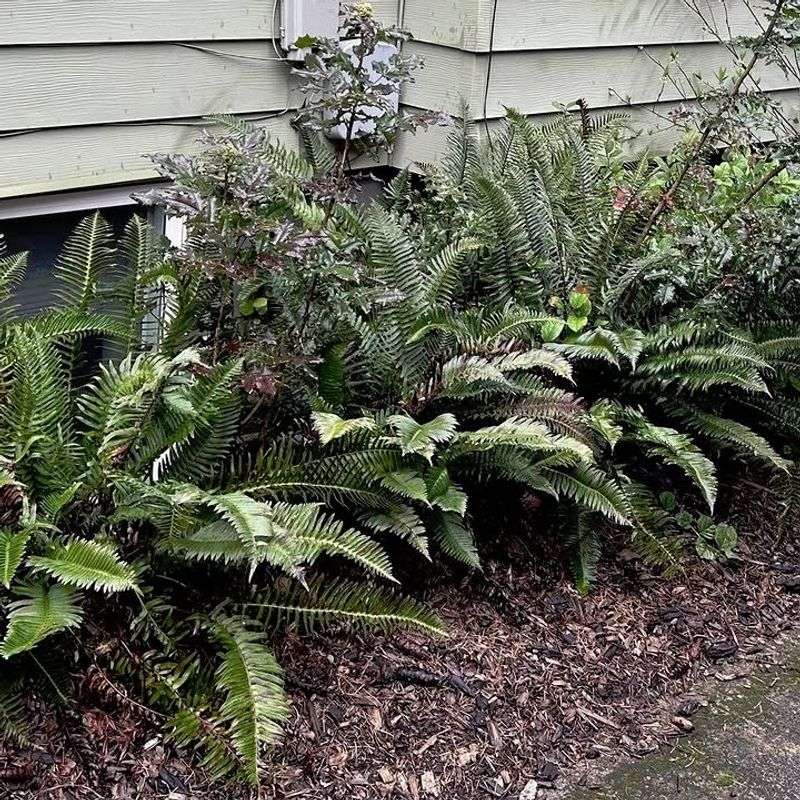
Sword fern brings lush green texture to shaded Oregon landscapes without the aggressive spreading habits that make horsetail problematic near foundations.
This native fern produces arching fronds that can reach three to five feet long, creating a soft layered appearance that complements woodland gardens, shaded side yards, and foundation beds with adequate spacing.
The root system stays compact and well-behaved, making sword fern a reliable choice for areas where spreading rhizomes would cause trouble.
Unlike horsetail, sword fern prefers well-drained soil and tolerates dry shade once established, though it looks best with occasional summer water during extended dry spells.
The plant thrives in Oregon’s mild climate and requires minimal maintenance beyond removing old fronds in early spring before new growth emerges.
Sword fern won’t spread into hardscape seams, follow foundation cracks, or colonize areas where it wasn’t planted, giving gardeners predictable growth that stays where intended.
Foundation plantings with sword fern maintain an attractive appearance year-round, and the evergreen fronds provide visual interest even during winter months.
The fern also improves airflow near walls compared to dense groundcovers, reducing moisture problems while adding valuable texture to shaded areas.
Gardeners should plant sword fern at least two feet from foundations and group multiple plants for best effect, creating a lush understory that fills space without overwhelming nearby structures or requiring constant control efforts to keep growth in check.
9. Weeping Willow Roots Need Too Much Room
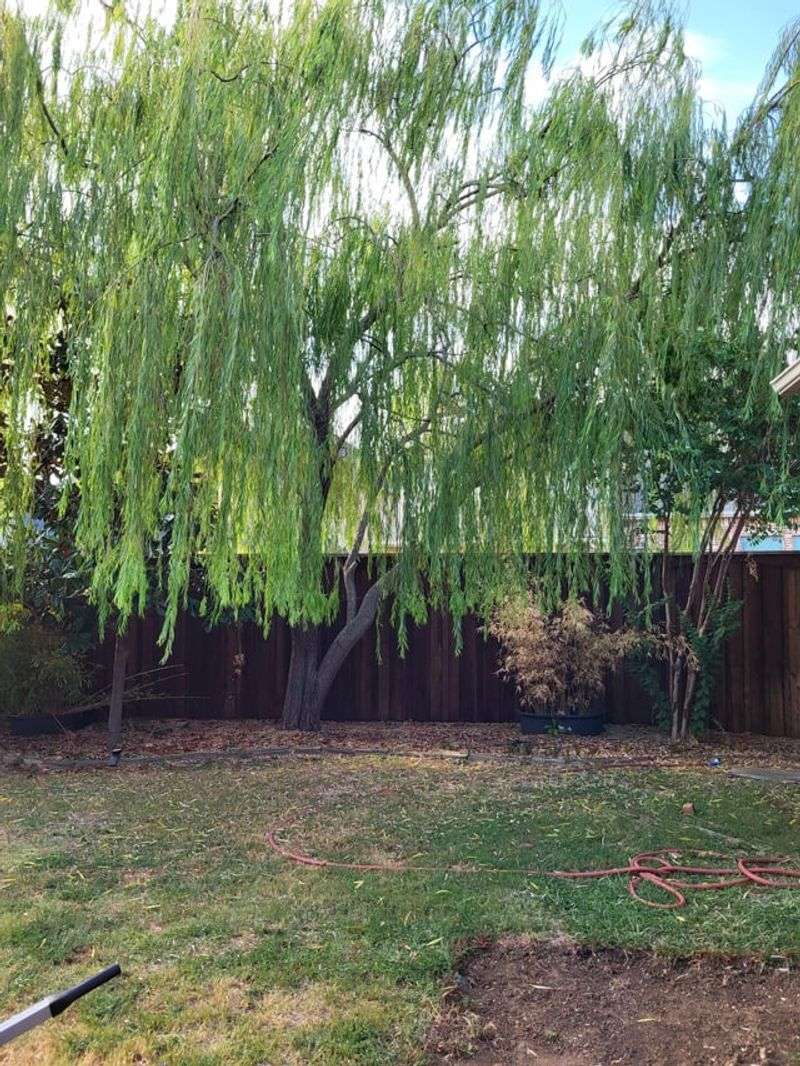
Weeping willow trees create romantic focal points with their graceful drooping branches and bright green foliage, but they need far more space than narrow foundation beds or small yards can provide.
These fast-growing trees develop extensive root systems that spread horizontally in search of moisture, and they can reach mature heights of forty to fifty feet with canopies nearly as wide.
When planted too close to Oregon homes, weeping willows create multiple problems as roots explore foundation perimeters, hardscape edges, and underground utilities.
The roots themselves rarely break sound concrete, but they follow existing cracks, loose soil, and damp areas where moisture accumulates during wet season.
Foundation beds simply don’t offer enough room for weeping willow roots to spread naturally, and the confined space leads to surface roots, lifted pavers, and potential drainage problems.
The trees also drop branches, leaves, and twigs constantly, creating maintenance work near walls and gutters where debris accumulates.
Older Oregon neighborhoods sometimes feature mature weeping willows that were planted decades ago when spacing guidelines were less understood.
Removing established willows requires professional help because the trees grow large quickly and the root systems extend well beyond the drip line.
Homeowners who love weeping willows should plant them in open lawn areas or near ponds where the roots have room to spread without threatening structures.
Smaller trees are a much better fit for foundation areas where space stays limited and root conflicts would be likely.
10. While Red-Flowering Currant Makes A Better Shrub Choice
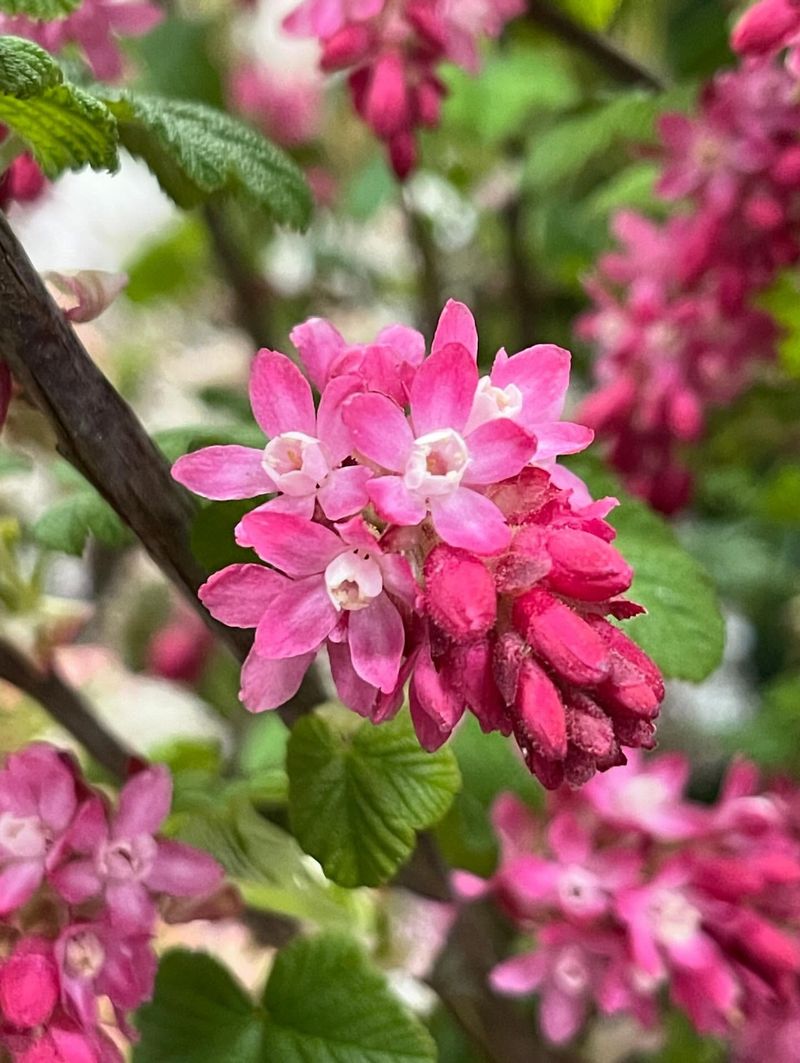
Red-flowering currant offers Oregon gardeners a native deciduous shrub that provides seasonal color and wildlife value without the extensive root systems that make weeping willow problematic near foundations.
This Pacific Northwest native grows six to ten feet tall with upright arching branches, bright green leaves, and clusters of pink to red tubular flowers that appear in early spring before many other plants bloom.
Hummingbirds flock to the nectar-rich flowers, and the shrub produces small berries that birds enjoy later in the season.
The root system stays compact and manageable, making red-flowering currant suitable for foundation plantings when spaced at least three feet from walls.
The shrub tolerates Oregon’s wet winters and adapts to dry shade or part sun locations, though it looks best with occasional summer water during extended dry spells.
Red-flowering currant grows at a moderate pace compared to weeping willow, and the mature size stays predictable without the sprawling canopy and root spread that large trees develop.
Foundation areas with red-flowering currant maintain an attractive appearance through multiple seasons, with spring flowers, summer foliage, and graceful branching structure that looks good even after leaves fade in autumn.
The shrub also improves airflow near walls and requires minimal pruning to maintain shape, making maintenance much simpler than dealing with large trees planted too close to houses.
Gardeners appreciate red-flowering currant for its native habitat value, manageable size, and reliable performance in landscapes where space stays limited and root conflicts must be avoided.