These Plants Are Being Banned In More California Counties
California plant bans can feel like garden gossip until they land in your county. Suddenly, a pretty shrub or backyard favorite may come with rules attached.
The reason usually has less to do with looks and more to do with risk. Some plants spread too easily, fuel fire concerns, or create headaches for local ecosystems.
But the confusing part is how rules can vary by county, city, or agency. A plant that seems fine in one place may be restricted somewhere else.
Before you buy, plant, or defend your favorite greenery with full homeowner confidence, it helps to know what is changing.
California gardens are already complicated enough without accidentally planting tomorrow’s problem.
1. Jubata Grass Is Already State-Regulated
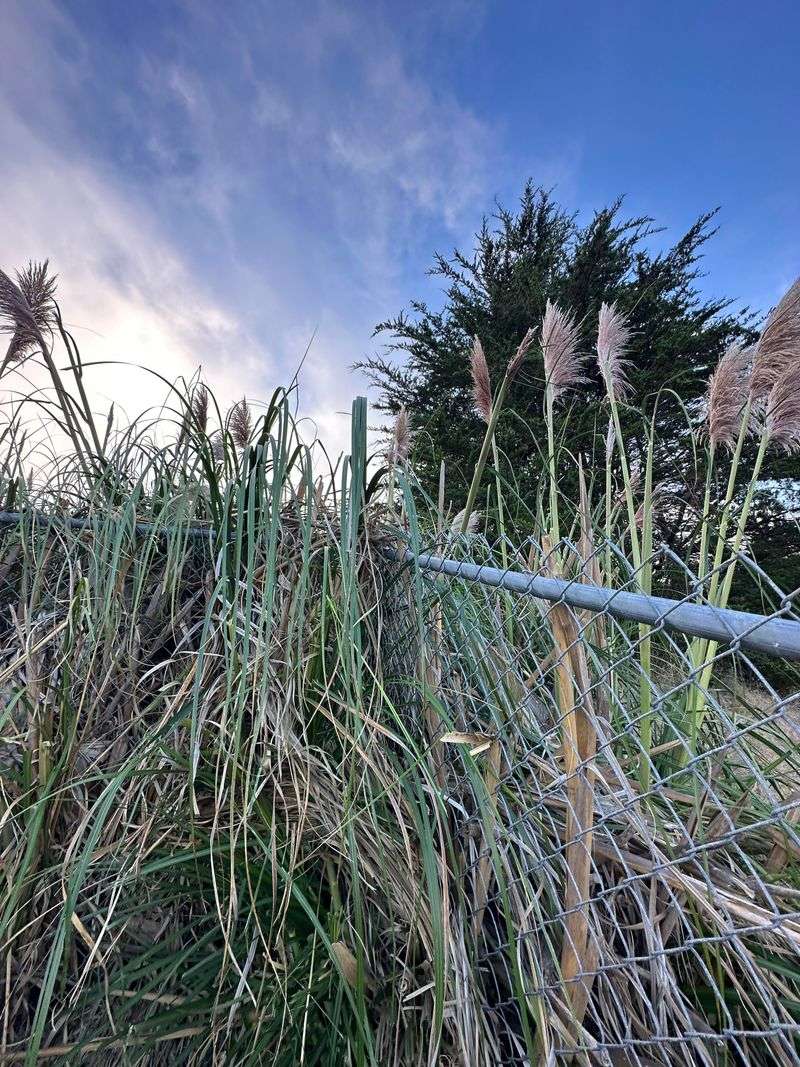
Few plants have caused as much debate in California as Jubata grass. It looks a lot like the popular pampas grass, and many people planted it on purpose thinking it was harmless.
But it is now listed as a noxious weed by the California Department of Food and Agriculture.
Jubata grass grows extremely fast and produces thousands of seeds that travel on the wind.
It spreads into coastal scrub, chaparral, and forests, shading out native plants that animals depend on for food and shelter.
Once it takes hold, it is very hard to remove without a lot of effort and money.
Northern regions have seen some of the worst infestations. The plant thrives in mild, moist climates and can grow along roadsides, open hillsides, and disturbed land with very little care.
Some counties have already restricted its sale, and more are expected to follow.
If you spot tall, feathery grass clumps with pinkish or purplish plumes near natural areas, do not assume it is harmless. Reporting it to your local county ag department is a smart first step.
Homeowners who already have it growing on their property may be asked to remove it and replace it with a native grass species that supports local birds and pollinators instead.
2. Giant Reed Is A Creekside Nightmare
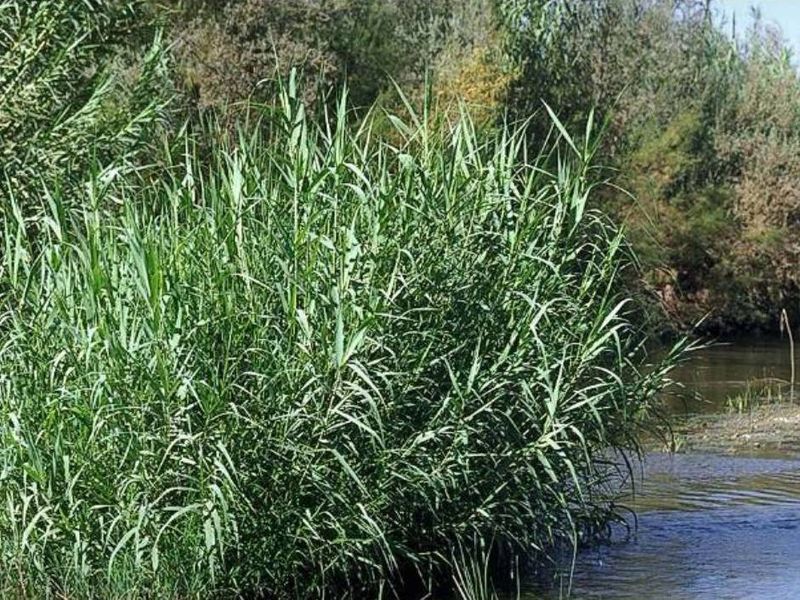
Along streams and riverbanks across California, one plant has earned a reputation as one of the most destructive invaders around.
Giant reed, known scientifically as Arundo donax, grows up to 30 feet tall and spreads through underground stems called rhizomes. It is nearly impossible to pull out by hand.
This plant crowds out native willows, cottonwoods, and other streamside vegetation that birds, fish, and insects rely on.
It also uses enormous amounts of water, which is a serious problem in a state that regularly deals with drought.
Some studies suggest a single acre of giant reed can consume millions of gallons of water per year.
Fire risk is another major concern. Giant reed dries out in summer and becomes highly flammable.
When it burns, it burns hot and fast, and then regrows quickly from its roots, making repeated fires more likely in areas where it has spread.
Removal projects along major rivers like the Sacramento and San Joaquin have cost millions of dollars.
Your California Garden Changes Every Week. Your Plan Should Too.
Gardening in California changes quickly throughout the season. Every Friday you’ll receive a simple weekly plan showing exactly what to plant, prune, fertilize, harvest, and protect so you never miss the right timing.
Many counties are now restricting its planting and encouraging landowners near waterways to check for it and report new patches.
Early detection makes a big difference. If you live near a creek or river, walk the banks occasionally and look for those tall, bamboo-like canes. Getting rid of it early saves a lot of trouble later.
3. Big Periwinkle Escapes Shady Beds
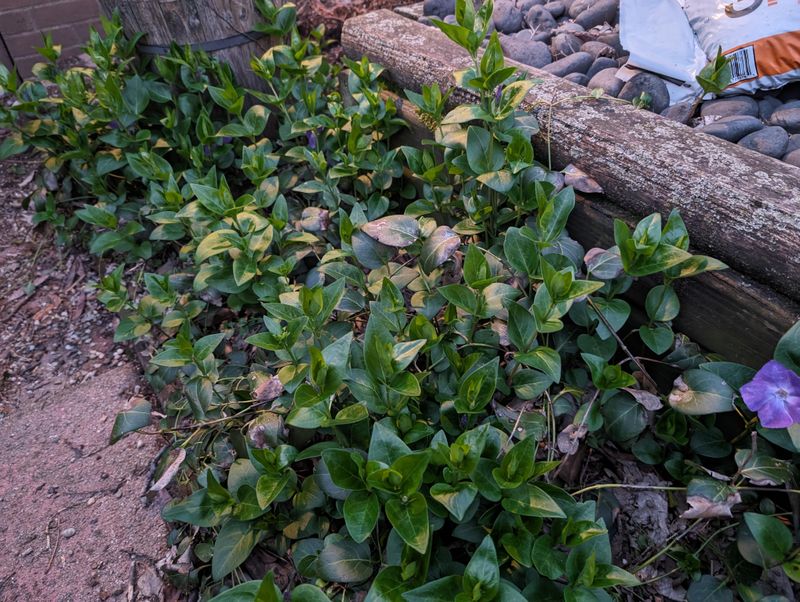
Many gardeners have used big periwinkle as a ground cover for years because it is low-maintenance and stays green year-round.
Those shiny leaves and purple flowers look lovely in a shady yard. But what happens after it escapes the garden is a very different story.
Big periwinkle, or Vinca major, spreads aggressively into natural areas, especially along stream banks and shaded woodland edges.
It forms thick mats that block sunlight from reaching the soil, preventing native seedlings from ever getting started.
Over time, it can completely replace the native plant community in an area.
This is not a plant that needs any help surviving. It roots wherever a stem touches the ground and is highly resistant to drought once established.
Birds and other wildlife get little benefit from it because it does not provide the food sources that native plants do.
Several counties in central and southern parts of California have added big periwinkle to their invasive plant lists.
Some nurseries have already stopped selling it in response to growing pressure from conservation groups.
If you have it in your yard, consider replacing it with a native ground cover like creeping sage or wild strawberry.
These options look great, stay in place, and actually help native bees and butterflies thrive. Small swaps like that can make a surprisingly big difference for local ecosystems.
4. Iceplant Is No Longer A Safe Slope Fix
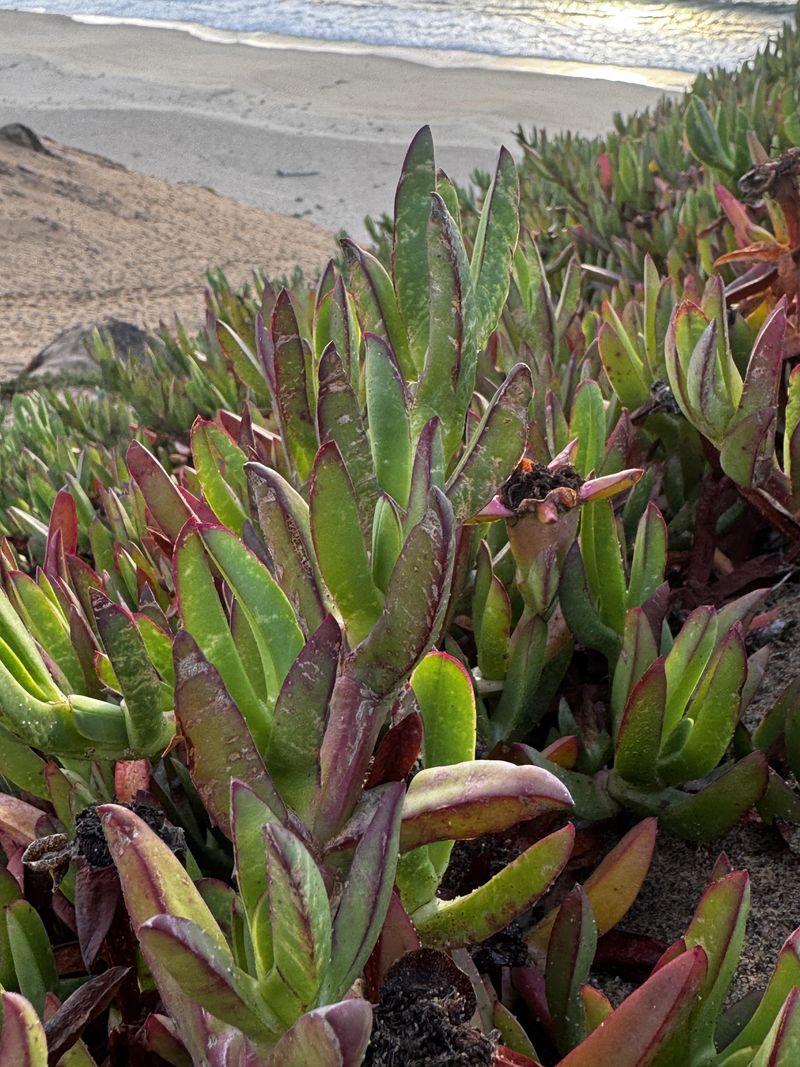
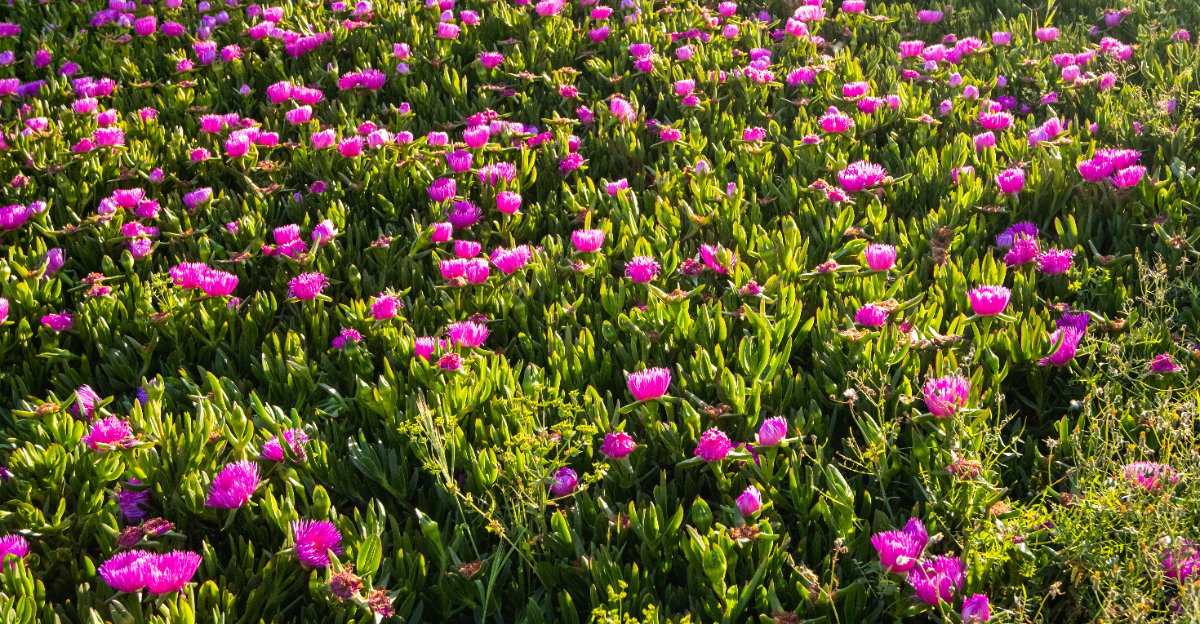
For decades, iceplant was the go-to solution for stabilizing slopes along California’s highways and coastal bluffs.
Transportation departments planted it by the mile because it was cheap, fast-growing, and colorful. It seemed like a perfect fix for erosion problems on steep ground.
But researchers have found that iceplant actually makes slopes more unstable over time. Its thick, water-filled stems become very heavy after rain.
That extra weight can cause the soil beneath to slip, which is the opposite of what erosion control is supposed to do. Several landslides in coastal areas have been linked to iceplant-covered slopes.
Beyond the physical risks, iceplant outcompetes native coastal sage scrub and other low-growing plants that are already rare and threatened. It creates a dense monoculture that supports almost no native insects or birds.
Coastal communities that have removed it and replanted with native species have seen rapid recovery of local wildlife.
More counties along the coast are now discouraging its use and some are actively funding removal projects.
If you have iceplant on a slope at home, talk to a local native plant nursery about alternatives.
Plants like buckwheat, coyote brush, and native grasses can hold soil just as well while also feeding pollinators.
Making the switch does take some work upfront, but the long-term benefits for your property and the surrounding environment are well worth it.
5. Pampas Grass Faces Growing Scrutiny
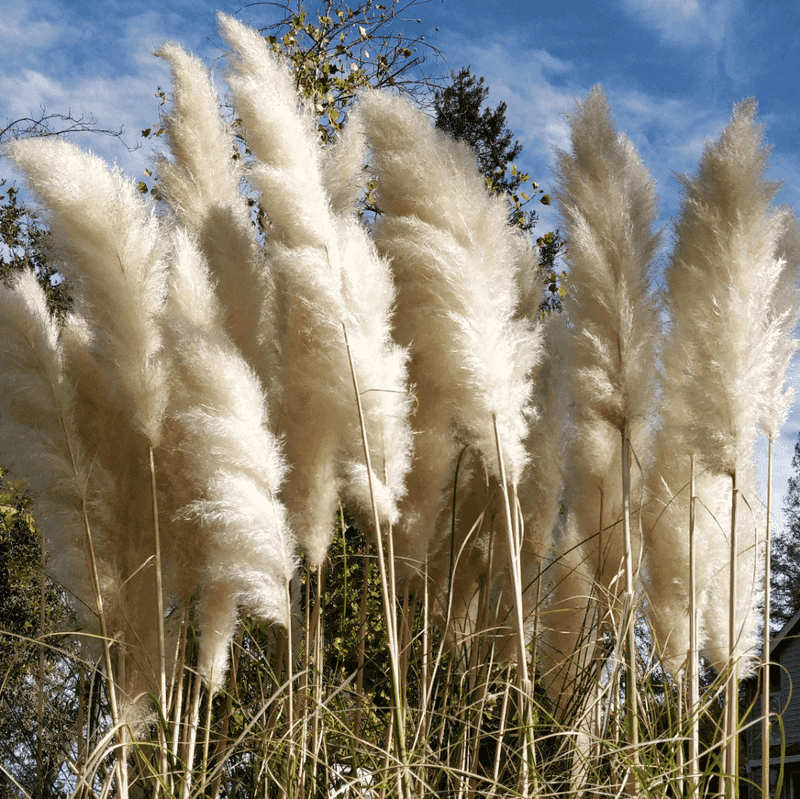
Pampas grass has been a popular landscaping choice for a long time. Those big, fluffy white plumes swaying in the breeze have an undeniable visual appeal.
But the charm fades quickly when you learn how far this plant can travel and how fast it takes over new ground.
A single pampas grass plant can produce up to one million seeds per year. Those seeds are lightweight and drift easily on the wind, traveling miles from the original plant.
They sprout in roadsides, open fields, coastal bluffs, and natural reserves, crowding out native vegetation that took centuries to develop.
In the southern and central parts, pampas grass is already on the invasive species list. More northern counties are now considering similar restrictions as infestations continue to grow.
Even in areas where it is not yet banned, many conservation experts strongly recommend removing it from home gardens near open land.
The dried foliage also poses a fire hazard during dry months, adding another layer of concern in a state that deals with serious wildfire seasons.
Some communities have organized removal events where volunteers pull pampas grass from natural areas.
Joining one of those events is a great way to help. If you want a similar look in your yard without the risk, native bunch grasses like purple needlegrass are a beautiful and responsible alternative worth exploring.
6. Tree-Of-Heaven Brings Big Red Flags
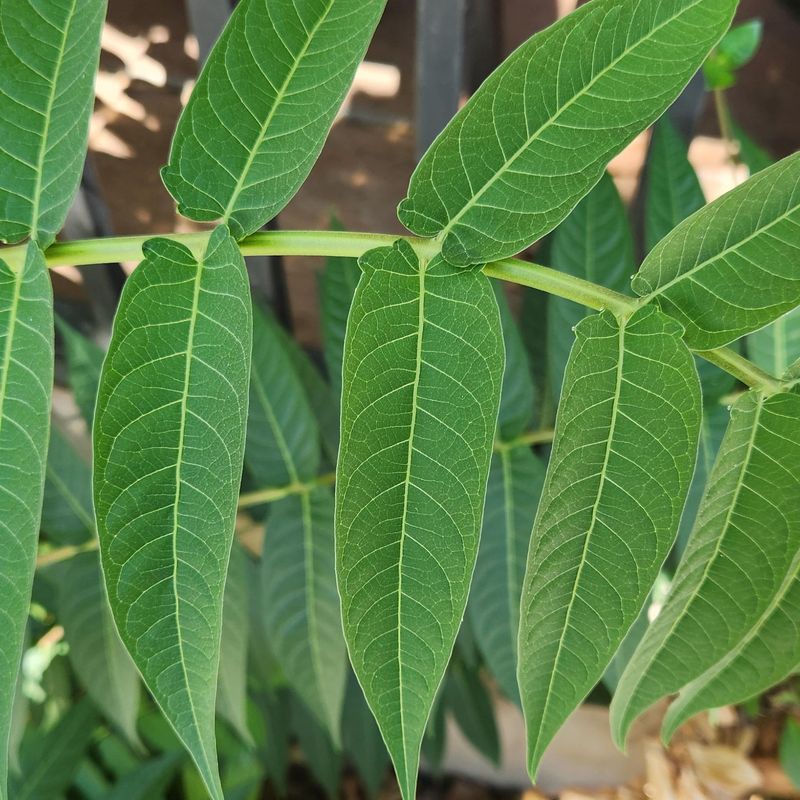
Despite its poetic name, Tree-of-Heaven is considered one of the most problematic invasive trees. It was brought from China in the 1700s and planted widely across North America.
Back then, nobody knew it would become such a stubborn and fast-spreading problem.
This tree grows almost anywhere, including cracks in pavement, disturbed roadsides, and the edges of native forests. It releases chemicals into the soil that prevent other plants from growing nearby.
That strategy, called allelopathy, gives it an unfair advantage over native species that cannot compete with its chemical warfare.
One major reason Tree-of-Heaven has been making headlines recently is its connection to the spotted lanternfly. This invasive insect uses the tree as a key host plant.
While the spotted lanternfly has not yet reached most of California, experts warn that the widespread presence of Tree-of-Heaven could help it establish quickly if it ever arrives.
Cutting the tree down does not solve the problem. It resprouts aggressively from the stump and roots.
Effective removal usually requires a combination of cutting and treating the stump with an approved herbicide. Several counties are now including it in their invasive plant management programs.
If you see it growing on your property or nearby, contact your local agricultural commissioner’s office for guidance on how to handle it safely and effectively.
7. Russian Olive Spreads Near Waterways
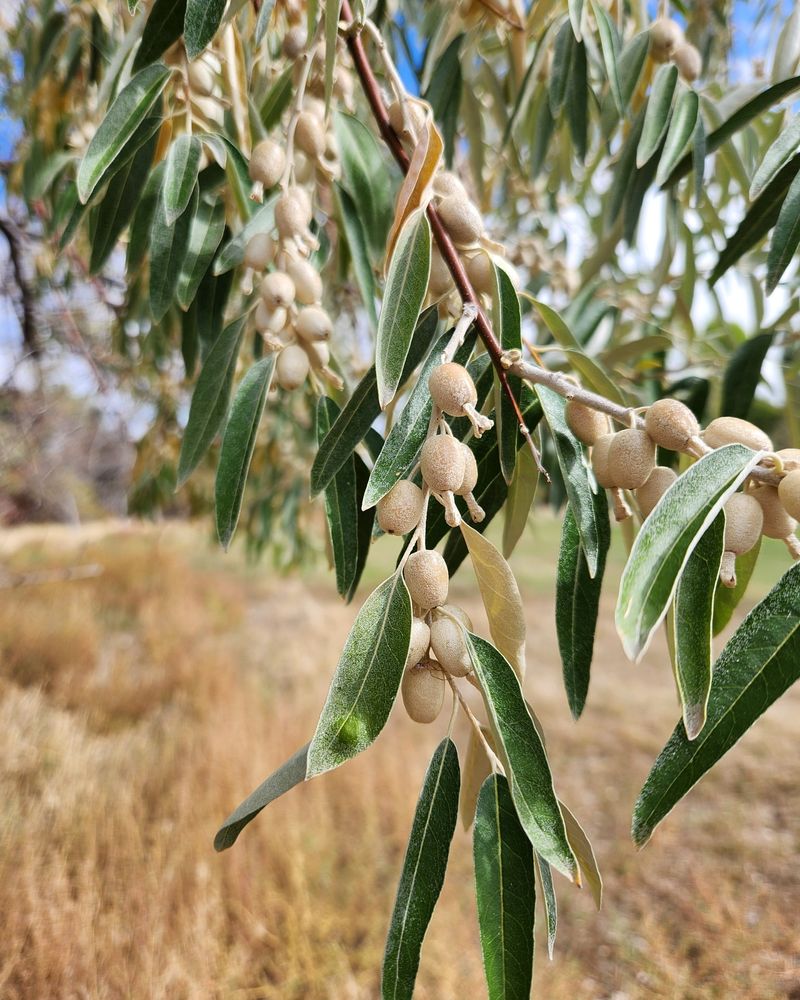
At first glance, Russian olive looks almost magical. Its silvery leaves shimmer in the breeze and its small yellow flowers smell sweet in late spring.
It was planted throughout the western United States as a windbreak and for wildlife habitat. But its reputation has changed dramatically over the past few decades.
Along rivers and streams in the drier parts of California, Russian olive has replaced native cottonwoods and willows in many areas. Those native trees are critical for birds, fish, and other wildlife.
When they disappear, the whole food web of a riparian area can shift in ways that are hard to reverse.
Russian olive produces large numbers of fruits that birds eat and spread. This makes it especially hard to contain once it gets established near a waterway.
It also uses significant amounts of water, competing directly with native plants that depend on limited streamside moisture.
Some counties in the eastern and inland parts of California have flagged it as a species of concern.
Removal projects along affected rivers have shown promising results when native plants are replanted immediately after.
If you live near a stream or irrigation channel and have Russian olive on your property, reaching out to your local resource conservation district is a great starting point.
They often have programs to help landowners remove invasive trees and restore native riparian vegetation at little or no cost.
8. Red Sesbania Is Not A Harmless Shrub
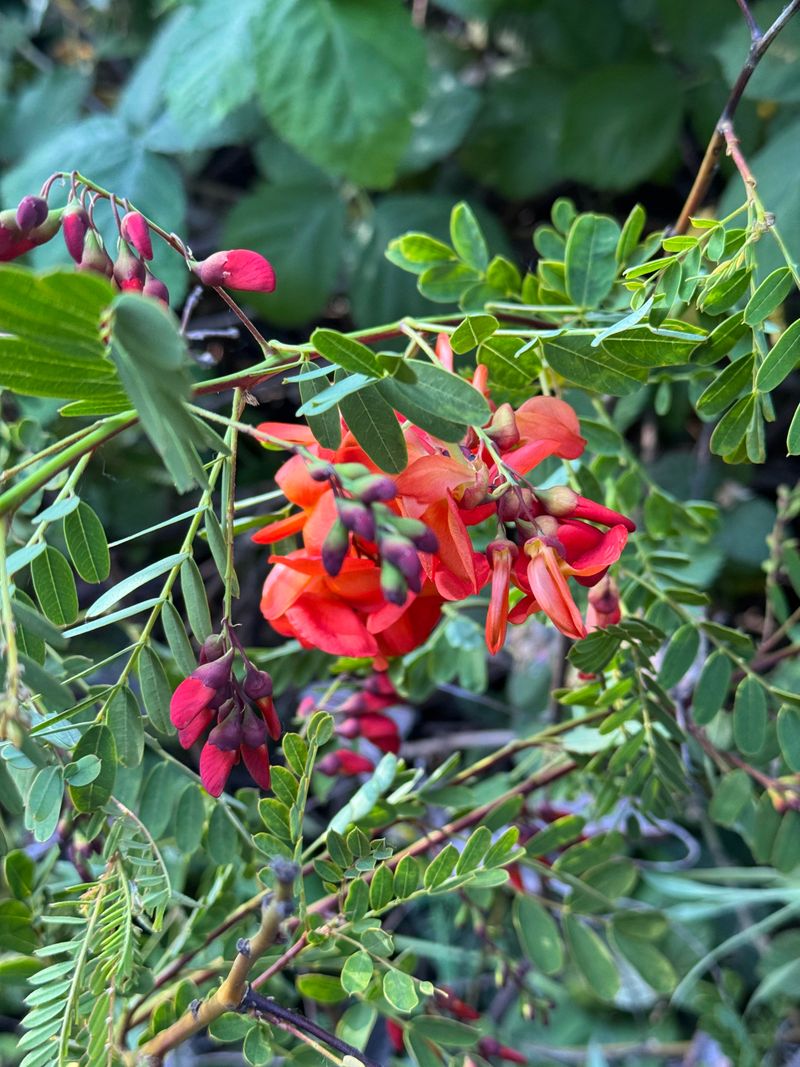
Bright red flowers and feathery leaves make red sesbania look like something you might want in your garden.
But this fast-growing shrub is listed as a noxious weed in our state for very good reasons. It is toxic to livestock and wildlife, and it spreads rapidly in wet areas.
Red sesbania thrives along irrigation ditches, pond edges, marshes, and seasonal wetlands. It grows so quickly in warm weather that it can completely shade out native marsh plants in a single growing season.
That shading disrupts the habitat that waterfowl, frogs, and native fish depend on for breeding and feeding.
Farmers in the Central Valley have dealt with red sesbania for years because it invades rice fields and other irrigated crops.
It is difficult to control once established, and its seeds can remain viable in the soil for decades.
That means even after a patch is removed, new plants can sprout from seeds left behind.
More counties in the agricultural and wetland regions of our state are now enforcing stricter controls on this plant. If you see it growing near a pond, ditch, or wetland on your property, do not wait to act.
Early removal is much more effective than trying to manage a large established population. Your local county weed management area can provide guidance and sometimes even assistance with removal efforts in sensitive natural areas.
9. Saltcedar Can Transform Whole Habitats
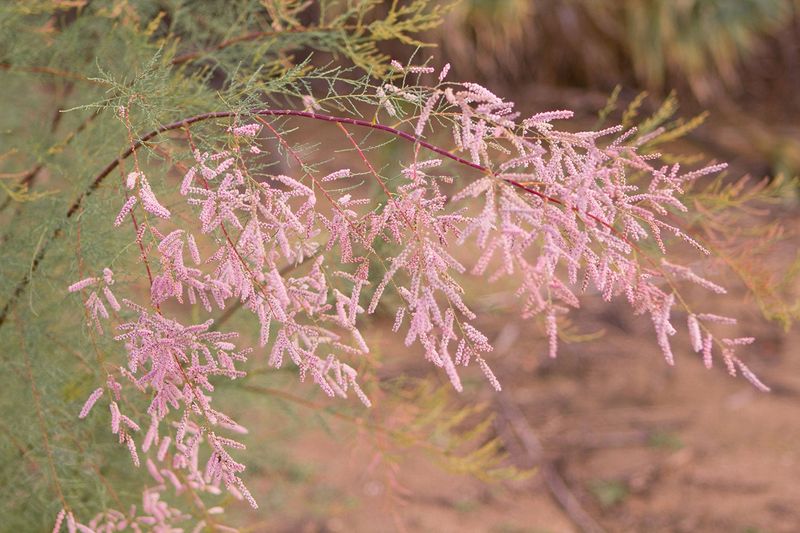
There is something almost eerie about a saltcedar thicket. The pink, feathery flowers look delicate, but underneath that soft appearance is one of the most aggressive water-hogging plants in the American West.
Saltcedar, also called tamarisk, was introduced from Eurasia in the 1800s for erosion control and ornamental planting.
It has since spread across thousands of miles of riverbanks, dry washes, and lakeshores throughout the western states. In California, it is especially problematic in the desert regions and along inland waterways.
A single mature saltcedar can absorb up to 200 gallons of water per day, drastically lowering water tables in already dry areas.
The plant also deposits salt in the soil through its leaves, making the ground less hospitable for native plants.
Over time, it transforms diverse riparian habitats into dense, single-species thickets where little else can grow.
Native birds, reptiles, and insects lose the varied habitat they need to survive.
Removal is a massive undertaking, and several large-scale efforts have been underway in the Colorado River basin for years. More counties in the inland and desert regions of California are now prioritizing saltcedar management.
Biological control using a specific beetle that feeds on saltcedar has shown some success. If you spot it near a dry riverbed or irrigation area, report it promptly.
Early reporting gives land managers the best chance of keeping it from taking over completely.
10. Yellow Starthistle Is More Than A Weed
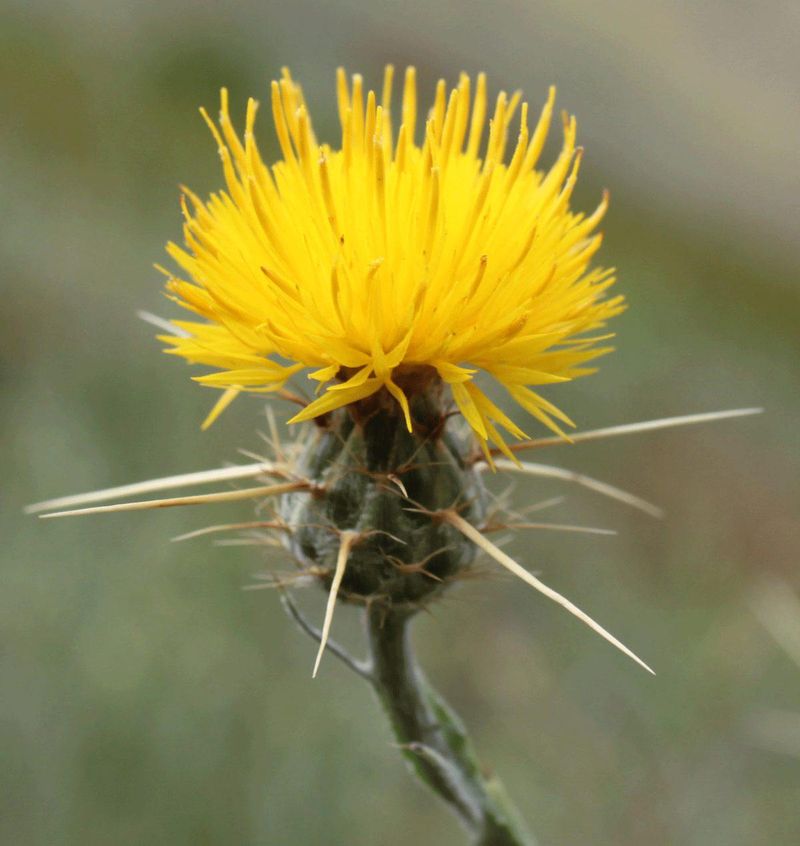
Anyone who has hiked a dry summer hillside has probably met yellow starthistle up close and painfully.
Those bright yellow flowers sit on top of very sharp spines that can pierce through clothing and skin.
But the real damage this plant does goes far beyond a few pokes on the trail.
Yellow starthistle has taken over millions of acres of open grassland throughout California since it arrived from the Mediterranean region in the mid-1800s.
It germinates in late winter, grows through spring, and then takes up all available soil moisture before native plants can access it.
By summer, it dominates entire hillsides while native wildflowers and grasses struggle to survive.
Horses are especially vulnerable because eating the plant causes a serious neurological condition called chewing disease. Livestock ranchers across the Central Valley and foothills have lost animals to it.
The economic impact on agriculture has been significant over the decades.
Counties have been battling yellow starthistle for years, and many are now using a combination of grazing, biological controls, and hand removal to manage it.
Some counties are also updating ordinances to require removal on private land near natural areas.
If your property borders open space, checking for and removing yellow starthistle before it sets seed is one of the most helpful things you can do for your local ecosystem and your neighbors nearby.