These 10 Plants Help Hide Ugly Corners In Oregon Yards
Ugly corners have a way of stealing attention. A bare fence gap, a messy utility area, or a dark patch beside the shed can make the whole yard feel unfinished.
In Oregon, the right plants can turn those awkward spots into features that look planned and inviting. Some soften hard edges.
Others add height, texture, or steady green cover through the seasons. The best choices do more than hide a problem.
They make the space feel useful, natural, and easier to enjoy. A tucked away corner can become a leafy backdrop, a small wildlife pocket, or a quiet burst of color with the right plant in place.
Choose plants that match the light, soil, and moisture in that tricky spot, and the corner you used to ignore may become one of your favorite parts of the yard.
1. Hydrangeas Fill Bare Corners Fast
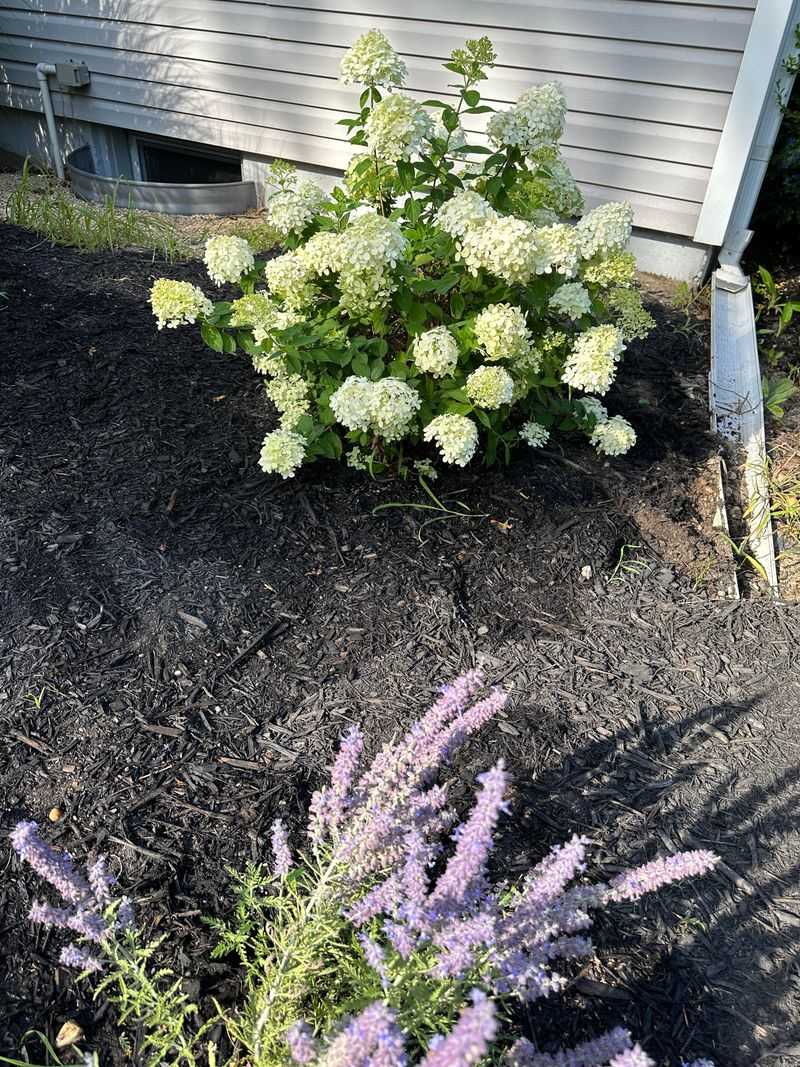
Few plants make a corner disappear as quickly as a hydrangea. These shrubs grow fast, get big, and produce flower clusters so large and colorful that nobody notices what is behind them.
In our state, they absolutely love the cool, moist climate and can reach six feet tall in just a few seasons.
Big-leaf hydrangeas are the most popular choice here. They bloom in shades of blue, pink, and purple depending on your soil.
Our acidic soil often turns the flowers a stunning deep blue without any extra effort on your part. That is a pretty sweet bonus.
Plant them in a spot that gets morning sun and afternoon shade. Too much direct sun can make the leaves look tired and scorched.
They like moisture, so the rainy season here does most of the watering work for you.
Give each plant about four to six feet of space. They spread out wide and fill a corner quickly.
Once established, they need very little attention beyond a light pruning after blooming season ends.
A grouping of three hydrangeas in a corner creates an instant focal point. Add some mulch around the base to keep moisture in and weeds out.
Within two to three years, that bare and boring corner will be completely transformed into a lush, blooming showpiece.
2. Rhododendrons Hide Shady Fence Corners
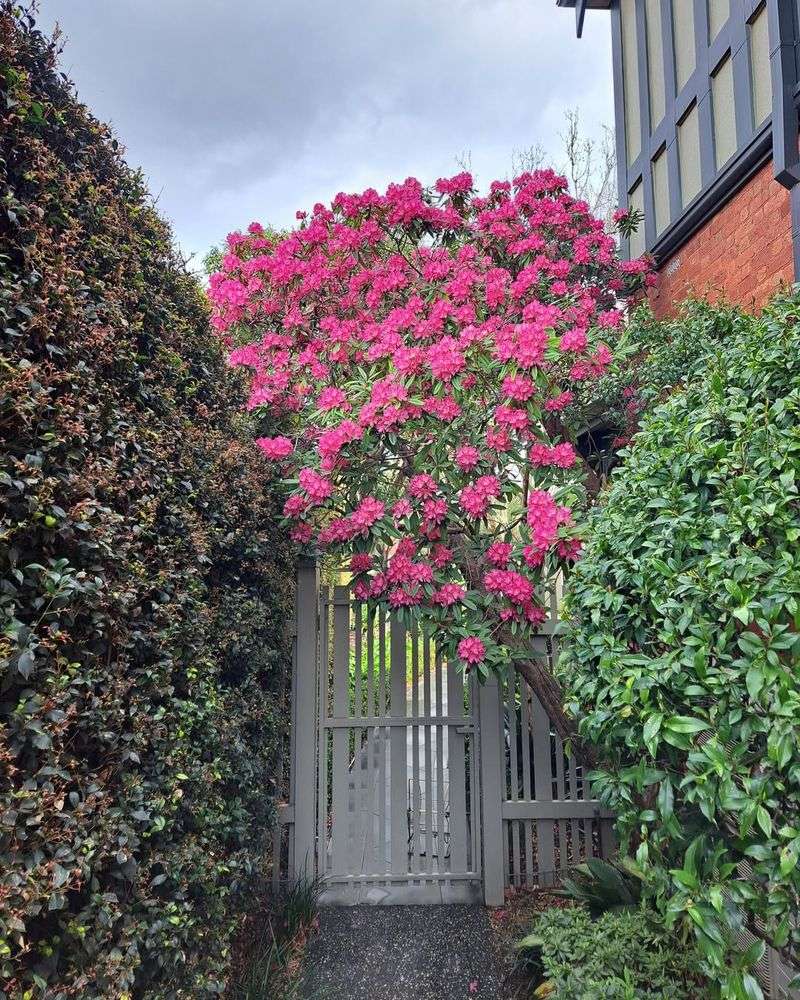
Walk through almost any neighborhood in this state and you will spot rhododendrons everywhere. That tells you something important: these plants were practically made for our climate.
They thrive in cool, shady conditions and can grow into massive shrubs that completely block an ugly fence corner from view.
Rhododendrons are evergreen, which means they keep their leaves all year. That is a big deal in winter when most other plants look bare and sad.
A well-placed rhododendron stays green and full even on the dreariest January day.
They bloom in spring with clusters of large, trumpet-shaped flowers in pink, red, white, purple, and lavender. The blooms last several weeks and put on a real show.
Neighbors will stop and stare, and that corner you used to avoid will become the highlight of your yard.
Your Oregon Garden Changes Every Week. Your Plan Should Too.
Gardening in Oregon changes quickly throughout the season. Every Friday you’ll receive a simple weekly plan showing exactly what to plant, prune, fertilize, harvest, and protect so you never miss the right timing.
Plant them in well-drained, acidic soil with some organic compost mixed in. They do not like soggy roots, so avoid low spots where water pools.
Dappled shade under tall trees is their sweet spot.
Water them well during the first summer to help roots settle in. After that, they are surprisingly low-maintenance.
Deadhead the spent flowers by snapping them off cleanly. With a little patience, a rhododendron will reward you with decades of beauty and reliable corner coverage every single year.
3. Camellias Give Corners Year-Round Green
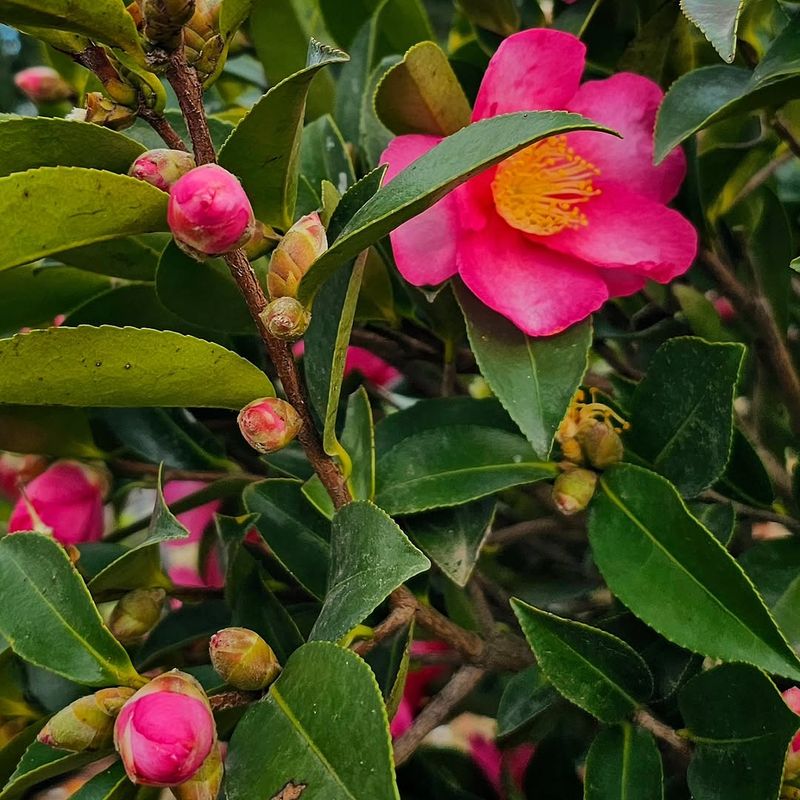
There is something almost magical about a plant that blooms in the middle of winter. Camellias do exactly that.
While the rest of the yard looks gray and bare, a camellia in the corner bursts into bloom with waxy, rose-like flowers in red, pink, or white. It feels like a gift on a cold, rainy morning.
Beyond the winter flowers, camellias offer something equally valuable: year-round glossy green foliage. The leaves are thick, dark, and shiny.
They stay on the plant through every season, keeping that corner looking full and tidy no matter what the weather brings.
Camellias grow slowly at first but eventually become large, dense shrubs. Some varieties reach eight to twelve feet tall, which makes them excellent for blocking views of fences, utility meters, or other eyesores.
Patience pays off with these plants.
Plant them in partial shade with acidic, well-draining soil. They do not love harsh wind, so a sheltered corner near a fence or wall suits them perfectly.
That also happens to be exactly the kind of corner you are probably trying to hide.
Water regularly during the first year. After that, established camellias handle the rainy season on their own.
Feed them with an acid-loving plant fertilizer in early spring. With proper care, a camellia can live and bloom in the same corner for fifty years or more.
4. Azaleas Brighten Small Awkward Corners
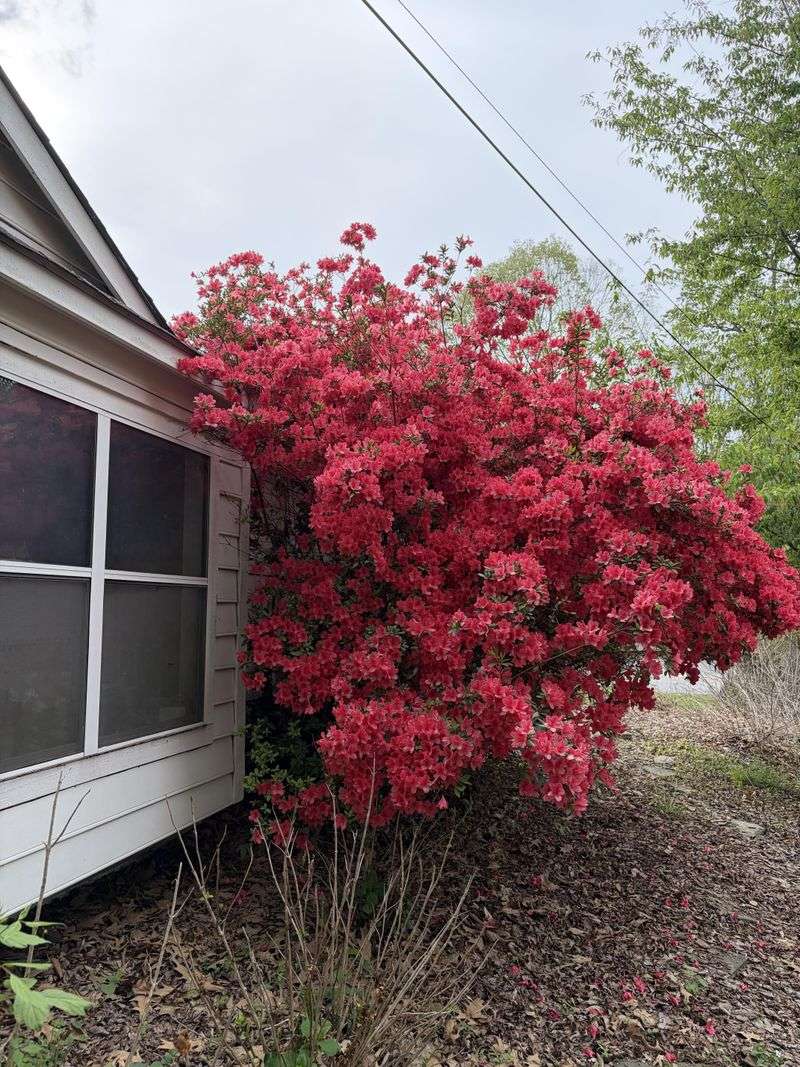
Not every problem corner is big. Sometimes it is a tight little spot where two fences meet or where a wall juts out at an odd angle.
Azaleas were practically designed for spaces like that. They stay compact, grow slowly, and pack an enormous amount of color into a small footprint.
In spring, an azalea in full bloom is one of the most eye-catching sights in any yard. The flowers cover the entire plant in a burst of pink, red, orange, coral, or white.
For a few weeks, the plant looks more like a ball of flowers than an actual shrub. It is hard not to stop and stare.
Our state is one of the best places in the country to grow azaleas. The mild winters, acidic soil, and regular rainfall create nearly perfect conditions.
Many local nurseries carry dozens of varieties suited specifically to this region.
Choose a spot with morning sun and afternoon shade. Too much direct afternoon sun can fade the flowers and stress the plant.
A corner near a north-facing fence or under a light tree canopy works well.
Keep the soil moist but not waterlogged. Azaleas have shallow roots that dry out quickly in summer.
A thick layer of mulch helps hold moisture and keeps roots cool. Prune lightly right after blooming ends to keep the shape tidy and encourage strong growth for next year.
5. Japanese Maples Soften Hard Yard Edges
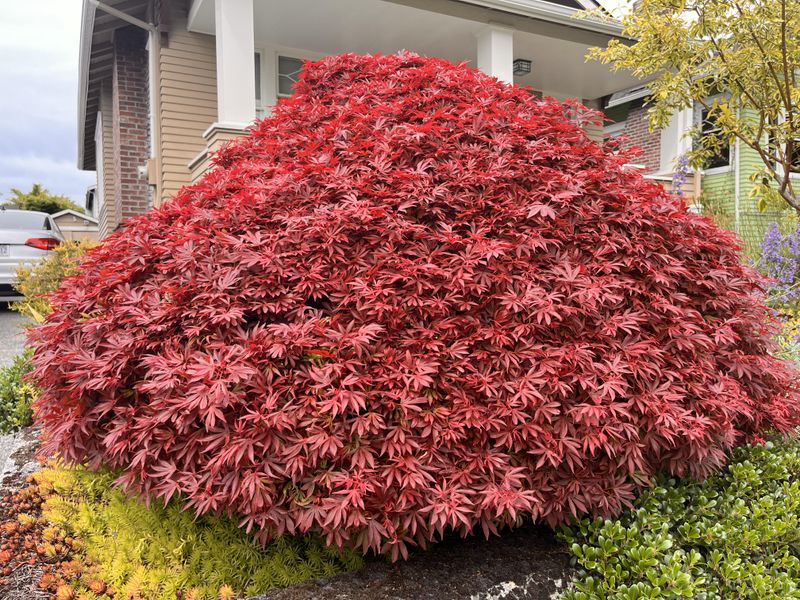
Some corners feel harsh. Maybe two concrete walls meet at a sharp angle, or a metal fence creates a cold, industrial look.
A Japanese maple can soften all of that. Its graceful, arching branches and delicate leaves bring a sense of calm and elegance that few other plants can match.
These trees come in dozens of varieties. Some have deep red or burgundy leaves.
Others are bright green or orange. Many turn brilliant shades of gold, red, and copper in fall before dropping their leaves for winter.
Every season brings a different look, which keeps the corner interesting all year long.
Japanese maples are well-suited to our climate. They prefer cool temperatures and do not like extreme heat or dry conditions.
The mild summers and wet winters in this state work in their favor. Sheltered corners actually protect them from wind, which can damage their fine leaves.
Most varieties grow slowly and stay under fifteen feet tall. That makes them manageable in a typical backyard.
They rarely need pruning and do not drop messy fruit or seeds. They are genuinely low-effort plants once established.
Plant in well-drained soil with partial shade. Morning sun is fine, but protect them from hot afternoon rays.
Water deeply during dry spells in summer. Add a layer of mulch to protect the shallow roots.
Within a few years, this graceful tree will completely change the feel of even the hardest-looking corner.
6. Boxwood Makes Messy Corners Look Neat
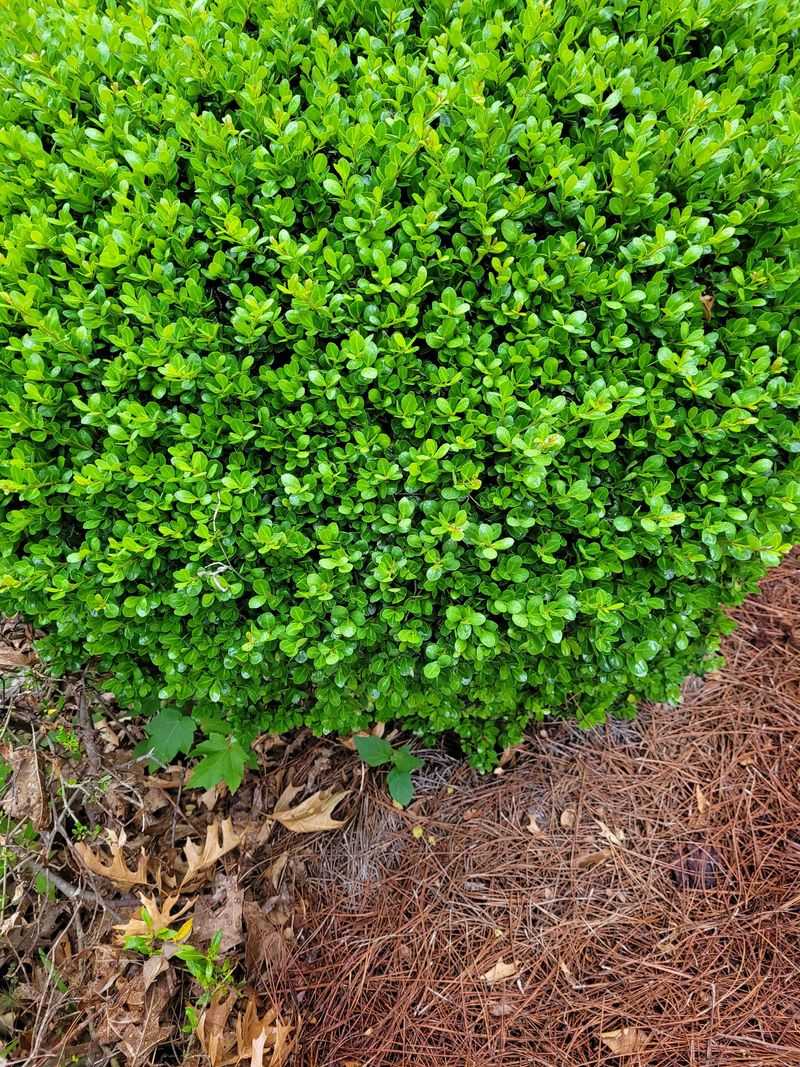
Some corners are not just ugly because they are bare. They are ugly because they look sloppy and unorganized.
Boxwood is the answer to that problem. These dense, compact evergreen shrubs can be clipped into almost any shape, giving even the messiest corner a clean, polished appearance.
Boxwood has been used in formal gardens for hundreds of years, and for good reason. The small, tightly packed leaves create a smooth, even surface when trimmed.
A few well-placed boxwood shrubs can make a corner look intentional, structured, and well-maintained with very little effort.
In our state, boxwood grows reliably in most conditions. It tolerates shade better than many shrubs, which makes it useful in those dark corners where other plants struggle.
It also handles our rainy winters without complaint.
Choose a variety suited to the size of your corner. Dwarf varieties stay under two feet tall and work well in tight spaces.
Larger varieties can reach four to six feet and provide more visual coverage. Both can be shaped with hedge trimmers a couple of times a year.
Plant in well-drained soil with some afternoon shade. Boxwood does not like sitting in wet soil for long periods.
Water regularly during the first growing season to help roots establish. After that, it is remarkably self-sufficient.
A row of neatly clipped boxwood can turn a chaotic, embarrassing corner into a sharp and tidy garden feature.
7. Skimmia Works In Dark Shady Corners
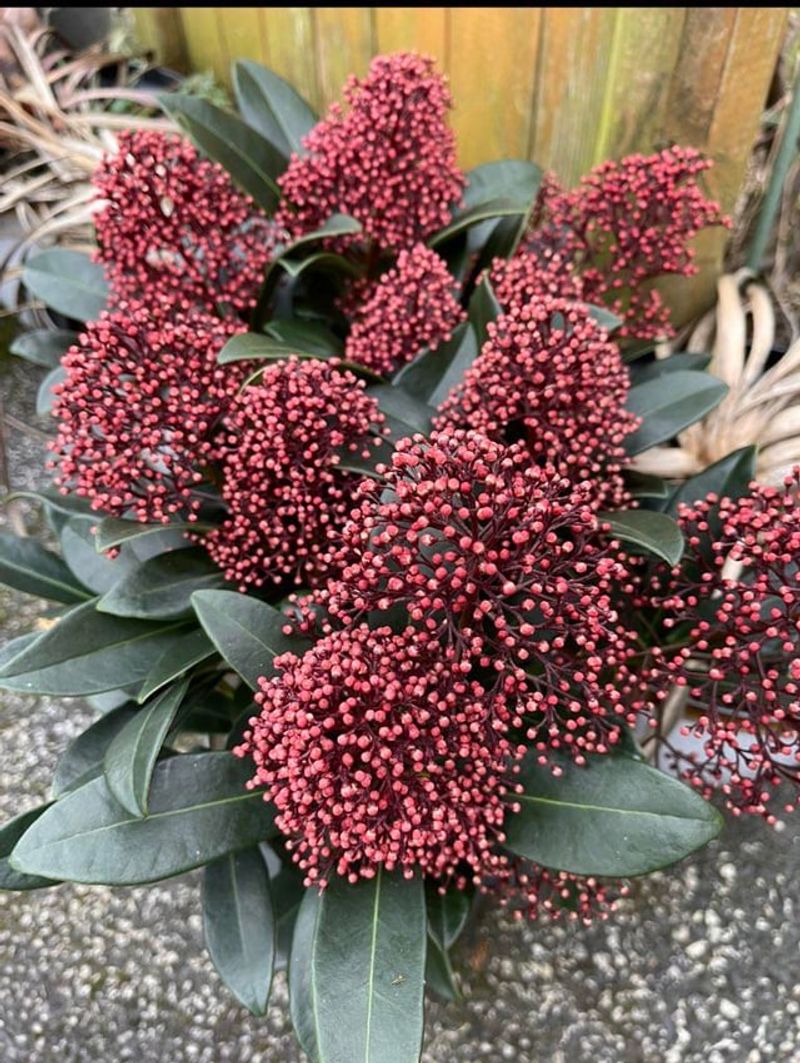
Not every corner gets decent light. Some spots sit in deep shade for most of the day, trapped between a tall fence and the side of the house.
Most plants refuse to grow there. Skimmia not only survives in those dark spots, it actually looks great doing it.
Skimmia japonica is a slow-growing, mounding evergreen shrub with thick, dark green leaves. In late winter or early spring, it produces clusters of small white or pink flowers with a sweet fragrance.
Then it sets bright red berries that last through fall and into winter. That is a lot of seasonal interest for a plant that lives in the shade.
This shrub stays relatively compact, usually reaching three to four feet tall and wide. That makes it perfect for tight, shady corners where a larger plant would feel overwhelming.
It fills the space without crowding it.
You will need both a male and female plant to get berries. Many nurseries sell them already paired.
Ask when you buy to make sure you get the right combination. One male can pollinate several female plants nearby.
Plant in moist, acidic, well-drained soil. Skimmia hates drought, so water regularly during dry stretches.
It rarely needs pruning and has very few pest problems. Once it settles into a shady corner, it just quietly does its job, looking attractive and healthy year after year without much fuss from you.
8. Hostas Cover Bare Ground Under Fences
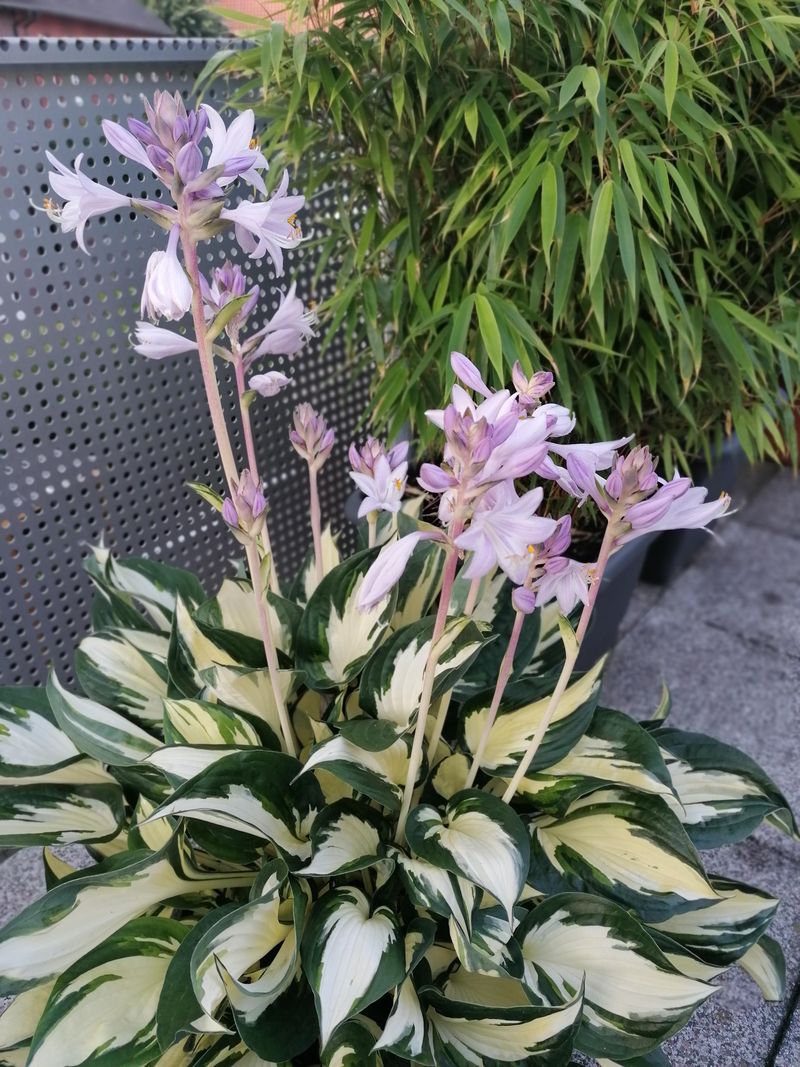
Bare ground under a fence is one of the most common eyesores in any yard. Weeds creep in, mud splashes up, and the whole area just looks neglected.
Hostas are one of the best solutions for exactly that kind of problem. Their broad, bold leaves spread out and cover the ground quickly, leaving no room for weeds to take hold.
Hostas come in a remarkable range of sizes and colors. Some have tiny leaves perfect for tight spaces.
Others grow into giant clumps with leaves as big as dinner plates. Colors range from deep blue-green to bright chartreuse, and many varieties have striking white or yellow edges that brighten shady spots.
Our rainy climate suits hostas very well. They love moisture and cool temperatures.
Under a fence in partial or full shade, they tend to grow lush and full with very little encouragement. They are one of the most forgiving plants a beginner can choose.
Plant them in groups of three or five for the best visual effect. Odd numbers always look more natural than even rows.
Space them according to the mature size on the label. They will slowly fill in and merge into a solid carpet of foliage.
Hostas go dormant in winter and come back reliably each spring. Cut back the old leaves in late fall or early spring to keep things tidy.
Slugs can be a problem, so set out bait early in the season. Aside from that, hostas are wonderfully easy and deeply rewarding plants to grow.
9. Hellebores Fill Shady Corners Early
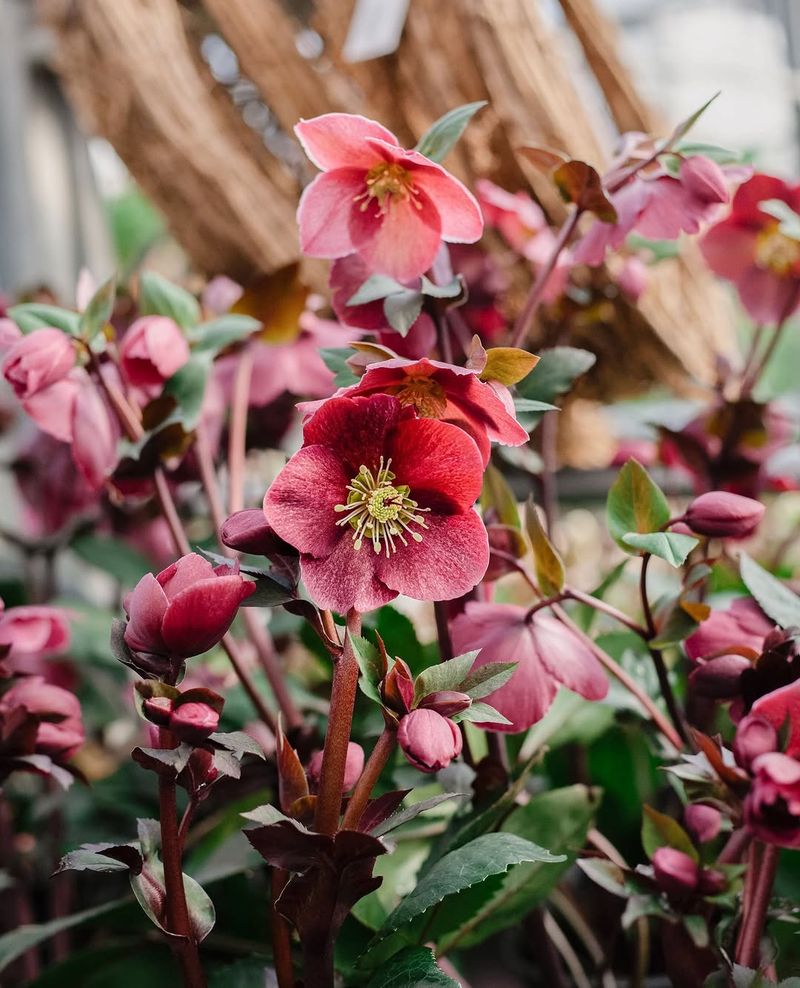
When February arrives and most of the garden is still dormant and gray, hellebores are already blooming. That early-season magic makes them one of the most beloved plants among gardeners in this state.
Planting them in a shady corner means that otherwise dull space comes alive weeks before anything else does.
Also called Lenten roses, hellebores produce downward-nodding flowers in shades of white, cream, pink, plum, deep burgundy, and almost black. The flowers are subtle and elegant rather than flashy.
Up close, they are absolutely stunning. Many have speckled interiors or contrasting edges that reward a closer look.
These plants thrive in shade and prefer the same cool, moist conditions that our climate naturally provides. Once established, they are remarkably tough and long-lived.
A hellebore planted today might still be blooming in that same corner thirty years from now.
They grow in clumps about one to two feet tall and wide. Plant several together for a fuller effect.
They slowly self-seed and spread, so over time a small planting can grow into a generous patch without any extra effort from you.
Cut back the old leaves in late winter just before new growth and flower buds emerge. This keeps the planting looking fresh and lets you see the flowers clearly.
Water during dry summer spells. Beyond that, hellebores are wonderfully independent plants that ask for very little and give back so much beauty in return.
10. Ornamental Grasses Hide Utility Corners
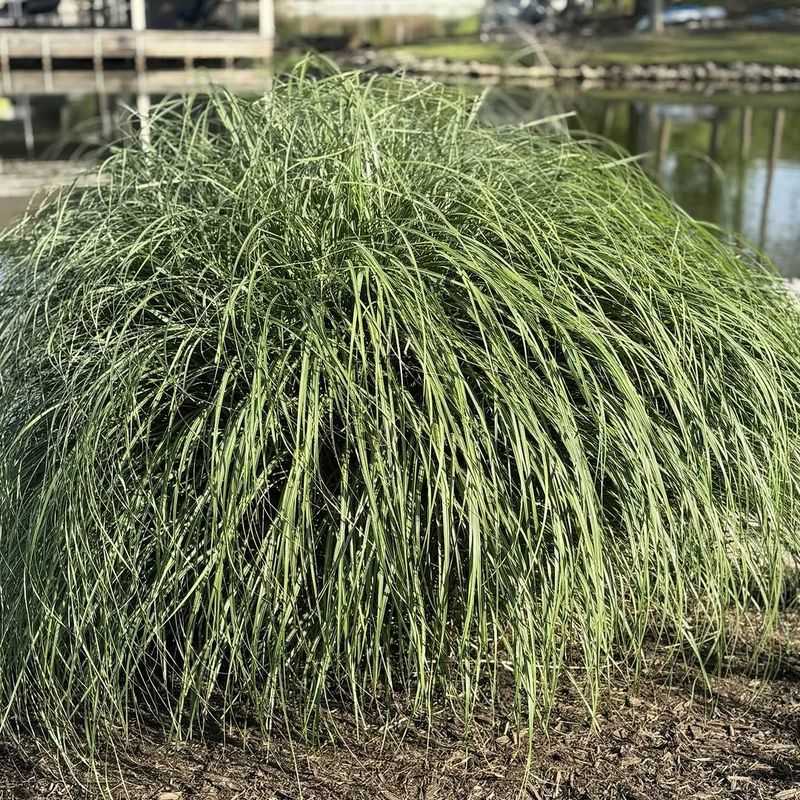
Utility meters, air conditioning units, compost bins, and trash can areas all tend to end up in corners. They are necessary but nobody wants to look at them.
Ornamental grasses are one of the fastest and most effective ways to screen these eyesores without spending a lot of money or doing a lot of work.
Grasses grow quickly and get tall. Some varieties reach six feet or more in a single season.
Their arching, fountain-like form naturally draws the eye away from whatever is behind them. In late summer and fall, many produce showy feathery plumes that add real beauty to the yard.
Several ornamental grasses perform exceptionally well in our state. Miscanthus, also called maiden grass, is a popular choice for larger corners.
It grows tall, handles wind well, and turns golden in fall. For smaller spaces, Blue Oat Grass stays low and tidy with a cool blue-gray color that looks sharp all season.
Plant ornamental grasses in full sun for best results. They are drought-tolerant once established, which is helpful during our dry summers.
Most need only one maintenance task per year: cutting them back hard in late winter before new growth begins.
Use a pair of sturdy hedge shears or a reciprocating saw to cut them down to about six inches.
New growth emerges quickly in spring and the plant looks fresh and full again within weeks. For fast, low-cost corner screening, ornamental grasses are hard to beat.