These Drought-Tolerant California Plants Suppress Weeds All Summer Long
Bare soil and a California summer are a combination that never ends well. The moment the rains stop and the heat kicks in, weeds treat every empty patch of ground like prime real estate and move in fast.
If you have ever felt like low-water landscaping is just trading one maintenance headache for another, you are not alone.
The good news is that there is a smarter way to approach this, and it involves letting plants do a lot of the heavy lifting for you.
Low-growing, drought-tolerant groundcovers that spread across the soil and shade out bare patches can take a serious amount of pressure off your weeding schedule over time.
They are not an overnight fix, full transparency on that, but paired with mulch and a little patience, they can genuinely transform how much work your garden needs.
1. Point Reyes Ceanothus Covers Bare Soil
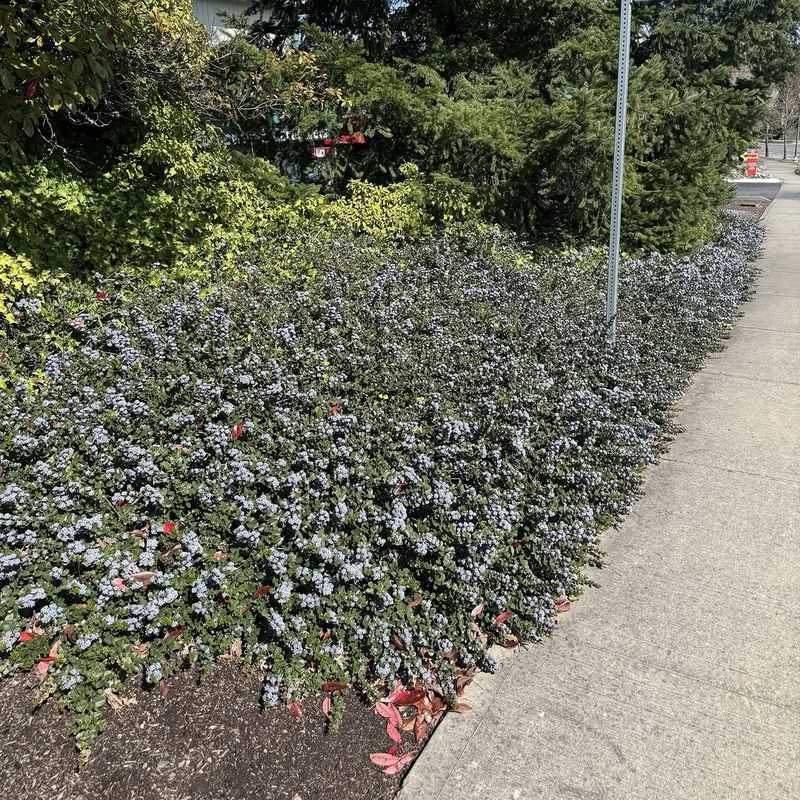
Bare slopes and dry hillside beds in California are where Point Reyes Ceanothus tends to shine brightest.
This low-growing native groundcover spreads outward in a dense mat, hugging the ground and covering soil that would otherwise sit exposed through the long dry season.
Once established, its thick canopy of small, dark green leaves shades the soil underneath, which makes it harder for weed seeds to get the light they need to sprout.
Point Reyes Ceanothus typically grows about one foot tall but spreads six feet or more across, which means a few well-placed plants can fill in a surprising amount of space over time.
It produces clusters of bright blue flowers in spring that pollinators find very attractive.
After bloom, the foliage stays dense and green through summer, continuing to do the work of shading the ground even when rain is long gone.
During establishment, this plant needs regular watering to help its roots settle in, especially in the first summer after planting. Weed control early on matters a lot, since weeds can outcompete young plants before they spread wide enough to close the gaps.
Avoid overwatering once it is established, as this plant prefers dry conditions and does not respond well to soggy soil.
Paired with a two-inch layer of mulch around young plants, Point Reyes Ceanothus becomes a reliable part of a low-water, weed-reducing California landscape strategy.
2. Yankee Point California Lilac Spreads Wide
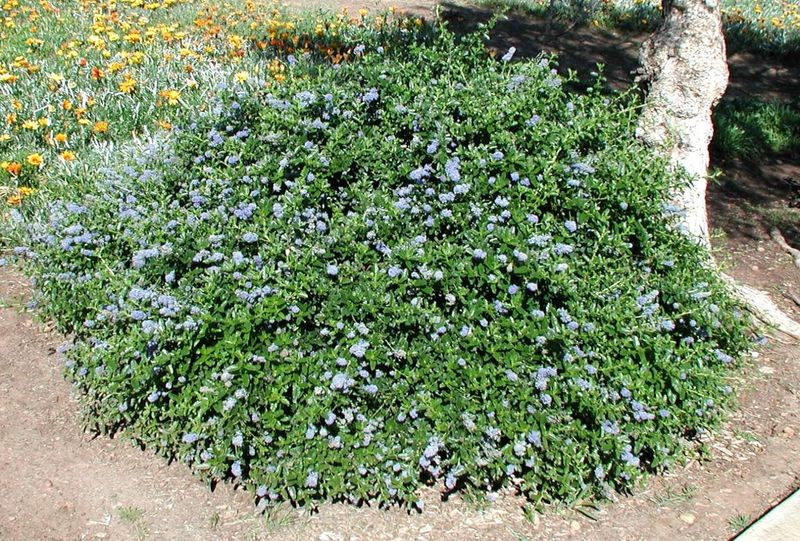
Few California native groundcovers make as dramatic a statement as Yankee Point, a selected form of Ceanothus griseus horizontalis that can spread eight to ten feet wide while staying just two to three feet tall.
That wide, low growth habit is exactly what makes it so useful in a weed-reduction planting plan.
As it fills in across a sunny bed or slope, the dense branching shades the soil below and crowds out weeds that would otherwise take hold during the dry California summer.
The vivid blue-purple flower clusters that appear in late winter and spring are one of its most celebrated features, drawing bees and other native pollinators in large numbers.
Even after the blooms fade, the deep green foliage holds its color through summer, giving the garden a lush look despite little to no irrigation once the plant is mature.
Your California Garden Changes Every Week. Your Plan Should Too.
Gardening in California changes quickly throughout the season. Every Friday you’ll receive a simple weekly plan showing exactly what to plant, prune, fertilize, harvest, and protect so you never miss the right timing.
Getting Yankee Point established does take some patience. Young plants need consistent watering during their first one to two summers, and any weeds that pop up nearby should be pulled promptly before they compete for moisture or light.
Planting with mulch around each plant helps retain soil moisture and keeps weed pressure lower during that critical early period.
Once it fills in across a bed, the canopy becomes dense enough to shade the soil effectively, reducing the need for frequent weeding throughout the warm California months.
3. Point Reyes Manzanita Stays Low And Dense
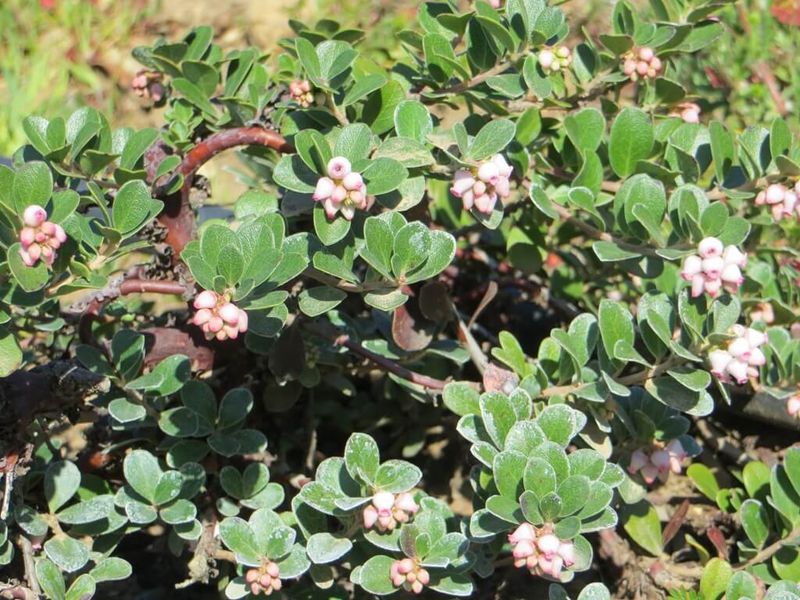
Walking past a well-established patch of Point Reyes Manzanita, you might notice how tightly it hugs the ground, forming a woven mat of glossy leaves and reddish stems that leaves almost no room for anything else to grow underneath.
That dense, layered growth is one of the reasons this California native groundcover earns its place in low-water landscapes where weed pressure tends to build up through the summer months.
Botanically known as Arctostaphylos edmundsii, this manzanita typically stays under one foot tall while spreading four to six feet wide. It thrives in full sun to light shade and handles the dry summer with ease once its roots are well established.
Small pinkish-white flowers appear in late winter and attract early-season pollinators, followed by small berries that birds enjoy.
The foliage remains dense year-round, which means its soil-shading effect does not let up even when temperatures climb.
Young plants do need regular watering during their first year or two, and keeping weeds pulled around them during establishment gives them the best chance to fill in without competition.
Once they spread and close the gaps between plants, the thick mat of foliage makes it much harder for weed seeds to germinate.
Mulching between plants while they establish is a smart move for any gardener trying to reduce summer weeding while keeping irrigation low.
4. Bee’s Bliss Sage Fills Empty Spaces
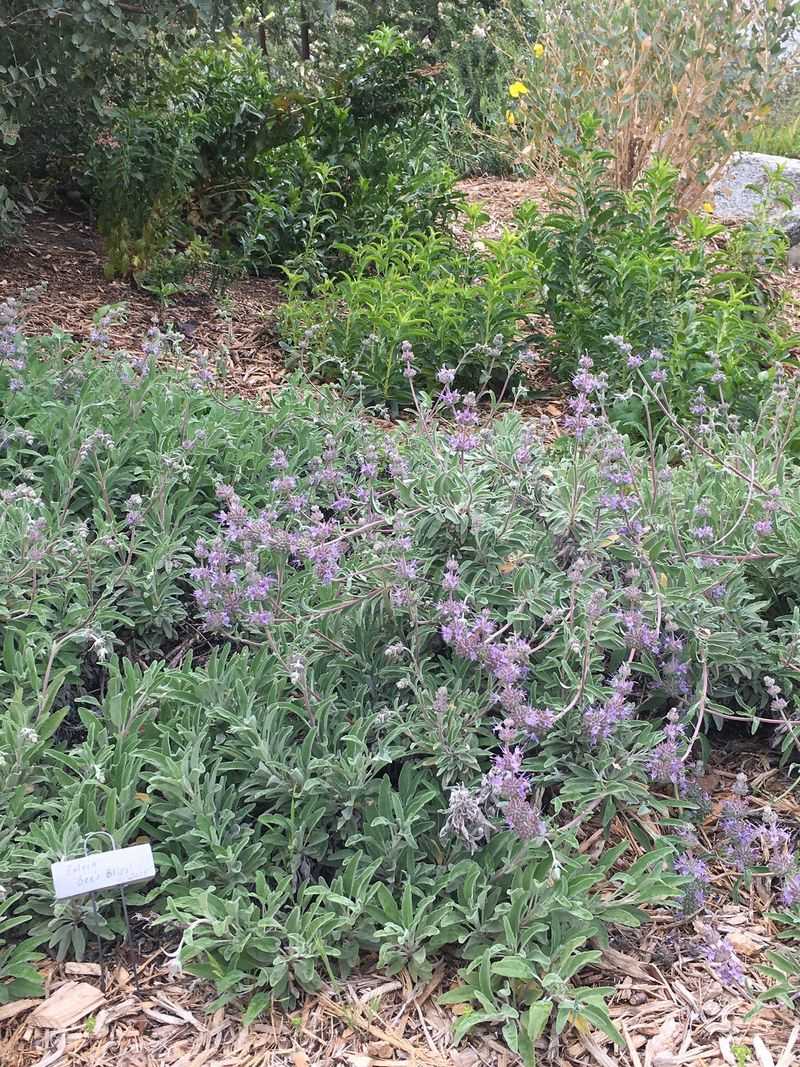
Gray-green and fragrant, with long arching stems that sweep outward across dry garden beds, Bee’s Bliss sage has a relaxed, generous quality that makes it feel right at home in a California low-water landscape.
This hybrid salvia, developed from California and Mexican native species, grows about two feet tall and spreads six to eight feet wide, which means it covers a lot of ground fairly quickly once it gets going.
The lavender-purple flower spikes that appear from late winter through spring are a magnet for hummingbirds and native bees.
Even after the blooms finish, the soft, silvery foliage continues to spread and fill in open spaces, helping to shade the soil and reduce the bare patches where summer weeds tend to get started.
The aromatic leaves may also help deter some browsing animals, which is a welcome bonus in many gardens.
During its first year, Bee’s Bliss benefits from regular watering to help it establish, but it becomes quite drought-tolerant once settled in.
Trim back any old woody growth in late fall or early spring to encourage fresh, dense new growth from the base.
Weeds should be managed carefully around young plants, since established weeds can slow the spread of new sage plantings.
Combining Bee’s Bliss with mulch and early weed removal gives gardeners a practical, attractive, and relatively low-maintenance way to cover bare soil through the long dry season.
5. Creeping Sage Covers Dry Garden Edges
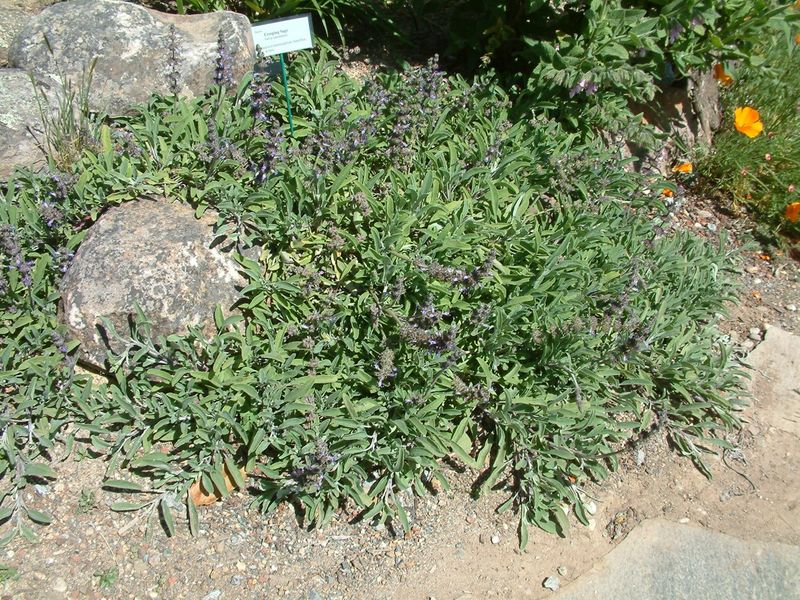
Along the dry edges of pathways, at the base of fences, or spilling over the rim of a raised bed, Creeping Sage finds its footing in some of the trickiest spots in a California garden.
Salvia sonomensis is a low-growing native that spreads slowly but steadily, sending out trailing stems that root as they go and gradually knitting together into a weed-suppressing mat of small, textured leaves.
It typically stays under one foot tall while spreading two to four feet or more across, making it well-suited for filling in narrow strips and awkward edges where weeds tend to sneak in.
Pale lavender flowers appear in spring and draw in native bees, adding a quiet seasonal charm before the plant settles into its summer role as a soil-shading groundcover.
The foliage has a pleasant herbal scent when brushed, which adds a sensory layer to dry California garden paths.
Creeping Sage does best in full sun to part shade and handles dry summer conditions well once established, though it appreciates occasional deep watering during heat spikes in its first year or two.
It is not the fastest spreader, so weed management and mulching around young plants is especially important early on.
Over time, as the stems fill in the gaps, Creeping Sage becomes a reliable, low-maintenance option for gardeners looking to reduce bare soil along garden edges without relying on heavy irrigation all summer long.
6. Pigeon Point Coyote Brush Handles Sunny Spots
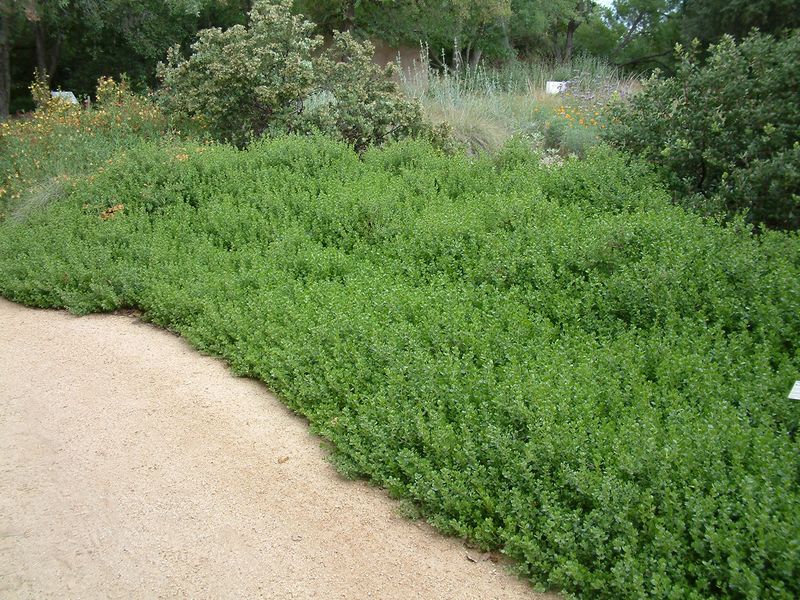
Sunny, exposed spots in California gardens can be brutal in summer, with reflected heat, dry soil, and relentless weed pressure all working against any groundcover that is not truly tough.
Pigeon Point Coyote Brush, a low-growing form of Baccharis pilularis, is one of the few natives that handles those conditions without complaint.
It spreads one to two feet tall and up to ten feet wide, creating a dense, mounding mat of small, bright green leaves that covers the ground thoroughly once established.
That spreading habit shades the soil beneath and makes it difficult for weeds to find the light and space they need to germinate and grow.
It is also notably fire-adapted and tolerant of coastal conditions, salty winds, and poor soils, which makes it useful across a wide range of California landscapes.
Pigeon Point does not produce showy flowers, but the small white blooms in fall attract beneficial insects, and the dense foliage provides year-round soil coverage that is the real draw for weed-reduction planting schemes.
Young plants need regular watering through their first summer to get established, and weeds should be pulled promptly from around new plantings before they compete for moisture.
Once the mat fills in, this groundcover becomes one of the more hands-off options in a low-water garden.
Mulching between plants while they grow in helps speed up the process and keeps weeds at bay during that early establishment window.
7. Everett’s Choice Fuchsia Adds Summer Color
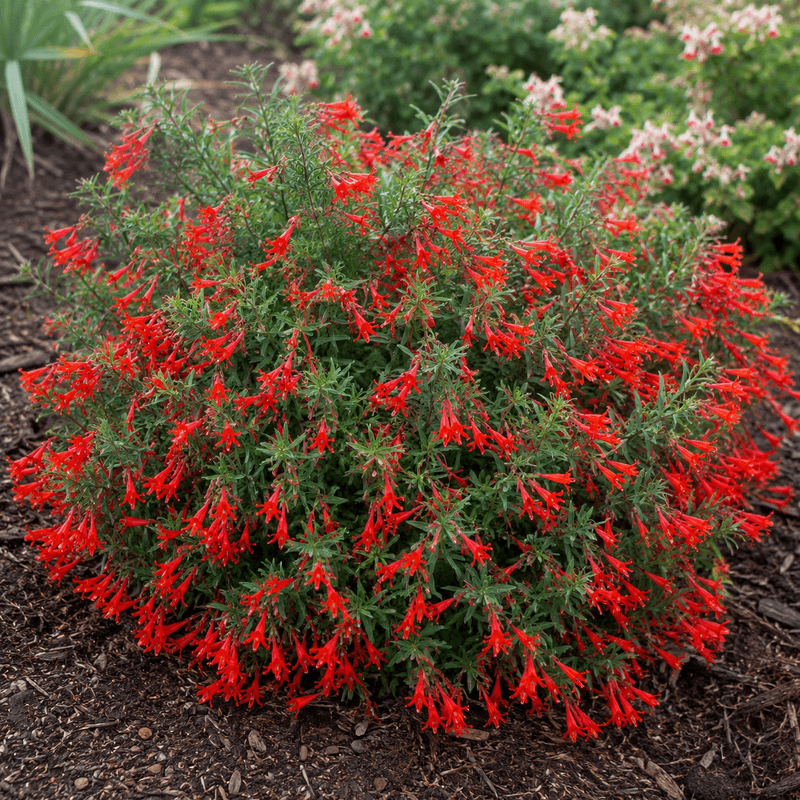
Most drought-tolerant groundcovers put on their best show in spring and then quietly fade into green foliage through the dry months, but Everett’s Choice California Fuchsia does the opposite.
This low-growing form of Epilobium canum saves its most vibrant display for late summer and fall, covering itself in tubular orange-red flowers precisely when hummingbirds are preparing for migration.
It blooms at exactly the point when most other plants in the California garden have stopped putting on a show, making it one of the more strategically valuable groundcovers you can plant.
It spreads about one foot tall and two to four feet wide, forming a low, spreading mat of small gray-green leaves that shades the soil and fills in bare spaces in dry garden beds.
The flowers are narrow and bright, and hummingbirds visit them repeatedly, making Everett’s Choice a functional and wildlife-friendly addition to any native planting.
Getting this plant established requires consistent watering through the first summer, after which it handles dry conditions well.
It can spread by underground runners, so some light management may be needed in smaller garden spaces to keep it where you want it.
Cut it back in late winter to encourage fresh, dense growth from the base. Weeds need to be managed early, before the plant fills in, since the runners take time to close up bare soil completely.
Paired with mulch and early weed removal, Everett’s Choice adds reliable summer color while contributing to a lower-weed California garden through the long dry season.
8. Hummingbird Sage Works In Dry Shade
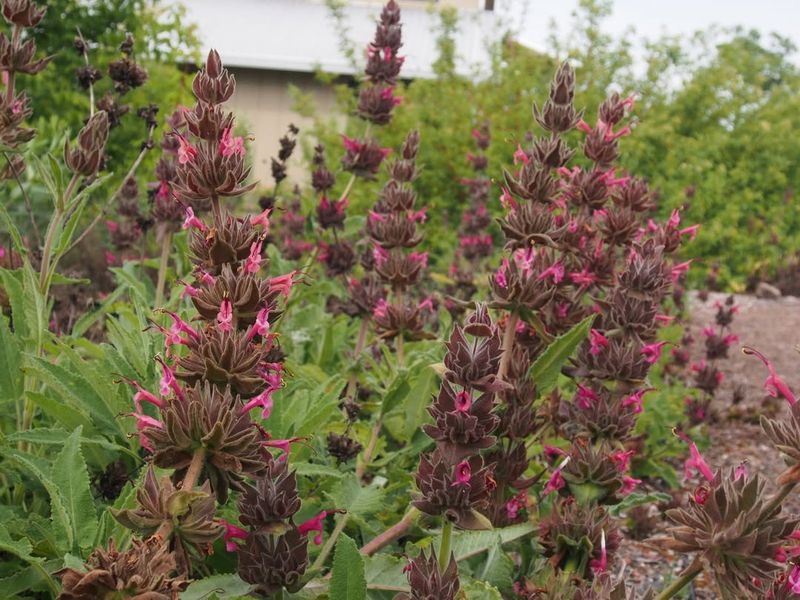
Dry shade is one of the hardest problems to solve in a California garden. Under the canopy of oaks, along the north-facing side of fences, or beneath mature shrubs, the soil stays dry and the light stays low, and most groundcovers struggle to do much of anything useful.
Hummingbird Sage, or Salvia spathacea, is one of the more reliable California natives for exactly these conditions.
It spreads by rhizomes, sending out underground stems that produce new shoots and gradually fill in shaded areas with large, textured, apple-scented leaves.
The foliage stays low to the ground and covers the soil in a way that shades out weed seedlings and reduces bare patches over time.
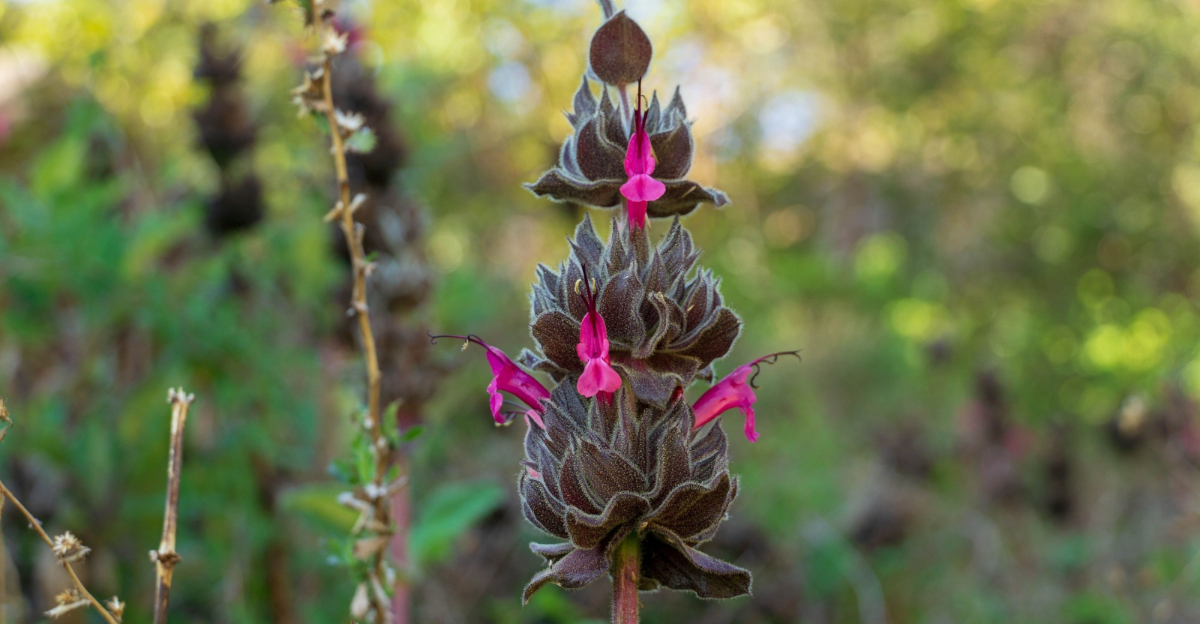
In spring, tall spikes of deep magenta-pink flowers shoot up above the foliage, drawing hummingbirds and native bees in impressive numbers before the plant settles back into its leafy summer role.
Hummingbird Sage can handle significant drought once established, but it spreads more readily with occasional deep watering during dry spells, especially in its first year or two in the ground.
Weeds should be removed from around new plants as they establish, since early competition can slow the rhizome spread.
In a shaded bed where other groundcovers have struggled, this sage often fills in where others have not, making it a genuinely useful option for low-water, low-light weed-reduction plantings across a range of California garden settings.