These 6 Plants Repel Deer From A Michigan Garden So Reliably Neighbors Will Ask What You Did
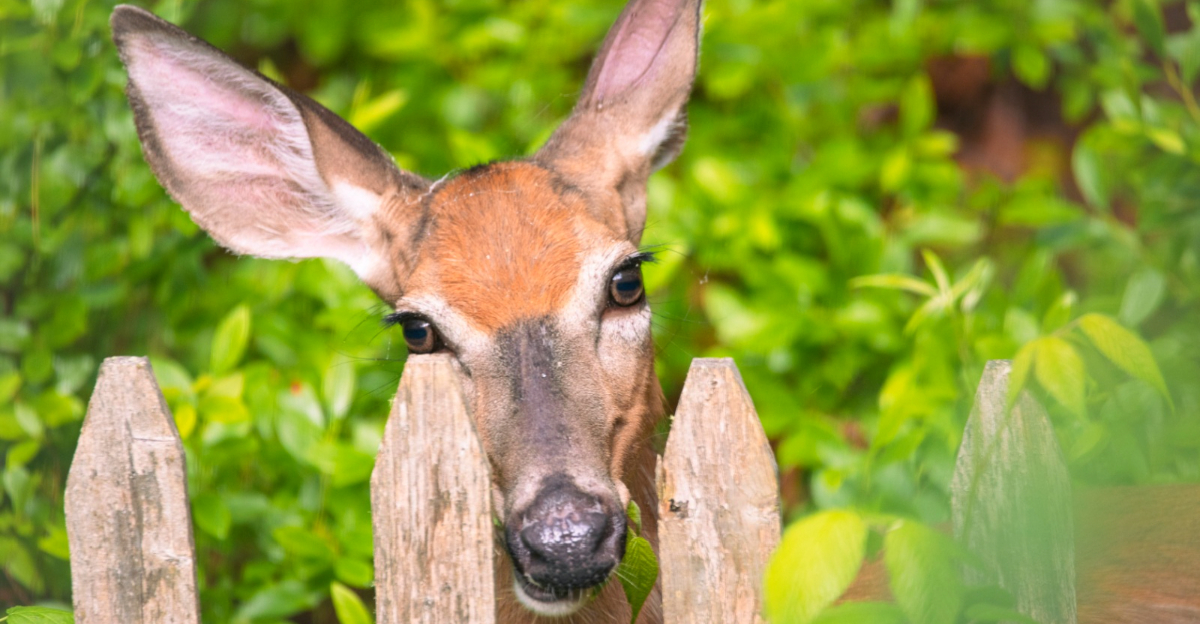
Deer are beautiful, graceful, and absolutely ruthless in a Michigan garden. They will stroll through your yard like they own the place, sample your plants like a buffet, and leave before sunrise without so much as an apology.
The good news is that deer are also surprisingly picky. Strong scents, bitter flavors, and coarse textures tend to send them looking elsewhere for a snack.
No plant is completely off the menu when a deer is truly determined, but stacking your garden with varieties they genuinely dislike can make a real difference through the growing season.
Think of it less as deer-proofing and more as making your yard the least interesting option on the block. Turns out, that is usually enough.
1. Lavender Adds Fragrance Deer Often Avoid
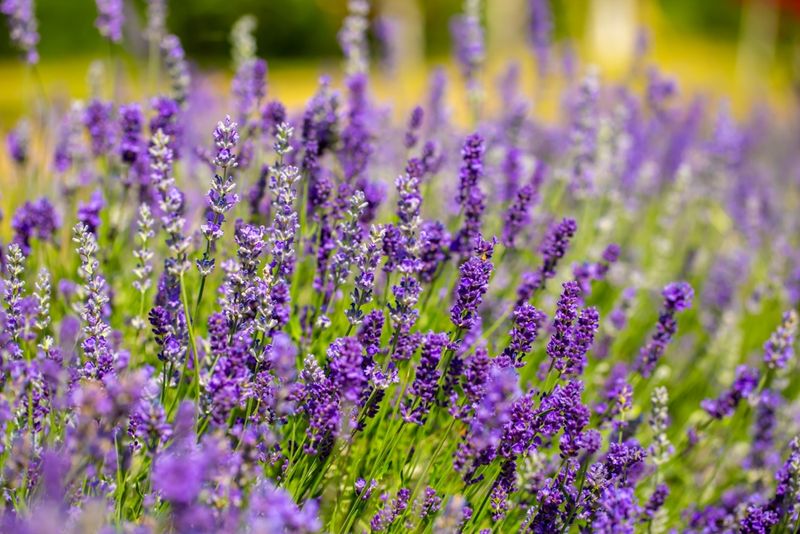
Few plants bring as much sensory reward to a Michigan garden as lavender, and its strong fragrance happens to be one reason deer tend to give it a pass. The same essential oils that make lavender so appealing to people seem to work against it as a deer snack.
Gardeners who have lost beds of coneflowers or black-eyed Susans to browsing often find that lavender nearby gets left untouched.
Lavender grows best in full sun and well-drained soil, which suits many sunny Michigan garden beds and front yard borders nicely. It does not love heavy clay or consistently wet soil, so raised beds or amended garden spots can help it settle in.
English lavender varieties tend to perform well in Michigan, offering compact growth and reliable summer bloom color in shades of soft purple and violet.
Beyond being a less-preferred browse plant, lavender pulls in pollinators throughout the summer, making it a smart addition to any Michigan cottage garden or mixed pollinator bed.
Bees are especially drawn to the flower spikes, which can bloom from late June into August depending on the variety.
Trimming the plants back lightly after flowering encourages a tidy shape and can promote a second flush of blooms in some seasons.
Keep in mind that deer browsing pressure varies, and a very hungry deer in a tough season may still sample lavender. Using it alongside other aromatic plants creates a more layered approach to keeping deer less interested in your garden beds overall.
2. Russian Sage Brings Airy Color And Aromatic Foliage
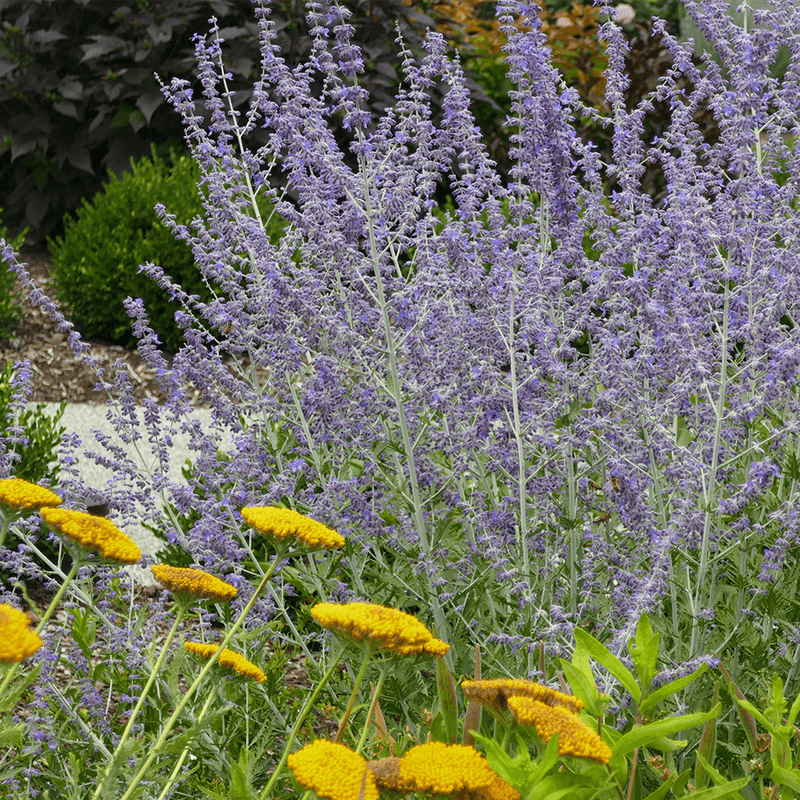
Spent a summer watching deer browse through a flower bed while the tall, wispy Russian sage nearby went completely untouched? That experience turns a lot of Michigan gardeners into loyal fans of this plant.
Russian sage produces long silver-blue flower spikes that create a hazy, airy effect in borders from midsummer well into fall, and its aromatic foliage is something deer tend to find unappealing.
The leaves and stems of Russian sage carry a strong, slightly medicinal scent that comes from the plant’s natural oils. Deer rely heavily on scent when deciding what to eat, and plants with pungent or unfamiliar aromas are often lower on their list of preferred browse.
In Michigan gardens with consistent deer pressure, Russian sage is frequently one of the plants left standing after a night of feeding activity nearby.
Your Michigan Garden Changes Every Week. Your Plan Should Too.
Gardening in Michigan changes quickly throughout the season. Every Friday you’ll receive a simple weekly plan showing exactly what to plant, prune, fertilize, harvest, and protect so you never miss the right timing.
Growing conditions for Russian sage favor full sun and very well-drained soil. It handles dry spells reasonably well once established, which makes it a practical choice for sunny Michigan slopes, gravel gardens, or mixed perennial borders where drainage is good.
It tends to struggle in wet or clay-heavy spots, so soil preparation matters.
From a design standpoint, the soft purple-blue color pairs beautifully with yellow, orange, or white flowering perennials, giving Michigan late-summer borders a relaxed and layered look. Pollinators, especially bees and butterflies, visit the flower spikes regularly.
Cutting the plant back hard in early spring helps it push fresh, tidy growth each season rather than becoming woody and open at the base.
3. Catmint Fills Michigan Beds With Scent And Soft Color
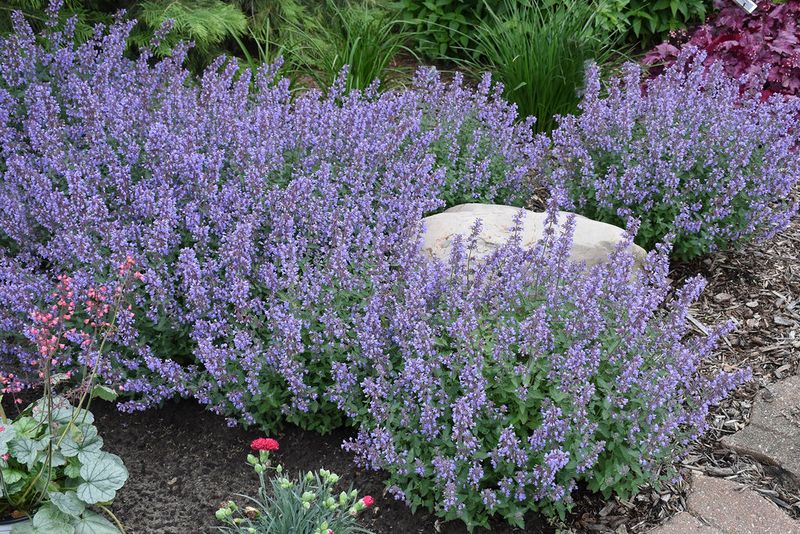
After a favorite salvia or phlox gets browsed back repeatedly, many Michigan gardeners start looking for something with similar soft color that deer are less likely to notice as a meal. Catmint tends to be that answer.
Its gray-green foliage has a minty, herbal scent that deer often find off-putting, and it produces a generous flush of small lavender-blue flowers that soften the edges of borders and pathways beautifully.
Catmint is a low-maintenance perennial that thrives in full sun and tolerates a range of soil conditions as long as drainage is reasonable.
It spreads into a tidy mound over time, making it useful for filling in gaps along garden edges, lining walkways, or anchoring the front of a mixed perennial bed.
In Michigan, it typically blooms heavily from late spring into early summer, then reblooms after a light trim through midsummer.
Pollinators are very fond of catmint, particularly bumblebees, which can be seen working the flower spikes on warm Michigan afternoons throughout the bloom period.
Adding catmint to a pollinator-focused planting helps extend the season of interest while also reducing the likelihood that deer will browse through that section of the bed.
One thing to keep in mind is that cats are attracted to catmint and may roll in or flatten young plants. Protecting newly planted specimens with a small wire cage until they establish can prevent this.
Once catmint is mature and full-sized, it tends to hold up well and requires very little attention beyond the occasional trim to keep it looking fresh.
4. Foxglove Adds Height Deer Often Leave Alone
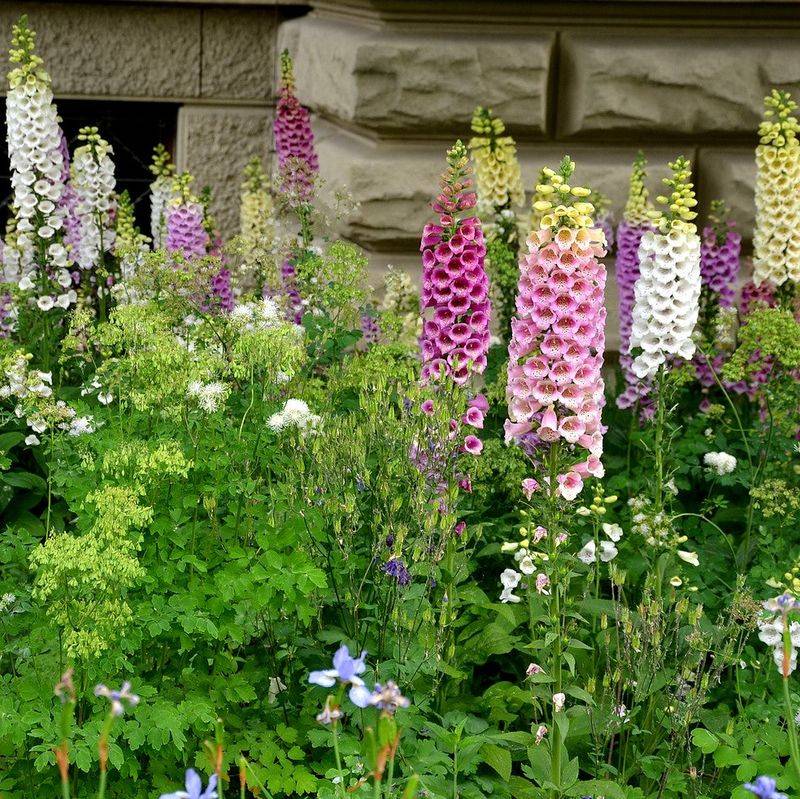
Towering flower spikes covered in tubular blooms make foxglove one of the more dramatic additions a Michigan gardener can bring to a shaded or part-sun border.
Beyond its visual impact, foxglove contains naturally occurring compounds throughout its leaves and stems that make it unpalatable and even toxic to many animals, including deer.
This characteristic is a key reason why deer tend to leave foxglove alone even when browsing through surrounding plants.
Foxglove performs well in Michigan gardens that offer partial shade, especially in spots that get morning sun and afternoon shade. It does well under the canopy of open trees or along the shaded side of a house or fence.
Rich, moist, well-drained soil suits it best, and consistent moisture during dry summer stretches helps it stay looking its best through the bloom season.
Most foxgloves are biennials, meaning they grow foliage in their first year and bloom in their second before setting seed.
Allowing the seed heads to drop naturally encourages self-seeding, which can keep a colony going in a Michigan garden without replanting every year.
Some perennial varieties are also available and may be worth exploring for gardeners who prefer a more predictable return.
The tall bloom spikes, often reaching four to five feet, add vertical structure that smaller perennials cannot provide. Hummingbirds are drawn to the tubular flowers, which makes foxglove a rewarding addition to Michigan wildlife-friendly gardens.
Planting it toward the back of a border lets its height work without overwhelming shorter plants growing in front.
5. Yarrow Brings Tough Color With A Scent Deer Often Skip
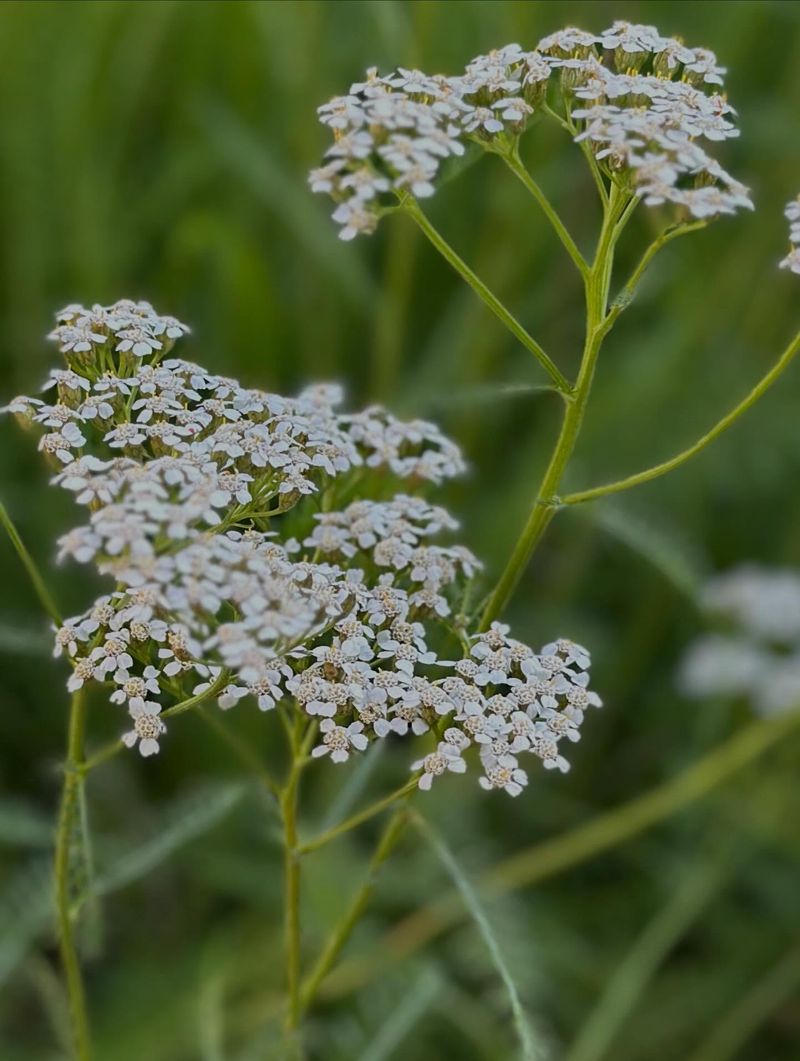
Gardeners dealing with dry, sunny spots in Michigan often find that yarrow is one of the most reliable plants they can reach for, and the fact that deer tend to avoid it makes it even more appealing.
Yarrow produces flat-topped clusters of flowers in shades ranging from white and soft yellow to rich red and coral, depending on the variety.
Its finely cut, ferny foliage carries a sharp, herbal scent that deer seem to find unpleasant.
The aromatic oils in yarrow leaves are strong enough that even brushing against the plant releases the scent noticeably.
This characteristic, combined with the texture of the foliage, places yarrow firmly in the category of plants that deer commonly pass over in Michigan gardens.
It is not a guarantee, but yarrow tends to hold its own even in areas with regular deer activity nearby.
Yarrow grows best in full sun and lean, well-drained soil. It actually tends to perform better without heavy fertilization, which can cause floppy growth.
Once established, it is quite drought-tolerant, making it a smart choice for Michigan gardeners looking to reduce watering demands during dry summer months.
From midsummer onward, yarrow attracts a wide range of pollinators, including native bees, butterflies, and beneficial wasps that help with garden pest control. Deadheading spent blooms encourages continued flowering and keeps plants looking tidy.
Dividing clumps every few years helps maintain vigor and prevents the center of the plant from becoming bare and open over time.
6. Salvia Adds Bright Blooms And Aromatic Leaves
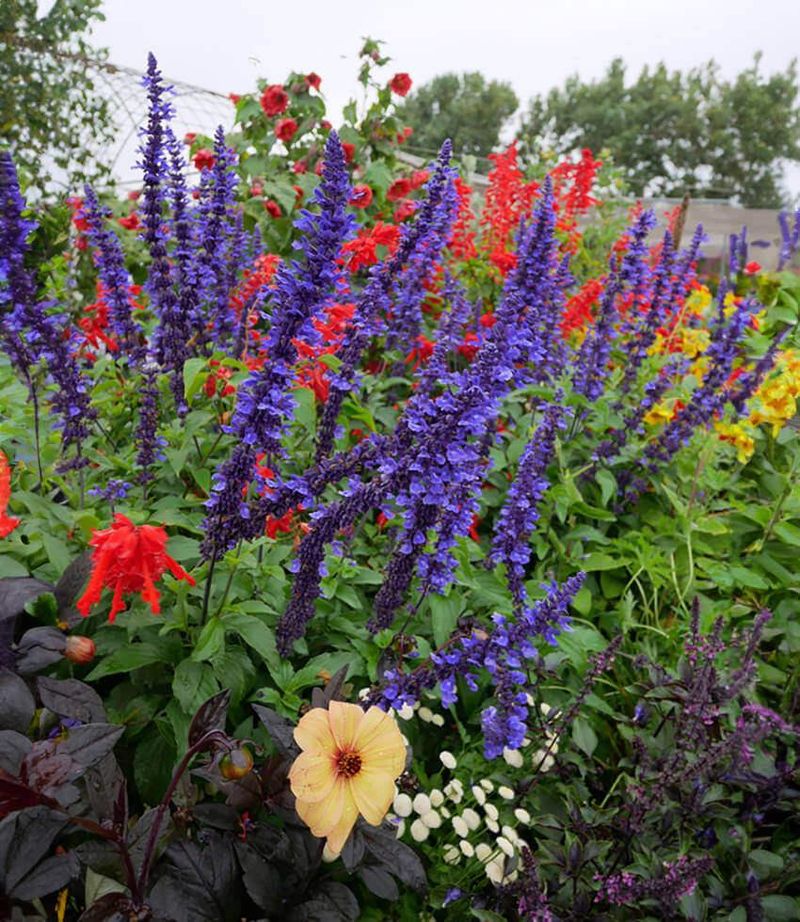
Bright, upright flower spikes and strongly scented foliage make salvia one of the most practical flowering plants a Michigan gardener can choose when deer pressure is a concern.
The aromatic oils in salvia leaves give the foliage a sharp, almost medicinal scent that deer tend to avoid.
Gardeners who plant salvia alongside less deer-resistant choices often notice that the salvia section of the bed stays intact while other areas show signs of browsing.
Both annual and perennial salvias offer options for Michigan gardens, depending on the look and longevity a gardener is after.
Perennial salvias like May Night and Blue Hill are well-suited to Michigan conditions, producing deep violet or blue flower spikes from late spring into summer and often reblooming with a trim.
Annual salvias bring bold red, purple, or coral tones that work well in summer containers or seasonal mixed beds.
Salvia grows best in full sun with well-drained soil and handles moderate drought reasonably well once established.
Overly wet or heavy clay soils can cause root issues, so amending the planting area or choosing a raised bed spot helps in areas with challenging soil.
Regular deadheading or a light cutback after the first bloom flush encourages fresh flower spikes and keeps plants looking full through the season.
Pollinators are strongly attracted to salvia, with hummingbirds, bees, and butterflies visiting the flower spikes regularly throughout the Michigan summer.
Including salvia in a pollinator garden or cottage-style border adds reliable color while also reducing the likelihood that deer will browse through that section of the planting.