These Rat-Repelling Plant Combinations Work Better Together In California Gardens
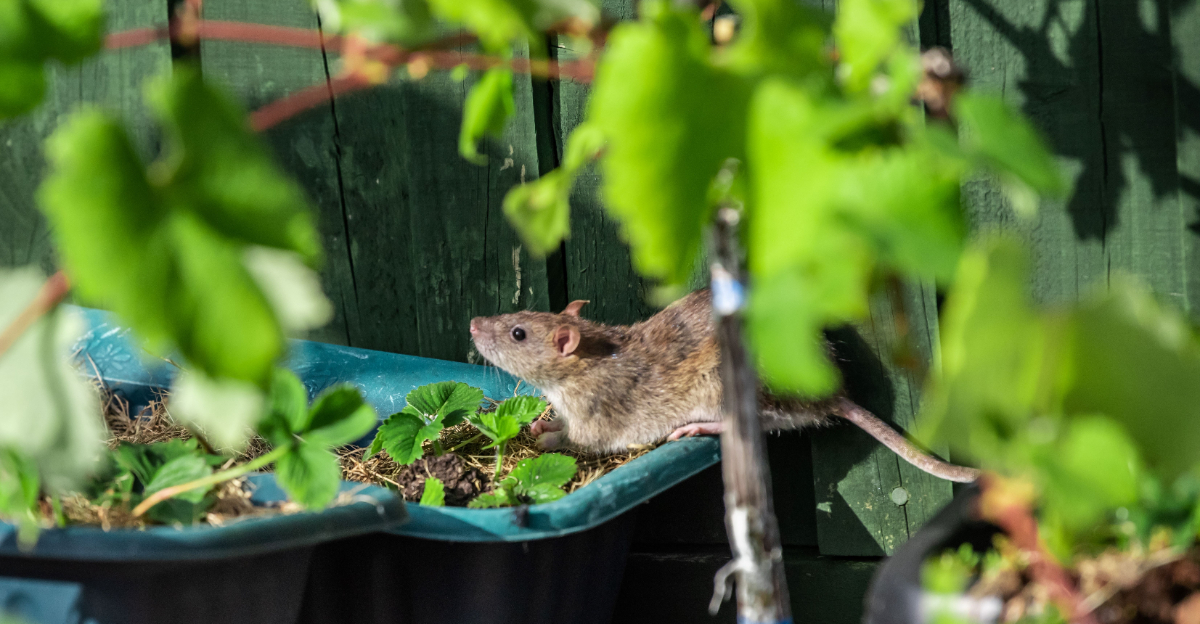
A garden that smells wonderful to you may send a very different message to a rat. That makes certain plant pairings especially interesting for California yards where homeowners want attractive beds without creating a cozy rodent hangout.
One strongly scented plant might seem useful on its own, but gardens rarely work as single-plant experiments.
Layering different textures, aromas, heights, and growth habits can create a space that feels fuller while also changing how animals move through it.
The best part is that these combinations do not have to look like pest control. They can fit naturally around patios, vegetable beds, walkways, or sunny borders and still earn their place based on appearance alone.
Nobody wants the backyard looking like a fortress with flowers. California’s long growing season also gives gardeners plenty of opportunities to mix plants with different strengths.
Some pairings can make better use of limited space while keeping the overall design cohesive.
If rats have become unwelcome regulars around the yard, pairing plants thoughtfully may offer a smarter approach than relying on one lonely plant to do all the work.
1. Rosemary And Lavender
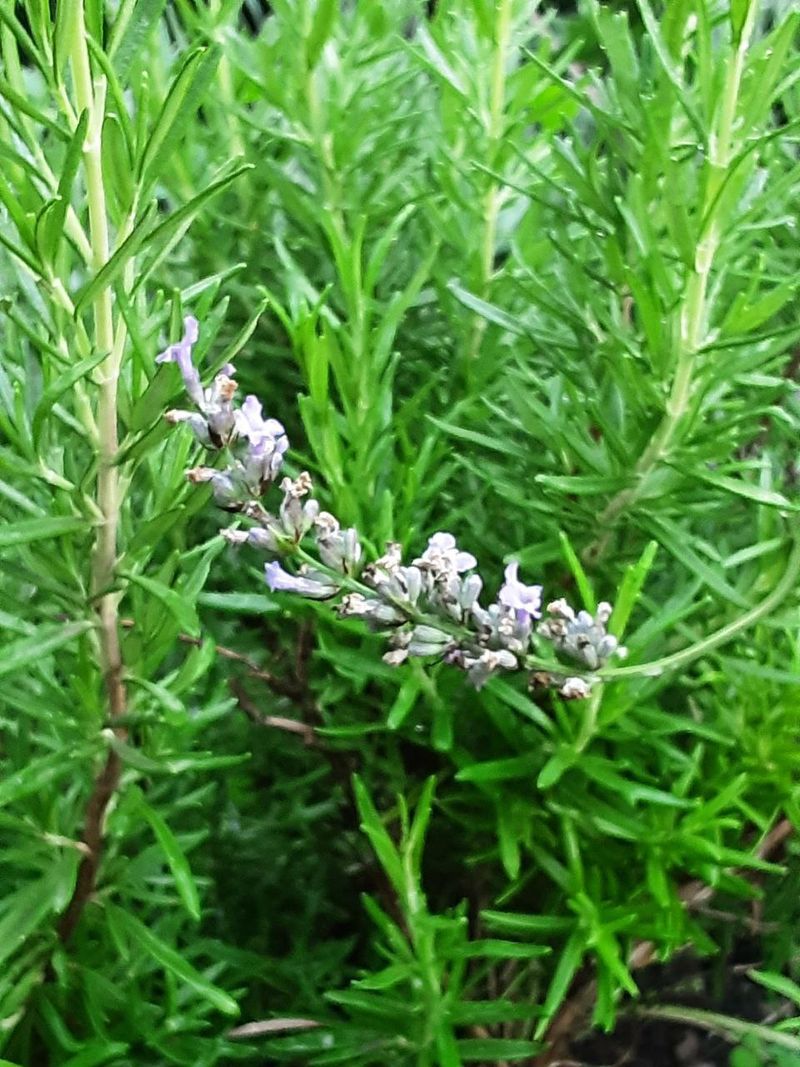
Few plant pairings smell as wonderful to people as rosemary and lavender, yet rats find this combination absolutely overwhelming. Both plants release strong, sharp essential oils that irritate a rat’s sensitive nose.
When planted side by side, their scents blend into a powerful aromatic wall that discourages rats from crossing into your garden beds.
Rosemary has a piney, herbal fragrance that rats strongly dislike. Lavender adds a floral sharpness that layers on top of the rosemary scent.
Together, they create a two-punch combo that hits rats harder than either plant could manage alone. Plant them along borders, near entry points, or around vegetable beds for the best protection.
Both plants love full California sun and well-drained soil, making them natural companions in the garden. They are drought-tolerant once established, which is a big bonus in warm, dry climates.
You can trim rosemary into low hedges and let lavender grow in clusters nearby for a tidy, attractive border. Bees and butterflies love both plants, so you get pest control and pollinator support at the same time.
Prune them regularly to keep the scent strong and the plants healthy. This is one of the easiest, most rewarding combinations you can plant for rat control.
2. Sage And Thyme
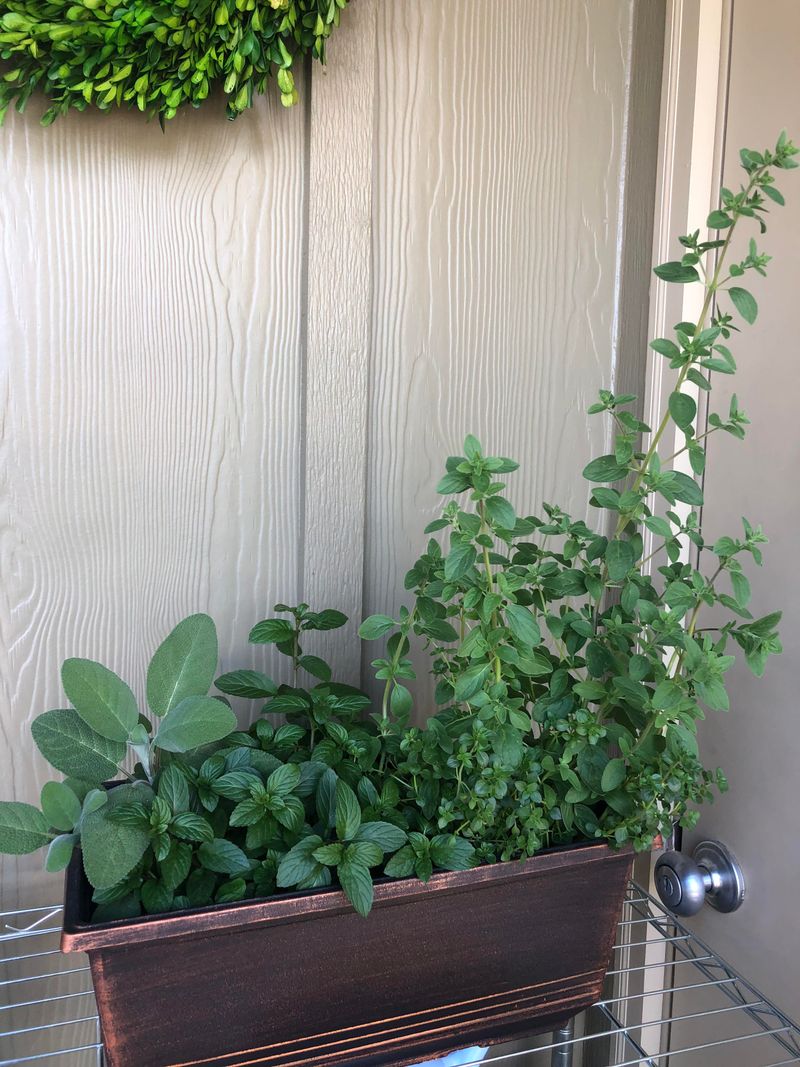
There is something almost old-fashioned and charming about a sage and thyme garden. These two herbs have been grown together for centuries, and for good reason.
Beyond their culinary uses, both plants produce strong volatile oils that rats find deeply unpleasant. Planting them as a pair amplifies that repelling effect significantly.
Sage has a bold, earthy, slightly peppery scent that rats instinctively avoid. Thyme adds a sharper, more medicinal aroma on top of that.
When you rub the leaves of either plant, the smell intensifies immediately. Rats are far too sensitive to these odors to comfortably settle near them.
Planting both herbs in clusters around your garden perimeter creates a scented fence rats do not want to cross.
Your California Garden Changes Every Week. Your Plan Should Too.
Gardening in California changes quickly throughout the season. Every Friday you’ll receive a simple weekly plan showing exactly what to plant, prune, fertilize, harvest, and protect so you never miss the right timing.
Both herbs thrive in sunny spots with good drainage and minimal watering once established. They grow well in containers too, so you can place them near doorways, garage entries, or fences where rats tend to travel.
Sage can grow into a fairly large shrub over time, while thyme stays low and spreads nicely as ground cover. Together, they cover different layers of your garden.
Harvest them regularly for cooking, which also keeps the plants bushy and fragrant. Fresh growth releases the strongest scent, giving you continuous rat-repelling power throughout the growing season.
3. Mint And Rosemary
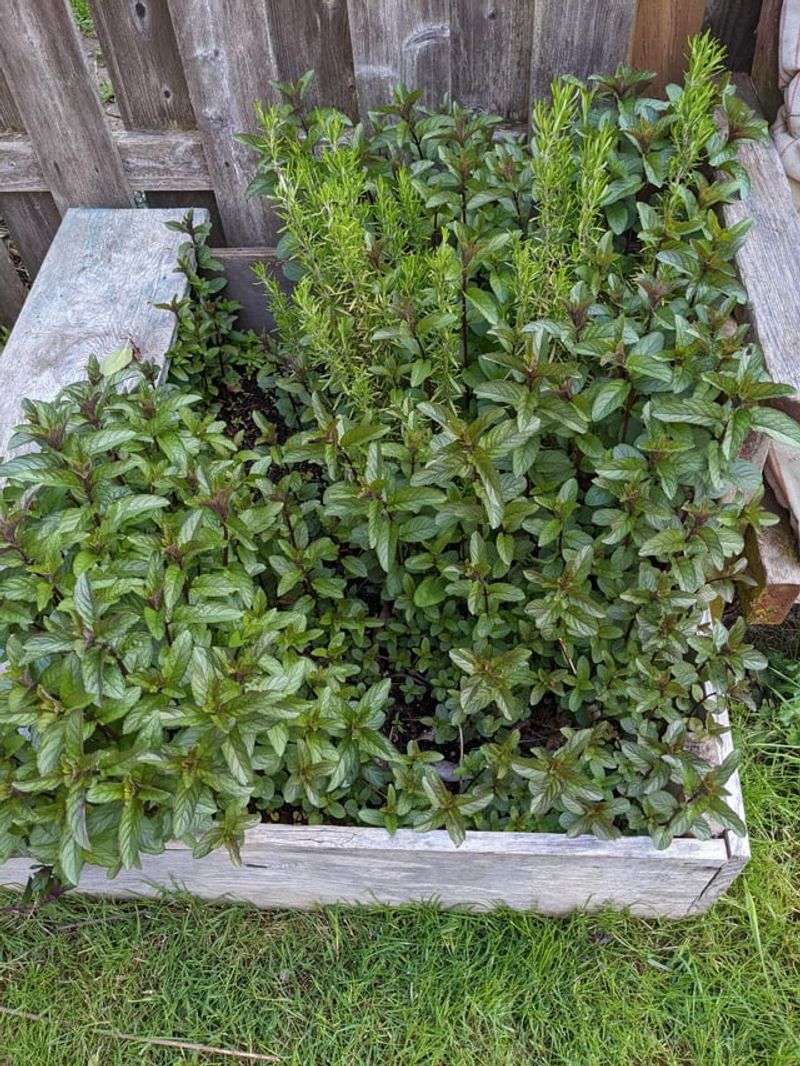
Mint is one of the most powerful rat-repelling plants you can grow, and pairing it with rosemary takes that power to a whole new level.
The cool, sharp scent of mint is almost suffocating to rats, whose noses are far more sensitive than ours.
Add the piney intensity of rosemary, and you have a combination that makes your garden a no-go zone for rodents.
One thing to know about mint is that it spreads aggressively if left unchecked. Planting it in containers or using underground barriers keeps it from taking over your garden beds.
Rosemary, by contrast, is well-behaved and grows in a tidy upright form. Together in a large container or raised bed, they make a practical and attractive pairing that is easy to manage.
Place this combination near compost bins, trash areas, or anywhere you have noticed rat activity before. Rats often scout these zones for food, so hitting them with this scent combination right at those entry points is very effective.
Both plants prefer sunny locations and moderate watering. Mint can handle slightly more moisture than rosemary, so water with that in mind.
Crush or brush the leaves occasionally to release fresh scent bursts. Regular harvesting keeps both plants producing new growth, which means stronger fragrance and better protection for your outdoor spaces all season long.
4. Lavender And Oregano
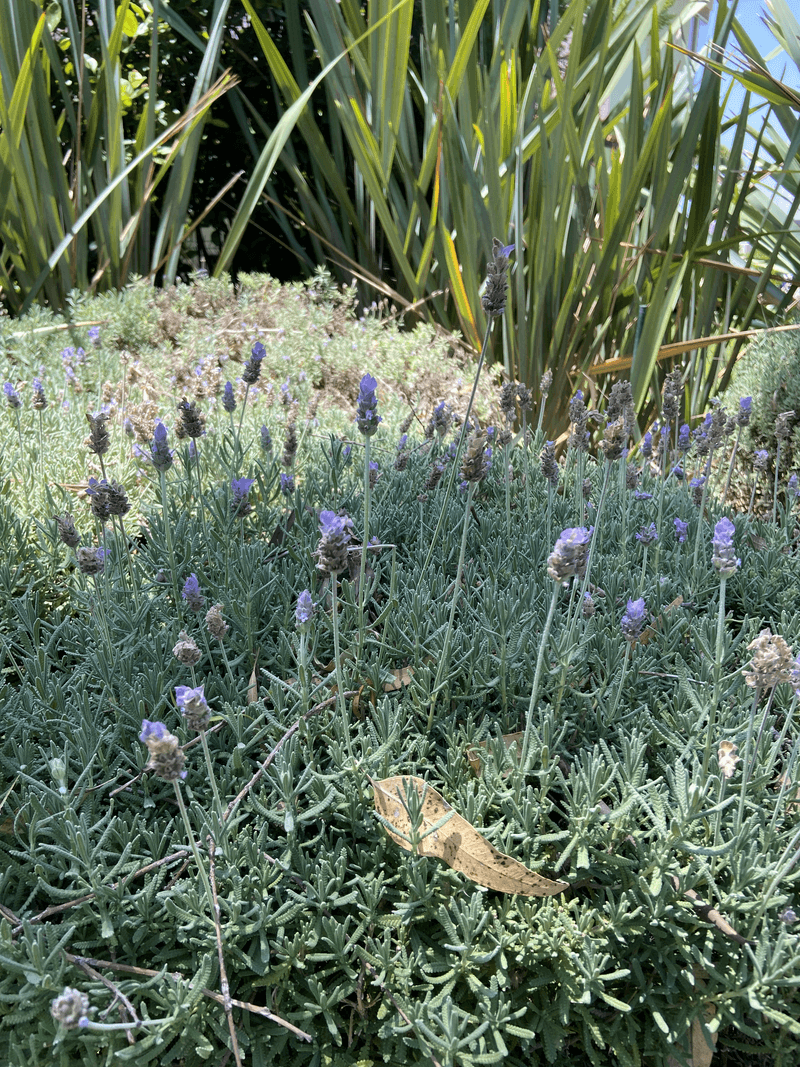
Oregano does not always get credit for its rat-repelling abilities, but this herb is surprisingly effective. Its strong, spicy, almost medicinal scent is one that rats actively avoid.
When you pair it with lavender, the two scents combine into something rats find completely overwhelming. This pairing is a quiet powerhouse in the garden.
Lavender brings a floral sharpness that lingers in the air even on still days. Oregano adds a deeper, more pungent layer underneath.
Rats rely on familiar scent paths to feel safe moving through a space. When those paths are disrupted by strong, unfamiliar aromas, rats tend to reroute and avoid the area entirely.
Planting this combination along fences, walls, or pathways makes those routes far less rat-friendly.
Both plants are well-suited to warm, sunny gardens and need very little water once they are established. Oregano spreads nicely as a low ground cover, while lavender grows taller and more upright.
Layering them this way gives you scent coverage at multiple heights, which is more effective than planting at a single level. Both are also incredibly useful in the kitchen, so you get a double benefit from growing them.
Trim regularly to encourage fresh, fragrant new growth. This combination works especially well along the edges of patios or outdoor seating areas where you spend time and want to keep rats away.
5. Thyme And Marigolds
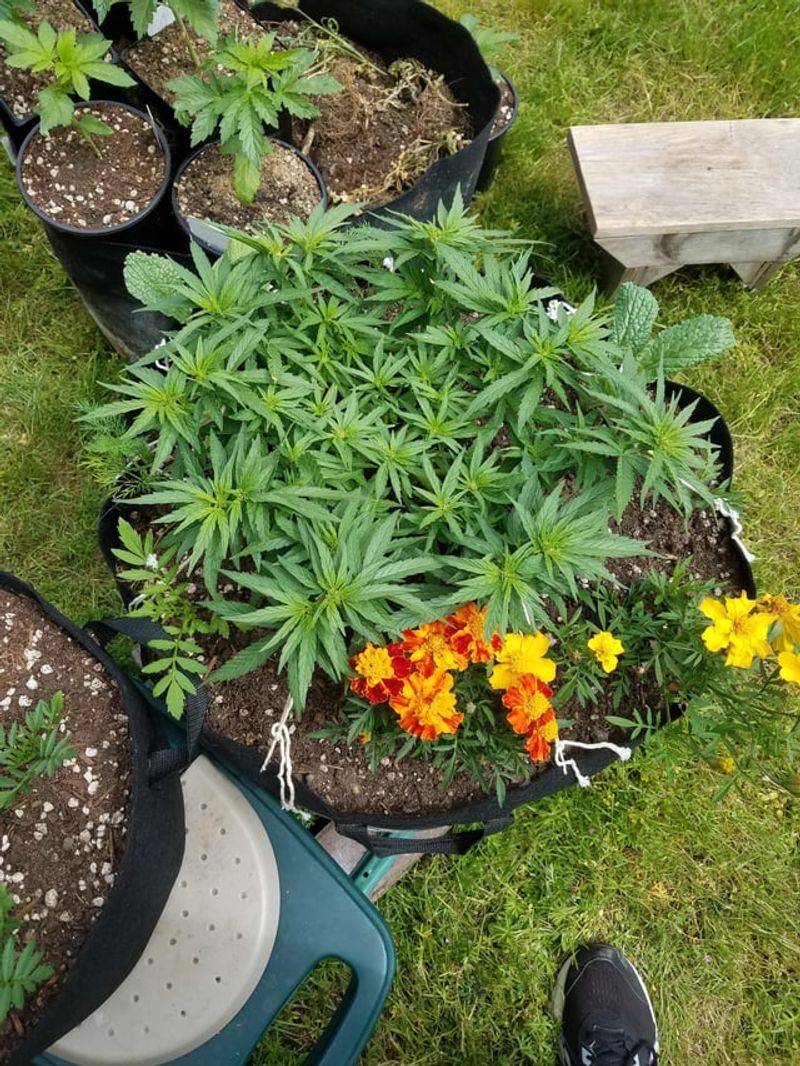
Marigolds have a reputation for repelling all kinds of garden pests, and that reputation is well-earned.
Their sharp, slightly bitter scent comes from compounds in their leaves and roots that insects and rodents find very off-putting.
Pair them with thyme, and you add an herbal punch that takes the repelling effect even further.
Thyme has a clean, sharp scent that rats strongly dislike. Marigolds bring a heavier, more pungent aroma that hits at a different sensory frequency.
When these two grow together, their combined scent creates a layered barrier that is hard for rats to ignore. Rats that encounter this combination tend to turn around and look elsewhere for a path through your garden.
Marigolds are easy to grow from seed and bloom in cheerful shades of orange, yellow, and red. They add a pop of color that makes the garden look lively and well-tended.
Thyme grows low and fills in gaps beautifully, creating a dense ground-level scent layer. Plant marigolds along the sunny edges of beds with thyme tucked in around them.
Both plants do well in garden beds, raised planters, and large containers. Water them moderately and deadhead the marigold blooms regularly to keep new flowers coming.
More blooms mean more scent, and more scent means better protection. This is a fun, colorful combination that does serious work in keeping rats at bay.
6. Rosemary And Santolina
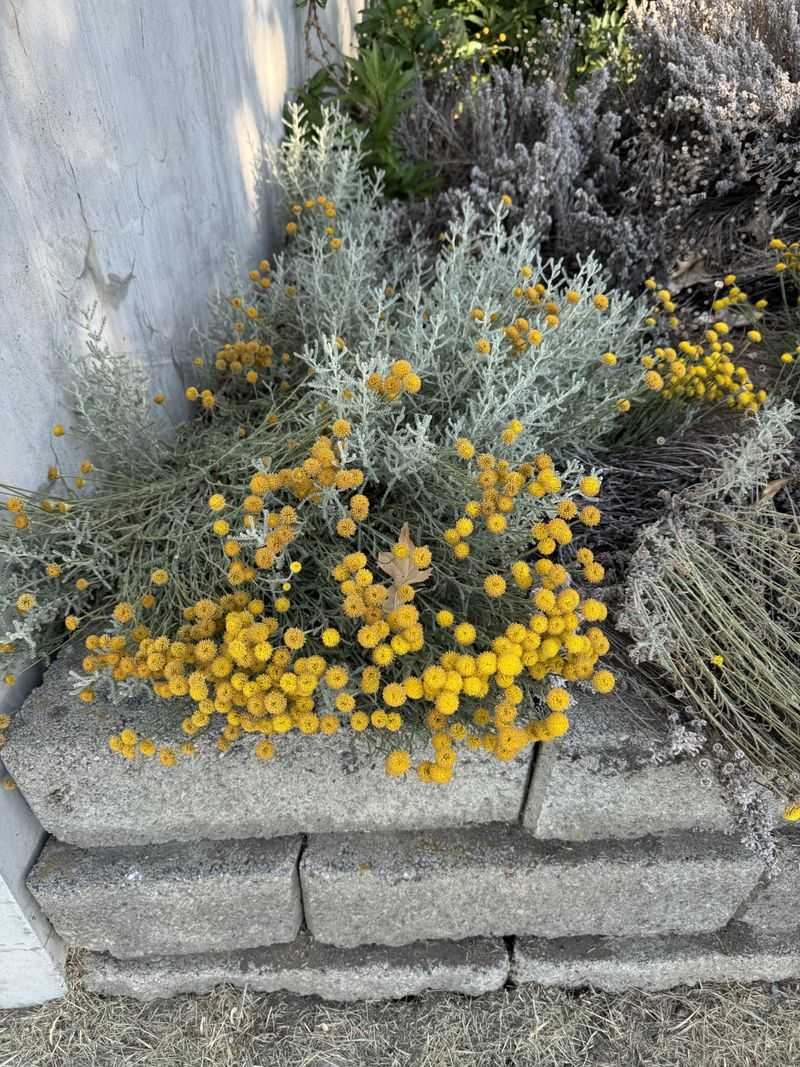
Santolina might not be as well-known as some other garden herbs, but seasoned California gardeners swear by it for pest control.
Also called cotton lavender, santolina has a sharp, camphor-like scent that is deeply unpleasant to rats.
Pair it with rosemary, and you get a combination that is practically impenetrable to rodents.
Rosemary and santolina share very similar growing needs. Both love full sun, tolerate drought well, and prefer sandy or well-drained soil.
This makes them natural companions that are easy to grow side by side without a lot of fuss.
They also both have silvery or gray-green foliage that looks striking together in the garden. The visual pairing is as appealing as the aromatic one.
Plant this combination along dry, sunny borders or slopes where rats might try to travel. The dense, bushy growth of both plants also removes hiding spots that rats love.
Rats prefer to move through covered areas where they feel protected. Dense, prickly, strongly scented plants remove that sense of safety.
Trim both plants back after flowering to keep them compact and bushy. Fresh new growth always produces the strongest scent.
Santolina is especially pungent when brushed or trimmed, releasing a burst of camphor-like aroma. This is a low-maintenance, high-impact pairing that works beautifully in warm, sunny spots throughout your garden.
7. Sage And Lavender
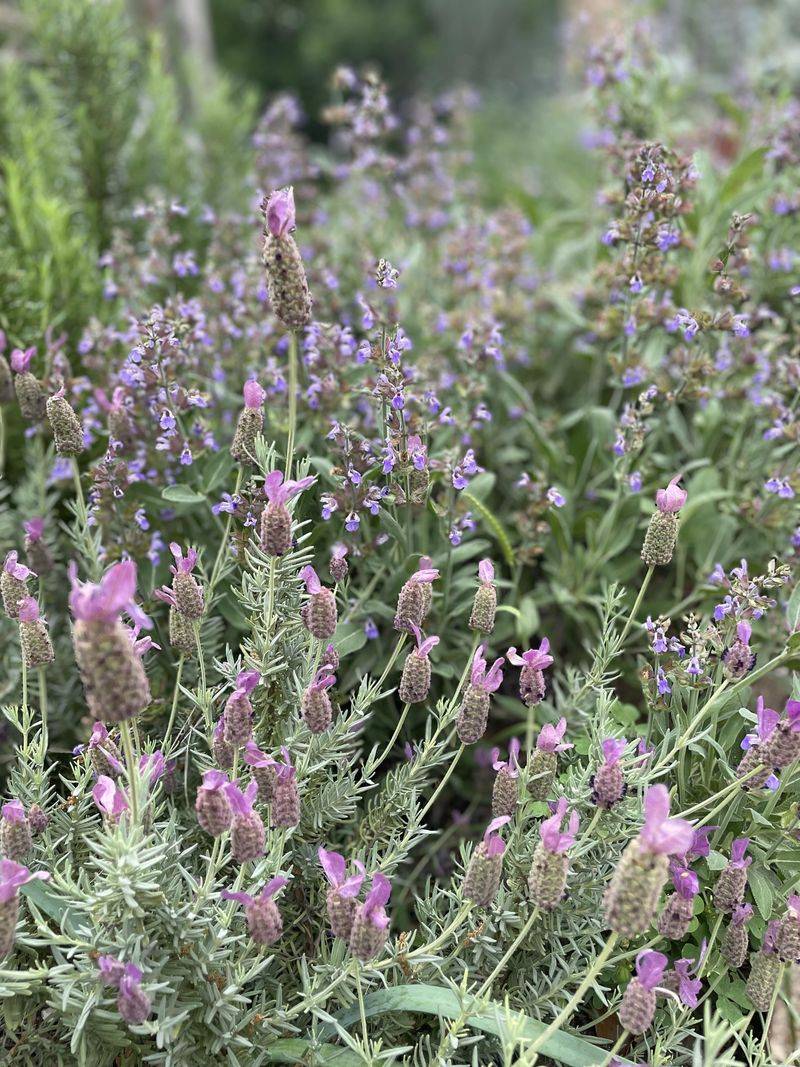
Some California garden combinations just feel right, and sage paired with lavender is one of them. Both plants have been prized for centuries for their fragrance and medicinal properties.
As it turns out, the same qualities that make them appealing to people make them deeply repellent to rats. This is a pairing with both beauty and brains.
Sage has a strong, savory, almost musky scent that rats find highly disturbing. Lavender layers on top with its floral sharpness, creating a blend that confuses and overwhelms a rat’s sense of smell.
Rats need their nose to find food, identify safe paths, and communicate with other rats. When their sense of smell is bombarded by these two plants, they become disoriented and uncomfortable.
Both plants prefer sunny, well-drained spots and are quite drought-tolerant, making them a smart choice for low-water gardens. Sage can grow quite large and full over time, while lavender tends to stay more compact.
Plant sage as a backdrop and lavender in front for a tiered effect that looks lovely and provides scent at multiple heights. Deadhead lavender blooms as they fade to encourage a second flush of flowers.
Prune sage back by about a third in early spring to keep it from getting woody. Regular maintenance keeps both plants lush, fragrant, and effective at keeping rats away from your garden throughout the year.
8. Oregano And Thyme
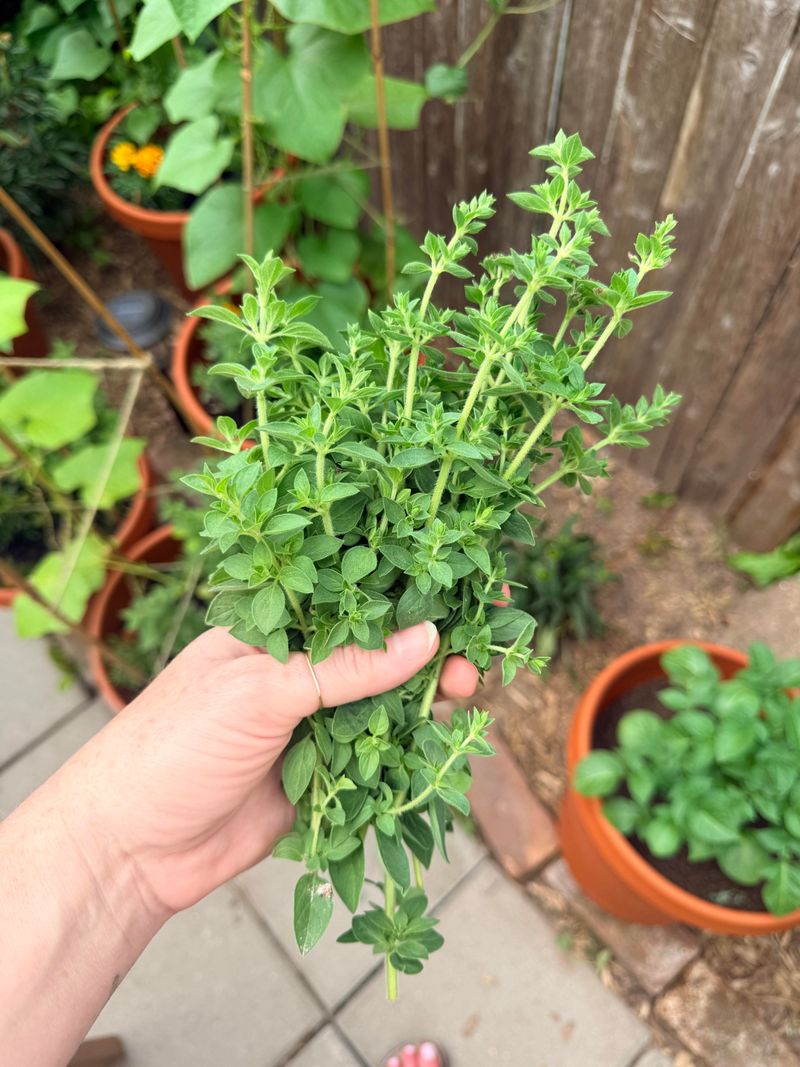
Here is a combination that gardeners in warm California climates have quietly relied on for years. Oregano and thyme are both Mediterranean herbs that share similar growing conditions and a mutual dislike from rats.
When grown together, their sharp, herbal scents blend into a potent deterrent that keeps rodents from settling nearby.
Oregano has a bold, peppery, slightly bitter scent that rats strongly avoid. Thyme adds a cleaner, sharper note on top.
Together, they create a persistent aromatic presence in your garden that does not let up. Unlike some pest-control methods that fade quickly, these living plants continue producing scent day after day throughout the growing season.
Both herbs are incredibly easy to grow and require very little attention once established. They prefer full sun and well-drained soil and handle dry spells with ease.
Oregano tends to spread out and grow a bit taller, while thyme stays low and creeping. Planting them together gives you great ground-level coverage with some height variation.
Try growing them in containers near doorways, garage entries, or along fences where rats are known to travel. You can also tuck them into gaps in stone walls or along garden edges.
Harvest both herbs regularly for cooking. Fresh harvesting encourages new growth, which means stronger scent output. This is a practical, low-effort pairing that pulls double duty in the kitchen and the garden.
9. Santolina And Lavender
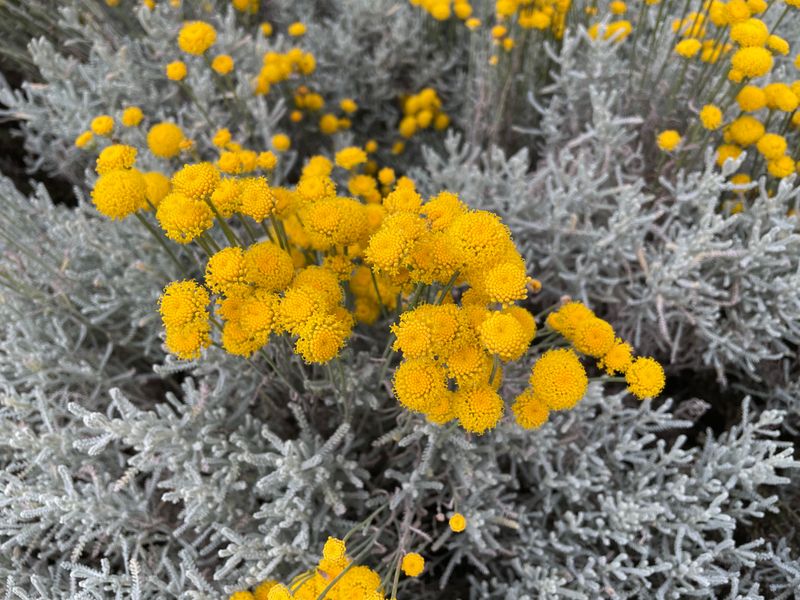
Bold, aromatic, and surprisingly tough, santolina is one of those underrated garden plants that earns its place quickly. Its camphor-like scent is sharp and persistent, exactly the kind of smell that sends rats running.
When paired with lavender, the two create a fragrant barrier that is both beautiful and highly effective at rat repulsion.
Lavender brings a familiar, floral sharpness that blends surprisingly well with santolina’s more aggressive aroma. Together, they create a scent profile that is complex and overwhelming for rats.
Since rats depend on smell for almost everything they do, disrupting their olfactory environment is one of the most effective ways to deter them without using any chemicals at all.
Both plants thrive in hot, dry, sunny conditions, making them especially well-suited to California gardens and similar climates. They are both drought-tolerant and low-maintenance once established.
Santolina forms neat, silvery mounds that contrast beautifully with the tall purple spikes of lavender. This visual pairing is striking enough to make a real design statement in any garden.
Plant them along pathways, near seating areas, or at garden entrances for maximum impact. Trim santolina after its yellow button flowers fade to keep it compact and tidy.
Prune lavender lightly after blooming to encourage a second flush of flowers. Together, these two plants offer long-lasting fragrance, good looks, and reliable rat-deterring power all season long.